
Unraveling the Mechanics: How Does a Small Slewing Bearing Work?
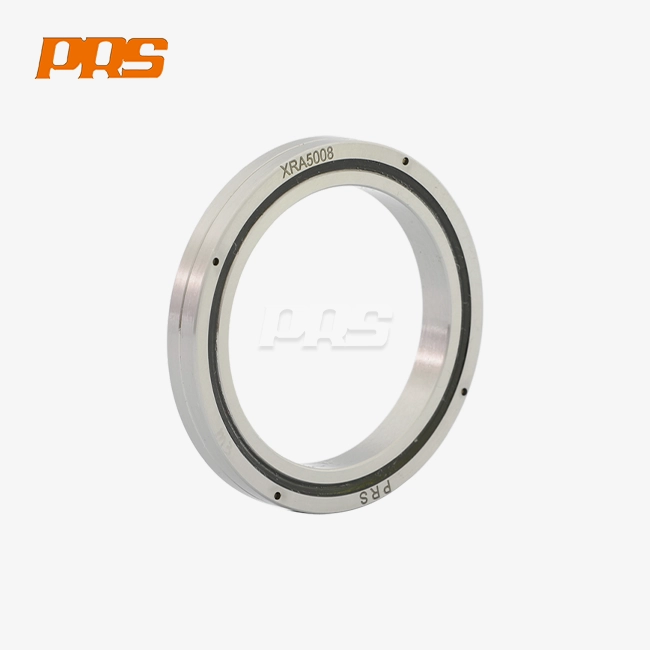
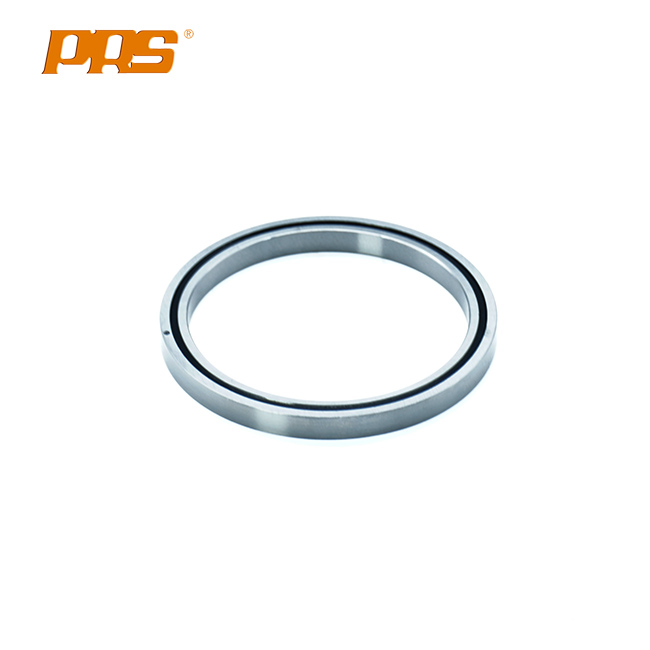
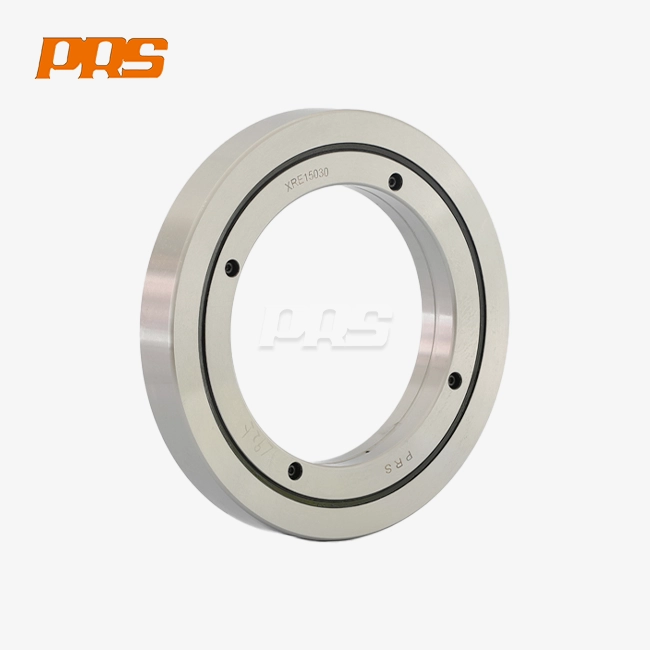
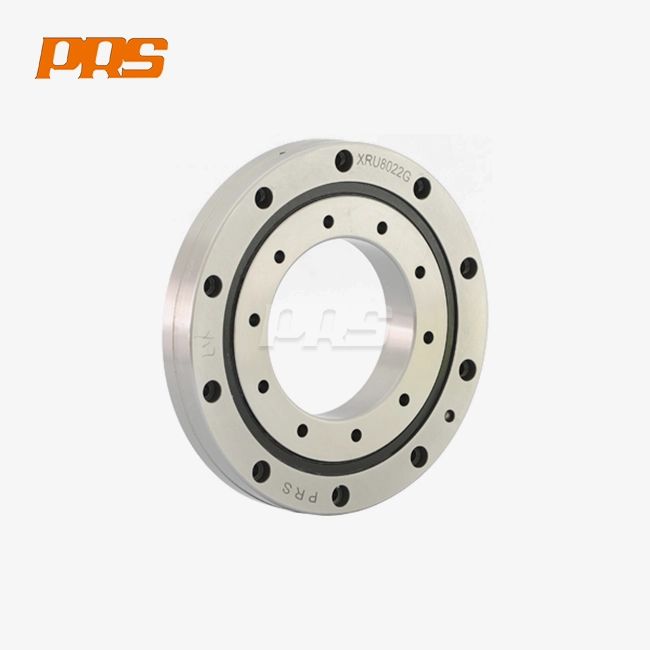
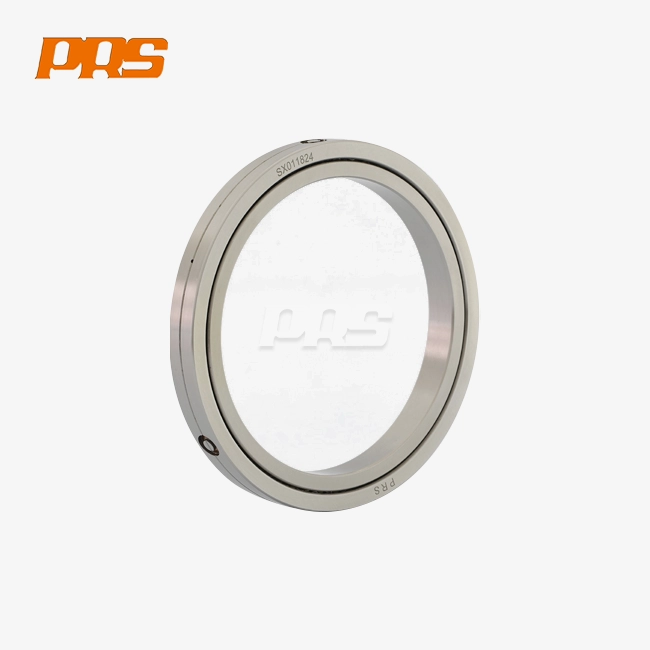
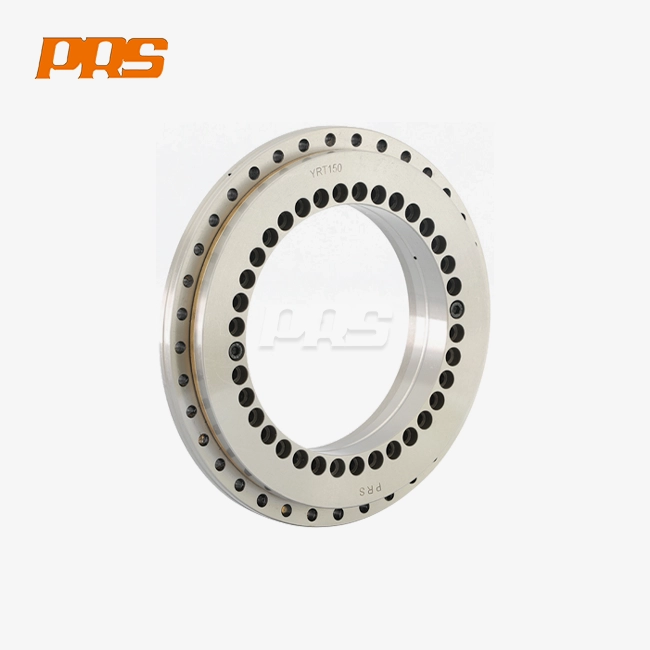
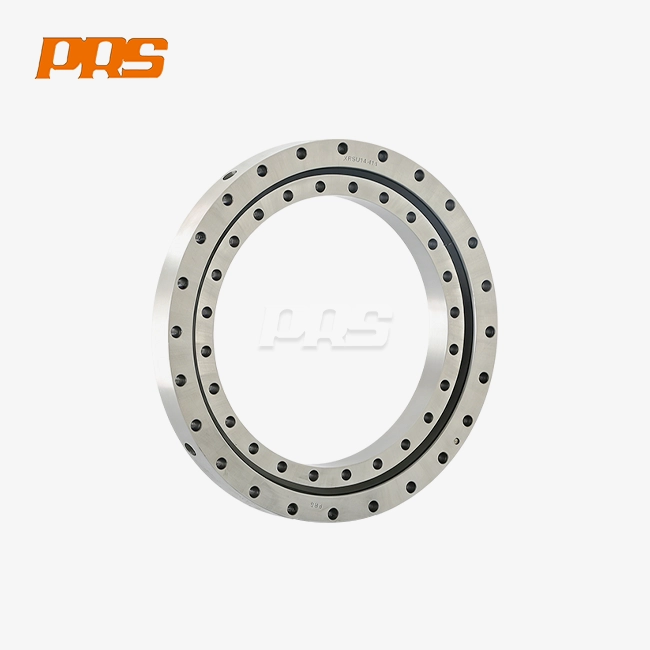
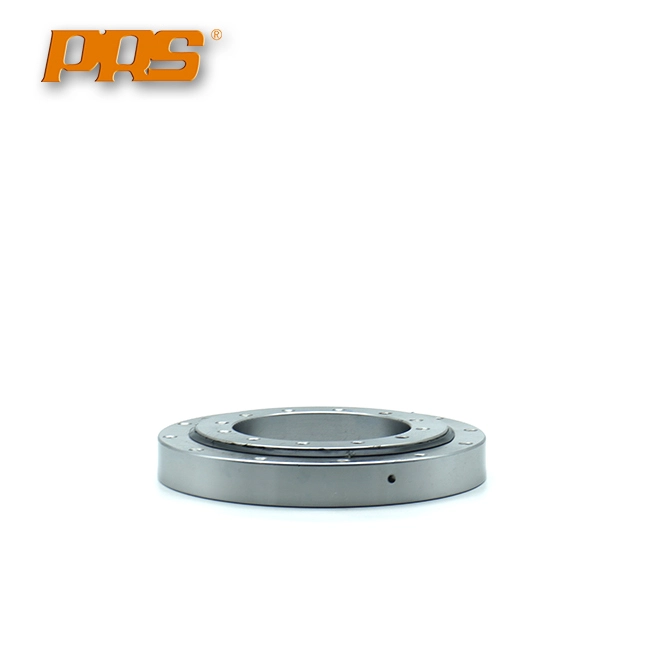
A small slewing bearing is a small rotating part that can handle axial, radial, and moment loads at the same time. It does this by having inner and outer rings, rolling elements, and possible gears that are all built into one unit. These bearings, which usually have an outer diameter of 200mm to 600mm, don't need separate shaft and housing setups because they come with fixing holes that have already been machined in and seals that have already been installed. The rolling elements, which can be balls or rollers, spread the load across the best raceway surfaces. This makes it possible for smooth spinning while keeping the structural rigidity that is needed for precise uses in robots, medical imaging, and automatic systems.
Understanding Small Slewing Bearings: Definitions and Core Mechanics
What Defines a Compact Slewing Bearing?
A big technical problem in modern robotics is often getting full rotational capability while working with limited space. These specialized spinning solutions deal with this problem by combining several functions into a single unit that is much smaller than regular turntable setups. The unique feature is the unitized design that includes load-bearing raceways, fastening interfaces, and sealing systems without needing any extra work or complicated installation steps.
When you look at how forces move through the system, you can see the main difference between these bearings and normal ones. Normal radial bearings deal with loads that are mainly vertical, and thrust bearings deal with forces that are axial. However, rotational slewing components deal with mixed loading situations that happen at the same time during operation. The contact angle shape built into the raceway profiles makes this possible. This lets the rolling elements handle forces from different directions at a single point of contact.
Internal Structure and Working Principles
The inner and outer rings, which are concentric, make up the framework for controlled spinning and are essential to the mechanical process. In between these rings of hardened steel are carefully made rolling elements that can be set up as balls, cylinders, or crossed rollers, based on the needs of the application. Selective induction hardening makes the raceway surfaces 55–62 HRC, which makes them resistant to wear and able to keep their shape even when they are in constant use.
The choice of rolling part has a direct effect on performance qualities. Crossed-roller designs are better for precision positioning systems because they are more rigid and have almost no backlash. Ball-type designs are best for uses that need smooth operation at low loads. The crossed design sets the rollers at 90-degree angles to each other, which doubles the number of contact points and greatly increases the load capacity within the same envelope size.
Sealing systems are very important for more than just keeping out disease. Modern designs use NBR or Viton seals that make winding tracks that stop oil from moving and keep particles that are common in industrial settings from getting in. This built-in protection cuts down on the number of times the small slewing bearing needs to be serviced and increases its useful life by keeping the contact areas oiled throughout its service life.
Configuration Types: Single-Row vs. Double-Row Designs
When the vertical height needs to be kept as low as possible and the load is modest, single-row ball configurations are a cost-effective choice. Four-point contact geometry is common in these designs, which means that a single row of balls can handle loads coming from different directions. Because they are simpler to build, they are easier to make and lighter overall, which makes them perfect for portable tools and light robotic arms.
Two different rows of rolling elements are used in double-row small slewing bearing setups, which greatly increases the load capacity and overturning moment resistance. This set-up works well for heavy-duty uses like mini-excavator turntables and solar tracking systems, where outside forces cause big turning moments. The extra row spreads the stresses more widely across the track, which increases its service life in harsh working conditions with lots of shock loads and vibrations.
Key Design Features and Materials of Small Slewing Bearings
Compact Design Enabling Space Optimization
The unitized design gets rid of the need for standard bearing housing, which lowers the vertical profile by combining functions that used to need their own parts. This way of thinking about design lets people who make tools lower the center of gravity in mobile machines and make medical imaging devices with thinner outlines, since every millimeter affects how easy it is for patients to get to. Standard bolt designs match pre-machined mounting holes, making integration easier and lowering mistakes made during installation.
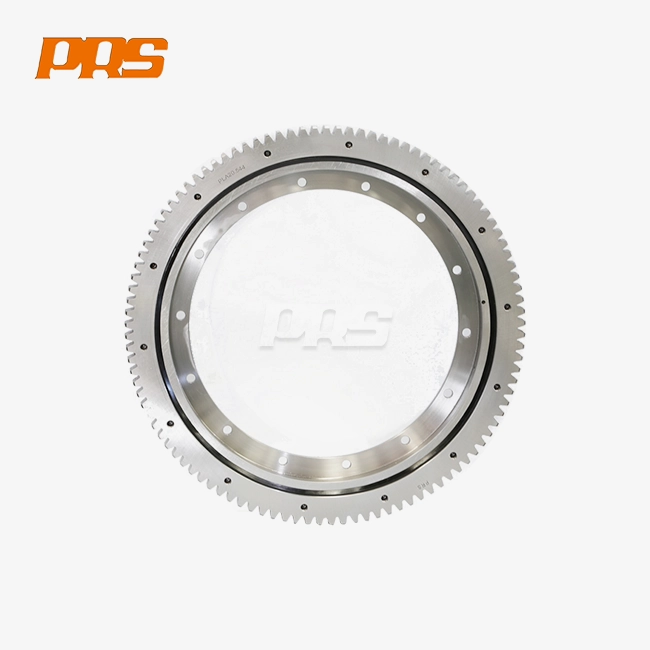
There are three types of gear integration options: internal, exterior, and no gearing. These give you straight drive capabilities without the need for extra transmission parts. When you use internal gears, the teeth are on the bore surface, which protects them from the outside world and makes the drive package small. External teeth let the pinion connect from outside the assembly, which is useful for situations where repair needs to be done more easily. This gives design engineers the freedom to choose the best plan for the drive train based on available space and the need to transmit power.
Material Selection and Heat Treatment Processes
Before they are machined, high-quality 42CrMo or 50Mn steel forgings are put through acoustic flaw detection according to EN 10228-3 standards to find any internal inclusions or cracks. This quality gate stops hidden flaws from weakening the structure when it's under practical loads. Forging lines the grain structure, which makes it more resistant to wear compared to manufactured options that have weld breaks.
Selective induction hardening only affects the raceway surfaces and gear teeth. The core material stays flexible and can handle shock loads without breaking into brittle pieces. This different hardening makes a layer of 2.5–3.0 mm that keeps the material from breaking on the surface while keeping its impact toughness in the bulk. The accuracy of this process directly affects the service life, since raceways wear out too quickly when there isn't enough stiffening depth under cycle loading conditions.
Sealing Innovations and Lubrication Systems
Sealing technology has grown beyond simple contact seals to include multi-lip designs and maze layouts that work well even when temperatures and spinning speeds change. The choice of seal material takes into account how well it reacts with oils and the environment. For example, Viton compounds are recommended for use in settings with high temperatures (above 150°C) or hydrocarbon exposure.
The method for lubrication affects when to do upkeep and how reliable the system is. For the first layer of lubrication, lithium-based greases with EP additives are used. These form protected films when the lubrication conditions are boundary, which is common during slow oscillating motion. The amount and spread of lube must be just right to fill in the gaps in the raceways without packing them too tightly, which causes extra drag and heat buildup. Some designs include grease joints that let the small slewing bearing be re-oiled without taking it apart. This extends the time between field service visits for equipment that loses a lot of output when it's not working.
Applications and Maintenance: Ensuring Longevity and Optimal Use
Industrial Robotics and Precision Automation
Robotic joint movement needs zero-backlash performance from small slewing bearing to keep the joint in the same place during repeated motion cycles. For example, the placement of the torch on welding robots directly affects the quality of the weld and the number of times it needs to be fixed. When the robot extends its working area with tools and workpieces connected to the end effector, moment loads are created. Crossed-roller setups provide rigid support that stops deflection.
These rotating parts are used in the steering systems of automated guided vehicles (AGVs). Their smooth operation and small size make it possible for them to move quickly through plant aisles. Low starting torque means that actuators need less power, which means that batteries in self-driving mobile systems last longer. Sealed designs keep floor dirt and cleaning chemicals that are common in factory settings from getting inside and affecting the performance, so they don't need to be fixed as often.
Medical Imaging and Diagnostic Equipment
During imaging processes, CT scanner gantries spin all the time, so they can't be vibrated. Vibrations can cause image artifacts that make it harder to diagnose. Precision grinding of the raceway surfaces to P4 tolerance levels makes sure that the motion is smooth and doesn't have any occasional changes that would get through to the image assembly. Low noise levels are very important in clinical situations where the comfort of patients and the sound of tools affect choices about how to design the space.
Surgery computer systems need to be able to precisely place angles in order to move instruments around in small surgery areas. The high torsional stiffness stops windup when a load is applied, keeping the space relationship between what the surgeon does and how the tool tip moves. To get safety certifications for medical uses, materials and production methods must be able to be tracked. Quality paperwork must support FDA submissions and foreign regulatory compliance for devices that use these important rotating parts.
Maintenance Best Practices and Troubleshooting
Mounting bolt tightness should be checked on a regular basis because when it loosens, it lets the small slewing bearing and mounting surface move slightly, which speeds up wear through fretting rust. Most torque specs call for 70–80% of the bolt's yield strength, along with thread-locking chemicals that stop the bolt from coming loose on its own when it vibrates. Verifying the smoothness of the mounting surface during installation keeps the raceway from warping. Tolerances of 0.15-0.20 mm per meter make sure that the load is spread evenly around the circle.
Instead of set time intervals, lubrication upkeep is based on the intensity of the duty cycle. Light-duty indoor uses can go 500 hours without re-greasing, but outdoor or dirty areas need purge lubrication every 40 to 50 hours to get rid of particles and renew the lubricant's properties. Noises that don't make sense can be signs of problems. For example, grinding sounds can mean that there is dirt or not enough oil, and clicking sounds can mean that the rolling elements are broken and need to be checked out right away to avoid a catastrophic failure.
An important automation operator had to deal with early problems in assembly station turntables that were used in three-shift production. An investigation showed that the surface was becoming more uneven, which was making hard spots in the track. Failures were removed by precise grinding of mounting flanges and switching to crossed-roller bearings with P4 accuracy. This cut unexpected downtime by 94% and improved positional repeatability, which led to a drop in assembly rejects. This case shows how the right choice of parts and fitting have a direct effect on the economics of production, going beyond the initial investment in the parts.
Procurement Insights: Purchasing Small Slewing Bearings with Confidence
Market Dynamics and Supply Chain Considerations
Finding raw materials, using special heat treatment, and cutting parts very precisely are all parts of the global supply chains for precision bearings. Each of these steps adds to the lead time variations. Standard setups usually ship in 3–4 weeks, but unique designs can take up to 8–12 weeks, based on the time it takes to make the tools and where they are in the production queue. Planning the dates of purchases around the dates of equipment commissioning keeps projects from being held up, which can be very expensive. This is especially true for prototype builds, where small slewing bearing shipping often follows assembly plans.
Pricing structures for small slewing bearing reflect precision grades, material choices, and order amounts. By optimizing production batching, volume agreements lower unit costs. On the other hand, setup costs for small amounts have a big effect on unit economics. To find the best balance between inventory carrying costs and bulk savings in purchasing strategies, demand forecasting needs to be in sync with production plans. Setting up framework deals with chosen suppliers ensures that enough capacity is allocated during times of high demand in the industry, when wait times get longer and the cost of expediting increases.
Evaluating Manufacturers and Quality Assurance
When a supplier is qualified, their manufacturing skills, quality systems, and expert support facilities are all looked at. ISO 9001 certification gives basic assurances about quality management, while industry-specific certifications, such as AS9100 for aircraft uses, show competence in regulated areas. Factory audits check the functionality of the equipment, like precise grinders, hardness testers, and measurement inspection tools that show the level of process control that determines consistency across production lots.
Using written processes, testing techniques check that performance claims are true. Axial and radial runout readings make sure that the geometry is within the allowed error bands. Portable testers are used to check the hardness of the raceways to make sure that the heat treatment worked. By asking for test results with particular units, you can link performance data to serialized parts, which helps meet the quality paperwork needs of regulated industries. Warranty terms show how confident the maker is in the product; full coverage means quality security, while a lot of exclusions may mean performance doubt.
Chinese makers have become competitive alternatives to traditional Japanese and European suppliers because they can give the same level of quality at better terms for business. Luoyang PRS Precision Bearing is an example of this capability development. It combines more than 20 years of specialized bearing experience with modern production infrastructure that covers 15,000 square meters. The facility has more than 200 precise tools that make bearings with diameters ranging from 10 mm to 5000 mm. This shows the facility's size and range of capabilities. This range of production options guarantees consistent delivery performance for both standard and custom needs, without the capacity issues that smaller, more specialized makers face.
Practical Ordering Considerations
Technical collaboration during the design process is helpful for OEM uses because it lets bearing specifications be optimized with other parts around them instead of treating them as separate purchases. Early involvement finds out the needs for mounting interfaces, seals, and precision grades before designs are solidified. This keeps expensive redesigns from happening during prototyping. Getting engineering help from suppliers speeds up this process by giving application knowledge that cuts down on development times and makes the end design more durable.
Strategies for buying in bulk work well for production tasks where demand patterns can be predicted. Supplier-owned stock is kept at customer sites through consignment inventory programs. This improves responsiveness while reducing effects on the balance sheet. This plan needs to know what the demand is and commit to certain number goals, but it gets rid of the costs of expediting and the problems that come up when the supply goes down. During the operational phases, the quality of after-sales support becomes clear: responsive technical help and processing of warranty claims set strategic sellers apart from transactional vendors whose only goal is to make the initial sale.
Conclusion
The way that small slewing bearing components work is based on designs that combine environmental protection, load management, and mounting connections into single units. Knowing how different types of rolling elements, materials, and new closing technologies affect each other lets you make smart design choices that balance performance needs with practical considerations. In limited-space settings that need multi-axis load capacity, the fact that it can be used in robots, medical imaging, and precision automation shows how flexible it is. Proper maintenance methods and choosing the right provider have a direct effect on lifecycle costs that go beyond the initial cost of purchase. This makes technical due diligence and relationship quality very important for achieving solid operating performance.
FAQ
How do mounting surface irregularities affect bearing performance?
How flat the mounting surface is has a big effect on how the load is distributed along the track and how long it lasts. Deviations greater than 0.20 mm per meter create stress accumulation in certain areas that speed up wear and make tight spots when the object is rotated. By grinding the mounting plates precisely to within 0.15 mm, these flaws can be avoided. It doesn't matter what the bolt torque specs say; under-tightening lets micro-motion happen, which leads to fretting corrosion, while over-tightening can bend rings in thin-section designs.
What determines whether ball or roller configurations suit specific applications?
For smooth operation, ball-type shapes are good for mild loads, and they are easy to make, which cuts costs. Crossed-roller designs offer better rigidity, higher load capacity, and almost zero backlash, all of which are necessary for precise placement but make things more complicated. Crossed-roller setups are better for tasks that need micron-level accuracy or need to handle high moment loads. A small slewing bearing with a ball design is better for low-cost tasks with smaller loads.
How often should upkeep on the lubricant happen?
The length of time between re-lubrications depends on the job cycle and the surroundings. Indoor uses that only work sometimes usually need service every 100 to 150 hours of operation. Every 40 to 50 hours, purge lube is needed to flush out particles in outdoor setups or dirty areas. Continuous spinning uses make heat and need to be checked on more often than oscillating motion patterns. Keeping an eye on the working temps and noise levels helps you figure out when the intervals need to be changed.
Partner with PRS for Precision Slewing Bearing Solutions
Contact our engineering team at ljh@lyprs.com to talk about how PRS precision bearings can meet the needs of your particular application when your automation systems need reliable rotational parts. As a company that only makes a small slewing bearing, we offer 20 years of experience along with full professional support that includes help with design and installation. Our factory is ISO 9001 certified and has 99.9% factory pass rates for both standard and custom setups. We offer P4 and P2 precision grades that meet the strict accuracy needs of robots, medical equipment, and industrial automation. Our team is quick to respond and can give you cheap quotes and reliable global logistics that help you meet your project deadlines, whether you need catalog specs or custom-engineered solutions.
References
American Bearing Manufacturers Association. (2021). Load Rating and Fatigue Life for Ball Bearings. ABMA Standard 9-2020. Rolling Bearing Engineers Committee Technical Publication.
Harris, T.A., and Kotzalas, M.N. (2006). Essential Concepts of Bearing Technology, 5th Edition. CRC Press, Boca Raton, Florida.
ISO 76:2006. Rolling Bearings – Static Load Ratings. International Organization for Standardization, Geneva, Switzerland.
Schaeffler Technologies AG & Co. (2019). Slewing Bearings and Turntable Bearings: Catalog HR 1. Technical Documentation, Schweinfurt, Germany.
Shigley, J.E., and Mischke, C.R. (2001). Mechanical Engineering Design, 6th Edition. McGraw-Hill, New York. Chapter 11: Rolling-Contact Bearings.
Wensing, J.A. (1998). On the Dynamics of Ball Bearings. Doctoral Thesis, University of Twente, Netherlands. Precision Engineering and Measurement Technology Group.

USER EVALUATE
Here is the customer's evaluation of us