
Why choose large slewing bearings?
Large slewing bearings are important parts of large industrial tools that are made to handle heavy axial, radial, and moment loads. Because they are built to last and are carefully designed, they are essential in industries like building, wind energy, and material handling. When you choose the right large slewing bearing, you're choosing a part that acts as the structural heart of your machinery, where spinning meets load capacity, and failure is not a choice. These engineered joints replace complicated multi-bearing systems with a single, combined solution that makes operations easier and ensures mechanical durability. This guide gives procurement managers, engineers, and OEM clients detailed information about the design, benefits, and buying strategies of large slewing bearings. This helps them make decisions that are in line with their practical and financial goals.
Understanding Large Slewing Bearings: Design and Function
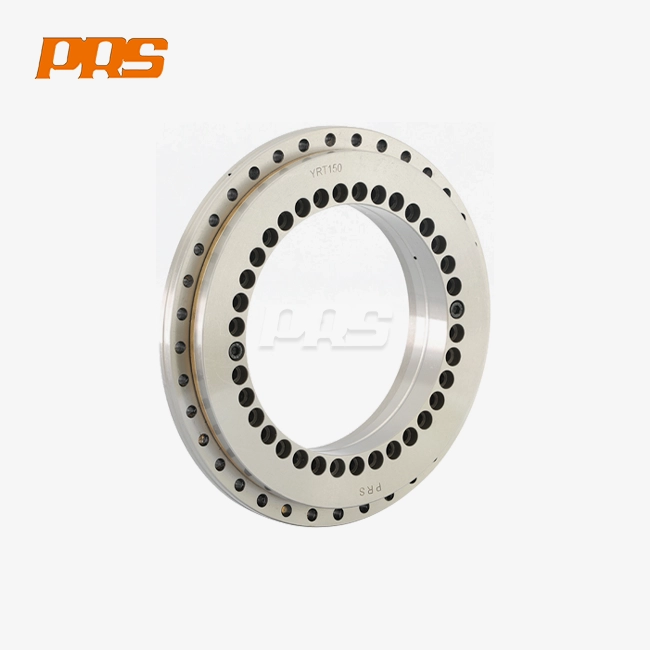
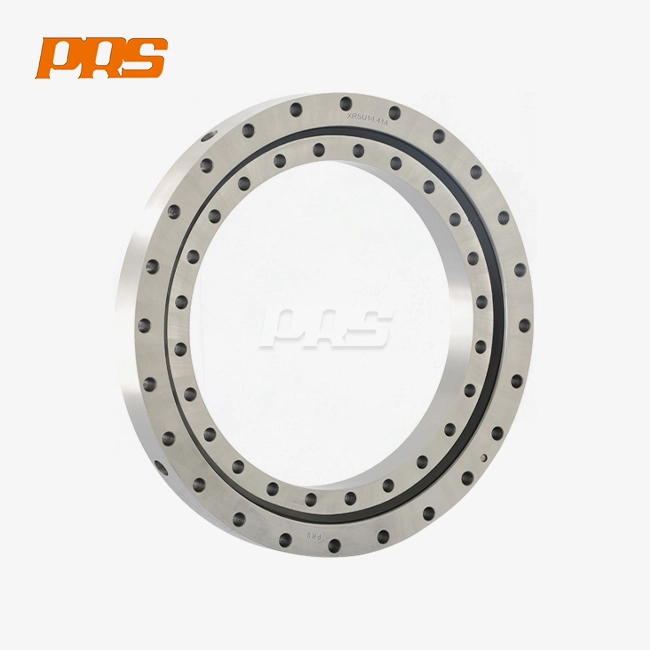
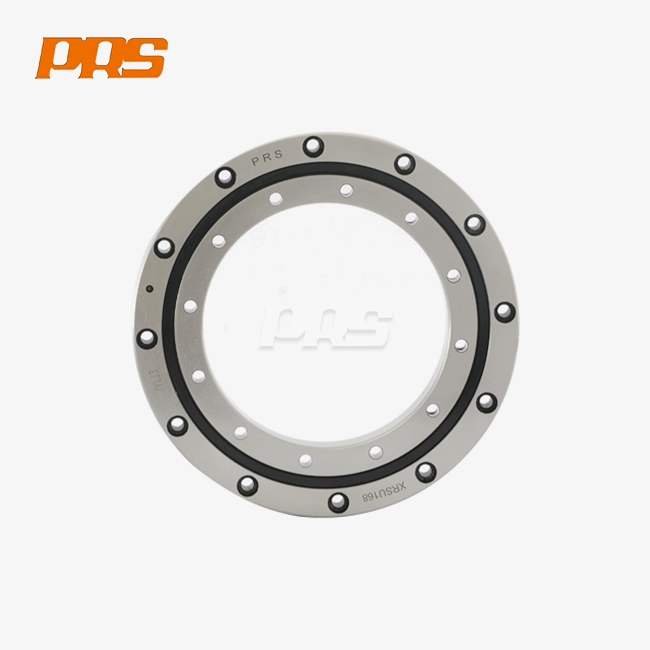
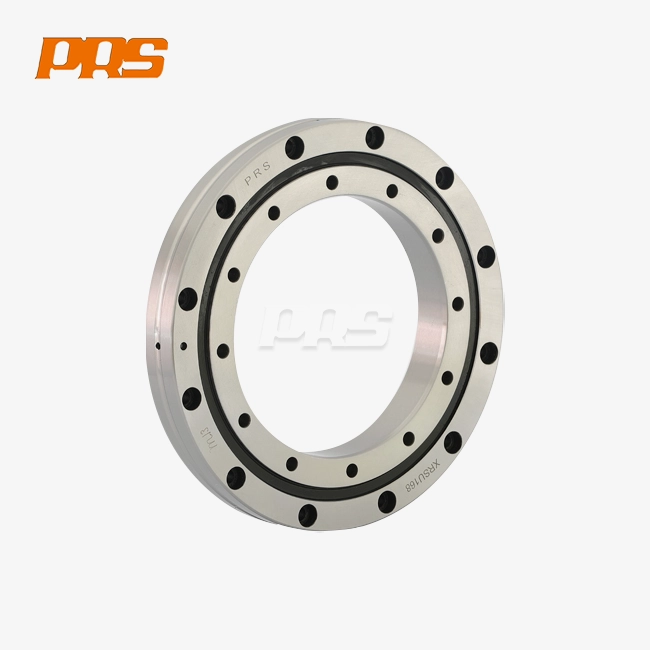
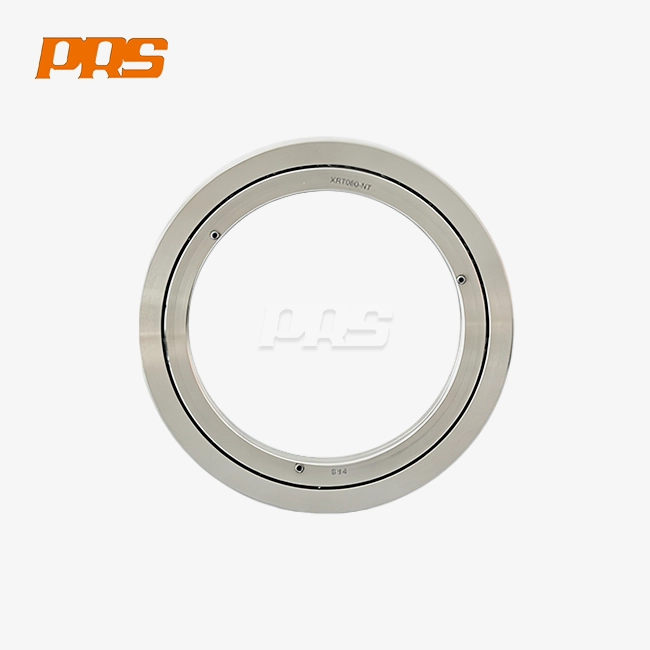
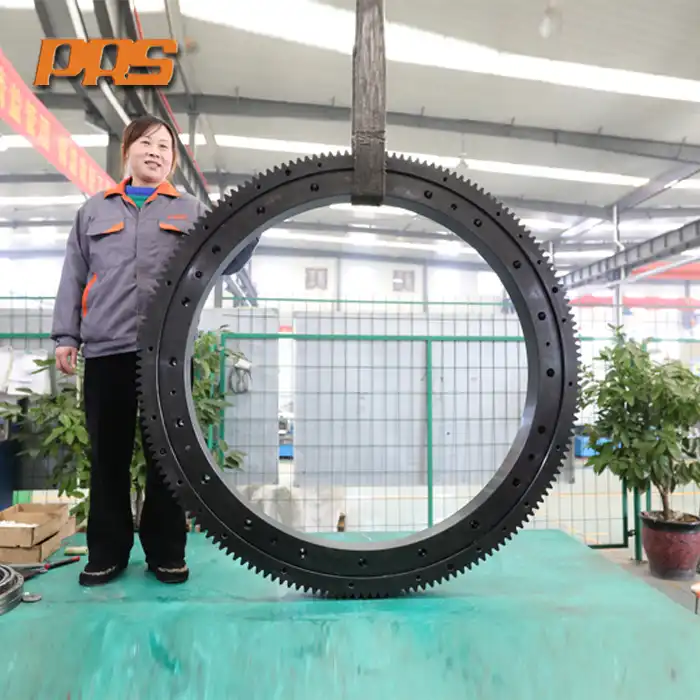
Large slewing bearings are unique spinning parts with a large diameter and the capacity to support combined loads. These huge rotational joints, which have diameters ranging from 400mm to over 6,000mm, connect pieces of machinery that are fixed to pieces that are spinning. They are not like regular ball or roller bearings because they have complex designs like single-row, double-row, and triple-row roller designs that make the load distribution and rolling accuracy better.
Structural Components and Working Principles
The large slewing bearing has an inner ring, an outer ring, and rolling elements that are placed between carefully machined raceways. This set-up allows for smooth rotation while supporting heavy loads in multiple directions at the same time. The main idea behind how it works is that the load is spread out over the moving parts. When there are rotating forces, the balls or rollers move loads from the inner ring to the outer ring through the contact points in the track. This design spreads out heavy loads over a bigger area, which keeps the structure from breaking and guarantees long-term dependability. High-purity alloy steels like 42CrMo4 or 50Mn are often used to make the rings. These steels strike a balance between core stiffness and surface wear resistance.
Integrated Features That Simplify Installation
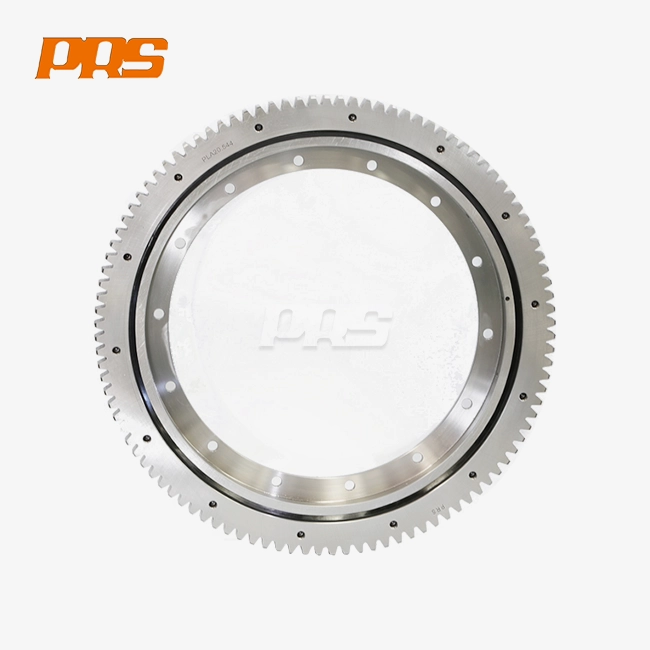
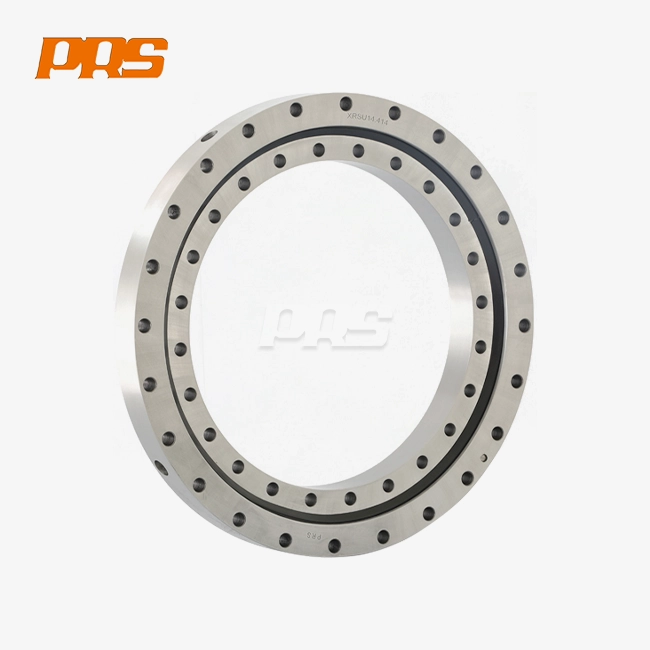
Large slewing bearings are different from other rotational parts because they have mounting holes, sealing systems, and optional gearing built right into the structure of the bearing. Pre-drilled bolt holes make it easier to put together machinery because you don't have to use extra mounting brackets or complicated alignment steps. Optional gear integration, which can be internal toothed, external toothed, or non-geared, gets rid of the need for different gear systems, making installation easier for heavy equipment users. The raceways are induction-hardened to 55–60 HRC, which ensures they have the exact hardness level (3–6 mm) needed to keep them from deforming when they're loaded.
Core Advantages of Large Slewing Bearings for Industrial Applications
Large slewing bearings are better than other types of bearings because they can handle axial, radial, and moment loads more efficiently and last longer. These bearings solve important problems in the industry by getting rid of structural bulk, making the center hollow so that hydraulics and electricity can flow, and keeping equipment stable when it's working with high load eccentricities. When procurement managers know about these benefits, they can see why buying quality large slewing bearings has a direct effect on business efficiency.
Here are the main performance advantages that make businesses want to adopt them:
- Multi-directional load capacity: It can handle axial, radial, and bending moment loads at the same time without the need for extra support structures. This makes the equipment more stable in situations like tower cranes, where load vectors are always changing while they are in use.
- Compact installation profile: One large slewing bearing can be used instead of several standard bearing arrangements. This lowers the vertical height needed and makes room for hydraulic systems or electrical wiring to run through the hollow center, which is especially useful in applications with limited space.
- Integrated mounting simplicity: pre-drilled bolt holes line up with standard bolt patterns, making it easier to put together machinery and cutting installation time by about 40% compared to traditional kingpost arrangements that need to be made to order.
- Optional gear integration: Internal or external teeth machined directly into the bearing rings get rid of the need for different gear systems. This cuts down on the number of parts, potential failure spots, and upkeep work that needs to be done, while also making the power gearbox more efficient.
These benefits successfully solve output issues in a wide range of industries. Manufacturers of wind turbines benefit from small designs that fit devices for adjusting the pitch of the blades into hubs with limited room. OEMs of construction equipment can get more work done on the assembly line faster by making the mounting process easier. Marine crane workers can go longer between service intervals because the machines are sealed to keep saltwater out, which is a typical way for things to break in harsh offshore settings.
Versatile Applications Across Industries
Large slewing bearings can be used in cranes, tractors, wind turbines, and industrial turntables, among other things. They can handle tough conditions and heavy use. In megawatt-class wind turbines, pitch bearings adjust the blade angle, and yaw bearings point the nacelle in the direction of the best wind flow. These bearings can handle changing wind loads, temperature changes, and tiny movements that happen all the time over 20-year service intervals. In contaminated underground environments, tunnel boring machines use cutterhead bearings to turn the excavating face. Better sealing technology keeps the machine's internal parts safe from rock dust and groundwater while handling shock loads from rock contact. When it comes to harbour and marine cranes, they need materials that don't rust and better sealing so they can handle saltwater and keep working perfectly even when the weather is bad and they have to move a lot of goods.
Extended Service Life Through Design
With the right care—following routines for cleaning and inspections that are based on the design—large slewing bearings will last longer and have less downtime, which will save industry clients around the world money and time. When bearings are oscillating, they have a different L10 life calculation than when they are rotating continuously. This is because oscillating bearings use equivalent load calculations based on load spectrums and oscillating angles. These calculations are usually based on ISO 281, but they are changed to account for static safety factors related to raceway plastic deformation. This way of engineering makes sure that predictions about the service life are accurate and match up with real-world operational conditions instead of theoretical scenarios of continuous rotation.
Comparative Insights: Why Large Slewing Bearings Outperform Other Bearings?
Compared to ball bearings, turntable bearings, and cross roller bearings, large slewing bearings are better at supporting heavy loads and are more structurally stable, making them perfect for heavy machinery. Knowing these differences helps engineers choose the right type of bearing for each job, which keeps them from over-engineering or choosing the wrong parts.
Performance Comparison Across Bearing Types
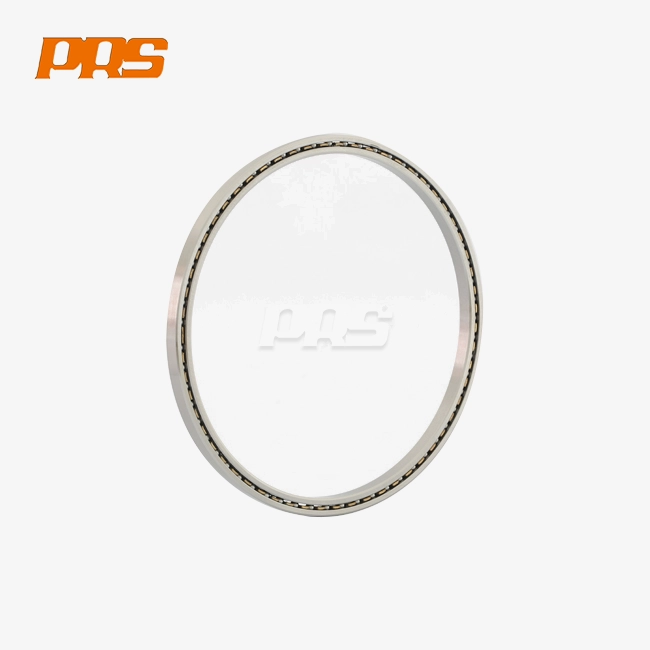
Ball bearings work best in high-speed situations with light loads, but they aren't as big or strong as large slewing bearings when it comes to moment loads. Standard ball bearings have a maximum diameter of about 300 mm, but large slewing bearings often have diameters over 1,000 mm. They provide the structure for equipment that needs to rotate and bear weight at the same mounting interface. There are times when turntable bearings are useful in indexing tables and spinning platforms, but they aren't as flexible or able to hold as much weight as full slewing systems, especially when moment loads are high. Cross roller bearings are very precise and can be used in machine tool rotary tables and optical equipment. However, they are more expensive and usually come in smaller sizes, so they can't be used for tasks that need diameters bigger than 1,200mm.
Material Quality and Manufacturing Precision
Choosing the right provider is important for project success because it guarantees quality, affordability, and custom solutions. Reputable companies like PRS follow strict rules like ISO 9001 to make sure their products are always the same and EN 10204 3.1 to make sure they can track down the materials they use. Their margins are usually in line with accuracy classes P5 or P6. The fact that the plant pass rates are over 99.9% shows that quality control is always in place, from checking the raw materials to doing the final measurement inspection. Advanced CNC grinding machines, heat treatment furnaces with precise temperature control, and coordinate measuring machines in factories make sure that measurements are accurate to within microns, which is very important for applications that need to rotate smoothly and transfer as little vibration as possible.
Procurement Guide: Buying Large Slewing Bearings for Your Business
To make a good purchase, you need to carefully think about the load capacities, precision needs, and large slewing bearings sizes that match the specs of your gear. As they work their way through the global supply chain, procurement managers have to balance technical needs with business realities like lead times, the ability to customise products, and the total cost of ownership.
Technical Specification Determination
A thorough load study is the first step in figuring out the right large slewing bearing size and load capacity. Engineers should figure out the highest axial load, radial load, and tilting moment that your equipment will be subjected to while it is in use. They should also include safety factors for situations where the load changes quickly. It is important that the static load rating of the bearing is higher than the loads you calculated by a certain amount, usually 1.5 times in controlled environments and 2.0 times when operating conditions change. The diameter to use relies on the mounting room you have, whether you need a hollow center passage, and how stiff the structure needs to be so it doesn't bend when it's loaded. Teams in charge of buying things should ask providers for load capacity charts that show combined load curves that show how axial and rotational loads affect the performance of bearings.
Lead Times and Customization Options
To get the best deals on prices, procurement managers must also look at lead times, the ability to customise products, and the ability to buy in bulk. Standard configurations from well-known manufacturers usually ship within 4 to 6 weeks. However, wait times for custom large slewing bearing designs that need specific gear ratios, special sealing arrangements, or non-standard mounting patterns can go up to 10 to 14 weeks. By ordering more than one unit or making framework deals, you can lower the cost per unit while still making sure that parts are available on time for production. Custom designs can be made to fit specific machinery needs, like having built-in sensor mounting holes for checking the condition, special surface treatments for corrosive environments, or modular construction that lets the equipment be replaced in the field without having to be taken apart completely.
Supplier Evaluation Criteria
Risk is greatly reduced when you work with reputable providers who offer verified credentials, dependable foreign logistics, OEM branding choices, and full after-sales support for large slewing bearings. As part of the verification process, ISO licenses, material test certificates, and dimensional inspection records should be reviewed. International logistics skills are very important for procurement teams that are in charge of managing global supply chains. Suppliers who have experience with export paperwork, protective packaging for sea freight, and working relationships with freight forwarders reduce the chances of customs delays and shipping damage. After-sales support, such as installation help, training in maintenance, and technical troubleshooting, helps your team get the most out of the bearings throughout their service life.
Maintenance Tips and Long-Term Performance Optimization
To make large slewing bearings last longer and work better, you need to do regular maintenance on them. Regular lubrication, planned checks, and finding problems early on stop them from breaking down too soon and costing a lot of money in downtime. Understanding how things wear down and following the right maintenance procedures can make operations much more reliable.
Lubrication Protocols for Harsh Environments
Service should be done every 100 hours of operation, but for machines like loaders and marine cranes, grease needs to be flushed out every 50 hours or every day to get rid of contaminants from large slewing bearings. The maintenance process should keep going until the old grease can be seen coming out of the seals. This means that all the dirty lubricant has been removed. Lithium complex greases with EP additives protect against wear in areas that are subject to a lot of load, and corrosion inhibitors make them last longer in sea settings. When it comes to temperature, things matter. For example, in cold weather, you need low-temperature greases that stay fluid below freezing. When it comes to high temperatures, you need greases that stay stable above 150°C without oxidising or separating.
Inspection Procedures and Failure Indicators
The turning clearance method should be used to measure axial play during scheduled checks of large slewing bearings. If the measured axial play goes up by more than 1.5 to 2 times compared to the factory baseline dimensions, the raceway is broken and needs to be replaced or remade. Visual inspections should be used to check the stability of the seal, looking for cracks, thickening, or movement that could let contaminants in. Verifying the strength of fixing bolts makes sure they keep the right preload. Loose bolts cause fretting rust, which can cause a catastrophic failure. A study of the wear patterns on gear teeth can reveal unusual wear patterns that point to misalignment or inadequate oil that needs to be fixed.
Installation Best Practices
During placement, the position of the soft zone in large slewing bearings is very important. The induction coil started and stopped in this unhardened gap in the raceway during heat treatment. This gap must be in the zero-load zone relative to the main load axis to avoid stress concentration failures. For installation to go correctly, the fixing surface needs to be prepared so that it is flat within certain limits, which are usually 0.2 mm per metre of diameter. To get even preload distribution, bolts are tightened in a star design using torque wrenches that have been calibrated. Adjusting the backlash between the pinion and the bearing gear improves mesh contact. Backlash cannot be changed within fixed rings, but the center distance between parts can often be changed by eccentric pinion mounting to fix small wear or set the best initial mesh conditions.
Conclusion
Choosing large slewing bearings is a big decision that will affect the performance, cost, and dependability of your equipment for years to come. Because they can handle combined loads in a small, integrated package, they can't be replaced in heavy machinery applications where space is limited and structural efficiency is important. The technical sophistication embodied in modern large slewing bearing designs—from advanced materials and heat treatment to precision manufacturing and integrated features—delivers measurable value through reduced downtime, simplified installation, and extended service intervals. For procurement to go well, you need to work with experienced makers who know what you need for your application and can offer both standard solutions and unique engineering support. As industrial equipment keeps getting better at doing its job and having more capacity, high-quality, large slewing bearings play an even more important part in staying ahead of the competition in global markets.
FAQ
How do I calculate the L10 life for bearings in oscillating applications?
In contrast to continuous spinning bearings, large slewing bearings that work in oscillating conditions use load spectrums to figure out similar loads. These spectrums show time percentages at different loads and oscillating angles. Usually, ISO 281 is used as a guide, but it has been changed so that static safety factors are based on raceway plastic deformation instead of rolling contact fatigue. Based on your load profile and duty cycle, your bearing provider should offer calculation tools or engineering help to help you figure out how long the bearing is likely to last.
What is the recommended re-lubrication frequency for harsh environments?
Standard times say that cleaning should be done every 100 hours of running in a controlled environment. Applications that come into contact with dirt and grime, like marine cranes and loaders, need to purge their grease every 50 hours or every day to get rid of dust and water. Keep lubricating until you can see old grease coming out of the seals. This will show that all the dirty lube has been removed and that new grease has reached all the contact areas in the raceways of large slewing bearings.
How do we determine if a bearing needs replacement?
The tilting clearance method is the usual way for the business to measure axial play in large slewing bearings. If the measured axial play increases by more than 1.5x to 2x compared to the factory baseline dimensions, the raceway is damaged and needs to be replaced or remanufactured. This depends on the type and diameter of the bearing. Other red flags are strange noises when the machine is turning, damaged seals that can be seen, gear tooth wear that is too high, or mounting bolts that come loose even after proper torque maintenance.
Partner With PRS for Reliable Large Slewing Bearing Solutions
PRS makes precision-engineered large slewing bearings and has been making them for over 20 years. Our dedication to quality has won us ISO 9001, ISO 14001, and ISO 45001 certifications. Our 15,000 m² factory in China has more than 200 high-precision machines that are run by 35 technical engineers. They make large slewing bearings with diameters from 10 mm to 5,000 mm and accuracy grades up to P2. We can make custom designs that are exactly what you need, whether you need internal toothed, external toothed, or non-geared setups. Our lead times are also flexible to fit your project plans. As a reliable maker of large slewing bearings, we keep a lot of stock on hand so that we can deliver quickly. We also offer technical help from the time you choose the bearings until they are installed and maintained to get the best results. Email our team at ljh@lyprs.com to talk about the needs of your application and get a full technical plan. You can look at our whole product line at prs-bearing.com and learn why top OEMs in the robots, machine tools, and heavy equipment industries choose PRS for high-quality, stable parts.
References
1. International Organization for Standardization. (2021). Rolling Bearings – Dynamic Load Ratings and Rating Life (ISO 281:2021). Geneva: ISO Publications.
2. Wensing, J. A. (2018). On the Dynamics of Ball Bearings in Slewing Ring Applications. Journal of Mechanical Engineering Science, 232(4), 612-628.
3. Harris, T. A., & Kotzalas, M. N. (2020). Advanced Concepts of Bearing Technology: Rolling Bearing Analysis (6th ed.). Boca Raton: CRC Press.
4. American Gear Manufacturers Association. (2019). Design Manual for Enclosed Epicyclic Metric Module Gear Drives (AGMA 6123-C19). Alexandria: AGMA Technical Publications.
5. Schaeffler Technologies AG. (2022). Large-Size Rolling Bearings: Design, Calculation and Application Guidelines. Technical White Paper Series, Manufacturing Engineering Division.
6. Zhou, H., Chen, G., & Wang, L. (2023). Load Distribution Analysis and Optimization Design of Triple-Row Roller Slewing Bearings for Heavy Machinery. International Journal of Precision Engineering and Manufacturing, 24(2), 287-301.

USER EVALUATE
Here is the customer's evaluation of us