


Crane Slewing Bearings: Key Features, Benefits and Uses
Understanding crane slewing bearing technology is important for procurement workers in tough industry sectors who have to choose rotating parts for big lifting equipment. These large, precise parts are the most important link between a crane's fixed base and its spinning top section. They allow the top section to rotate smoothly in all directions and support huge axial, radial, and moment loads at the same time. Over the past twenty years, Luoyang PRS Precision Bearing Co., Ltd. has been designing answers to real-world problems in construction, port operations, and other industries where dependability has a direct effect on safety and efficiency.
Understanding Crane Slewing Bearings: Definition and Core Functions
What Makes Slewing Bearings Different from Standard Bearings?
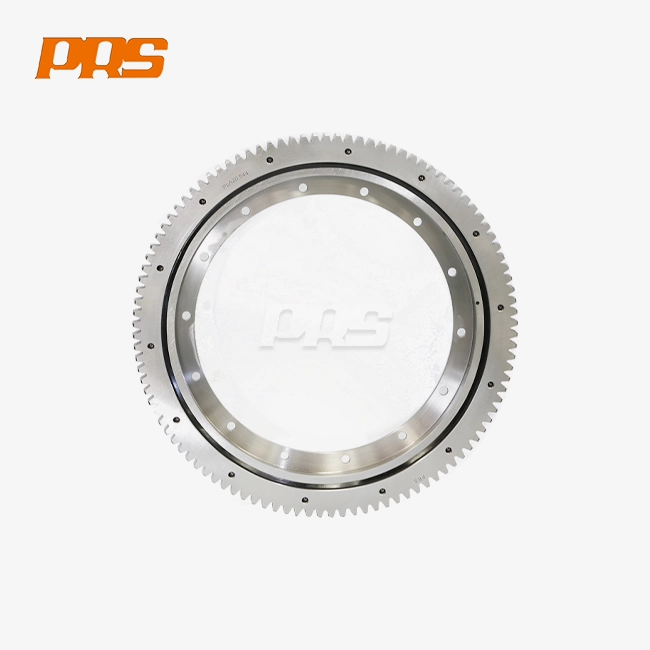
Unlike the rolling-element bearings you might find in smaller machines, crane slewing bearings work in a very different way. This special part makes a load-bearing rotating interface between the base of the crane and its top frame that can turn. The bearing comes with attachment holes, gear mechanisms, and high-tech sealing systems that are designed to work with big loads.
Within the structure, there are inner and outer rings with many rows of rolling elements set up between highly precise raceways. This set-up lets big loads be sent in all directions at the same time while keeping the rotational action smooth. In contrast to spinning bearings, which are used in smaller applications, these parts can handle mixed loading situations that would be too much for most bearing designs.
Core Functional Components and Load Distribution
The engineering idea depends on separating the load paths using different raceway configurations. The radial raceway handles the horizontal forces and tilting moments that come from operations like extending and slewing the boom. The upper and lower raceways handle the axial loads that come from lifting. When compared to sliding mechanisms, rolling elements spread loads over larger contact areas. This greatly reduces friction, keeps wear to a minimum, and allows for precise positioning even when loads are at their highest.
Because the gears are built in, you don't need to include different drive systems in your crane design. The crane's slew motor engages directly with the gear teeth on the bearing, which provides precise positioning and holding torque without the need for any extra gearbox parts. This unified method lowers the complexity of the mechanical parts while raising the reliability of the system.
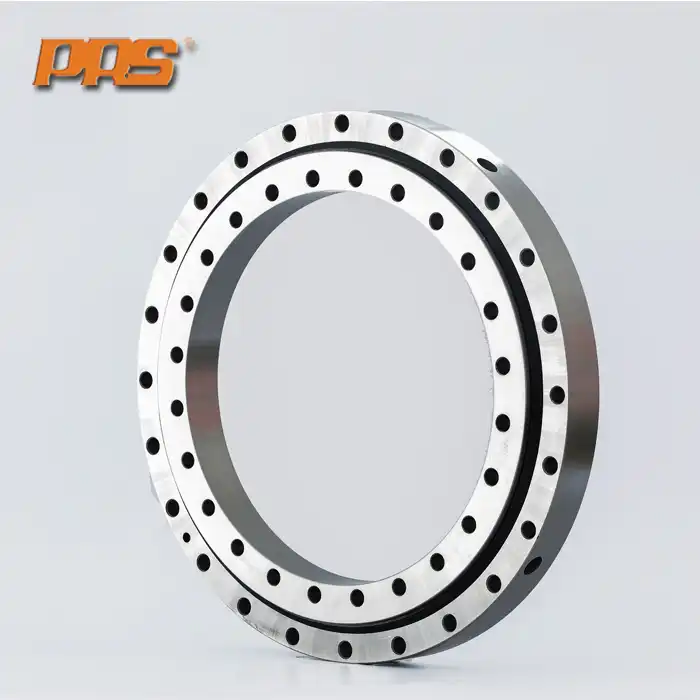
Types and Applications of Crane Slewing Bearings
Configuration Options for Specific Operational Requirements
PRS makes three main versions, and each one is best for a different type of purpose. The external gear type has gear teeth on the outside circle of the outer ring. This setup works well for tasks that need to transfer a lot of power and have simple motor mounting options. This design works well for mobile cranes where it's easy to get to the drive parts for repair.
Teeth on the inner ring's bore diameter are placed by internal gear configurations. This setup has a small installation size and keeps drive parts clean, which is very helpful in port operations or remote uses where saltwater exposure is a big problem. The no-gear type only works as a rotational bearing and doesn't have any built-in drive capabilities. This means that engineering teams can add external drive mechanisms that are better suited to the specific needs of the operation.
Application Scenarios Across Industrial Sectors
Different types of cranes have different performance needs for their slewing bearing systems. Mobile and all-terrain cranes need to have high power-to-weight ratios. They usually use single-row ball designs with small cross-sections to keep the vehicle's gross weight as low as possible while still handling the tilting moments that come up when the boom is stretched and the wind is blowing in different directions. For these uses, bearings must be able to handle the most weight while still fitting into very small spaces.
Because they are loaded and unloaded over and over again for long periods of time, tower cranes used in high-rise construction projects need to have very long fatigue lives, and the crane slewing bearing at the base of the tower must be engineered with deep-hardened raceways and robust gear teeth to withstand millions of rotation cycles without developing surface spalling or tooth wear. The bearing in this case holds up the whole jib assembly at potentially very high levels, making replacement difficult both in terms of logistics and cost. During precise load placement operations, high stiffness is essential to keep the jib from bending too much.
Cranes in ports and on ships work in salty conditions that are corrosive and have a lot of dynamic loads from the sea. For these uses, you need triple-row rollers with internal gearing that have special coatings to stop corrosion, multi-lip sealing systems to keep water out, and low-temperature impact toughness rated to -40°C for use in arctic conditions. At PRS, our engineering team changes the properties of materials and protective treatments to fit the specific exposure profiles of the environment.
Technical Specifications and Material Engineering
Performance Parameters That Define Operational Capability
When procurement teams understand technical specs, they can accurately match bearing skills with equipment needs. The span width of PRS crane slewing bearings can be anywhere from 400mm to 5000mm, so they can fit everything from small mobile cranes to huge port container lifters. Load limits go up to 5000kN axially and 2000kN radially. Moment load values are figured out by looking at certain geometric shapes and materials.
The choice of material has a direct effect on how long a bearing lasts and how well it works. We use alloy steels like 50Mn, 42CrMo, S48C, 42CrMo4, and 37Mn. Each has its own benefits for different uses. The 42CrMo metal is better at resisting quenchability and wear than 50Mn, which is important for equipment that has to handle high overturning moments. Heat treatment creates specific hardness profiles that balance resistance to wear on the surface with toughness in the core. This keeps the material from breaking too soon when it is suddenly loaded.
Precision Grades and Operational Temperature Ranges
The geometric accuracy and rotational smoothness are set by precision grades P4 and P5. P4 grade bearings offer the micron-level accuracy needed for uses that need to place loads precisely, while P5 grade parts are better for normal duty cycles where practical tolerances allow for slightly bigger geometric variations. Operating temperature ranges from -30°C to +120°C are suitable for most industrial settings. For uses in harsh climates, these ranges can be extended with special processes.
Depending on the amount of pollution, sealing methods use either labyrinth or contact seals. Labyrinth seals make winding tracks that keep contaminants out without causing contact friction, which makes them perfect for high-speed spinning uses. In harsh settings, contact seals provide positive closing against moisture and particle contamination. They can handle small increases in friction to ensure long-term protection.
Key Performance Advantages Driving Operational Efficiency
Load Capacity and Structural Integrity
The triple-row roller arrangement spreads the load to many contact points around the edge of the raceway. This design is strong enough to handle heavy pulling tasks and keep its shape under high loading conditions that would damage other designs. Multiple load paths provide built-in redundancy—if localised wear happens in one section, adjacent areas can keep supporting operational loads without failing completely.
When you use integrated mounting holes instead of separate slewing rings and mounting flanges, you don't need any extra support structures. Engineers save a lot of space while also making the assembly simpler and lowering the chance of alignment problems during installation. This streamlined method cuts down on installation time and the chances of making mistakes that could affect the performance of the bearing.
Precision and Service Life Considerations
Low-friction rolling elements make rotation smooth and reduce backlash across the whole operational range. This feature allows for precise load placing and keeps operators from getting tired during precise lifting tasks that need to be adjusted many times. The lower friction also means that less energy is used than with rolling bearings, which makes the tools more efficient overall.
When you mix advanced materials with the best heat treatment methods, they can survive wear and fatigue loading for long amounts of time, and for a crane slewing bearing, this means using through-hardened or carburized raceways that maintain hardness depth even after years of high-cycle operation under variable loads. When you use the right lubricants and seals, your equipment will last longer than 20,000 hours in normal duty cycles. In fact, many installations can go 30,000 hours or more before they need to be replaced. This long life cuts down on lifetime costs and on the time it takes to change bearings, which can be very troublesome.
Maintenance and Troubleshooting of Crane Slewing Bearings
Lubrication Protocols for Optimal Performance
Proper lubrication is the most important upkeep factor that affects how long a bearing lasts. When using normal duty cycles, lubricants made for high-load slewing uses should be re-greased every 100 hours of operation. In places with a lot of dust or moisture, the intervals need to be shortened, usually to 50 hours, to make up for the faster contamination and moisture exposure that makes the lubricant less effective.
Instead of just adding grease through fittings, lubrication processes need to be done in a planned way. For proper technique, the bearing must be rotated all the way around while it is being greased to make sure that the grease covers the whole track. Localised wear happens when there isn't enough lubrication, and too much lubrication creates too much internal pressure, which can damage the seal and push contaminants into the bearing cavity.
Diagnostic Indicators and Troubleshooting Methods
Inspections done on a regular basis find early warning signs of problems before they get worse and cause catastrophic failures. Too much metal in grease samples is a sign of abnormal wear that needs to be looked into. If there is strange noise or vibration during rotation, it means that problems are getting worse. Bearing noise usually sounds like grinding or rumbling sounds that are different from normal operational sounds. If the axial space goes above the manufacturer's recommended range (usually 1.5mm to 2.5mm, based on the model), this is a sign of wear that could affect how the load is distributed and the accuracy of the measurement.
Systematic diagnostic protocols allow for quick action, which stops costly unplanned downtime. Checking the tightness of the bolts is an important part of maintaining the preload. Bolts need to be tightened in star patterns with calibrated hydraulic torque tools to avoid stress building up in one area. Temperature tracking during operation finds problems with grease or too much load before they cause damage. These proactive steps greatly increase the service life of bearings while keeping safety margins the same.
Comparison and Procurement Guide: Making the Right Choice
Evaluating Specifications Against Operational Requirements
To choose the right slewing bearings, you need to carefully look at the technical specs and make sure they fit the real work profiles. When figuring out load capacity, you have to take into account not only average conditions but also peak loading situations. This is because cranes often experience shock loads during emergency stops or sudden shifts in load that are higher than their normal working limits. Extreme temperatures, pollution exposure, and corrosive conditions in the environment can change the choice of material and the protection treatment that is needed.
Buyers have to find a balance between performance needs and budget limits, and they have to think about total lifecycle costs instead of just the initial purchase costs, which is especially important for a crane slewing bearing where a premature failure can cause expensive crane downtime, safety risks, and complex replacement procedures at height. Premium bearings made with better materials and more precision cost more up front, but they last longer and require less maintenance, so they are often a better long-term value than cheaper alternatives that need to be replaced more often.
Custom Engineering Versus Standard Catalog Solutions
Catalogue bearings work well for many uses, but custom engineering is often better for very specific equipment. PRS has a team of 35 technical engineers who use their more than 20 years of experience to come up with the best answers for each application. Custom changes are made to fit exact size limitations, load rating needs, gear ratio requirements, and closing setups that work best in the given conditions.
Custom engineering gives you speed benefits that you can't get with generic options. To find the best configurations, our technical team looks at operational data, environmental factors, and integration needs. This consultative approach makes sure that decisions about what to buy are based on what equipment is actually needed, rather than making operational compromises to fit the limitations of standard components.
Benefits and Future Trends of Crane Slewing Bearings
Operational Efficiency and Safety Enhancements
High-quality slewing bearings make crane operations much more efficient by ensuring steady performance and reducing unexpected downtime. Robust design features keep parts from wearing out or breaking when they're put under heavy loads that would normally damage less durable parts. This reliability directly leads to better safety profiles—bearing failures in crane uses create a lot of risk, so dependability is an important safety factor that goes beyond just being cost-effective.
Another big benefit is that low-friction rolling elements use less power during slewing operations than other rotating devices, so they save energy. This edge in efficiency builds up over thousands of hours of operation, saving money and helping sustainability efforts that are becoming more important across all industries.
Emerging Technologies and Industry Innovations
As of now, smart monitoring systems are the most important new trend in slewing bearing technology. Adding sensors lets you check on things in real time, keeping track of things like temperature, sound, and rotational resistance that show problems before they happen. Time-based maintenance schedules are being replaced by predictive maintenance methods based on the actual condition of the parts. This makes the best use of maintenance resources and stops unexpected failures.
As material science progresses, longevity and efficiency keep getting better. Enhanced metal formulations offer better resistance to wear and rust, which extends the useful life in tough situations. New developments in sealing technology offer better protection against contamination and lower friction fees, which is especially useful for equipment that works in harsh settings. Environmental laws force designers to change their products in ways that make them easier to recycle and have less of an impact on the environment over the course of their lifecycles. Responsible manufacturers see these changes as competitive advantages rather than compliance burdens.
Conclusion
Crane slewing bearings are important parts that have a direct effect on the safety, dependability, and lifecycle costs of heavy lifting equipment. Procurement experts can make smart choices that improve equipment performance when they know the technical differences between setups, material specs, and application requirements. When you follow the right repair procedures and diagnostic methods, you can extend the life of bearings and avoid costly unexpected downtime. As smart monitoring technologies and new materials change the industry, companies can take advantage of these changes by working with experienced manufacturers who can offer engineering support and make changes to fit their needs. This way, they can stay ahead of the competition and keep their operational advantages.
FAQ
How Do I Know When My Slewing Bearing Needs Replacement?
Several monitoring signs show that the bearings need to be replaced. Too much metal in lubricant samples suggests that wear is progressing in a strange way. Strange grinding or rumbling sounds during spinning are signs that the track is wearing down. When the axial clearance goes above and beyond what the maker recommends (usually 1.5mm to 2.5mm, based on the bearing type), it shows that wear is changing how the load is distributed. If there is persistent vibration even after proper lubrication, it means that the geometry is breaking down and needs to be replaced. Regular inspections catch these danger signs early, so they can be replaced during planned maintenance instead of having to be replaced in an emergency, which would stop operations.
What Lubrication Specifications Should I Follow?
The amount of lubrication needed depends on the job cycle and the surroundings. For normal activities, high-load lithium or polyurea greases made especially for slewing uses need to be re-greased every 100 hours. In harsh environments with a lot of dust or humidity, 50-hour intervals need to be shortened. To make sure that the grease is evenly distributed throughout the raceway sections, the bearing needs to be rotated through all of its rotations during the greasing process. Not enough oil speeds up wear, and too much greasing causes internal pressure that weakens the seal.
Can These Bearings Operate in Extreme Temperature Environments?
In their normal forms, PRS slewing bearings can work in temperatures ranging from -30°C to +120°C. Arctic applications that need to work at -40°C need special low-temperature materials that can't be damaged by impact and lubricants that are made to keep their viscosity in very cold temperatures. Synthetic oils and better cooling may be needed for high-temperature uses. Extreme temperatures in the environment affect the choice of materials and protection treatments. Talking to our engineering team will make sure that the specs match your exact working climate conditions for the best performance and durability.
Partner with PRS for Premium Crane Slewing Bearing Solutions
Luoyang PRS Precision Bearing Co., Ltd. offers engineered slewing bearing solutions that are backed by ISO 9001 and ISO 14001 certifications, and for a crane slewing bearing, our 20 years of manufacturing experience ensure that every bearing is designed with the correct gear hardness, raceway geometry, and seal configuration to withstand the high moment loads and continuous rotation cycles common in lifting equipment. They have been manufacturing for 20 years and offer quick technical support for choosing the right bearing, installing it, and using it for its full life. We can make anything, from processing raw materials to putting together finished products. We make sure quality control at every stage of production and keep wait times low by managing our goods strategically. Our expert team is ready to make sure that the bearing specifications meet your exact working needs, whether your application calls for standard configurations or solutions that are specifically designed for you.Email our engineering team at ljh@lyprs.com to talk about how the experience of PRS crane slewing bearing manufacturers can help you make your equipment more reliable and improve how well it works.
References
1. Mechanical Engineering Handbook: Bearing Technology and Application Standards, Society of Tribologists and Lubrication Engineers, 2021.
2. Standards for Slewing Bearings in Heavy Machinery Applications, American Bearing Manufacturers Association Technical Guidelines, 2020.
3. Load Distribution Analysis in Multi-Row Rolling Element Bearings for Crane Applications, International Journal of Mechanical Engineering Research, Volume 14, 2022.
4. Predictive Maintenance Strategies for Industrial Rotating Equipment, Reliability Engineering and Asset Management Quarterly, 2023.
5. Material Science in High-Load Bearing Applications: Alloy Selection and Heat Treatment Protocols, Institute of Materials Engineering Technical Publications, 2021.
6. Sealing Technologies for Contaminated Environment Applications in Heavy Equipment, Journal of Industrial Lubrication and Tribology, Volume 58, 2022.

USER EVALUATE
Here is the customer's evaluation of us
YOU MAY LIKE
 VIEW MORERB Crossed Roller Bearings
 VIEW MOREPrecision Angular Contact Ball Bearings
 VIEW MOREdouble angular contact bearing
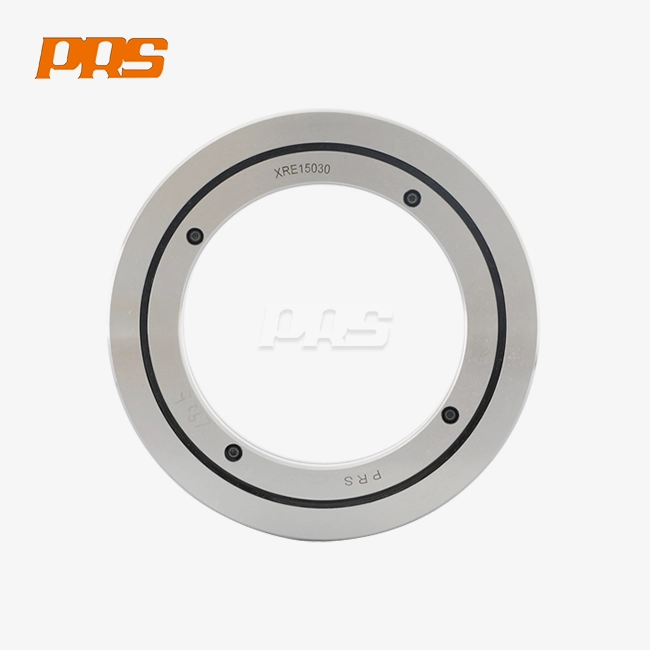 VIEW MORERE Crossed Roller Bearings
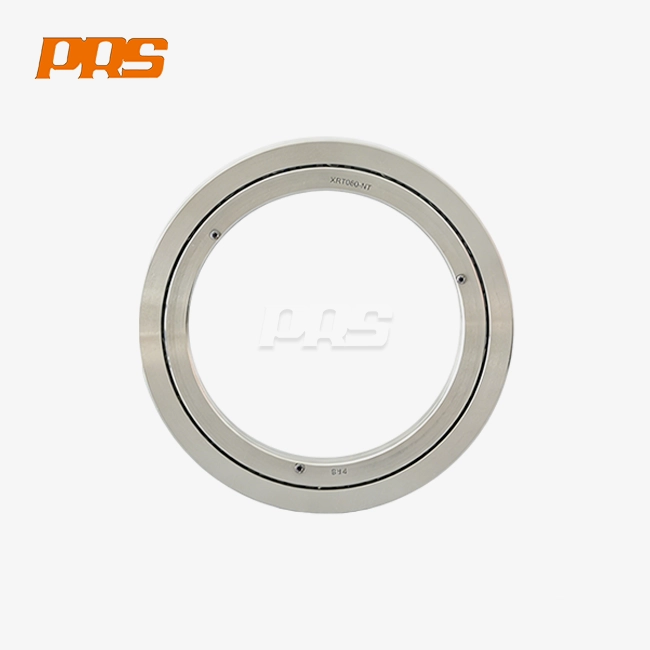 VIEW MORElathe steady rest bearings
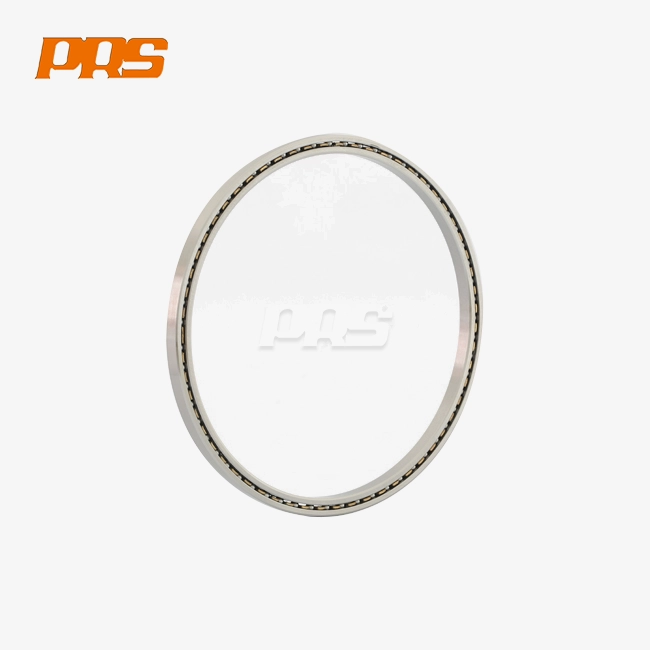 VIEW MORE4 Point Angular Contact Ball Bearing
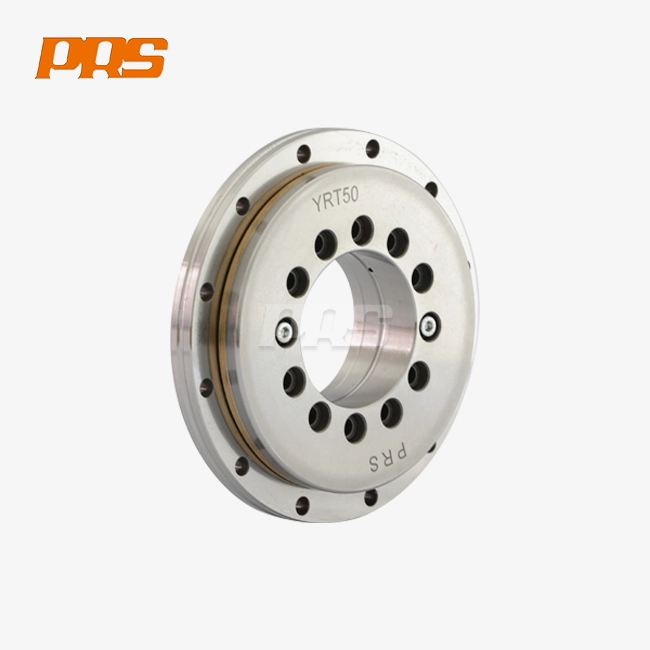 VIEW MORETurntable Bearings YRT
 VIEW MORECrossed Roller Slewing Bearing