
Why Are XSU Robot Bearings Preferred for Compact Automation Design?
XSU robot bearings have become the preferred choice for compact automation design because their innovative crossed roller configuration delivers exceptional load capacity and rigidity within a remarkably thin profile. This unique design allows engineers to create smaller, lighter robotic systems without sacrificing positioning accuracy or operational reliability. The perpendicular arrangement of precision-ground rollers enables these bearings to handle simultaneous radial, axial, and moment loads—critical requirements in space-constrained applications like collaborative robot rotating bases, medical surgical joints, and semiconductor equipment. By minimizing installation envelope while maximizing performance, these specialized components help manufacturers meet the dual challenge of compactness and precision that defines modern automation systems.
Understanding XSU Robot Bearings and Their Role in Compact Automation
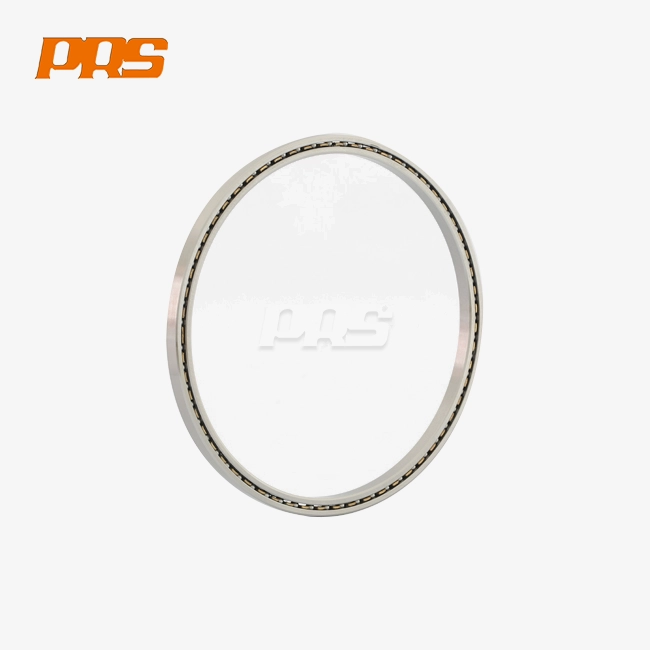
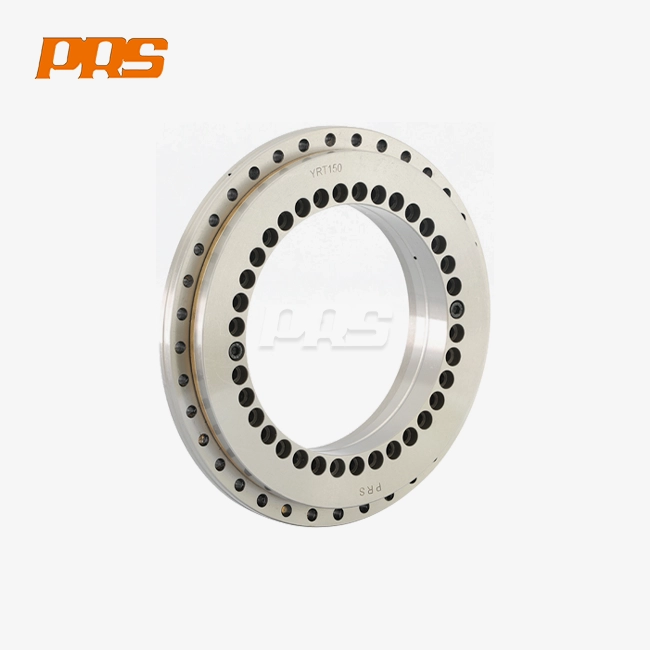
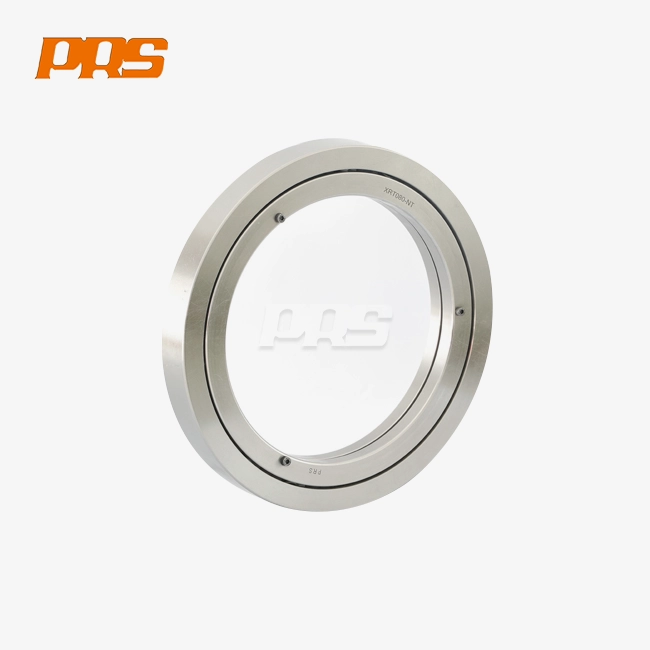
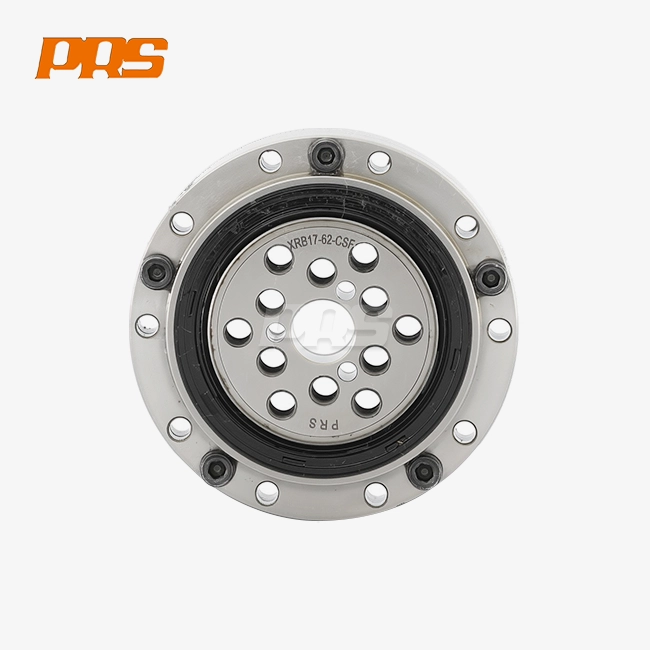
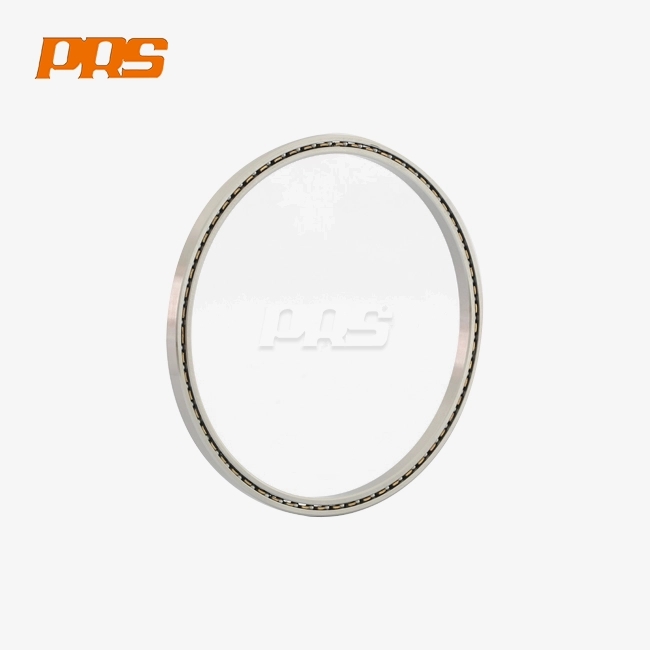
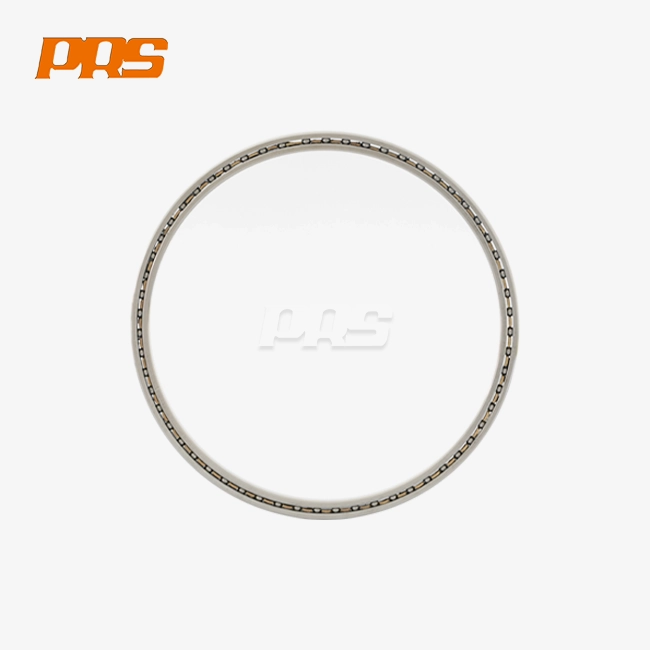
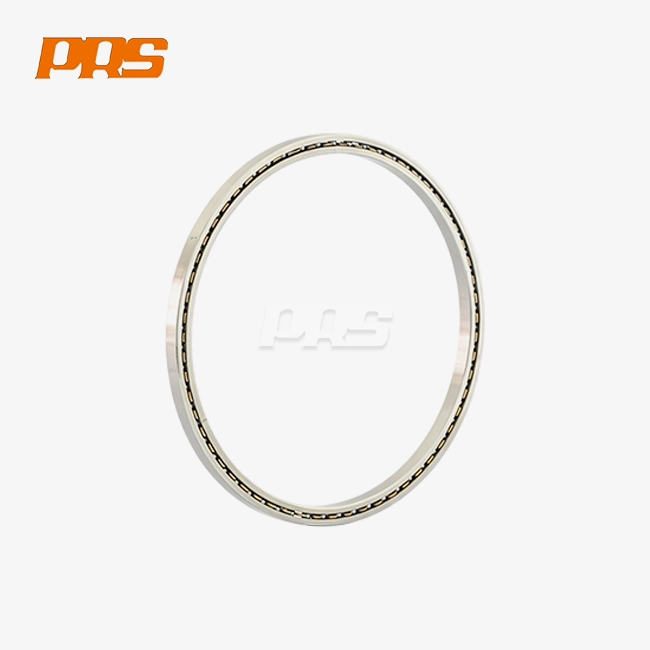
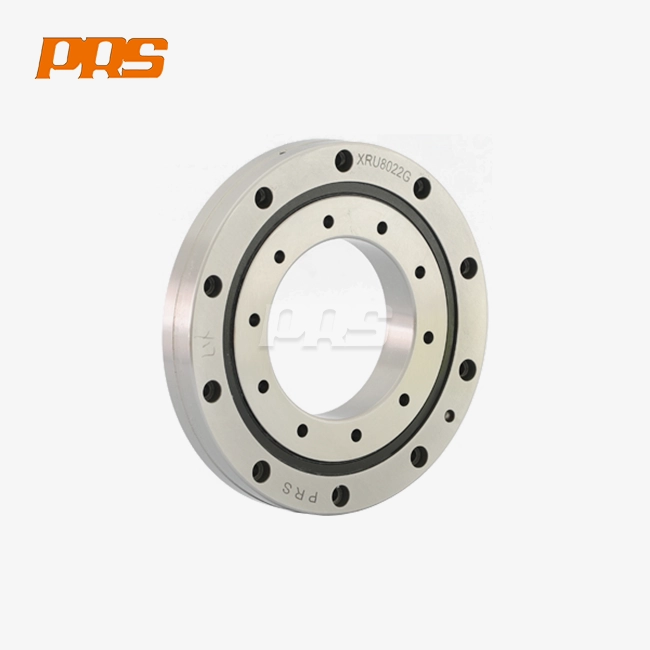
Modern machinery needs parts that work well while taking up little room. XSU robot bearings solve this problem with their unique crossed roller design. Between the inner and outer rings, cylindrical rollers are placed at right angles to each other. This arrangement makes a bearing that can handle complicated loads coming from multiple directions at the same time, so there is no need for multiple bearing systems.
Engineering Principles Behind Space-Efficient Design
The main benefit comes from the way these bearings spread out forces. In traditional bearing arrangements, multiple units have to be stacked on top of each other to handle combined loads, which makes the installation much taller. XSU robot bearings combine all of these functions into a single, very thin unit. The crossed arrangement makes sure that alternating rollers can handle both radial and axial forces. This creates a balanced load distribution that keeps the structure stable, even when conditions are tough. This design principle is very important for things like six-axis robot joints and Z-axis rotation on SCARA robots, where every millimeter of space saved means better machine dynamics and lower material costs.
Material Science and Manufacturing Precision
These parts are made from high-grade bearing steel, which was chosen because it has the best balance of hardness, toughness, and dimensional stability. Advanced heat treatment methods make sure that the material qualities are the same all the way through the XSU robot bearing system. The production tolerance usually hits P4 or P2 levels of accuracy, which means that differences in size stay within a few microns. When these bearings support CNC indexing tables or coordinate measuring machines, where positioning errors must stay below strict limits, this level of accuracy is very important. Using special grinding methods, roller surfaces can be made very round and with little waviness. These features have a direct effect on how smoothly they move and how long they last.
Integration Advantages in Robotic Systems
These bearings make it easier to place things, which is very helpful for small robotic systems. Engineers who are making collaborative robot rotating bases or AGV unmanned vehicle rotating lifting platforms can use the thin-section profile makes it possible to make housings that are more compact. The XSU robot bearing is naturally stiff, so it doesn't bend when it's loaded. This keeps the geometric accuracy needed for repeated positioning jobs. This structural stability is very helpful for robots that stack pallets and join, since accurate path tracking has a direct effect on production quality and cycle times.

Comparing XSU Robot Bearings with Other Leading Brands
When purchasing managers look at different bearing solutions, they naturally compare the manufacturers' specs and performance data. Figuring out how XSU robot bearings compare to well-known brands can help you make smart choices about where to buy them that match technical needs with practical issues.
Performance Characteristics and Technical Specifications
When compared to major bearing brands, XSU robot bearings show similar load values and moment capacities within the same envelope dimensions. When compared to traditional angular contact ball bearings, the crossed roller design naturally provides better moment stiffness. This makes them especially useful in situations like five-axis machine tool swivel heads and CT machine spinning scanning tables. Independent testing results show that these bearings keep their preload properties and running accuracy over long periods of time, which is very important for metrology and precision testing equipment.
Durability and Service Life Considerations
The life of a bearing relies on many things, such as the quality of the material, the finish on the outside, how well it is oiled, and the conditions under which it is used. Users in industry say that XSU robot bearings in robot arms that rotate and CNC rotary tables have service lives that meet or beat the design standards. The most important thing is that the quality of the manufacturing is always the same. Each roller has to meet exact geometric tolerances, and the raceway surfaces have to have the same hardness profiles. Intelligent warehouse stackers and automatic assembly line rotary platforms use bearings that wear out in predictable ways. This lets maintenance teams plan replacements for planned breaks instead of having to fix problems as they happen.
Cost Considerations and Value Proposition
The economic equation for bearing procurement includes more than just the initial purchase price. It also includes the total cost of ownership. Premium brands have higher unit costs, but XSU robot bearings from companies like PRS are a great deal because they have competitive pricing structures that are made for OEM partnerships and large purchases. When purchasing teams are in charge of projects that involve more than one unit, like adding pick-and-place machines to a production line or several laser marking machines, they find that strategic sourcing relationships can save them a lot of money without lowering the quality of the products or the level of reliability they guarantee.
Installation, Maintenance, and Troubleshooting of XSU Robot Bearings
To get the most out of your bearings, you need to follow the right steps for fitting and regular care. Even the best components don't work as well when they are mounted in a way that causes error or contamination.
Critical Installation Procedures
Precision bearings need to be handled carefully as soon as the box is opened. When mounting surfaces are fixed, they need to be cleaned well and checked for burrs, scratches, or other physical issues that could cause the bearing to become misaligned. When putting XSU robot bearings in places like grinding machine wheels or turning center tool turrets, it's important to get the right preload. Too little preload causes play that hurts precision, and too much preload speeds up wear. Temperature-controlled assembly settings help keep thermal expansion problems from happening during installation. This is especially important for bearings that will be used in photolithography or semiconductor wafer cutting tools, where accuracy at the micron level must be maintained.
Lubrication Management Strategies
Proper lubrication greatly increases the life of bearings while lowering friction and heat production. Whether grease or oil is used for lubrication depends on the speed of operation, the load, and how easy it is to do upkeep. Bearings in rotary tables of vertical machining centers usually use specially made greases that don't move and stay the same when the temperature changes. The amount of time between relubrications should be figured out by looking at how often the XSU robot bearings are used and the surroundings. For example, bearings used in semiconductor equipment in a cleanroom may need different plans than bearings used in industrial laser writing systems. By inspecting the lubricant on a regular basis, you can find potential problems before they become major ones.
Diagnostic Approaches for Common Issues
Strange noise, a temperature rise that is too high, or a rise in the difference of torque are all signs of problems that need to be fixed. Using vibration analysis to find problems with a XSU robot bearing is very helpful because it shows specific frequency patterns that can be found using spectrum analysis. If you're having troubleshooting problems with things like UAV gimbals or radar antenna rotating bases, it's helpful to quickly rule out possible causes like misalignment, contamination, lack of lubrication, or overload. Temperature monitoring with infrared sensors can find localized heating that means there isn't enough oil or too much loading, both of which will speed up bearing degradation if they aren't fixed.
Procurement Guide: How to Source XSU Robot Bearings for Your Automation Needs?
To get trusted bearing supplies, you need to do more than just list your needs and ask for quotes. Strategic procurement takes into account both the needs of the project right now and the stability of the supply chain and the need for technical support in the long term.
Supplier Qualification and Verification
Working with well-known makers and their approved wholesalers gives you peace of mind about the quality of the product and the stability of the manufacturing process. Suppliers should be qualified by making sure they have the right quality management systems in place and can show that they can provide material certifications and inspection reports. Requesting samples for independent testing is a good way to make sure that XSU robot bearings you buy meet the standards for important uses like precision supports for missile guiding equipment or robotic surgical joints. Building relationships with manufacturers who keep enough inventory on hand and can adjust their production capacity as needed helps make sure that urgent needs and specific specifications can be met without having to wait too long for the product to be made.
Structuring Purchase Agreements for Optimal Value
A lot of the time, volume contracts and multi-year deals can get you better prices. This is especially helpful when planning production runs with a lot of units, like food processing robots, precise rotating parts, or automated assembly line installs. OEM partnerships offer extra benefits, such as working together on technical issues related to integrating XSU robot bearings, custom packaging that makes managing inventory easier, and giving priority when supplies are low. Pay close attention to the warranty terms. Knowing what conditions cancel coverage and how claims are handled will help you avoid arguments when problems arise. Performance measures for delivery should be set up front, along with clear standards for order confirmation, production scheduling, and tracking shipments.
Managing Supply Chain Risks
Diversifying your relationships with suppliers while keeping your main partnerships strong can help protect you from disruptions. Keeping extra XSU robot bearings for wind turbine yaw system auxiliary supports or solar dual-axis tracking bracket joints on hand as a safety stock keeps production going even when unexpected failures happen. Communication with suppliers on a regular basis about issues like limited capacity, material availability, and new technologies helps procurement teams plan ahead for possible problems and make changes to their sourcing strategies before they happen.
Future Trends and Innovation in XSU Robot Bearings for Compact Automation
As robotic technology keeps getting better, performance standards for mechanical parts keep going up. As a response, bearing makers come up with new materials, improve their designs, and add smart tracking features.
Advanced Materials and Surface Treatments
The main goal of research into bearing materials is to find ways to make them stronger and last longer while still staying within the limits of their current sizes. Ceramic hybrid bearings, which have silicon nitride rolling elements and steel rings, are lighter and work better at high speeds. This makes them useful in high-speed coordinate boring machines and precision gear processing machines. Advanced surface treatments, such as specialized coatings, lower friction and make the XSU robot bearing more resistant to rust, which makes it last longer in harsh settings. These changes in materials make it possible for machines to be designed to be more active, with faster acceleration rates and better dynamic reaction.
Smart Bearing Technology Integration
Industry 4.0 projects increase the need for parts that can monitor their own conditions. New designs for smart XSU robot bearings use sensors to keep an eye on things like temperature, pressure, and load, sending information to systems that plan for future repair. This connectivity lets operators keep an eye on the health of bearings in a wide range of automated equipment, from biochemical analyzers that rotate and index parts to digital printers that use precision indexing roller supports. They can spot signs of wear and tear before they happen. The information gathered helps improve repair schedules and shows how working conditions affect the longevity of parts.
Design Evolution for Enhanced Compactness
Bearing design is always being improved, which keeps pushing the limits of how efficiently room can be used. Engineers can use finite element analysis and computational modeling to find the best raceway profiles and roller configurations for carrying the most weight with the smallest cross-sections. These improvements help new uses like gimbals for aerial photography with drones and orthopedic navigation tools, where size and weight restrictions are very important. As modular automation systems become more popular, they open up the possibility of standard XSU robot bearing connections that make machine design easier while still allowing for customization.
Conclusion
As a result of careful engineering, reliable performance, and useful benefits that appeal to both design engineers and procurement professionals, XSU robot bearings have become a leader in small-scale automation. Their crossed roller architecture gives them the unique ability to handle complex loads within very thin profiles. This lets them make designs that use space efficiently, which is important for modern automation. Although many companies make good products, the key to success is to choose parts that work with the needs of the application and build relationships with suppliers that offer both technical help and operating reliability. As automation moves toward smarter, smaller systems, these precision parts will continue to be essential for meeting the performance standards that give industrial applications a competitive edge.
FAQ
What service life should we expect from XSU robot bearings in compact automation applications?
Service life depends a lot on how it is used, how much weight it has, and how well it is maintained. When used in robotics, these bearings can last for tens of thousands of hours as long as they are properly lubricated and loaded properly. Continuous operation at full capacity in well-kept environments often leads to predictable wear patterns that allow replacements to be planned for planned maintenance intervals instead of failures that happen out of the blue and stop production.
How do maintenance requirements differ between XSU bearings and standard bearing types?
Most of the time, crossed roller bearings need the same care as precision angular contact bearings. They need to be oiled regularly, checked for contamination on a regular basis, and the mounting conditions need to be checked to make sure they stay in the right place. The exact maintenance plan should take into account how hard the machine is used and the surroundings. XSU robot bearings in industrial welding robots and safe semiconductor equipment need different maintenance procedures. However, the basic rules for keeping things clean and lubricating them properly apply to both types of equipment.
Partner with PRS for Your XSU Robot Bearing Requirements
PRS can help you with your precise automation projects by making XSU robot bearings that are reliable and meet strict P4 and P2 standards. Our technical team has a lot of experience helping engineers come up with the best answers for tough problems in areas like medical imaging tools and collaborative robot systems. We know that automation system integrators have trouble getting the parts they need, so we offer flexible plans that can help with both prototype development and large-scale production. Contact our team at ljh@lyprs.com to talk about your unique application needs and find out how working with a specialized XSU robot bearings manufacturer can help your supply chain and improve the performance of your parts. Our bearings are easy to add to your automation systems because they come with detailed technical instructions and application engineering support. You can find detailed information about our products at prs-bearing.com. You can also learn how our dedication to precision manufacturing can help your automation projects.
References
1. Harris, T.A. & Kotzalas, M.N. (2006). Essential Concepts of Bearing Technology: Rolling Bearing Analysis, Fifth Edition. CRC Press.
2. Schaeffler Technologies AG & Co. (2019). Bearing Arrangement Design Guidelines for Industrial Applications. Technical Publication Series.
3. ISO 199:2014. Rolling bearings — Thrust bearings — Geometrical product specifications (GPS) and tolerance values. International Organization for Standardization.
4. Weck, M. & Brecher, C. (2006). Machine Tools 4: Automation and Controls. Springer Berlin Heidelberg.
5. Budynas, R.G. & Nisbett, J.K. (2015). Shigley's Mechanical Engineering Design, Tenth Edition. McGraw-Hill Education.
6. American Bearing Manufacturers Association (2020). Load Ratings and Fatigue Life for Roller Bearings. ABMA Standard 11-1990 (R2020).

USER EVALUATE
Here is the customer's evaluation of us