


What Makes RU Turntable Bearing Ideal for Precision Turntables?
When engineers and procurement specialists search for high-precision rotation solutions, RU turntable bearings consistently emerge as a top choice. These specialized components combine robust load capacity with exceptional rotational accuracy, making them indispensable in applications ranging from six-axis robot joints to CNC rotary tables. The RU bearing's unique crossed roller design delivers simultaneous axial, radial, and moment load support within a compact footprint, outperforming conventional bearing types in demanding precision environments. This article explores why RU turntable bearings have become the preferred solution for industrial automation, machine tools, medical devices, and other mission-critical systems requiring micron-level accuracy.
Understanding RU Turntable Bearings: Features and Functionality
RU Turntable bearings are a big step forward in the science of precise movement. These bearings have cylindrical rollers arranged at 90-degree angles within a single raceway. This makes them better at handling complex load situations than traditional ball bearings. This arrangement makes a structure that is naturally rigid and can handle multiple force vectors without affecting the smoothness of rotation.
Cross-Sectional Design Advantages
The cross-sectional shape of RU Turntable bearings is what makes them unique. When two cylindrical rollers are placed perpendicular to each other, they make direct contact with precision-ground raceways. This spreads the load over a bigger surface area than point-contact designs. This design keeps stress levels low and limits deflection under heavy loads. This is especially helpful in robotic surgery joints and aircraft modeling rotary tables where precise positioning is essential.
When making these parts, manufacturing accuracy is very important. Each roller goes thru strict dimensional control to make sure that the tolerances are within micrometers. This makes sure that the load is spread out evenly while the machine is running. The raceways go thru a special heat treatment that makes the surface harder while keeping the core tough. This gives them the wear resistance needed for shared robot bases that rotate and CNC positioning tables that work all the time in factories.
Load Capacity and Multi-Directional Support
RU Turntable bearings are unique because they can handle multiple force situations at the same time. One bearing unit can handle radial forces from the weight of the workpiece, axial forces from cutting operations, and moment loads from parts that are hanging off of it. This is very important for five-axis machine tool swivel heads and turning center tool turrets. This support that works in more than one direction gets rid of the need for multiple bearing arrangements. This makes the assembly simpler and less likely to cause alignment mistakes.
Engineers like how this design makes setting up tools easier. Space limitations often make it hard to choose the best design for things like AGV unmanned vehicle rotating lifting platforms or intelligent warehousing stacker rotary joints. RU Turntable bearings can handle higher loads while taking up less space than regular bearing combinations. This lets engineers make machines that are smaller and more efficient.
Standardization and Global Compatibility
Companies that make RU Turntable bearings use standard sizes that are in line with world mounting standards. This standardization makes it easier for OEMs that make rotating scanning tables for CT machines or rotary support parts for coordinate measuring machines to buy the things they need. Standard sizes also make it easier to retrofit old equipment, which lets maintenance teams improve older systems without having to do a lot of redesign work.
The supply of different types meets the needs of a wide range of applications. Lighter versions are used in precision rotating joints for solar dual-axis tracking brackets and DSLR camera gimbals. Heavy-duty versions are used in wind turbine yaw system extra supports and grinding machine spindles where they have to handle heavy loads. This range makes sure that engineers can choose the best mix of volume, accuracy, and cost for each application.

Why RU Turntable Bearings Are the Ideal Choice for Precision Applications?
For precision equipment to work, its parts must keep performing the same way over millions of operating rounds. RU Turntable bearings meet this challenge with excellent engineering and new discoveries in material science that directly lead to better performance in the workplace.
Superior Load Distribution and Structural Rigidity
The crossed roller arrangement makes the structure very rigid for RU Turntable bearing, which is good for applications that need high accuracy. The perpendicular roller orientation stops tilting moments better than angular contact ball bearings when cutting forces are applied to a vertical machine center rotating table. This stiffness keeps the positioning accuracy of the part within very small ranges, which has a direct effect on the quality of the dimensions in precision manufacturing processes.
Structural stiffness also lowers vibration transmission, which is very important for optical instruments like rotary tables for image measuring instruments and laser interferometers. When there is too much shaking, measurement mistakes happen, which hurts the quality control process. RU Turntable bearings naturally reduce oscillations because of their contact geometry. This helps with measurement precision in coordinate measuring tools and roundness tests that need sub-micron accuracy.
Friction Reduction and Rotational Smoothness
Minimizing contact losses is a big part of making operations more efficient. RU Turntable bearings have very low friction coefficients because their roller shapes are optimized and they have improved features that keep the oil in. The line contact between the rollers and the raceways spreads the lubricant better than point contact designs, keeping the film thickness the same while the machine is turning. This quality is useful for equipment that works all the time, like rotary platforms on an automated assembly line and miniature precision rotating parts for wafer cutting machines.
Medical imaging equipment needs to move smoothly more than anything else. To keep picture artifacts from showing up, DR machine arm rotation and MRI systems need very regular movement. Even small changes in the spinning speed can lower the quality of the scan, which could affect how well the diagnosis is made. Because RU Turntable bearings are naturally smooth, they can support the consistent motion patterns that these delicate uses need.
Material Excellence and Durability
The dependability of RU Turntable bearings is built on high-grade steel. Manufacturers choose materials that can be hardened in the best way possible. This lets through-hardening treatments make surfaces that don't wear down while keeping the fatigue strength of the layers below. This mix makes things last longer in tough conditions, like palletizing robot arms that rotate and loading/unloading robot bases that are constantly being used and hit, which speeds up wear.
In some situations, corrosion protection is very important. Stainless steel versions are used in precision rotating parts for food processing robots and in clean rooms for semiconductor equipment that has to keep germs from getting in. The material doesn't rust, so you don't have to worry about protective layers that might create particles. This keeps the clean room integrity of the photolithography machine and the precision of chip mounter moving parts.
Cost-Effectiveness and Maintenance Efficiency
Aside from the original performance requirements, lifetime costs have a big impact on buying choices. RU Turntable bearings save money because they don't need as much maintenance and can last longer between replacements. The strong design works well in harsh environments like pinpoint supports for missile guiding equipment and rotating parts of armored vehicles for observation systems, where upkeep may be hard to get to or cost a lot.
Less complicated lube needs lead to better maintenance efficiency. Long-life greases are used in sealed versions so the bearing doesn't need to be oiled again and again during its service life. This feature is especially helpful for sites that are far away or hard to get to, like precision rotation mechanisms for satellite receivers and vehicle-mounted radar antenna turning bases. To do maintenance on these types of systems, expensive downtime and special access tools are needed.
Practical Considerations: Installation, Maintenance, and Troubleshooting
To get the recommended performance from RU Turntable bearings, you need to pay attention to how they are installed and how they are maintained. When things are used correctly, they last longer and cost less to own overall. This is because they don't break down too soon, which can throw off production plans and raise costs.
Installation Best Practices
Preparing the mounting surface has a big effect on how well the bearing works. Surfaces must be flat within certain limits, which are usually 0.02mm or better for precision uses. Deviations cause uneven load distribution across the bearing raceway, which leads to stress concentrations in certain areas that speed up fatigue. Before putting the bearings in a coordinate cutting machine, precision turning components, or a gear processing machine, the people who build machine tools should use precision measuring tools to check the surface conditions.
When installing something, torque specs must be followed to the letter. Mounting bolts that aren't tight enough let the bearing and case move slightly, which causes fretting rust that weakens the staying power. On the other hand, over-torquing causes the bearing ring to distort, which changes the internal preload and makes the accuracy worse. Tightening routines that are based on star designs and torque wrenches that have been calibrated make sure that the clamping forces are the same all around the bearing.
It's important that the assembly area is kept clean for RU Turntable bearing. In every application, contamination is the main reason why bearings fail before they should. Particles that are introduced during assembly get stuck between the raceways and the rolling elements, making depressions that cause vibrations and speed up wear. Precision equipment assembly areas, such as those for orthopedic navigation equipment and radiotherapy equipment precision rotating parts, should be kept clean by technicians using lint-free materials and filtered compressed air.
Lubrication Requirements and Schedules
Proper control of oil greatly increases the life of bearings. When choosing grease, it's important to think about things like speed, load, temperature range, and weather factors. When used at high speeds, like on grinding machine spindles, low-viscosity greases are needed to keep churning losses to a minimum. When used at high loads, like on welding robot spinning bases, extreme-pressure additives keep metals from touching when border lubrication conditions are present.
When to re-oil depends on the job cycle and the setting in which the machine is used. Continuous-use machines, like industrial control automation pick-and-place machines, may need to be oiled every three months, while intermittent-use machines, like photovoltaic inverter rotating parts, can go longer without being serviced. Manufacturers give specific instructions based on the size of the bearing and how it will be used. These instructions should be added by maintenance planners to systems that schedule preventive maintenance.
The risks of over-lubrication are the same as those of under-lubrication. Too much grease raises the temperature inside the machine, which speeds up the breakdown of the oil. The churning motion also creates pressure inside sealed bearings that can break seals and let grease and possibly dirt get in. Technicians should use the exact amounts that are recommended and not believe the common myth that more grease is better for protection.
Troubleshooting Common Issues
Unusual vibrations are often a sign of problems that need to be fixed right away. When equipment like a biochemical analyzer spinning indexing parts or a blood analyzer software vibrates more, it could mean that the rollers are wearing out, there is contamination damage, or the lubrication is breaking down. Vibration analysis tools help figure out what kind of failure is happening—bearing fault frequencies show up at regular times that are linked to roller pass rates and cage rotation speeds. This lets maintenance workers know about problems before they become too big to fix.
Strange noise characteristics give more diagnostic information. Grinding sounds usually mean that the parts are worn out or contaminated, while clicking sounds could mean that the rollers are not spaced evenly or that the cage is damaged. In sensitive areas like surgical robot joints or torque tester precision rotating bases, acoustic monitoring systems pick up on small changes in sound signatures that happen before the performance starts to show any signs of wear. This lets replacements happen during planned maintenance windows instead of having to be shut down in an emergency.
Too much play or positioning mistakes are signs of preload loss or wear building up. Equipment that needs to be placed precisely, like laser marking machines with precise rotating parts or angle calibrators with precise rotating bases, needs to keep the preload constant to get rid of any gaps. By checking the position regularly with dial markers or laser measurement systems, you can spot signs of wear and tear that happen over time. This lets you change the bearings before the tolerances get too big.
Comparing Market Options: Making the Right Choice for Your Needs
To choose the best RU Turntable bearing options, you need to compare the different technologies that are out there against the needs of the application. Being aware of the pros and cons of various types of bearings helps you make smart choices that balance performance, cost, and operating needs.
RU Bearings Versus Alternative Technologies
When the job isn't too hard, standard turntable bearings with ball elements are cheaper. These designs work well for light-duty tasks like professional photography tripod heads or drone aerial photography gimbals, where loads are modest, and accuracy standards are not as strict. However, their point-contact geometry limits their load capacity and rigidity compared to RU Turntable bearings. This means they can't be used in situations that need strong performance, such as UAV gimbal systems or horizontal machining center rotary tables.
Four-point contact ball bearings can handle rotational loads in both directions and have small sections, which makes them useful for things like label printing machine precision adjusting roller supports. Cost-conscious projects like them because they are easy to design and don't cost too much, but they can't match the rigidity and moment capacity of RU Turntable crossed roller designs. When engineers choose bearings for the Z-axis of a SCARA robot or a digital printing machine, they have to think about whether the extra stiffness is worth the extra cost.
Traditional crossed roller bearings and RU Turntable versions both have circular rollers placed perpendicularly, which makes them very useful. The main difference is in the cross-sectional shape and the features of the mounting contact. Some types of crossed rollers need to have the inner or outer rings split in order to be put together, which could make fitting difficult. RU Turntable bearings usually have built-in rings that make fitting easier and improve concentricity. This is especially helpful in precision uses like missile guidance equipment or fire control equipment.
Evaluating Specifications Against Requirements
Load rates need more than just static capacity numbers to be carefully analyzed. Dynamic load ratings show how long a bearing can handle being loaded and unloaded many times. This is more important for uses like cam divider rotary supports or automated assembly equipment that has to handle many load cycles. Engineers should figure out equivalent loads that take into account real radial, axial, and moment forces. They should then make sure that the expected life span meets or exceeds the design life requirements of the equipment. Conservative safety factors, which are usually between 1.5 and 2.0, take into account changes in load and unexpected operating conditions.
Dimensional limits affect both how well the bearing works and how it needs to be mounted. Precision-grade bearings with P4 or P2 class accuracy work well in places where placing accuracy is very important, like on optical projector rotary tables or gear hobbing machines that make precise spinning parts. Standard tolerance grades are good enough for less important jobs and save money without sacrificing performance in places like wind power testing equipment rotor platforms or insertion machine precision rotating parts that don't need very precise parts.
Environmental factors have a big effect on bearing selection. Extreme temperatures can damage flight equipment or satellite communication systems, so they need special ways to treat materials and make lubricants. Exposure to contamination in tough industrial settings may require extra sealing or safety steps. Even tho it costs more, stainless steel construction is often worth it for outdoor uses like radar antenna rotating bases on ships or airborne radar systems where corrosion is a possibility.
Procurement Strategies and Supply Chain Considerations
Lead time needs have a big effect on sourcing choices. Standard RU Turntable bearing sizes can usually be shipped within days from a distributor's stock, which helps with quickly putting together equipment or replacing it in an emergency. Custom configurations made for specific uses like radiotherapy equipment or orthopedic navigation devices need between a few weeks and a few months to be manufactured, depending on how complicated the specifications are and when the production is scheduled. To make sure that shipping times don't clash with project deadlines, procurement teams should talk to suppliers early on in the planning process.
Smaller OEMs and prototype development projects are affected by minimum order quantities. Some manufacturers set minimum order quantities (MOQs) that make it hard to do low-volume runs, while others will take orders for a single unit but charge more. To find the right balance between inventory carrying costs and number discounts, you need to carefully look at production plans and cash flow issues. As production volumes change, it's helpful to build relationships with suppliers who can handle a range of order sizes.
Customization options make sellers very different from each other. Manufacturers who offer technical support and custom production services can help applications that need special dimensions, mounting connections, or better performance standards. Companies that make specialized machines like ion implanters or wire bonders often need to change the bearings in ways that can't be done with standard stock items. Beyond just comparing prices, technical knowledge and processing freedom of the supplier become very important factors in the choice process.
Trusted Suppliers and Brand Assurance for RU Turntable Bearings
Buying RU Turntable bearings requires a big investment in parts that are very important to the performance and dependability of the equipment. Choosing reliable providers saves your investments and keeps your business running smoothly by ensuring product authenticity, consistent quality, and long-term support.
Quality Certifications and Manufacturing Standards
ISO certification shows that a company is dedicated to quality management systems that cover the entire design, production, and testing process for RU Turntable bearing. Suppliers with ISO 9001 certification follow written processes to make sure that the quality of their products is the same from one production batch to the next. This is important for uses where performance differences are not accepted, such as semiconductor manufacturing equipment or medical device components. Certification audits check that practices for continuous improvement are being used to improve quality and make processes run more smoothly.
Product-specific certifications meet the needs of the business for controlled uses. Manufacturers of medical equipment need suppliers with quality system certifications that are valid for medical device parts. For aerospace and defense uses, strict standards for material tracking and testing documents must be met. Specifications for the purchase should clearly state that relevant licenses are needed, and quality paperwork from suppliers should be looked over during the qualification process.
OEM approval status shows that the RU Turntable bearing is suitable for tough jobs. Before approving a provider, major equipment makers do a lot of work to make sure they are a good fit. This includes facility audits, process capability studies, and extended performance validation. Bearings with OEM approvals for robotic systems, machine tool makers, or medical device producers have been tested and shown to work consistently in the field, which greatly lowers the risk of purchasing them.
Supplier Evaluation Criteria
The ability to provide technical help sets special sellers apart from commodity vendors. Beyond bearing hardware, engineering help with product selection, application analysis, and troubleshooting adds a lot of value. When suppliers hire experienced application engineers, they can help optimize bearing specifications for specific needs. This could improve performance while lowering costs by using properly matched parts instead of solutions that are too specific.
Service and guarantee terms after the sale protect against problems with the product and breakdowns before they occur. Full guarantee coverage shows that the company behind the product is confident in its quality and protects customers financially. When choosing a supplier, you should think about how quickly they answer technical questions, how quickly they handle warranty claims, and how easy it is to get replacement products during warranty periods. This is especially important for mission-critical applications where downtime can have very bad effects.
Documented case studies and customer examples show what the provider can do and how well the product works in real-life situations. By looking at installations that are similar to the ones that will be used, like for industrial robots, precise machine tools, or medical imaging equipment, it's easier to make sure that the provider has experience and that the product will work well. Talking to current customers directly can reveal practical experiences with how well products work, how quick suppliers are, and the quality of long-term relationships.
Partnering with PRS for Precision Bearing Solutions
Since 2003, Luoyang PRS Precision Bearing Co., Ltd. has been focusing on making high-precision RU Turntable bearings that can be used instead of foreign goods in China because they offer similar performance at lower prices. Precision crossed cylindrical roller bearings, thin-walled ball bearings, and specialized turntable bearings with P4 and P2 precision levels are all things we know how to make. This expert skill is useful for many things, like robots, machine tools, medical equipment, aerospace systems, and optical instruments that need to be accurate and reliable.
Our engineering team works with customers to help them choose the best bearings for their specific needs, like when six-axis robot joints need small, high-rigidity solutions or when CNC rotary tables need positioning accuracy down to the micron level. This consultative method makes sure that the right parts are used together to get the best performance from the equipment while keeping costs low by using the right-sized specs instead of over-engineering.
Production freedom allows for both large-scale production of well-known goods and custom small-batch solutions for unique uses. Our streamlined processes allow us to offer shorter wait times than many foreign providers. This lets us meet tight project deadlines and act quickly on market opportunities. Quality assurance methods make sure that all production levels are the same, from small amounts for prototypes to large-scale production runs.
Conclusion
In conclusion, RU Turntable bearings give challenging uses the accuracy, rigidity, and dependability they need. Their crossed roller design makes them better at distributing load and keeping the bearings rotating accurately than other types of bearings. This makes them perfect for robotic systems, precision machine tools, medical devices, aerospace equipment, and many other places where performance must be maintained. If you choose, install, and maintain your bearings correctly, you can get the most out of their natural benefits, which means they last longer and work the same way throughout their operating area. Working with manufacturers with a lot of experience guarantees access to high-quality products, technical support, and advice that can turn choosing bearings from a simple purchase into a strategic advantage that helps your equipment do its best and you succeed in the market.
FAQ
What load capacities can RU turntable bearings typically handle?
Depending on their size and series, RU Turntable bearings can hold a lot of weight. Smaller units that can be used in light robotic arms or optical instruments can hold hundreds of kilograms radially and have proportional axial and moment capacities. Larger bearings that are used in machine tool rotary tables or aerospace applications can hold loads of several tons. Different diameters have different specific ratings. Manufacturers provide detailed capacity tables that match dimensions with static and dynamic load ratings. By using real radial, axial, and moment forces in equivalent load calculations, it is possible to make correct statements about the life of certain materials.
How frequently should RU bearings be maintained in industrial environments?
The amount of time between maintenance tasks depends on the duty cycle, the load, the speed, and the environment. Continuous-operation equipment in clean settings may need to be inspected every three months and oiled once a year. On the other hand, intermittent-duty RU Turntable bearing equipment in reasonable conditions can go for several years without being serviced. Sealed bearings with lifetime lubricant don't need to be oiled again, but they can benefit from regular vibration tracking to find problems before they get worse. Manufacturers give maintenance managers application-specific advice that they should change based on how the equipment acts and how much experience they have with it.
Can RU bearings be customized for OEM-specific requirements?
Reputable manufacturers offer a wide range of customization options, including changes to the dimensions and mounting interfaces, as well as special materials, better sealing, and improved performance. When normal catalog items can't meet the needs of an application because of limited room, unusual load profiles, or environmental issues, custom RU Turntable bearing solutions are the only way to go. When engineers work together to make specifications, they can make sure that the ideas are feasible and improve designs so that they are easy to make and don't cost too much. Depending on how complicated the changes are, lead times for custom bearings are usually a few weeks longer than for standard products.
Partner with PRS for High-Performance RU Turntable Bearing Solutions
To get the most accurate results from your rotating equipment, you need RU Turntable bearing parts that are made to exacting standards and come with quick technical support. As a maker of RU Turntable bearings, PRS combines advanced manufacturing skills with deep application knowledge gained over 20 years working with robotics, machine tools, medical devices, aerospace, and precision instruments. Our products give your important uses the accuracy, rigidity, and dependability they need. We also offer full engineering help from product selection to installation and ongoing operating support. Please email our team at ljh@lyprs.com to talk about your unique needs and find out how our precision bearing solutions can improve the performance of your equipment, make it last longer, and make you more competitive in tough markets.
References
1. Tedric A. Harris and Michael N. Kotzalas, "Advanced Concepts of Bearing Technology: Rolling Bearing Analysis," CRC Press, 2006.
2. Schaeffler Technologies AG & Co., "Rotary Table and Turntable Bearings: Design, Application and Maintenance," Technical Publication, 2019.
3. ISO 199:2014, "Rolling Bearings – Thrust Bearings – Tolerances," International Organization for Standardization, 2014.
4. Gunter Niemann and Hans Winter, "Machine Elements: Design and Calculation in Mechanical Engineering," Springer-Verlag, 2005.
5. Robert C. Juvinall and Kurt M. Marshek, "Fundamentals of Machine Component Design," John Wiley & Sons, 2017.
6. ANSI/ABMA Standard 12.2-2017, "Instrument Ball Bearings – Metric Design," American Bearing Manufacturers Association, 2017.

USER EVALUATE
Here is the customer's evaluation of us
YOU MAY LIKE
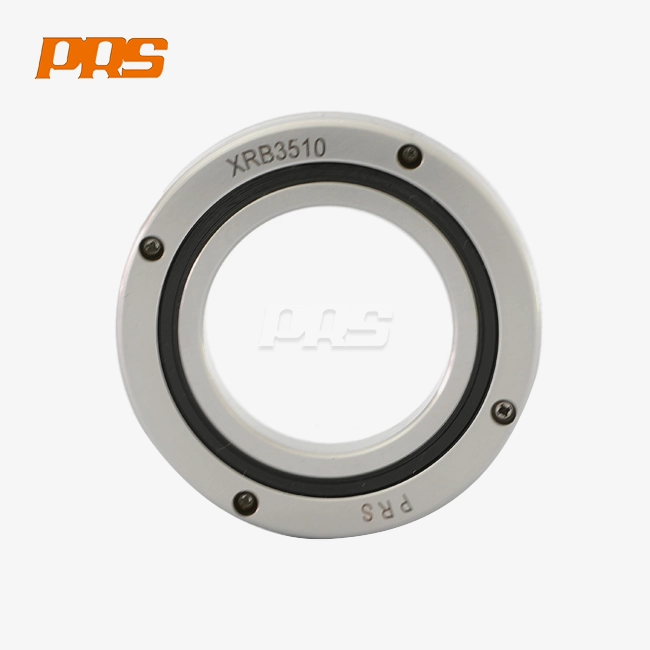 VIEW MORERB Crossed Roller Bearings
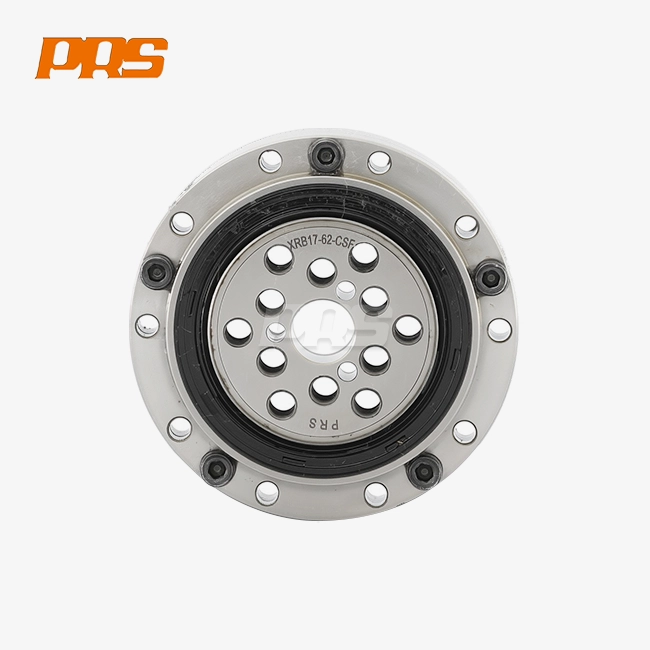 VIEW MOREBearing for harmonic drive
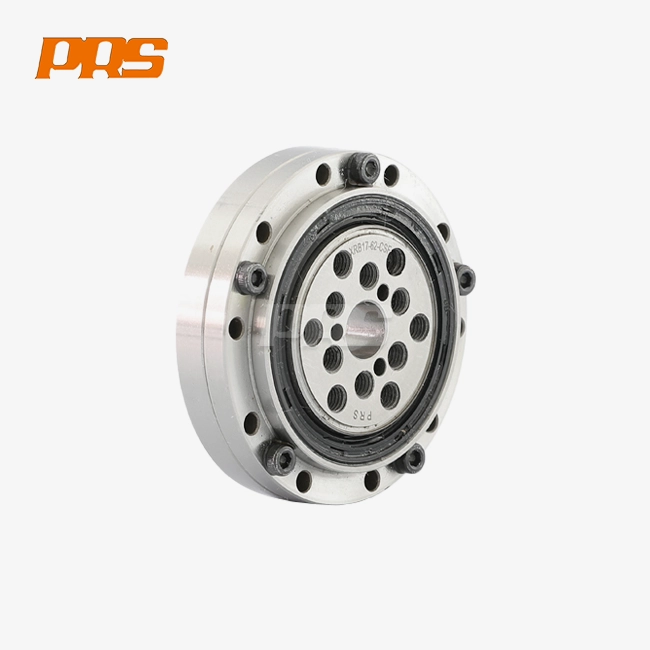 VIEW MORErobot harmonic reducer flexible bearing
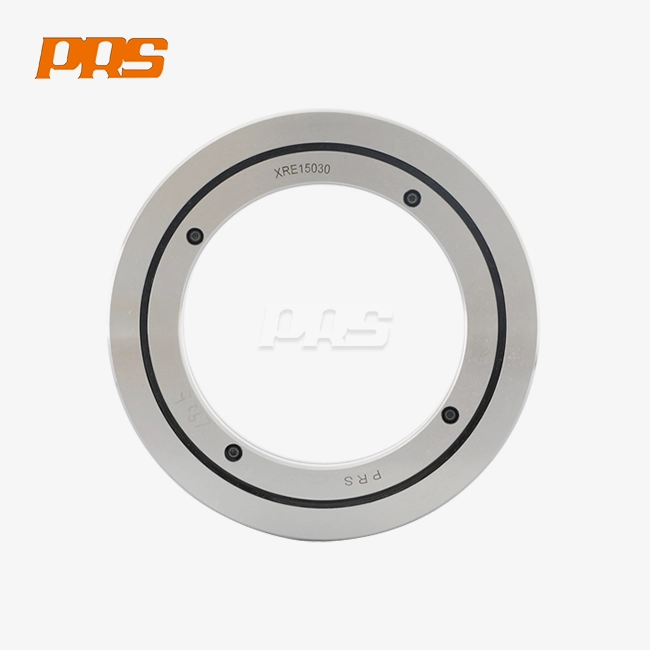 VIEW MORERE Crossed Roller Bearings
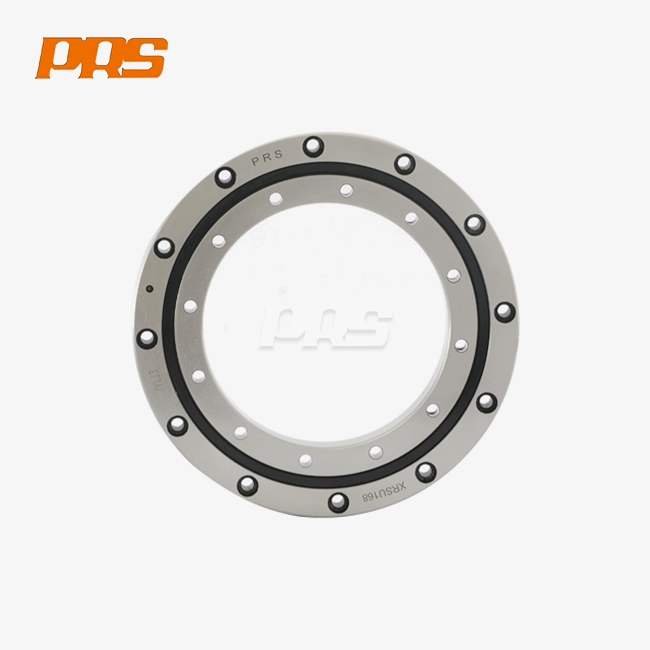 VIEW MOREXSU Cross Roller Bearing
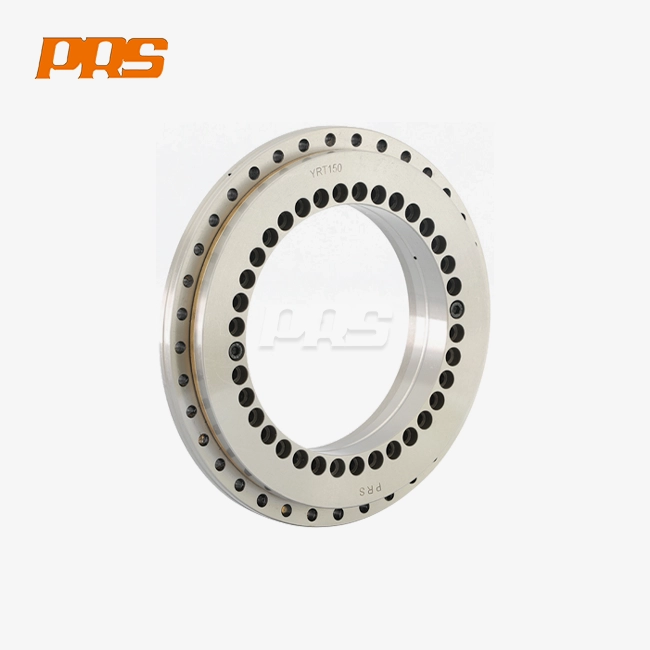 VIEW MORErotating shaft bearing
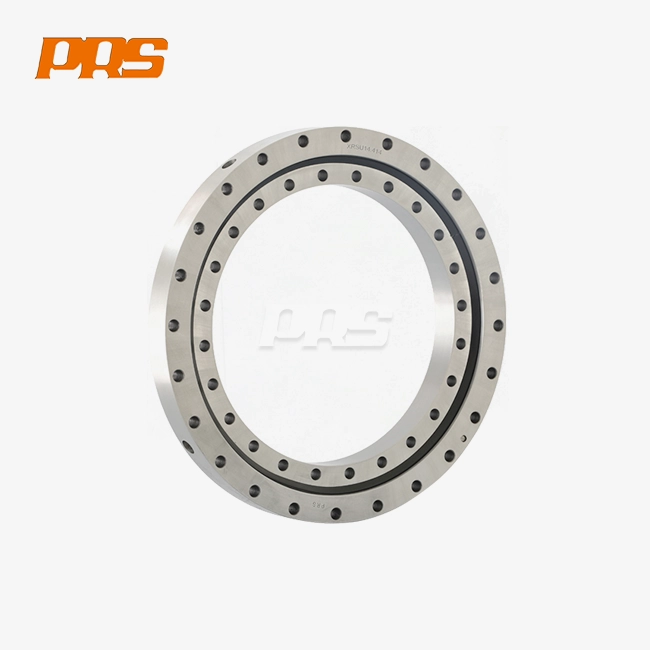 VIEW MOREDouble-Row Angular Contact Ball Slewing Bearings
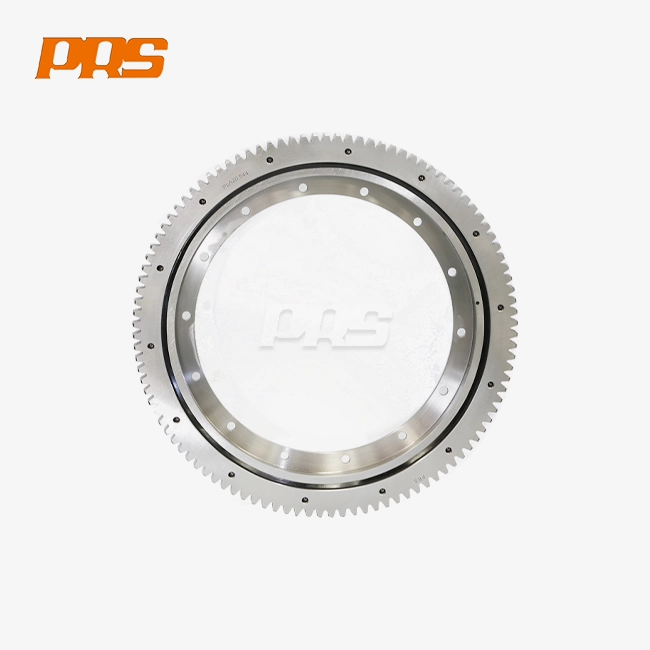 VIEW MORECrossed Roller Slewing Bearing