
Why Are SX Cross Roller Bearings Used in Precision Machinery?
SX cross roller bearings deliver exceptional load capacity, rigidity, and rotational precision that modern precision machinery demands. These specialized components enable smooth motion with virtually zero backlash, directly influencing overall equipment performance across industries from robotics to medical imaging. When six-axis robotic joints require micron-level repeatability or CNC rotary tables need to maintain dimensional accuracy over millions of cycles, engineers turn to these advanced bearing solutions. This comprehensive guide explores why SX cross roller bearings have become indispensable in precision applications, examining their technical architecture, performance advantages, and strategic procurement considerations for engineering and sourcing professionals managing high-stakes industrial projects.
The crossed roller design addresses fundamental challenges that conventional bearing systems struggle to overcome—simultaneous multi-directional load handling, thermal stability under continuous operation, and space-efficient installation in compact assemblies. Understanding these capabilities helps procurement teams make informed decisions that impact equipment uptime, product quality, and long-term operational costs.
Understanding SX Cross Roller Bearings: Features and Working Principle
Architectural Design and Load Distribution Mechanics
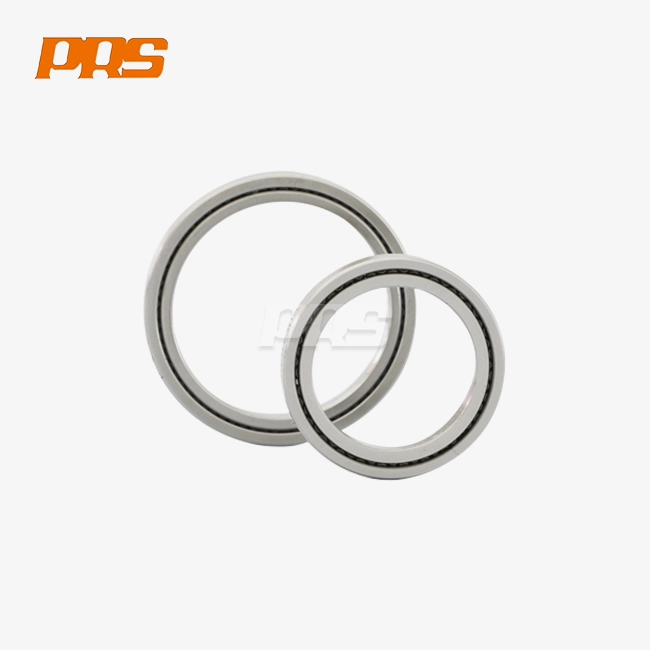
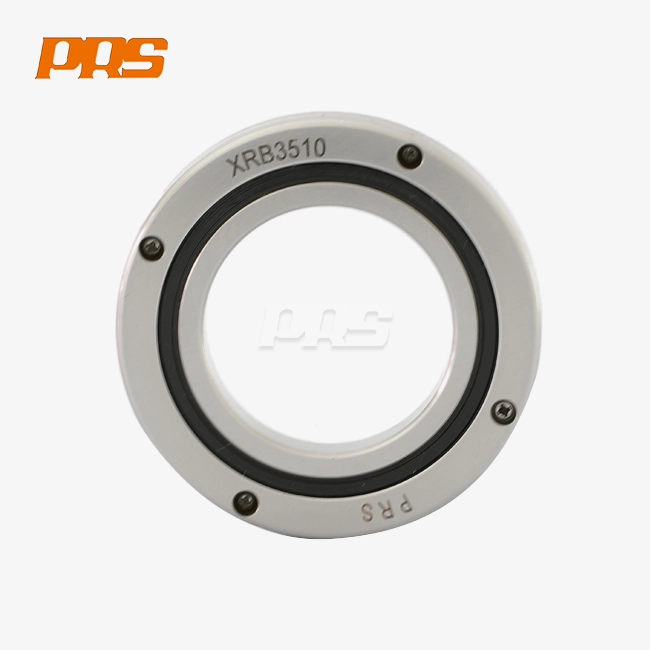
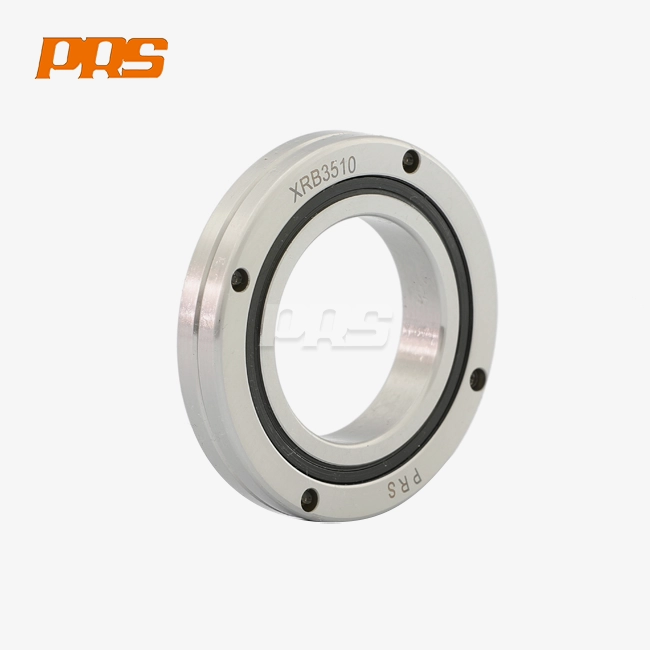
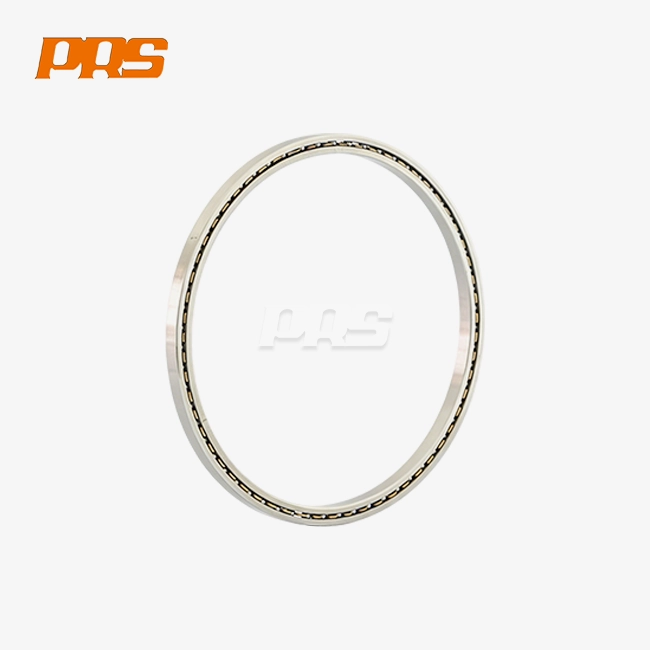
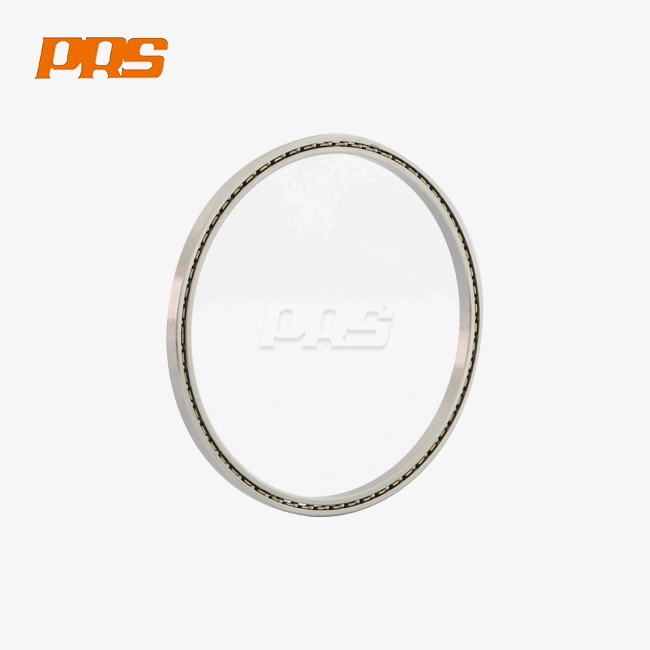
The alternate design of the rollers is what makes SX cross roller bearings unique. Cylindrical or tapered rollers are placed at right angles to neighboring elements, making load lines that cross and handle radial forces, axial thrust, and moment loads all at the same time. This geometric arrangement makes the stiffness-to-volume ratio three to four times higher than angular contact ball bearings. This makes these parts perfect for uses where deflection needs to stay within sub-micron limits.
Line-contact interfaces between rollers and raceways are at the heart of how it works. In contrast to point-contact ball bearings, this larger contact area spreads forces more evenly, lowering stress concentrations in certain areas. Precision-machined spacers keep each roller from skewing while it's rotating and keep friction torque to a minimum, even when the preload is high. When choosing a material, vacuum-degassed high-carbon chromium bearing steel (GCr15/SUJ2) that has been heat-treated to 58–64 HRC is usually the best way to make it resistant to fatigue for heavy-duty cycles.
Technical Specifications and Precision Grades
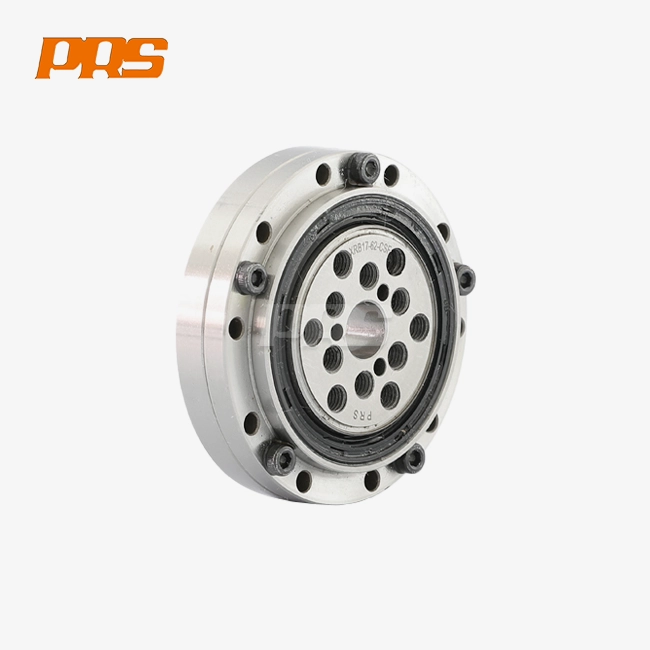
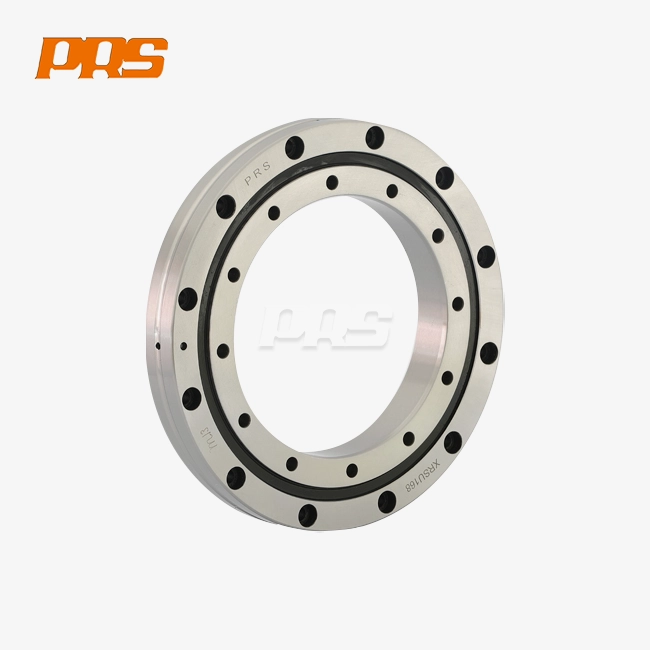
These bearings are made to levels of accuracy that range from ISO Class 5 (P5) to Class 2 (P2). Depending on the purpose, the manufacturers control the rotational runout to within 1-3 microns. The inner and outer rings of the bearing both have fixing holes built right in. This makes fitting easier and keeps the bearing concentrically aligned. Custom configurations can fit specific shaft diameters, bolt patterns, and sealing arrangements, which lets engineers make designs that work best with the limitations of each piece of machinery.
Stability at different temperatures is another important feature. At temperatures ranging from -20°C to 80°C, quality bearings keep their dimensions the same. For high-speed machining applications, some types can withstand temperatures up to 120°C. For maintenance-free operation, grease pre-packaging is one way to lubricate. For continuous high-load situations, oil drainage systems are another choice.

Advantages of SX Cross Roller Bearings in Precision Machinery
The performance features that make SX cross roller bearings different from other options directly address the operational problems that companies that make precision equipment face. Their ability to handle multiple loads in a single small assembly changes the way engineers build machines in a basic way.
Superior Load Capacity and Rigidity
These bearings can handle much more weight than regular slewing rings or ball bearing turntables while still having the same envelope size. The SX cross roller bearings design lets a single bearing take the place of complicated multi-bearing assemblies. This cuts down on the number of parts needed and the chance of tolerance stack-up problems. This consolidation is especially helpful in robotic joint designs, where reducing weight has a direct effect on the amount of weight that can be carried and how efficiently energy is used.
When cutting forces cause dynamic loads, rigidity properties help with precision machining. SX cross roller bearings on the spindle of a grinding machine keep it in place even when aggressive material removal is happening. This keeps the workpiece from changing sizes. At rated loads, testing data shows deflection values below 0.001mm, which meets the strict needs of coordinate boring machines and gear processing equipment.
Minimal Backlash and Rotational Accuracy
Getting rid of backlash is one of the most important things to think about in motion control applications. The preloaded roller design in SX cross roller bearings almost completely removes clearance, so they respond right away to changes in direction. In five-axis machining center swivel heads, this feature is very important because the accuracy of the tool path depends on having no lost motion when the axis changes directions.
Rotational accuracy has a direct effect on product quality in situations like moving semiconductor wafers and placing optical instruments. Total axial runout for high-precision versions is less than 2 microns, which lets photolithography machine alignment systems keep registration accuracy at the nanometer level across substrate surfaces.
Extended Service Life and Maintenance Efficiency
Total cost of ownership goes down over the span of an item if it can last for a long time and be used continuously. In industrial automation settings, SX cross roller bearings that are properly specified and maintained often last longer than 30,000 operating hours. The line-contact roller design spreads wear out more widely than point-contact options, which slows down wear and tear and increases the time between relubrication cycles.
When engineers follow the manufacturer's instructions, maintenance methods stay simple. Unexpected failures can be avoided by checking the integrity of the seals on a regular basis, keeping an eye on vibrations to find problems early, and adding more lubrication on a regular basis. When unexpected downtime gets in the way of just-in-time production plans, this certainty helps lean manufacturing efforts.
Applications of SX Cross Roller Bearings Across Industries
Industrial Robotics and Automation Systems
At key points of movement, multi-joint industrial robots depend on SX cross roller bearings. These parts are used in six-axis robot joints to get the positional repeatability needed for spot welding in cars and putting together electronics. The spinning bases of collaborative robots use small bearings that meet safety standards and provide smooth motion patterns. The bearing can handle the moment loads that are created during high-speed pick-and-place cycles, which is good for SCARA robot Z-axis spinning modules.
Specialized manipulators used for palletizing, welding, and moving materials have these bearings built into spinning wrists and turret bases. When you combine high stiffness with low friction, you can precisely control the direction while reducing the size of the motor that is needed. In medical surgical systems and food processing areas, light-duty robotic arms use smaller bearing versions that keep things clean while still allowing accurate angular positioning.
Machine Tool and Precision Manufacturing Equipment
CNC rotary tables and indexing systems depend on SX cross roller bearings to keep the correct orientation of the workpiece while they are being machined. When these bearings are put into turning center tool turrets, they allow for quick index times and accuracy of tool position within 3 arc-seconds. The temperature stability of the bearing is used by grinding machine wheels to keep the dimensions from changing during long production runs.
Machining centers use rotary tables that can be set up in both vertical and horizontal positions. Five-axis machine tool swivel heads need to be able to handle cutting forces from multiple directions at the same time. Coordinate boring machines and gear processing equipment are examples of precision machine tools that use sub-micron rotational accuracy to meet the tight tolerance requirements needed to make high-value parts.
Medical Imaging and Surgical Robotics
Large-diameter SX cross roller bearings hold up X-ray source and detector assemblies while keeping them in place during fast rotation in CT scanner rotating gantries. Rotating parts of MRI machines need support materials that aren't magnetic and won't mess up the image field. DR machine arm movement mechanisms work better when they move smoothly and without vibrations, which keeps images clear while the patient is being placed.
The joints in robotic surgical systems have small precision versions that help surgeons do delicate procedures with more dexterity. In life-critical situations, orthopedic navigation tools and radiation device positioning systems need bearings that are reliable and accurate.
Aerospace, Defense, and Optical Metrology
UAV gimbals need light bearings that keep the gimbals pointed correctly even when the temperature and vibrations of flight change. Aerospace modeling rotation tables accurately place parts at any angle to simulate flying conditions. Precision supports for missile guiding systems can handle shock loads and keep alignment accuracy measured in microradians.
SX cross roller bearings keep optical instrument rotary tables for projectors and laser interferometers from wobbling, which could affect the accuracy of the measurements. These parts are used in rotary support assemblies by coordinate measuring machines and roundness testers, where any error in the measurements can mess up the data collection.
Comparing SX Cross Roller Bearings With Alternative Bearing Types
Performance Differentiation From Standard Cross Roller Designs
SX cross roller bearings in general offer great performance, but SX cross roller bearings versions often have better manufacturing tolerances and material refinements. Precision grinding is used on SX cross roller bearings raceways to get surface finishes below 0.2 Ra. This lowers the coefficients of friction and makes lubricant work longer. This care for details leads to measurable improvements in the stability of the temperature and the consistency of the rotational torque.
These efficiency gains are reflected in the difference in costs. For projects that need to be very precise, the SX cross roller bearings expense can be justified by lower scrap rates and better process control. When using standard industrial tolerances, regular SX cross roller bearings may be enough for some applications. Choosing the right parts means finding a balance between technical needs and budget limits.
Advantages Over Ball Bearing Turntables and Slewing Rings
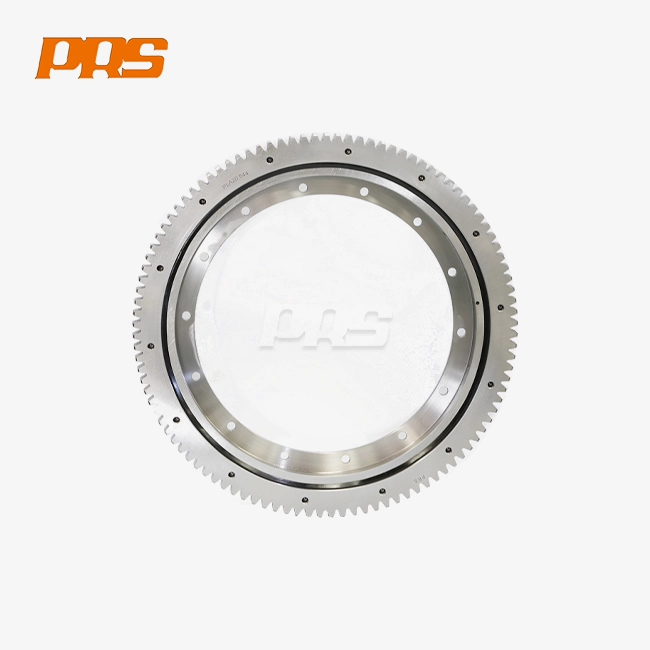
When it comes to moment loads, ball bearing wheels don't work as well as SX cross roller bearings systems. Because balls are point-contact, they create stress clusters that shorten their service life when they are constantly loaded with big loads. Even tho slewing rings can handle applications with big diameters, they have more variable running torque and less accurate spinning when compared to precision SX cross roller bearings systems.
Space limitations often affect the choice of bearings. SX cross roller bearings take up about 60% of the space that equivalent-capacity angular contact ball bearing pairs do, which lets machine designs be smaller. This dimensional efficiency is useful in robotic joint envelopes and rotary table assemblies, where each millimeter changes the size of the whole piece of equipment.
Selection Criteria Balancing Performance and Application Requirements
Systematically analyzing practical factors is needed to find the best bearing specification. When you do a load study, you need to think about the worst-case situations for radial forces, axial thrust, and overturning moments. Rotational speed affects the choice of greasing method and cage material. Accuracy grade requirements and mounting surface preparation standards are set by precision requirements.
Extreme temperatures, contamination exposure, and compatibility in a laboratory are some of the environmental factors that affect seal design and material choice. Budgeting means balancing the initial cost of a part with its lifecycle costs, such as maintenance, the risk of downtime, and how often it needs to be replaced. Working with experienced bearing manufacturers during the design phase is a good way for engineers to handle these trade-offs.
Procurement Guide for SX Cross Roller Bearings
Supplier Qualification and Quality Assurance
Finding manufacturers with quality management systems that can be checked is the first step to successful procurement of SX cross roller bearings. ISO 9001 certification gives you basic peace of mind, while industry-specific standards like AS9100 for aerospace applications show that you have specific skills. To make sure the product meets the requirements, you should ask for records on measurements, material approvals, and performance testing data.
When you work with an OEM, you get benefits like professional help throughout the lifecycle of the product, warranty coverage that protects against premature failures, and access to application engineering resources. When compared to direct factory orders, authorized distributors keep popular sizes in stock, which cuts down on hold times. Checking the authenticity of the supply chain stops fake parts that could damage equipment from working properly.
Pricing Structure and Volume Considerations
The price of a component changes a lot depending on its accuracy grade, size, customization needs, and the number of items ordered. Most of the time, standard catalog items are cheaper than custom designs that need special manufacturing sets. With volume agreements, prices can be bargained, which improves the economics of the project and gives builders of production equipment peace of mind about their supplies.
For lead time management to work, suppliers need to be involved early on in the creation processes of equipment. Standard bearings can be ordered right away or in four to six weeks. Custom designs, on the other hand, may take ten to fourteen weeks, which includes time for engineering review and prototype testing. Procurement experts have to add time for shipping and customs clearance to project plans when they use global logistics.
Technical Support and Customization Capabilities
SX cross roller bearings companies that offer full application tech help are worth a lot more than just selling parts. Working together to create specifications helps make ideas better in terms of performance, ease of manufacture, and cost-effectiveness. Before committing to production equipment, finite element analysis services make sure that the bearing choices made work under a variety of loading situations.
Some of the things that can be customized are different mounting interfaces, different seal configurations, and different materials for harsh environments. Ceramic rolling elements that don't make particles are often needed in cleanrooms for semiconductor equipment. Applications for medical devices can list biocompatible materials and traceability information that helps with regulatory submissions.
Conclusion
Modern industrial equipment needs to be able to handle a lot of weight, be very rigid, and turn very precisely. SX cross roller bearings are a sophisticated engineering solution that meets all of these needs at the same time. Their architecture handles complex multidirectional forces efficiently within small spaces. This lets machine designs happen that wouldn't be possible with regular bearing systems. In many situations where performance directly affects product quality and operational efficiency, these parts are essential. For example, they are used in medical imaging gantries, aerospace tracking systems, and robotic joint articulation.
For execution to go well, the specifications must carefully match the needs of the application with the bearings' abilities. The provider must be chosen with quality assurance and expert support in mind, and lifecycle planning must improve maintenance practices. When you invest in premium bearing technology, you get measured results in the form of less downtime, better process capability, and longer equipment service life. These are the things that give you a competitive edge in precision manufacturing settings.
FAQ
How do SX cross roller bearings improve machine precision compared to traditional bearing types?
By adjusting the preload, the SX cross roller bearings design cuts down on backlash to almost nothing, getting rid of the positional confusion that comes with clearance-fit bearings. Line-contact geometry is three to four times more rigid than ball bearings, so it reduces deflection under load that could throw off the accuracy of measurements. Controlling the rotational runout to within a few microns makes sure that the angle setting is always the same, which is important for precision production and measurement.
What maintenance practices maximize bearing service life?
Setting up lubrication schedules that are right for the operating conditions stops wear before it's due. SX cross roller bearings that use grease need to be refilled every 2,000 to 5,000 hours, but this depends on the speed and load. Vibration analysis finds early signs of wear and tear before a catastrophic failure happens. Seal check stops pollution from getting in, which speeds up wear from abrasion. Making sure the mounting surface is clean and that the torque specs are followed during installation stops fretting corrosion and makes sure that the load is evenly distributed across the roller elements.
Can these bearings be customized for unique industrial applications?
Manufacturers can meet a wide range of customization needs, such as requests for non-standard sizes, changed bolt patterns, built-in encoder mounting holes, and special finishes. Changes in materials are made to meet the needs of environments with high temperatures, high corrosion, or high magnetic sensitivity. Validation testing can be done before committing to production with prototype development. During the design process, collaborative engineering helps make sure that the bearing specifications meet the unique performance needs of the application while still being cost-effective.
Partner With PRS for Your Precision Bearing Requirements
Since 2003, PRS has been making high-precision SX cross roller bearings. We've also come up with domestic alternatives that work as well as foreign products while being a better value. As an SX cross roller bearings supplier, we can offer precision grades up to the P2 level, custom engineering for non-standard applications, and technical advice to help you choose the best parts. Expertise in making robot joint bearings, CNC rotary table parts, and medical equipment precision assemblies. Quality management systems make sure that the products are always reliable.
Before it is shipped, every bearing goes thru strict dimensional verification and performance testing. It also comes with a lot of technical information to help you meet your equipment certification needs. Short lead times and variable order numbers make it possible to meet the needs of both prototype development and large-scale production. You can email our engineering team at ljh@lyprs.com or visit prs-bearing.com to talk about your specific application problems and find out how our precision bearing solutions can improve the performance and dependability of your tools.
References
1. Harris, T.A. & Kotzalas, M.N. (2006). Advanced Concepts of Bearing Technology: Rolling Bearing Analysis, Fifth Edition. CRC Press.
2. Weck, M. & Brecher, C. (2006). Werkzeugmaschinen 5: messtechnische Untersuchung und Beurteilung, dynamische Stabilität. Springer-Verlag.
3. Tsutsumi, M. & Saito, A. (2004). "Identification of Angular and Positional Deviations Inherent to 5-Axis Machining Centers with a Tilting-Rotary Table by Simultaneous Four-Axis Control Movements." International Journal of Machine Tools and Manufacture, 44(12-13): 1333-1342.
4. ISO 199:2014. Rolling bearings — Thrust bearings — Geometrical product specifications (GPS) and tolerance values. International Organization for Standardization.
5. Marsh, E.R. (2010). Precision Spindle Metrology. DEStech Publications, Inc.
6. Schroeder, K. (2008). "Cross Roller Bearings in Precision Motion Control Applications: Design Considerations and Performance Optimization." Precision Engineering Journal, 32(4): 289-301.

USER EVALUATE
Here is the customer's evaluation of us