


How to Choose RU Turntable Bearing for Industrial Equipment Design?
Selecting the right RU turntable bearing depends on understanding your equipment's load capacity, rotation speed, dimensional constraints, and environmental conditions. RU bearings excel in compact designs requiring high rigidity and precision, particularly for robotic joints, CNC rotary tables, and precision testing equipment. Their crossed-roller configuration supports combined axial, radial, and moment loads simultaneously, making them ideal for applications where space-saving and positional accuracy are critical priorities in industrial equipment design.
Understanding RU Turntable Bearings – Fundamentals and Applications
RU Turntable bearings are a special type of crossed-roller bearings that are designed to provide excellent turning performance in tight installation areas. RU Turntable bearings use cylindrical rollers that are arranged perpendicularly between the inner and outer rings instead of point contact, which is what most ball bearings use. This one-of-a-kind design makes line contact, which spreads loads more evenly across the bearing surfaces and greatly increases the structure's ability to hold weight and stay straight.
How RU Bearings Differ from Conventional Solutions?
RU Turntable bearings are better for structures because they can handle complex loading conditions without the need for multiple bearing assemblies. In traditional designs, radial and axial loads are often handled by different bearings. This makes the installation area bigger and the system more complicated. These functions are all built into a single, small RU Turntable bearing, which cuts down on setup time and possible alignment problems. Their thin-section design makes great use of space—a bearing with a 100mm bore might only have a 20mm cross-sectional height, which frees up important design space for other parts.
Industrial Applications Across Precision Equipment
In six-axis industrial robots, RU Turntable bearings are important pivot points where the positioning of the end-effector is directly affected by the accuracy of the joints. For safe human-robot contact, collaborative robot spinning bases need motion that is smooth and free of vibrations. This is where the low-friction properties of RU Turntable bearings really shine. The small size of SCARA robot Z-axis rotation systems helps makers make products with smaller footprints without losing performance.
When CNC rotary tables have RU Turntable bearings, the indexing accuracy stays at the micron level even after thousands of positioning cycles. Spindles on grinding machines use their ability to dampen vibrations to get better surface finishes. RU Turntable bearings are used in both vertical and horizontal machining center rotary tables to hold heavy workpieces in place and keep the position repeatability within 5 arc-seconds. Also, these bearings allow precise rotation in coordinate measuring machines. Accurate measurements depend on the runout of the bearings staying below 2 microns.
Medical imaging equipment has its own problems that RU Turntable bearings can solve well. For picture artifact-free motion, CT scanner rotating gantries need to move very smoothly. Surgical robot joints, on the other hand, need to work reliably in clean settings. Properly sealed RU Turntable bearings can work in clean rooms, so they can be used in semiconductor equipment like wafer handling systems and rotary stages for photolithography machines.

Criteria for Selecting the Right RU Turntable Bearing for Your Equipment
To pick the right RU Turntable bearing, you need to carefully look at the weather and mechanical factors that affect its performance and service life.
Load Capacity Assessment
The bearing's static load capacity tells you how much weight it can hold when it's not moving, and its dynamic load capacity tells you how much weight it can hold when it is moving. For RU Turntable bearing, engineers need to figure out the combined load vector by adding up the axial forces, radial forces, and tilting moments. A palletizing robot's wrist bearing might be mostly subject to axial loads from the weight of its package, while a five-axis machine tool's swivel head is subject to large moment loads when it cuts. Conservative design practice says that real loads should be kept at 60–70% of stated capacity to make sure there are enough safety gaps and the system lasts longer.
Dimensional and Installation Considerations
Mounting room often affects the choice of bearings more than engineers think at first. RU Turntable bearings come in different series with different cross-sectional heights. Ultra-thin types are good for applications where every millimeter counts, like drone gimbals and photography tripod heads. Standard series, on the other hand, can handle higher loads and are used in industrial manipulators and AGV rotating platforms. Installation areas need to be as flat as 0.01 mm and as straight as 0.02 mm so that loads aren't spread out unevenly, which speeds up wear. The designs of mounting holes should match industry standards so that they are easy to repair and swap out.
Material Selection and Environmental Factors
The corrosion resistance, thermal stability, and magnetic properties of bearing material are all directly affected by these factors. High-carbon chrome steel is very hard and doesn't wear down easily in normal industrial settings. Stainless steel grades are needed for robots that process food and medical equipment that needs to be cleaned often for hygiene reasons. Materials that don't give off a lot of gas may be required by aerospace control systems that work in vacuum. Coatings that don't rust make things last longer in damp places, and special heat treatments make things more stable in size when the temperature changes that happen a lot in optical measurement systems and laser marking machines.
Speed and Precision Requirements
Bearing friction, heat production, and the need for lubrication are all affected by the speed of rotation. When image measurement tools work at 10 RPM, their needs are very different from when insertion machine indexing tables cycle hundreds of times per minute. Rotational accuracy is based on the precision class, which ranges from normal P0 to ultra-precision P2. Tighter limits cost more. Most roundness testers and angle calibrators have precision levels of P4 or P2 to make sure that measurement error stays within acceptable limits.
RU Turntable Bearing vs. Alternative Bearing Solutions: A Performance and Cost Comparison
Knowing how RU Turntable bearings stack up against other designs helps engineering teams make smart trade-off choices when making new equipment.
Structural Performance Characteristics
Cross-roller bearings, like RU Turntable bearing types, have better moment stiffness than ball bearing pairs. This makes them better for cantilevered loads that are common in robot arms and machine tool swivel heads. Their contact geometry keeps them from deforming too much when they're loaded, which is something that ball bearings can't do in small spaces. Standard deep-groove ball bearings, on the other hand, can handle higher speeds with less friction loss. This makes them better for high-speed wheels that spin faster than 1000 RPM.
Application-Specific Advantages
Slewing rings have bigger bore sizes that work with crane turrets and wind turbine yaw systems, but they need a lot more room around the outside than RU Turntable bearings. If you're making a biochemical analyzer sample carousel with a 200mm diameter, an RU Turntable bearing might take up 30mm of radial room while a similar slewing ring would take up 80mm. When there is only axial pressure, tapered roller bearings work best, but they need to be mounted in pairs, which makes assembly more difficult than with the self-contained RU Turntable bearing design.
Lifecycle Value Considerations
The initial cost of buying something is only one part of the total cost of ownership. Maintenance for RU Turntable bearings is usually less than maintenance for multi-bearing systems. This cuts down on work costs and production downtime. Their sealed designs keep internal parts clean, which increases the time between service visits in dusty places like automated assembly lines and printing machine indexing systems. When buying teams look at bids, they shouldn't just look at the purchase price; they should also figure out the cost-per-operating-hour, which takes into account how often the equipment needs to be replaced, the cost of upkeep work, and the cost of production interruption.
Procurement Insights: How to Purchase RU Turntable Bearings Effectively?
To make sure the project is a success, successful RU Turntable bearing buying combines technical requirements, supplier dependability, and business terms.
Evaluating Manufacturer Credentials
Manufacturers with a good reputation have complete quality management systems that are approved to ISO 9001 standards and have experience in the businesses they work with. Independent testing reports that back up claims of dimensional accuracy give customers confidence that the products they order will meet their needs. Manufacturers that give expert support services help customers choose the best bearings and solve problems with their applications, which adds value to the product itself.
Customization and Volume Considerations
Catalog RU Turntable bearings are good for a lot of different uses, but sometimes you need to make changes to them to fit your specific design needs. Changes to the mounting hole patterns, special seal configurations for cleanrooms, and precision class upgrades all need detailed specification documentation and longer lead times. Buying in bulk can help you save money on prices. For example, if you buy enough for the whole production year instead of three batches every three months, you can save 15 to 25 percent per unit. But buyers should weigh bulk savings against the costs of keeping inventory and the risk of items becoming obsolete, especially when it comes to equipment designs that change quickly.
Supply Chain and Support Infrastructure
Changes in lead times affect both production plans and planning for supplies. Supply disruptions can be lessened by building relationships with manufacturers and keeping enough stock on hand. For low-volume specialty uses like aerospace training tools and missile guidance systems, knowing the minimum order numbers keeps the buying process from getting stuck. Warranty terms that cover flaws in the manufacturing process protect against risk, and quick expert support helps figure out problems in the field and suggest solutions when unexpected performance issues show up.
Maintenance Tips and Best Practices to Maximize RU Turntable Bearing Lifespan
Proper maintenance practices directly affect how long RU Turntable bearings last and how much time equipment is used, which protects capital investments and keeps production running smoothly.
Lubrication Management
RU Turntable bearings work with grease lubrication sealed inside the bearing cavity or with provisions for relubrication on a regular basis. Choosing the right grease depends on the temperatures and speeds that it will be used at. Lithium-based greases can be used in most industrial settings from -20°C to 120°C, while synthetic fluorinated greases can handle high temperatures in wind power testing equipment and photovoltaic tracking systems. When there isn't enough oil, metals touch and wear out quickly, and when there is too much lubrication, there is too much internal friction and heat. Following the manufacturer's recommended relubrication intervals—which can be anywhere from 500 to 2000 working hours, based on the conditions—will keep the machine from breaking down too soon.
Inspection Protocols
Visual checks done on a regular basis find problems early on, before they become major problems. Strange noises are a sign of possible contamination or poor lubrication that needs to be looked into right away. Monitoring temperature with infrared thermography can find friction problems that aren't normal. Rotational torque measurements taken on a regular basis show patterns of wear and tear, allowing planned maintenance during planned downtime instead of emergency repairs during production runs. Vibration analysis lets you know about problems before they happen in serious situations like positioning radar antennas and surgical robot joints.
Contamination Prevention
Particulate pollution speeds up the wear on bearings and causes them to fail early. Dust, wetness, and process fluids that wear down bearing surfaces and make lubricants less effective can't get in if the seals are good. When using a cleanroom, you need to pay extra attention to how the seals work and how to clean them. When changing bearings, the mounting surfaces should be cleaned thoroughly to get rid of any dirt that could throw the bearings out of line or create stress points. If you handle bearing rings the right way, you can keep them from getting damaged during installation. For example, you should never hit them with hammers or shock loads that leave marks on the surface that make rotation less smooth.
Conclusion
To get the best performance from your equipment, you need to balance a lot of technical and business factors when choosing the right RU Turntable bearings. Engineers can find solutions that will work reliably for the expected service life by understanding things like the type of load, the surroundings, the level of accuracy needed, and the amount of room available. By comparing performance characteristics of different bearing types, cost-effective designs can be made that meet useful requirements without being too specific. Building ties with qualified makers gives you access to professional know-how and a reliable supply chain, both of which are important for the long-term success of your project. Performing regular maintenance increases the return on investment by increasing the life of bearings and lowering the amount of unplanned downtime.
FAQ
What distinguishes RU turntable bearings from slewing bearings?
Crossed-roller construction is used in tiny, thin-section RU Turntable bearings that are good for smaller equipment that doesn't have a lot of room, usually with outer diameters less than 500mm. Slewing bearings use ball or roller elements in bigger designs made for heavy machinery like cranes and loaders. They can handle more weight but need a lot more room to be installed. RU Turntable bearings are best for precise tasks that need high rotational accuracy, while slewing bearings are better for tasks that don't need as much accuracy.
How do I determine the correct bearing size for my equipment?
Figure out the total loads that apply, including axial forces, radial forces, and moment loads. Then, look at the load rate tables provided by the maker to find bearings that can handle the load. Find out how much fixing room you have, including the bore diameter, the outer diameter, and any height restrictions. Make sure that the bearings you choose can handle the speed and accuracy needs of your application. Also, make sure that the bearings' mounting surface preparation abilities match the tolerances that are needed.
Can RU bearings be customized for specialized applications?
Are RU Turntable bearings able to be changed to fit specific needs? Customizations that manufacturers can make include changing the mounting holes, adding precision-class improvements, changing the materials used, and making special covers for places that are corrosive. Custom changes need detailed specification documentation and usually add a few weeks to the lead time compared to standard catalog items.
Partner with PRS for Superior RU Turntable Bearing Solutions
Working with an experienced RU Turntable bearing manufacturer is very important when the design of your industrial equipment needs to be very precise and reliable. Luoyang PRS Precision Bearing Co., Ltd. has been making high-precision crossed-roller bearings for over 20 years. These bearings are used in robots, machine tools, medical devices, and aerospace applications where accuracy is very important. Our engineering team can give you full expert advice on how to choose the best bearings for your load conditions, weather factors, and performance goals.
As a reliable provider of RU Turntable bearings, we stick to strict quality standards that reach the P2 level. This makes sure that your equipment has the positional accuracy and smooth rotation that demanding applications need. Our streamlined production methods allow us to offer cheap lead times without sacrificing quality. Also, our customer service team is quick to respond to technical questions and meet buying needs. PRS is ready to help you with your project from the first idea to production and service after the sale, whether you need standard catalog bearings or custom solutions made to fit your specific design needs.
Contact our bearing experts at ljh@lyprs.com right away to talk about your RU Turntable bearing needs and find out how PRS can improve the performance of your industrial equipment with beautiful, reliable, and stable solutions.
References
1. Harris, T.A., & Kotzalas, M.N. (2006). Advanced Concepts of Bearing Technology: Rolling Bearing Analysis (5th ed.). CRC Press.
2. Eschmann, P., Hasbargen, L., & Weigand, K. (1985). Ball and Roller Bearings: Theory, Design and Application (2nd ed.). John Wiley & Sons.
3. Zhou, R.S., & Hoeprich, M.R. (1995). "Torque of Tapered Roller Bearings." Journal of Tribology, 117(3), 479-489.
4. Gupta, P.K. (2011). Advanced Dynamics of Rolling Elements. Springer Science & Business Media.
5. Palmgren, A. (1959). Ball and Roller Bearing Engineering (3rd ed.). SKF Industries Inc.
6. Budynas, R.G., & Nisbett, J.K. (2015). Shigley's Mechanical Engineering Design (10th ed.). McGraw-Hill Education.

USER EVALUATE
Here is the customer's evaluation of us
YOU MAY LIKE
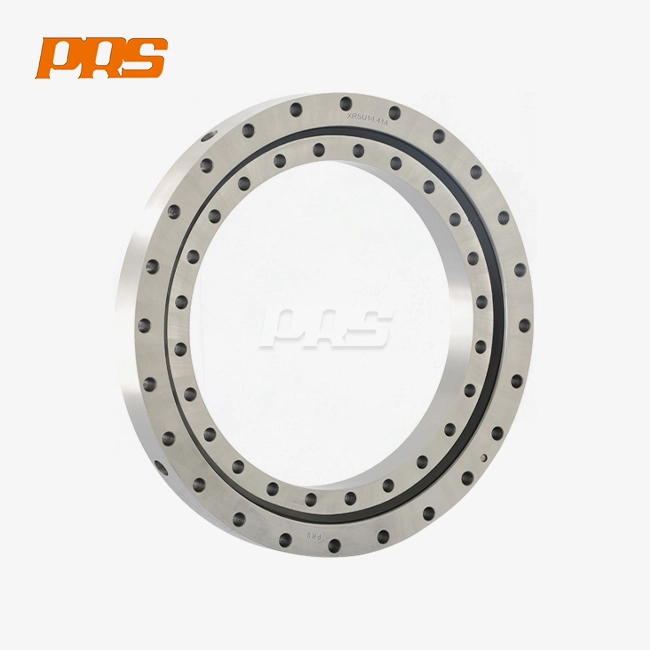 VIEW MORETower Crane Slewing Bearing
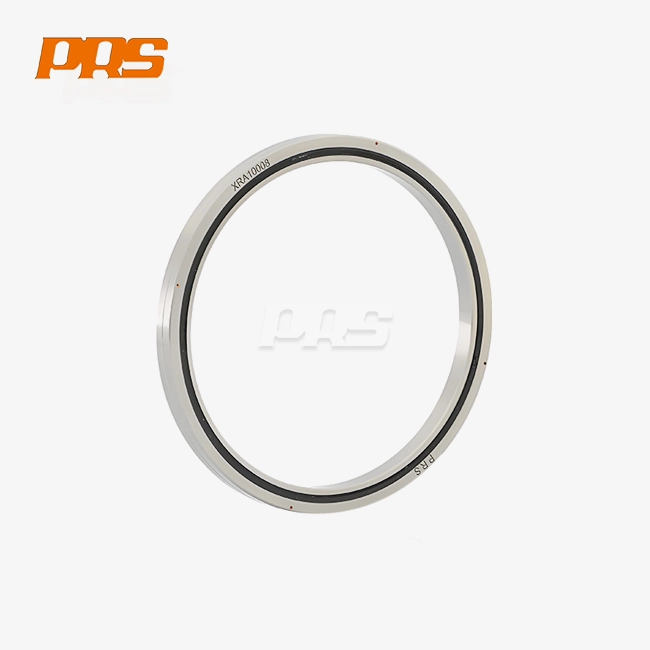 VIEW MORERA Series Crossed Roller Bearings
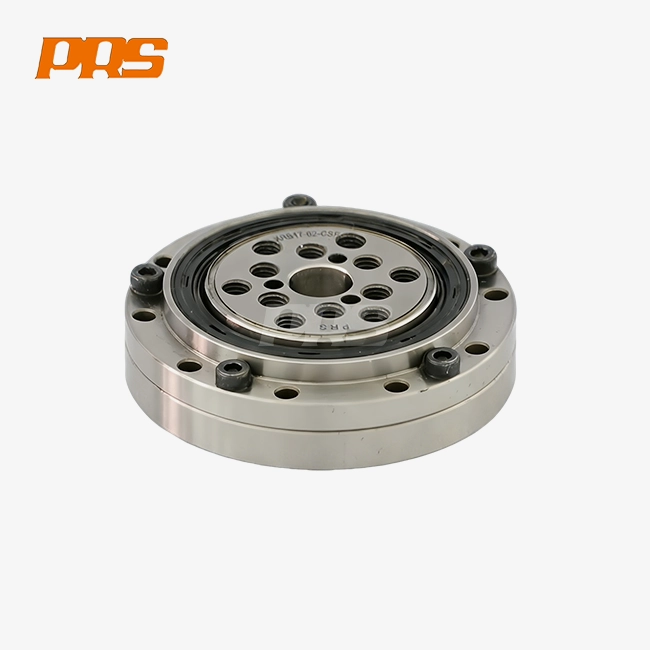 VIEW MOREHarmonic reducer bearings
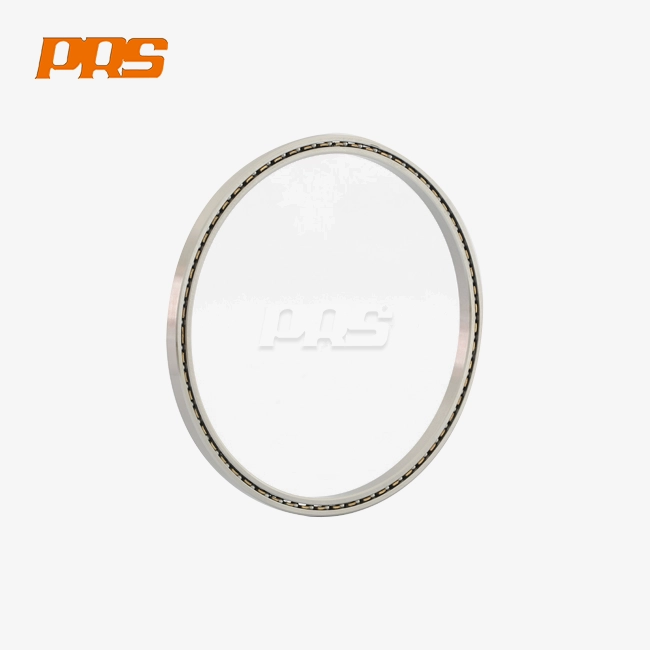 VIEW MOREceramic angular contact bearings
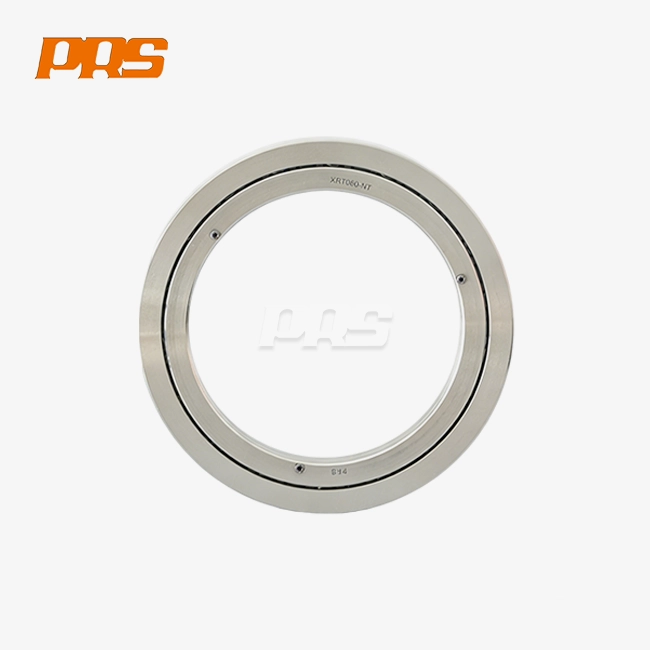 VIEW MORELathe Headstock Bearings
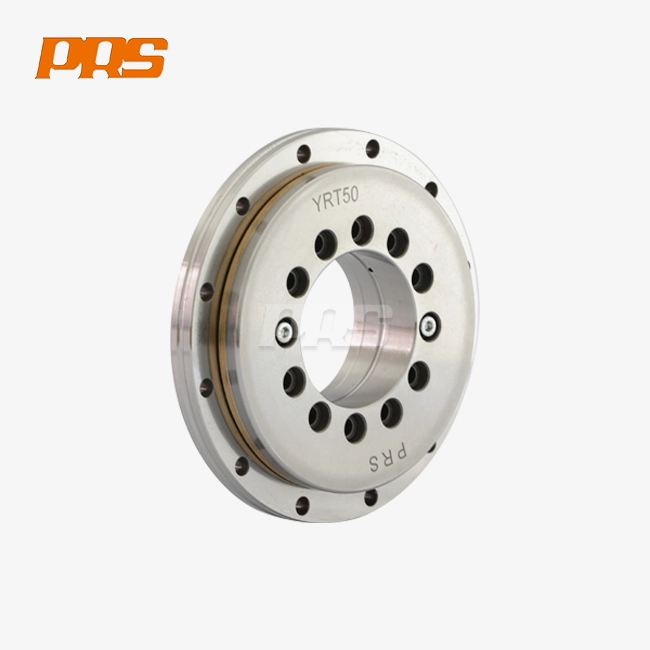 VIEW MORETurntable Bearings YRT
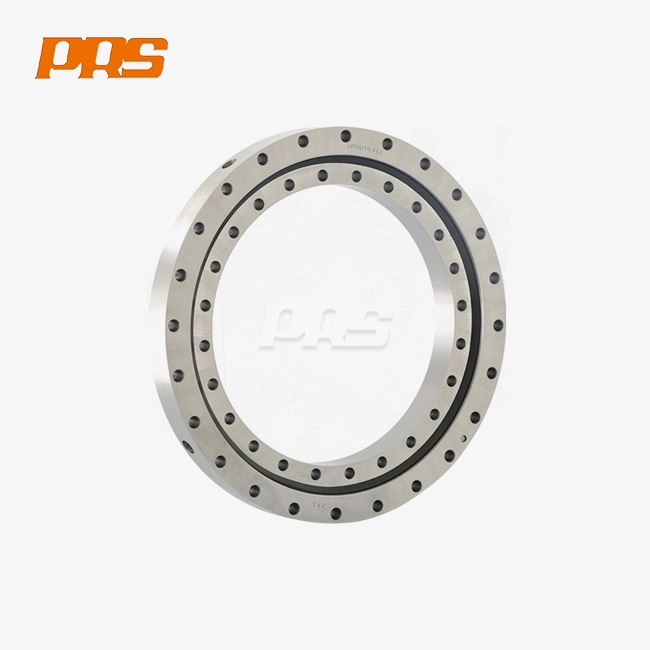 VIEW MOREFour-Point Contact Ball Slewing Bearings
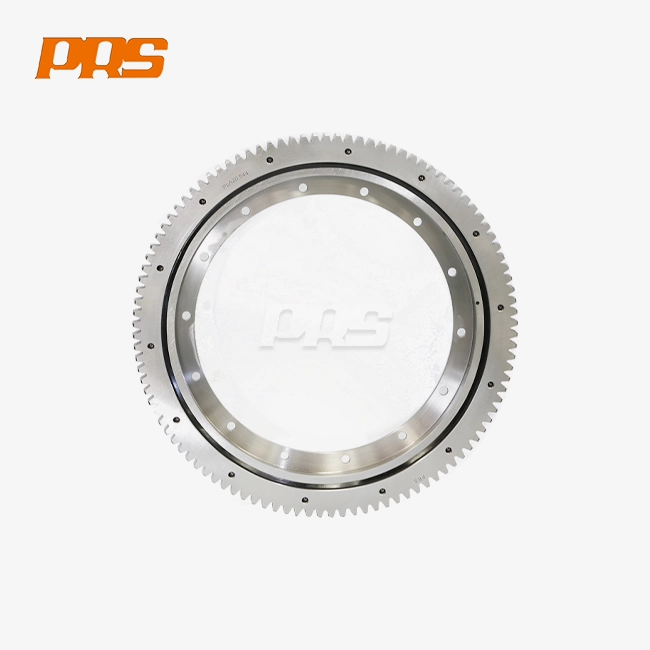 VIEW MORECrossed Roller Slewing Bearing