


What Should Buyers Consider When Sourcing SX Robot Bearings?
When sourcing SX robot bearings, buyers must prioritize precision specifications, load capacity requirements, and compatibility with specific robotic applications. These cross roller bearings feature an ultra-thin design with integral inner rings and split outer rings, offering exceptional radial, axial, and moment load capacity. The quality of these bearings directly influences robotic accuracy, operational lifespan, and maintenance intervals. Understanding technical parameters like dimensional tolerances, material composition (typically Gcr15 or Gcr15SiMn), and accuracy grades (P6 through P2) ensures alignment between bearing performance and application demands across industrial automation, medical devices, and precision manufacturing environments.
Understanding SX Robot Bearings: Technical Overview and Benefits
What Makes SX Cross Roller Bearings Unique?
There is a special group of precision parts called SX robot bearings that are made for robotic joints and rotating uses. In contrast to regular ball bearings, these units set up cylindrical rollers perpendicular to each other, making a crossed pattern that can handle loads coming from different directions at the same time. The design gets rid of the need to pair up multiple bearings, which makes the system simpler and lighter overall.
The ultra-thin shape is the first structural improvement. Because the inner and outer rings don't have fixing holes, these bearings are put in place using flanges and bearing seats. The inner ring that is one piece rotates smoothly, but the outer ring that is split in half and held together by three rings stays still. This arrangement works well for uses where the inner ring needs to rotate while staying perfectly centered.
Core Technical Specifications That Matter
Dimensional sizes are very different to fit a wide range of robotic systems. The inside diameters range from 20 mm to 1100 mm, and the outside widths range from 70 mm to 1500 mm. Engineers can choose bearings that fit both small medical robots and big industrial manipulators because the width sizes range from 12mm to 110mm.
High-carbon chromium-bearing steel, especially Gcr15 and Gcr15SiMn alloys, is what is used for material selection. These materials are very hard, don't wear down easily, and keep their shape even when the temperature changes. Precision grinding is used in the production process to reach levels of accuracy from P6 (standard) to P2 (ultra-precision). Tighter tolerances lower runout and improve consistency.
Performance Advantages in Robotic Applications
Adding SX robot bearings to robotic systems has benefits that go beyond just supporting rotation. A single bearing that can handle high radial, axial, and moment loads makes joint design easier and cuts down on the number of parts needed. Engineers like the low friction coefficient because it makes the rotation smooth even when the speed changes. This trait is very important for collaborative robots whose movements are unpredictable and need consistent performance.
End-effectors stay in the same place throughout their working area thanks to exceptional runout accuracy. When a robotic arm does the same pick-and-place jobs over and over, small errors that start at the micron level can add up to big location mistakes. When you change the direction of the bearings, tight tolerances reduce backlash, which is the free play between the parts. Vibration dampening abilities remove tiny oscillations caused by sudden accelerations or impacts from outside, safeguarding fragile parts while they are being put together or inspected.

Critical Comparison: SX Robot Bearings vs Other Robot Bearings
Precision and Load Capacity Analysis
To compare bearing performance, you have to look at how different types deal with load spread and the need for precision. Because their contact area is bigger and their rollers are arranged perpendicularly, SX robot bearings naturally have better moment stiffness than angular contact ball bearings. Ball bearings work best in high-speed situations, but SX robot bearing setups are best when loads are acting in more than one way at the same time.
Comparing load capacities shows that SX robot bearings are better at handling mixed loads than paired ball bearing setups. The crossed roller design spreads forces across many contact spots, stopping stress buildsups that speed up wear. This spread of forces makes bearings last longer in situations where forces act in all directions, like in turntables and tracking devices.
Cost-Versus-Quality Framework
When buying something, people often weigh the initial costs against the overall cost of ownership. Even though high-quality imported bearings may cost more at first, it's easier to see how much they'll cost in the long run when you look at maintenance intervals, replacement frequency, and downtime costs. Because they last longer and have more predictable performance degradation curves, SX robot bearings made to P4 or P2 accuracy grades cut down on machine downtime.
At first, generic bearings may seem like a good deal, but poor quality control causes them to break down early and need upkeep that wasn't planned. When making semiconductors or putting together medical devices, the cost of stopping a single production line often goes over the price difference between normal and precision-grade bearings. When buyers are comparing options, they should figure out the total cost over their whole lifetime, which includes the cost of lubrication, inspections, and replacement labor.
Application-Specific Suitability
Different robotic platforms have their own unique problems with bearings. The vibration control and smooth torque transfer of SX robot bearings make them useful for collaborative robots that work in settings that are always changing speed. Heavy-payload industrial robots that work with car parts need bearings that can handle high loads and moments. Medical imaging equipment needs bearings that can keep working quietly and accurately even when they are being used all the time.
Case studies from precision machine centers show how SX robot bearings cut down on positional mistakes when multiple axes are working together. One CNC maker said that after changing their rotary tables to P4-grade cross roller bearings, their scrap rates dropped by 40%. They said that this was because the new bearings improved runout accuracy and heat stability during long machining processes.
Procurement Essentials: Where and How to Source SX Robot Bearings?
Identifying Trusted Suppliers and Distribution Channels
To find suppliers of precision bearings, you need to check their credentials and see if they can make the bearings you need. Authorized sellers and direct producers can provide proof of ownership, certifications for materials, and records of traceability that generic wholesalers cannot. Before deciding to buy in bulk, buyers should ask for inspection reports, dimensional verification certificates, and the results of material analyses.
The Chinese bearing industry has grown up a lot. Since 2003, technology-focused companies like PRS have been specialized in precise and SX robot bearings. These companies focus on making high-precision special bearings that can be used instead of foreign goods. These bearings are of the same quality but can be delivered more quickly. You can tell the difference between capable partners and middle-men by looking at a supplier's production equipment, quality management systems, and engineering support skills.
Bulk Ordering and Logistics Considerations
When you buy a lot of precision bearings, the procedures are more complicated than just negotiating prices. Lead times depend on the level of quality; for example, P2-level bearings need more grinding and checking rounds. Buyers should share how much they think they will need to ensure production capacity during busy times, especially when ordering non-standard sizes or custom configurations.
When precision bearings are shipped internationally, they need to be carefully packed to keep them from getting dirty, rusty, or damaged by impacts. Reliable suppliers use protective coatings, vacuum sealing, and packaging that doesn't shake to keep the bearings in good shape while they're in transit. Tracking systems and insurance protect against shipping delays or damage, especially for parts of high-value medical or aircraft equipment.
Warranty and After-Sales Support
A full guarantee shows that the company that made the product is confident in its quality. Buyers should make sure that the guarantee covers things like wrong measurements, material flaws, and wear and tear before they should. After-sales support, such as expert advice, help with installation, and fixing, adds value to the product itself, especially when bearings are used in complex robotic systems.
When unexpected failures happen, replacement policies are important. As long as suppliers keep enough popular sizes in stock, replacements can be made quickly, which keeps production from stopping. Some makers offer faster processing for important jobs because they know that downtime costs quickly add up in automatic production settings.
Maintenance, Lifespan, and Common Challenges with SX Robot Bearings
Essential Maintenance Practices
Proper lubrication is the most important upkeep factor that affects how long a bearing lasts. To keep the metals on the rollers and raceways from touching, SX robot bearings need a uniform lubricant film width. Choosing the right grease relies on the temperatures, speeds, and conditions of the environment. For general industrial uses, makers usually suggest lithium-based or synthetic lubricants.
Inspection times should match the level of activity and exposure to the environment. Robots that work in cleanrooms are more likely to get dirty than robots that work with cutting or grinding. Visual checks done on a regular basis can find early danger signs like changes in color, leaking lubricant, or strange noise patterns. Vibration analysis tools find worn-out bearings before they fail completely, which lets maintenance plans be planned ahead of time.
Troubleshooting Common Issues
When a bearing is working, strange noises usually mean that it needs more lubrication, is dirty, or has too much preload. A grinding sound means that dirt or dust is hurting the racing surfaces, and squealing means that there isn't enough oil film. Performance drops show up as more friction torque or errors in positioning when robots move.
Thermal control has a big effect on how well bearings work. Too much heat production speeds up the breakdown of lubricants and changes in the size of bearing parts. Keeping an eye on the temperature of the bearings while they are running can help find problems with the fitting or the cooling system. Adjusting the charge correctly makes sure that the load is spread out evenly without creating extra contact heat.
Expected Service Life and Replacement Cycles
How long a bearing lasts depends on how durable the material is under repetitive stress, and for SX robot bearings, Gcr15 steel has great fatigue resistance, and bearings that are well taken care of can last millions of operational cycles, and when figuring out service life, the amount of load, speed, quality of lubrication, and operating temperature are all taken into account, and rating life formulas (L10 ratings) help engineers guess when 10% of a bearing population will fail due to wear under certain conditions. Gcr15 steel has great fatigue resistance, and bearings that are well taken care of can last millions of operational cycles. When figuring out service life, the amount of load, speed, quality of lubrication, and operating temperature are all taken into account. Rating life formulas (L10 ratings) help engineers guess when 10% of a bearing population will fail due to wear under certain conditions.
The time of replacement strikes a balance between preventative upkeep and cost-effectiveness. When you replace bearings before they fail completely, you keep expensive robotic parts from getting damaged. Monitoring condition signs like changes in vibration amplitude and frequency range lets replacement choices be based on data instead of random plans.
How to Make the Right Choice: Decision-Making Criteria for Buyers?
Defining Operational Requirements
A careful study of the application is the first step in choosing the right bearing. Load specifications need to include peak forces for both speeding up and slowing down, not just when the machine is in a steady state. Robotic joints are loaded in complicated ways, with radial, axial, and moment forces that change as the robot moves through its operating stages. To make sure there are enough capacity margins, engineers should use the bearing manufacturer's methods to figure out comparable loads.
Motion speed and acceleration rates affect the choice of bearing design. When used at high speeds, centrifugal forces and gyroscopic effects can be hard on bearing cages and roller guidance systems. On the other hand, accurate positioning at low speeds needs bearings with low starting torque and constant friction properties. Extreme temperatures, humidity, contamination exposure, and vibration levels are some of the environmental factors that affect the requirements for materials and seals.
Core Evaluation Metrics
Precision standards have a direct effect on how well robots work. P4 or P2 grade bearings are needed for tasks that need setting accuracy down to the micron level, while P5 or P6 grade bearings are fine for less difficult tasks. Buyers should know that higher accuracy grades cost more but make the quality of the product and the ability to do the process better in a measurable way.
To do a reliability review, you have to look at the quality methods used by the maker, the consistency of the materials used, and the controls for the production process. Statistical process control and 100% checking methods are signs that a supplier is committed to consistent quality. Compatibility testing makes sure that bearings work well with current robotic systems by looking at things like the size of the mounting interface, how the preload is adjusted, and how easy it is to grease the bearings.
Tailored Recommendations by Buyer Profile
When OEM makers add bearings to new robot designs, they can work together with suppliers early on, which is good for everyone. Getting help from engineers during the design phase helps choose the best bearings, mounts, and preload levels. Options for customization, such as changing the sizes, using different materials, or creating custom sealing arrangements, help solve problems in certain applications.
System integrators who are adding on to existing robotic installations need bearings that match the original dimensions and may even improve performance. Drop-in replacements with higher accuracy grades or better materials make the system work better without having to be mechanically redesigned. Distributors that work with a wide range of businesses need providers that offer a wide range of products, clear technical information, and quick customer service to answer questions from end users.
Conclusion
In order to find SX robot bearings, you need to do more than just look at their dimensions. Long-term value and practical success are based on precise needs, load capability, material quality, and the dependability of the supplier. Buyers can make smart choices when they understand the detailed differences between accuracy grades, know what the total cost of ownership effects are, and build relationships with capable makers. The crossed roller design is very helpful for installing these bearings in tight spaces and moving loads in more than one direction. They are essential for modern robotic systems used in medical technology, industrial automation, and precision manufacturing.
FAQ
What accuracy grade should I specify for collaborative robot joints?
P5 or P4 grade SX robot bearings are usually needed for collaborative robots that do assembly work with tolerances of less than 0.1mm. These levels of accuracy are accurate enough for part mating operations while still being cost-effective. Positioning errors have a direct effect on product quality and regulatory compliance. This is why P2 grade bearings are worth the extra cost in medical robotics or semiconductor handling applications that need sub-micron repeatability.
How do I verify authentic SX bearings from suppliers?
Ask sellers for material certificates, dimensional inspection records, and proof of accuracy documents. Authentic makers provide tracking records linking bearing serial numbers to production batches. A physical inspection shows signs of quality such as a consistent finish on the surface, the right amount of lubrication, and precisely ground raceways. Establishing ties with approved dealers or direct producers eliminates counterfeit risks present in unverified distribution methods.
Can SX bearings operate in cleanroom environments?
When used with the right sealing and lubrication methods, SX robot bearings can be used in cleanrooms. When making semiconductors or medicines, choosing synthetic lubricants with low outgassing properties keeps the work area from getting contaminated. Non-contact seals or special maze designs keep particles from forming while still retaining enough grease. Suppliers who have worked with cleanrooms before can suggest designs that meet certain standards for preventing pollution.
Partner with PRS for Premium SX Robot Bearing Solutions
Luoyang PRS Precision Bearing Co., Ltd. makes high-precision crossed roller bearings that are specifically designed for robotic applications that need to be very accurate. Since 2003, we've become experts at making SX series SX robot bearings with accuracy grades up to P2. We can now offer domestic alternatives that perform as well as imported products and arrive at more reasonable times. We can make things with inner sizes ranging from 20mm to 1100mm, so we can handle everything from small surgical robots to big industrial manipulators. OEMs, system integrators, and distributors who need a reliable source for SX robot bearings can email our engineering team at ljh@lyprs.com. Let's talk about how our precision production skills and full after-sales support can help your robotic projects.
References
1. American Bearing Manufacturers Association. (2022). Precision Bearing Standards for Robotic Applications. ABMA Engineering Committee Publication.
2. Chen, W. & Martinez, R. (2021). Cross Roller Bearing Design Optimization for Industrial Robots. Journal of Mechanical Engineering Science, 235(18), 3421-3436.
3. International Organization for Standardization. (2020). ISO 492: Rolling Bearings - Radial Bearings - Geometrical Product Specifications and Tolerance Values. ISO Technical Committee 4.
4. Nakamura, T. (2023). Load Distribution Analysis in Crossed Roller Bearings Under Combined Loading. Tribology International, 178, 108-117.
5. Robotic Industries Association. (2022). Bearing Selection Guide for Six-Axis Industrial Robots. RIA Technical Paper Series, R22-304.
6. Zhang, L., Kumar, S., & Peterson, D. (2021). Lifecycle Cost Analysis of Precision Bearings in Automated Manufacturing Systems. International Journal of Production Research, 59(12), 3567-3582.

USER EVALUATE
Here is the customer's evaluation of us
YOU MAY LIKE
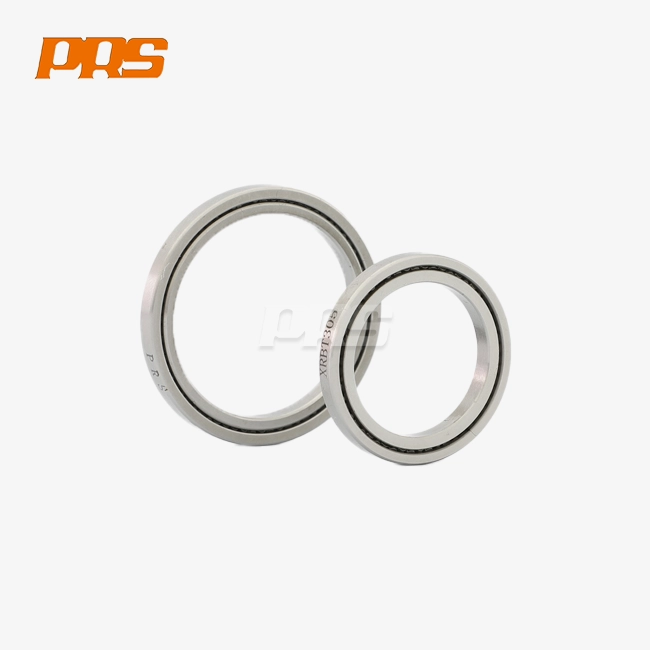 VIEW MORERAU Series Cross Roller Bearing
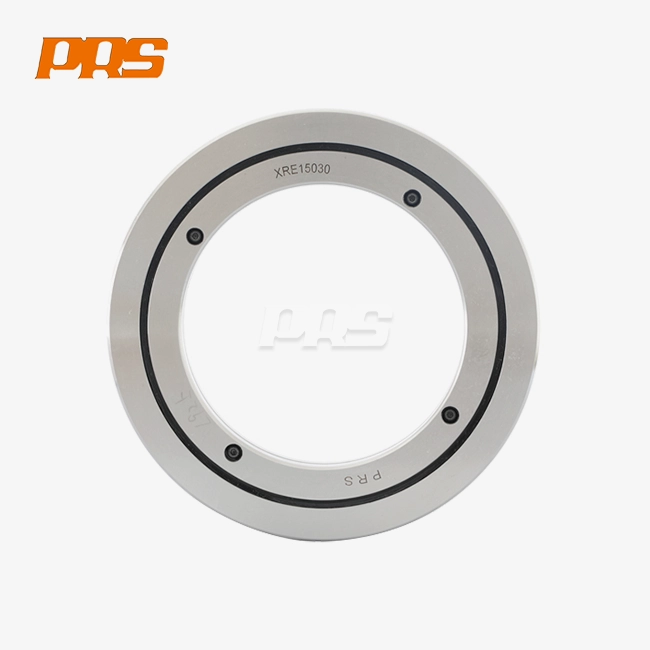 VIEW MORERE Cross Roller Bearings
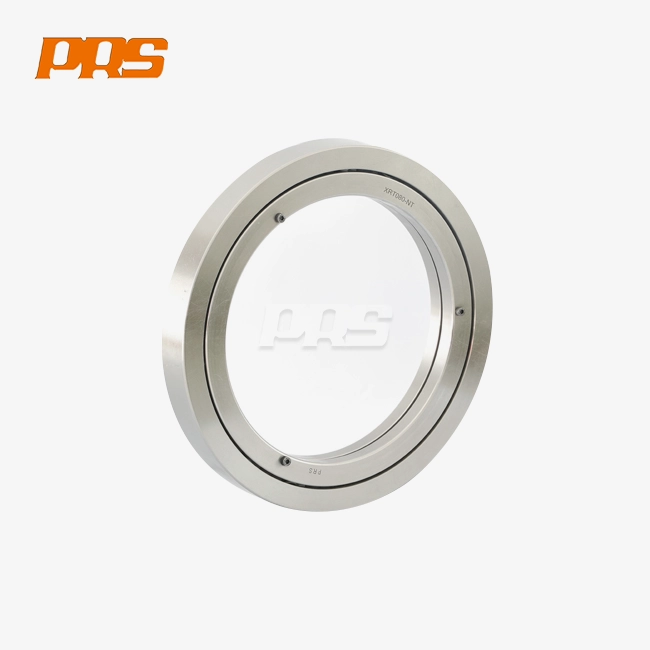 VIEW MOREGear hobbing machine bearings
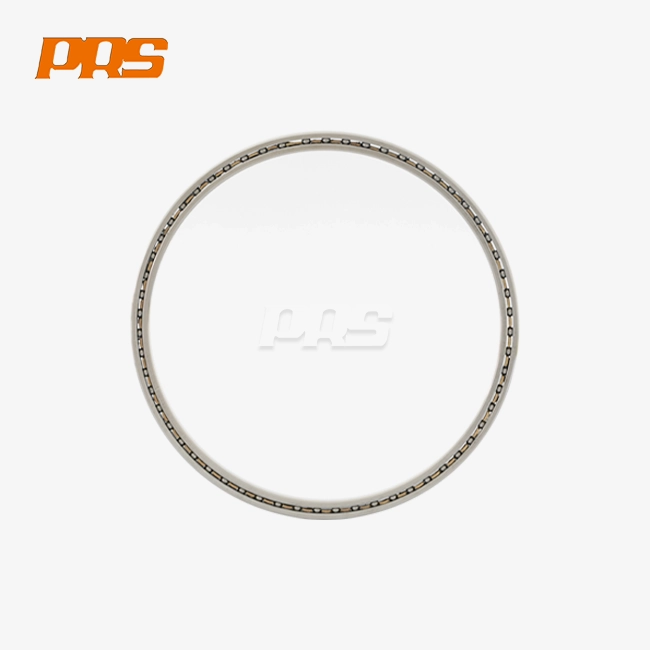 VIEW MOREultra thin section bearings
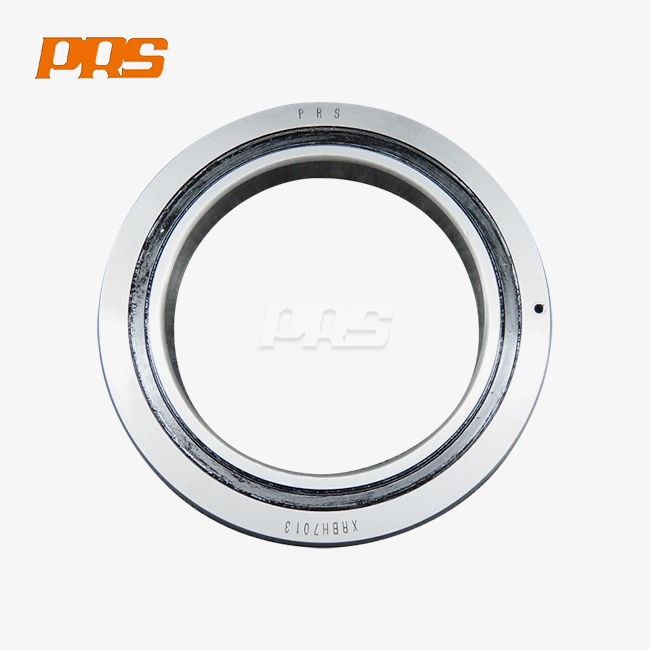 VIEW MOREthin section angular contact bearings
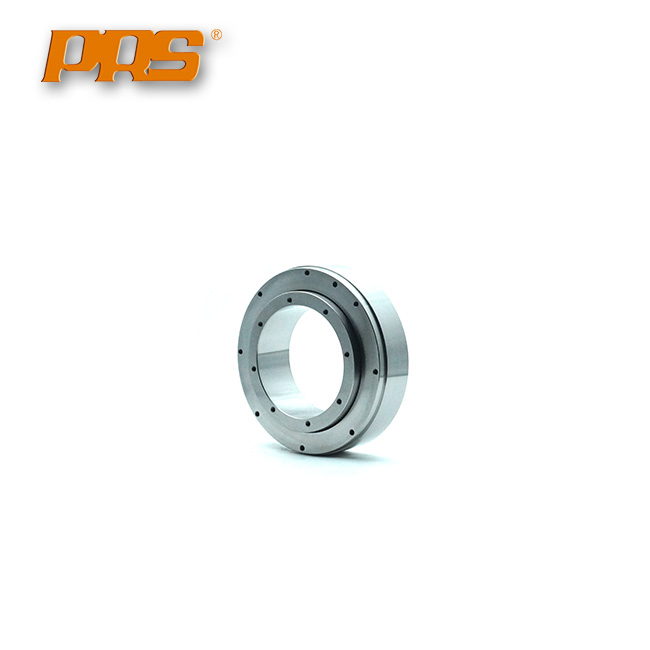 VIEW MOREmini lathe bearing
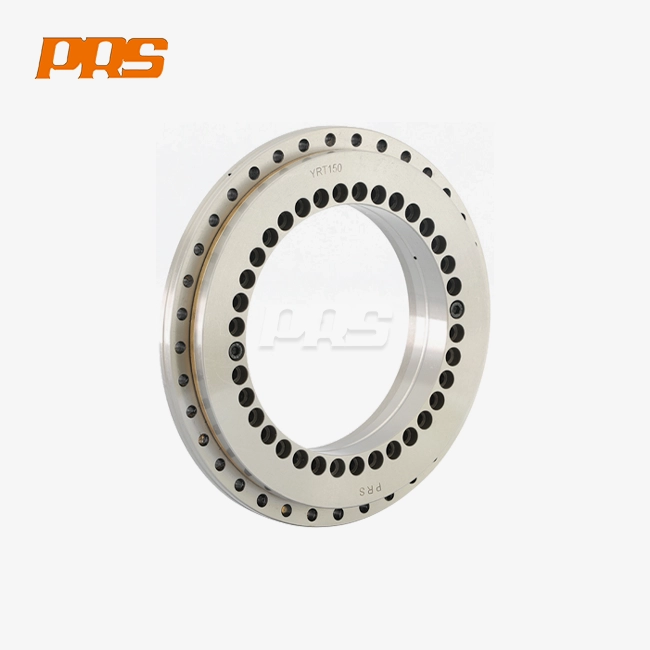 VIEW MORErotating shaft bearing
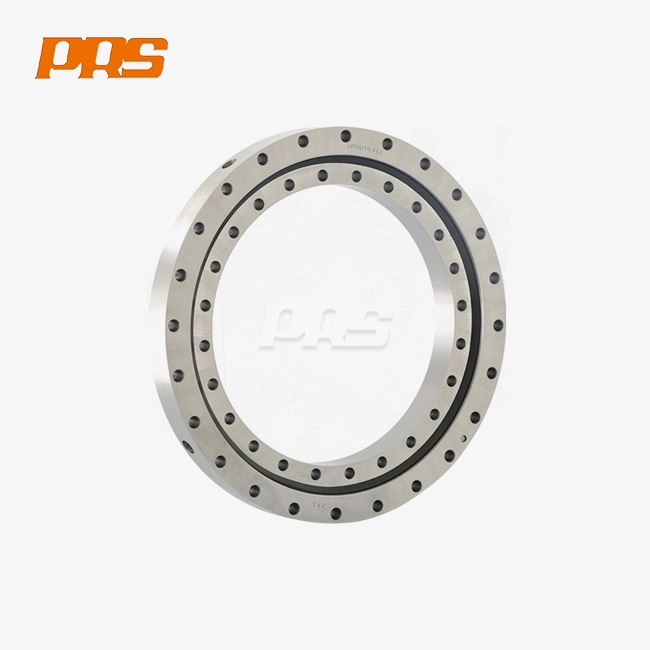 VIEW MOREFour-Point Contact Ball Slewing Bearings