
Lathe bearings Lubrication: What To Know
Proper lubrication of lathe bearings directly determines the operational precision, efficiency, and lifespan of your machining equipment. Whether you're running CNC turning centers, vertical boring mills, or precision grinding machines, the quality of your lubrication strategy affects surface finish accuracy, dimensional tolerances, and equipment uptime. When you understand what lubrication truly does—reducing friction between rolling elements, dissipating heat, protecting against contamination, and preventing corrosion—you can make informed decisions that protect your investment and maintain micron-level accuracy in demanding applications. The key lies in matching the right lubricant type to your specific bearing design and operational conditions.
Understanding Lathe Bearings and Their Lubrication Needs
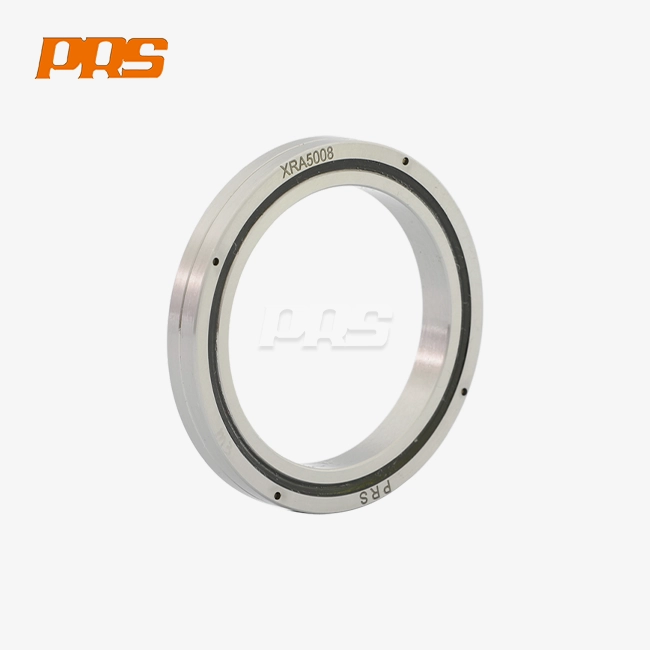
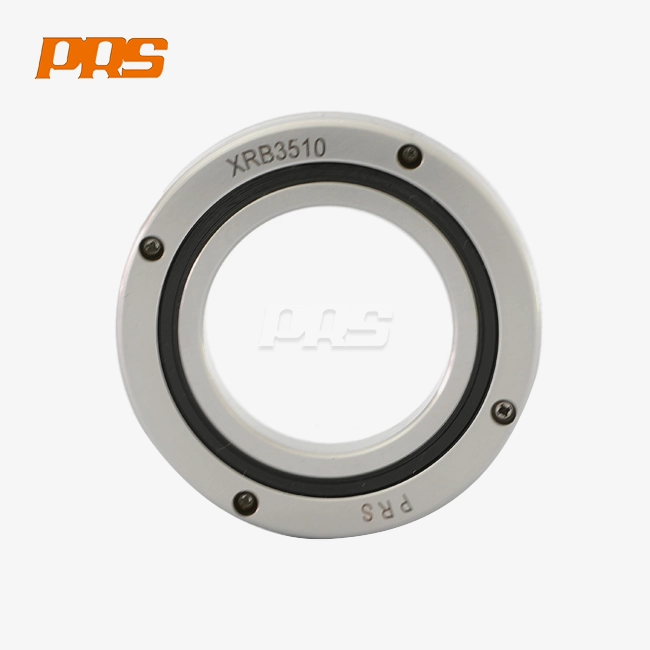
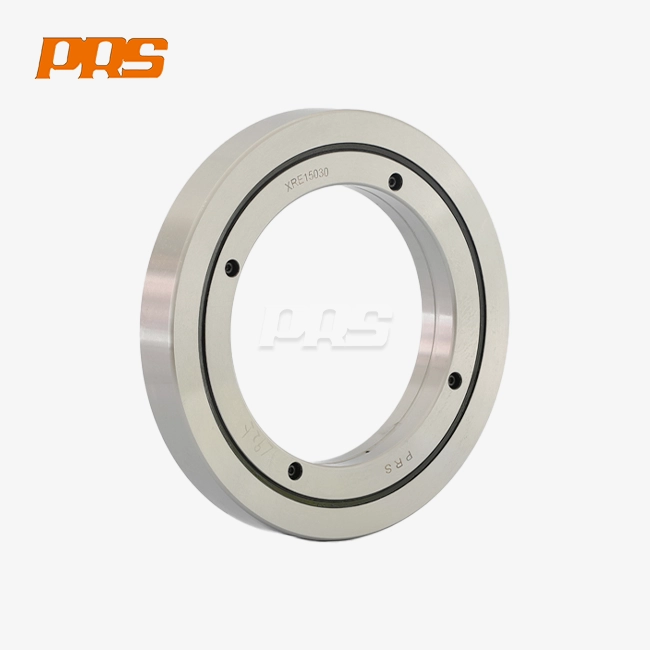
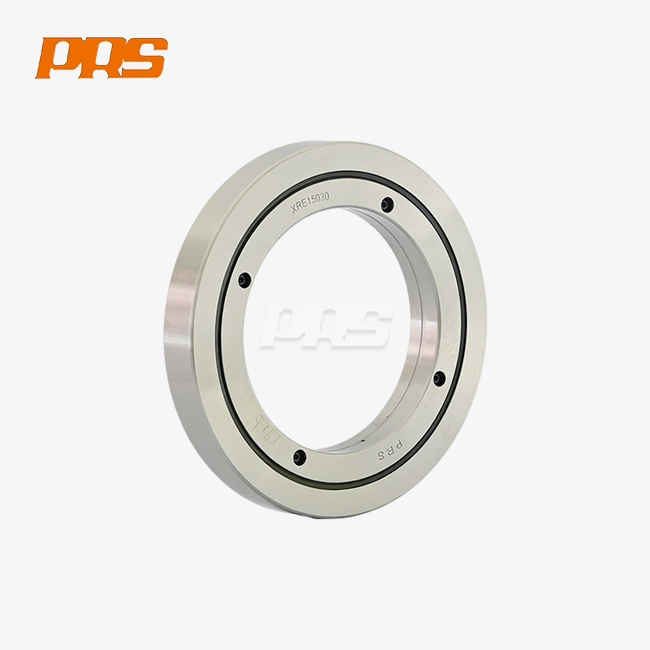
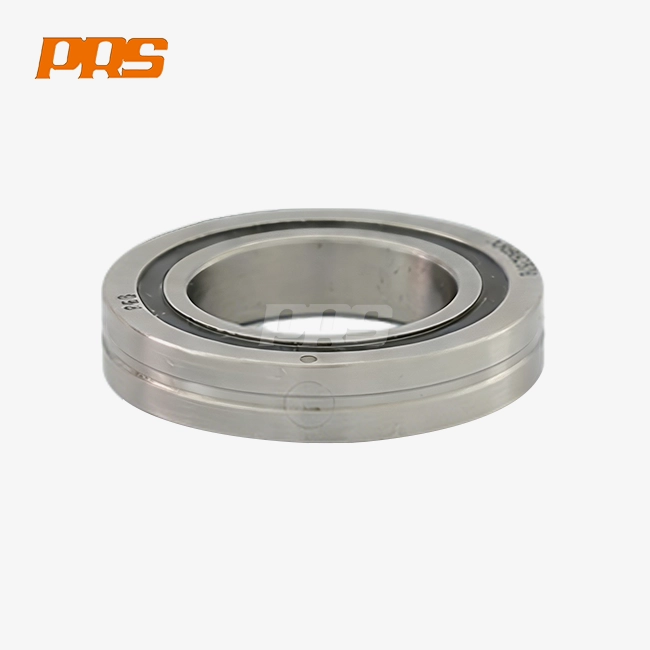
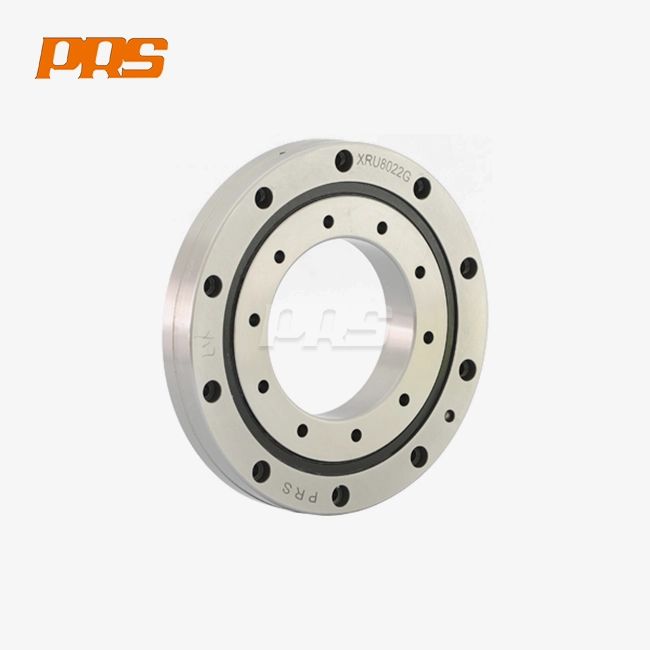
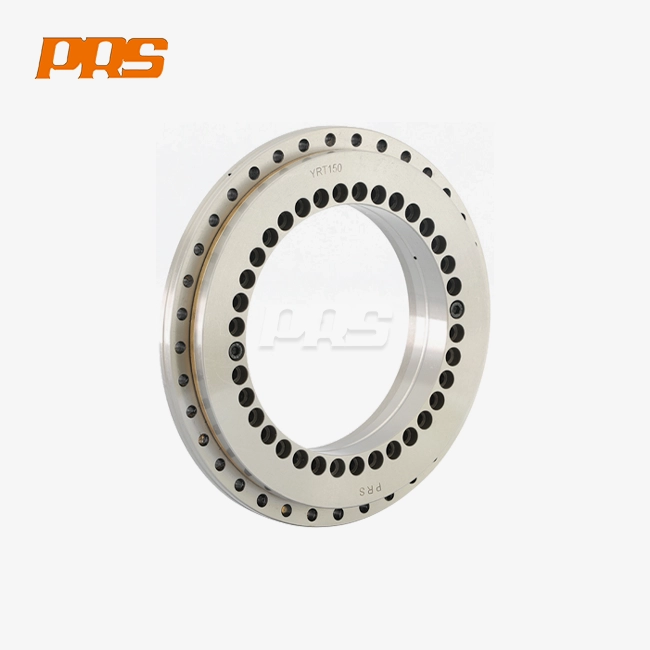
For precision machine tools to work, they need bearings that can keep the spinning stable even when they're under a lot of stress. Crossed roller bearings are often found in lathe spindles. They have a special 90° arrangement of rollers between two opposing raceways that support radial cutting forces, axial feed loads, and moment loads from uneven workpieces all at the same time. Different methods of cleaning are needed for this design compared to regular ball bearing designs.
Bearing Types and Their Mechanical Functions
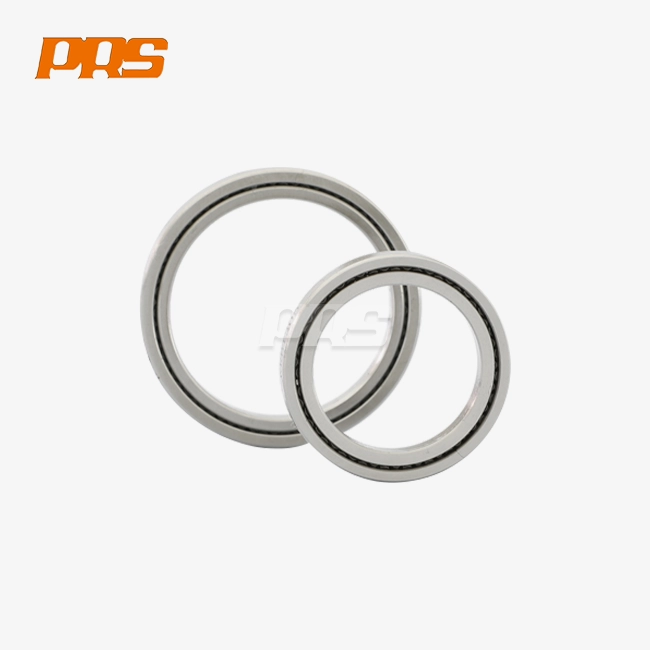
In lathe assemblies, different types of bearings are used for different tasks. Ball bearings work best in high-speed situations where there needs to be little spinning friction. This means they can be used for smaller cutting tasks. Roller bearings, especially crossed roller designs, can hold more weight and are more stable, which is very important when cutting heavy objects with strong cutting forces. Spindle bearings use either angular contact ball elements or tapered roller geometries to work at high speeds and with great accuracy. Because of the shape of the contact area, the way the load is distributed, and the working temperature, each type has its own lubrication problems.
How Proper Lubrication Minimizes Friction and Wear
The thin lubrication film that separates rolling elements from raceways in Lathe bearings performs many critical functions beyond simply reducing friction. This protective boundary layer absorbs impact loads during interrupted cutting operations, distributes contact stresses more evenly across bearing surfaces, and removes microscopic wear particles before they can cause damage to precision components. Even minor variations in lubricant film thickness can create positioning errors measured in microns, especially in high-precision applications such as semiconductor manufacturing equipment, medical device production, and advanced machining systems using Lathe bearings. Thermal stability is equally important because lubricants must maintain their protective performance across changing operating temperatures. When lubricant properties degrade under thermal stress, Lathe bearings experience increased friction, accelerated wear, and reduced rotational accuracy, which can eventually lead to bearing failure and negatively affect machining precision, equipment reliability, and overall production efficiency.
Lubrication Requirements Based on Bearing Design
When you buy sealed bearing units, they come pre-oiled and have service times that are written down. This keeps them from getting dirty in tough environments like grinding operations where metal dust is everywhere. Open bearing designs let constant oil circulation systems work, which cools better and lasts longer in heavy-duty situations, but they need more complex sealing systems to keep the grease from leaking out. The type of material also affects how much oil is needed. For example, ceramic hybrid bearings with silicon nitride rolling elements produce less frictional heat than all-steel versions, which means they can work at higher speeds with less lubrication. Extremely strong additives must be used in steel bearings that are used under heavy loads to keep the surface from wearing down under high contact stresses.

Best Practices for Lubricating Lathe Bearings
Maintenance teams always run into three main lubrication problems that hurt the performance of bearings and the uptime of equipment. When metal swarf, coolant leaks, or dust from the environment get on precision-ground bearing surfaces, they introduce abrasive elements that damage them. Longer service intervals, using the wrong amount of lube, or goods that can't handle the load properly can all lead to inadequate lubrication. Higher operating temperatures seen during thermal monitoring, strange noise patterns heard during spindle rotation, and a gradual loss of surface finish quality on machined parts are all signs of wear.
Step-by-Step Lubrication Guide for Various Bearing Types
First, review the manufacturer’s guidelines to determine the correct lubricant type, quantity, and maintenance interval for your Lathe bearings based on the bearing model, operating speed, load conditions, and working environment. Before applying new lubricant, ensure that the external surfaces of the Lathe bearings are thoroughly cleaned to prevent contaminants from entering the lubrication system. For grease-lubricated Lathe bearings, carefully remove old grease with suitable cleaning solvents, inspect bearing surfaces for wear signs such as discoloration, scoring, or pitting, and apply fresh grease into the bearing cavities until it reaches all critical contact areas and sealing interfaces. Avoid excessive grease filling, as over-lubrication can increase rotational resistance, generate additional heat, and reduce the operating efficiency of precision machinery.
Oil-lubricated systems require different maintenance procedures for Lathe bearings. Completely drain used oil, flush circulation channels to remove accumulated debris, replace filtration components when necessary, and refill with fresh lubricant to the recommended level while verifying smooth oil circulation throughout the bearing system. Proper lubrication management helps Lathe bearings maintain low friction, high rotational accuracy, and long service life. Advanced PRS® crossed roller bearings, with inner diameters ranging from 150mm to 2463.8mm and outer diameters ranging from 230mm to 2819.4mm, support both oil and grease lubrication methods for demanding applications. Their precision grades P4 and P2 maintain exceptional accuracy under harsh temperature conditions from -20°C to +120°C, making them suitable for industrial automation, robotics, machine tools, and other high-precision equipment requiring reliable Lathe bearings performance.
Comparing Oils and Greases for Bearing Applications
Grease lubrication is easy to use and requires less upkeep, which makes it perfect for bearings that are hard to get to or that are used in places where contamination is likely to happen. The thickener matrix keeps rubbing oils on the bearing surfaces, which means that they don't need to be serviced as often. In moderate-duty uses, this can mean thousands of hours of use. It is possible for synthetic greases with polyurea or lithium complex thickeners to stay stable at high temperatures and prevent oxidation, which makes them last longer in high-temperature settings that are common in continuous production.
For high-speed wheels going over 5,000 RPM or for tasks that produce a lot of frictional heat, oil lubrication is the best choice because it cools better through constant circulation. Monitoring the state of circulating oil systems in real time is also possible through particle analysis and viscosity testing. This lets repair plans be planned ahead of time, which stops unexpected failures. Synthetic oils made from polyalphaolefin or ester chemistry keep their viscosity constant across a wide range of temperatures. This makes sure that a stable lubrication film forms during both cold start-up and long-term high-temperature operation.
Maintenance Frequency Recommendations
Service gaps should be based on operating factors rather than random time periods. If the bearings are running at a moderate speed in a clean, temperature-controlled environment, they may only need to be oiled once a year. On the other hand, machines that are used for grinding that are rough need to be inspected every couple of months. Heavy cutting activities that produce a lot of heat and pressure need to have their lubricant and bearing temperatures checked every month. Watch out for warning signs like temperatures 10°C higher than what the manufacturer says they should be, strange sound patterns heard during operation, a change in the colour of the lubricant that could mean oxidation or contamination, and a slow loss of machining tolerances that could mean bearing wear is progressing.
Comparison of Lathe Bearing Lubrication Options and Their Impact on Performance
The main difference between lubricating ball bearings and roller bearings is how their contact surfaces are shaped. There is point contact between the moving elements and the raceways in ball bearings. This puts stress in small areas but only needs a small amount of oil to keep the elements apart. Roller bearings make line contact along their length, spreading loads over a bigger surface area. However, they need thicker oil films to keep metal from touching metal when they're under heavy loads. This difference directly affects the choice of lubricant—roller bearings usually need thicker products with high-pressure additives to keep the film intact under the concentrated loading conditions that happen during turning operations.
Housing Designs and Lubrication Accessibility
When sealed bearing assemblies give up serviceability to protect against contamination, the choice of lubricant at the start is very important because bearings are rarely replaced before they wear out. These designs work well in places where open bearing systems would break down quickly, like grinding tools that make fine abrasive dust. Open bearing designs let you change the lubricant and check the condition of the bearings, which extends their useful life through preventative maintenance. The trade-off is that closing arrangements become more complicated, and there is a higher chance of contamination that needs close tracking. Our factory has more than 200 high-precision tools and is certified by ISO 9001, ISO 14001, and ISO 45001, which means that the quality of our bearing products is always the same. These products are made to work best with lubricants in a wide range of industrial settings.
Lubrication Strategies for High-Precision CNC Applications
For robotic systems, semiconductor manufacturing equipment, and medical imaging devices that require micron-level positioning accuracy, advanced lubrication techniques for Lathe bearings and other precision bearing systems are essential to control friction, prevent unwanted movement, and manage heat generation. Ultra-low viscosity synthetic oils are often selected for Lathe bearings because they create thin, consistent lubricant films while minimizing rotational resistance and maintaining smooth operation. When machining and automation systems require sub-micron tolerances, thermal stability becomes a critical factor, as even minor dimensional changes caused by heat expansion can affect positioning accuracy and equipment performance. In aerospace and defence applications, the reliability of Lathe bearings is especially important because unexpected bearing failures can lead to serious operational consequences. Therefore, high-quality Lathe bearings require optimized lubrication schedules, advanced monitoring technologies, and early fault detection methods to identify wear, contamination, or overheating before problems develop into functional failures.
Procurement Insights: Choosing and Buying Lathe Bearings with Optimal Lubrication Support
To choose the best bearings for your lubrication system, you need to check that the design of the bearing, the requirements for the lubricant, and the operating factors are all compatible. Procurement managers should ask manufacturers for detailed lubrication guidelines, such as recommended viscosity grades, additive packages, and relubrication intervals for different types of operations. This knowledge stops mistakes that cost a lot of money when bearing capabilities are higher than oil performance limits or the other way around.
Evaluating Manufacturer Lubrication Technologies and Support
The biggest companies that make bearings put a lot of money into lubrication engineering and offer a lot of technical support. With a lot of field testing data to back it up, SKF has its own grease formulations that are made to fit certain types of bearings and uses. NSK focuses on oil lubrication systems for high-speed wheels and gives detailed information on how much oil needs to be pumped around and filtered. Timken focuses on making tapered roller bearings that can handle a lot of weight. For heavy industrial uses, they suggest using extreme-pressure lubricants. NTN works on making precise ball bearings that last longer with grease because they use better seal designs.
At PRS®, we blend unique bearing geometry with useful lubrication options for harsh machine tool settings. Our crossed roller technology with nylon cage separators lowers rotational torque while keeping the load evenly distributed. It works with both oil and grease systems. Our 35 specialised engineers can directly help you choose the right lube by matching its viscosity properties to your cutting forces, spindle speeds of up to 850 RPM, and object loading conditions. Standard models can be shipped within 24 hours, and custom solutions can be made to meet unique size or weather needs that standard goods can't meet.
Practical Purchasing Considerations
When buying a lot of precision bearings, you have to weigh your current needs against the benefits of long-term operating efficiency. Check the warranty to see what it covers and how it handles problems caused by lubrication. Some makers will not honour the guarantee if certain lubricants or maintenance schedules are not followed exactly. Lead times are very different for different precision grades and size ranges. For example, P4 and P2 tolerance class bearings may need longer manufacturing periods than standard commercial grades. When you ship something internationally, you have to think about how well the lubricant will work in extreme temperatures and humidity, which can change the consistency of the grease before it is installed.
Ensuring Long-Term Lathe Bearing Performance Through Proper Lubrication Management
Maintenance for Lathe bearings should move from reactive crisis response to strategic operational optimization through proactive lubrication management. Understanding wear indicators requires knowledge of how lubricant conditions affect the overall health and performance of Lathe bearings. Used lubricant analysis can reveal contamination levels, viscosity degradation, and additive depletion, with each signal indicating specific corrective actions needed to prevent premature bearing failure. Metallic wear particles may indicate raceway damage or surface fatigue, showing that the Lathe bearings require inspection or replacement, while coolant contamination suggests that sealing systems need improvement to protect internal components. A reduction in lubricant viscosity often points to thermal degradation, requiring a more oxidation-resistant lubricant to maintain smooth rotation, reduce friction, and extend the service life of Lathe bearings in precision machining operations.
Implementing Monitoring Strategies and Data Analytics
In more advanced maintenance tasks, vibration sensors pick up on the unique frequency patterns that happen as bearings wear out. Thermographic imaging finds hot spots that mean there isn't enough lubrication or too much load concentration. Ultrasonic monitoring picks up early signs of oil breakdown, before temperature rises can be seen. These monitoring technologies make it possible to set up condition-based maintenance schedules that extend the life of bearings without having to do extra work.
Data analytics systems connect lubrication factors with bearing performance data, showing the best service intervals for each type of work. A big company that makes parts for cars started checking the lubricants on precise grinding wheels every three months and keeping an eye on the vibrations every month. Over two years, this method cut unexpected downtime by 60% and increased the average bearing service life by 40%. Investing in monitoring infrastructure and a systematic way to collect data paid for itself in eight months thanks to higher productivity and lower costs for emergency repairs.
Continuous Improvement Frameworks
Effective lubrication management includes reviewing maintenance results in a planned way and making processes better over time. If a bearing fails, you should write down a thorough root cause analysis that shows whether the failure was caused by a lubrication factor, such as the wrong viscosity choice, contamination, longer service intervals, or an oil chemistry that doesn't work well with the bearing. This knowledge base helps with buying new bearings and making changes to upkeep procedures that stop problems from happening again.
Conclusion
Learning the basics of how to lubricate Lathe bearings will protect your investment in precision machining and keep the micron-level accuracy that competitive manufacturing needs. The dependability, cost-effectiveness, and quality of a product are all directly affected by the design of the bearings, the choice of lubricant, and the upkeep methods used. Whether you use heavy boring mills for handling multi-ton pieces or robotic assembly systems that need sub-micron accuracy, making sure that the lubrication strategy fits the needs of the job stops breakdowns and unexpected downtime before they happen. Proactive lubrication management consistently delivers measurable returns through longer bearing life, lower maintenance costs, and continued machining precision in a wide range of industrial settings.
FAQ
How often should lathe bearings be lubricated?
How often you lubricate depends on how hard you're working and what the weather is like. Bearings that are used all the time in clean places at low speeds usually need to be serviced once a year. Heavy-duty uses that involve strong cutting forces or being exposed to dirt and dust need to be checked and possibly oiled every three months. Instead of just using calendar dates, keep an eye on bearing temperatures and listen for changes in sound levels.
Can different lubricant types be mixed in bearing applications?
When you mix lubricants that don't work well together, chemical processes happen that destroy the lubricating qualities. When lithium and polyurea greases are mixed, they make hard, non-lubricating compounds that are especially bad for grease thickeners. Always get rid of all traces of old lubricant before using new ones. When switching lubricants, make sure to clean all of the bearing surfaces and the area around them very well to keep them from getting dirty.
What symptoms indicate poor lubrication causing bearing failure?
Temperature rises of 10°C or more above the usual working range show that there isn't enough lubrication or contamination. If you hear a strange sound like grinding, screaming, or growling, it means that metal is touching metal because the lubricant film has broken down. Bearing runout is likely to get worse as wear goes on because the quality of the machining surface finish is getting worse over time. If you see lubricant discolouration or debris buildup, you need to fix it right away before it leads to a catastrophic failure.
Partner with PRS for Superior Lathe Bearing Solutions
Luoyang PRS Precision Bearing Co., Ltd. has 20 years of experience in applying its specialised technical knowledge to difficult machine tool uses where the performance of lubrication has a direct effect on the success of operations. Our high-precision crossed roller bearings give your CNC turning centers, vertical boring mills, and grinding tools the structural rigidity and load support they need in more than one way. We are a dedicated lathe bearing maker with full ISO certifications and a production capacity of 15,000 m². We offer both standard parts that can be delivered within 24 hours and custom solutions that are made exactly to your specs. Contact our technical team at ljh@lyprs.com to talk about lubricant compatibility, the best bearing choice for your needs, and ways to buy in bulk that will ensure precision and reliability in long-term machining.
References
1. Harris, T.A. & Kotzalas, M.N. (2006). Advanced Concepts of Bearing Technology: Rolling Bearing Analysis, Fifth Edition. CRC Press.
2. Khonsari, M.M. & Booser, E.R. (2017). Applied Tribology: Bearing Design and Lubrication, Third Edition. John Wiley & Sons.
3. Neale, M.J. (2001). The Tribology Handbook, Second Edition. Butterworth-Heinemann.
4. Bhushan, B. (2013). Principles and Applications of Tribology, Second Edition. John Wiley & Sons.
5. Lansdown, A.R. & Price, A.L. (1986). Materials to Resist Wear: A Guide to Their Selection and Use. Pergamon Press.
6. Hamrock, B.J., Schmid, S.R. & Jacobson, B.O. (2004). Fundamentals of Fluid Film Lubrication, Second Edition. Marcel Dekker.

USER EVALUATE
Here is the customer's evaluation of us