
How Do CRBH Robot Bearings Reduce Robot Maintenance Costs?
Maintenance expenses are a persistent concern for automation engineers and procurement professionals managing robotic systems. When industrial robots experience unexpected downtime, production lines halt, deadlines slip, and costs escalate rapidly. At the heart of many maintenance headaches lies a critical component often overlooked until failure occurs: the bearing. CRBH robot bearings address this challenge head-on by combining thin-wall construction, precision engineering, and extended operational lifespan. These specialized cross roller bearings reduce friction, minimize wear, and maintain consistent performance under demanding loads, translating directly into lower maintenance frequency and decreased total cost of ownership for robotic joints, rotary tables, and positioning systems across manufacturing environments.
This comprehensive exploration reveals how CRBH bearings deliver measurable cost savings through advanced specifications, targeted solutions to common maintenance challenges, performance advantages over competing products, proper installation techniques, and strategic procurement guidance. Whether you're specifying components for collaborative robots, CNC machine tools, semiconductor handling equipment, or precision medical devices, understanding how these bearings function can transform your maintenance budget from a constant drain into a strategic advantage.
Understanding CRBH Robot Bearings: Specifications and Technology
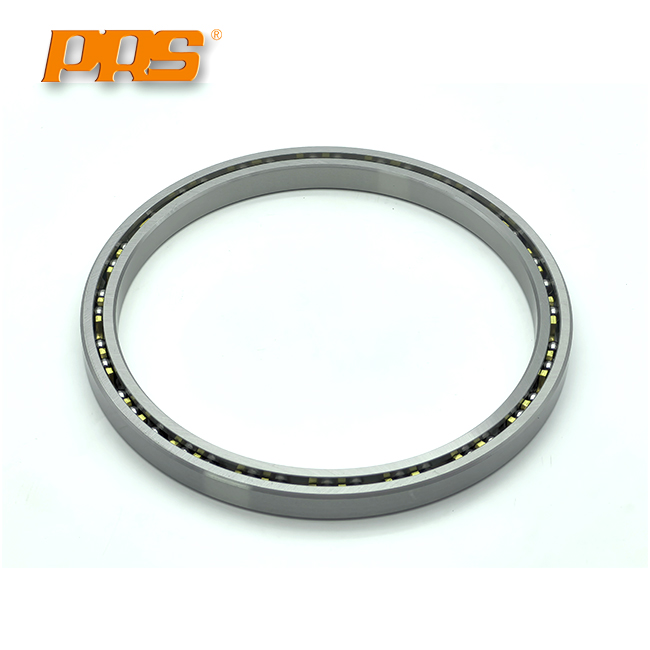
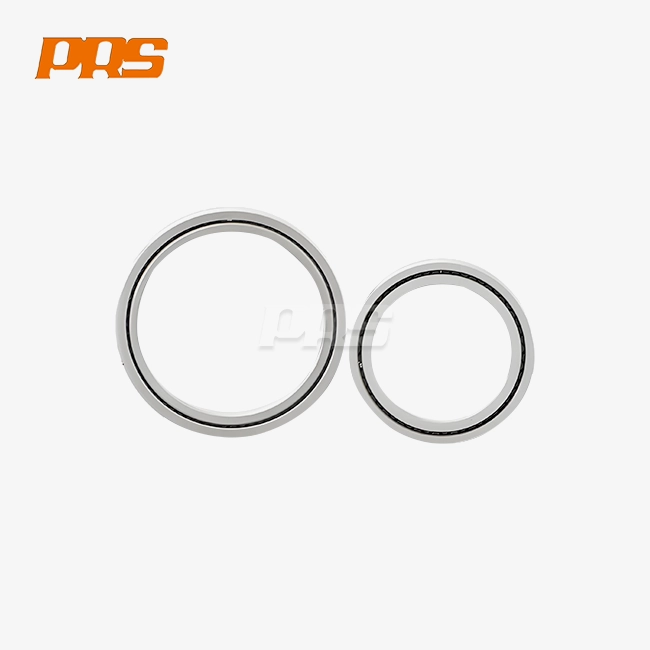
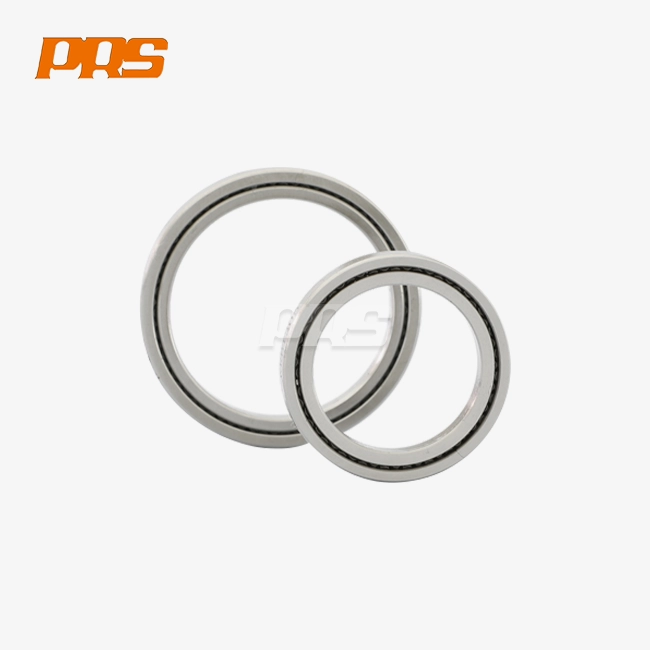
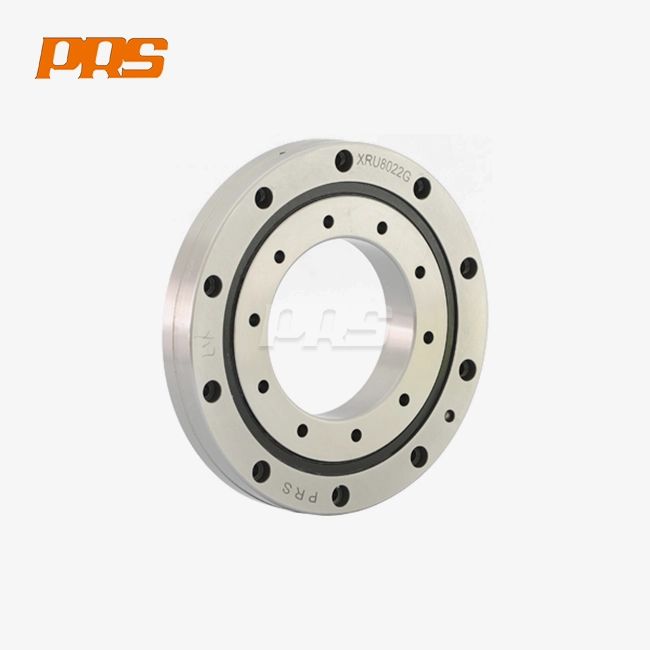
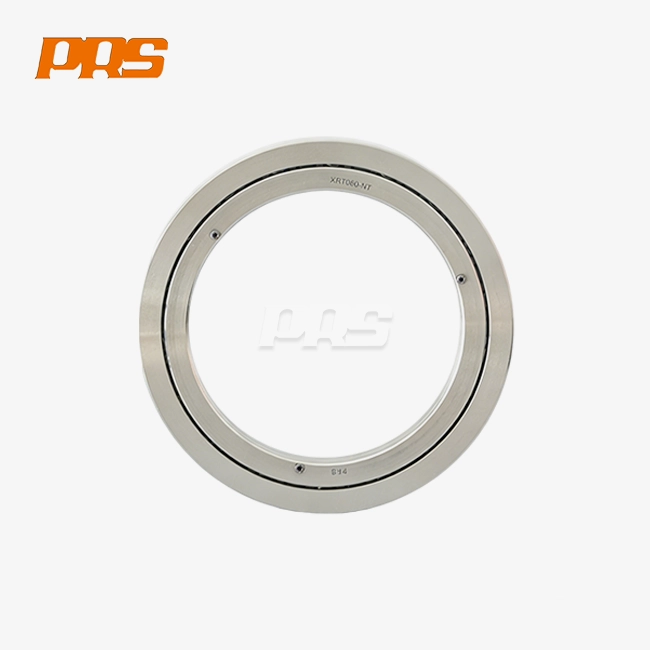
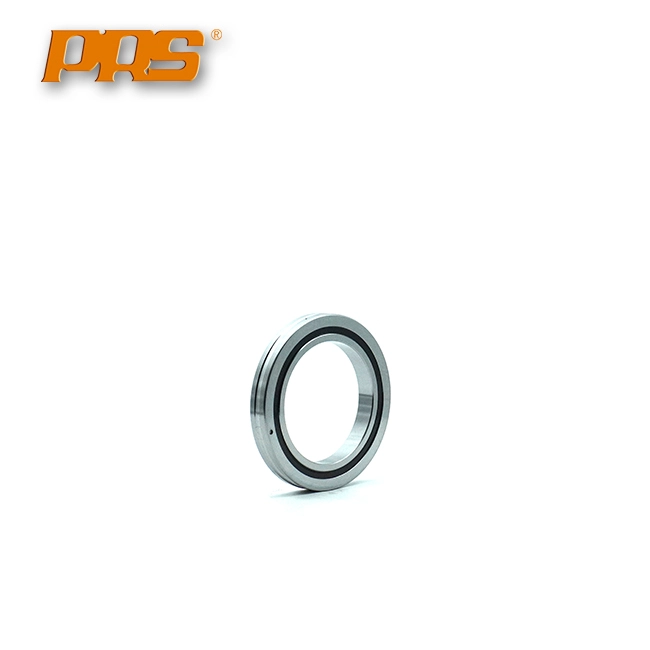
CRBH robot bearings are the next generation of crossed roller bearings with a thin wall. They are designed to work in places where weight and space limitations require small solutions that don't lose accuracy or load capacity. Unlike other types of bearings that lose rigidity when they are shrunk, CRBH robot bearings keep their structure intact thanks to an integral ring structure that stops installation-induced deformation, which is a common way for split-ring designs to fail when they are mounted to flanges.
Core Structural Features That Define CRBH Performance
The CRBH series is different because it has a number of engineering innovations that have a direct effect on how much maintenance is needed. The solid inner ring and solid outer ring make a single structure with cylinder-shaped rollers arranged perpendicularly every 90 degrees between V-groove raceways. This crossing roller design lets the bearing handle large radial loads, axial loads, and moment loads all at the same time in a very small space.
When compared to normal cross roller bearings, the wall thickness is cut by 30–40%. This makes the diameter-to-thickness ratio hit 10:1, which is very space-efficient without sacrificing structural integrity. The light aluminum alloy cage lowers spinning inertia by 15 to 20 percent. This makes the drive motors less stressed and increases the life of all the parts in the kinematic chain. When raceways are treated with super-finishing, the surface finishes lower the friction coefficient to ≤0.0015. This means that they produce less heat during operation and need to be oiled less often.
Material Science and Precision Manufacturing
CRBH robot bearings go through strict quality control procedures that make sure they are geometrically correct and made of solid materials, which is important for long service times. The hardening treatments for raceways are confirmed by eddy current tests and Rockwell hardness measures. This shows that the raceways have reached a level of hardening that stops them from brinelling under shock loads. Rotational accuracy tests with inductive needles show that the parts meet the requirements for P4 and P2 precision grades, with radial and axial runout tolerances staying within micron-level limits.
Measurements of starting torque confirm the frictional resistance needed to start rotation, which is a key factor for low-power servo applications where energy efficiency has a direct effect on costs. Inspections of the surface finish find grinding burns or other irregularities that could cause premature wear. This way, possible failure modes are found before bearings are put into service. People pay close attention to the values of internal clearance and preload because too little preload can cause vibration and backlash, and too much preload can cause thermal expansion that can cause catastrophic stopping.
These standards for manufacturing lead to bearings that keep working well over long periods of time, and for CRBH robot bearings, this means that there are fewer unplanned maintenance events that throw off production schedules and drive up maintenance costs, and when parts of robotic systems are held to such high standards, engineers can switch from reactive maintenance (fixing problems as they happen) to predictive maintenance strategies based on accurate performance timelines. This means that there are fewer unplanned maintenance events that throw off production schedules and drive up maintenance costs. When parts of robotic systems are held to such high standards, engineers can switch from reactive maintenance (fixing problems as they happen) to predictive maintenance strategies based on accurate performance timelines.
Maintenance Challenges in Robotics and How CRBH Bearings Address Them
Robotic systems have a lot of upkeep problems because they have to work in tough situations that come with automated production. Continuous motion cycles, changing loads, pollution exposure, and changes in temperature can all speed up wear and cause surprising breakdowns that require expensive repairs.
Common Bearing-Related Failure Modes
One of the most persistent causes of maintenance in robotic joints is wear caused by friction. When bearing surfaces come into contact with load, heat is produced, which speeds up the breakdown of the lubricant. This causes more friction, which makes it harder to position accurately and finally causes a catastrophic failure. Metal particles, coolant mist, or environmental dust can get through seals that aren't good enough, making the conditions rough enough to score the raceway surfaces and cause vibrations.
Misalignment during installation or from structural deflection causes uneven load distribution across roller elements. This creates stress concentrations in certain areas that drastically shorten the life of the bearing. When lubrication intervals are too long, the wrong lubricant is used, or the seal breaks down, the protective film between the rolling elements and raceways is removed. This causes adhesive wear and increases operational noise.
CRBH Design Solutions to Maintenance Problems
CRBH robot bearings are made with special features that directly stop these failure mechanisms in their tracks. This means that they don't need to be serviced as often and can last longer between repairs. The thin rubber lip seal keeps the package small while blocking pollution well, keeping rough particles from getting into the raceway environment. This method of closing works especially well in equipment used to handle semiconductor wafers and in cleanrooms, where particle contamination must stay below strict levels.
Super-finished raceways lower friction at the basic level of contact. This means that less heat is produced during operation, and the oil wears off more slowly. Lower working temperatures set off a positive feedback loop in which oils keep their viscosity for longer, protective films stay stable, and wear rates drop significantly. The built-in ring structure guarantees accurate rotation no matter how rigid the housing is. This gets rid of alignment problems that happen with split-ring designs when mounting surfaces aren't perfectly flat.
The crossed roller design spreads the loads across many contact points, which lowers stress levels and stops the isolated wear patterns that usually cause bearings to fail. Because they can spread out loads in this way, CRBH robot bearings can keep their accuracy even when they are under moment loads and combined loading conditions like those found in robotic joints, where radial, axial, and tilting forces are all acting at the same time.
Manufacturers of semiconductor equipment have shown that CRBH robot bearings in wafer handling robots make maintenance gaps longer, from three times a year to once a year. This cuts down on the number of times that maintenance needs to be done by 75% while keeping placement accuracy within acceptable limits. Similar results are reported by companies that make collaborative robots. Joints with CRBH robot bearings can work for 8,000 hours without needing to be serviced, compared to 3,000 to 4,000 hours for regular bearing designs.
Comparing CRBH Robot Bearings with Competitors: Performance and Cost Efficiency
Understanding how CRBH robot bearings perform relative to established bearing makers helps procurement professionals make evidence-based component choices that improve long-term value rather than simply reducing initial purchase costs.
Precision and Load Capacity Metrics
CRBH robot bearings can achieve P4 and P2 precision grades that are the same as or better than rival goods. They can also handle more weight within the same envelope dimensions. The crossed roller design provides moment load capacity usually requiring much larger angular contact bearing arrangements, providing compact solutions where installation space sets strict limits.
Friction coefficient measurements regularly show CRBH robot bearings performance at ≤0.0015, similar to premium options from major bearing manufacturers while keeping lower operating noise levels at < 51 dB. This mix of low friction and quiet operation means a better surface finish and accurate roller spacing, both of which mean the machine will last longer.
Total Cost of Ownership Analysis
When choosing a bearing, the initial purchase price is only a small part of the total costs over its lifetime. When compared to high-end European and Japanese names, CRBH robot bearings usually have lower prices while still meeting the same performance standards. More importantly, CRBH robot bearings have longer maintenance intervals and a lower failure rate, which greatly reduces the operational costs that make up the majority of the total cost of ownership.
When you figure out the total cost, you have to include the cost of replacement parts, the cost of staff for upkeep work, and the loss of production during downtime. If a robotic manufacturing line's bearings break down without warning, the lost production value could be $5,000 to $15,000 per hour. This is a lot more than the difference in cost between the bearing choices. CRBH robot bearings can save six figures a year for setups with multiple robots because they increase the average time between failures by 50 to 100% compared to normal bearings.
CRBH robot bearings are made to be light, which lowers rotary inertia. This lowers energy use and motor stress throughout the robotic system. This increase in efficiency saves money on ongoing costs and extends the life of nearby parts like motors, gears, and drive electronics. This has a domino effect that increases the original bearing selection value across the whole mechanical system.
Best Practices for Installing and Maintaining CRBH Robot Bearings to Maximize Cost Savings
When installation mistakes, contamination, or wrong preload happen, even the best bearings don't work as well as they should. By following established best practices during installation and maintenance, you can be sure that CRBH robot bearings work as well as they can and save you money.
Installation Guidelines for Optimal Performance
It is important to keep work areas clean when working with precision bearings. Both working contact and contamination that happen during installation shorten the service life. Mounting surfaces need to be carefully checked over and cleaned to get rid of burrs, rust, and cutting fluids that are still on them.
When press fits need interference between bearing rings and fixing surfaces, thermal installation methods work well. Controlled heating makes rings expand evenly, which lets them be put in place without using mechanical force, which could damage the raceways. Temperature limits must be followed; going over 120°C can damage the properties and stability of the material's shape. Induction heaters are better than torch methods for even, controlled heating because they don't create hot spots in certain areas.
Verification of the preload after placement makes sure that the stiffness of the bearing meets the needs of the application. If the preload is too low, micromovements can happen that cause fretting rust and positioning mistakes. If the preload is too high, wear speeds up and heat is produced. By measuring torque during installation, you can be sure that the setup values are within the acceptable ranges.
Maintenance Protocols That Extend Service Life
Setting inspection times based on operating hours instead of calendar dates makes sure that maintenance actions are in line with the real state of the bearings, and for CRBH robot bearings, visual checks of the seal's integrity, strange noises, and changes in temperature can find problems before they become too big to fix. Visual checks of the seal's integrity, strange noises, and changes in temperature can find problems before they become too big to fix.
Vibration analysis can tell you early on when a bearing is wearing out. Changes in the frequency range can show specific types of failure, such as raceway spalling, roller damage, or contamination. Using condition tracking systems changes maintenance from actions based on schedules to actions based on conditions. This cuts down on replacing bearings that don't need to be replaced and stops unexpected breakdowns.
Pay close attention to lubrication management because choosing the right lubricant and re-lubricating at the right times directly affects the life of bearings. CRBH robot bearings with thin rubber lip seals keep their original lubricant charges well, but they may need to be refilled from time to time if they are used in places with high temperatures, chemicals, or constant operation. To keep seals from breaking down too soon, it's important to make sure that the lubricant is compatible with the seal materials and working temperature ranges.
By teaching repair workers the right way to handle things, you can keep installation-related harm that lowers bearing performance at bay. Even precision parts can have their useful life cut short if they are dropped, stored incorrectly, or put in corrosive environments before being installed. Formal training programs that teach the basics of bearings, how to install them, and how to fix problems lead to competence, which directly leads to lower failure rates and longer component lifespans.
Procuring CRBH Robot Bearings: Making the Right Choice for Your Business
Strategic decisions about buying parts have to take into account both short-term needs for parts and long-term relationships with suppliers, access to technical support, and the reliability of the supply chain. By learning about your sourcing choices and the skills your suppliers have, you can make sure that your bearing procurement plan helps your business reach its goals without creating security holes.
Sourcing Channels and Supplier Selection
Manufacturers like PRS (Luoyang PRS Precision Bearing Co., Ltd.) are direct sources that offer technical support, the ability to customize products, and competitive pricing that works especially well for OEM applications and large purchases. PRS has been in business since 2003 and specializes in precision crossed roller bearings, thin-walled bearings, and special bearing configurations. They offer domestic alternatives to foreign bearings that work just as well but cost less and take less time to deliver.
Authorized distributors have access to local inventory, which cuts down on lead times for replacement needs and lets customers get technical help in their own languages and time zones. Distributor networks are useful when you need to get something quickly or when the scale of the project doesn't support working directly with the maker.
Specification Verification and Quality Assurance
People who are in charge of buying things should ask for thorough technical specs, such as precision grade certifications, material test results, and data on dimensional inspection. Reliable sellers show proof that they follow industry standards and are happy to talk about their production methods, quality control procedures, and systems for keeping track of goods.
The warranty terms show that the company that made the product is confident in its quality and dependability. If parts break too soon, you can get help from warranties that cover both material defects and manufacturing flaws. However, the customer is still responsible for installing and using the parts correctly. Knowing what warranties don't cover and how to file a claim keeps people from getting confused, which could hurt relationships during investigations into key failures.
By buying samples for initial approval testing, engineering teams can make sure that bearings work well in real-world situations before committing to large-scale production. Testing should look at how to install it, how it works, and how often it needs to be maintained under typical load and environmental conditions.
Conclusion
CRBH robot bearings lower upkeep costs by using advanced engineering, precise manufacturing, and well-thought-out design that targets the main reasons why bearings fail in robotic applications. Building with thin walls saves space and weight while keeping the load capacity the same. Crossed roller arrangements spread forces out well, which lowers stress concentrations. Super-finished raceways reduce heat and friction as much as possible. Integral ring arrangements get rid of problems that are caused by alignment. When compared to traditional bearing solutions, these features work together to make them last longer, require less maintenance, and have a lower total cost of ownership. When installed and maintained correctly, CRBH robot bearings go from being disposable parts that need to be replaced every so often to long-lasting assets that make robotic systems more reliable and efficient.
FAQ
What maintenance intervals do CRBH robot bearings typically require?
When used in properly built robotic systems, CRBH robot bearings can last between 8,000 and 12,000 hours without needing to be serviced. This is a lot longer than the average of 3,000 to 5,000 hours for conventional bearings. The actual times rely on the load, the working environment, and how well the lubrication is managed. Using condition monitoring systems lets you do maintenance based on the actual condition of the bearings instead of set schedules, which helps you choose the best time to do an intervention.
How does CRBH precision compare to major international bearing brands?
CRBH robot bearings meet the P4 and P2 quality grades that are required by NSK, SKF, and other top makers. The performance in terms of rotational accuracy, load capacity, and friction coefficients is about the same, but some options are cheaper and can be delivered faster, especially for unique setups that meet the needs of a specific application.
Can CRBH bearings be customized for specialized robotic applications?
CRBH robot bearings can be made to fit particular needs by changing their sizes, precise grades, seal configurations, and lubrication requirements. Non-standard bearing development is what companies like PRS do best. They work directly with engineering teams to make sure that bearing designs are the best they can be for specific load profiles, weather conditions, and room limitations that are common in specialized robotic systems.
Partner with PRS for Reliable CRBH Robot Bearing Solutions
To lower maintenance costs and improve the performance of robotic systems, you need to work with bearing manufacturers who know about precision engineering and the needs of specific applications. Luoyang PRS Precision Bearing Co., Ltd. has been a leader in crossed roller bearings, thin-wall designs, and custom bearing solutions that solve difficult automation problems for more than 20 years. The CRBH series from our company offers small, high-performance alternatives to imported bearings. These bearings have faster shipping times, more customization options, and easier access to expert support. Our engineering team can help you choose the best bearings for your project, whether you're making joint robots, semiconductor equipment, or precision machine tools. You can email us at ljh@lyprs.com to talk about your project needs, get technical specs, or find out about our volume pricing as a CRBH robot bearings supplier. You can look through our full list of products at prs-bearing.com and learn how precision bearing solutions can change your automation systems.
References
1. Harris, T.A. & Kotzalas, M.N. (2006). Essential Concepts of Bearing Technology: Rolling Bearing Analysis. CRC Press, Boca Raton.
2. Schaeffler Technologies AG & Co. (2019). Rolling Bearings in Industrial Robots: Design, Application, and Maintenance Strategies. Technical Report Series.
3. International Federation of Robotics (2021). World Robotics Report: Industrial Robot Maintenance Cost Analysis Across Manufacturing Sectors.
4. Bhushan, B. (2013). Principles and Applications of Tribology: Friction, Wear, and Lubrication in Precision Mechanisms. John Wiley & Sons, New York.
5. SKF Group (2020). Bearing Maintenance Handbook: Predictive Maintenance Strategies for Extended Component Life in Automated Systems.
6. Japanese Society of Tribologists (2018). Crossed Roller Bearing Technology: Performance Optimization in Robotic Joint Applications. Journal of Japanese Tribology, Vol. 63, No. 4

USER EVALUATE
Here is the customer's evaluation of us