
Robotics Bearings Meet Precision Requirements in Industrial Robots
Robotics bearings serve as the silent workhorses behind every precise movement in modern industrial automation. These specialized components enable six-axis robot joints, collaborative robot rotating bases, and SCARA robot Z-axis rotations to perform with micron-level accuracy. Unlike conventional bearing solutions, precision bearings designed for robotics applications incorporate cross-roller configurations, thin-section geometries, and advanced materials that simultaneously handle radial, axial, and moment loads while maintaining rigidity under demanding operational cycles. Understanding how these components transform robotic capability helps procurement managers and automation engineers select solutions that genuinely elevate system performance.
Understanding Robotics Bearings and Their Role in Precision
The bearing systems of any high-performance industrial robot are what keep it running. These parts decide whether a palletizing robot can consistently place items within millimeters of their intended locations or whether a surgical robot can safely carry out delicate procedures.
What Defines Robotics Bearings?
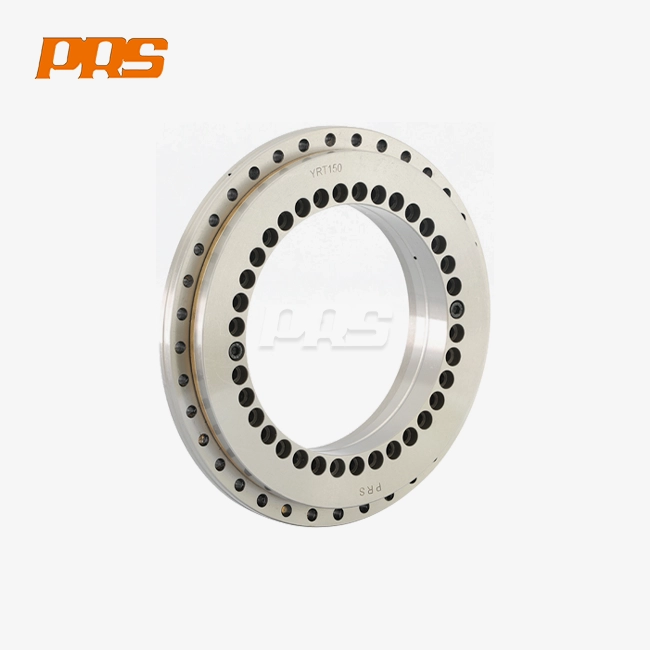
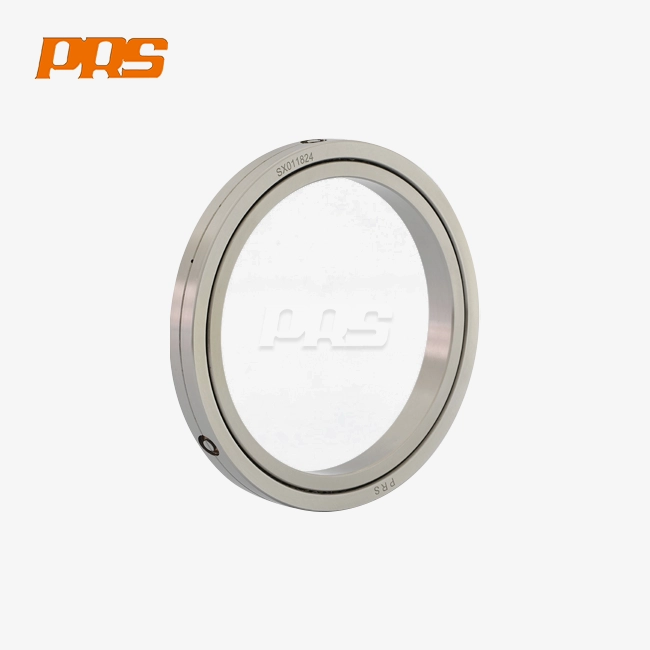
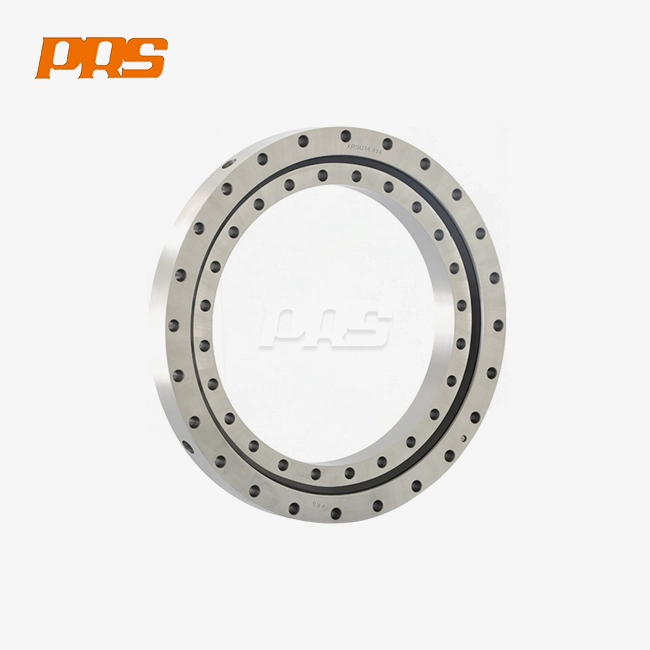
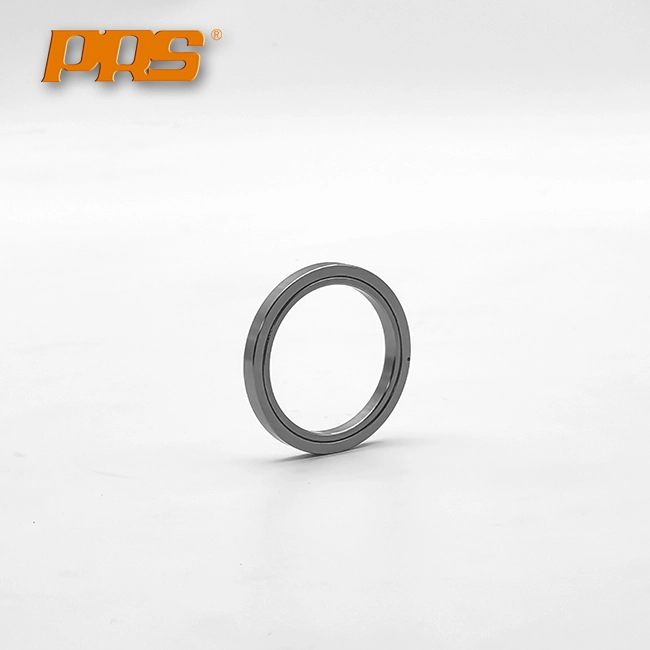
When used in Robotics Bearings, precision bearings are very different from normal industrial bearings. Cross-roller bearings put circular rollers perpendicular to each other between the inner and outer rings. They are often used in industrial robots with multiple joints. Because the bearings are set up in an orthogonal way, a single compact bearing can handle loads that would normally require more than one standard bearing. The design works especially well in joint robot bases that rotate and need to handle heavy loads despite limited room.
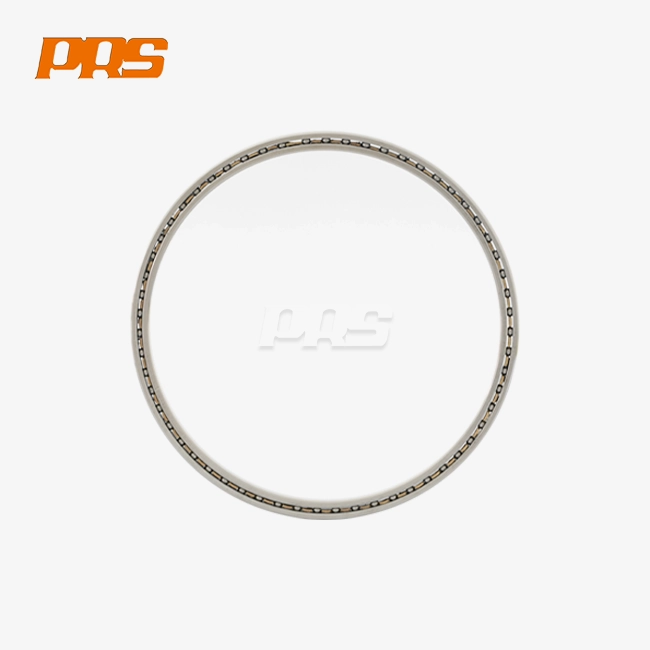
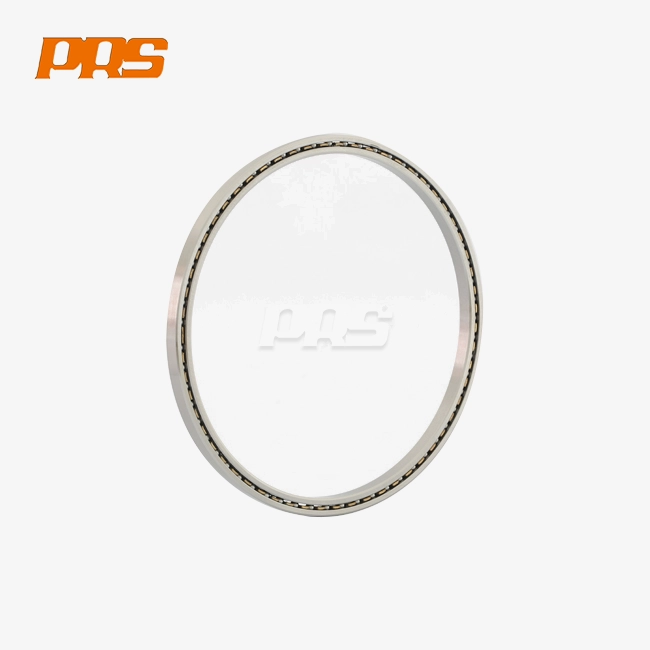
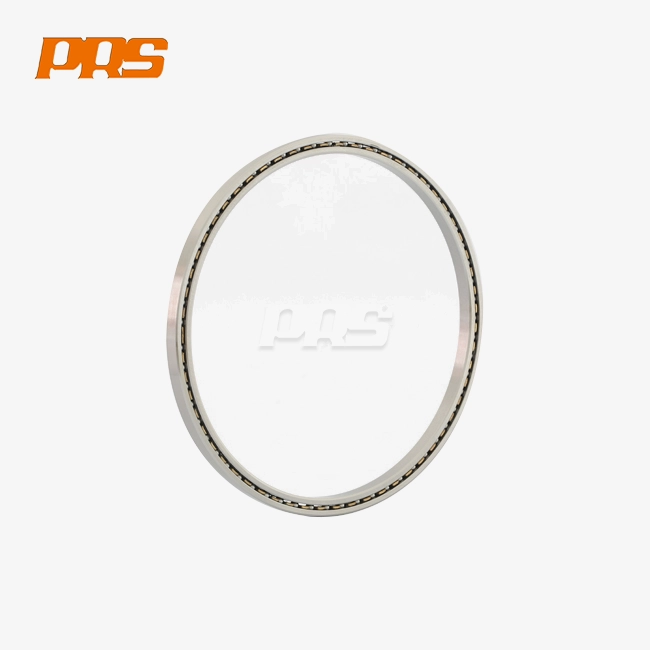
Another important group is thin-section radial contact ball bearings. These very thin parts have big bore widths compared to their cross-sectional sizes. This lets them lose a lot of weight without losing any load capacity. Medical robots and robotic arms used in food processing use these lightweight materials to get faster cycle times and use less energy.
Functional Principles Across Application Types
Different robotic designs need different types of bearings. Welding machines that work in tough conditions need special sealing systems to keep metal spatter and grinding debris from getting inside. Robot hands that rotate while loading and unloading must be able to handle shock loads during fast rounds of speeding up and slowing down. On the other hand, precision rotating parts for coordinate boring machines put accuracy and smoothness ahead of raw load capacity.
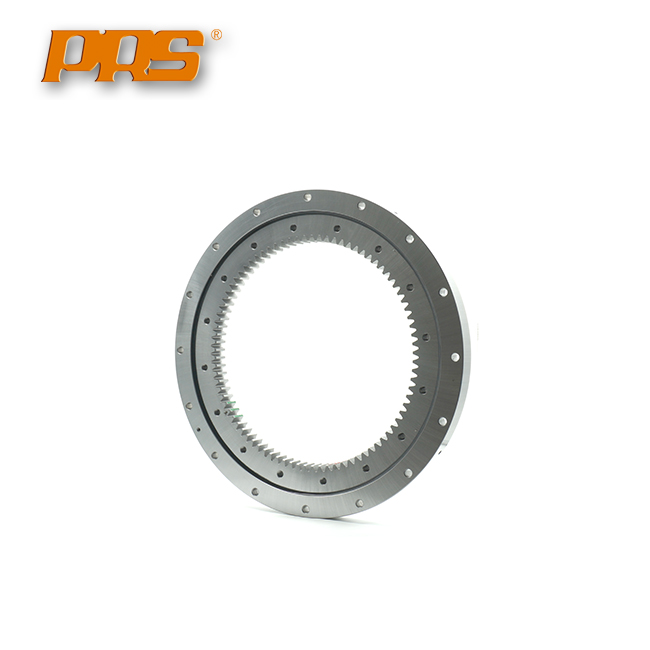
When CNC rotary tables and five-axis machine tool swivel heads are added, the selection matrix gets even more complicated. In these uses, bearings must keep their positioning accuracy even when cutting forces change, and they must also keep heat growth to a minimum so that finished part tolerances are not lost. These problems can be solved by YRT turntable bearings and ZKLDF thrust angular contact ball bearings, which have axial and radial designs that work together and preload optimization.
Types and Their Robotic Applications
Cross-roller bearings are most common in situations where small packages need to be very stiff. Six-axis robot joints are useful because they can handle moment loads without any extra support. The alternating roller arrangement spreads the load evenly around the whole circumference, getting rid of the weak spots that come with ball bearings.
Angular contact ball bearings are used in situations where high speeds are needed. These parts are needed for grinding machine wheels and turning center tool guides to stay precise at speeds over 10,000 RPM. The contact angle can be changed to meet the needs of different load directions and stiffness levels. It is usually between 15 and 45 degrees.
Tapered roller bearings are used in heavy-duty palletizing robots and other specialized manipulators where load capacity is the most important factor. Their line contact and geometry easily handle mixed radial and thrust loads, and they are very good at handling shock loads during quick start-stop cycles.
Key Factors Driving Precision in Robotics Bearings
To make and keep robotic systems precise, you have to pay attention to a lot of different things that are all connected. If a bearing meets its performance potential over its service life, it's because of material science, design optimization, and how it's used.
Material Composition and Performance Impact
Materials used in modern precise bearings have been designed down to the molecular level. Through-hardened bearing steels, such as 52100 chrome steel, work well in a lot of situations because they are very resistant to wear and don't change size. Advanced heat treatment methods make case-hardened surfaces that are harder than 60 HRC while keeping tough, ductile cores that stop cracks from spreading.
By using silicon nitride balls or rollers instead of steel rolling elements, hybrid ceramic bearings improve performance even more for Robotics Bearings. These ceramic parts are 60% lighter than their steel counterparts and are harder and less likely to rust. When working in environments with changing temperatures, AGV unmanned vehicles that rotate lifting platforms and intelligent warehouse stackers have less bearing friction and need to be oiled less often.
Cage materials should be treated the same. For moderate-speed uses like spinning tables for projectors and image measurement tools, machined brass cages offer stable dimensions and great lubrication retention. In high-speed situations like laser interferometer rotary tables, polyamide cages reduce weight and noise, but you have to be aware of the temperature limits they have.
Design Attributes Differentiating Performance Classes
When it comes to bearing life and servicing needs, sealing technology has a direct effect. While contact seals keep out most contaminants, they cause friction, which makes things hot and slows them down. Non-contact labyrinth seals lower friction while still providing adequate protection. This makes them ideal for clean settings such as the spinning indexing parts of a biochemical analyzer. Open designs allow for the fastest speeds, but they need to be protected from the outside and oiled often.
When patient comfort is important, noise levels become very important in places like CT machines with moving screening tables and MRI machines. Bearing manufacturers get low-noise performance by carefully finishing the raceways' surfaces, keeping an eye on the internal clearance, and making sure that the roller sets are balanced. Medical imaging equipment parts are often said to have noise levels below 45 decibels in their specifications.
The torque ratings affect how much energy is used and what kind of control system is needed. In machines like pick-and-place and insertion, low starting power lets smaller servo motors and more sensitive motion control work. When the right cleaning methods are used, friction force stays the same over the life of the bearing, so the machine always acts in the same way.
Maintenance Practices Preserving Accuracy
Strategic maintenance keeps bearings in good shape and extends their useful life. Vibration tracking finds problems as they start to happen before they hurt production. Coordinate measuring tools and roundness testers with accelerometers can find problems with bearings by analyzing their frequency. This means that they can be replaced based on their state instead of just at random intervals.
Managing lubrication is just as important. There are grease-lubricated bearings in solar dual-axis tracking clamps that need to be oiled again and again after a certain number of hours of use and exposure to the environment. Oil mist systems deliver precise amounts of lubricant while removing heat and contaminants from high-speed applications like rotating parts of a semiconductor wafer cutting machine.
It is important to keep an eye on the environment. For photolithography machine moving parts to work in a cleanroom, they need special materials and coatings that won't shed particles or give off contaminants. Controlling temperature with cooling jackets or heat pipes keeps the dimensions stable in high-precision testing tools like torque testers, where temperature rise would cause measurement errors.
Comparison and Procurement Guide for Robotics Bearings
To choose the right bearing options, you have to weigh the technical needs against the financial concerns. The process of evaluating must take into account both the immediate performance needs and the total cost of ownership over the lifecycle of the equipment.
Selection Criteria for Optimal Performance
The load capacity is the main factor that determines which bearings to use. Engineers have to figure out the total radial, axial, and moment loads for both regular use and the worst-case situation. When UAV gimbals and flight modeling rotary tables move, the loads change a lot, so they need a lot of safety gaps. Dynamic load ratings show how much weight something can hold when it's rotating, while static ratings control loads that stay in one place or move back and forth, like precision supports for missile guiding equipment.
The naming of a precision class directly affects the cost of production and the level of accuracy that can be achieved. Most industrial robots, like welding robots and lifting manipulators, can use P4 grade bearings that are made to ABEC-7 standards. P2 grade parts, which are the same as ABEC-9, are needed for optical instrument rotary tables and metrology tools where mistakes in positioning must be less than one micron. The investment in accuracy pays off because the tools can do more and don't need to be calibrated as often.
The way friction works for Robotics Bearings determines how much energy is used and how much heat is produced. Low-friction designs are better for battery-powered devices like drone aerial photography gimbals that need to last a long time. On the other hand, some damping is helpful in situations where motion smoothness is more important than efficiency, such as when rotating parts of an armored vehicle observation system.
Supplier Landscape and Brand Considerations
There are well-known companies in the global precision bearing market that have been making these parts for decades. OEMs that are making new robotic platforms value SKF's full engineering support and detailed product documentation. NSK specializes in high-speed accuracy solutions that work well with rotating tables and spindles in machining centers. Timken has strong curved roller choices that are good for heavy-duty manipulators that work in tough conditions.
Regional makers like PRS have become reliable options, especially for unique solutions and replacement needs. Since they started doing business in 2003, companies that focus on developing special bearings have learned a lot about cross-roller configurations and thin-section designs. Shorter lead times and responsive technical teamwork during the planning steps are some of the benefits of being close to each other.
When choosing a brand, you have to look at its total value, not just its component costs. Full technical paperwork speeds up the approval of designs and cuts down on engineering time. Application engineering support helps choose the best bearings and set them up in the best way. Long-term repair planning and risk management are affected by warranty terms and the supply of replacement parts.
Procurement Strategy and Commercial Considerations
When you can customize, you can meet specific needs that standard catalog items can't. Supports for wind turbine turning systems and bases for spinning radar antennas often need to be made with different sizes, materials, or built-in features. Suppliers that offer design collaboration and prototype development can help you find the best solutions instead of forcing designs to fit the parts that are available.
Both prices and quality of service are affected by volume. Setting up ties with chosen suppliers for core bearing families can save you money by committing to large orders and making sure that your needs are met first when supplies are low. Ordering in bulk lowers the cost per unit, but you have to be careful to predict demand and keep track of your inventory so that things don't go out of date.
Production plans must match up with delivery standards. When you buy from a domestic provider, you can usually get faster lead times that work for high-mix, low-volume manufacturing and service support. International providers need more time to plan, but they may offer better prices for large projects with stable predictions.
Solving Common Challenges with Robotics Bearings in Industrial Robots
Even bearings that have been carefully chosen can have operational problems that make the robotic system less effective. Successful automation setups are different from those that have problems because they know how to avoid common failure modes and use those tactics.
Identifying Wear Patterns and Root Causes
Too little or incorrect preload can cause Robotics Bearings to wear out too quickly. Robot joint bearings that are installed with too much runout cause uneven load distribution, which damages the raceways more quickly. When it comes to medical robot moving parts, thin-section bearings are very sensitive to how flat and straight the fixing surface is. For precise uses, specifications usually call for mounting area runout to be less than 10 microns.
Contamination is another common reason why things fail. Metal chips getting into the Z-axis rotation bearings of a SCARA robot cause three-body abrasive wear that quickly makes the robot less accurate. When coolant gets into the bearings of a CNC indexing table, it takes away the grease and speeds up rust. Most failures caused by contamination can be avoided by using effective sealing strategies that are right for the environment.
When lubrication breaks down, friction torque goes up and bearing temperatures go up. Grease oxidation and base oil loss happen naturally over time, but they happen faster when working temperatures are higher than what the lube is designed to handle. Robotic welding equipment that works near heat sources needs high-temperature greases or oil circulation systems to keep the greasing films in good shape.
Preventative Measures and Maintenance Planning
Thermal control makes bearings last longer in situations where heat is generated. Five-axis machine tool swivel heads have cooling passages that get rid of heat before it changes the stability of the dimensions. Temperature tracking lets you know about problems early on, so you can fix them before they become too big to fix.
Barriers against contamination must match how bad the environment is. Intelligent warehouse stackers that work in dusty distribution centers need strong contact seals for their rotary joints, even tho movement makes the seals less effective. Shields that stop particles from forming instead of letting outside contamination in are needed in cleanroom applications like biochemical analyzer rotating parts.
Scheduled replacement based on operational hours can give you peace of mind, but it may shorten the life of the bearings. Monitoring the condition thru sound analysis, temperature tracking, and torque measurement lets you change parts at the best times. This method works especially well for DR machine arm rotation mechanisms in medical imaging equipment, since unexpected downtime has a direct effect on patient care and income.
Real-World Performance Improvement Example
A company that makes parts for cars had a lot of problems with palletizing robots that had spinning bases that handled cylinder heads. The original bearings were supposed to last three years, but they only lasted eight months. Many problems were found when the investigation was done.
The runout on the mounting surface was 35 microns, which is more than three times the acceptable range. Coolant mist got into bearing cavities because of bad sealing. The stated grease worked well at normal temperatures, but it broke down when the temperature changed in the application.
To fix the problem, the mounting surfaces had to be precisely ground, contact seals with more labyrinth protection had to be upgraded, and synthetic grease made for a wide range of temperatures had to be switched over for the Robotics Bearings. The marginal load calculations in the original design were fixed by replacing them with cross-roller bearings that can handle more moments.
Results were better than expected. The life of the bearings went beyond four years without losing any of their function. Robot placement accuracy went up by 40% because the robot became more rigid. Maintenance costs went down a lot while production uptime went up, so the investment paid for itself in just one year.
Future Trends and Innovations in Robotics Bearings for Industrial Automation
As the need for automation grows, the precision bearing industry keeps changing to keep up. New technologies offer better performance, longer service lives, and the ability to work with digital manufacturing environments.
Smart Bearing Technology and Predictive Analytics
By adding sensors inside passive parts, intelligent systems can be made. Bearing rings with thin-film sensors keep an eye on load, temperature, and shaking in real time. Wireless transmission gets rid of the hassle of wires and lets you keep an eye on installations that you couldn't get to before, like the precision spinning mechanisms on a satellite receiving device.
Predictive maintenance programs look at data from sensors to find problems that are starting to happen weeks before they break. Machine learning models that have been trained on millions of hours of operation can spot small trends that mean the oil is breaking down, contaminants are getting in, or surface damage is starting to happen. Maintenance teams get warnings ahead of time, giving them enough time to plan maintenance work for planned breaks instead of having to react to emergencies.
With digital twin technology, virtual copies of real bearing systems can be made. "What-if" analysis for process optimization is possible with simulation models that use real operational data. Engineers can test how well bearings work with suggested changes to working parameters without putting production equipment at risk. This feature is especially useful for moving bases for radar communication and aircraft equipment, where testing in the field is expensive and dangerous.
Advanced Materials and Surface Engineering
Nanomaterial coatings make bearings work in conditions that weren't possible before. Diamond-like carbon layers lower friction coefficients below 0.05 and make surfaces very resistant to wear. These coats allow for dry running in space applications and longer lubrication times in places where relubrication is hard to do or costs a lot of money.
With additive manufacturing, bearing designs that can't be made any other way are possible. By optimizing the topology, lattice forms are made that are lighter while still being stiff. Built-in cooling ducts put the removal of heat exactly where it's needed. For special uses like wind power equipment and rotating platforms, custom bearing geometries that are made to fit specific load distributions work best.
Self-healing materials are a new technology that has the potential to change everything. When cracks appear in bearing parts, microcapsules holding lubricant or repair chemicals are released, stopping the defect from spreading. This technology is still being tested, but it has the potential to greatly increase the useful life of important parts that are expensive or dangerous to repair.
Miniaturization and Compact System Integration
As robots get smaller, the need for ever-tinier precision bearings grows. For collaborative robots that are meant to work with people, the joints need to be small without sacrificing functionality. Medical surgical robot joints need a small space to work while still being precise during surgery. Manufacturers of semiconductor equipment need small, precise spinning parts that can fit into machine plans that are getting more and more crowded.
Rolling parts, mounting connections, sealing systems, and sensor packages are all put together in integrated bearing units to make whole kits. These pieces make it easier to install, take less time to put together, and remove the chance of mounting mistakes. Quality control at the component level makes sure that performance stays the same across all production volumes.
Standardizing robotic platforms on a modular level makes inventory less complicated and lets configurations be changed quickly. Robot families all use the same bearing interfaces, which lets manufacturers improve designs once and then use them widely. This method cuts down on development costs, speeds up time to market, and makes it easier to provide support after the sale of equipment throughout its entire lifecycle.
Conclusion
Within industrial control systems, Robotics Bearings are much more than just simple moving components. These carefully made parts directly affect how well robots work, how long they last, and how accurate they are supposed to be. Cross-roller bearings allow for small six-axis robot joints, and thin-section designs reduce weight in collaborative platforms. Choosing the right bearings gives you a competitive edge that lasts throughout the lifecycle of your equipment. What robots can do is changing all the time thanks to smart bearings with built-in sensors, new materials that give them more abilities, and smaller designs that let systems work together more efficiently. By investing in quality bearing solutions, building relationships with reliable suppliers, and using smart upkeep methods, procurement professionals and engineering teams can help their companies take advantage of automation's growing role in many fields.
FAQ
What makes robotics bearings different from standard industrial bearings?
Robotics Bearings are made with features that meet the specific needs of automatic systems. Cross-roller designs can handle radial, axial, and moment loads all at the same time in small spaces that aren't possible with other designs. Tolerances in precision cutting and assembly are measured in microns, which is much tighter than the standards that are fine for most commercial uses. Specialized coats and materials keep things clean, lower friction, and keep their accuracy over millions of operating cycles. These improvements cost more, but they are necessary in situations where accurate placement has a direct effect on the quality of the product and the speed of production.
How often should bearings in industrial robots be replaced?
Instead of being based on random schedules, replacement intervals depend on the severity of the application, the environment, and the quality of the maintenance. Monitoring the condition thru sound analysis and temperature tracking lets you make repair decisions based on data that make the best use of the bearing's life. If you take good care of them, light-duty uses as optical instrument rotary tables can last for ten years or more. Heavy-duty manipulators that work in tough conditions may need to be replaced every couple of years. By using predictive maintenance strategies, you can avoid unexpected failures and avoid replacing parts before they're time to be replaced.
What factors most influence bearing precision in robotic applications?
Precision in manufacturing sets the standard, but performance is actually determined by how well it is installed and how it is used. To keep load distribution issues from happening, the mounting surface must be flat and straight, and the bearing precision class must match. Environmental control, such as keeping the temperature stable, keeping out contaminants, and making sure the machine is properly oiled, keeps the initial accuracy over its entire service life. Preload optimization finds the best balance between the need for stiffness and the production of friction and heat. Because these factors affect each other, it is common for luxury bearings that are installed incorrectly to not work as well as budget parts that are installed correctly while paying attention to the needs of the application.
Partner with PRS for High-Performance Robotics Bearing Solutions
Luoyang PRS Precision Bearing Co., Ltd. specializes in manufacturing precision cross-roller bearings, thin-section designs, and specialized configurations serving demanding robotic applications. Since 2003, our engineering team has become very good at making custom bearing solutions that can be used instead of foreign parts and offer better accuracy, dependability, and value. We sell YRT turntable bearings, ZKLDF thrust angular contact ball bearings, and designs made just for robots that are made to P4 and P2 precision levels. If you're making multi-joint industrial robots, precision machine tools, or medical imaging equipment, PRS can help you with technical teamwork, high-quality manufacturing, and quick service. Get in touch with our application engineers at ljh@lyprs.com to talk about your unique needs and find out how working with an experienced Robotics Bearings manufacturer can elevate your automation systems while optimizing total cost of ownership.
References
1. Harris, T.A. & Kotzalas, M.N. (2006). Rolling Bearing Analysis: Essential Concepts of Bearing Technology. CRC Press, Taylor & Francis Group.
2. International Organization for Standardization (2014). ISO 492:2014 - Rolling Bearings - Radial Bearings - Geometrical Product Specifications and Tolerance Values. ISO Standards Catalogue.
3. Weck, M. & Brecher, C. (2006). Machine Tools Production Systems 2: Design and Calculation. Springer-Verlag Berlin Heidelberg.
4. American Bearing Manufacturers Association (2019). Load Ratings and Fatigue Life for Ball Bearings. ABMA Standard 9-1990 (R2019).
5. Glaeser, W.A. (1992). Materials for Tribology. Tribology Series Volume 20, Elsevier Science Publishers.
6. Siciliano, B. & Khatib, O. (2016). Springer Handbook of Robotics. Springer International Publishing, Second Edition.

USER EVALUATE
Here is the customer's evaluation of us