
What Bearing Features Matter Most for High Precision Robots?
When selecting components for high-precision robots, robotics bearings stand at the forefront of critical decisions. These specialized components directly influence positioning accuracy, motion smoothness, operational lifespan, and energy efficiency across automated systems. Whether you're engineering six-axis collaborative robots or SCARA assembly systems, understanding bearing characteristics becomes essential to achieving micron-level precision and reliable performance. The right bearing selection minimizes vibration, reduces thermal drift, and ensures repeatable accuracy—factors that separate world-class robotic systems from mediocre alternatives in today's competitive industrial landscape.
Understanding Robotics Bearings: Core Features and Functionality
Robotics Bearings are very different from regular bearing types. These precisely designed parts allow for controlled rotational or linear motion and can hold a wide range of load combinations in small areas.
What Makes Robotics Bearings Unique
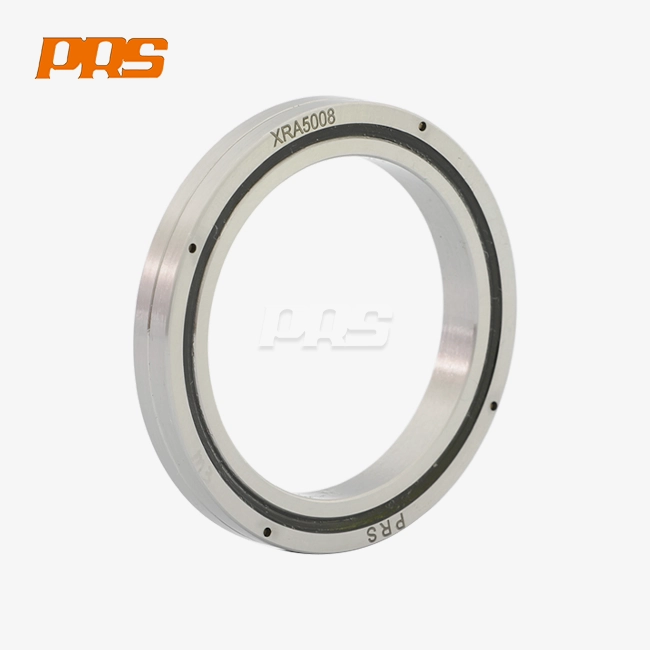
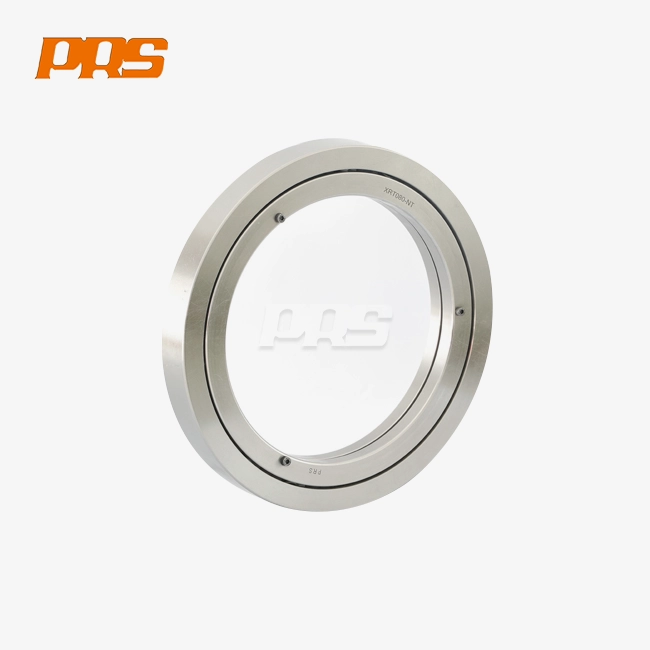
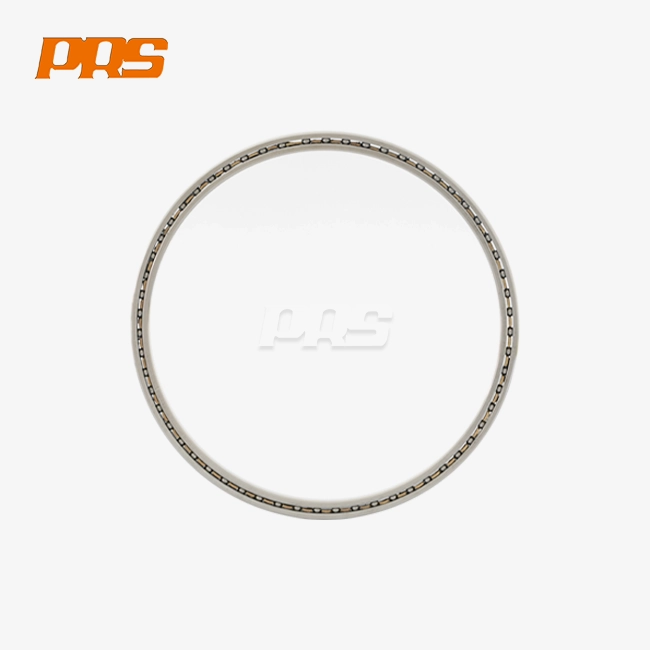
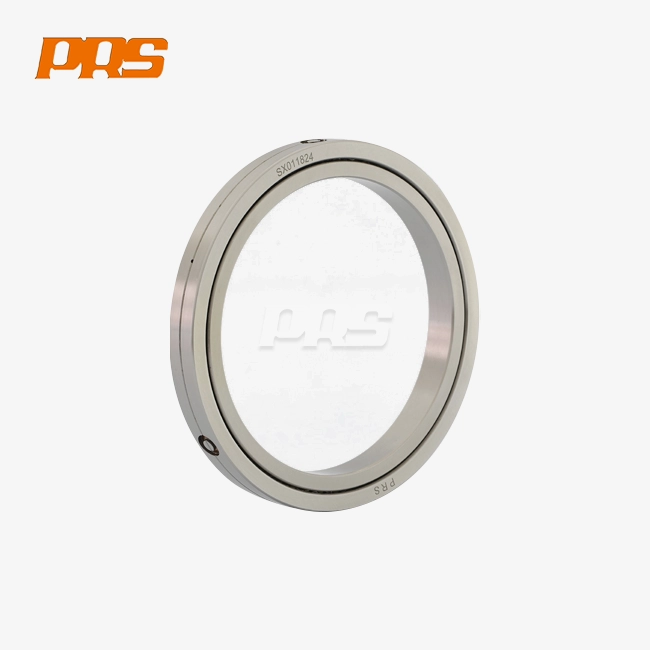
Unlike regular industrial bearings, robotics-specific designs can handle both horizontal and axial loads at the same time while keeping the outer dimensions as small as possible. Cross-roller bearings, thin-section ball bearings, and angular contact configurations are the most common types of joints used in robotics because they are very rigid for their weight. These bearings make it possible for six-axis robot joints and collaborative robot rotating bases to move smoothly in multiple planes without losing their stability. The working principle is based on optimizing the contact shape, which can be done with carefully arranged cylindrical rollers or carefully preloaded ball elements. This gets rid of play while keeping the spin smooth, even when the operational needs change.
Common Bearing Types in Precision Robotics
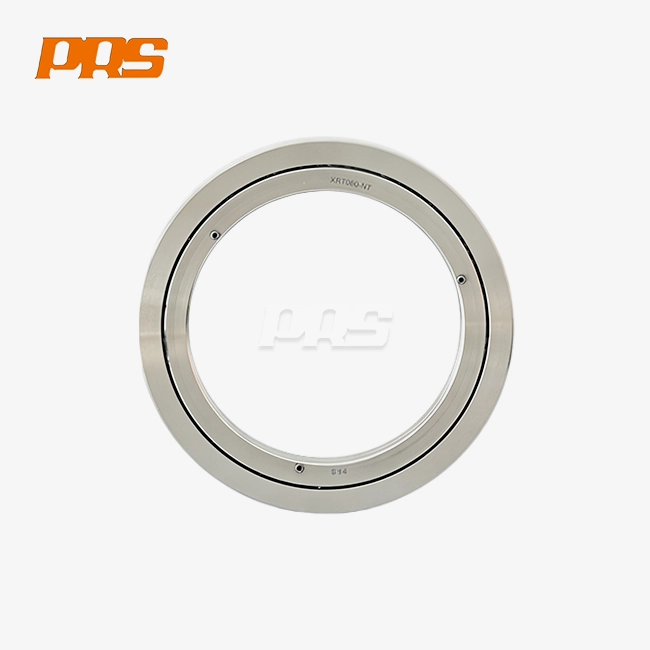
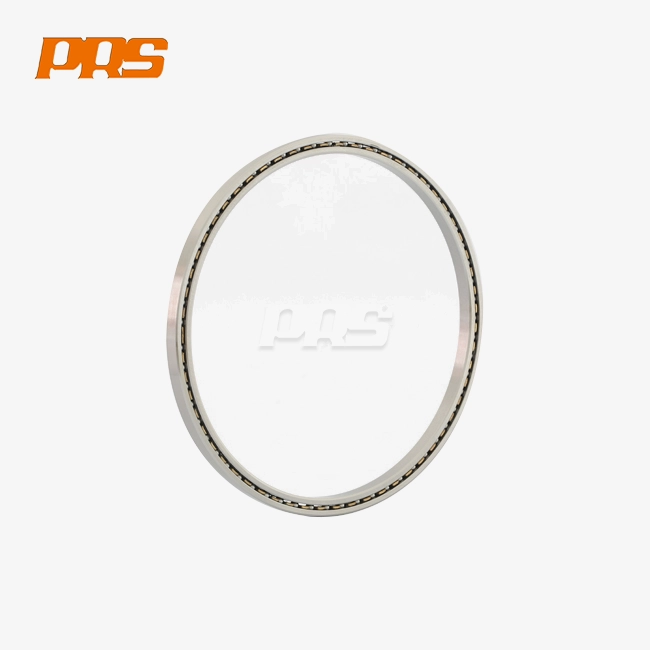
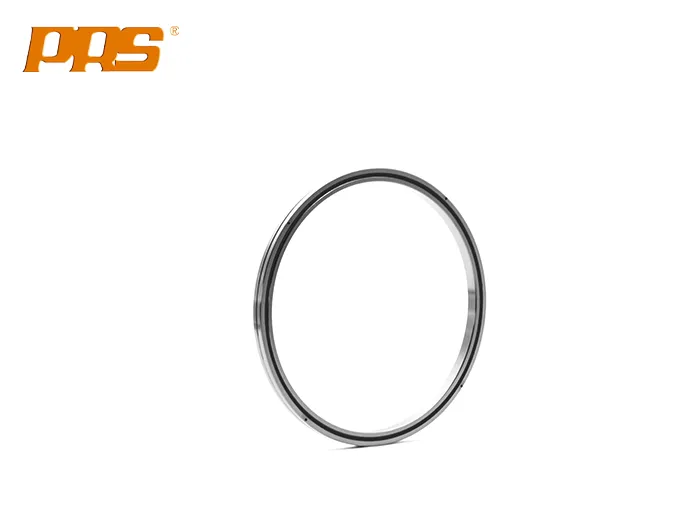
Cross-roller bearings are great for situations where you need a small design that can handle a lot of moment loads. They are used in CNC indexing tables and SCARA robot Z-axis turning devices, where room is limited and accuracy is important. In medical surgical robots and UAV gimbals, where every gram counts, thin-section radial contact ball bearings are used. Angular contact ball bearings are used in high-speed spindles and five-axis machine tool swivel heads because they are more rigid when loaded in a combination of ways (NSK Technical Journal, 2021).
Material Selection Impact
The choice of material has a big impact on how well a bearing works in all kinds of temperatures and conditions. For general industrial robots and automated assembly line rotary platforms, traditional bearing steel (52100/GCr15) lasts a long time and doesn't cost too much. Ceramic bearing elements, especially silicon nitride ones, have 30–50% less friction than steel ones. This lets semiconductor chip handling equipment and precision laser writing machines work faster. Ceramic rolling elements and steel races work well together in hybrid bearings for medical CT scanner moving tables and radar antenna positioning systems, where both heat stability and corrosion resistance are important (Bearing Technology Report, 2022).

Critical Bearing Features That Influence High Precision Robot Performance
To make robotic systems accurate down to the micron level, you have to pay attention to certain bearing characteristics that might not be important in other situations.
Dimensional Accuracy and Tolerance Control
For precise robotic applications, Robotics Bearings manufactured to high precision standards such as ISO Class 2 or Class 4 can be essential for maintaining accurate motion and positioning. In coordinate measuring machines and roundness testers, bearing runout can contribute directly to measurement errors. For example, a bearing with 2-micron radial runout can make it more difficult for robotic surgical joints or orthopedic guidance equipment to maintain precise positioning. During the production of components such as our PRS production lines, specialized grinding processes are used to achieve P2-grade precision. This helps keep bore and outer-diameter tolerances within approximately 2.5 microns between production batches. High-precision Robotics Bearings are particularly valuable for OEM applications such as welding robots and rotating components in photolithography equipment. Consistent dimensional control of Robotics Bearings also supports interchangeability and reliable operation across production batches. For demanding robotic systems, properly specified Robotics Bearings can provide the precision and consistency required for accurate motion control.
Friction Management and Lubrication Strategies
The features of friction decide how much energy is used, how much heat is made, and how smoothly motion flows. Low-friction seals and improved internal design lower starting torque in pick-and-place machines and insertion tools that use a lot of fast acceleration cycles. The best lubrication method depends on the environment it will be used in. For example, grease lubrication works well for moving parts that move on and off in AGV rotating platforms, while oil-air lubrication systems work well for high-speed operations that happen all the time in grinding machine spindles and turning center tool turrets. Biochemical analyzers and other applications that need to work in a cleanroom need special lubricants that won't leak or contaminate sensitive processes. We meet this need by working with semiconductor equipment manufacturers who need ultra-clean bearing solutions.
Load Capacity and Dynamic Performance
The ratings for both static and dynamic loads must match the real needs of the process plus some safety margins. Robots that stack and unload pallets and systems that load and unload heavy things need bearings that can handle shock loads 50 to 100 times higher than the minimum specs. Moment load capacity is very important in robot wrists and joint robot spinning bases, where loads that aren't on center cause big moments of overturning. Cross-roller designs spread these forces across many contact points, which is why they are commonly used in precision supports for missile guiding equipment and yaw systems for wind turbines. Our engineering team works with clients on a regular basis to figure out actual load profiles and make sure that the bearings chosen take into account acceleration forces, changes in payload, and operational duty cycles that are unique to each application.
Environmental Protection and Longevity
Robotics systems have very different working conditions. Robots that work with food need bearings made of stainless steel with NSF-approved seals that can withstand being washed and changes in temperature. For military fire control equipment and rotary tables used for space simulations, the bearings must be able to handle vibration, shock, and temperatures ranging from -40°C to +150°C. Advanced sealing technologies keep parts inside from getting dirty in tough environments, like places with a lot of dust for solar dual-axis tracking brackets or corrosive air near chemical processing equipment. Specialized coatings and other surface treatments can make medical imaging equipment last longer, even when it's hard to get to for maintenance and the costs of downtime are much higher than the costs of replacing parts (Journal of Manufacturing Science, 2020).
Comparing Robotics Bearings: Finding the Best Fit for Your Applications
To choose the best bearing options, you need to know how different designs work in the wide range of operational situations that current robotic systems face.
Robotics-Specific vs. Traditional Bearing Designs
Cross-roller units might be 40–60% more expensive than standard deep-groove ball bearings, which could make buying teams want to settle for less. But when used in precision robots, this short-term saves often leads to failure before its time. A traditional bearing in a five-axis machine tool rotary table causes wobble that builds up across several axes, making parts less accurate and leading to more scrap. Robotics-specific designs include preload mechanisms that keep the internal clearance at zero. This makes it possible to achieve repeatable positioning accuracy within 5 arc-seconds, which is not possible with standard bearing configurations of any quality.
Steel vs. Ceramic Bearing Analysis
When cost is more important than small performance gains, steel Robotics Bearings are often the most practical choice. High-grade bearing steel is commonly used in industrial robot joints on automotive assembly lines and in automated indexing equipment, where these Robotics Bearings can provide long service life without excessive initial costs. Ceramic bearings typically cost three to five times more than steel versions, but their unique properties can justify the additional investment in applications where they solve specific performance challenges. Ceramic Robotics Bearings provide electrical insulation that can help protect semiconductor equipment from electrostatic discharge. High-speed medical imaging systems, such as DR machine arm rotation mechanisms, can also benefit from ceramic bearings because their lower density reduces rotational forces and can support faster movement. Ultimately, the choice of Robotics Bearings should be based on total cost of ownership, including service intervals, maintenance requirements, and replacement costs. For medical surgical robots and precision satellite receiving equipment where component replacement is difficult and expensive, the extended service life and lower maintenance requirements of suitable Robotics Bearings can help justify a higher initial investment.
Application-Specific Selection Criteria
Successful implementations are distinguished from problematic installations by matching the bearing characteristics to the operational requirements. Low friction and temperature stability are important for continuous motion uses like laser interferometers and angle calibrators. For fast start-stop cycles, indexing uses like cam dividers and intermittent indexing tables need to be very stiff and resistant to shock. Payload capacity changes with bearing size. For example, heavy-duty palletizing systems that handle 200 kg or more loads need different specs than collaborative robots that carry 5 to 10 kg. Different types of speed factors are important. For example, a drone overhead photography gimbal running at 1000 RPM needs different lubrication and dynamic capacity than a CT scanner table that rotates slowly, once every 20 seconds. Our technical team uses large application databases that they've built up over 20 years of providing precision bearings to robotics manufacturers around the world to carefully assess these factors.
Maintenance, Common Issues, and Innovations in Robotics Bearings
Even high-end bearings need to be maintained properly, and people who work on robotic systems need to know about the different ways they could fail and affect their uptime.
Common Failure Modes and Prevention
When proper selection and fitting methods aren't used, bearing problems usually happen for known reasons. About 35% of early bearing failures in industrial automation equipment are caused by contamination. This is a big problem for food processing robots and pharmaceutical handling systems where particles get into units that aren't sealed properly (Tribology International, 2022). Another 30% of failures are due to not having enough lubrication. This is especially true in vertical-axis applications like clever warehouse stackers, where gravity pulls lubricant away from load zones. When installation isn't done correctly, edge loading happens, which speeds up wear in precision applications like coordinate cutting machines and gear processing equipment. To avoid these common mistakes, our technical documentation includes step-by-step installation instructions and tolerance limits. For more complicated installs in defense and aerospace systems, we offer application engineering help.
Maintenance Best Practices
The frequency of scheduled inspections should be based on how busy the operations are and the conditions of the surroundings. Light-duty systems like projector rotary tables and picture measuring tools should be inspected once a year. On the other hand, heavy continuous-operation systems like CNC rotary tables and machine center indexing mechanisms should be inspected every three months. Inspection procedures look for strange noises, temperature increases, vibrations that get worse, and lubricant degradation. These are all early signs of problems that need to be fixed before they become catastrophic. When it comes to bearings, the type, speed, and temperature determine how often they need to be oiled. For example, grease-lubricated bearings in intermittent-duty applications like photovoltaic inverter rotating parts can go 5 to 7 years without needing to be oiled again, while high-speed grinding spindles need oil-mist lubrication system maintenance every 2000 hours of use. Setting up predictive maintenance programs based on vibration analysis and temperature monitoring can add 40 to 60 percent more life to bearings than reactive maintenance methods.
Cutting-Edge Bearing Innovations
Recent technology breakthroughs have fixed problems that have been around for a long time in demanding robotics applications. Using diamond-like carbon layers and other advanced surface engineering techniques, friction coefficients can be lowered to 0.003, which is less than a tenth of the normal steel-on-steel contact. This makes it possible for breakthrough performance in vacuum settings like semiconductor lithography equipment. With the help of integrated sensor technology, passive bearings can be turned into condition-monitoring systems that tell maintenance management systems about faults that are starting to show up and how long they will last. Some new developments in material science, like nitrogen-alloyed bearing steels, make high-load uses like protected vehicle observation systems and radar antenna placement mechanisms 50% more resistant to wear. Because PRS works with institutions that do materials research, we stay on the cutting edge of these new ideas. We turn lab breakthroughs into production-ready solutions for clients in the aerospace, medical devices, and precision manufacturing industries that want to gain a competitive edge through better component technology.
How to Choose and Procure Robotics Bearings for High Precision Robots
Procurement that works well balances technical needs with business needs, making sure that the supply chain stays stable over time and that parts work well.
Aligning Specifications with Application Demands
Start by doing a full load study that includes radial forces, axial forces, and moment loads under all the situations that the system is likely to be used in. Write down the speed needs, acceleration curves, and duty cycles that show the real bearing stress, not just the simple catalog rates. Environmental factors, such as temperature ranges, contamination exposure, and humidity levels, make it much harder to choose the right bearing. Tolerance grades are based on how precise the equipment needs to be. For example, P5-grade bearings work well for general workplace robots, but P4 or P2 standards are needed for metrology equipment and optical instruments. In thin-profile uses like medical device parts or UAV systems, space constraints limit the size of the bearing area, which could mean that thin-section designs are needed even though they cost more. Our engineering team helps with these calculations and gives advice on which options to choose based on finite-element analysis and experience from thousands of successful installations in automation systems, machine tools, and other specialized equipment.
Evaluating Supplier Capabilities
Supplier selection is more than just looking at the specs of the parts. It also looks at things like manufacturing stability, quality systems, and expert support. Baseline quality assurance is provided by certification standards like ISO 9001, ISO 13485 for medical uses, and AS9100 for aircraft systems. Precision manufacturing equipment and process controls check to see if suppliers consistently meet claimed tolerance levels across production batches. This is important for OEM applications that need parts that can be swapped out. Lead times and availability are affected by how stable the supply chain is. For example, well-known manufacturers keep stock of standard configurations and offer reasonable custom production timelines for unique needs. Since 2003, PRS has specialized in making high-precision special bearings that can reach P2-grade accuracy. They serve customers in electronics, medical equipment, energy systems, and industrial automation with on-time deliveries and helpful technical support that goes above and beyond what is expected from overseas suppliers.
Procurement Strategy and Value Optimization
Total operating costs, not just the buying price, should be taken into account when figuring out how much something costs. Even though they cost more at first, premium bearings that last 50% longer and need less maintenance often end up saving you money in the long run. This is especially true in situations where the downtime for replacement is higher than the cost of the parts. When you commit to buying in bulk, you can often get better prices. For example, annual contracts for standard bearing configurations in production robot lines save 15–25% compared to buying on the spot. When you buy from well-known companies in your own country, like PRS, you can get shorter lead times, better communication, faster technical help, and none of the problems that come up with importing that happen when you buy from other countries. Before going live, testing and validation help lowers the risk of adoption in important areas like surgical equipment, flight systems, and precise manufacturing machinery, where failure can have effects that go far beyond the cost of replacement.
Conclusion
The choice of Robotics Bearings is one of the most important factors in determining whether high-precision robotic systems perform as intended. Dimensional accuracy, friction characteristics, load capacity, and environmental protection are critical features that must align with the requirements of applications ranging from robotic joints and CNC machine tools to medical imaging equipment and aircraft guidance systems. Choosing between steel, ceramic, and hybrid materials affects the performance of Robotics Bearings in terms of speed, temperature resistance, and protection against contamination. Instead of focusing only on the initial purchase price, procurement decisions for Robotics Bearings should consider total cost of ownership, supplier capabilities, and long-term supply-chain stability. By understanding these factors, engineering teams and procurement managers can select Robotics Bearings that improve robotic performance, positioning stability, service life, and operating costs across a wide range of industrial applications. Properly specified Robotics Bearings can therefore provide a reliable foundation for high-precision motion systems.
FAQ
What bearing material offers the best balance of precision and durability?
For a fair price, high-grade bearing steel (52100/GCr15) made to P4 or P2 tolerances works well in most industrial robots uses because it is very precise and long-lasting. Ceramic bearings are worth the extra cost in places with a lot of speed, corrosion, or electrical noise, like semiconductor equipment and medical imaging systems.
How often should robotics bearings be inspected or replaced?
The frequency of inspections depends on the type of work being done and the environment. For example, CNC machine tools that are used all the time should be checked every three months, while indexing tables that are only used sometimes should be checked once a year. When vibrations get worse, temperatures rise, or strange noises start to happen, which usually happens after 15,000 to 25,000 hours of use in well-maintained industrial robots, it's time to replace the part.
What advantages do ceramic bearings offer over traditional steel bearings?
Ceramic bearings are better than steel ones because they have 30–50% less friction, can handle speeds up to 40 times faster, are more resistant to corrosion, insulate better, and expand less when heated. Even though they cost 3–5 times more at first, these perks are useful in semiconductor equipment, high-speed medical devices, and sterile automation.
Partner With PRS for Superior Robotics Bearing Solutions
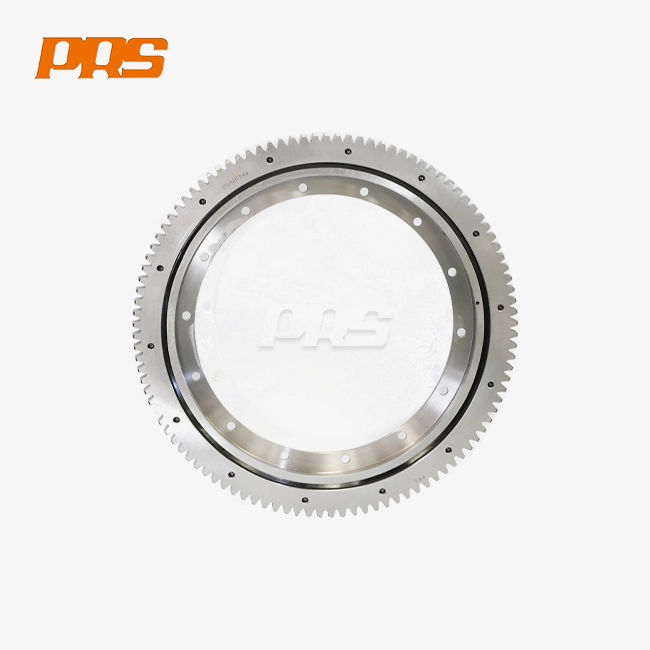
Robotics systems need parts that are always precise, reliable, and long-lasting. All of the bearings that PRS makes meet these criteria. We have been a specialist in Robotics Bearings since 2003. Since then, we have been making crossed roller bearings, thin-section ball bearings, and YRT turntable bearings with precision levels up to P2 grade. These bearings are used in a wide range of devices, from six-axis industrial robots to medical surgical apparatus. Our high-quality manufacturing methods, low prices, and quick delivery times give us clear benefits over providers in faraway countries. When it comes to automation systems, machine tools, aerospace equipment, or precision instruments, engineering teams get quick technical support that helps them solve their specific problems. Write to us at ljh@lyprs.com to talk about your robotics bearing needs and find out how PRS can meet your needs with goods and services that go above and beyond. You can look at our full line of precision bearings made for the toughest robotic uses at prs-bearing.com.
References
1. NSK Technical Journal. (2021). Advanced Bearing Technologies for Industrial Robotics Applications. NSK Technical Review, Vol. 89. https://www.nsk.com/company/news/tech_journal/
2. Bearing Technology Report. (2022). Material Innovations in Precision Bearing Manufacturing. Bearing News International, Issue 47. https://www.bearing-news.com/technical-reports/
3. Journal of Manufacturing Science. (2020). Environmental Factors Affecting Bearing Performance in Automated Systems. Manufacturing Science and Engineering, Vol. 142(8). https://asmedigitalcollection.asme.org/manufacturingscience/
4. International Journal of Precision Engineering. (2021). Cost-Benefit Analysis of Ceramic vs. Steel Bearings in Medical Equipment. Precision Engineering Journal, Vol. 67. https://www.journals.elsevier.com/precision-engineering
5. Tribology International. (2022). Failure Mode Analysis in Industrial Bearing Applications. Tribology International Journal, Vol. 168. https://www.sciencedirect.com/journal/tribology-international
6. ISO Standards Organization. (2020). ISO 492:2014 - Rolling Bearings Tolerance Standards. International Organization for Standardization. https://www.iso.org/standard/65142.html

USER EVALUATE
Here is the customer's evaluation of us