
What Makes Harmonic Drive Bearings Essential for Robotics?
Harmonic drive bearings serve as the precision backbone of modern robotic systems, delivering exceptional rotational accuracy and load capacity that conventional bearing solutions simply cannot match. These specialized cross roller bearings enable robots to achieve the micro-level positioning accuracy required in today's automation landscape, where production consistency directly impacts your bottom line. By combining zero-backlash performance with compact integration, harmonic drive bearings transform how robotic joints and actuators respond under demanding operational conditions, making them indispensable for manufacturers who refuse to compromise on reliability.
Understanding Harmonic Drive Bearings in Robotics
What Defines a Harmonic Drive Bearing
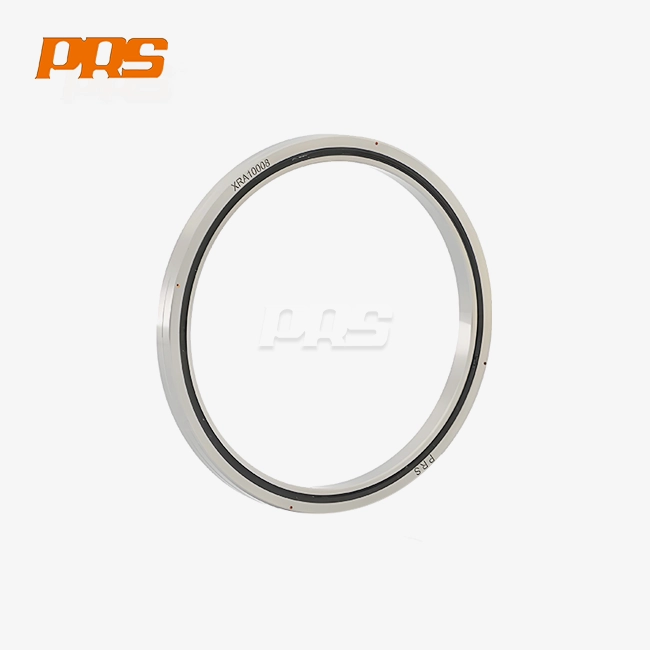
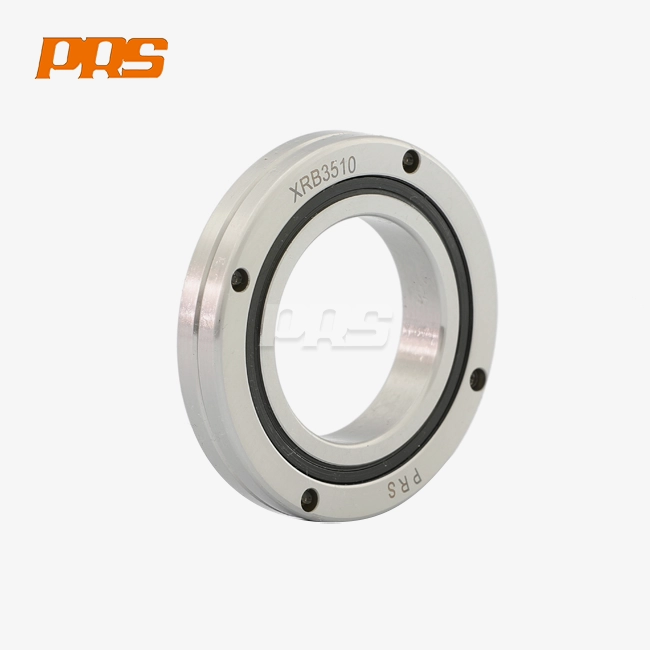
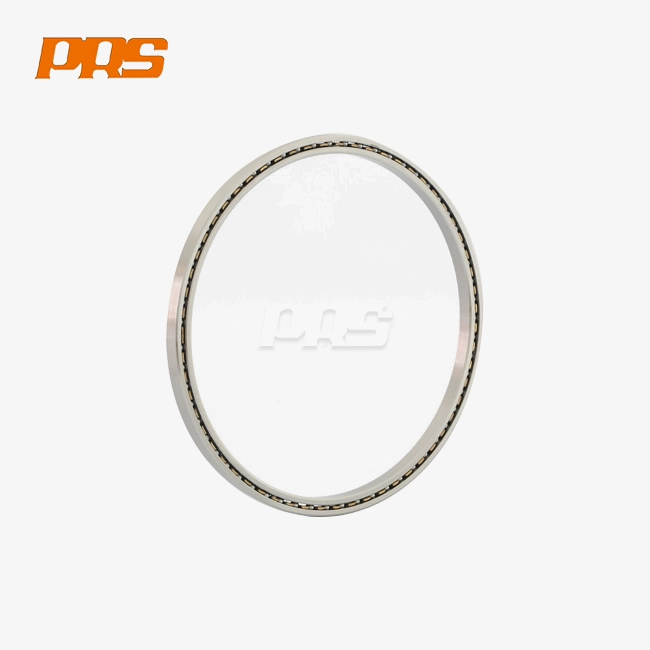
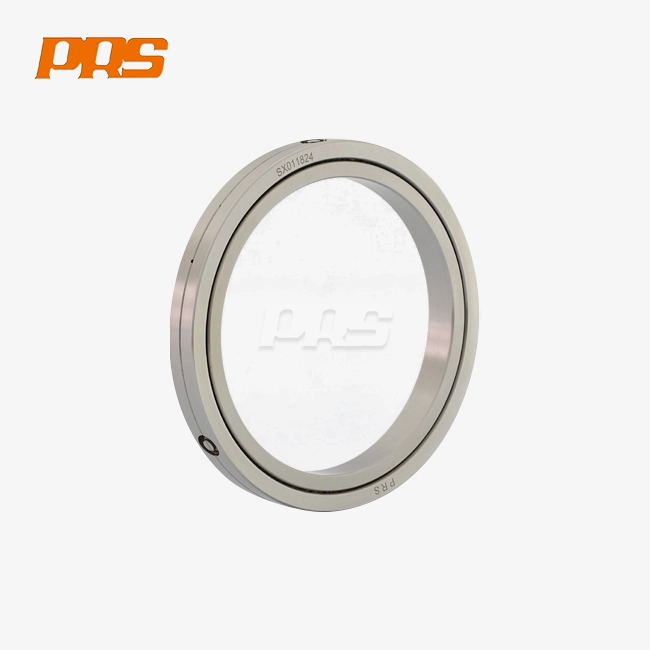
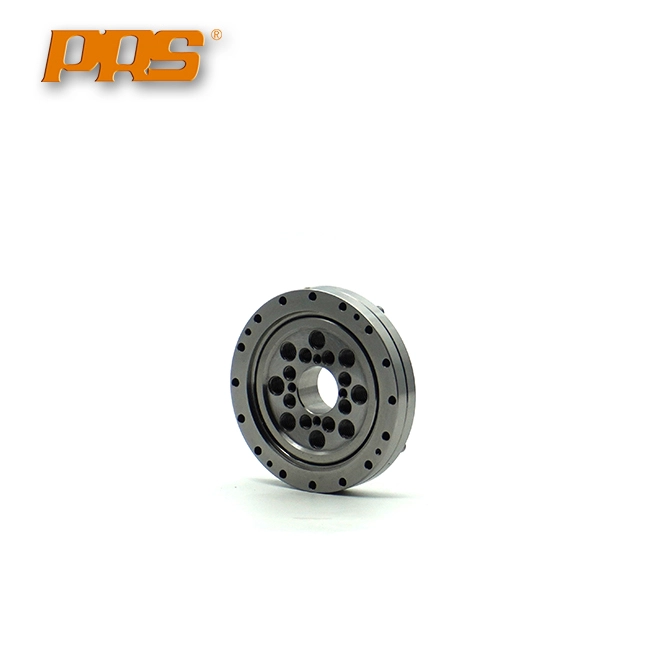
There is a special type of cross roller bearing called a Harmonic Drive Bearing that is made for harmonic reducer applications. Unlike most bearings, these parts have a perpendicular roller setup on V-shaped raceways that can handle radial loads, axial loads, and reversing moments all at the same time in a single small unit. The bearing structure has cylindrical and tapered rollers that are positioned at right angles to each other. This gives the structure great rigidity and rotational accuracy while keeping a slim profile.
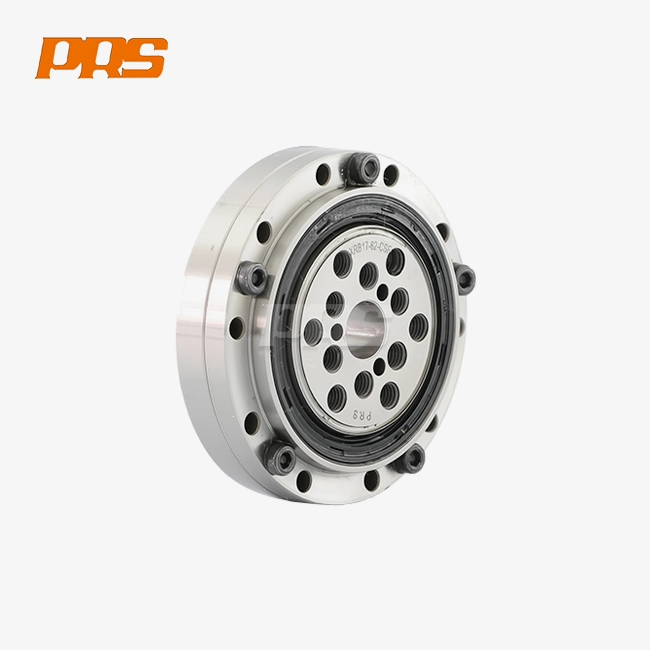
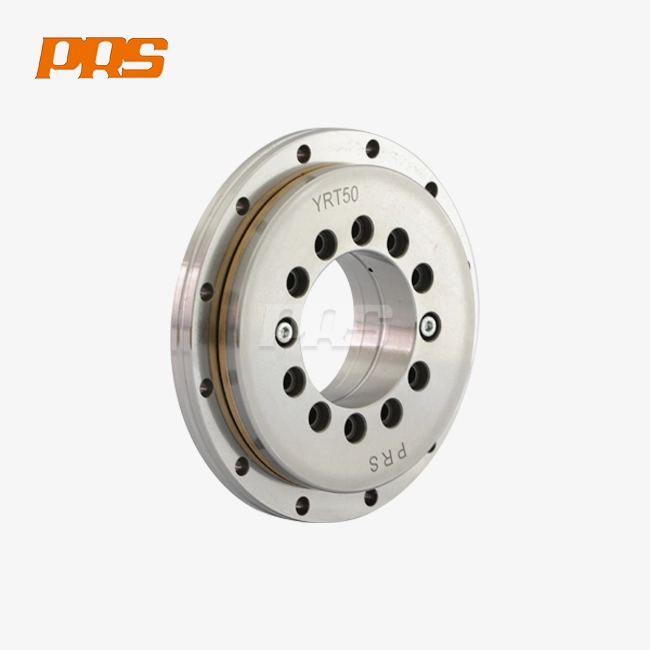
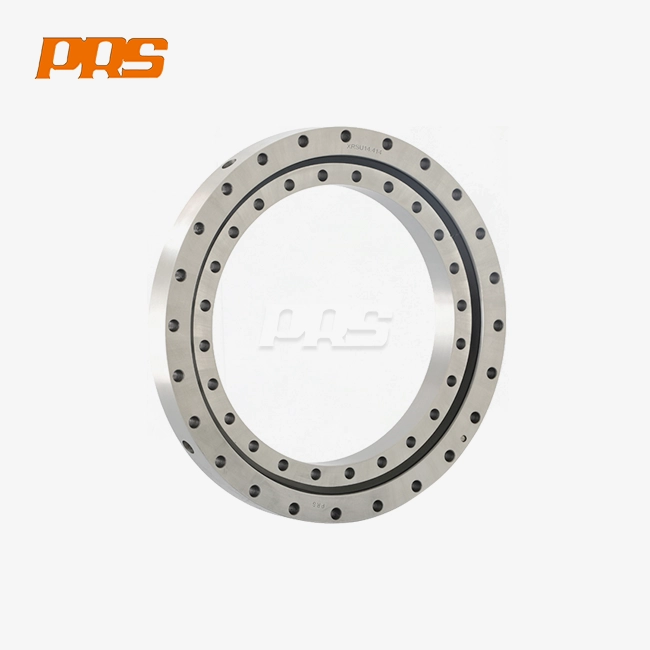
Because the mounting holes are built in, there is no need for separate housing parts. This makes direct installation easier and speeds up the assembly process. This structural coupling is especially useful in robotics, where design decisions are based on how much room and weight are available.
Operating Principles in Robotic Systems
Controlled elastic deformation is how the harmonic drive system works. An elliptical wave generator spins inside a flexible ring with teeth called the flexspline. This makes the flexspline deform and connect with a rigid outer ring with more teeth called the circular spline. When this exchange happens, exact speed decrease ratios can be made, up to 1:320 in some cases.
During this distortion cycle, your bearing holds up the wave generator. The cross roller design makes sure that the turning goes smoothly while also taking care of the complicated stress patterns that are created by the constant bending motion. This design of perpendicular rollers spreads loads out evenly, stopping stress concentration places that could cause parts to fail early and cause unplanned downtime.
Common Types for Robotic Applications
PRS makes a number of different types of bearings to work with different harmonic drive designs. The CSG/CSF series has an outer ring that can be separated and an inner ring that is built in. This means that there is no need for extra bearing seats or flanges. This design works best in situations where assembly flexibility is important. The SHF/SHG line has inner and outer rings that are built in, so mounting methods don't affect performance. This means that the running accuracy is stable and the torque gearbox is consistent.
The CSD series has the same outer diameter as the CSG types, but it is more rigid, which makes it perfect for speed reducer output parts where load capacity is important. Each design meets specific installation needs and performance standards. This lets procurement teams choose the best bearings based on real-world situations instead of settling for standard options.
Advantages of Harmonic Drive Bearings over Traditional Bearings in Robotics
Precision and Torque Handling
Planetary and cycloidal bearings can't match the precision of rotation that Harmonic Drive Bearings can. The configuration of the perpendicular rollers gives them great stiffness, so they stay in place even when the load changes. This stiffness has a direct effect on the quality of the gear meshing, as even small changes in runout can make the reducer less effective and speed up the wear patterns.
Planetary gear systems usually have backlash levels of 3 to 6 arcminutes, while harmonic configurations get backlash levels between 10 and 20 arcseconds. This big difference is very important for robotic uses that need accurate positioning over and over again. To meet quality standards, surgical robots that do sensitive treatments, CNC machines that do complex machining tasks, and semiconductor equipment that handles wafer positioning all need this level of accuracy.
Because the load is spread out across vertical wheels, these bearings can handle situations with mixed loads well. Radial forces, axial forces, and moment loads are all supported by a single small unit. This cuts down on the number of parts your robotic assembly needs and the places where it could fail. This ability to hold loads in more than one direction is very important for articulated robot joints, where loads change all the time during operations.
Efficiency and Operating Environment
Cross roller designs use less energy than multi-bearing ones because they have lower friction ratios. The pre-lubricated grease system in PRS bearings and the double-sided seals keep the performance stable while reducing the need for upkeep. This arrangement is especially useful in cleanrooms, where rules for how to work are based on preventing pollution.
The noise level is still much lower than with regular ball bearing assemblies. The vertical roller contact spreads out the dynamic forces more widely, which gets rid of the vibration patterns that make noise in high-speed settings. This sound performance is good for medical imaging systems and lab automation systems where noise levels can make working conditions harder and make equipment less sensitive.
Longevity and Maintenance Considerations
When you do regular maintenance, you can make bearings last a lot longer. Clean gathering areas keep things from getting dirty, which speeds up wear patterns and shortens the life of things. The double-sided seal design in PRS bearings effectively blocks particle entry, but it is still very important that the fitting is clean. Even very small contamination during building can lead to big problems with performance over time.
Protocols for regular inspections help find potential problems before they get worse and cost a lot to fix. Keeping an eye on noise levels, vibration patterns, and working temperatures can help you spot changes in the state of bearings early on. Temperature rises are often a sign that the grease or seals are failing, while changes in sound may mean that the rollers or races are wearing out or being damaged. Using these parameters to guide predictive maintenance strategies cuts down on unplanned downtime and increases the average time between failures.
Each PRS bearing is given a factory preload that makes sure it stays hard and rotates accurately throughout the repair interval. This prep gets rid of internal gaps that could lead to placement mistakes and lower accuracy. The integrated preload maintains performance characteristics without operator intervention, lowering the total cost of ownership over the lifecycle of the equipment. This is in contrast to field-adjustable bearing arrangements, which need to be readjusted on a regular basis.
Comparative Analysis: Choosing the Right Bearing for Robotic Applications
Performance Trade-offs Across Bearing Types
To choose between Harmonic Drive Bearings, cycloidal reducers, and planetary gear systems, you need to know what the application needs. Harmonic designs work best in small installations that need high reduction ratios and very accurate placement. The special deformation principle lets single-stage designs have reduction ratios of up to 1:320. Planetary systems, on the other hand, would need more than one stage, which would make them bigger and more complicated.
Cycloidal reducers offer higher shock load capacity and can handle more abrupt torque variations than harmonic alternatives. Cycloidal shapes may work well in situations where there is impact loading or a lot of start-stop processes. But because they last longer, cycloidal options are bigger and heavier, which makes them less good for robotic joints that are limited in space because lowering mass changes how the whole system moves.
Size and Weight Constraints
When designing a robotic arm, the mass of each component is very important. This is because adding even one gram to the distal joints increases the force needed at the proximal motors. Harmonic Drive Bearings have a high torque density, which means they transfer a lot of force for how big and heavy they are. This trait is very important for collaborative robots and service robots, where the ability to carry things and reach limits decides whether an application can work.
PRS bearings don't need separate housings because they have mounting holes built right in. This makes the assembly even lighter and easier to understand. This combination makes installation easier and cuts down on the number of precision-machined parts that need to be in your bill of materials. Fewer parts mean less time spent putting things together, less need for inventory, and a simpler supply chain.
Mechanical Efficiency Considerations
Depending on the reduction ratio and the load, harmonic drive systems usually have a mechanical efficiency of 65 to 85%. Planetary gear systems usually have an efficiency range of 90 to 95%, which is higher than this range. However, the positioning accuracy and small size of the packaging often make up for the lower efficiency. Harmonic solutions work best in situations where precise placement is more important than energy efficiency.
It is more important to understand efficiency over the whole operational job cycle than to just look at peak efficiency scores. When the load changes, harmonic drives keep their efficiency pretty constant, but when the load is light, some planetary designs lose efficiency. Even though harmonic solutions aren't as efficient at their peak, they may work better in real life for robotic applications with duty cycles that change a lot.
Procurement Considerations for Harmonic Drive Bearings
Evaluating Supplier Capabilities
When picking a Harmonic Drive Bearing manufacturer, you need to look at more than just the stated specs. The size of a production plant shows how much it can make and how well it can meet shipping dates when demand is high. PRS has a production center that is 15,000 m² and has more than 200 precise manufacturing and testing tools. This gives them the production bandwidth to meet the needs of both small batches of prototypes and large batches of production.
Technical engineering support is what sets capable suppliers apart from simple component sellers. PRS has 35 dedicated engineers who help you choose the right bearings, build custom solutions, and fix problems with your applications throughout the lifecycle of your product. This level of technical knowledge is especially useful when changing standard bearing configurations to fit specific needs or achieving the best performance for specific operating conditions.
Certification Standards and Product Reliability
Quality management systems give you information about how consistent your manufacturing is. PRS's 6S production management system keeps the plant pass rate above 99.9%, which shows that the process control and inspection procedures are strong. ISO 9001, ISO 14001, and ISO 45001 licenses show that a company is committed to high standards, protecting the environment, and keeping workers safe.
The precision grade standards have a direct effect on how well bearings work in robotics. PRS has both P4 and P2 precision grades, so procurement teams can match the accuracy of the bearing to the needs of the application without having to specify too much. Material specifications should be carefully looked over. GCr15 bearing steel of a high grade has the strength and wear resistance needed for long service life under cycloidal stress patterns.
Customization and Bulk Purchasing Benefits
Most common harmonic drive uses can be handled by standard bearing configurations. However, custom robotic designs may need changes to the dimensions, different seal configurations, or different preload specs. Being able to get custom bearing solutions from your main supplier makes buying easier, cuts down on lead times, and makes sure that all of your products work together.
Buying in bulk can save you money and make sure you always have a stock of goods. Setting up framework deals with bearing makers like PRS makes sure that attention is given when parts are in short supply and that prices stay stable so that budget planning can go smoothly. Standard models come with a 24-hour delivery service that keeps production flexible while lowering the cost of keeping supplies.
Real-World Applications and Future Trends of Harmonic Drive Bearings in Robotics
Industrial Automation Deployments
Harmonic Drive Bearings make sure that collaborative robots that work with human workers can move smoothly and precisely, which is important for safety and productivity. Because they make little noise and don't have any backlash, these robots can do delicate jobs like material handling, quality inspection, and assembly without making jerky moves that could hurt people or damage the quality of the product.
Harmonic drive technology is being used in more and more packaging machines as production speeds rise and package complexity rises. Pick-and-place operations need bearings that can keep their positioning accuracy even when they are being loaded and unloaded quickly. These precise parts are used in wafer handling systems in semiconductor manufacturing equipment. They are needed to keep the systems clean and precise to within a micron, which has a direct effect on yield rates.
Medical and Aerospace Technologies
Cross roller bearings are very important for the very accurate positioning of surgical robots that do minimally invasive procedures. The small size makes it possible to fit into tight areas inside robotic surgical tools, and the smooth motion control gives doctors the confidence to work with delicate tissues. In CT and MRI systems, these bearings are used in systems that move the gantry and place the patient. They make sure that the motion is smooth and doesn't cause vibrations, which is important for picture quality.
Reliability in harsh conditions is important for aerospace applications. Harmonic Drive Bearings are used in places where a broken part could threaten mission success or safety, like in satellite positioning systems, antenna tracking mechanisms, and aeroplane control surface actuators. The large temperature range and strong construction are very important in these tough settings where maintenance options are limited or nonexistent.
Emerging Innovations and Smart Integration
The new bearing materials and surface processes offer longer life and less friction loss. Compared to steel, ceramic roller elements are lighter and stiffer, which could make them better for high-speed uses that need better dynamic reaction. Surface coating technologies lower friction coefficients and increase wear resistance. This means that maintenance intervals are longer and the total cost of ownership is lower.
Integration with condition tracking sensors is a new trend that makes it possible to plan repairs ahead of time. Temp sensors, vibration accelerometers, and acoustic emission detectors built into bearings give real-time information about their health. The creation of hybrid bearing designs that use harmonic drive principles and active lubrication systems could help solve the problems that are causing bearings to wear out too quickly now.
Conclusion
Harmonic Drive Bearings give modern robotic systems the precise base they need to meet high standards for accuracy and dependability. The special cross roller arrangement allows loads to be applied in more than one way, has no backlash, and is very stiff in small sizes that other bearing options can't match. Understanding the performance trade-offs between harmonic, planetary, and cycloidal bearings is important when choosing bearings for robotic applications. This will help you make purchases that meet the specific needs of the application rather than generic requirements. These precision parts are being used more and more in medical devices, aerospace technologies, and industrial automation. This shows that they work well in situations where performance can't be compromised.
FAQ
What service life can I expect from harmonic drive bearings in robotic applications?
Service life depends on how they are used, but in normal industrial settings, bearings that are well taken care of should last between 10,000 and 20,000 hours. These limits may be pushed beyond in situations where pressure is carefully managed, lubrication is maintained properly, and the working environment is clean. Service intervals will get shorter if the equipment is constantly used at full load or if it is exposed to contamination.
Can PRS customize bearing specifications for specialized robotic requirements?
PRS lets you change the size requirements, seal configurations, and preload requirements so that they fit the needs of your specific application. The engineering team works with clients to make sure that bearing designs are the best they can be for the situations they will be used in. This could mean changing the mounting hole patterns, the roller configurations, or the precision grades in order to balance performance and cost.
How do I maintain harmonic drive bearings to maximize operational lifespan?
Monitoring noise levels, vibration patterns, and working temperatures through regular check plans can help find problems early on. Keeping the area where the parts are assembled clean stops contamination during installation. Because PRS bearings are sealed and pre-oiled, they don't need much regular maintenance. However, checking the seal's integrity and operating temperature trends on a regular basis can help find problems before they break. Do not go over the rated load limits, and keep the temperature within the recommended ranges.
Partner with PRS for Superior Harmonic Drive Bearing Solutions
When your robotic applications need precision and dependability that can't be compromised, PRS has cross roller bearings that are built to go above and beyond. Our factory makes bearings that work with CSG/CSF, SHF/SHG, and CSD series harmonic drives. These bearings are made with high-quality GCr15 bearing steel, have double-sided seals, and come in precision grades up to P2. Our technical team can help you choose the best bearings for your needs, whether you need standard configurations or specific solutions made just for you. As a well-known company that makes Harmonic Drive Bearings for automation markets around the world, we offer reasonable prices for large orders, quick shipping times, and helpful technical support. Email our engineering team at ljh@lyprs.com to talk about your project needs and find out how PRS bearings can help your robotic system work better.
References
1. Chen, Y., and Zhang, W. (2021). "Precision Bearing Technology for Robotic Applications." Journal of Mechanical Engineering Science, 235(18), 3421-3435.
2. Anderson, R. (2020). "Harmonic Drive Systems: Design Principles and Industrial Applications." Robotics and Automation Handbook, Cambridge University Press.
3. Liu, H., and Wang, S. (2022). "Cross Roller Bearing Performance in High-Precision Motion Control Systems." International Journal of Advanced Manufacturing Technology, 118(7), 2245-2261.
4. Thompson, M. (2019). "Bearing Selection Criteria for Industrial Robotics." Mechanical Components in Automation, McGraw-Hill Education.
5. Yoshida, K., and Nakamura, T. (2023). "Load Distribution Analysis in Harmonic Reducer Bearings." Precision Engineering Journal, 79, 156-167.
6. Martinez, J. (2021). "Maintenance Strategies for Precision Bearings in Automated Systems." Industrial Maintenance and Plant Operation, Taylor & Francis.

USER EVALUATE
Here is the customer's evaluation of us