
What is SX type crossed roller bearing? Application occasions and characteristics
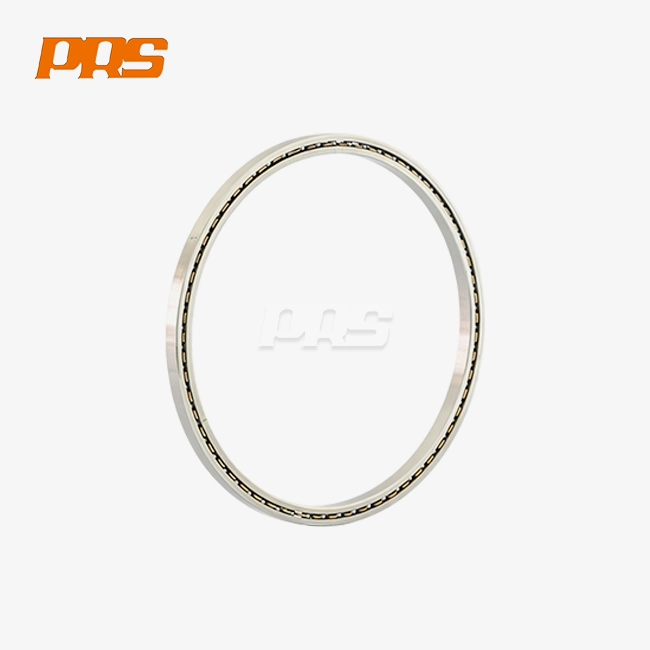
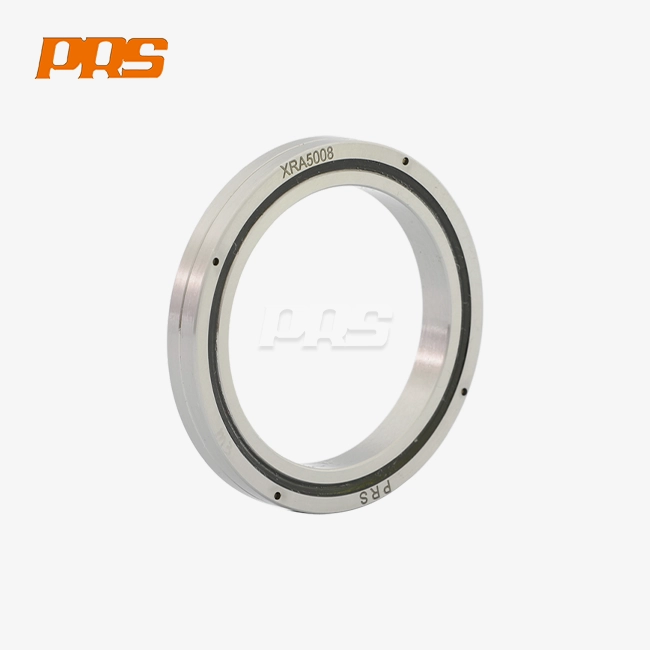
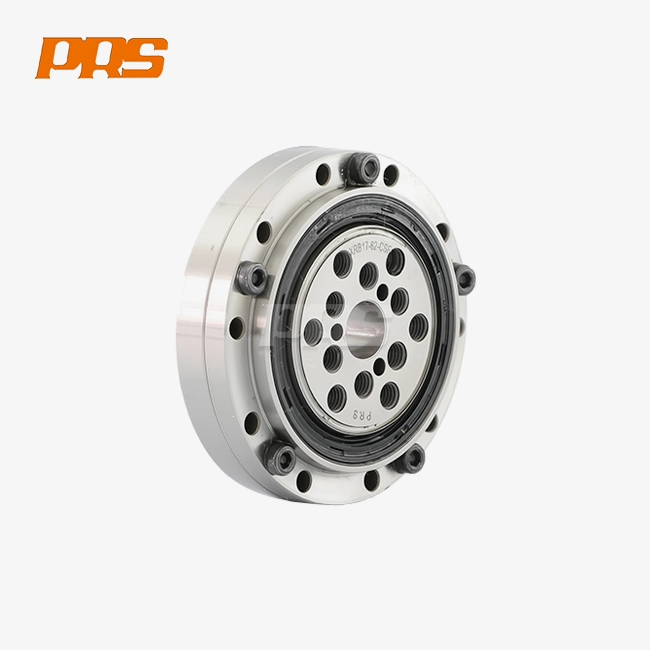
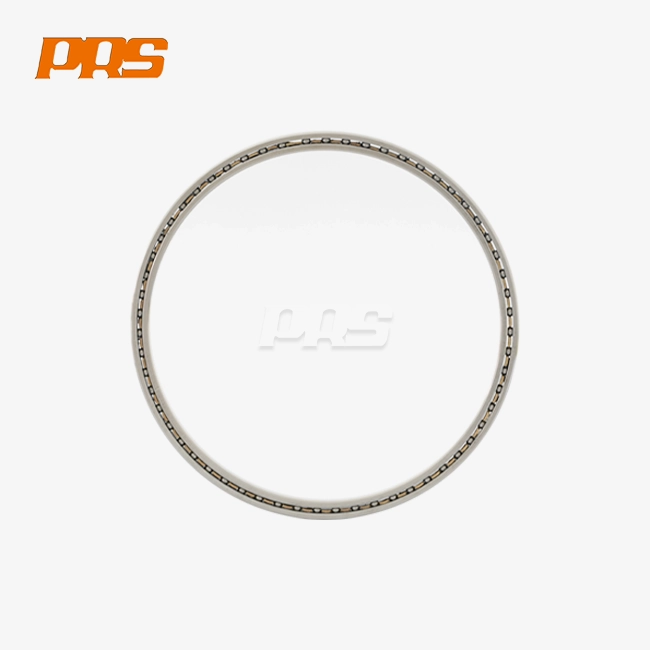
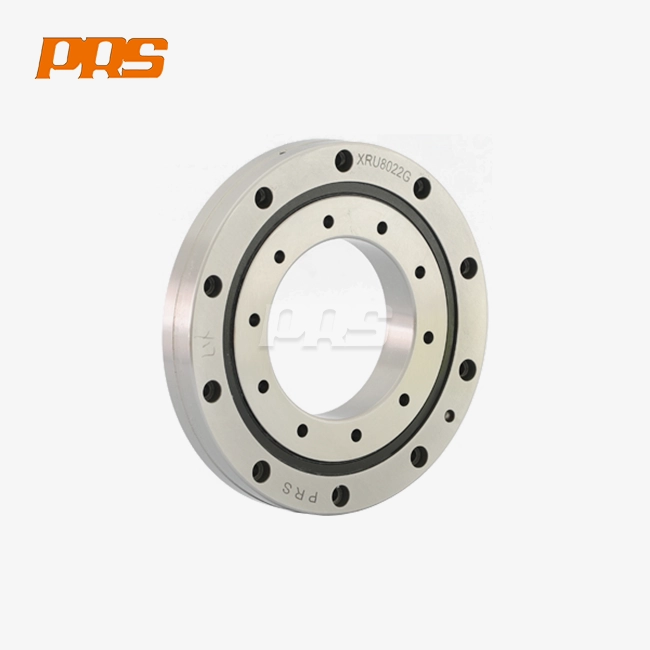
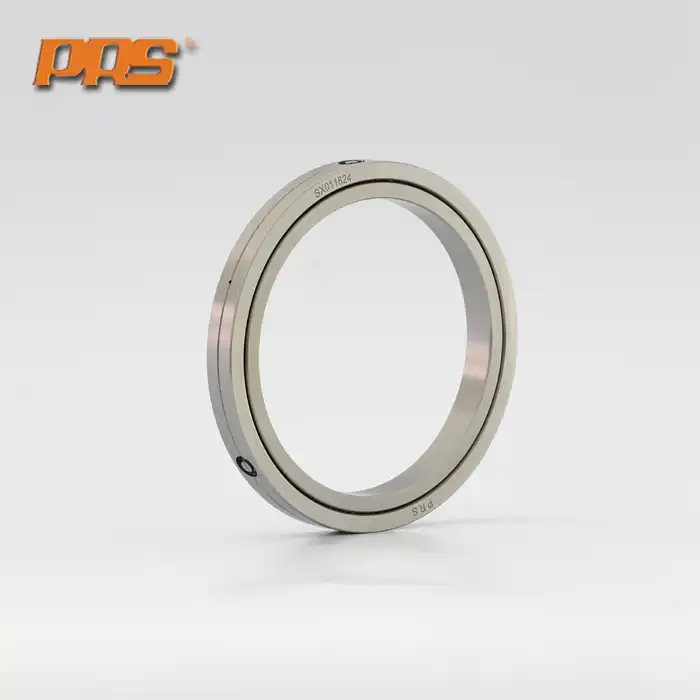
The SX series cross roller bearing is a unique ultra-thin precision bearing with an inner ring that is continuous and an outer ring that is split. The cylindrical rollers are set up orthogonally, changing at 90-degree intervals within precise V-groove raceways. This lets the system handle radial, axial, and moment loads all at the same time in a very small space. This unique design gets rid of the need for standard paired bearing configurations. This makes it essential for uses that need very accurate rotation but don't have a lot of room for installation. These bearings are made from GCr15 or GCr15SiMn materials and come in precision grades from P6 to P2. They are 3–4 times more rigid than angular contact ball bearings and work smoothly and with low friction, making them perfect for robotics, medical imaging, semiconductor manufacturing, and precise motion control systems.
Understanding the Technical Architecture of SX Type Crossed Roller Bearings
The engineering behind SX series cross roller bearings comes from their unique structure design, which gets around some of the most important problems with traditional rolling element designs. By understanding this design, buying teams can make better choices about which parts to use in demanding industrial applications.
How the Split Outer Ring System Works?
The outer ring is split into two perfectly matched halves that are held together by three fastening rings that keep the structure strong while it's working. This split design makes fitting easier in tight areas where taking apart the surrounding parts would be too expensive or impractical. During production, engineers carefully change these rings to set the right preload, which gets rid of any interior clearance and keeps the rolling elements from being under too much stress. The built-in inner ring spins as a single unit, which ensures concentricity and gets rid of aligning problems that come up with designs with multiple parts. This mixture lets engineers make robotic joints, sorting tables, and medical scanners with positioning accuracy down to the micron level, where even a small amount of runout would hurt performance.
The Crossed Roller Configuration Advantage
When rollers are set up at right angles to the track surfaces, they make line contact instead of point contact. This geometric design spreads loads over a much bigger contact area, which greatly increases the load capacity while lowering the contact stress. The crossed arrangement can handle complex load directions in a single bearing unit when radial forces, bidirectional thrust loads, and rolling moments all act at the same time. In traditional designs, multiple bearings have to be stacked next to each other or back-to-back to achieve the same level of performance. This takes up valuable installation room and makes the mechanism more complicated. High-precision spacer spacers keep neighboring rollers from touching each other, which would cause friction, heat, and early wear. This holding method keeps the distance between the rollers the same while they're turning, so the motion is smooth even when the load changes.
Material Selection and Heat Treatment Standards
These bearings are made by PRS out of GCr15 and GCr15SiMn bearing steels, which are specially made to stay the same size and prevent wear and tear. After being carefully machined, raceways are hardened until the surface is 58–64 HRC. This makes moving surfaces that are resistant to wear and can withstand millions of operating cycles. The core material is still tough enough to handle the shock loads and vibrations that happen in automatic industrial settings. Internal parts are kept clean by double-sided seals that also keep the oil in. This means that the bearing needs less upkeep over its lifetime. The temperature range of -20°C to +120°C is wide enough to work in most workplace settings without affecting performance.
The technical specs show that PRS is dedicated to making precise products. These bearings come with inner diameters ranging from 70mm to 500mm and outer sizes ranging from 90mm to 620mm, so they can be used in a wide range of situations. With precision grades from P6 to P5, P4, and P2, engineers can match the accuracy of a bearing to the performance needs of a particular job, matching cost with the accuracy needed for rotation. These parts can be used in a lot of different industries because they have a wide range of specifications.
Application Occasions of SX Type Crossed Roller Bearings
As equipment makers try to make their products smaller, lighter, and less complicated while still improving performance, SX series cross roller bearings are becoming more and more popular in industry. Real-world applications show their worth in many fields where accuracy has a direct effect on the quality of products and the speed of operations.
Robotics and Motion Control Systems
To do jobs like welding, putting things together, and moving things around accurately, industrial robots need to be able to move in exact, repeatable ways. The SX setup works with robotic waist joints and articulated arm links because the bearing's structure makes it easy for the inner ring to rotate. During fast rounds of speeding up and slowing down, the high rigidity stops deflection that would cause positioning mistakes. Recently, a major automaker added these bearings to their six-axis welding robots. This made the placement repeatable to within ±0.02mm and cut the weight of each joint assembly by 18%. Because the robot's profile was small, makers were able to make it reach further without weakening the structure or needing bigger motors. Maintenance times were much longer than with the old bearing arrangement, which cut down on production line downtime and the cost of keeping new parts on hand.
CNC Machine Tools and Precision Manufacturing Equipment
When working on more than one side, machining centers use rotating tables and indexing methods to keep workpieces in the right place. These bearings can handle the cutting forces, the weight of the object, and the moment loads that are created when forceful material removal is done, all while keeping the positioning accuracy within micrometers. A company that makes grinding machines for the aerospace industry used this bearing design for their precision rotary tables. They said that the better stiffness of the tables cut down on cycle times and improved the surface finish on turbine blade parts. The single-bearing approach made their housing design easier because they didn't have to do the alignment steps that were needed for dual-bearing setups. During long machining processes, the temperature stayed stable, which stopped thermal growth that would have moved the part and made the measurements less accurate.
Medical Imaging and Diagnostic Equipment
CT scanners move their detection arrays and X-ray sources around patients at controlled speeds. To keep images clear of flaws, the motion must be smooth and vibration-free. These bearings have a low friction coefficient and very accurate runout, which makes sure that images stay clear during scanning sequences. A medical equipment OEM said that putting these bearings in their newest version of CT scanners cut noise by 12 decibels and improved picture quality by reducing vibration transmission. Because the bearings were small, the gantry could be made smaller, which made patients more comfortable and cut down on installation space in crowded hospital imaging offices. The average amount of time between maintenance events is more than 25,000 hours of constant duty, which is very important for equipment that works multiple jobs every day.
Semiconductor Manufacturing and Cleanroom Applications
Robots that move wafers and stages that place lithography equipment need to be very precise in controlled settings. The protected design of these bearings stops particles from forming that could mess up the processes used to make semiconductors. A company that makes wafer inspection systems put these bearings in their rotating stages, which made it possible to get positioning accuracy of ±0.5 micrometers across a 300mm wafer width. The thermal stability kept the accuracy of the calibration even when the working temperature changed, which cut down on the number of times it had to be done and increased output. Testing in a clean room showed that particle emissions were below ISO Class 3 levels, meeting strict requirements for contamination control.
Characteristics and Benefits of SX Type Crossed Roller Bearings
Performance benefits of SX series cross roller bearings come straight from the engineering principles that went into the design. These technical features are turned into practical benefits that affect how well the equipment works and how much it costs over its lifetime.
Exceptional Load Capacity in Compact Dimensions
When compared to other types of bearings of the same size, the crossed roller design is incredibly strong. Because they are more stiff—usually three to four times more rigid than angular contact ball bearings—they don't bend as much when they're loaded, so they stay in place even when outside forces change. This property is used by equipment makers to reduce the size of supporting structures, which lowers the weight of the machine and the cost of materials without affecting its performance. During dynamic operations, the high stiffness stops chatter and vibrations that could damage the surface finish in cutting or make it hard to tell where something is in measurement systems. Moment load capacity is especially useful in cantilever situations where loads that hang over the edge cause strong forces that push the structure off balance. One bearing can handle load lines that would need complicated preload setups and careful alignment steps with two or more bearings.
Superior Rotational Accuracy and Smoothness
Precision in manufacturing decides how well a bearing works in situations where accuracy in placement has a direct effect on the quality of the product. The 99.9% plant pass rate at PRS shows that quality control is very strict throughout the whole production process, from checking the raw materials to doing the final tests. Before it is shipped, each bearing is checked for conformity to specifications, surface finish, load capacity, and rolling force. This thorough testing method makes sure that runout numbers stay within certain limits for all levels of accuracy. The low friction coefficient makes spinning smooth with little change in force. This lets servo systems precisely control speed without hunting or oscillation. This smoothness has a direct effect on the accuracy and resolution of measurements in optical tools and metrology systems. When a company that makes coordinate measuring machines switched their rotary table units to these bearings, the setting standard deviation went down by 34%.
Extended Service Life and Reduced Maintenance Requirements
When you choose the right materials and treat them with heat, you can make bearing parts that don't wear out or stress over long periods of use. The spacer retention system keeps rollers from touching each other, which protects oil films and reduces friction, which makes heat and speeds up wear. Double-sided seals keep out dirt and keep the grease in, so they don't need to be re-oiled as often as open bearing types. Temperature steadiness from -20°C to +120°C lets it work in a variety of environments without changing performance or needing to be adjusted. Equipment makers say that repair intervals have been extended by an average of 40–60% compared to previous bearing solutions. This means that extra parts inventory and unplanned downtime have gone down. Total cost of ownership figures always favor these bearings, even though they may cost more at first, because they are more reliable and require less upkeep over their lifetime, which saves a lot of money.
When put together, these traits give measured value to B2B customers in target businesses. PRS's engineering team has more than 20 years of experience with a wide range of applications. They help customers choose the right bearings, make special changes, and find the best way to integrate them so that they work best for their individual needs.
How to Choose and Procure SX Type Crossed Roller Bearings?
For successful SX series cross roller bearing selection, you need to match the technical requirements to the needs of the application while also taking into account factors that affect the efficiency of the supply chain and the help that will be needed in the long term.
Defining Application-Specific Requirements
Load study is the first step in choosing the right bearings. Figure out the radial loads, axial loads (in both directions), and moment loads that the bearing needs to hold up while it's working. This includes dynamic forces that happen when the machine speeds up and slows down. Use the right safety factors based on job cycle, shock loading, and needed service life to compare these estimated loads to published bearing ratings. The available bearing sizes are limited by their dimensions. To find out what sizes are available, measure the circular installation space, the axial width allowance, and the shaft/housing diameters that touch the mounting sides of the bearings. The choice of precision grade is based on the level of accuracy needed. For example, P5 is good for general industrial automation, P4 is good for precision machine tools, and P2 is good for very precise uses like measurement equipment. Operating factors, such as temperature range, contamination exposure, and spinning speed, affect the choice of seal and the amount of grease that should be used.
Evaluating Performance Against Alternative Solutions
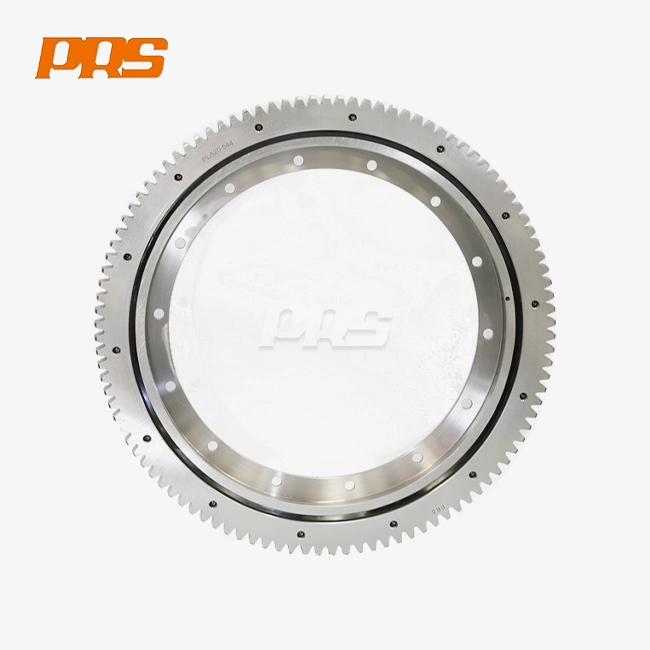
These very thin crossed roller bearings are more accurate and rigid than standard slewing bearings, but they take up a lot less space. For very large diameter uses with low precision needs, slewing bearings may be a better value. Angular contact ball bearings can handle high speeds, but they are not as stiff or able to handle moment loads as crossed roller designs. Full-complement crossed roller bearings that don't have gap plates can hold more weight, but they can't go as fast or as smoothly. When buying teams understand these trade-offs, they can choose the best bearing design for each application's needs.
Navigating Procurement Considerations
Buying from well-known companies makes sure that the goods you get are real and meet the stated specifications and performance claims. PRS has a production facility that is 15,000 square meters and has more than 200 high-precision machines. The facility is run by 35 technical engineers who specialize in developing precision bearings and experienced techs. Getting ISO 9001, ISO 14001, or ISO 45001 standards shows that you care about quality management and the environment. Custom requirements or non-standard sizes often have minimum order numbers. On the other hand, standard store items usually ship faster. Packaging rules keep bearings safe while they're being shipped internationally. PRS looks at the routes that are taken and the surroundings to decide what kind of safety is best. Having access to technical support is helpful during installation and setup, especially for complicated or important applications where help with startup can avoid mistakes that cost a lot of money.
Installation, Maintenance, and Common Issues
Following the right steps for installation and routine maintenance will make sure that SX series cross roller bearings work well and last as long as possible. This will protect your equipment investment by preventing problems before they happen and fixing them when they do.
Installation Best Practices
The split outer ring needs to be mounted on a plate because the bearing rings don't have mounting holes built in. Make sure that the housing supports the bearing face evenly. If it doesn't, the distortion that would happen would cause the rollers to be loaded unevenly, which would lead to early wear patterns. Thoroughly clean all mounting surfaces, getting rid of any burrs, paint, or other debris that could get in the way of proper sitting. Use the manufacturer-recommended preload during fitting to get rid of any interior space and keep the stress level from getting too high. Controlling the temperature during installation stops changes in size that could affect the final gaps. Let the parts settle at room temperature before tightening them all the way. After installation, use dial markers to check for runout and make sure the fixing is correct before connecting the surrounding parts. Misalignment during installation is still the main reason why bearings fail before they should. For estimated service life, it is important to pay close attention to mounting processes.
Maintaining Optimal Performance
How often you need to lubricate depends on things like speed, temperature, and load. For most uses, lithium soap grease with high pressure additives works well. Under normal working conditions, it's best to re-grease every 6 to 12 months. In situations with high temperatures or speeds, shorter intervals or synthetic oils that are better at withstanding high temperatures may be needed. Inspections done on a regular basis find early warning signs of problems before they become too big to handle. Watch for growing roughness or noise in the rotating smoothness; this could mean that the bearings aren't getting enough oil or that contaminants are getting in. Make sure the mounting bolts are tight enough; if they become free, the bearing can move, which damages the mounting surfaces and speeds up wear. Temperature tracking finds heat production that isn't usual, which could be caused by too much preload, poor lubrication, or contamination. Vibration analysis shows problems that are starting to show up in the raceways or moving elements, so repair can be planned ahead of time and unplanned downtime can be avoided.
Troubleshooting Common Problems
A lot of the time, excessive noise during operation is caused by dirt or debris between the rollers and the raceways, not enough oil causing border contact conditions, or damage to the rollers or raceways from being overloaded or installed incorrectly. High spinning force could mean that there is too much preload, the lubricant is breaking down, or there is contamination that is making friction worse. Early wear patterns can be caused by errors during installation, not enough support for the split outer ring, or loads that are too high for the bearings to handle. Taking care of these problems right away stops further damage and increases the service life.
Conclusion
The SX series cross roller bearing has great accuracy, load capacity, and dependability in a very small package. This makes it an essential part of difficult industrial settings where performance has a direct effect on product quality and operating efficiency. With its split outer ring and entire inner ring, along with its orthogonally arranged rollers in V-groove raceways, this bearing unit can handle complex multidirectional loads that other designs can't match without making the unit bigger and more complicated. These bearings are useful in robots, machine tools, medical equipment, making semiconductors, and precise instruments because they improve accuracy, make machine designs easier, and extend the time between service intervals. The right choice of bearings based on the needs of the application, careful installation following the manufacturer's instructions, and regular maintenance plans will make sure that the bearings work at their best for as long as they are supposed to, protecting the investment in the equipment and keeping production running smoothly.
FAQ
What distinguishes SX series bearings from standard crossed roller bearing types?
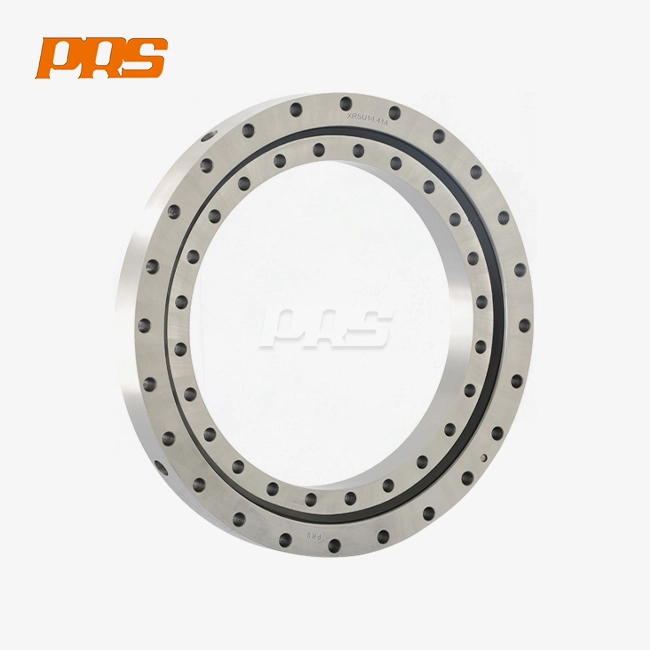
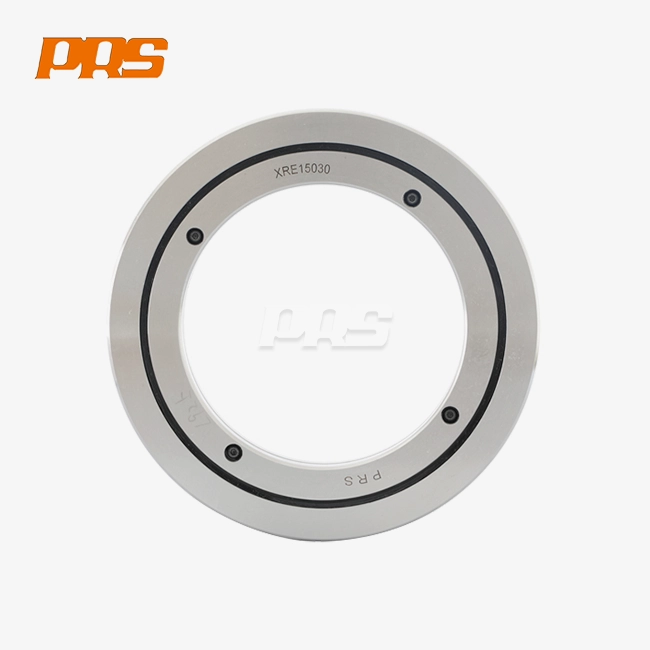
In the SX series cross roller bearing arrangement, the inner ring is integral and the outer ring assembly is split. This is best for situations where the inner ring needs to spin. RB (basic type with different outer ring design) or RE (integral outer ring, split inner ring for outer ring spinning) are different in this way. The way they are mounted is also different. SX bearings need to be mounted on a plate because the rings don't have mounting holes built in.
Can the split outer ring be disassembled for easier installation?
The split outer ring is part of a precisely matched structure that was set up during production to have the right preload. When you take this matched set apart, you destroy the carefully set clearance adjustment, which greatly lowers the performance and life of the bearings. During assembly, treat the split outer ring as a single unit and never take the parts apart.
What accuracy grade should I specify for my application?
General industrial automation and robotics applications typically perform well with P5 grade bearings. Precision machine tools and measuring equipment benefit from P4 grade accuracy. Ultra-high precision applications like optical systems and metrology equipment require P2 grade bearings. Talk to PRS technical specialists at ljh@lyprs.com to match accuracy requirements with application demands and budget constraints.
Partner With a Trusted SX Series Cross Roller Bearing Manufacturer
Luoyang PRS Precision Bearing Co., Ltd. brings over 20 years of specialized expertise in precision bearing development and manufacturing, serving industries worldwide with exquisite, reliable, and stable products. Our extensive selection of SX series cross roller bearings spans inner diameters from 70mm to 500mm, available in precision grades up to P2, manufactured in our ISO-certified 15,000 square meter facility. We understand the critical performance demands of robotics, machine tools, medical equipment, and precision instrumentation, offering technical consultation for bearing selection, custom modifications for specialized applications, and responsive support throughout procurement and implementation. Our engineering team collaborates with B2B customers to optimize bearing specifications for specific operational requirements, ensuring cost-effective solutions that enhance equipment capability while reducing lifecycle costs. Contact our technical sales team at ljh@lyprs.com to discuss your application requirements, request detailed specifications, or inquire about OEM pricing for qualified SX series cross roller bearing suppliers serving demanding industrial markets. Discover how PRS precision bearings deliver measurable performance advantages backed by rigorous quality control and comprehensive technical support.
References
Harris, T.A., and Kotzalas, M.N. (2006). "Advanced Concepts of Bearing Technology: Rolling Bearing Analysis, Fifth Edition." CRC Press, Taylor & Francis Group.
Eschmann, P., Hasbargen, L., and Weigand, K. (1985). "Ball and Roller Bearings: Theory, Design and Application, Second Edition." John Wiley & Sons Ltd.
ISO 199:2014. "Rolling bearings - Thrust bearings - Geometrical product specifications (GPS) and tolerance values." International Organization for Standardization.
Hamrock, B.J., Schmid, S.R., and Jacobson, B.O. (2004). "Fundamentals of Fluid Film Lubrication, Second Edition." Marcel Dekker, Inc.
Weck, M., and Brecher, C. (2006). "Machine Tools Production Systems 2: Design and Calculation - Components and Structural Design." Springer-Verlag Berlin Heidelberg.
Bhushan, B. (2013). "Principles and Applications of Tribology, Second Edition." John Wiley & Sons, Inc.

USER EVALUATE
Here is the customer's evaluation of us