
RA Cross Roller Bearing Advantages And Choices
When you're choosing motion components for precision equipment, one of the biggest technical challenges is making sure that the maximum load capacity and positioning accuracy can be achieved in the smallest amount of space. This problem is solved by the RA cross roller bearing, which has an extremely thin shape and rollers that are arranged in an orthogonal way. This special bearing design combines the handling of radial, axial, and moment loads into a single small unit, instead of the need for multiple bearing units. The design with a combined inner ring and a separate outer ring makes fitting easier while keeping positioning accuracy at the micron level. Knowing the benefits and factors for choosing these bearings has a direct effect on how well equipment works, how much it costs to run, and how competitive it is in markets for precision manufacturing.
Understanding RA Cross Roller Bearings: Design, Features, and Benefits
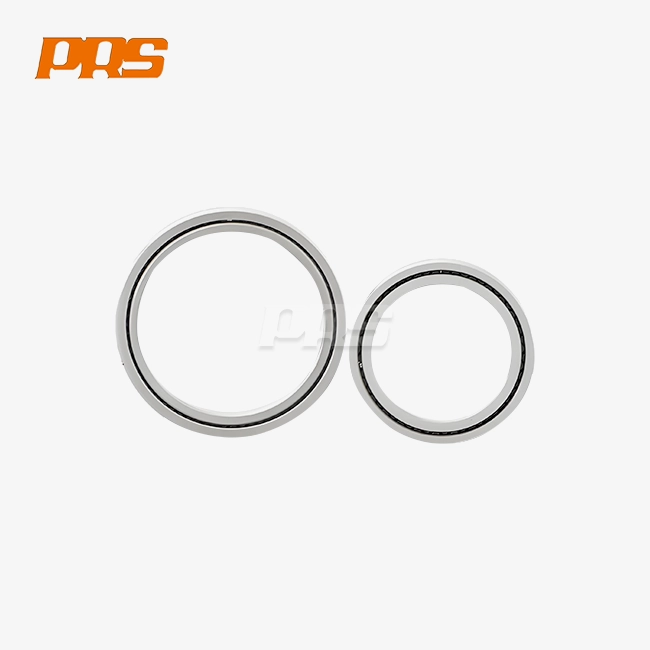
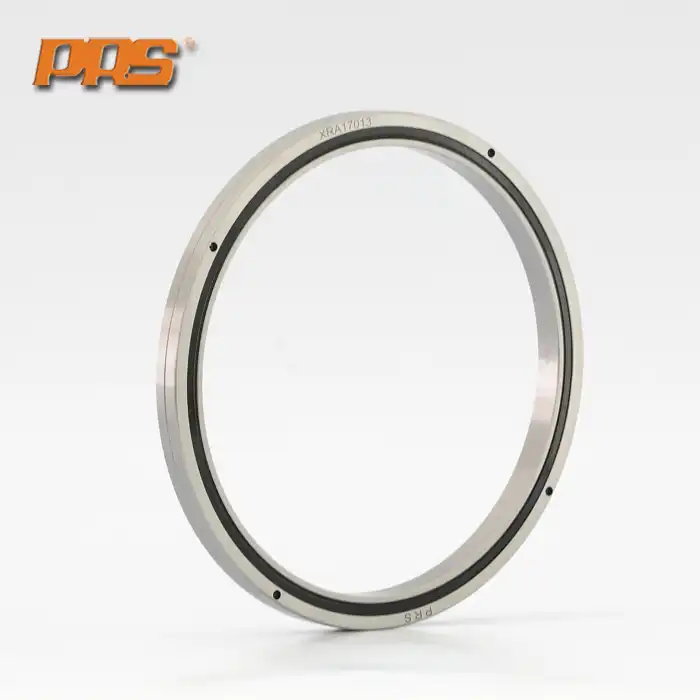
Learn about the design, features, and benefits of RA cross roller bearings. These very thin bearings are made up of cylinder-shaped rollers that are placed at right angles to each other inside precise V-groove raceways. This crossed shape makes a bearing that can handle pressure coming from different directions at the same time. The circular rollers make line contact with the track surfaces instead of point contact like ball bearings do. This spreads the load over a much larger area.
Construction and Working Principle
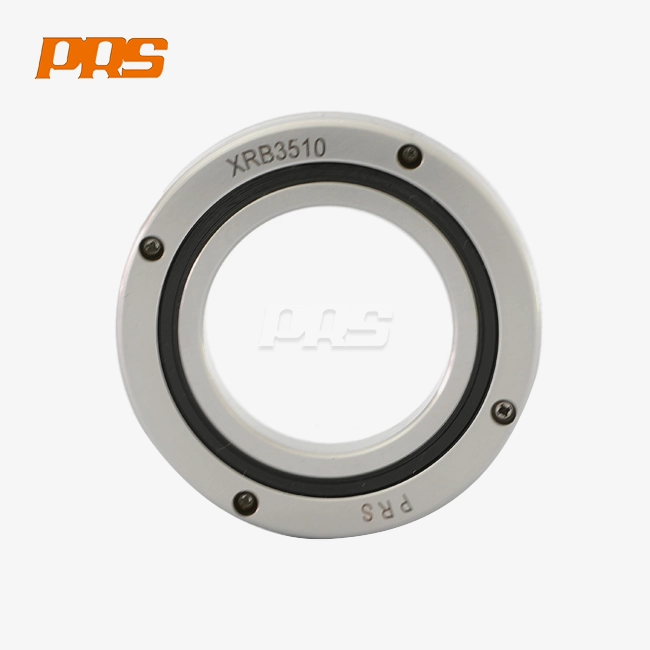
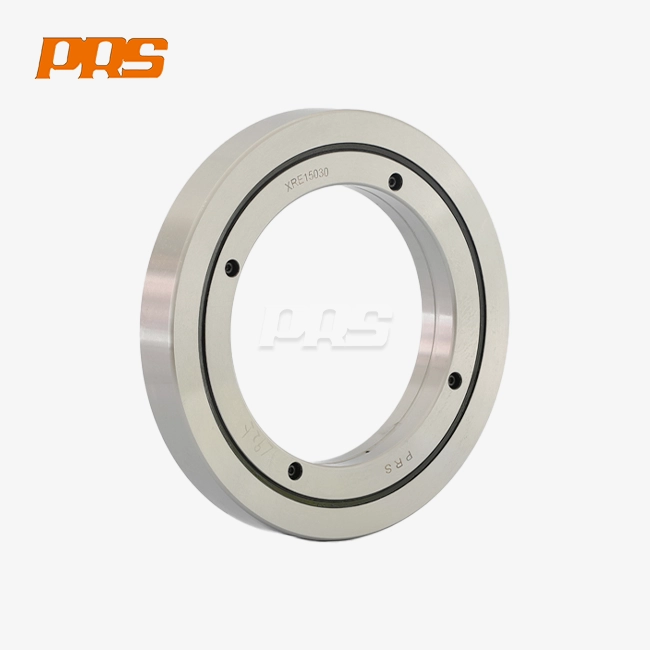
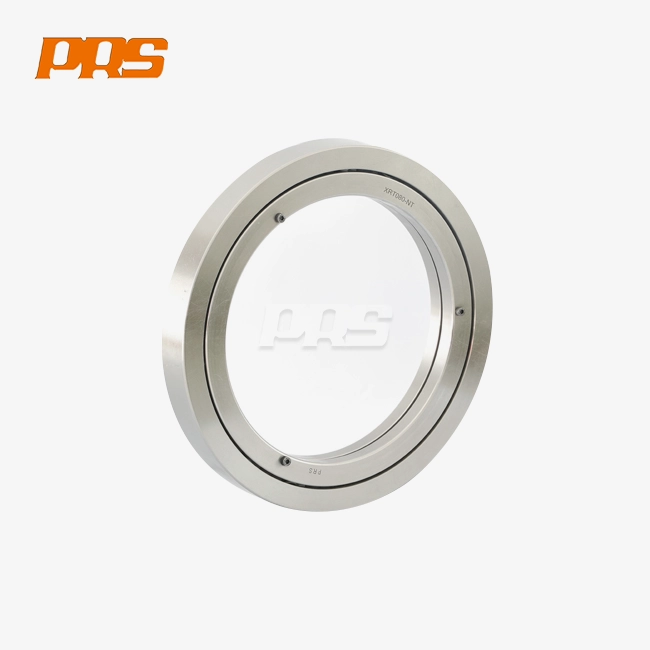
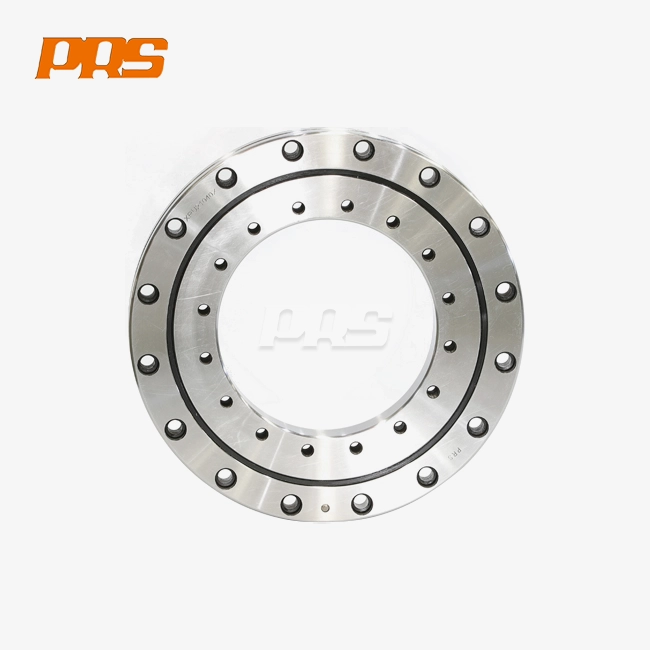
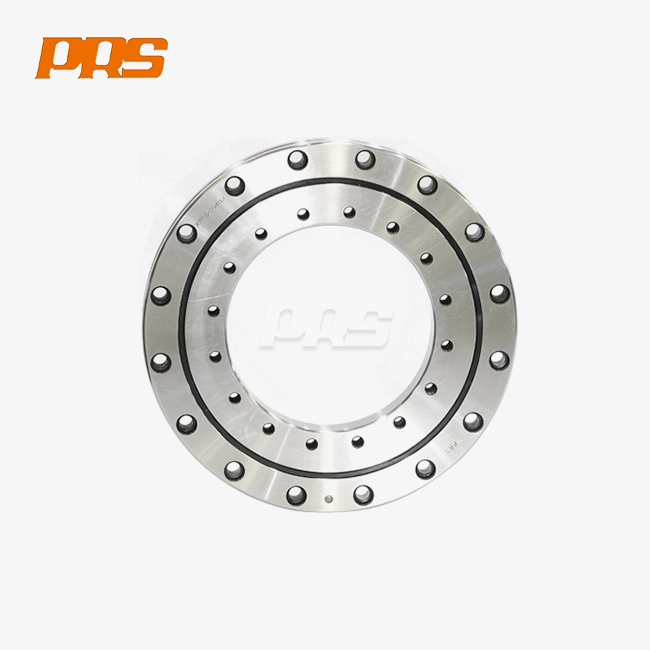
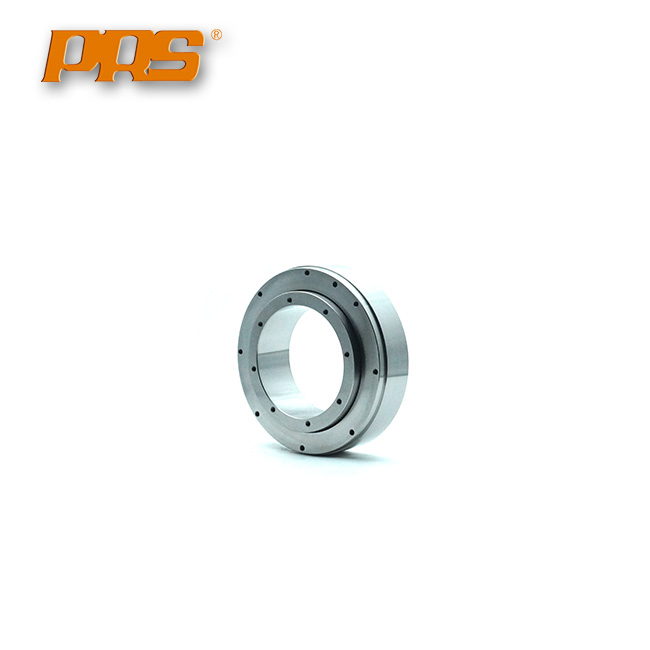
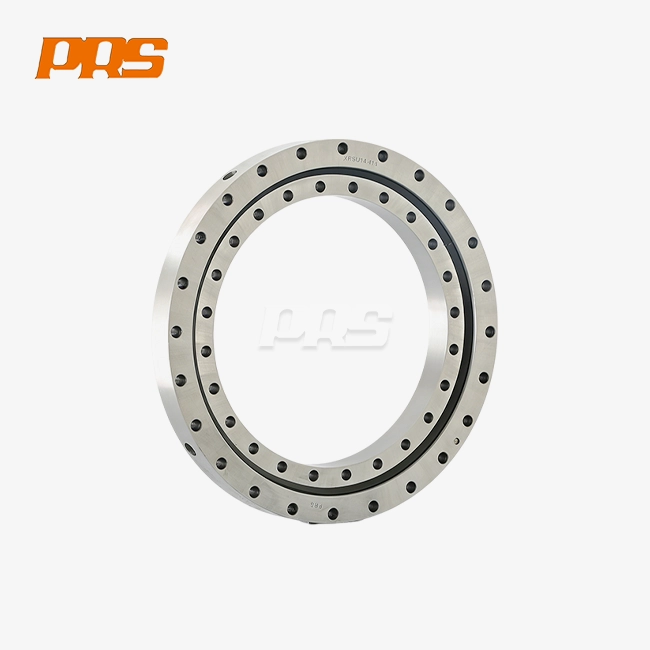
The RA cross roller bearing has a solid inner ring that is built in and an outer ring that can be taken apart into two parts. Precision gaps keep the rollers in the exact same place and keep the metals from touching when they are next to each other. This set-up lets each roller carry load ideally no matter which way the force is coming from. The V-groove raceway shape, which is machined to very tight standards, gives the contact angles needed to support the total load. When horizontal forces are acting on it, the main load is on one set of wheels. The perpendicular roller set joins when rotational forces act on it. Moment loads are spread out over the whole set of rollers, which uses the useful span of the bearing to fight tilting forces very rigidly.
Technical Specifications That Matter
These fine parts are made by PRS. Their inner diameters range from 20mm to 350mm, their outer sizes from 70mm to 540mm, and their widths from 12mm to 45mm. GCr15 and GCr15SiMn bearing steels are used in the RA cross roller bearings because they are stable in size, keep their strength, and don't wear down easily. Precision classes range from P6 for general commercial use to P3 for ultra-precision tasks that need accuracy down to the micron level. With the separate outer ring design, assembly is easy, even in small areas, and the integrated inner ring removes any mistakes that could happen during assembly that could affect accuracy.
Performance Advantages Over Traditional Bearings
When compared to ball bearings of the same size, the RA cross roller bearing design provides significantly better rigidity. This means less movement under load, which keeps the accuracy of placement during operation. Procurement experts always say that a single RA cross roller bearing can do the job that used to need two angular contact ball bearings or a lot of different bearing arrangements. The very thin cross-section—often 60–70% thinner than standard setups—allows for big equipment reductions without lowering the load capacity. Running accuracy always meets P4 and P3 precision standards, which is important for tasks where positioning mistakes build up along multiple motion directions. Compared to point contact designs, line contact between rollers and raceways lowers friction coefficients. This means that less heat is generated and lubrication intervals are longer.
RA Cross Roller Bearings vs Alternative Bearings: Making an Informed Choice
To choose the best RA cross roller bearing technology, you need to know how different types work in the situations you'll be using them in. The choice has an effect on not only the initial cost of the equipment but also its long-term efficiency and upkeep needs.
Comparison With Ball Bearings
Standard deep groove ball bearings work great for high-speed tasks but can only handle a small amount of moment load. If you need to use tilting forces or mixed loads in your application, ball bearings need extra support or complicated preloaded setups. The RA cross roller bearing design naturally handles these loads that come from different directions. A CNC rotating table that comes with ball bearings might need four bearings that fit together perfectly. However, a RA cross roller bearing can do the same job and be more stiff. There is a trade-off when it comes to speed limits. Because of higher friction from line contact, RA cross roller bearings have lower speed limits.
Versus Slewing Bearings and Thrust Ball Bearings
Slewing bearings are used in large-diameter uses like wind turbine yaw drives and crane towers, where the RA cross roller bearing would not be strong enough. When room is limited and the width stays below 350 mm, on the other hand, the RA cross roller bearing offers better rigidity per unit of installation height. Thrust ball bearings can handle heavy loads in one direction, but not so much in the other. They also don't offer much in the way of moment resistance. It is clear that RA cross roller bearing technology is helpful for equipment that needs to handle loads and be small.
Crossed Roller Ring Alternatives
The usual heavy-duty form is the RB series crossed roller bearing, which has integrated outer rings and separateable inner rings, which is the opposite of the RA cross roller bearing design. Because their ring parts are bigger, RB bearings can handle more weight and larger moments. This makes them better for heavy-duty indexing tables and larger machine tools. The RA cross roller bearing stands out because it is lighter and has a smaller shape. It was designed for situations where every millimeter of height reduction is important. Robot joint designs are great examples of RA cross roller bearing uses because their small size directly allows for more degrees of freedom or a longer reach.
These comparative views help with choices about specifications. When purchasing managers weigh the need for performance against the cost, they discover that the higher initial investment in precision RA cross roller bearings pays off through easier designs, fewer parts, and better operational precision that lowers the amount of scrap in manufacturing processes.
How to Choose the Right RA Cross Roller Bearing for Your Needs?
To choose the right bearing, you have to turn the needs of the product into technical factors that makers can accurately deliver.
Load Analysis and Size Selection
Figure out the real radial, axial, and moment loads that your program creates when it's running. To choose the right RA cross roller bearing, you have to turn the needs of the product into technical factors that makers can accurately deliver. Not only steady holding loads, but also dynamic forces from speeding up and slowing down. Load rating data from manufacturers show basic dynamic load ratings (C) and steady load ratings (C0). With the right safety factors, your estimated equivalent dynamic load should stay below the bearing's stated capacity. For industrial uses, these factors are usually 1.5 to 2.0, but they should be higher for medical or aerospace equipment. The chosen bearing size is based on these load needs and the amount of room that is available for installation. When there are a lot of different forces or temperature effects in an application, PRS expert support can help with load estimates.
Precision Class Determination
The minimum precise class is based on how accurate your equipment is. P6 and P0 (normal precision) work well for general industry robotics where tens of microns are used as a placement limit. P5 makes rotating tables and precision positioning systems for machine tools more accurate. The P4 and P3 classes offer micron and sub-micron accuracy that is needed for semiconductor equipment, measurement tools, and medical imaging equipment. Higher accuracy classes cost more, but they save money in the long run by avoiding expensive repairs or meeting strict product standards.
Environmental and Operational Considerations
Operating temperature ranges affect what kind of material to use for RA cross roller bearings and how much oil they need. In cleanrooms, special lubricants are needed that don't give off gases or make particles. When there is a vacuum, RA cross roller bearings need to have special cage materials and dry film lubricant. If they will be exposed to harmful chemicals or be cleaned, they might need to be protected or made of stainless steel. When you ask for quotes, make sure that these environmental factors are written down so that providers can make sure they meet your needs.
Supplier Selection and Sourcing Strategy
Working with well-known makers makes sure that the quality of the RA cross roller bearings meets the stated standards. PRS runs sites that are approved by ISO 9001, ISO 14001, and ISO 45001, and they have strict quality control measures in place that keep pass rates above 99.9%. Technical help from bearing experts can help you choose the best RA cross roller bearings for your needs, which could save you money by using standard sizes or make your application run better by making precise class changes. Suppliers that have been around for a while keep a lot of stock on hand, which helps meet the deadlines for fast development with stock bearings and allows for customization for larger orders. Make sure that providers give you all the technical information you need, such as dimensional drawings, load rate data, and advice on how to place the items.
Applications and Maintenance of RA Cross Roller Bearings
These precise parts are used in many businesses where small size and accurate positioning have a direct effect on how well a product works.
Robotics and Industrial Automation
The very small joint bearings in collaborative robot arms help them carry heavy loads while still being light. The RA cross roller bearing series can handle a wide range of load combinations because its robot arms can move in different directions while moving workpieces. Automation system designers ask for these bearings to be used in precision indexers, rotary motors, and multi-axis positioning stages. The properties that reduce friction make RA cross roller bearing servo systems respond faster and use less power on big automatic production lines.
Machine Tools and Precision Manufacturing
In CNC machine centers, these bearings are used in rotating tables and indexing heads, where the accuracy of placing has a direct effect on the tolerances of the material. When RA cross roller bearings are used in grinding tools, they help to reduce vibrations, which results in a better surface finish. Electrical discharge machining (EDM) machines use them in systems that place workpieces so that tool electrodes don't get out of line by microns.
Medical and Semiconductor Equipment
Precision RA cross roller bearings make it possible for CT scanner gantries to spin diagnostic imaging parts without any shaking or roughness. Surgical robots need to be reliable and able to repeat their positions, which has a direct effect on how well patients do. Wafer handlers, photolithography steppers, and inspection systems are examples of semiconductor production equipment that works in controlled settings where bearing-generated particles must stay almost nonexistent. These strict needs are met by the sealed setups and lubrication choices that work in cleanrooms.
Maintenance Best Practices
To get the most out of a RA cross roller bearing's service life, it's important to place it correctly and follow the manufacturer's torque recommendations for mounting nuts. The separate outer ring design makes installation easier, but the bolts need to be tightened evenly and carefully to keep the ring from warping. When to lubricate depends on how the machine is being used, but lithium-based greases usually last between 6 and 12 months in normal commercial settings. When used in a cleanroom, fluorinated lubricants may need different upkeep plans. During regular checks, any strange noises, temperature increases, or increased torque should be picked up as signs of possible pollution or poor lubricant. Contamination is the main cause of failure; keeping bearings covered and stopping gritty particles from getting in greatly increases operating life.
When procurement managers know about these application scenarios and maintenance needs, they can choose the right RA cross roller bearing setups and set up maintenance processes that reduce the total cost of ownership.
Purchasing RA Cross Roller Bearings: Logistics, Custom Orders, and Support
Effective procurement includes more than just technical specifications. It also includes a reliable supply chain and quick expert assistance.
Working With Manufacturers and Distributors
Luoyang PRS Precision Bearing Co., Ltd. has a factory that is 15,000 square meters and has more than 200 precise tools that are used to make RA cross roller bearing. The 35-person technical engineering team helps with both the supply of standard products and the creation of special RA cross roller bearings. Standard catalog bearings can be shipped within 24 hours of being in stock, which helps with fast development and fixing broken equipment. Depending on how complicated they are, custom specs like changed sizes, special materials, or specific accuracy needs usually take two to four weeks.
Custom Engineering Capabilities
Original Equipment Manufacturers (OEMs) often need RA cross roller bearing changes to work with certain fitting restrictions or performance needs. PRS engineering help includes custom design services, application research, and the best way to choose bearings. The team uses models or instructions from the customer to make sure that the bearings they make meet all of their exact needs. Before committing to production numbers, prototype sizes help validate the design. This way of working together cuts down on development risk and speeds up the time it takes to get new equipment ideas on the market.
Quality Assurance and Compliance
International quality standards-compliant manufacturing methods make sure that RA cross roller bearings always work the same way. The fact that a quality system is ISO certified is proof that it works. Products meet CE and RoHS standards so they can be sold all over the world. Before they are shipped, thorough testing processes check the accuracy of the dimensions, the finish on the surface, and the performance of the combined bearings. Orders come with quality paperwork that helps with customer receiving inspections and production tracking needs.
Logistics and Support Services
Professional packing keeps precision RA cross roller bearings safe while they're being shipped internationally, and solutions can be made just for orders that are sensitive or valuable. Technical support is still available after the product has been delivered to help with questions about installation, upkeep, or fixing problems with how it works. This approach to long-term relationships takes into account that bearing performance impacts the quality and speed of the customer's production, which makes quick support a competitive differentiator.
Conclusion
As a specialized technical answer, the RA cross roller bearing solves the basic problem of getting the best performance within limited installation spaces. The orthogonal roller layout, ultra-thin profile, and built-in multi-directional load capacity combine into a single precision element what used to require several separate parts. To make the right choice, you have to carefully look at the load conditions, accuracy needs, and environmental factors, while also keeping costs and shipping times in mind. By using it correctly in robots, machine tools, medical equipment, and precise instruments, positioning accuracy, equipment compactness, and operating reliability can all be improved in a measured way. Working with skilled manufacturers who offer expert help, the ability to make changes, and quality control is essential for a smooth implementation and long-term equipment performance.
FAQ
What distinguishes RA bearings from RB series crossed roller bearings?
What makes RB series crossed roller bearings different from RA cross roller bearing series bearings? The RA cross roller bearing series has an inner ring that is built in and an outer ring that can be taken off. This design is best for small setups where ultra-thin shapes are needed to keep equipment size and weight down. The RB series flips this arrangement on its head by having an outer ring that is merged and an inner ring that can be separated. This makes the ring parts thicker so they can handle bigger loads and moments. RA cross roller bearing designs are better for applications that need to be as small as possible, while RB designs are better for heavy-duty tools.
Can these bearings operate in high-speed applications?
When used in high-speed situations, can these RA cross roller bearings work? Line contact between rollers and raceways causes more friction than ball bearings, which slows down movement. RA cross roller bearings work best in situations where setting accuracy and load capacity are more important than speed. Going over the speed limits creates too much heat and breaks down the grease. Check the datasheets from the maker to find out the exact stopping speeds for each bearing size and lubrication method.
What lubrication approach works best?
What is the best way to lubricate a RA cross roller bearing? Lithium-based greases, like Alvania EP2, work well in most industrial settings because they protect well and don't need to be re-oiled too often. Fluorinated greases that reduce particle production and outgassing are needed in cleanrooms. Extreme temperatures in the workplace may require synthetic oils that can work in a wider range of temperatures. The sealed double-sided design of PRS bearings keeps the oil in while keeping out contaminants, which means that they don't need to be serviced as often.
How do I determine the required precision class?
How do I figure out what RA cross roller bearing accuracy class I need? Make sure that the precision class matches the accurate requirements of your tools. Positioning equipment within ±50 microns works well with P6 or P0 accuracy. P5 accuracy is needed for tolerances of ±10-20 microns. Semiconductor equipment, measurement systems, and medical imaging all need micron or sub-micron positioning accuracy, which is why P4 or P3 precision is worth the extra cost. Overly precise specifications raise the cost of bearings without improving their performance.
Partner With a Trusted RA Cross Roller Bearing Manufacturer
Work with a reputable company that makes RA cross roller bearings. Luoyang PRS Precision Bearing Co., Ltd. has been making specialized bearings for 20 years and offers quick expert help that can be tailored to your needs. Our wide selection of RA cross roller bearings gives your equipment designs the strength, accuracy, and small size they need. When standard setups don't fully meet installation limits or performance goals, the engineering team works together to come up with custom solutions. Internationally recognized quality systems make sure that products always work the same way, and fast shipping meets both urgent needs and planned buying plans. Email our technical experts at ljh@lyprs.com to talk about your needs and get specific information that fits your tools. PRS has the knowledge and industrial skills that equipment makers all over the world depend on, whether they're looking for precision bearings for a prototype or setting up supply relationships for large-scale production.
References
Harris, T.A. and Kotzalas, M.N. (2006). Advanced Concepts of Bearing Technology: Rolling Bearing Analysis, Fifth Edition. CRC Press, Boca Raton.
Machinery's Handbook (2020). Ball and Roller Bearings, 31st Edition. Industrial Press, New York.
Weck, M. and Brecher, C. (2006). Machine Tools Production Systems Volume 2: Design and Calculation, Chapter 4: Rotary Tables and Indexing Mechanisms. Springer-Verlag, Berlin.
International Organization for Standardization (2014). ISO 492:2014 Rolling Bearings - Radial Bearings - Geometrical Product Specifications and Tolerance Values. ISO Central Secretariat, Geneva.
Budynas, R.G. and Nisbett, J.K. (2020). Shigley's Mechanical Engineering Design, 11th Edition, Chapter 11: Rolling-Contact Bearings. McGraw-Hill Education, New York.
American Bearing Manufacturers Association (2018). ABMA Standard 12.1: Instrument Ball Bearings - Metric Design. ABMA Engineering Committee, Washington DC.

USER EVALUATE
Here is the customer's evaluation of us