
Understanding the Design and Uses of RA Cross Roller Bearings
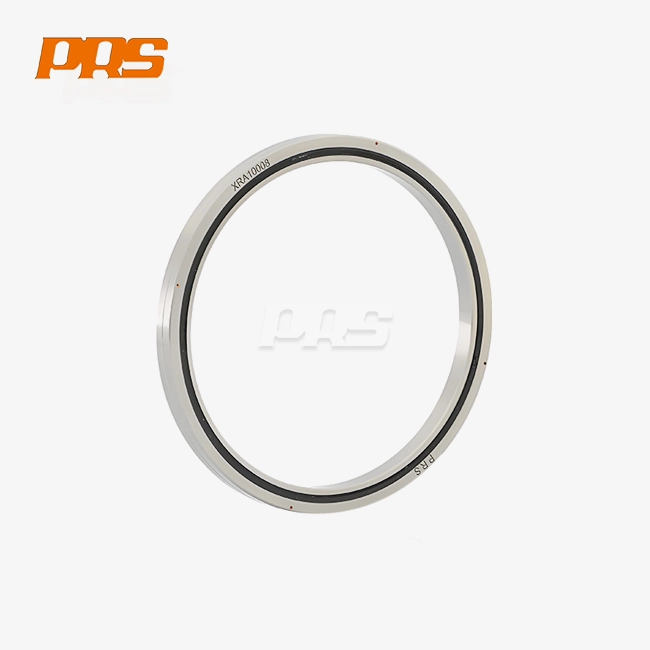
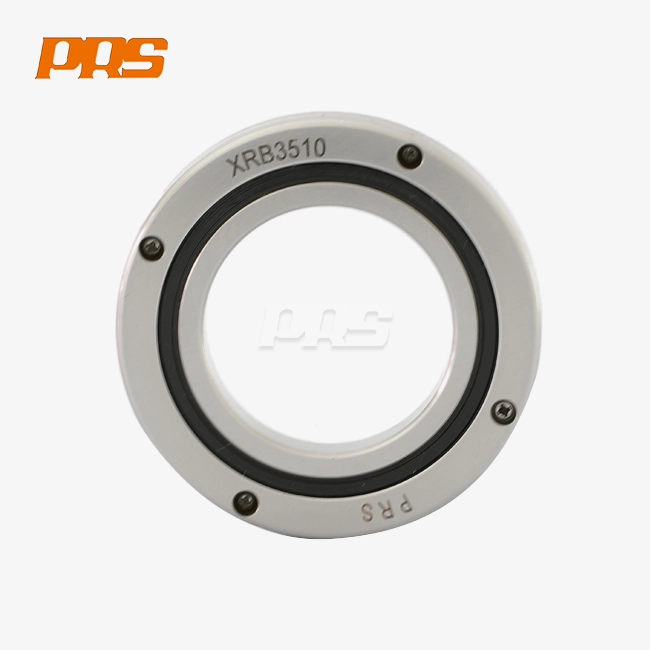
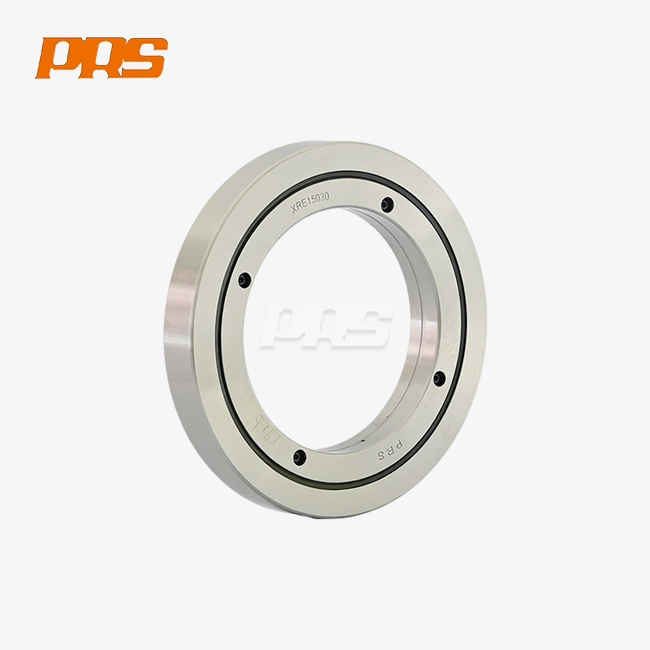
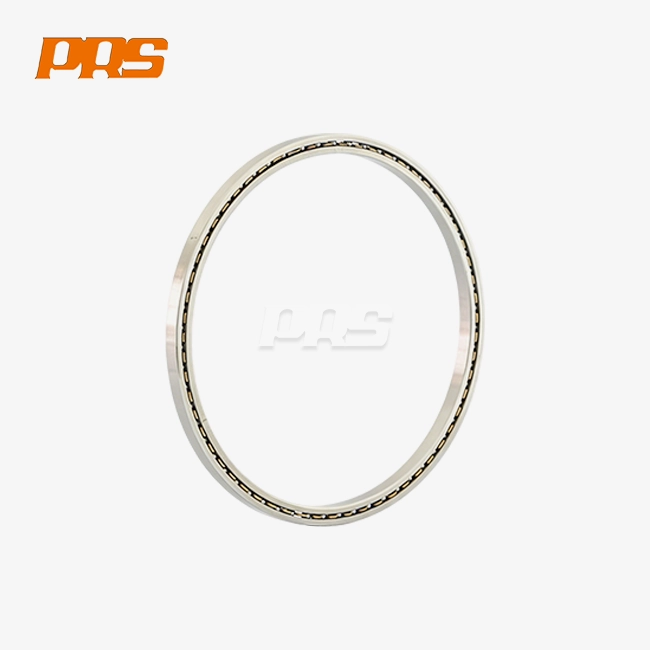
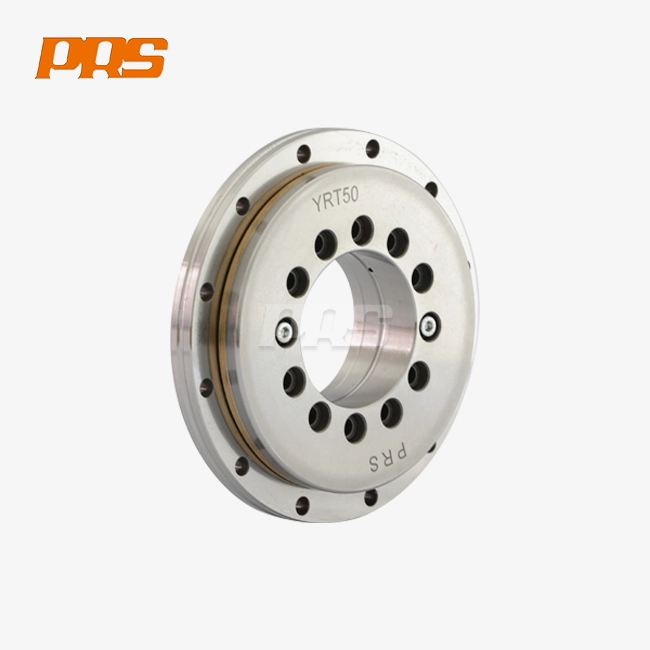
When looking for precision bearings that can work in small spaces, the RA cross roller bearing stands out as a unique, ultra-thin design that solves important engineering problems. This type of bearing has cylinder-shaped wheels set up orthogonally in 90-degree V-groove raceways. This lets it handle radial, axial, and moment loads all at the same time in a single, small unit. Unlike other bearing systems that need separate parts, this integrated solution offers superior rigidity and positioning accuracy while reducing equipment footprint and weight by a large amount. These features have made it essential in robotics, medical imaging, semiconductor manufacturing, and precision machinery.
What Are RA Cross Roller Bearings and How Do They Work?
Fundamental Structure and Operating Principle
The main part of the design is made up of cylinder-shaped wheels that are placed at right angles to each other inside V-shaped raceways that were carefully polished. This straight-lined setup spreads weight across many touch points, increasing the load capacity while keeping the size small. Accuracy spacers separate each roller so they don't touch. This keeps the loads evenly distributed throughout the bearing's life.
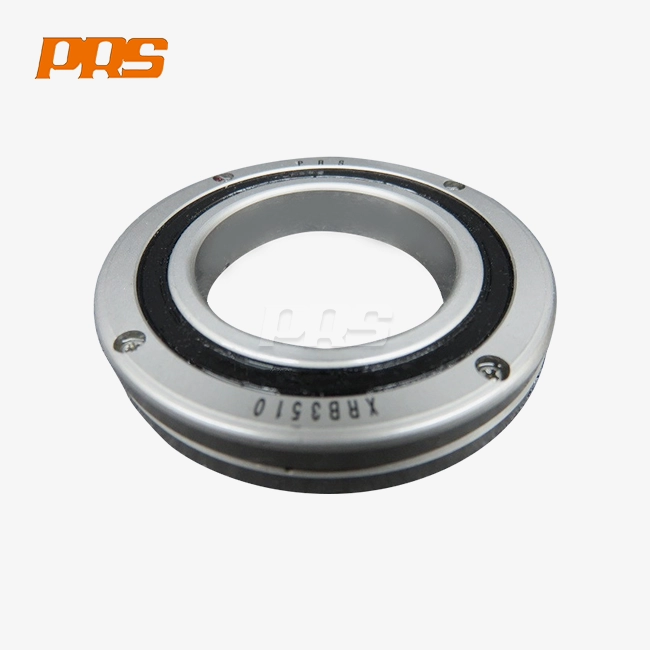
The built-in inner ring keeps the structure strong as a solid part, and the separate outer ring form makes installation and upkeep easier. It is possible to place the inner ring assembly first and then secure the outer ring parts. This makes the assembly simpler and easier to reach for maintenance.
Load Distribution Mechanics
One thing that makes this bearing different from others is that it can replace several other bearings with a single unit. The crossed wheel design is good at handling a lot of different types of loads. Radial forces act perpendicular to the shaft axis, axial loads act parallel to rotation, and moment loads cause tilting forces. The line contact design between the rollers and raceways controls all of these forces at the same time. Because it can work in more than one way, it gets rid of the need for stacked bearing setups. This directly lowers the weight and complexity of the system's mechanics.
Technical Specifications and Material Composition
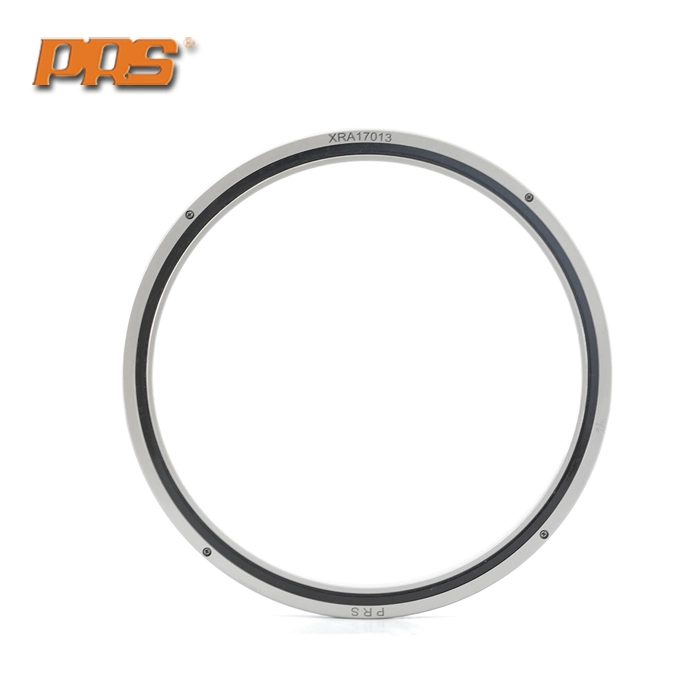
These bearings are made by PRS. Their inner sizes range from 50mm to 200mm, and their thickness shapes are 8mm to 13mm. The bigger industry standard covers lengths from 12mm to 45mm and inner diameters from 20mm to 350mm. It also covers outer sizes from 70mm to 540mm. GCr15 or GCr15SiMn bearing steel is often chosen as the material because it is hard, doesn't break down easily, and keeps its shape when heated and cooled. Precision levels go from P6 (normal industrial grade) to P5, P4, and finally P3 (ultra-precision class). Tighter tolerance bands directly lead to better spinning accuracy and lower runout values.
The two-sided seal keeps grease in and keeps interior parts safe from dirt and other contaminants. This method of closing works especially well in places where particles or a loss of grease could hurt performance, like in cleanroom semiconductor equipment, medical devices, and optical instruments.
Comparing RA Cross Roller Bearings with Other Bearing Types
Knowing how this bearing class is different from other options helps people who work in buying find the best answers for each situation. When compared to other precision bearing systems, the comparison shows clear pros and cons.
RA Series Versus RB Series Cross Roller Bearings
Even though they are both crossed rollers, the RA cross roller bearing series is the ultra-compact version with a much lower cross-sectional height. The RB line keeps its thicker ring profiles for heavy-duty fitting in places where room isn't as important. Engineers choose RA designs when keeping the size and weight of equipment as low as possible is important. This is especially true for joint robots and portable medical devices, where every gram affects the amount of weight that can be carried and how comfortable the user is.
Comparison with Angular Contact Ball Bearings
Because angular contact ball bearings use point contact geometry, they can't hold as much weight as circular rollers can because they use line contact. A single RA cross roller bearing can be used instead of two angular contact bearings placed back-to-back or face-to-face. This makes preload change easier and speeds up the installation process. The trade-off is in the speed range: angular contact bearings can usually handle faster rotational speeds, while crossed roller designs work best at slower speeds for stiffness and accuracy of placement.
Slewing Bearings and Turntable Applications
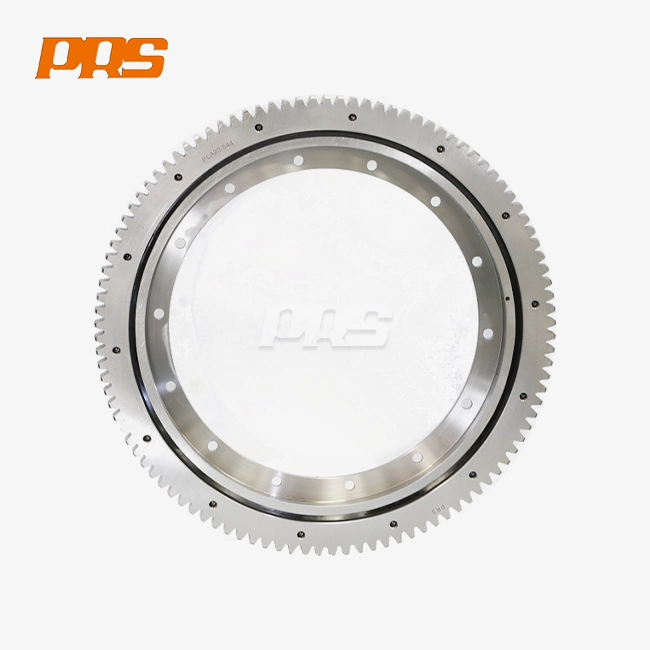
Large-diameter uses are handled by slewing bearings, which have gear teeth built in for direct drive systems. When the diameter is more than 500 mm, they work great in building tools and wind mills. RA cross roller bearings work well in smaller sizes where saving room is more important than integrating gears. This is why they are chosen for machine tool indexing tables and robotic wrist joints that need small packages.
Market Landscape and Manufacturer Considerations
Well-known bearing makers like NSK, SKF, THK, and KOYO have a big position in the market thanks to their wide range of products and worldwide marketing networks. These companies put a lot of money into research and development, which helps them make bearings with clear performance specs and lots of expert support. Buying choices should weigh the initial costs of buying something against the total costs of owning it, which should include things like how reliable the delivery is, how easy it is to get professional help, and how good the after-sales service is. Chinese companies like PRS make cheaper replacements with shorter lead times and more customization options. This is especially helpful for non-standard uses that need different sizes or unique materials.
Applications and Advantages of RA Cross Roller Bearings in B2B Industries
RA cross roller bearings are used in B2B industries and have many benefits. When standard options don't work, these bearings' special performance traits perfectly match the tough needs of the industrial world. Their use in a wide range of fields shows how flexible they are and how valuable they are in engineering.
Robotics and Industrial Automation
As manipulator arms move, stretch, and spin with different objects, they put complex loads on industrial robot joints. Because RA cross roller bearings have a small footprint, they can be used in joints that are closer together. This lowers the robot's inertia and makes its dynamic reaction better. Lower inertia means faster acceleration, shorter cycle times, and less energy use, all of which are important in high-volume production settings where small increases in productivity can make a big difference in the competition.
Weight loss with RA cross roller bearing is especially helpful for collaborative robots that work with human handlers. When stopping quickly in an emergency, lighter arm sections slow down the vehicle, which increases safety while still meeting accurate standards. The zero-clearance setup design gets rid of backlash, which makes sure that pick-and-place operations are repeatable even when placement mistakes lead to quality problems.
Machine Tool and CNC Applications
In machining centers, cutting forces must not move the rotary tables and tracking devices. Any movement that happens during machining causes mistakes in the sizes of the finished products. The crossed roller setup is more rigid than ball bearings of the same size, so it can keep micron-level pointing accuracy even when cutting tools apply large moment loads. In precise manufacturing, this rigidity is closely linked to the quality of the surface finish and the ability to meet measurement tolerances.
With constant rotational loads and vibrations from the grinding wheels, grinding tools create very harsh conditions. The line contact design spreads these forces out evenly, which makes bearings last longer and require less upkeep than point-contact options.
Medical Equipment and Diagnostic Imaging
CT scanners move heavy X-ray tube systems around patients while keeping the radiation sources and detector arrays perfectly lined up. Even small runout mistakes can lower the quality of a picture, which could affect how well it can be used for diagnosis. In medical settings where equipment stability directly affects patient results, RA cross roller bearings provide the smooth, vibration-free rotation needed for clear imaging. They also meet the strict accuracy standards of these settings.
For surgical robots to work, their joints need to be small and can't move. The thin design lets it fit into housings that can be sterilized and still gives doctors the accuracy they need for minimally invasive treatments. Double-sided seals keep biological fluid out, so the bearing stays solid even after many cleaning rounds.
Semiconductor Manufacturing and Cleanroom Equipment
Wafer transfer robots work in controlled settings where small particles can ruin production results. Standard bearings can make metal bits through friction wear, which means they can't be used in a laboratory. To make RA cross roller bearings that meet cleanroom standards, special oils and surface processes are used that reduce the production of particles. The low friction coefficient keeps heat from building up, which could affect the thermal stability needed in photolithography equipment. In this type of equipment, changes in temperature of even tenths of a degree can ruin the accuracy of the patterns.
Aerospace and Defense Systems
Radar tracking platforms and antenna placement systems need to be able to rotate reliably even when exposed to high and low temperatures and vibrations. The strong construction and preloaded design get rid of the clearances that would cause pointing mistakes, keeping the accuracy needed for defense uses when acquiring targets. Guidance systems in space also rely on these bearings' steady performance across a wide range of challenging operating envelopes.
Maintenance Practices for Extended Service Life
Proper upkeep has a direct effect on how long bearings last and how often equipment is used. Lubrication should be done every six to twelve months, but this depends on the job cycle strength, the environment, and the load factors. High-vacuum fluorine greases are used in cleanrooms where outgassing is not allowed, while lithium-based greases like Alvania EP2 work well in normal industry settings.
During operation, inspection methods should keep an eye on temperature rise, strange noises, and higher torque needs. These are all early signs that the lubricant is wearing out or letting dirt in. Vibration analysis finds patterns of roller wear before they break in a big way. This lets maintenance be planned ahead of time, which cuts down on unplanned downtime. These proactive methods lower the total cost of ownership by extending the time between replacements and stopping damage to other equipment from failed bearings.
How to Choose and Procure the Right RA Cross Roller Bearing?
To choose the right RA cross roller bearing, you need to carefully look at the working parameters, environmental factors, and supplier skills. This organized method guarantees the best performance and the most efficient buying.
Load Analysis and Sizing Calculations
First, figure out how much horizontal, axial, and moment loads your application creates. Manufacturers of equipment usually give load standards, but for custom machinery, force study through mechanical modeling may be needed. When safety factors are used, they should take into account things like shock loads, sound transfer, and possible overload situations during start-up or emergency stops. Bearings need to have enough load capacity margins to keep them from breaking too soon, but they also don't need to be too big, which loses room and costs more.
Environmental and Operational Considerations
Extreme temperatures change the density of lubricants and the rate at which materials expand. For uses that go beyond normal temperature ranges, you need special greases or material treatments to keep the gaps between parts clear and stop seizure. For cleanroom compatibility, oils with low particle matter and certain surface finishes are needed. Corrosive conditions may require building in stainless steel or protective coatings, but these changes affect load rates and need to be carefully considered.
Precision Class Selection
By matching the precision class to the needs of the application, you can avoid paying for accuracy that isn't needed while still getting good speed. P5 class bearings work well for most industrial automation, but P4 or P3 grades are needed for accurate measuring tools and optical equipment. Costs go up a lot for higher accuracy classes, so reasonable tolerance analysis keeps people from over-specificating.
Supplier Evaluation Criteria
Check the supplier's manufacturing skills, quality control methods, and expert assistance facilities in addition to the product specifications. Certification in ISO 9001 means that quality management is done in a planned way. Certification in ISO 14001 and ISO 45001 shows that a company cares about the environment and safety. Ask for written information about the testing methods, methods for checking measurements, and systems for keeping track of materials.
Procurement Logistics and Cost Optimization
Delivery reliability affects production plans; sellers who keep a lot of standard sizes in stock make fulfillment quick, but for unique configurations, wait times need to be looked at. The manufacturing ability of a company decides whether they can increase production to meet volume needs or take care of pressing orders when equipment breaks down.
Buying one unit at a time is good for making prototypes and keeping spare parts on hand for upkeep, but buying in bulk lowers the cost per unit for building production equipment. Talk about price models that take into account the value of a long-term relationship. This could help you get big discounts or better delivery terms. When shipping things, you need to make sure they are properly packed so they don't get damaged during transport. This is especially important for precision bearings, since even small hits can change the runout specs.
Lead times are very different for regular catalog things that can be shipped right away and unique solutions that need two to four weeks to be made. Planning when to buy things around the plans of projects keeps production from being held up, which costs a lot of money, and gives enough time for quality checks after delivery.
Conclusion
RA cross roller bearings are unique engineering solutions for uses with limited room that need high rigidity and the ability to carry loads in multiple directions. Their very thin profile, crossed roller design, and integrated design replace many traditional bearings with a single, small unit. This gives robots, medical equipment, semiconductor manufacturing, machine tools, and precision instruments clear benefits. To make execution work, you need to carefully look at the load, choose the right precision class, and carefully evaluate suppliers to make sure that performance needs are met while also meeting purchase goals. When ordered correctly and kept in good shape with regular inspections and greasing, these bearings give solid service that improves the performance of equipment, makes production more efficient, and gives companies an edge in tough industrial markets.
FAQ
What distinguishes RA series from other crossed roller bearing configurations?
The RA series has an ultra-thin cross-sectional shape with an inner ring that is merged and an outer ring that can be separated. It is designed for uses where saving space and weight is very important. RB series bearings, on the other hand, have thicker ring shapes for heavy-duty applications where space limits are less of a problem.
Can these bearings operate effectively in high-speed applications?
Most of the time, crossed roller bearings are better at maintaining stiffness and accuracy in placement than they are at rotating quickly. Line contact friction and a structure that is already heavy limit the speed of spinning compared to ball bearings. Always check the dmn number against what the maker says it should be, because going too fast can cause overheating and faster lubricant breakdown, which can damage the bearing.
How should installation procedures address the separable outer ring design?
The outer ring comes with a cage or shipping clip that holds it in place. It needs to stay put together until it is put into the housing. Once it's in place, the housing flange needs to tightly clamp the outer ring parts together to make sure the structure stays strong and the load is spread out evenly. When you take apart ring pieces before installing them, you run the risk of misalignment and poor performance.
Partner with PRS for Your RA Cross Roller Bearing Requirements
Luoyang PRS Precision Bearing Co., Ltd. can meet your needs for precision bearings because they have been making them for over twenty years and offer full expert support. As a RA cross roller bearing provider, we can offer both standard setups that can be shipped the same day and custom solutions that are made to fit your exact size, accuracy, and environmental needs. Manufacturing sites that cover 15,000 square meters have more than 200 high-precision machines that are run by 35 committed engineering professionals. At every stage of production, strict checking routines make sure that quality pass rates are higher than 99.9%. We offer cheap prices, flexible customization, and quick technical support, no matter how many prototypes you need or how many you need for mass production. Email our team at ljh@lyprs.com to talk about your application needs, get full product specs, and find out how PRS's precision bearing solutions can help your equipment work better.
References
Harris, T.A. and Kotzalas, M.N. (2006). Advanced Concepts of Bearing Technology: Rolling Bearing Analysis. CRC Press, Boca Raton, Florida.
Khonsari, M.M. and Booser, E.R. (2008). Applied Tribology: Bearing Design and Lubrication. John Wiley & Sons, Hoboken, New Jersey.
Bhushan, B. (2013). Principles and Applications of Tribology. John Wiley & Sons, New York.
ISO 492:2014. Rolling bearings — Radial bearings — Geometrical product specifications (GPS) and tolerance values. International Organization for Standardization, Geneva.
Hamrock, B.J., Schmid, S.R., and Jacobson, B.O. (2004). Fundamentals of Fluid Film Lubrication. Marcel Dekker, New York.
Weck, M. and Brecher, C. (2006). Machine Tools Production Systems — Volume 2: Design and Calculation. Springer-Verlag, Berlin Heidelberg.

USER EVALUATE
Here is the customer's evaluation of us