


What is a Thin Section Bearing and How Does it Reduce Cost?
When builders have to fit high-performance rotating parts into small areas, thin section bearings are the best way to do it. These special parts have very thin cross-sections compared to their hole width, which lets them be used in small designs that wouldn't be possible with regular bearings. We at PRS know how important this balance is—thin section bearing technology can handle a lot of weight while also cutting down on material use, total system costs, and weight. Because they use advanced metallurgy and optimized geometry, these bearings turn limited space into competitive benefits in fields like aircraft, robots, medical devices, and precision manufacturing.
What Is a Thin Section Bearing?
Defining Characteristics and Design Philosophy
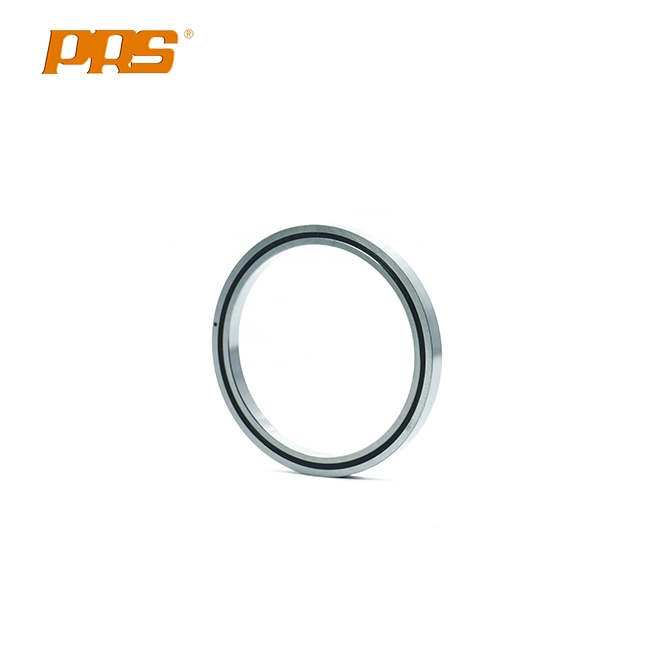
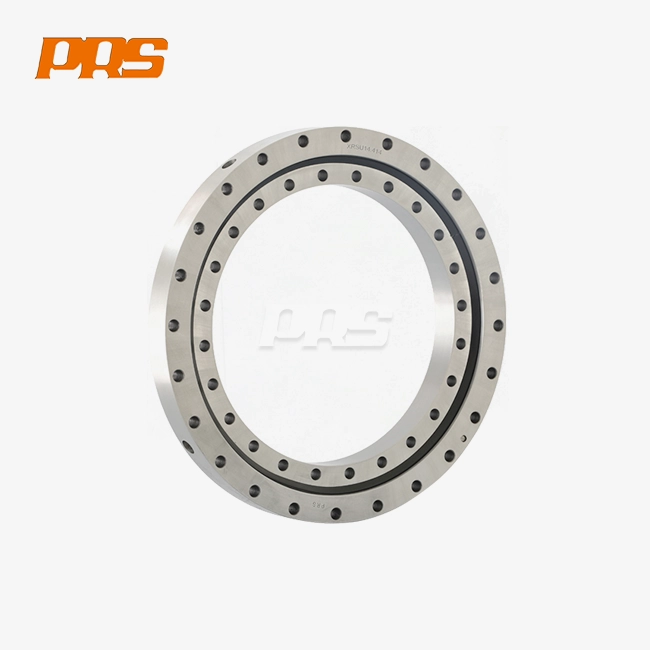
The unique thing about a thin section bearing is that its cross-sectional height to hole width ratio is very low. In regular bearings, the ring width grows as the diameter increases. But in these slim bearings, the cross-section stays the same, very small, across all of their sizes. This way of thinking about design puts space efficiency first without losing strength or the ability to carry weight.
This is possible with our PRS precision bearings because the raceway shape and rolling element layout were carefully designed. Engineers can specify bigger bore sizes within the same mounting envelope thanks to the constant cross-section design. This makes it possible to route wires, hydraulic lines, or optical paths through the bearing center, which is very useful for surgical robots and satellite mechanisms.
Primary Types and Configurations
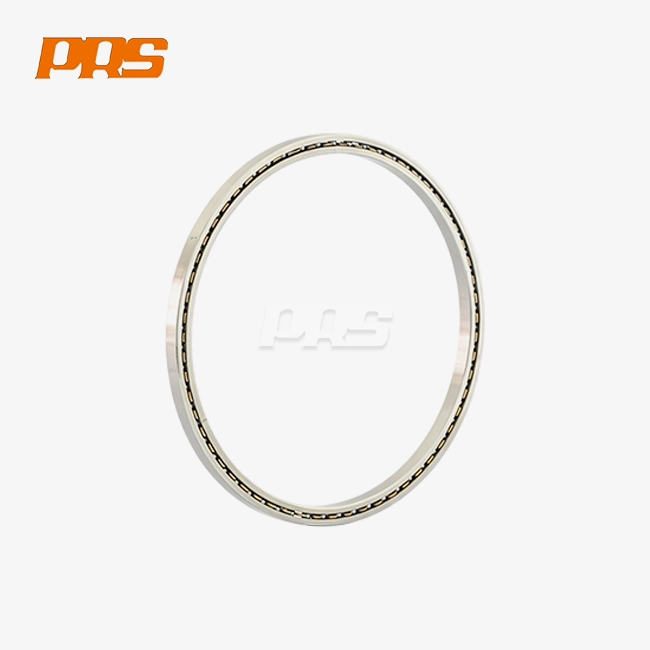
There are different kinds of thin section bearings on the market, and each one is best for a certain type of load and function. With contact angles of zero degrees, radial contact ball bearings can handle mostly radial loads. This makes them perfect for high-speed rotating tables used in chip manufacturing. Angular contact designs have contact angles of 15°, 25°, or 30° and can handle both radial and axial loads at the same time. This makes them great for robot joint uses where pressures come from different directions.
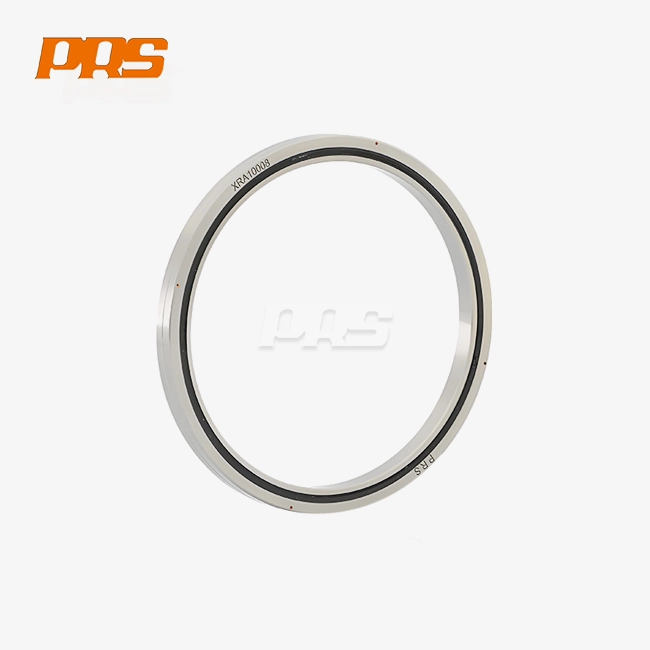
It's possible that four-point contact bearings are the most useful design. This thin bearing can handle radial, axial, and moment loads at the same time because it has a single row of balls that touch the raceways at four different places. Cross roller bearings are a little wider, but they are very rigid because they have circular rollers that are arranged perpendicular to each other. This makes the effective contact length twice as long and increases stiffness for CNC turntable indexing.
Material Selection Impact on Performance
The choice of material has a direct effect on both how well the bearing works and how much it costs to own it. AISI 52100 chrome steel is still the standard in the business. It is very hard after being heated and the cost of the steel is affordable. We put these steel parts through precise hardening steps that reach 58–62 HRC. This makes them much more resistant to wear and increases their useful life in tough settings.
Different types of stainless steel, especially 440C, are used for things that need to be resistant to rust or work in clean rooms, like tools used to make semiconductors. The material isn't as hard as chrome steel, but it doesn't rust, so it can be used in medical imaging machines and food processing equipment. Even though they are expensive and not used very often, advanced ceramic materials work the best in aircraft uses that need to be thermally stable at very high temperatures.
Manufacturing Tolerances and Heat Treatment
Achieving micron-level accuracy is what sets high-performance parts apart from standard bearings. According to ISO standards, our PRS manufacturing plant keeps P5, P4, and P2 precision grades. P2 is the best accuracy class. At the P4 grade, the radial runout stays below 2.5 micrometers, which is important for optical measurement equipment that needs to be able to place itself accurately every time.
Heat treatment methods for thin section bearing are what really decide how long a bearing lasts. We use vacuum hardening methods that keep the surface from losing its carburize while making all of the racing surfaces the same stiffness. The steel structure is then stabilized by cold treatment, which limits changes in size during operation. The next step is precision grinding, which takes away only 0.01-0.02 mm of material to get the final raceway shape without damaging the solid layer. This careful balance between toughness and hardness stops early failure modes and increases the wear life under repeated stress.
How Do Thin Section Bearings Work and Their Performance Advantages?
Operational Principles and Load Distribution
The working idea is based on precision-ground balls or rollers moving against hardened steel raceways in a controlled way. Even though these bearings have a thin profile, they spread loads across many contact points. Each rolling element supports a part of the total power. The Hertzian contact stress at each point stays manageable because the improved internal shape makes the contact area bigger without making the envelope bigger overall.
The shape of the contact angle has a big effect on how well the load is distributed. Radial contact designs make pure rolling motion, which is great for high-speed uses and keeps robotic wrist joints from getting too hot. Angular contact setups add a preload feature that gets rid of internal clearance and makes the system more stiff. This is especially important for precision grinding wheels where any movement can ruin the quality of the surface finish. This preload design turns the bearing into a rigid structural part instead of just something that lets the shaft turn.
Performance Comparison with Standard Bearings
When you compare thin section bearings to regular deep groove ball bearings with the same bore size, they work much better in situations with limited room. Cross-sections of standard bearings are usually 2.5 to 3 times bigger, taking up important design room that could be used for functional parts. The weight reduction alone—often 40–60% compared to normal equivalents—leaves robotic arms with less inertia, which lets them speed up and slow down cycles without changing the motor specs.
Engineers who aren't familiar with these parts are often surprised by how fast they can go. Even though they have smaller cross-sections, properly oiled thin section bearings can reach DN values (bore diameter in mm times spinning speed in RPM) higher than 500,000 in precision spindle uses. The thin rings work better than larger ones because they have less mass, which means they create less centrifugal force at high speeds. Vibration characteristics also get better because the less mass of the material lowers resonance frequencies that are a problem for larger bearing systems.
Advantages Over Cross Roller and Alternative Designs
Cross roller bearings are more rigid than pure thin section ball bearings for their size, but pure thin section ball bearings have clear benefits in some situations. Ball bearings can handle faster speeds because they have less rolling friction. This is because the point contact between the balls and the raceways makes less heat than the line contact of circular rollers. This trait is very important for high-speed CT scanner gantries that need to keep rotating at 3–4 RPM while carrying heavy loads with little friction loss.
Ball bearings can self-align, which means they can work with small flaws in the mounting surface and misalignments caused by heat expansion. Cross roller types are more rigid, but they need very accurate housing machining to keep them from binding, which makes them more expensive to make. When tighter tolerances are needed to maximize stiffness, our PRS experts suggest cross roller designs. This is especially true for precise measuring equipment that can't have any deflection under load.
Heat Treatment Enhancement of Durability
Advanced heat treatment methods for thin section bearing make bearings last a lot longer than the makeup of the material alone could. Through-hardening makes the structure of the ring the same all the way through, but case hardening methods, such as carbonitriding, make the outside very hard while keeping the inside tough and impact-resistant. This two-phase structure keeps the surface from flaking off and stops shock loads that would break a component that is equally weak.
Sub-zero tempering processes keep the remaining austenite in the steel matrix stable, which stops the steel from gradually growing in size while it is being used. This stability is very important for precise tools because even changes of 5 micrometers in the shape of the bearings would make measurements less accurate. We've shown that optimizing heat treatment methods can increase the lifespan of parts by more than 30%. This directly lowers the number of replacements needed and the cost of upkeep in automated production lines that work nonstop.
Cost-Reduction Benefits of Using Thin Section Bearings
Material and Weight Savings Impact
The biggest cost benefit right away comes from using less material per bearing unit. A thin section bearing with a bore width of 100 mm might use 40% less steel than a normal one, which directly lowers the cost of raw materials. This efficiency increases as more are made. For example, a medical device maker that orders 500 bearings a year saves a lot of money on purchases, and that's before they even think about the other benefits. Less weight means less shipping costs, which is something that isn't always taken into account when figuring out total costs.
Saving weight isn't just about the bearing. Less structural support is needed for spinning masses that are lighter, which lets shafts and housings be smaller, which saves even more material. Aerospace uses benefit the most—removing just one gram from a satellite system cuts launch costs by a measurable amount. We've worked with defense contractors who saved seven figures over the lifetime of a program by selecting optimized slim bearings instead of standard ones. The difference in cost between the two types of bearings was made up for by the fact that less structural reinforcement was needed.
Compact Design Enabling System Integration
Because they take up less room, they allow for design consolidation that wouldn't be possible with regular bearings. Designers of medical imaging equipment use the large bore openings for patient openings while still allowing rotation. For example, the surgical robot we supplied has a single 250mm bore thin section bearing that handles both power transmission and surgical tool pathways. This eliminates the need for multiple bulkhead penetrations and the sealing problems that come with them.
This cuts down on the number of parts, the time it takes to put them together, and the places where something could go wrong. A robotic joint with a four-point contact thin section bearing can be used instead of separate radial and thrust bearing setups. This cuts assembly time by 30–40% and improves dependability by reducing the number of parts needed. When a single type of bearing meets multiple load standards, it makes things easier for manufacturing engineers to set up assembly fixtures and keep track of supplies.
Maintenance Reduction and Extended Service Life
When properly defined, thin section bearings greatly reduce the amount of time that needs to be spent on upkeep compared to multiple conventional bearing arrangements. The sealed choices we make at PRS have double-sided screens or contact seals that keep the lubrication in while keeping out contaminants. This is very important in dusty factories or clean medical settings. These seals make it possible to "install and forget" the equipment for as long as it lasts. This means that there is no need for regular cleaning, which wastes worker time and stops production.
The longer operating life of a thin section bearing is due to better steel and better contact stress distribution. It is still normal for ball bearings with an L10 life rating to last longer than 20,000 hours under rated loads. In fact, many systems go over 50,000 hours before they start to show wear. Cheaper solutions need to be replaced every 8,000 to 12,000 hours. The higher starting cost of the thin section bearing is recouped by the savings on downtime costs within 18 to 24 months of continuous operation.
Real-World Cost Reduction Examples
A company that makes precision grinding machines and we worked with switched out their old bearing arrangements for thin section angular contact bearings in their rotary table design. The rethink cut the time it took to machine the bearing pockets by 35%, the time it took to put each unit together by 28 minutes, and the weight of the whole table by 12 kilograms. These changes saved them more than $180,000 and made the accuracy of the spindle runout 40% better across all 240 machines they made each year.
An automation systems provider that works with auto assembly lines turned to using our thin section bearings in their robotic wrist joints. Because they lost weight, they were able to reduce the size of the servo motors by one frame size. This cut the cost of the motors by a lot and cut the energy use by 18% during acceleration cycles. The combined savings from the bearings and motors over a 3,000-unit deal were seven figures. This shows how optimizing a single component can have a big impact on the overall cost of the system.
How to Choose the Right Thin Section Bearing for Your Application?
Critical Selection Parameters
Assessing the load ability is the first step in choosing the right bearings. Engineers have to figure out not only steady loads but also dynamic loads, which include forces that accelerate, moments off-axis, and impacts. Thin section bearings can handle fairly high loads for their size, but pushing them past their rated capacity makes them last a lot less long. We offer technical support to help users look at load spectrums and choose the right safety factors, which are usually between 1.5 and 2.0 for steady loads and higher for shock conditions.
The method for lubrication is directly linked to the speed numbers. Bearings that are oiled with grease can only go as fast as DN values between 300,000 and 400,000. Bearings that are oiled with oil mist or oil-air can go as fast as 500,000 or even higher. The type of lubrication used depends on the surroundings. Sealed bearings work best in dirty places but create more friction, while open bearings work best in clean, controlled places like precision measurement labs for high speeds. When it comes to high temperatures, you need to be extra careful. Regular greases work well from -40°C to +120°C, but synthetic oils have much wider operating temperatures.
Tolerance Class and Material Considerations
Precise grade selection strikes a balance between cost and performance needs. The P5 grade is good for most industrial automation tasks that only need setting accuracy of 10 to 15 micrometers. Medical imaging and semiconductor equipment usually need P4 grade, which has tighter standards that make sure the spinning is smooth and free of vibration. The P2 grade is only used in the most demanding metrology and aircraft tasks, where micron-level accuracy supports the high price, which is often two to three times the price of P4.
It is important to choose materials for a thin section bearing that are resistant to rust, can handle high temperatures, and are sensitive to magnets. Chrome steel is the best choice for normal industry settings because it combines good performance with low cost. Stainless steel bearings are good for medical devices that need to be biocompatible or for equipment that gets wet or is near chemicals. Although they are much more expensive, ceramic rolling elements get rid of problems with electrical transmission in RF equipment and cut down on wear in high-speed uses. A cost-effective middle ground is found in designs that combine clay balls with steel rings.
Supplier Evaluation and Quality Certifications
Manufacturers with a good reputation have strict quality control systems that make sure their products always work well. Quality management starts with ISO 9001 certification, but for aircraft and medical uses, you need AS9100 or ISO 13485 certifications instead. At PRS, we keep all the necessary licenses up to date, and each batch of bearings comes with tracking paperwork. This is important for controlled industries that need to be able to look into failures.
A supplier's ability to provide technical help is often just as important as the quality of the product. Finite element analysis, custom preload estimates, and help with designing mounting systems are all useful for complicated uses. Lead times are very different for regular catalog items and custom setups. For example, we stock common sizes for 24-hour shipping, but designed solutions may take 4-6 weeks. Building connections with makers that offer both off-the-shelf products and the ability to customize them makes the supply chain more stable.
Balancing Initial Cost Against Total Ownership Expense
When buying something, choices that are only based on price often lead to higher total cost of ownership. When you add up the costs of downtime, labor, and waste, a bearing that costs 30% less but needs to be replaced twice as often ends up costing more. We show our users how to use lifecycle cost modeling, which takes into account things like expected service life, upkeep needs, and what will happen if something goes wrong. Equipment on a critical path should have high-quality bearings that prevent unplanned downtime, while uses that aren't as important may be able to handle less frequent repair.
Strategies for buying in bulk cut unit costs by a large amount without lowering quality. When makers sign bulk contracts for standard sizes, they can improve production runs and pass on the savings to customers. We have tiered pricing that rewards loyalty while still letting you choose the right amount for a sample. The biggest cost savings come from engineering partnerships that make bearing choices the same across all product lines. This is because it simplifies inventory, streamlines buying, and uses volume to save money.
Conclusion
Because they offer value in more than one way, thin section bearings are a smart purchase. The quick space and weight savings make it possible to build new things that wouldn't be possible with regular parts. Also, the lower total cost of ownership is due to less material being used and longer service life. To make the right choice, you have to weigh the importance of load capacity, speed rates, accuracy grades, and environmental factors against the needs of the application. From our experience at PRS, we know that the best results happen when experienced suppliers work together with engineering teams. This is especially true when the bearing specs match up perfectly with operational needs and price limits. The upkeep and assembly methods described here make sure that the performance promised works in the real world, protecting your investment throughout the lifecycle of the equipment.
FAQ
Which industries benefit most from thin section bearing technology?
The most value is gained in aerospace, medical imaging, robots, and precision production. Weight saves are used in aerospace to lower flight costs and make better use of fuel. The big bore openings are used by medical tools to allow entry to patients while still being able to rotate. Robotics gains from less drag, which makes cycle times shorter. Superior bearing runout qualities allow precision manufacturing tools to be accurate to the micron level.
How do thin section bearings enhance machine design flexibility?
The small cross-section makes room for more useful parts inside the current envelopes. Large bore holes are used by engineers to run wires, hydraulic lines, and light paths. Structural strength is improved by being able to define bigger diameters in limited areas. Integrated designs use single components instead of multiple bearing setups, which cuts down on the number of parts and the difficulty of assembly.
Do thin section bearings cost more than standard bearings initially?
Unit prices are usually 20–40% higher than normal bearings with the same bore size, but the extra cost depends on the precision grade and design. The higher cost at the start is quickly paid back by saves in materials, labor, and upkeep across the whole system. Lifecycle cost analysis always recommends thin section bearings for uses that want to save room, reduce weight, or get more use out of their bearings.
Partner with PRS for Cost-Effective Precision Bearing Solutions
At Luoyang PRS Precision Bearing Co., Ltd., we use our 20 years of experience making things along with technical help to turn your design problems into competitive benefits. Our catalog of thin section bearings has bore sizes ranging from 20mm to 1250mm. They come in P5, P4, and P2 quality grades, and most stock items can be delivered within 24 hours. We are your sole source for thin section bearings, and we offer custom engineering for unique uses along with bulk price that rewards partnership. Our 15,000 m² building is ISO 9001 certified and has factory pass rates of over 99.9%, which means your important applications will always work. Email our engineering team at ljh@lyprs.com to talk about your unique needs, such as whether you need a sample to be evaluated, quotes for bulk orders, or expert advice on choosing a bearing. Find out how PRS precision bearings offer the space-saving, long-lasting, and cost-effective performance that sets market players apart.
References
Harris, T.A. and Kotzalas, M.N. (2007). Rolling Bearing Analysis: Essential Concepts of Bearing Technology, Fifth Edition. CRC Press, Taylor & Francis Group.
American Bearing Manufacturers Association (2018). Load Ratings and Fatigue Life for Ball Bearings. ANSI/ABMA Standard 9-1990 (R2018).
Budynas, R.G. and Nisbett, J.K. (2015). Shigley's Mechanical Engineering Design, Tenth Edition. McGraw-Hill Education.
ISO 492:2014. Rolling bearings — Radial bearings — Geometrical product specifications (GPS) and tolerance values. International Organization for Standardization.
Eschmann, P., Hasbargen, L., and Weigand, K. (1985). Ball and Roller Bearings: Theory, Design and Application, Second Edition. John Wiley & Sons.
Society of Tribologists and Lubrication Engineers (2020). Bearing Lubrication: A Practical Guide to Lubricant Selection and Application. STLE Special Publication SP-56.

USER EVALUATE
Here is the customer's evaluation of us
YOU MAY LIKE
 VIEW MORERA Series Crossed Roller Bearings
 VIEW MORErobot harmonic reducer flexible bearing
 VIEW MOREPrecision Angular Contact Ball Bearings
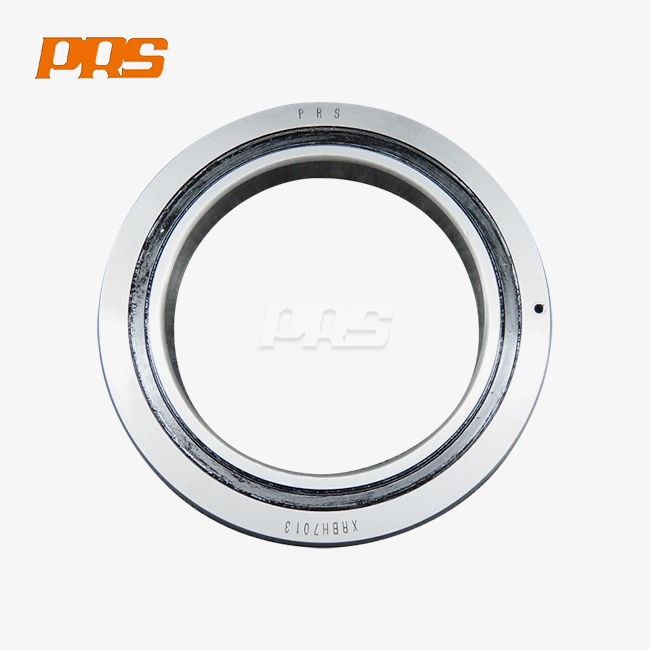 VIEW MOREthin section angular contact bearings
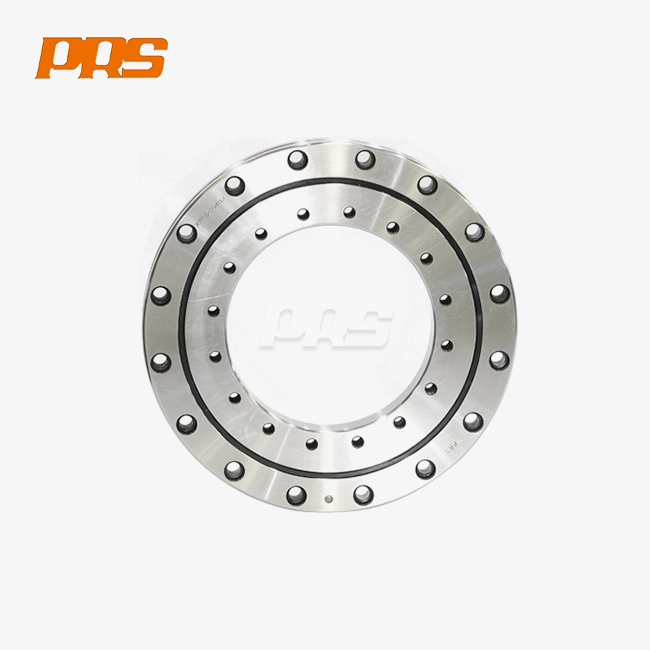 VIEW MORECross Roller Turntable Bearing
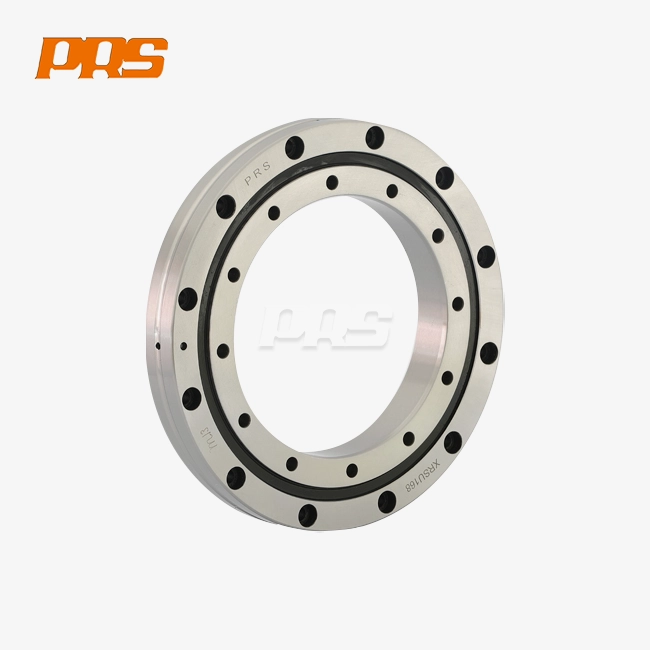 VIEW MOREXSU turntable bearings
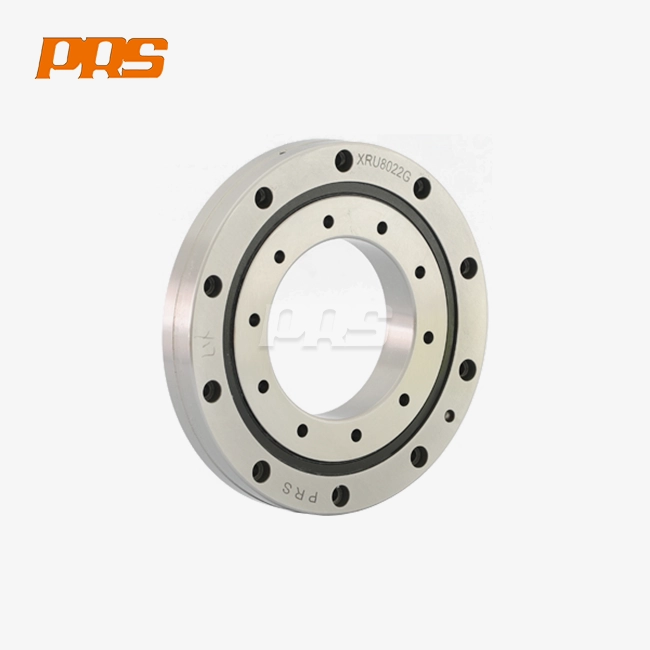 VIEW MOREXRBU Crossed roller bearing
 VIEW MOREDouble-Row Angular Contact Ball Slewing Bearings