
Slewing Bearings to Optimize Power Transmission
When heavy loads need to be transferred smoothly during industrial processes, slewing bearing technology is the key to stable power transmission. These specialized rotating parts handle axial, radial, and moment loads at the same time. This lets machines like robotic joints and wind turbines work accurately and last a long time. Knowing how to choose, get, and take care of these important parts has a direct effect on operating efficiency, equipment lifespan, and return on investment in many fields, such as aerospace, medical devices, robotics, and precise manufacturing.
Understanding Slewing Bearings and Their Role in Power Transmission
What Makes Slewing Bearings Essential for Modern Machinery?
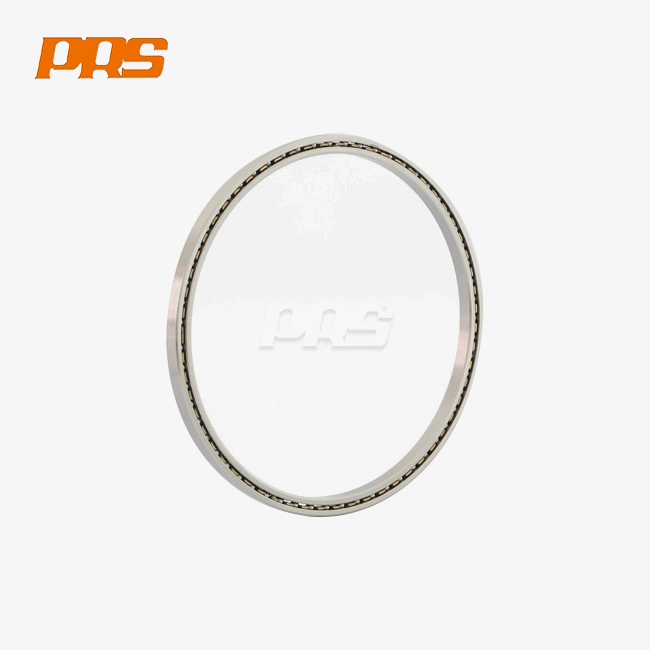
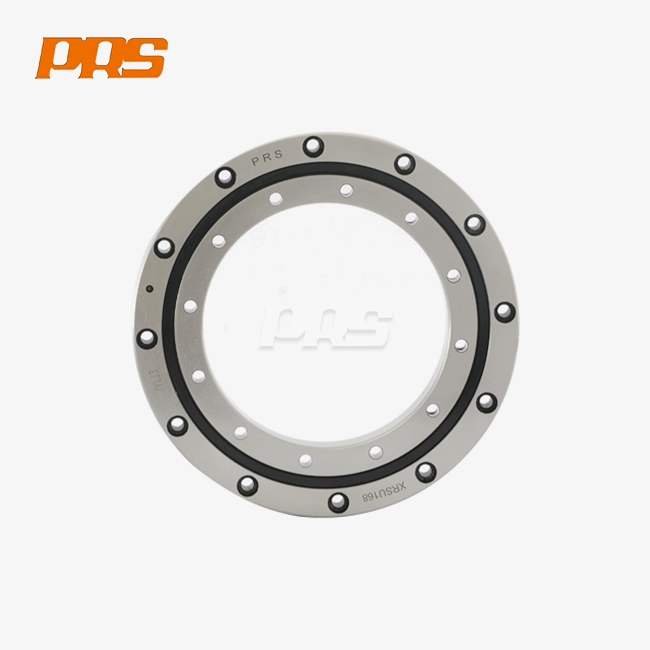
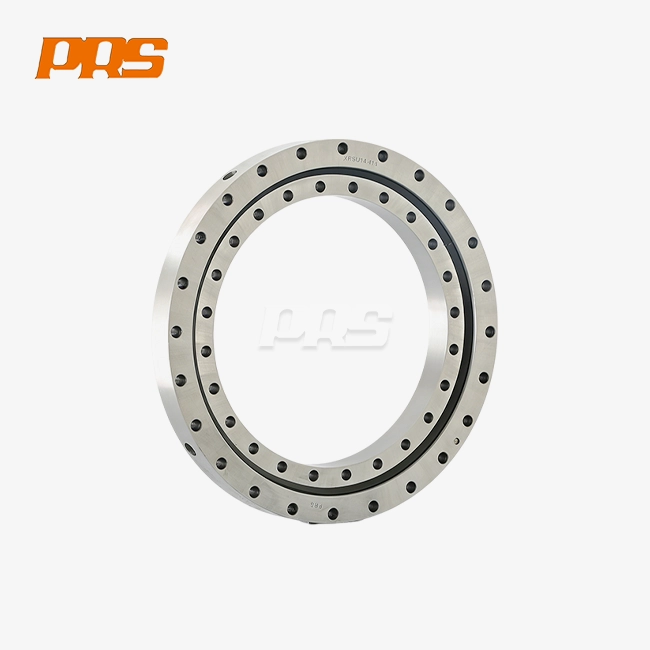
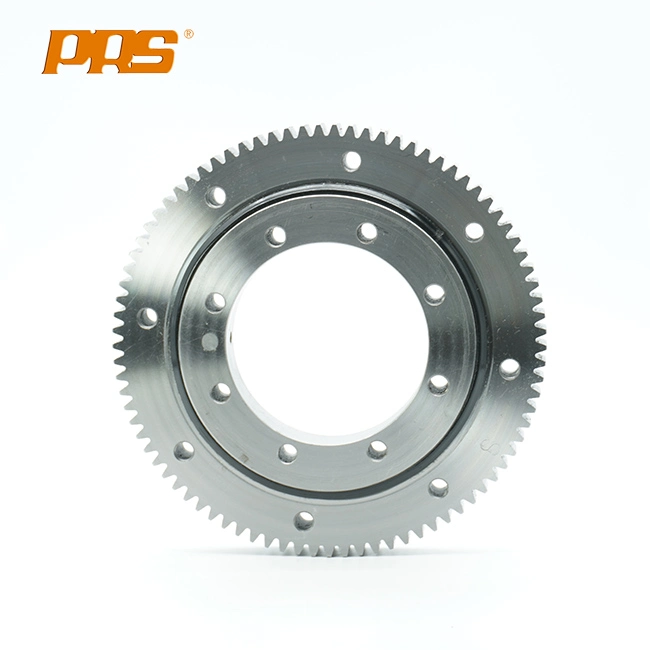
Slewing bearings are a type of large-diameter rotating parts that were made to work in situations where regular bearing sets can't meet the strict working requirements. Unlike most bearings, which only handle loads going in one direction, these spinning bearings can handle mixed loads thanks to their incorporated raceway designs and carefully placed rolling elements. Because of this, they are essential for machines that need to support loads and precisely control movement.
One of the main benefits is that they are small and have various load-handling features built into one assembly. Instead of putting together different thrust bearings, radial bearings, and structural supports, a properly specified slewing bearing can do all of these things while requiring less room and making installation easier.
Core Mechanical Functions and Working Principles
Three important mechanical functions are at the heart of how slewing bearings work to effectively transfer power. The horizontal raceway surfaces of the bearing spread vertical forces across many contact points. This keeps stress from building up in one place, which speeds up wear. At the same time, the shape of the vertical raceway makes sure that horizontal forces are transferred optimally, keeping the system stable during operation. The big diameter and spread-out contact pattern make it very resistant to overturning moments. This is important for things like crane booms and excavator arms where loads that aren't aligned properly create strong rotational forces.
When perfectly machined rolling parts and raceways come into close touch with each other, torque is transferred. When a rotational force is applied to one bearing ring, the rolling elements easily transfer this motion to the other ring. Load distribution around the whole bearing circumference makes sure that no one point is under too much stress, which increases operating life even when job cycles are constant.
Bearing Type Variations and Industry Standards
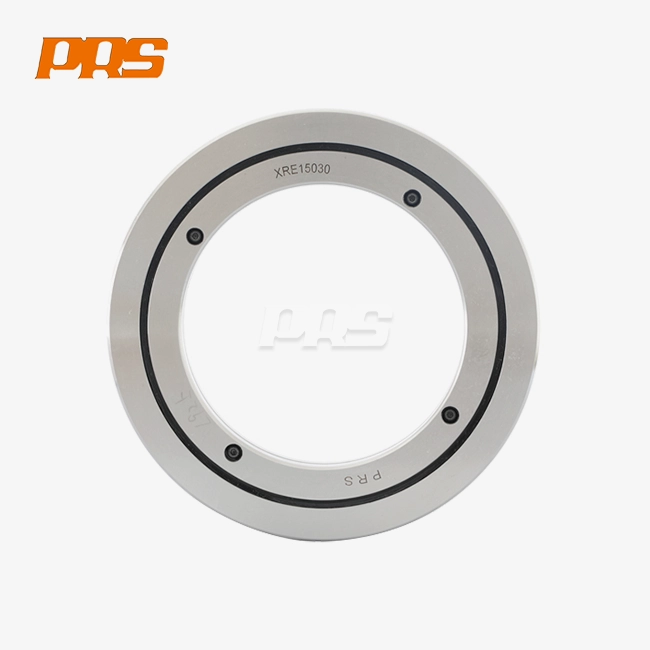
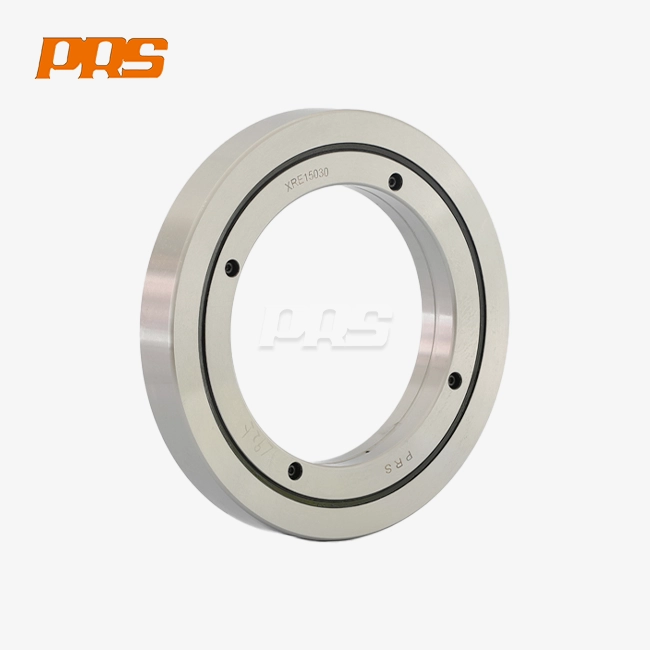
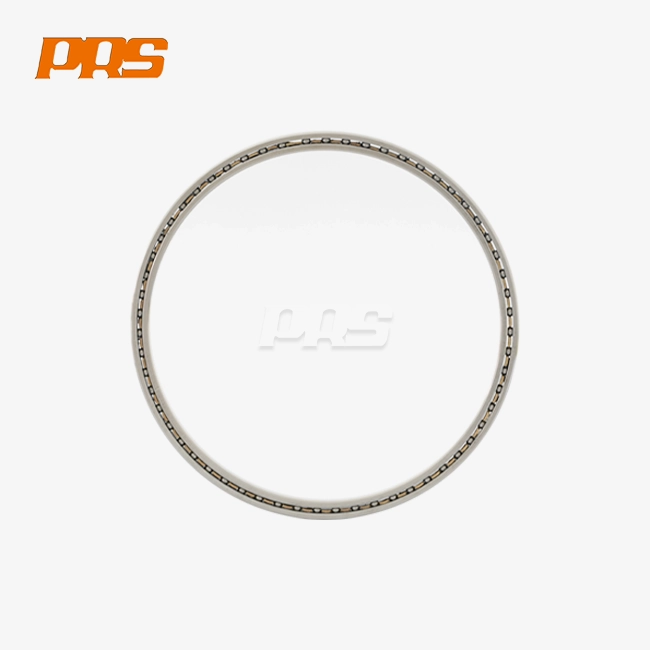
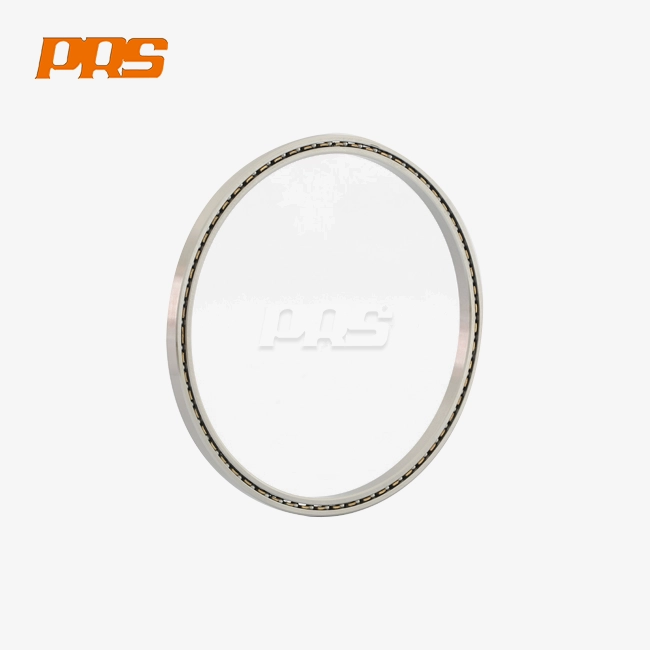
Different speed needs can be met by different configuration choices. Single-row ball designs have one row of balls or rollers between the inner and outer rings. They are small and good for light-duty tasks that need smooth spinning. When accuracy is more important than maximum load capacity, these designs work well in setting tables and small robotic systems.
Double-row layouts have two sets of rolling elements with the best contact angles. This makes the structure more rigid and increases the load capacity. This design works well for mobile cranes and other building tools whose total loads change while they're in use. When comparing moment resistance, the dual track design is better than single-row options.
Heavy-duty systems are triple-row roller systems, which have three different rows of rollers to handle very big loads. These bearings can handle the heavy loads that come from mining equipment and large excavators because they have different axial and radial load lines. With diameter lengths from 1000mm to 5000mm, they can be customized to fit the needs of different machines.
DIN and ISO industry standards for slewing bearing set performance criteria, limits for dimensions, and testing methods that make sure all makers follow the same rules. As long as these standards are followed, buying professionals can be sure that the bearings they buy will work with current equipment and perform as expected.
Application Versatility Across Industrial Sectors
These parts are very important in the building business because they are used in cranes, excavators, and material movers that are always rotating while they are loaded. When used for wind energy, turbine nacelles are positioned to face the direction of the wind. This means that the bearings need to be able to withstand the elements while still allowing the blades to spin smoothly. Robotics companies use small slewing bearings in robotic joints and rotating bases, which is where accuracy and consistency have a direct effect on the quality of the production.
To keep picture artifacts from showing up, medical imaging equipment like CT machines needs to rotate very smoothly. This requires bearings that are made to very tight tolerances with very little runout. Aerospace tracking and control systems need to be very reliable because if they break down, the effects are very bad. In all of these different situations, the main need stays the same: reliable rotational motion that keeps working even after long repair times.
Optimizing Performance: Key Factors to Consider in Slewing Bearing Selection
Evaluating Load Capacity and Service Life Requirements
To choose the right bearings, you need to do an accurate load study. Professionals in procurement need to figure out the greatest axial loads, radial forces, and toppling moments that happen when equipment is in use. When dynamic loads change during job cycles, they need to be carefully thought out because high forces have a big effect on bearing life, even if they only happen a few times.
When figuring out a bearing's service life, experts use standard methods that take into account things like load size, spinning speed, and operating hours. For machines that are used only sometimes, the safety gaps can be smaller, but machines that are used all the time need bearings with higher safety factors. An exponential graph shows the link between load and life. This means that small decreases in applied load lead to big increases in life.
The environment has a big effect on success standards. Extreme temperatures change the viscosity of grease and the qualities of materials. Also, dust, moisture, or chemical contact speeds up wear. Sealed bearing designs keep internal parts safe, but they may make it harder for heat to escape, so they need careful thermal management in high-speed situations.
Comparative Analysis: Slewing Bearings Versus Conventional Alternatives
Standard ball bearings work great for high-speed, light-load tasks, but they don't have the moment resistance that rotating platforms need. Putting together several standard bearings to get the load values you need adds complexity, alignment problems, and more places where things can go wrong. A single slewing bearing makes design easier and increases dependability by managing loads more efficiently.
The economic comparison goes beyond the prices of the original parts. When designs are combined, they need fewer mounting points and easier alignment processes, which means less work needs to be done during installation. When single bearings are used instead of bearing sets spread out across equipment buildings, maintenance access is better. When it comes to uses that meet their operational strengths, slewing bearing systems usually have a lower total cost of ownership.
Material Selection and Heat Treatment Considerations
The level of manufacturing for a slewing bearing starts with the materials that are used. Some high-carbon alloy steels, like 50Mn and 42CrMo, are hard enough for raceway surfaces while still being tough enough in the middle to handle impact loads. Heat treatment creates the best hardness gradients. For wear protection, the top hardness should be between 55 and 62 HRC, and the cores should be softer so they can take shock loads without breaking.
The standards for surface finish have a direct effect on how well the bearing works. Precision-ground and polished raceways keep wear and friction to a minimum and ensure smooth spinning. Micron-sized manufacturing limits are very important for uses that need precise positioning, like robotic systems and the precise turntables used in metrology equipment.
Sealing Systems and Lubrication Requirements
Effective sealing keeps the grease in the bearing and keeps the internals safe from outside contaminants. Seal designs balance the level of protection against the amount of friction that is created. For example, contact seals offer the highest level of protection but need more force. Non-contact labyrinth seals keep bigger particles out while reducing friction, making them good for controlled industrial settings.
Maintenance on lubrication has a big effect on running costs and downtime. Grease-lubricated designs make upkeep easier, but they need to be reapplied every so often depending on the weather and hours of use. Circulating oil systems keep things cool and clean, but they are more complicated and could have break places. Choosing the right greasing methods relies on how easy they are to get to, where they will be used, and how easy they are to maintain.
Procurement Guide: How to Choose and Source the Best Slewing Bearings?
Specification Matching for Heavy Equipment Applications
A thorough set of specifications is the first step to a successful purchase. In addition to basic size requirements, precise specs should include information about how to mount the device, how the gears should fit together, and how long they should be exposed to the environment. Giving sellers full application context lets them make accurate suggestions and stops costly mismatches.
When standard stock goods can't meet the needs of a specific application, custom engineering is needed. Custom designs may be necessary even though they take longer to make and cost more because of unique fastening setups, unusual diameter needs, or harsh weather conditions. To decide if customization provides enough value, you have to weigh the benefits in terms of performance against the limitations of time and money.
Bulk Orders and Volume Procurement Considerations
System integrators and companies that make production tools often need a lot of similar bearings for different product lines. When you commit to a certain amount of work, you can negotiate better terms, such as lower unit costs, priority scheduling for output, and dedicated expert help. Setting up framework deals with qualified sellers makes it easier to make repeat purchases and makes sure that the quality stays the same.
Lead times for slewing bearing are very different depending on the size of the bearing, how complicated the design is, and how much can be made. Standard store items may ship within a few weeks, but unique designs may take several months to arrive after the order is placed. Adding realistic lead times to project plans keeps delays from happening that cost a lot of money when equipment commissioning rests on bearings being available.
Comparing Global and Regional Supplier Options
International companies that make bearings, like SKF, Kaydon, NTN, and JTEKT, are known for their quality and new ideas. Their large engineering resources help with complicated apps, and their global service networks offer local expert support. The high prices are a result of decades of study funding and strict quality control.
There are now competitive options made in China that offer a lot of value for uses where ultra-precision specs are not necessary. Companies like Luoyang PRS Precision Bearing Co., Ltd. show that Chinese production can meet foreign quality standards at lower costs and with faster service. PRS has been developing precision slewing bearings since 2003, focused on high-accuracy alternatives to imported goods that can hit P4 and P2 levels of accuracy.
When judging sellers, certification paperwork gives you concrete proof of quality. ISO 9001 certification shows that quality management is done in an organized way, while certifications that are specific to an industry show that the company has certain skills. Before agreeing to big orders, it's helpful to make sure that the material meets the requirements by asking for licenses, dimensional inspection reports, and performance test data.
After-Sales Support and Technical Services Value
Common mounting mistakes that hurt bearing function can be avoided with installation help. Suppliers who offer on-site setup support help make sure that the machine is properly aligned, has the right charge, and is oiled properly. This advice is especially helpful for people who aren't used to working with big bearing setups.
Maintenance training programs teach employees how to take care of bearings on a regular basis. Maintenance teams can extend the life of bearings and avoid sudden failures by knowing the right way to check them, when to lubricate them, and how to tell when they are wearing out. Suppliers who spend money on educating customers show that they care about them beyond just making sales.
Conclusion
Power transmission can be improved by choosing the right slewing bearings, getting them from the right place, and keeping them in good shape. This has big practical and financial benefits in many industry settings. Knowing the basic rules that guide how bearings work lets you make smart choices that match the powers of the part to the needs of the application. Access to quality goods with real support is made possible by carefully evaluating suppliers based on their technical skills and their willingness to work with you. Systematic repair plans keep purchases safe and make the most of the time that equipment is usable. By keeping up with new technologies, businesses can take advantage of improvements that put them ahead of the competition. The information in this resource gives procurement workers and engineering teams the tools they need to make confident choices that will lead to operating excellence and business success.
FAQ
How Do I Determine the Correct Slewing Bearing Size for My Equipment?
To find the right bearing size, you have to look at the maximum loads in all directions. To find the axial load, multiply the mass of the largest part by the acceleration due to gravity. Find the circular forces of weights or loads that are not in the middle. To find moment loads, multiply forces by how far they are from the center of spin. Give these numbers to providers of bearings. They will use engineering software that takes into account the qualities of the material and safety factors to suggest the right sizes. For working situations that are hard to predict, conservative standards add reliability margins.
What Lead Times Should I Expect for Custom Slewing Bearing Orders?
Standard catalog bearings usually ship between two and four weeks, but this depends on how much stock is available. Custom designs take 8 to 16 weeks longer because engineers have to study them, set up the factory, and check the quality. It might take longer for more complicated shapes that use special materials or finishes. If you plan your purchases early on in the project, bearing supply won't become a key path constraint. Keeping in touch with sources during production lets you see when deliveries will happen.
Should I Return Failed Bearings to Manufacturers or Handle Maintenance Locally?
This choice relies on the type of failure and the resources that are available. Warranty claims need to be inspected by the maker to make sure that the flaw is their fault. The cost of sending the item back justifies the complicated fixes that need specialized tools. With the right training and tools, routine repair like re-greasing or replacing seals can often be done locally, which cuts down on machine downtime. Setting clear upkeep procedures with suppliers during the procurement process makes it clear what services the suppliers provide and what the customer is responsible for. This keeps things from getting confusing when problems arise.
Partner With PRS: Your Trusted Slewing Bearing Manufacturer
To make your power transfer systems work better, you must first find a dependable bearing provider that cares about quality and customer satisfaction. Luoyang PRS Precision Bearing Co., Ltd. has been making precision bearings for more than 20 years and can provide high-accuracy options for a wide range of industry needs. Our slewing bearing line includes internal gear, external gear, and gearless options, all of which come in sizes that work with robotic systems, CNC machines, and precision positioning equipment. PRS goods have the accuracy, rigidity, and long life that your processes need. They are made with high-quality materials like 50Mn and 42CrMo steel alloys and reach precision grades of up to P4 and P2.
We know that good buying is more than just knowing what the product is. Our application engineering team helps with everything, from choosing the right product to planning the installation and giving advice on upkeep. PRS lets you improve both performance and project economics because it has shorter delivery processes than import options and offers better value. Get in touch with our team at ljh@lyprs.com to talk about your unique needs and get detailed technical advice that fits your application perfectly. Find out why top companies that make robotics, machine tools, and precision equipment choose PRS as their bearing provider for mission-critical tasks that can't be compromised.
References
Harris, T.A. and Kotzalas, M.N. (2006). Advanced Concepts of Bearing Technology: Rolling Bearing Analysis, Fifth Edition. CRC Press, Taylor & Francis Group.
Glover, D. (1990). Rolling Bearings Handbook and Troubleshooting Guide. Indianapolis: Prompt Publications, Howard W. Sams & Company.
Wensing, J.A. (1998). On the Dynamics of Ball Bearings. PhD Thesis, University of Twente, Netherlands.
ISO 11462 (2001). Guidelines for Slewing Bearings – Dimensions, Tolerances and Measuring Methods. International Organization for Standardization.
Budynas, R.G. and Nisbett, J.K. (2015). Shigley's Mechanical Engineering Design, Tenth Edition. McGraw-Hill Education.
Hamrock, B.J., Schmid, S.R., and Jacobson, B.O. (2004). Fundamentals of Fluid Film Lubrication, Second Edition. Marcel Dekker, Inc.

USER EVALUATE
Here is the customer's evaluation of us