
Thin Section Bearings: Slim Yet Strong
Every millimeter counts when engineers are trying to make tools, and thin-section bearing technology is the best way to do it. These precision parts push the limits of what's possible in small machines by offering incredible load capacity in a very thin shape. Standard bearings make assemblies bigger, but slim-profile bearings keep the structure strong while taking up 40–60% less room. This is a huge benefit in robots, aerospace systems, medical imaging equipment, and precision automation. At PRS, we've spent more than 20 years perfecting these unique parts because we know that your success depends on bearings that work perfectly in the smallest places without affecting precision or working reliability.
Understanding Thin Section Bearings: Design, Function, and Benefits
What Makes Slim-Profile Bearings Different?
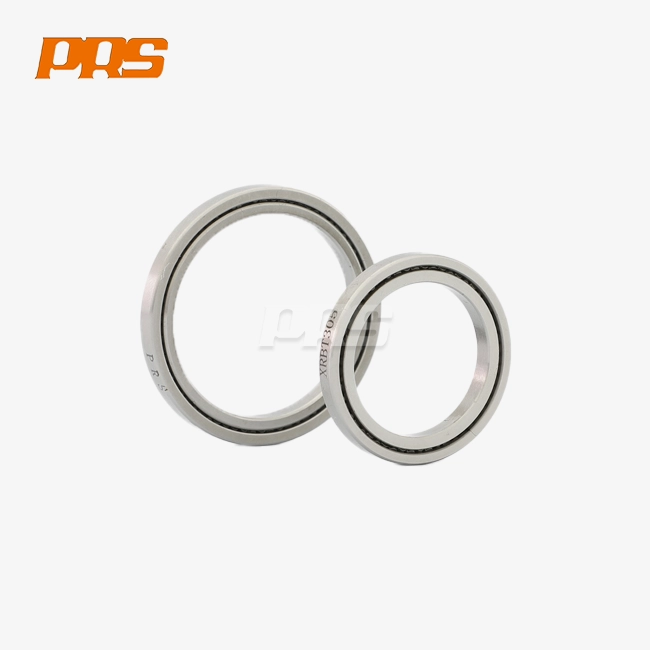
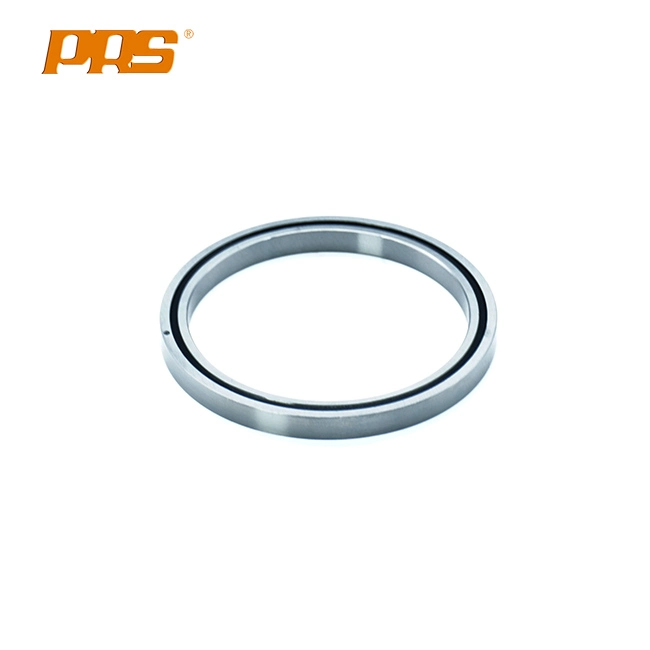
Cross-sectional shape is what makes the main difference. Standard bearings have walls that get thicker as the width goes up, but thin-section bearings keep their cross-section small no matter what size they are. By optimizing the internal shape and strategically placing materials, this engineering method makes parts that are much lighter while still being able to handle the same loads.
Core Functional Principles
Precision-engineered raceways spread loads across several rolling elements, making stable contact points that can handle axial, radial, and moment loads all at the same time. Because these parts are lighter, they have less rotational friction. This lets automatic systems accelerate faster and use less energy. This is especially helpful for artificial joints where reaction time has a direct effect on how much work gets done.
Measurable Advantages for Industrial Applications
Getting rid of extra weight has direct practical benefits. The gantries of CT scanners spin faster while using less power. Robotic arms make it possible to carry more weight without upgrading the motors. Aerospace systems have to stay safe while staying within strict weight limits. In addition to saving weight, the small envelope lets design teams add more utility to existing shapes by adding sensors, cooling channels, or reinforcement structures where bearings used to take up important room.
The manufacturing precise grades P5 through P2 make sure that the accuracy of rotation is measured in micrometers, not millimeters. This level of accuracy helps positioning systems in the chip industry, where even small vibrations or runout can lead to expensive output problems. These parts are essential to current precision equipment because they save room and are accurate to the micron level.
Types, Materials, and Design Considerations
Exploring Bearing Configuration Options
To get the best speed, different apps need different internal systems. The market has a number of tried-and-true designs, and each one meets a different set of business needs that procurement teams must carefully consider for thin-section bearings.
Radial contact setups are great for situations where forces act mostly away from the axis of the shaft because they can handle perpendicular loads well. Angular contact designs can handle mixed loading situations. The contact angles can be anywhere from 15° to 30°, based on the amount of radial to axial forces. Four-point contact bearings are a flexible option that can handle loads going in multiple directions within a single-row design that makes assembly easier and cuts down on the number of parts needed.
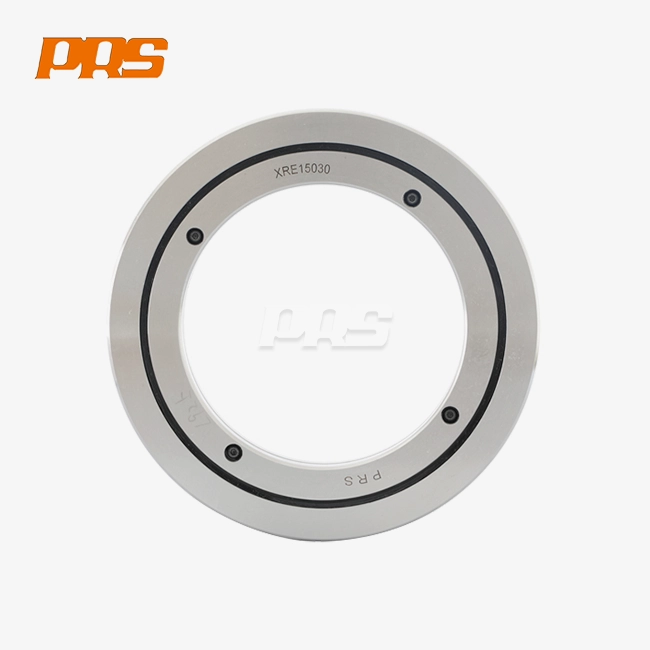
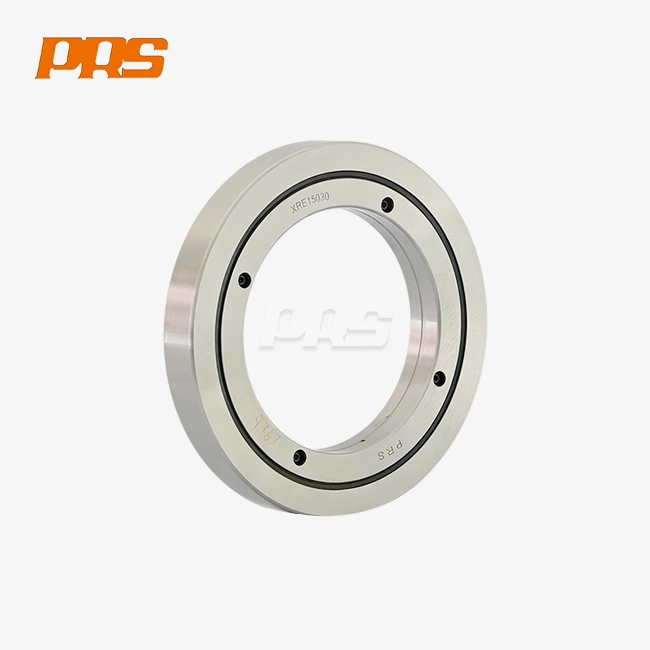
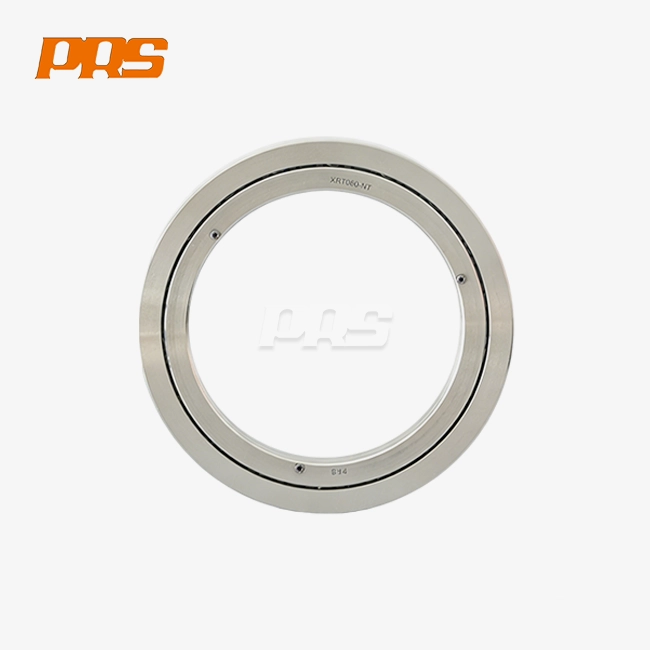
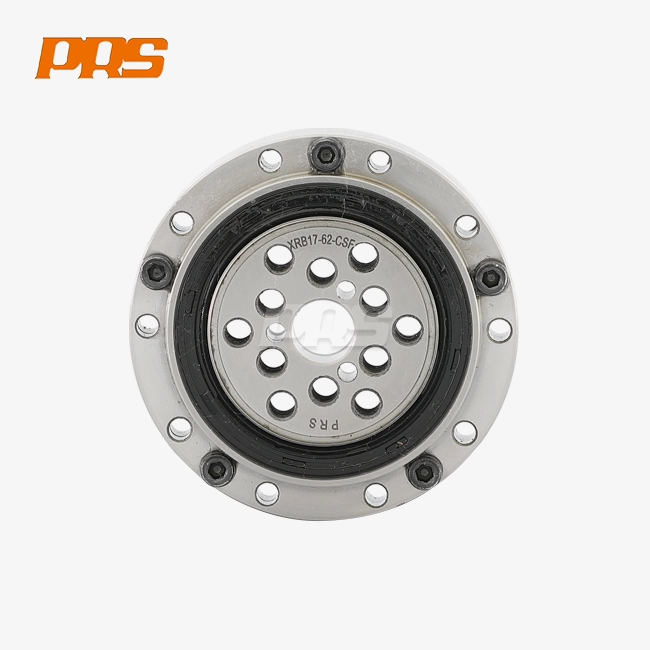
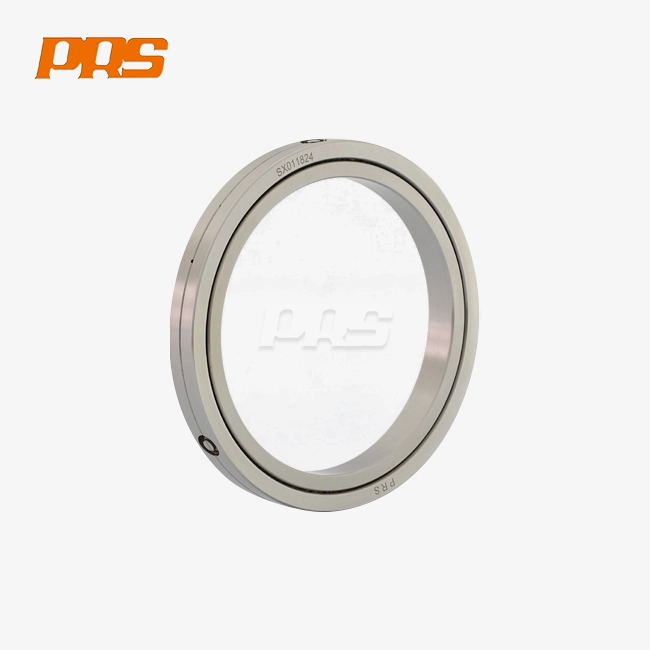
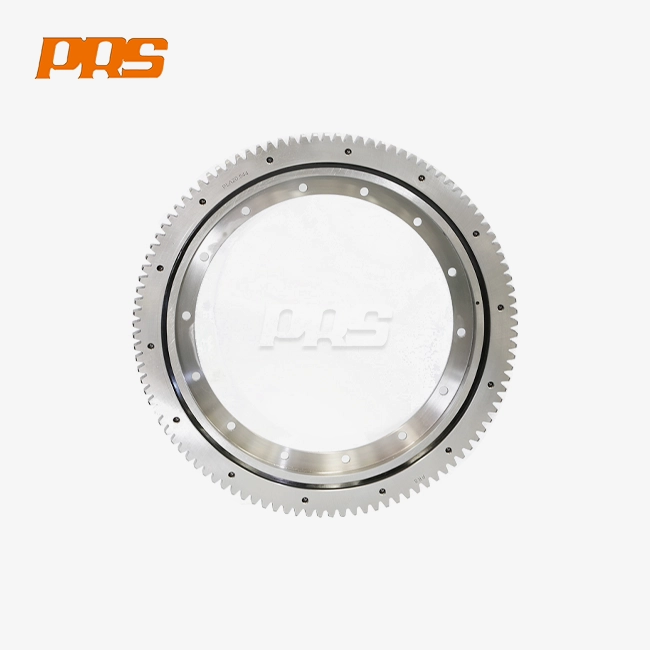
Cross-roller thin section bearing designs switch between cylindrical rollers that are perpendicular to each other. This makes them very rigid for use in turntables and rotating positioning systems. Some types of slewing rings have fixing holes built right into the structure of the bearing, which makes them easy to put in small spaces on robotic bases and medical imaging equipment. For each setup, there are different trade-offs between load capacity, speed, and installation difficulty that engineers have to weigh against the needs of the application.
Material Selection for Demanding Environments
AISI 52100 chrome steel is still the standard in most industries because it is very resistant to wear and keeps its shape at normal working temperatures. When equipment needs to be protected from corrosive conditions or meet cleanroom standards, 440C stainless steel is the best choice. It keeps its hardness qualities. Specialized ceramic rolling elements are used for very fast uses or places where electrical current flow needs to be controlled.
The materials used for cages have a big effect on how they work. When it comes to high-load situations, steel cages are stronger than brass cages, but brass cages are better at keeping their shape and retaining grease. Polymer cages are useful in medical tools where patient comfort is important because they are light and quiet. Material choice affects more than just compatibility; it also affects how often you need to do upkeep, how fast you can go, and how long the product will last under your specific working conditions.
Critical Specification Parameters
Dimensional limitations usually determine the first choice, but buying pros have to look at a lot of factors that affect each other. When figuring out load capacity, you have to take into account both static and dynamic needs. For example, you have to think about peak loads during startup and ongoing running loads during production cycles. accuracy grades affect both price and performance. For example, P5 grade is fine for many commercial uses, but P4 or P2 accuracy is needed for semiconductor and measurement equipment.
There are different types of sealing, from open designs that need protection from the outside to fully sealed designs that have shields built in. Open bearings let you go faster and handle lubricant more easily, but they let dirt and other things get into the internal parts. Double-sealed versions keep out particles and oil leaks, which is important in cleanrooms or places where food is processed. Choosing the right lube depends on the temperature range it will be used in. Standard greases can handle temperatures from -40°C to +120°C, but some special formulas can handle even higher temperatures in harsh conditions.
Comparing Slim Bearings with Alternative Solutions
Performance Against Standard Bearing Types
When testing teams compare designs that take up less room to standard bearings that can hold the same amount of weight, the size benefits are clear right away. A normal bearing might need 30 mm of radial space, but a properly designed slim option can do the same job in just 15 mm. This frees up important envelope space for other parts or allows the equipment to be smaller overall.
The difference in weight is just as convincing. Standard deep-groove ball bearings have thick walls that allow them to hold a lot of weight. Thin-walled options cut the weight of parts by half or more, which lowers rotational friction and makes the dynamic reaction better. This weight advantage builds up over complex assemblies—a six-axis robot arm with thin-section bearings at each joint works much better than designs that use standard parts.
Technical Trade-Offs Worth Understanding
There are always trade-offs in technical solutions for thin section bearing. The small shape of slim-profile designs comes from having shallower raceways, which limit the size of each moving element. In some setups, this limit changes the highest speed that can be reached. When the RPM needs to be very high, different types of bearings or custom designs with the right amount of internal space may be needed.
Because ultra-thin parts are less rigid, installation needs to be done with more care. Tighter standards for flatness must be met by mounting surfaces, and the right tools must be used during fitting to avoid distortion. These things make things more complicated, but they can still be handled with the right training and quality control measures. Manufacturers of fine equipment usually think that the performance gains are worth the extra care that goes into fitting.
Evaluating Brand and Supplier Options
Manufacturers of well-known bearings have decades of experience working with metals and a system for checking the quality of their goods. SKF, Kaydon (now part of Schaeffler), NTN, and NSK have built their names on consistently meeting the needs of demanding uses. Their wide range of products meets most common needs, but their prices show where they stand in the market and how well known their name is.
Chinese companies, especially those that focus on precise thin-section bearing technology like PRS, offer good options that combine high-quality production with the ability to quickly make changes. Our factory has more than 200 high-precision tools, is ISO 9001 certified, and has production pass rates of more than 99.9%. Flexibility is what sets specialized manufacturers apart from global brands that need high-volume standards. Specialized manufacturers let engineers work together to make designs better for specific uses. This speed comes in handy when standard store items don't quite meet your needs.
Installation, Maintenance, and Longevity Best Practices
Achieving Optimal Installation Results
Installing the bearings comes after the proper placement. For precision uses, mounting surfaces usually need to be within 0.005mm of being flat. To make sure there is uniform contact and no localized stress concentrations, surface finish standards generally call for Ra values below 1.6 micrometers. Thoroughly clean all areas, getting rid of any protective coats, dirt, or rust that might make the fit less good.
For press-fitting, controlled force must be applied directly to the bearing ring that is being fitted. Do not put installation force through moving elements, as this damages raceways in a way that can't be fixed. When putting something together, hydraulic or thermal fitting ways lower the mechanical stress. To keep the metal from changing when heating bearings for thermal installation, keep the temperature below 120°C and use induction heaters instead of open fires for even, controlled heating.
Check the attached bearings to make sure they can rotate smoothly and have the right amount of pressure. Too much pushback means that there is a problem with alignment or contamination that needs to be fixed right away. Check the rotational force to make sure it stays within the allowed ranges. Values that are significantly higher than the standard value indicate fitting issues that need to be fixed before the equipment can be put into service.
Establishing Effective Lubrication Programs
How you lubricate a thin-section bearing has a big effect on how long it lasts. Grease grease works well in most workplace settings because it is easy to use and keeps dirt and other things from getting in. Choose a grease formulation that works well in the conditions you'll be using it in. Lithium-based greases work well in most situations from -30°C to +110°C, while synthetic formulas can handle higher temperatures and better resistance to oxidation in harsh conditions.
When it comes to slim-profile designs, the initial fill amounts are very important. When you overfill, the spinning resistance and temperature rise are too high, and when you don't lubricate enough, the parts wear out too quickly. As a general rule, you should fill 25 to 30 percent of the bearing's free space with grease, as directed by the maker. For distribution to work properly during the first few hours of operation, the bearings must be run under light load for several hours.
When to re-grease depends on how the machine is being used; speed, temperature, contamination exposure, and load strength can all slow down the rate at which oil wears out. In general workplace settings, relubrication is only needed every 8,000 to 10,000 hours. However, in harsh conditions, servicing may need to be done every three months. Set up processes for observing condition that keep an eye on temperature changes and vibration patterns to make sure that repair is done at the best time based on real bearing condition rather than random calendar dates.
Preventive Maintenance Strategies
Using systematic inspection procedures stops major breakdowns and makes parts last longer. Vibration analysis can find problems months before they become functionally useless. This means that parts can be replaced during planned maintenance instead of having to be fixed quickly during production runs. Temperature tracking finds problems with grease, misalignment, or too much load before they become permanent.
Keep thorough service records that list working hours, environmental exposures, and upkeep tasks. This past data lets us make predictions about how long a service will last and find trends that could mean there are problems with the design or application that need to be fixed. As part of a regular check, the seal's soundness, corrosion, and mounting surface wear that could affect performance should be looked at visually.
Procurement and Supply Chain Insights
Identifying Reliable Bearing Sources
Through authorized distributors, you can get access to big brand portfolios with well-established supply lines and technical support systems. These methods work well for standard items that can be bought right away and whose brand name is well known, which could support charging a higher price. Most distributor networks keep inventory in their own regions, which lets them send popular configurations quickly.
When you work directly with a manufacturer of thin section bearing, you can get better service for unique needs or large-scale projects. At PRS, we keep a large stock of standard series items that can be delivered within 24 hours. For unique designs, we offer dedicated engineering support for thin-section bearings from the initial specification stage through production approval. Direct engagement gets rid of distribution markup and makes sure that you have access to production knowledge while you're making specifications.
Navigating Custom Manufacturing Options
About 70% of bearing needs can be met by standard stock items, but precision equipment often needs custom solutions. Custom bearing design can work with specific size limitations, special materials, built-in fastening features, or changed internal shapes that make the bearing work better at certain speeds and loads. As part of the design process, bearing experts usually work together to look at your application needs and come up with the best solutions.
Custom patterns can take anywhere from 4 to 8 weeks to make, based on how complicated they are and what tools are needed. Design verification testing takes more time, but it's necessary for important uses where mistakes in the field can have very bad results. When planning custom bearing integration, you should include both the cost of development time and the cost of a sample. This is because the investment gets you parts that are exactly what you need instead of having to compromise your design to fit standard products.
Managing Supply Chain Considerations
Problems in the global supply chain have shown how weak single-source tactics are. When you qualify more than one provider for key bearing specifications, you can be sure that your business will keep running even if there are problems in the area, with quality, or with capacity. Dual-sourcing makes things more complicated, but it keeps production plans safe from sudden supply problems.
Volume-based price makes buying in bulk appealing, but costs for keeping supplies and the risk of items going out of style must be taken into account when making purchases. Instead of forcing big minimum orders that hurt your working capital, work with sellers who let you choose the amount you want to order and the time it takes to get it. At PRS, we set up supply deals that support low inventory levels and dependable delivery, which makes just-in-time purchasing tactics possible.
The economy of production is directly affected by how reliable deliveries are. Set performance standards with your providers that measure things like on-time delivery, quality acceptance rates, and how quickly they respond to urgent requests. Regular reviews of suppliers' work make sure that they are held accountable and find ways to improve things before they get so bad that they stop production.
Conclusion
Thin-section bearing technology is a big step forward in precision engineering. It lets engineers make equipment designs that weren't possible with regular parts before. The small shape, high load capacity, and micron-level accuracy work together to solve important problems in robots, medical equipment, flight systems, and advanced manufacturing. To apply something well, you need to know the design principles, material considerations, and application-specific needs that make a solution adequate or optimal. Using methods for buying that balance the availability of standard products with the ability to make unique products gives you the most options while keeping costs and lead times low. Choosing, installing, and maintaining these amazing parts correctly will ensure they work well for years to come in the toughest situations where room is limited and performance must not be compromised.
FAQ
How do load capacities compare between thin-walled and standard bearings?
Even though they have smaller cross-sections, improved internal geometry lets thin-section bearings handle 80 to 90% of normal bearing load rates at the same bore sizes. Four-point contact designs can handle both radial and axial loads at the same time. This means that multiple bearing setups are often not needed, and the total capacity within the available area is increased.
Can slim-profile bearings handle high-temperature applications?
Standard setups work successfully from -40°C to +120°C as long as the right grease is used. For specialized uses that need to work in a wider range of temperatures, synthetic oils and heat-stabilized materials are used, which allow for continued operation up to +150°C. Talking to engineering teams will make sure that you use the right materials and lubricants for your heating environment.
What lubrication intervals should maintenance teams follow?
How often you need to lubricate relies on the speed, temperature, amount of pollution, and load. In general manufacturing settings, relubrication rounds last between 8,000 and 10,000 hours. In hostile settings, repair may need to be done every three months, but in protected, moderate-speed uses, intervals of 15,000 hours or more are common. state tracking makes sure that the best time to re-grease is chosen based on the real state of the bearings, not on random plans.
Partner with PRS for Precision Thin Section Bearing Solutions
To get the best performance in limited-space situations, you need more than stock goods. You need a manufacturing partner who knows how to solve your problems. PRS has 20 years of experience in specialized bearings and can produce a wide range of products. We can provide options from our large standard inventory or custom-engineered setups that exactly meet your needs. Our 15,000 m² factory uses high-tech, precise equipment and strict quality control measures to make sure that every bearing meets the highest standards for size accuracy, load capacity, and smooth operation. Whether you need stock items delivered right away or joint engineering for custom designs, our technical team is here to help you through the whole process of specification, production, and application. Email us at ljh@lyprs.com to talk about your program with skilled engineers who care about your success. Find out why the world's biggest equipment makers trust PRS as their thin-section bearing source for mission-critical parts that need to be reliable all the time.
References
Harris, T.A. & Kotzalas, M.N. (2006). Advanced Concepts of Bearing Technology: Rolling Bearing Analysis, Fifth Edition. CRC Press, Taylor & Francis Group.
Hamrock, B.J., Schmid, S.R. & Jacobson, B.O. (2004). Fundamentals of Fluid Film Lubrication, Second Edition. Marcel Dekker, Inc.
Eschmann, P., Hasbargen, L. & Weigand, K. (1985). Ball and Roller Bearings: Theory, Design and Application, Second Edition. John Wiley & Sons.
ISO 12043:2007. Rolling bearings — Single-row angular contact ball bearings — Chamfer dimensions for outer ring non-thrust side. International Organization for Standardization.
Palmgren, A. & Lundberg, G. (1947). Dynamic Capacity of Rolling Bearings. Journal of Applied Mechanics, Transactions of the ASME.
Bhushan, B. (2013). Principles and Applications of Tribology, Second Edition. John Wiley & Sons, Ltd.

USER EVALUATE
Here is the customer's evaluation of us