
What are Small Slewing Bearings Used for?
Small slewing bearings are important rotary parts that allow controlled rotational movement in small areas for uses that need a high level of accuracy. These special bearings combine axial, radial, and moment forces—all of which can handle loads—into a single system. This makes them essential for equipment that needs to work well even though space is limited. Robotics, medical diagnostics, aerospace guidance systems, and semiconductor manufacturing are just a few of the industries that depend on these small but powerful parts to achieve positioning accuracy on the micron level while maintaining structural rigidity and operational longevity that traditional bearing systems can't match.
Understanding Small Slewing Bearings: Definition and Key Features
What Defines a Compact Slewing Bearing?
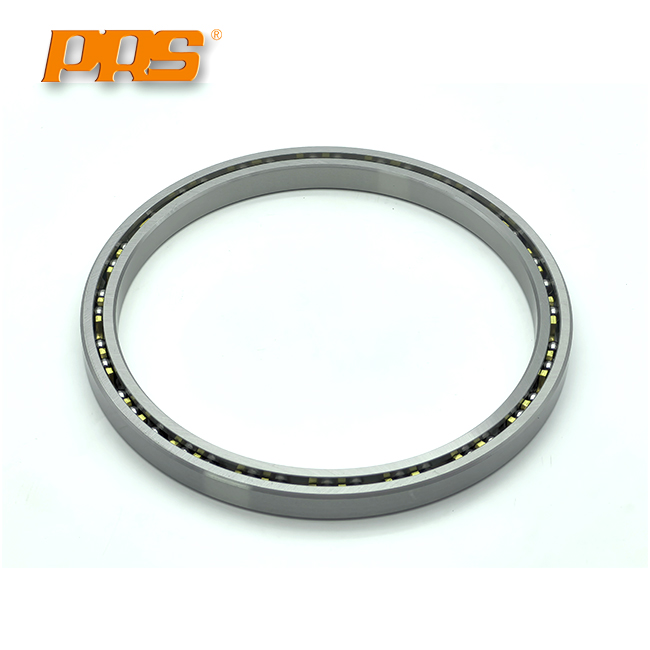
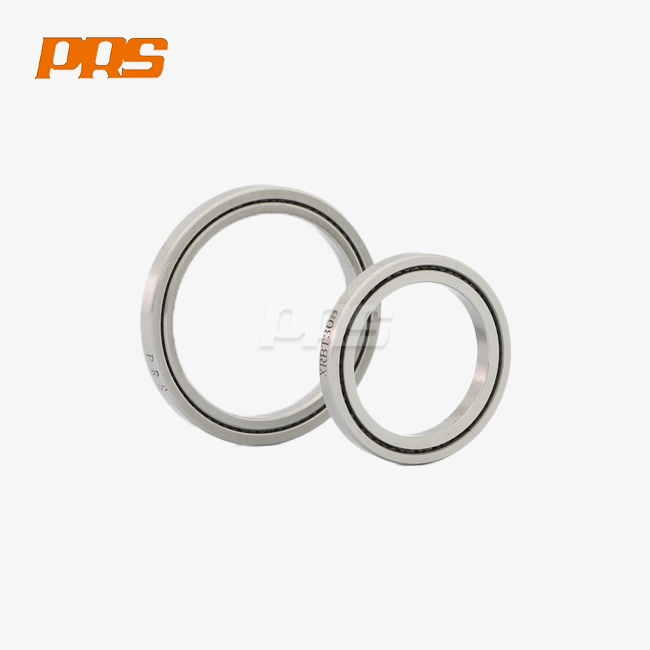
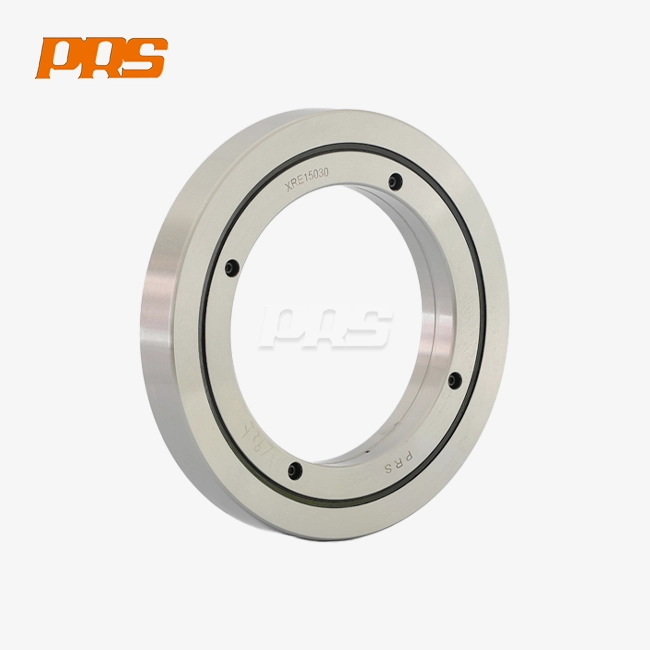
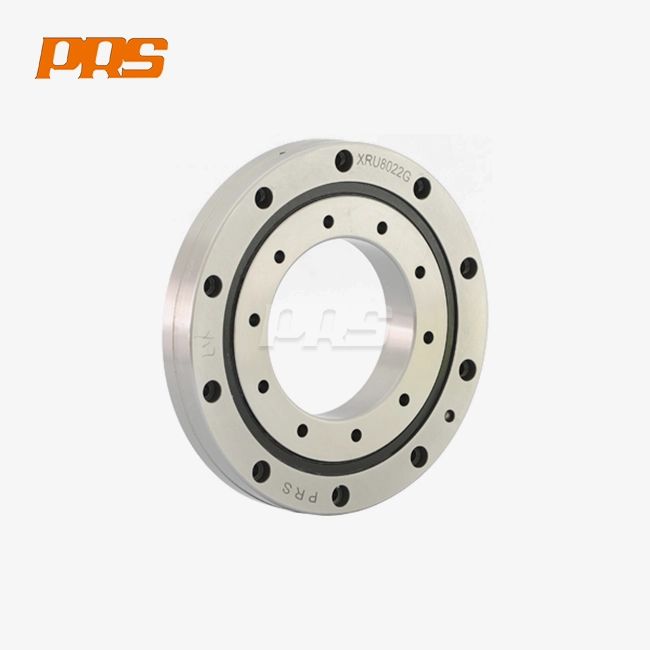
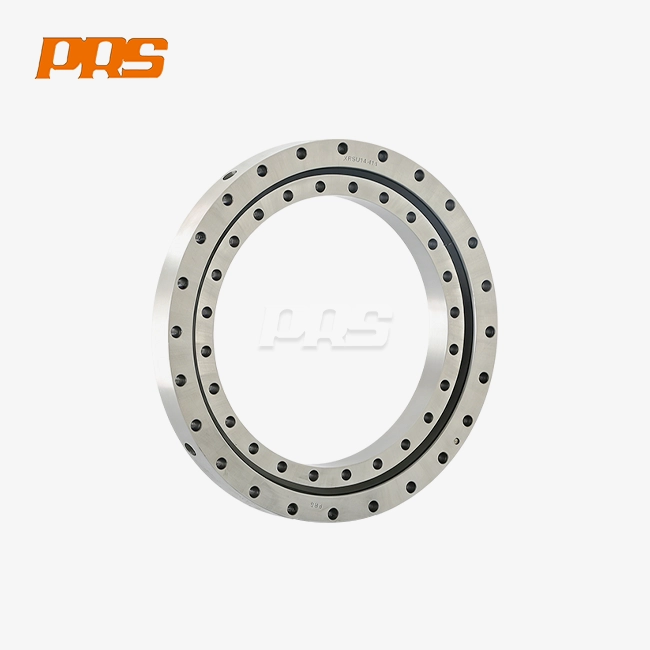
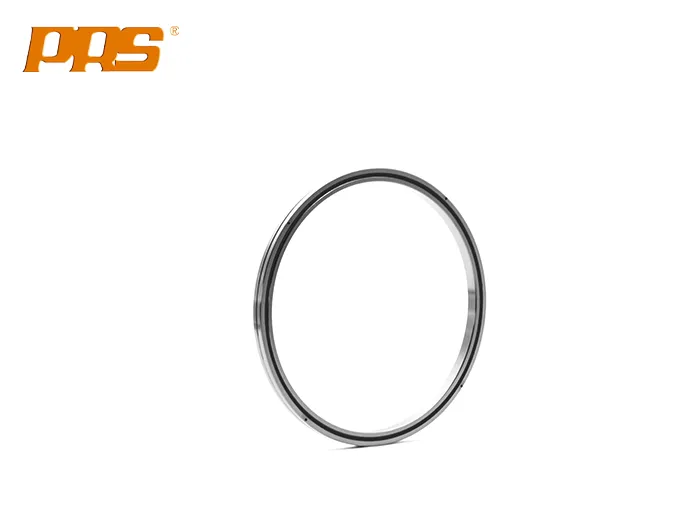
When space is limited, small slewing bearings are a special kind of precision mechanical part that makes it easier to rotate things smoothly. Unlike traditional ball bearings, which only handle radial loads, or thrust bearings, which only handle axial forces, these integrated systems can handle a wide range of load types at the same time thanks to their single structure. The design usually has outer diameters between 200 mm and 600 mm, but special versions can go beyond 800 mm if the needs of the application call for more capacity.
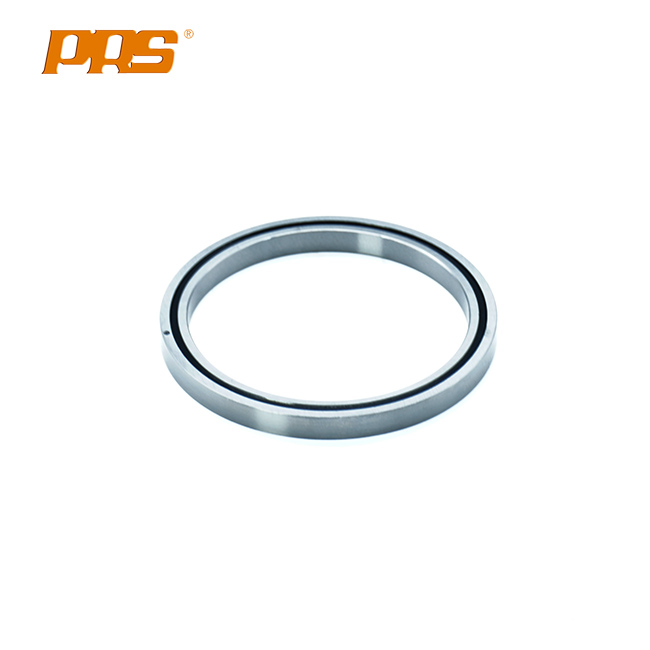
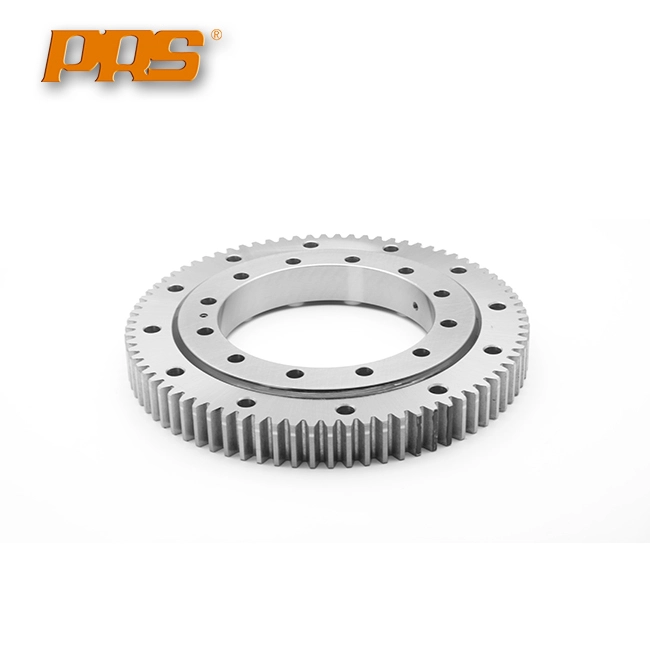
The basic structure has two concentric rings, an inner and an outer ring. There are rolling elements between them, which could be balls, cylindrical rollers, or rollers that are cross-positioned, based on the load needs and the level of accuracy needed. High-quality 50Mn or 42CrMo steel is often used in manufacturing. This steel is chosen for its ideal strength after being heated and treated. Selective induction hardens the raceway surfaces until they reach a hardness of 55 to 62 HRC. This makes sure that they won't wear down over many years or even decades of use if they are properly maintained.
Core Structural Components and Operating Principles
The complex engineering inside the design makes the load spread work best while reducing friction. Rolling elements are placed in precisely ground raceways. The best contact angles spread forces across many bearing points instead of collecting stress in a few areas. This geometric design shows how small parts can hold loads that are usually only possible in much bigger systems.
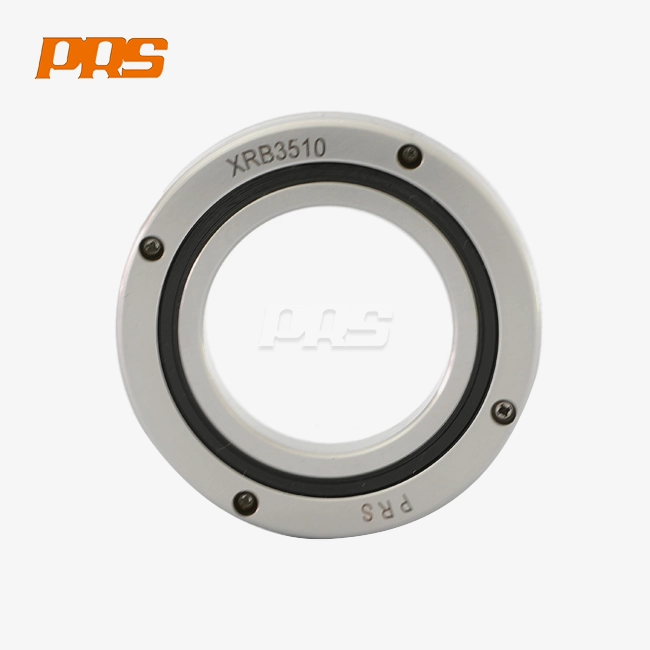
Integrated sealing systems, which are usually made of NBR or Viton elastomers, keep grease in and keep internal parts clean. Optional gear teeth that are carved directly into the inner or outer rings allow direct integration with pinion drives. This gets rid of the need for extra transmission parts that would make installation harder and upkeep more difficult. Pre-drilled mounting holes make it easier to connect to nearby structures, which cuts down on building time and makes sure that everything is lined up correctly, which is essential for meeting performance requirements.
Technical Specifications That Matter
Dimensional limits for runout, clearance, and geometric correctness are set by precision grades from P5 to P2. P5-grade bearings are good for basic industrial machinery where 0.05mm of positioning accuracy is enough, while P2-grade parts are better for semiconductor equipment and metrology systems that need repetition of less than 1 micron. By knowing these categories, buying teams can better match bearing specifications to real application needs. This keeps costs from going up too much because of too many specifications.
In addition to standard steel types, you can choose from special alloys that are made for places that are corrosive or use high temperatures. Surface treatments like zinc plating, black oxide coating, or even PVD coats make things less likely to rust, which is useful for outdoor setups or cleanrooms where particulate production must stay below strict limits.
Primary Applications of Small Slewing Bearings in Industry
Industrial Robotics and Motion Control Systems
More and more, modern production lines depend on articulated robots to do jobs like welding, putting things together, moving materials, and checking for quality. These automatic systems need rotary joints that can precisely place angles without backlash. Small slewing bearing with preloaded cross-roller designs meet this need. When designing a shared robot (cobot), reducing weight has a direct effect on safety ratings and carrying capacity. These bearings' space-efficient profile allows for small joint setups without affecting the rigidity of the structure.
Rotary tables used in CNC machining centers exemplify another critical application within precision equipment manufacturing. Here, indexing accuracy directly influences part tolerances, making bearing runout characteristics paramount. Manufacturers of grinding machines and coordinate measuring machines (CMMs) specify these components for rotary axes where thermal stability and vibration damping affect measurement repeatability at micron scales.
Medical Imaging and Surgical Robotics
Diagnostic imaging equipment presents unique challenges combining precise motion control with sound issues. CT scanners rotate heavy X-ray tubes and detector arrays around patients, requiring bearings that operate smoothly at variable speeds while generating minimal vibration that could compromise image clarity. Well-designed slewing bearings have a balanced load distribution feature that keeps the spinning quality stable over millions of operating cycles.
Surgical robots demand even more stringent performance criteria. Positioning accuracy affects surgical outcomes directly, making bearing precision a patient safety consideration. Joints can be made smaller by using compact form factors. This lets surgery instruments get into small body areas while still being rigid enough to stay in place during delicate procedures. Sterilization compatibility and materials meeting biocompatibility standards make it even harder to choose the right parts for this tough industry.
Semiconductor Manufacturing Equipment
Cleanroom environments impose strict particulate generation limits that conventional bearings often violate through lubricant migration or seal wear. Specialized sealing designs and low-outgassing lubricants qualify small slewing bearings for wafer handling robots, lithography steppers, and inspection systems where keeping the work area clean is important for maximizing production rates. As process temperatures change, thermal stability is just as important. This means that bearing materials need to have matched expansion coefficients that keep preload and clearance specifications the same across all operating temperature ranges.
Wafer stage positioning systems exemplify extreme precision requirements, where sub-nanometer positioning accuracy depends on the hardness of the bearings and how they react to heat. Custom-engineered solutions are often used in these situations, but the basic design ideas come from standard compact slewing bearing construction that has been changed to fit the needs of the chip industry.
Aerospace Guidance and Tracking Systems
Radar antenna positioning systems, satellite communication dishes, and electro-optical tracking platforms rely on precise angular control under varying environmental conditions. Weight constraints in airborne applications make small designs essential, while reliability requirements demand bearing systems that function flawlessly despite temperature extremes, vibration, and shock loads encountered during operational deployments.
Defense applications extend to weapon sighting systems, UAV gimbal mounts, and stabilized platforms where mission success depends on equipment reliability. Bearings serving these functions undergo qualification testing verifying performance across environmental extremes, demonstrating the robust engineering underlying seemingly simple rotary components.
Renewable Energy and Emerging Technologies
Solar tracking systems represent a growing application sector where small slewing bearings enable photovoltaic arrays to follow the sun's trajectory, maximizing energy capture throughout daylight hours. Weather exposure demands corrosion-resistant materials and sealed designs protecting against moisture, dust, and temperature cycling. Maintenance accessibility considerations favor designs requiring minimal lubrication intervals, reducing operational costs across installations spanning decades.
Packaging machinery, automated storage systems, and even advanced automotive applications increasingly incorporate these bearings as equipment designers recognize advantages in simplified mechanical layouts and reduced component counts that small slewing bearings enable through integrated design approaches.
Advantages and Maintenance Tips of Small Slewing Bearings
Performance Benefits Driving Adoption
The integrated architecture consolidates functions that conventional designs distribute across multiple components, reducing assembly complexity and potential failure points. Eliminating separate shaft supports and bearing housings decreases overall system weight by margins reaching 30% compared to traditional configurations—a significant advantage in mobile equipment where weight directly impacts energy consumption and operational costs.
The load capacity relative to envelope dimensions exceeds what separate bearing arrangements achieve, explained by optimized raceway geometry distributing forces across numerous rolling elements. This efficient load distribution extends operational lifespan even under demanding duty cycles combining variable speeds, oscillating motion, and combined loading conditions that challenge conventional bearing systems.
Mounting simplicity cannot be overstated for maintenance teams and original equipment manufacturers alike. Pre-drilled bolt holes and self-contained construction streamline installation, reducing assembly time and minimizing alignment challenges that compromise performance when improperly addressed. Factory-installed seals and pre-applied lubrication further reduce commissioning requirements, letting small slewing bearings enter service more rapidly.
Essential Maintenance Practices
Despite robust designs, operational longevity depends on proper maintenance protocols. Lubrication intervals vary based on duty cycles and environmental conditions—clean indoor environments may permit 100-hour intervals between regreasing, while outdoor installations exposed to dust and moisture require purge lubrication every 40-50 hours, forcing fresh grease through the bearing to expel contaminants before they accelerate wear.
How the mounting area is prepared has a big effect on how well it works and how long it lasts. Mating surfaces must be as flat as possible, within 0.15-0.20 mm per meter. If they aren't, distortions will pass into the raceways and cause them to bend, which will cause uneven load distribution and early failure. Bolt torque specs require following the manufacturer's instructions to make sure that the clamping force is the same all around the bearing's diameter and doesn't cause stress to build up in one area.
Periodic inspection routines should monitor rotational torque consistency, unusual noise, and temperature rise during operation—early indicators of seal degradation, contamination, or inadequate lubrication. Addressing these warning signs promptly prevents progressive damage that escalates minor issues into catastrophic failures requiring complete bearing replacement.
Troubleshooting Common Issues
Excessive rotational resistance often traces to improper preload adjustment, mounting surface distortion, or lubricant degradation. Cross-checking installation parameters against manufacturer specifications typically identifies root causes. Intermittent binding or tight spots usually indicate mounting surface irregularities requiring machining correction rather than bearing replacement.
Accelerated wear patterns in small slewing bearing suggest contamination ingress through compromised seals or inadequate lubrication reaching critical wear surfaces. Implementing more frequent maintenance intervals or upgrading to enhanced seal configurations addresses environmental factors exceeding initial design assumptions. Understanding failure modes enables predictive maintenance strategies that maximize bearing utilization while avoiding unexpected downtime.
Comparing Small Slewing Bearings with Other Bearing Types
Distinctions from Large Slewing Ring Assemblies
Size represents the obvious differentiator, but functional distinctions extend beyond dimensional specifications. Large slewing rings, typically exceeding 1-meter diameter, serve heavy construction equipment and industrial machinery handling loads measured in tons. Their substantial construction prioritizes ultimate load capacity over compactness, resulting in heavier assemblies requiring substantial mounting provisions.
Small slewing bearings sacrifice absolute load capacity for reduced envelope dimensions and weight, targeting applications where space limitations constrain design options. Manufacturing precision often runs higher in smaller bearings, as tolerance bands represent larger percentages of nominal dimensions, demanding tighter process control to achieve specified accuracy grades. Cost per unit naturally differs, though system-level economics often favor compact designs when considering reduced structural requirements supporting lighter bearing assemblies.
Advantages Over Conventional Ball Bearings
Standard radial ball bearings excel at high-speed rotation under primarily radial loads but require separate thrust bearings when axial forces enter the equation. Moment loads—rotational forces applied perpendicular to the shaft axis—challenge simple bearing arrangements, often necessitating widely spaced bearing pairs to create moment arms resisting these forces.
Small slewing bearings integrate axial, radial, and moment load capacity within a single assembly, simplifying mechanical layouts while improving rigidity. Torque capacity significantly exceeds what comparably sized ball bearings achieve, explained by larger rolling element diameters and optimized contact geometries. Applications involving oscillating motion rather than continuous rotation particularly benefit, as load zones remain relatively stationary, allowing bearing designs optimized for this duty cycle.
Selection Criteria Guiding Procurement Decisions
The right way to choose bearings starts with analyzing the load range. Required dynamic load values that bearings must meet or exceed for goal service lives are found by figuring out equivalent loads from combined axial, radial, and moment forces. Temperature ranges, environmental exposure, and the chance of rusting in the environment limit the types of materials and seals that can be used.
Space constraints often dictate maximum permissible bearing dimensions, while precision requirements establish minimum acceptable accuracy grades. Gear integration needs determine whether internal, external, or non-geared configurations suit the application. Evaluating these parameters systematically prevents misapplication while identifying optimal solutions balancing performance against budget realities.
Procurement Guide: Buying Compact Slewing Bearings for Your Business
Evaluating Supplier Capabilities and Certifications
Quality management system certifications provide baseline assurance that manufacturers maintain process controls ensuring consistent output. ISO 9001 certification represents the industry standard, though sector-specific qualifications like AS9100 for aerospace or ISO 13485 for medical devices indicate familiarity with specialized requirements governing those markets.
Manufacturing capacity for small slewing bearing determines delivery reliability, particularly for custom configurations requiring dedicated production runs. Facility scale, machine tool inventory, and engineering staff depth all signal whether suppliers can support both prototype quantities and volume production as programs mature. Site visits, when practical, reveal operational realities that certifications alone may obscure.
Balancing Standard Versus Custom Configurations
Catalog products offer immediate availability and lower unit costs, benefiting applications matching available specifications. Custom engineering accommodates unique requirements that standard offerings cannot address—specialized materials, modified mounting interfaces, or integrated features reducing downstream assembly operations. Development costs and extended lead times accompany customization, making thorough needs analysis essential before committing to bespoke solutions.
Modular design approaches sometimes bridge these extremes, allowing selection of standardized subassemblies combined into semi-custom configurations. This strategy accelerates delivery while providing application-specific functionality, representing a pragmatic compromise for moderate production volumes.
Negotiation Strategies and Total Cost Considerations
Unit price represents only one cost component in comprehensive procurement analysis. Delivery lead times affect inventory carrying costs and production scheduling flexibility. Warranty terms and after-sales technical support availability influence total ownership costs, particularly for complex installations where application engineering assistance prevents costly implementation mistakes.
Minimum order quantities may necessitate inventory investment that working capital constraints render impractical despite attractive unit pricing. Establishing framework agreements with graduated pricing tiers incentivizes volume commitments while maintaining procurement flexibility. Payment terms, including letters of credit versus open account arrangements, affect cash flow management, particularly in international transactions for small slewing bearings.
Managing International Supply Relationships
Chinese manufacturers, including established suppliers like PRS, offer compelling value propositions combining competitive pricing with technical capabilities matching many Western counterparts. Time zone differences require communication discipline—scheduling regular video conferences and establishing clear documentation standards prevents misunderstandings that plague international partnerships. Language considerations matter less than presumed, as technical drawings and specifications provide universal communication media transcending linguistic barriers.
Cultural awareness improves relationship effectiveness. Building personal connections through facility visits and investing time understanding partner capabilities and constraints fosters collaboration extending beyond transactional exchanges. Successful international sourcing relationships evolve into strategic partnerships where suppliers proactively suggest improvements and accommodate urgent requirements that inevitably arise.
Conclusion
Small slewing bearings solve basic engineering challenges across diverse industries by integrating rotational capability with complex load management in space-constrained applications. Their adoption continues expanding as equipment designers recognize advantages in simplified mechanical architectures, reduced component counts, and performance characteristics that conventional bearing arrangements struggle matching. Proper selection requires understanding load conditions, environmental factors, and precision requirements specific to each application, while successful procurement balances technical specifications against commercial considerations including lead times, customization needs, and supplier capabilities. Maintenance discipline maximizing operational lifespan involves proper installation, appropriate lubrication intervals, and monitoring for early failure indicators. The technical sophistication underlying these seemingly simple components reflects decades of bearing engineering refinement, making informed supplier selection and application support access critical factors determining project success.
FAQ
How do you achieve minimal backlash in precision robotics applications?
Applications demanding near-zero backlash utilize negative clearance configurations, essentially preloading the bearing through controlled interference between rolling elements and raceways. Cross-roller designs inherently provide superior stiffness and reduced play compared to ball-type configurations, making them preferred choices for robotic joints where positioning accuracy directly affects production quality. Preload adjustment during assembly, combined with precision-ground components meeting P4 or higher accuracy grades, delivers the rigidity that collaborative robots and precision automation systems require for repeatable performance.
What mounting surface preparation ensures optimal bearing performance?
Mounting surface flatness critically affects load distribution and operational lifespan. Surfaces must be machined flat within 0.15-0.20mm per meter, as deviations transfer into raceway distortion creating uneven loading and premature wear. Bolt hole positioning accuracy and surface finish also influence installation quality. Proper bolt torque applied in star patterns ensures uniform clamping force without inducing localized stress concentrations. These installation fundamentals prevent the majority of premature failures attributed to small slewing bearings when root cause analysis reveals improper mounting as the actual culprit.
How is bearing service life calculated for oscillating applications?
Standard L10 life calculations based on continuous rotation require modification for oscillating duty cycles common in slewing bearing applications. Specialized software accounts for load spectrums using cubic mean load calculations rather than simple static ratings. Oscillation angles, cycle frequencies, and actual load distributions through the operational envelope all factor into realistic life predictions. Manufacturers experienced in slewing bearing applications provide engineering support calculating expected service lives under actual operating conditions rather than theoretical continuous rotation scenarios rarely matching real-world usage patterns.
Partner with PRS as Your Reliable Slewing Bearing Supplier
When your application demands precision rotary solutions that deliver consistent performance across demanding operational environments, PRS Bearing offers the engineering expertise and manufacturing capabilities your project requires. Our 15,000 square meter production facility houses over 200 precision machines producing small slewing bearing spanning 10mm to 5000mm diameters, ensuring we accommodate both small slewing bearings and larger specialized requirements. With 35 experienced technical engineers providing comprehensive application support, we guide your bearing selection from initial concept through installation and ongoing maintenance optimization.
PRS maintains ISO 9001 certification with factory pass rates exceeding 99.9%, demonstrating our commitment to quality consistency across all production batches. Our product range includes internal-geared, external-geared, and non-geared configurations with precision grades reaching P2 for critical applications, all backed by over 20 years of bearing manufacturing experience. Whether you need standard catalog products or custom-engineered solutions tailored to unique operating conditions, our team develops optimal specifications meeting your performance requirements and budget constraints. Contact our engineering team at ljh@lyprs.com to discuss your compact slewing bearing requirements and discover how PRS delivers solutions that exceed expectations.
References
Harris, T.A. & Kotzalas, M.N. (2006). Advanced Concepts of Bearing Technology: Rolling Bearing Analysis, CRC Press, Boca Raton.
Schaeffler Technologies AG & Co. KG (2019). Rolling Bearings: Catalogue HR 1, Schaeffler Technologies, Herzogenaurach, Germany.
Xu, H. & Zhang, D. (2015). "Load Distribution Analysis of Large-Scale Slewing Bearings", Journal of Mechanical Engineering Science, Vol. 229, Issue 14, pp. 2551-2563.
ISO 76:2006. Rolling Bearings — Static Load Ratings, International Organization for Standardization, Geneva.
Glaeser, W.A. (2001). "Bearing Technology", Tribology Data Handbook: An Excellent Friction, Lubrication, and Wear Resource, CRC Press, pp. 620-668.
American Bearing Manufacturers Association (2015). Load Ratings and Fatigue Life for Ball Bearings, ABMA Standards, Washington D.C.

USER EVALUATE
Here is the customer's evaluation of us