


Robot Arm Bearing Types: Which One Is Best for Your Build?
Choosing the right robot arm bearing design is a direct indicator of whether your robotic system meets its exact goals or fails too soon. When we create robotic systems at PRS, we always see that the performance of a joint relies on how well the bearings are matched to the real load patterns, motion profiles, and environmental conditions. Figuring out what kind of bearing works best for each joint point turns theoretical designs into reliable production tools that stay accurate over millions of rounds.
Understanding Robot Arm Bearings: Basics and Key Types
In robot arm joints, bearings are the most important link between parts that don’t move and parts that do. They turn motor power into precise rotational or linear motion while supporting complex load combinations. These special mechanical parts have rolling parts between the inner and outer rings, which spreads forces out widely and reduces friction compared to sliding contact systems.
What Defines a Robot Arm Bearing
Robot arm bearings are basically different from standard industrial bearings because they have stricter tolerance requirements and better stiffness properties. Different types of joints, ranging from heavy-duty base systems to precise wrist parts, need different levels of performance. Base joints usually handle a lot of radial loads from the whole arm structure, while distal joints focus on being small and having little backlash to keep the end-effector in the right place.
Instead of having a few places of contact, the operating concept is based on spreading the load across several rolling parts. This arrangement greatly lowers the friction coefficients, which leads to better energy economy and less heat production during constant operation. Bearings that keep these performance traits under strict environmental controls are needed for modern robotic applications that work in semiconductor cleanrooms or medical device factories.
Common Bearing Types in Robotic Applications
Configurations with ball bearings use spherical moving elements that allow for smooth motion when the load is mild. When high spinning speeds are needed with relatively low moment loads, these parts work great. Angular contact types have better contact angles that can handle both radial and axial forces at the same time. This makes them good for elbow joints and rotating actuators that need to be able to precisely place the contact angles.
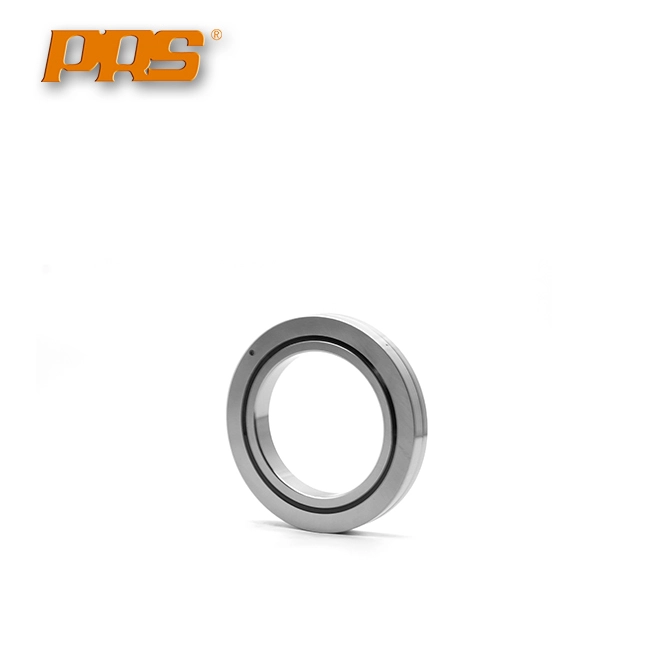
Roller bearings use cylinder-shaped or curved parts instead of balls, which greatly increases the load capacity while keeping the outer dimensions the same. The longer contact line between the rollers and the raceways spreads forces over a bigger area, which lowers contact stress and makes it possible to move heavy loads. Crossed roller bearings put elements that are not parallel to each other so that they can support loads in more than one way at the same time, providing exceptional stiffness and minimal deflection under varying load conditions.
Thin-section designs lower cross-sectional dimensions while keeping load capacity at a good level, making it possible to save a lot of weight in small assemblies. In situations where size and weight reduction are important but not at the expense of function, these specialized designs come in very handy. When choosing a robot arm bearing, these fundamental traits must be weighed against what the application needs.
Material Impact on Performance Characteristics
For most industrial robot arm uses, chrome steel is still the standard material because it is hard, durable, and inexpensive. This alloy behaves consistently across normal working temperature ranges and is resistant enough to corrosion in controlled settings. Heat treatment methods make the surface harder than 58 HRC, which is needed to keep the shape stable during repeated pressure cycles.
Stainless steel robot arm bearing types offer better resistance to corrosion, which is important for preparing food, making medicines, and other tasks that involve chemicals or wetness. These materials are a little heavier and cost a little more than chrome steel, but they don't rust, which could damage sensitive processes or weaken bearings over long periods of use.
Ceramics, especially silicon nitride, have great qualities that make them ideal for difficult tasks that need to be done quickly or with great accuracy. Ceramic elements are about 60% lighter than their steel counterparts and are better at keeping heat in and electricity from flowing through them. The low thermal expansion rate of the material keeps clearances tighter over a wider temperature range, directly improving the accuracy of positioning in precision assembly jobs.
Comparison of Robot Arm Bearing Types: Which Fits Your Application?
More than any other performance factor, the best bearing choice depends on the unique needs of the application. Which arrangement is best for the long term depends on the size and direction of the load, the speed of rotation, the need for positional accuracy, and the surroundings.
Ball Bearings vs Roller Bearings: Structural Differences
Ball bearings and roller bearings are different in how they are built. Ball bearings make point contact with raceways, which limits the spread of contact stress but lets them go faster and require less starting force. This shape works well in situations where spinning speed is more important than load size as a design factor. Because the contact area is smaller, there is less internal friction, making motion smoother at high speeds while needing less driving power from the actuators.
Roller bearings make line contact across their cylinder-shaped or curved surfaces, which greatly increases the amount of weight they can hold for the same size. This longer contact spreads forces over a larger surface area, which lowers the highest contact stress and makes the product last longer when it’s under heavy loads.
The trade-offs in structure are more complicated than just comparing load capacities. Ball bearings can handle small misalignments better, which makes fitting tolerances easier and speeds up the assembly process. Roller setups need more exact mounting to stop edge loading that speeds up wear, but current manufacturing tolerances and the right way to install them successfully address these issues.
Ceramic vs Steel: Performance and Cost Considerations
Steel bearings have been used in a wide range of robot arm uses and have been shown to work well. For many years, manufacturers have worked to improve the processes of steel metallurgy, heat treatment, and precise grinding so that they can make parts that are stable and have long service lives. Competitive pricing systems that work well in high-volume production settings are supported by materials that are easy to get and supply lines that are already set up.
Ceramic hybrid bearings, which have both ceramic rolling elements and steel rings, are a good middle ground that take advantage of many of the benefits of ceramic while keeping costs low. The ceramic balls make the bearings about 40% lighter, which lowers their drag and lets them accelerate faster. Lower friction ratios mean lower working temperatures and longer periods of time between lubrication, which means less upkeep over the life of the bearing.
Full ceramic bearings offer the best performance in specific situations, which makes the higher cost worth it. These arrangements get rid of electrical conductivity, which stops current flow that could lead to surface cracking in situations where electricity is discharged. The chemical inertness of the material keeps it from corroding when exposed to aggressive substances, making it last longer in tough chemical settings where steel types break down quickly.
Sealed vs Open Configurations
Open robot arm bearing configurations make inspection, re-greasing, and cleaning easier to do during regular maintenance times. These configurations work well in controlled settings with little to no contamination and easy entry for regular upkeep. When factories have established preventive maintenance programs, they often choose open designs that let them check the state of parts and repair them before they stop working properly.
Sealed bearings have covers or seals that keep out outside contaminants while keeping the grease inside the bearings for the whole design life. When working in dusty, wet, or dirty places like factory automation settings, double-sided seal configurations offer the best safety. The sealed method gets rid of the need for relubrication, which makes maintenance plans easier, but it also makes it impossible to check the inside without taking the whole thing apart.
We make bearings with double-sided seals because flying particles, metal debris, and liquid pollution in industrial settings quickly lower the performance of open bearings. Sealing setups greatly increase the time between maintenance tasks, which lowers labor costs and limits unplanned downtime due to failures caused by dirt getting in.
Load Capacity and Dimensional Standards
Bearing load numbers tell you the most force that a part can take before it stops working. When an application is rotating, dynamic load ratings tell you how much it can hold, while static ratings tell you how much it can hold when it is fixed or slowly moving. To make the right choice, you need to figure out the real loads, which include radial, axial, and moment forces, and then choose bearings with enough capacity reserves to account for shock loads and acceleration forces.
Dimensional standards make it possible for products from different makers to be used together, but for robot arm uses, special designs that fit particular mounting envelopes are often needed. PRS makes bearings with inner diameters ranging from 20mm to 600mm and outer diameters ranging from 36mm to 700mm, allowing for a wide range of joint designs from small wrist units to large base rotaries. Thickness runs from 8mm to 40mm, giving you choices for setups with limited room that need thin-section profiles or heavy-duty uses that need strong cross-sections.
Precision grades have a huge effect on how accurate and repeatable placement is. Standard P4 grade bearings have limits that work for most industrial robots, while P2 precision bearings have the micron-level accuracy that is needed for measurement equipment, handling semiconductors, and precision assembly. Higher precise grades cost more, but they are necessary when the total positioning mistakes across multiple joints would be too high to accept.
Selecting the Best Robot Arm Bearing for Your Build: A Decision Support Framework
A thorough load analysis of all working situations is the first step in systematic robot arm bearing selection. Peak loads during maximum payload handling, ongoing loads during regular operation, and dynamic forces during acceleration all affect how long a bearing will last and what size should be chosen.
Matching Performance Metrics to Application Requirements
Different joint points in the same robot arm have very different load capacity needs. Base joints take on the most rotational and moment loads from the whole structure, requiring strong roller bearings or large-diameter ball bearings that can handle a lot of weight. Shoulder joints balance heavy loads against the need for a wide range of motion, usually by using angled contact arrangements that handle mixed loads well.
When it comes to elbow and wrist joints in a robot arm bearing, small size and low backlash are more important than maximum load capacity. Crossed roller bearings work great in these places because they can support loads in multiple directions while taking up little room and still keeping the positioning accuracy needed for precise end-effectors. Instead of choosing bearings based only on their highest theoretical capacity, the choice should be based on real force calculations.
Speed rates show the fastest spinning speeds that bearings can handle before they get too hot or lose their lubricant. When working at high speeds, joints need to carefully consider the rotating forces acting on the rolling elements and choose a lube that can handle the high temperatures. When the spinning speed is too fast for steel bearings, ceramic hybrid bearings greatly increase the speed that can be reached.
Application-Specific Selection Guidelines
For pick-and-place tasks to be done by industrial automation systems, the cycle speed and dependability must be optimized over long production runs. For these uses, sealed designs are helpful because they reduce the need for upkeep and keep working well over millions of cycles. Load characteristics are pretty stable, which lets you make accurate life estimates that support planned replacement plans that are part of larger maintenance programs.
For precise assembly tasks in making electronics or medical devices, you need P2 grade bearings that can keep accuracy at the micron level for the whole life of the bearing. These places usually keep the temperature and cleaning under control, which lets open bearing arrangements happen where regular checks make sure the accuracy is being maintained. The money spent on high precise grades is returned in the form of lower scrap rates and better product quality.
Heavy-duty robots that move heavy loads in foundries, forging operations, or material handling need to be able to carry the most weight possible within the limits of their mounting measurements. Crossed roller bearings with large cross-sections have the strength to keep them from deflecting when the load changes, and they can still keep their place accurately enough for these less precise uses.
Cost-Effectiveness Beyond Initial Price
When buying robot arm bearings, choices should not only be based on unit purchase amounts, but also on the total cost of ownership. Even though they cost more up front, premium bearings often provide better long-term value through longer service life, less maintenance, and better system performance that raises total output.
Over the life of an item, maintenance costs add up to a lot. When bearings are sealed, they don’t need to be oiled again, which cuts down on direct work and stops failures caused by contamination that cause unplanned downtime. When sudden bearing failures happen, lost output is usually many times higher than the cost of replacing the bearings. This means that investing in dependability is a smart financial move.
Total ownership costs are affected by the expert assistance, customization choices, wait times, and quality consistency of the supplier. Well-known companies with lots of engineering tools offer application help that makes choosing the right bearings for each job easier. Quick delivery from a well-kept store cuts down on project timelines and allows for quick replacement when things go wrong without warning.
Conclusion
The choice of robot arm bearings is one of the most important factors in determining whether computer systems meet their goals for accuracy, dependability, and productivity. When making a choice, the process has to take into account things like cost, speed, load needs, and the surroundings, keeping in mind that the best options change for different joint positions within a system. Crossed roller bearings give wrist systems a lot of rigidity, angular contact setups handle combined loads in elbow joints, and strong roller bearings hold up heavy base structures.
Knowing about the features of materials, how seals are configured, and precision grades lets you make specifications that match parts to specific needs instead of making guesses based on broad categories. Total cost of ownership factors that go beyond the initial purchase price show that premium bearings with longer service lives and lower upkeep needs often provide better long-term value than cheaper options that need to be replaced more often.
FAQ
What bearing type suits high-speed robotic wrist joints?
For high-speed wrist uses, angular contact ball bearings or ceramic hybrid designs work best. Ball bearings have less internal friction than roller bearings because they have a point contact shape. This lets them rotate at higher speeds without making too much heat. Ceramic rolling elements increase speed even more while lowering weight, which is a big plus in wrist joints where lower inertia means faster acceleration and better dynamic reaction.
How do sealed bearings affect maintenance requirements?
Sealed versions with double-sided seals don’t need to be re-oiled during the bearing’s design life and keep dirt and other contaminants out, which speeds up wear. This feature makes upkeep a lot easier and keeps failures from happening in industry settings where particles are present. The trade-off is that you can’t check the inside without taking the whole thing apart, but the longer life and higher stability usually make up for this.
What precision grade do semiconductor applications require?
For wafer handling and processing, semiconductor production equipment usually needs P2 precision grade robot arm bearings that keep placement accuracy at the micron level. Standard spec bearings across multi-axis systems would cause a lot of positioning mistakes that are too big for these uses. Precision that is higher costs more, but it is necessary when the quality of the product rests on being precisely placed during the manufacturing process.
Can different bearing types mix within one robotic arm?
Robot arms usually use various types of bearings in each joint point, depending on the load and movement needs at that spot. For best rigidity under heavy loads, base joints may use crossed roller bearings. Elbow joints use angular contact configurations, and wrist systems use thin-section designs that reduce weight and inertia. Standardizing on a single type of bearing doesn’t improve the general performance of the system as much as matching the bearing characteristics to the real application demands at each joint.
Partner with PRS for Precision Robot Arm Bearing Solutions
When your robotic system needs robot arm bearings that stay accurate to the micron level over millions of cycles, PRS has the performance you need, backed by 20 years of experience making precision parts. We have a wide range of products, such as crossed roller, thin-section ball, and angular contact bearings with inner diameters from 20 mm to 600 mm. These are made to P4 and P2 precision levels to meet the needs of the most challenging uses. Before being shipped, every bearing goes through strict testing procedures that achieve 99.9% pass rates. This makes sure that the quality is the same whether you order regular catalog items or custom configurations. Our 35-person team of engineers helps you with your application throughout the whole design process. They take your load needs and motion profiles and turn them into the best bearing solutions possible. Get in touch with our technical experts at ljh@lyprs.com to talk about your specific needs with a robot arm bearing manufacturer ready to help you with your next project by providing fast delivery and a wide range of engineering resources.
References
Harris, T.A., & Kotzalas, M.N. (2006). Essential Concepts of Bearing Technology: Rolling Bearing Analysis (5th ed.). CRC Press.
Sciavicco, L., & Siciliano, B. (2012). Modelling and Control of Robot Manipulators (Advanced Textbooks in Control and Signal Processing). Springer-Verlag London.
Bhushan, B. (2013). Principles and Applications of Tribology (2nd ed.). John Wiley & Sons.
Niku, S.B. (2020). Introduction to Robotics: Analysis, Control, Applications (3rd ed.). John Wiley & Sons.
Eschmann, P., Hasbargen, L., & Weigand, K. (1985). Ball and Roller Bearings: Theory, Design and Application (2nd ed.). John Wiley & Sons.
Craig, J.J. (2017). Introduction to Robotics: Mechanics and Control (4th ed.). Pearson Education.

USER EVALUATE
Here is the customer's evaluation of us
YOU MAY LIKE
 VIEW MORETower Crane Slewing Bearing
 VIEW MORERA Ultra thin bearings
 VIEW MOREUltra thin bearings
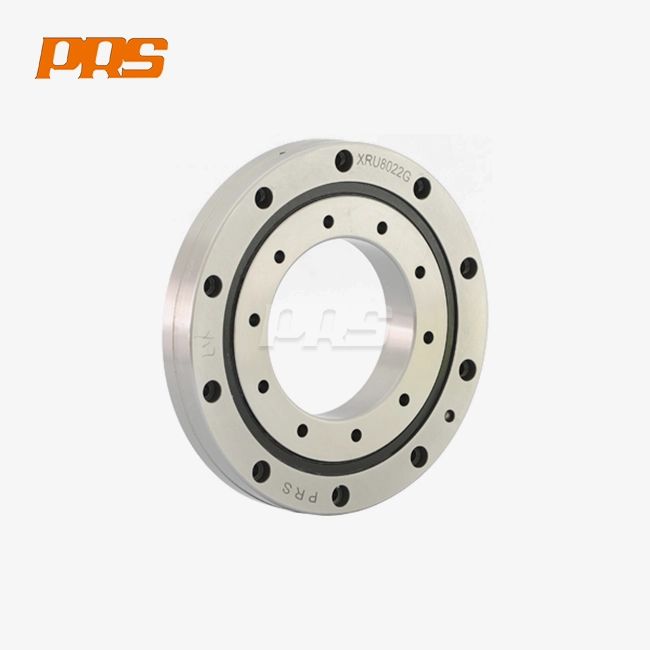 VIEW MORERU Crossed Roller Bearings
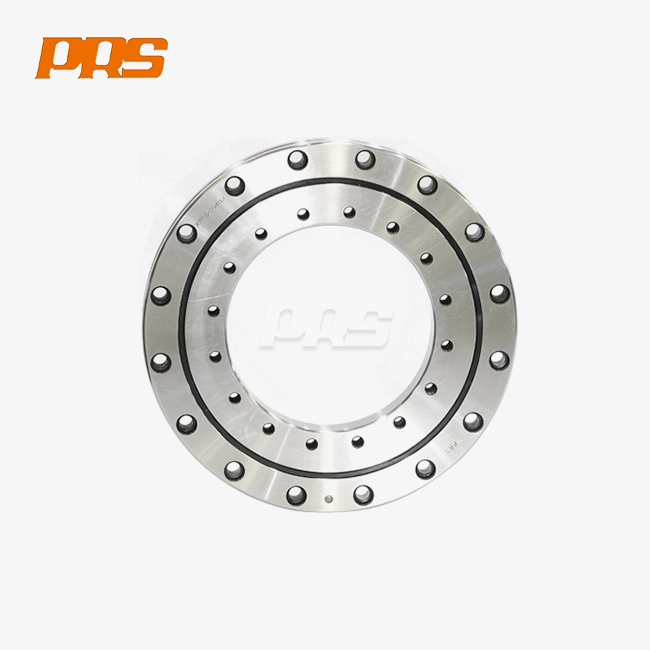 VIEW MORECross Roller Turntable Bearing
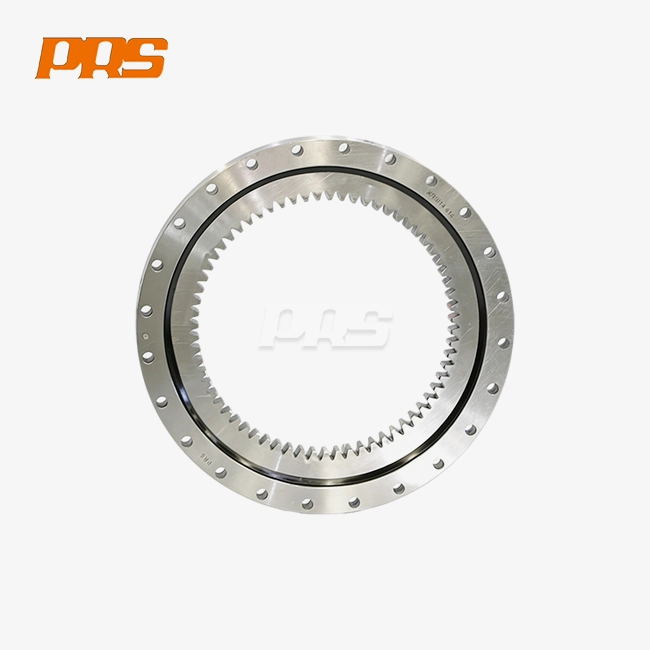 VIEW MORECross roller Slewing bearings
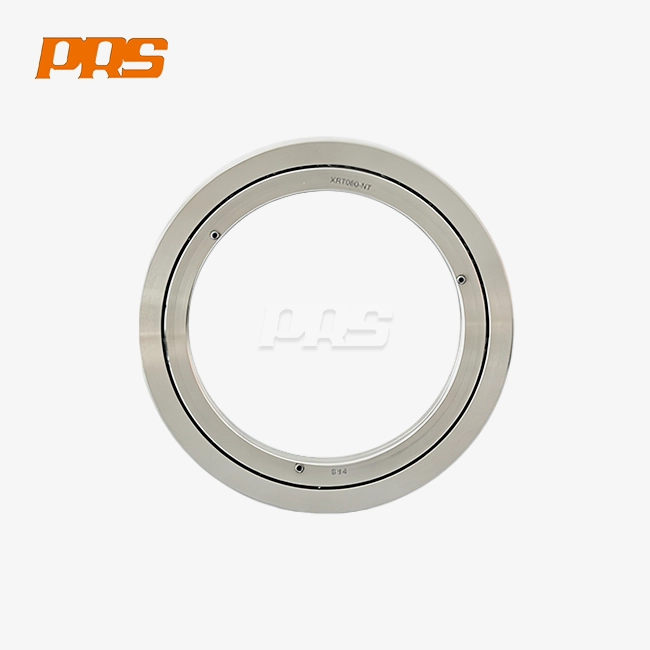 VIEW MOREmini lathe spindle bearings
 VIEW MOREDouble-Row Angular Contact Ball Slewing Bearings