
Reliable SX Series Cross Roller Bearings for CNC Equipment
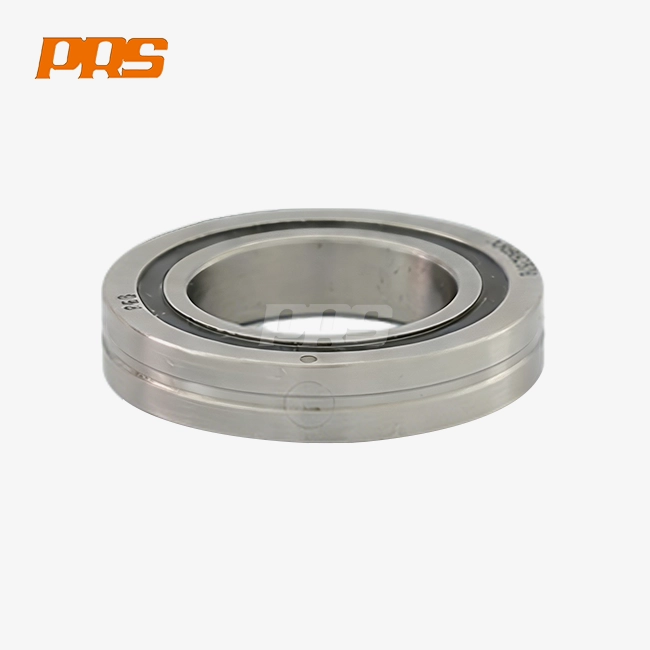
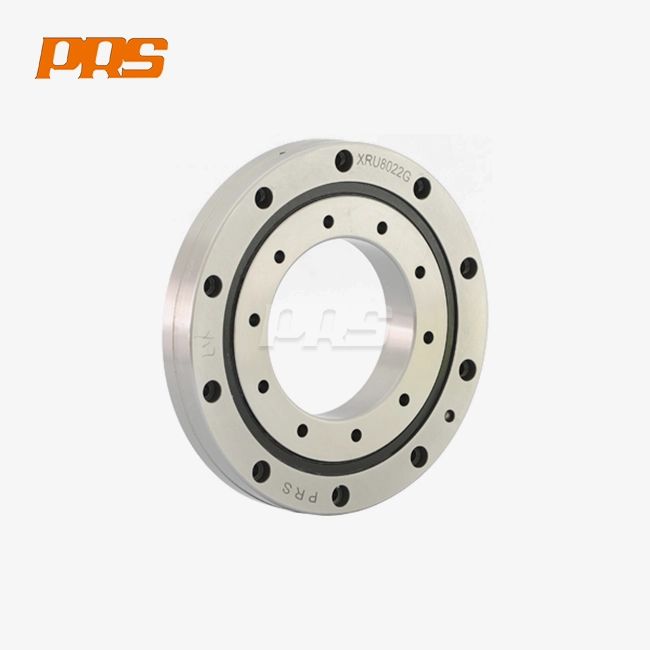
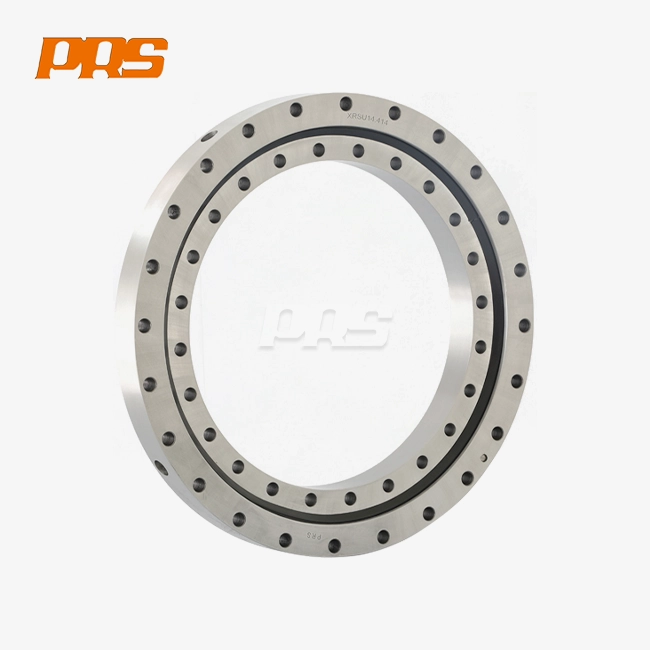
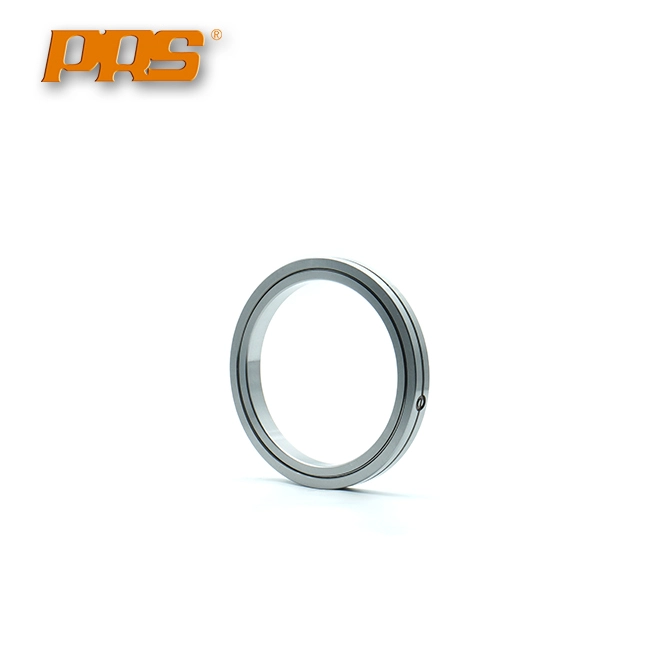
The SX series cross roller bearing is the most reliable when it comes to CNC processes where accuracy is key. These bearings were designed by PRS with a combined inner ring and a split outer ring. They can handle radial, axial, and moment loads all at the same time and have a small size. Every unit meets micron-level standards thanks to high-quality manufacturing backed by ISO certifications. This makes these bearings the best choice for CNC machining centers where rotational accuracy has a direct effect on production quality and operating efficiency.
Understanding SX Series Cross Roller Bearings
The engineering behind these unique parts solves some of the most important problems that makers of precision tools face today. In traditional bearing setups, more than one unit is needed to handle complex load patterns. But in the orthogonal roller design, only one unit is needed.
Technical Architecture and Design Philosophy
The form of the structure is a result of decades of progress in bearing engineering. PRS makes these units with cylinder-shaped wheels that are placed perpendicular to each other inside precise V-groove raceways. This makes line contact instead of point contact. This design spreads forces out more evenly across the bearing surface, which greatly reduces stress areas that often shorten the life of bearings in tough situations.
The split outer ring system is made up of two parts that are held together by three carefully designed holding rings. This design makes installation easier in tight areas while keeping the structure strong while it's in use. Also, the solid inner ring gets rid of the misalignment risks that come with multi-piece designs. This makes sure that the bearing's spinning accuracy stays the same over its lifetime.
Each roller is separated by high-precision plastic plates. This keeps the metals from touching directly, which would cause too much friction and heat. When compared to full-complement designs, where rollers touch each other directly, this separation device keeps the thickness of the lubricant film and makes spinning smoother.
Material Science and Manufacturing Precision
PRS chooses GCr15 and GCr15SiMn bearing steels because they are harder and don't wear down easily. After being carefully machined, raceways are heated until they reach 58–64 HRC hardness levels. This metalworking process makes surfaces that can handle high contact loads without wearing out or chipping too quickly.
These bearings come in different ISO precision grades, from P6 to P2, so they can meet a wide range of needs. The P4 and P2 grades go through extra steps of grinding and finishing to get runout limits that are measured in micrometers. This level of accuracy is very important in CNC indexing tables, where mistakes in placing directly lower the quality of the parts that are made.
The two-sided seal keeps grease in and keeps interior parts safe from dirt and other contaminants. Most industrial settings can work in temperatures between -20°C and +120°C, but some uses may benefit from special seal materials or oils chosen for harsh circumstances.
Load Handling Characteristics
With crossing rollers, the stiffness is three to four times higher than with angular contact ball bearings of the same size. This stiffness keeps the dimensions accurate during heavy machining processes by reducing the amount of deformation caused by cutting forces. When your CNC machine uses heavy radial and axial loads at the same time, the V-groove raceway design makes sure that the loads are evenly distributed and that there are no early wear patterns.
Another clear advantage is the moment load ability. The split roller arrangement makes a big effective moment arm, which helps the bearing withstand twisting forces that would make less stable designs unstable. This feature is very important for cantilever-mounted rotating tables and robotic joint uses where loads are often off-center.
Advantages and Applications of SX Series Cross Roller Bearings
In addition to providing raw specs, the SX series cross roller bearing value proposition also addresses practical problems that factory engineers face every day in the real world. When buying teams know about these benefits, they can make choices that are in line with long-term goals for equipment performance.
Compact Design Enabling Space Optimization
Modern gear design calls for better performance in smaller spaces more and more. Because these bearings have an ultra-thin cross-section, they don't need complicated bearing setups. This lets engineers make machines with much smaller sizes. In standard designs, two angular contact bearings spaced far apart might be needed. But a single SX series cross roller bearing can do the same job or even better.
This space efficiency directly leads to less weight, which is especially helpful in robotics where less inertia makes acceleration reaction faster and energy economy better. Because bearing rings don't have mounting holes, they have to be mounted on a flange. This makes the design more flexible because it lets the mounting structure be changed to fit different equipment layouts.
Performance Across Critical Industrial Sectors
The main place where these bearings are used is in CNC machine centers, where they support accurate indexing tables and rotating axes. The low friction coefficient makes sure that the rotation is smooth and that the torque changes little, which is important for keeping the quality of the surface finish while constant shaping operations are going on. When bearing runout is tightly controlled, positioning accuracy can be reached within micrometers.
The integral inner ring form is great for robotic joint uses because it works well in situations where the inner race turns. When manipulators stretch and withdraw with different payloads, the robot's waist joints and articulated arm connections need to be able to precisely place and fight moment loads. The bearing's ability to handle these complicated load combinations in a small place directly leads to better robot designs.
To keep the quality of the images, medical imaging equipment like CT machines needs to rotate without vibrations. The gap retention system keeps rollers from touching each other too much, which lowers the risk of vibrations that could blur diagnostic pictures. In the same way, optical measurement systems need these bearings' high level of rotational accuracy because any variation hurts the repeatability of measurements and the trustworthiness of inspection data.
Equipment used to make semiconductors works in cleanrooms, which are places where keeping things clean is very important. The sealed bearing design stops particles from forming, and the low friction properties stop heat from building up, which could affect processes that are sensitive to heat. The bearing's ability to keep its accuracy over millions of positioning cycles is useful for lithography tools with precise positioning steps.
Quantifiable Operational Benefits
Compared to traditional bearing setups, the time between maintenance visits is much longer. Because there is less contact stress and better oil retention, there are fewer service delays for replacing or inspecting bearings. After adding these advanced bearings to old systems, manufacturing sites report a measurable increase in the availability of their equipment.
Less friction means less energy waste, which is something that facilities are thinking about more and more as they try to reach their environmental goals. The smooth power properties also lower the size of the servo motor that needs to be used, which saves money on equipment costs during the early stages of planning. Over long periods of time, these improvements in efficiency add up to big drops in running costs.
SX Series vs. Other Bearing Options: A Rational Choice Approach
To choose the right SX series cross roller bearing technology, you need to know how the different types meet the needs of different applications. The choice affects not only the original costs of buying the equipment, but also its performance and the costs of maintaining it over time.
Comparative Performance Analysis
Standard cross roller bearings that don't have the special SX series cross roller bearing design might work for less demanding tasks, but they don't have the stiffness and precision grades that the SX series cross roller bearing does. Turntable bearings can hold a lot of weight, but they take up a lot more room and usually don't rotate as accurately. Slewing bearings can handle very large diameters, but they are overengineered for most uses in precision machinery.
The SX series cross roller bearing line works great when micron-level accuracy is needed for simultaneous multidirectional load handling. When angled contact ball bearings are paired in complicated ways, they can get close to some performance qualities, but they need more room to be installed and are harder to line up correctly. Four-point contact ball bearings are easier to install, but they are not as strong as needed for precision machining tasks where cutting forces change quickly.
Economic Justification and Total Cost of Ownership
The original purchase price may be higher than for simpler bearing types, but the total cost study shows that the economics are strong. Less frequent repair cuts down on labor costs and breaks in output as little as possible. Longer equipment life means less money spent on replacements, and better equipment accuracy lowers scrap rates by keeping manufacturing standards tighter.
Builders of heavy equipment know that the dependability of bearings affects the cost of warranties and the image of a brand. Using tried-and-true bearing technology lowers the number of failures that happen in the field, which saves money on service calls and makes customers happy. This factor of dependability is especially important for technology that is sent to remote locations where getting service can be hard.
Application-Specific Selection Criteria
When bearing movement would hurt the quality of a machined part, makers of CNC equipment should put stiffness and accuracy first. The space-efficient design that allows for more joint movement in small form factors is most useful for robotics applications. Medical equipment needs to be able to dampen vibrations so that images are clear, and semiconductor gear needs to be able to work in cleanrooms and stay stable at high temperatures.
Not only do procurement experts have to look at the bearing specs, but they also have to see if the supplier can provide technical help during the creation cycles of new equipment. Having access to application engineering experts during the design process helps choose the best bearings and place them in the best way. This keeps expensive redesigns from being needed after samples show performance problems.
Procurement Guide: Buying and Sourcing SX Series Cross Roller Bearings
To get through the buying process smoothly, you need to know about both scientific and business issues. Getting in touch with reputable sellers is the best way to make sure you get real goods that come with the right warranties and technical support.
Supplier Qualification and Product Authenticity
When you work with well-known companies like PRS, you can be sure that the products will be of high quality and consistent. We've been dealing in precision bearings for more than 20 years, and our ISO 9001, ISO 14001, and ISO 45001 standards show that we are committed to quality management systems. The factory covers 15,000 square meters and has more than 200 high-precision tools to make sure that production can keep up with tight delivery plans.
Each SX series cross roller bearing goes through a lot of tests, such as checking the dimensions and surface finish, making sure it can handle the load, and measuring the spinning force. Factory pass rates above 99.9% show that the manufacturing process is controlled in a way that keeps differences between runs of products to a minimum. When equipment manufacturers use the same types of bearings across all of their products, this level of stability is very important.
Commercial Terms and Customization Options
The way prices are set takes into account the number of orders, the accuracy grade, and any customization needs. Pricing is usually better when you commit to a larger order, but even smaller orders get the same level of quality control. Lead times depend on how busy the factory is right now and whether the specs match regular store items or need to be made to order.
There is a balance between industrial efficiency and customer freedom in minimum order amounts. Standard setups ship faster, while special variants need to be reviewed by engineers and may need tools development. During the quote phase, technical talks help figure out whether standard goods meet the needs or whether custom solutions offer better performance value.
After-Sales Support and Technical Resources
Customization options go beyond changes in size and include things like special seal materials for harsh settings, different lubrication for different temperature ranges, or custom fastening features. With a lot of experience in a lot of different industries, PRS engineering teams work with customers to make sure that bearing designs are the best they can be for each application.
Each shipment comes with a lot of scientific information, like height and width measurements, mounting instructions, and upkeep suggestions. During the development and production stages of an item, application tech support is still available to help with installation questions or performance issues. If a manufacturing flaw shows up during service, the warranty gives you a way to get your money back.
Installation and Maintenance for Optimal Performance
How the SX series cross roller bearing is installed and how it is maintained directly affects how long it lasts and how well it works every time. Although these steps are simple, they need to be done with the kind of attention to detail that separates effective operations from mistakes that happen too soon.
Pre-Installation Preparation and Mounting Procedures
Before installing, check that the bearing's measures match the design specs and look for any damage that happened during shipping. Thoroughly clean all fastening surfaces, getting rid of any burrs or dirt that might affect how they sit. The split outer ring form needs to be handled carefully so that the precise fit between the two halves of the ring is maintained during assembly.
For SX series cross roller bearing flange installation to work, the bolt pressure must be the same around the whole ring to keep it from distorting. The torque specs rely on the bolt size and the material used for mounting. However, the way the torque is spread out is more important than the exact numbers. Ring deformation caused by uneven tightening forces shows up as runout mistakes and faster wear patterns.
If you need to change the preload, you must carefully follow the manufacturer's instructions. Not enough preload lets internal clearance happen, which lowers stiffness; too much preload causes friction and heat that aren't needed. With the right adjustments, you can get the best stiffness without shortening the life of the bearings by putting too much stress on the contact areas.
Routine Maintenance and Lubrication Management
How often you need to lubricate depends on the loads, speeds, and factors outside. In most situations, high-quality lithium-soap grease with extreme pressure additives will work. However, synthetic lubricants that can handle a wider range of temperatures or are better at keeping out contamination may be better in some settings. Depending on how often the machine is used, relubrication should be done every six to twelve months.
Checking for strange noises or vibrations on a regular basis can help you spot problems before they get too bad. When moving power goes up or temperature rises, it could mean that the lubrication is breaking down or that contaminants are getting in. Taking care of these signs right away keeps small problems from getting worse and needing unplanned breaks for catastrophic fails.
Monitoring runout on a regular basis makes sure that the accuracy of the bearing stays within acceptable limits. Gradual loss of accuracy over time helps figure out when to change something before it affects the quality of the product. This method to predictive maintenance makes sure that equipment is always available while keeping repair costs low.
Troubleshooting Common Performance Issues
Noise that is too loud is often a sign of poor lubrication or contamination. These problems are usually fixed by checking the quality of the seal and adding fresh oil. Unusual shaking could be a sign of mounting issues, especially if the flange bolt pressure is uneven and bending the ring. By remounting and paying close attention to even tightening forces, this problem is generally fixed.
More friction or changes in torque could mean that the grease isn't working right or that the bearings are damaged from being overloaded or contaminated. A close look shows whether re-oiling is enough or if the part needs to be replaced. Understanding how failures happen can help stop them from happening again by making closing or load control better.
If the temperature goes above the usual working range, it means that there is too much preload or not enough lubrication. Changing the preload or increasing the quantity of oil usually fixes the heat performance. If you have temperature problems that don't go away, you should look into outdoor heat sources or poor airflow in your home.
Conclusion
There is a developed technology called the SX series cross roller bearing that gives real performance benefits in robotic and precision CNC equipment. Because they are more rigid, smaller, and more accurate, these bearings let tools do things that aren't possible with regular bearing setups. With PRS's manufacturing experience and full technical support, you can be sure of consistent quality. This makes us a trusted partner for demanding situations where bearing performance directly affects both business success and product quality.
FAQ
What uniquely qualifies SX series bearings for CNC equipment?
The orthogonal roller arrangement can handle radial, axial, and moment loads all at the same time in a single, small unit, so it doesn't need any complicated bearing arrangements. Three to four times higher levels of rigidity than similar ball bearings keep the position accurate even when cutting forces change. Precision grades up to P2 make sure that the rotational runout is recorded in micrometers, which directly supports tight limits for cutting.
How should I select the appropriate bearing model?
Match the inner and outer diameters to the space your equipment takes up, taking into account the size of the fixing flange. Compare the load ratings to the highest operating forces, taking into account safety factors. Choose the precision grade based on how accurate you need the setting to be. P5 is good for most uses, while P4 and P2 are better for ultra-precision tools. When choosing a seal type, you should think about the working temperature range and the amount of pollution that will be present.
What maintenance practices maximize bearing lifespan?
Using approved grease formulas that are adjusted for job cycle severity, re-grease every six to twelve months. Keep an eye on the running power and temperature to find problems early. Check seals on a regular basis to make sure they are still protecting against contamination. Keep the fixing bolts tight so that the ring doesn't warp, which can change the accuracy and wear patterns.
Partner with PRS for Premium SX Series Cross Roller Bearing Solutions
Luoyang PRS Precision Bearing Co., Ltd. has been making precision bearings for 20 years and has state-of-the-art production facilities. They can meet the needs of even the most difficult CNC and robotic applications. Our engineering team is ready to help you choose the right bearings, make unique changes, and get expert support for as long as your equipment lasts. Get in touch with our experts at ljh@lyprs.com to talk about your unique needs and get accurate quotes. As a reliable company that makes SX series cross roller bearings, we can give you low prices for large orders, easy shipping, and a full guarantee. Visit prs-bearing.com to learn more about how PRS precision engineering can improve the performance of your machinery. The site has technical resources and product specs that can help you make smart purchasing choices.
References
Bearing Technology Handbook: Cross Roller Bearing Design and Application Guidelines, International Bearing Engineering Association, 2021.
Harris, T.A. and Kotzalas, M.N., Advanced Concepts of Bearing Technology: Rolling Bearing Analysis, Fifth Edition, CRC Press, 2020.
Industrial Automation Components: Precision Bearings for Robotics and CNC Machinery, Manufacturing Engineering Standards Consortium, 2022.
Palmgren, A. and Lundberg, G., Dynamic Capacity of Rolling Bearings: Modern Analysis Methods, SKF Technical Publications, 2019.
Precision Machine Design: Bearing Selection and Application in High-Accuracy Equipment, American Society of Mechanical Engineers, 2023.
Zhou, J., Cross Roller Bearing Technology in Modern Manufacturing Systems: Performance Analysis and Selection Criteria, Journal of Precision Engineering and Manufacturing Technology, 2022.

USER EVALUATE
Here is the customer's evaluation of us