
Upgrading to PRS RB Bearings for Higher Rigidity & Precision
When engineers and procurement workers look at bearing solutions for tough industrial uses, they usually want to know how to get the most rigidity and accuracy without losing reliability or compactness. This problem is solved by RB cross roller bearing technology, which has a special crossed-roller design that handles radial, axial, and moment loads in a single small unit. Since 2003, Luoyang PRS Precision Bearing Co., Ltd. has been improving this technology by making high-performance bearings that meet the strict requirements of robots, CNC machining, medical imaging, and aircraft uses. When you upgrade to PRS RB bearings, the accuracy of spin, the amount of load that can be handled, and the security of operation all get better. This directly leads to better machine performance and a lower total cost of ownership.
Understanding PRS RB Bearings and Their Core Design Features
What Makes RB Cross Roller Bearings Unique
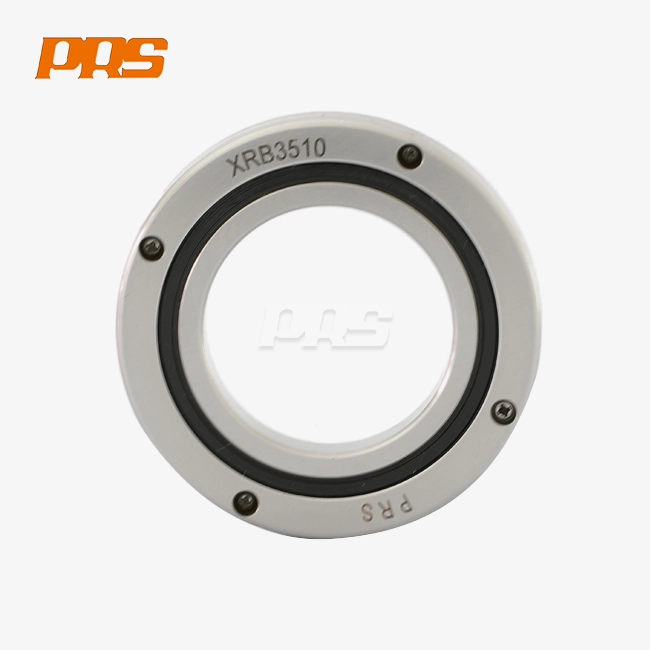
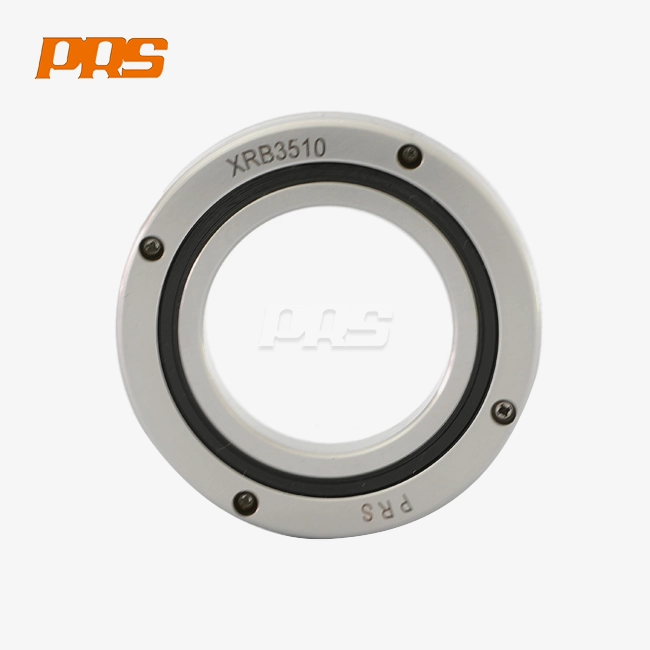
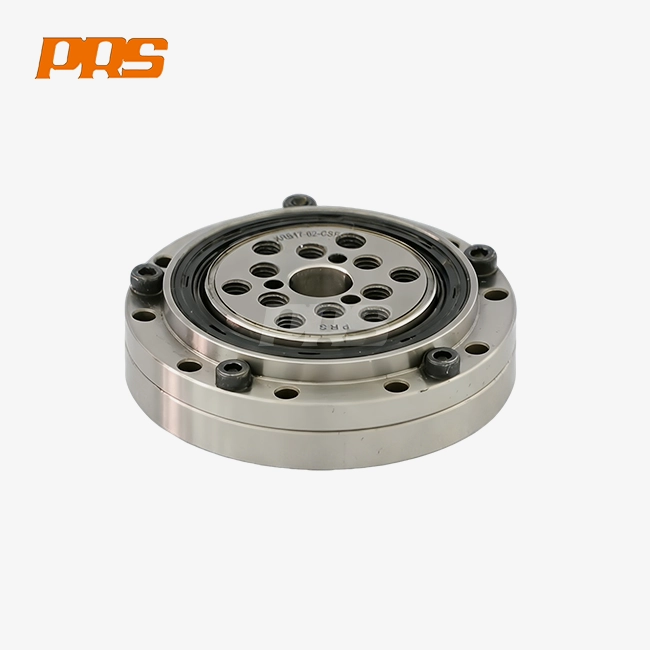
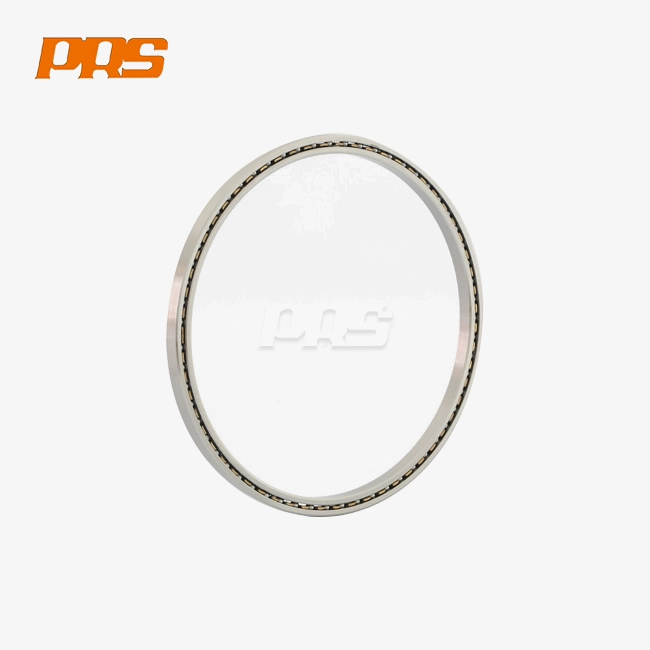
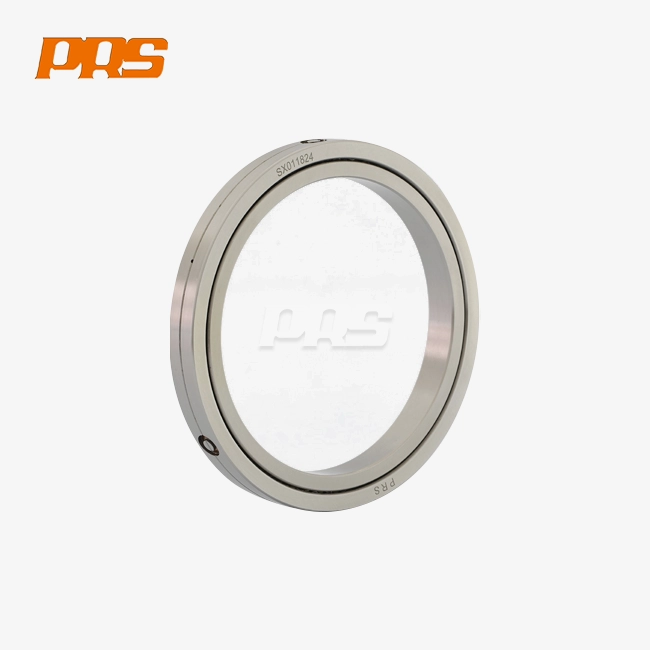
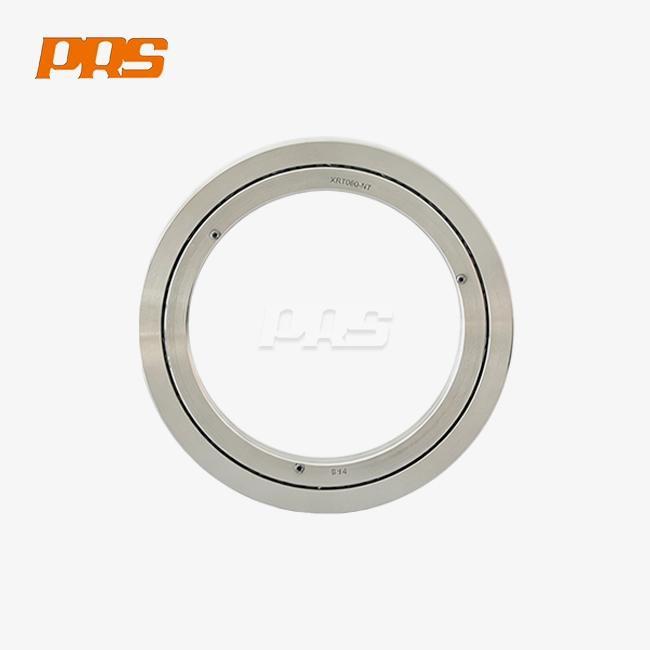
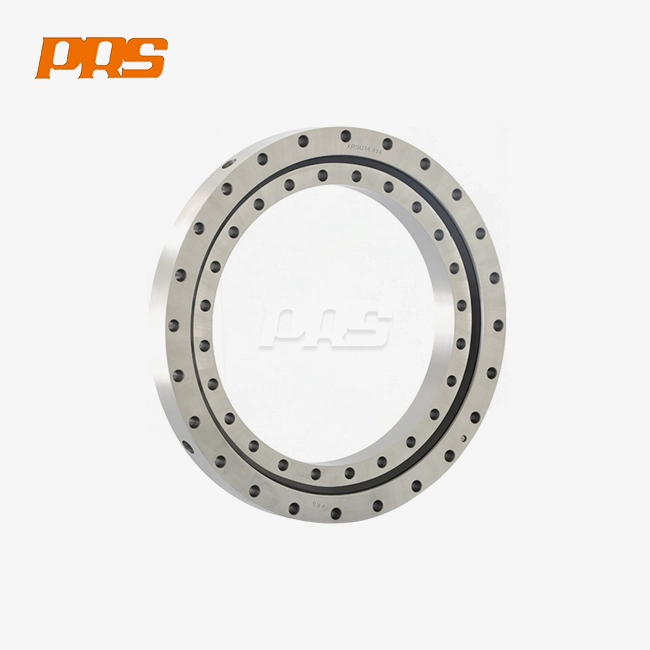
RB bearings are unique because they have rollers that are crossed over each other. Cylindrical rollers are arranged in V-grooved raceways at 90-degree angles from each other and rotate to form different load lines. With this design, a single bearing system can handle forces from three directions at the same time: axial, radial, and moment loads. Usually, this would require multiple bearing sets. As a result, a lot of room is saved and the design of the machine is made easier.
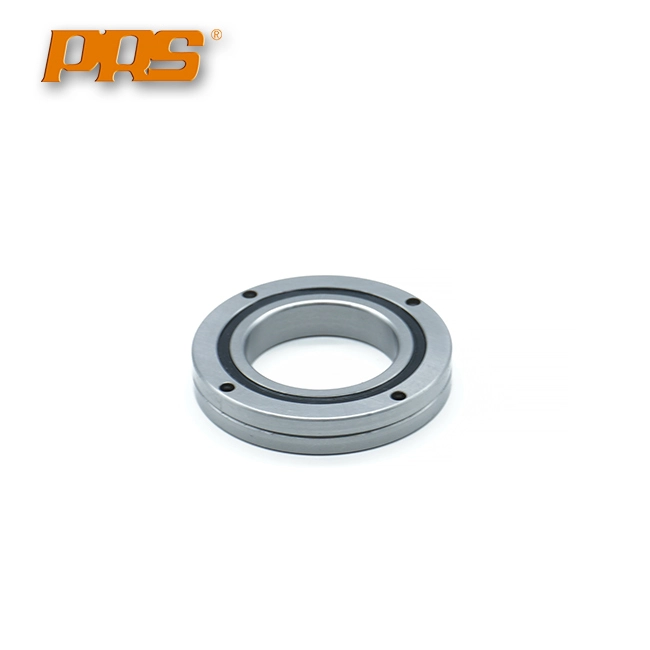
The inner ring of PRS RB bearings is continuous, and the outer ring is split. The one-piece inner ring makes sure that the ring is always round and gets rid of the problems that can happen with split inner ring designs. The two-piece outer ring makes it easy to install and makes it possible to precisely place the rollers during assembly. This structure layout provides better rotational accuracy, which is especially important when the inner ring is used as the rotating part in precise uses.
Advanced Materials and Manufacturing Precision
Our way of making things uses both Gcr15 and Gcr15SiMn bearing steels along with the best heat treatment methods. These materials go through strict quality control, which includes using coordinate measuring machines to check the sizes and non-destructive tests like magnetic particle inspection to look for tiny cracks or grinding burns. The surface hardness meets certain HRC values, which means the bearing can handle repeated stress cycles without wearing out too quickly.
PRS keeps precision grades up to P4 and P2 levels and keeps runout errors to a few microns. This level of accuracy is very important for things like CT scanner gantries and robotic joint setups, where even small errors can hurt performance. Over 200 precision manufacturing tools are housed in our 15,000-square-meter building. This lets us keep a factory pass rate of more than 99.9% by monitoring quality automatically at every stage of production.
Operating Specifications and Environmental Adaptability
Inner diameters of PRS RB bearings range from 20 mm to 1250 mm, and outer diameters range from 36 mm to 1500 mm. This means that they can be used in both small machinery and big industrial equipment. The bearings work efficiently in temperatures ranging from -30°C to +120°C, so they can handle a wide range of situations. Double-sided seals keep out dirt and grime in tough conditions, and they last longer in places like semiconductor cleanrooms and aircraft uses where controlling particles is very important.
Engineers can choose the best lubrication method for each operating situation by using either grease or oil. The crossed-roller design keeps the internal clearance as low as possible, which lowers vibrations and improves working stability under a range of load situations. Because they are so flexible, PRS RB bearings can be used in a wide range of situations, from medical monitoring tools to defense tracking systems.
Advantages of Upgrading to PRS RB Bearings
Transitioning to PRS RB bearings from conventional bearing arrangements delivers tangible performance improvements that make the investment worth it for quality-conscious companies.
Superior Load Capacity and Distribution
The crossed-roller design makes many contact places that spread the load evenly across the bearing system. When circular rollers and raceways touch in a straight line, the load-bearing surface area is maximized. This means that these bearings can handle much higher loads than ball bearings of the same size. When forces act on the bearing, rollers that are positioned radially handle radial loads and rollers that are positioned axially take up thrust forces. This method for sharing the load keeps stress from building up in one place, which lowers the risk of failure before its time.
This load allocation is very helpful for robotic joint systems that have to deal with sudden stops and fast speeds. It can handle a lot of different types of force without deforming, so it can keep its exact place even when things are moving around. Machine tool makers say that switching to RB cross roller bearings for rotary tables improves cutting accuracy by a measured amount. This is because the rigidity of the bearings stops them from deflecting during heavy machining processes.
Enhanced Rigidity and Minimal Deflection
In precision uses, the stiffness of the bearings has a direct effect on how well the machine works. Because they are small and have crossing rollers, PRS RB bearings are very stiff. The design of alternate rollers keeps the structure stable even when the loads change. When micron-level accuracy is needed, this stiffness property is very useful. The physical stability these bearings offer is useful for grinding machines, coordinate measuring equipment, and systems that handle semiconductor wafers.
RB bearings provide uniform rigidity with easier installation compared to standard bearing combinations that need careful preload adjustment to achieve the right stiffness. Engineers can be sure that the machine limits they set will be met because the integrated inner ring design gets rid of assembly factors that could hurt performance.
Space Efficiency and Design Simplification
One of the best benefits is that bearing tasks can be combined into one. A single RB bearing unit can be used instead of a pair of angular contact bearings or two different sets of radial and thrust bearings. This change lowers the total weight, lowers the height of the unit, and makes building design easier. The extra room lets engineers make machines that are smaller without lowering their accuracy or load capacity.
This small size opens up new design options for companies that make medical equipment that is portable or robotics engineers that are making joint robots with limited envelope room. The bearing can handle moment loads that would need extra support structures otherwise, which makes mechanical design even simpler.
Reduced Friction and Smooth Operation
The precision-ground raceways and improved roller shapes keep friction to a minimum while the bearings are turning. This low-friction property means less heat production and less power use, which are both important factors for battery-powered devices or situations that need to run continuously for a long time. The smooth spinning performance also lowers the vibrations that reach nearby parts, making the machine quieter overall.
This smooth operation has a direct effect on the quality of images produced by medical imaging devices like CT scanners. Any shaking or strange movement while the gantry is turning can blur diagnostic pictures, which could make them less accurate in the clinic. Even when heavy loads are being moved at different speeds, PRS RB bearings keep the spinning smooth and steady.
Technical Specifications and Selection Criteria for PRS RB Bearings
Critical Dimensional Parameters
Understanding the measurement standards is the first step in choosing the right bearing. Both the inside and outside diameters must fit perfectly inside the machine body while still leaving enough room for fitting. PRS has a wide range of sizes, but custom sizes can also be made to fit the needs of a particular purpose. Specifications for width affect both the load capacity and the axial room limits. In general, bigger bearings can handle more weight but need to be installed deeper.
Engineers should make sure that the mounting areas are as flat and straight as the limits listed in our technical documentation. If the mounting area isn't prepared properly, the bearings can become misaligned, which takes away from the accuracy benefits they offer.
Load Rating Calculations
Correct load measurement makes sure that bearings last a long time. The expert teams at PRS help customers figure out comparable loads that take into account radial, axial, and moment forces. The crossed-roller design is very good at handling moment loads, but engineers need to make sure that peak loads don't go over the rated limits while the system is running. Dynamic load ratings show how much weight the bearing can hold when it is turning, while static ratings show how much weight the bearing can hold when it is not moving.
Shock loads, vibrations, and possible overload situations should all be taken into account in safety factors. When it comes to aerospace uses or medical devices that need to be reliable, conservative load estimates help make sure that the bearing will last as long as it's supposed to.
Material Selection and Surface Treatments
Standard Gcr15 steel can be used in most industrial settings, but places with toxic chemicals or high temperatures may need different materials. The technical teams at PRS can suggest different types of materials and surface treatments that will make bearings last longer in tough circumstances. For example, ceramic coats make things less likely to wear out in high-cycle situations.
Installation Best Practices
Proper fitting has a direct effect on how well the bearing works. The split outer ring design makes installation easier than with a single piece, but workers need to make sure that the outer ring bolts are tightened evenly to keep the design from warping. When you use precise torque tools, you can avoid both undertightening (which lets parts move) and overtightening (which can put too much stress on the bearing).
It's important that the assembly area is kept clean. Wear particles can damage precision-ground surfaces even if the pollution is small. We suggest putting things together in clean areas with lint-free gloves and tools that won't spread dirt or dust. Before installing the bearing, the shaft and housing surfaces should be checked for damage or burrs.
Procurement and Sourcing Strategies for PRS RB Bearings
Ensuring Product Authenticity
Unfortunately, there are fake precise bearings on the market that make machines less reliable. When looking for PRS RB cross roller bearings, make sure that the sellers can show you paperwork that links their products to our factory. Genuine PRS bearings have marks on them that our technical support team can check to make sure they are real. When prices are unusually low, it's likely that the goods are fake and don't meet the required dimensions or material standards.
Direct engagement with PRS through our website at prs-bearing.com or via email at ljh@lyprs.com ensures authentic products with full technical support. Our ISO 9001, ISO 14001, and ISO 45001 certifications show that we are dedicated to quality control, protecting the environment, and keeping our workers safe. This is something that fake makers don't do.
Understanding Lead Times and MOQ
Standard bearing sizes usually ship from our stock within a fair amount of time. Custom designs need to be reviewed by engineers and scheduled for production, which adds time to the arrival time. We can better plan output and meet your installation schedule if we talk about your project timeline early on in the buying process.
The minimum order quantity changes based on the size of the bearing and any customization needs. Standard bearings usually have lower MOQs, which means they can be used to make prototypes or small batches of products. For custom bearings, the minimum order quantity may need to be higher to cover the costs of the tools and setup, but we work with our customers to find cost-effective solutions even for unique needs.
Warranty and Technical Support
PRS stands behind our goods with a full guarantee that covers problems caused by poor manufacturing. During the life of the bearing, our expert support team is always ready to answer questions about how to install, maintain, or improve performance. This ongoing connection of support sets us apart from distributors who only fill orders and don't offer tech advice.
OEM Customization Capabilities
In addition to our normal product line, we work with equipment makers to create unique bearing solutions. To make the best bearing design, our engineering team looks at your unique application needs, such as load conditions, speed ranges, weather factors, and space limitations. This ability to be customized is useful when standard bearings don't perfectly meet the needs of an application or when design improvement can make the machine run better overall.
Maintenance Tips and Long-Term Performance Optimization
Lubrication Management
Proper lubrication is still needed to get the most out of RB cross roller bearings. The double-sided seals on PRS RB bearings keep the oil in and keep out contaminants. However, they should be checked regularly to make sure they have enough lube. Grease-lubricated bearings need to be re-oiled at times that depend on how they are being used. Higher temperatures and speeds require more frequent re-oiling.
When adding grease, only take out as much of the old oil as is needed to make room for the new grease. Taking it all out could introduce contaminants. Systems that use oil as lubrication should keep the oil levels at the right amount and check the oil regularly for contamination. When grease breaks down, it stops protecting the bearings and needs to be changed before damage happens.
Routine Inspection Protocols
Setting up review times based on production cycles or working hours helps find problems before they become major ones. During inspections, listen for strange noises or vibrations that could mean problems are starting to form. Temperature tracking finds unusual heat production caused by not enough grease or too much preload.
Visual inspection of seals makes sure they stay in place and aren't broken. When seals are damaged, contaminants can get in and quickly lower the performance of the bearing. Any signs of oil leaks should be looked into right away, because not having enough lubrication speeds up wear.
Addressing Misalignment and Vibration
If there is strange shaking during operation, make sure that the mounting surfaces stay flat and the bolts keep the right amount of force. Over time, thermal growth or structure settling can change the way things are aligned. Precision alignment tools help find and fix imbalance before it damages the bearings.
Vibration analysis tools can find early signs of bearing problems by looking at the frequency of vibration patterns. Monitoring vibrations on a regular basis in important applications allows for planned repair that avoids unplanned downtime.
Storage and Handling Practices
Bearings that aren't ready to be installed need to be stored properly to keep them from rusting or getting dirty. Keep bearings in their original packaging in a dry, cool place that is away from wetness and things that can damage them. Do not store bearings directly on concrete floors, as this can cause the bearings to absorb water.
Wear clean gloves when working with bearings so that skin oils don't touch the fine surfaces. Do not hit bearings with hammers or other hard tools, as the contact damage can cause stress buildups that cause the bearings to fail early. When you handle bearings the right way, they keep the accuracy we build into them.
Conclusion
Upgrading to RB cross roller bearings is a smart investment in machine performance that will pay off in the form of better stiffness, accuracy, and dependability. The crossed-roller design combines several bearing functions into small units that make machine design easier and increase load capacity. We have been making these bearings for 20 years and have strict quality control and precision grades that reach P2 levels. This makes sure that they meet the high standards of robots, CNC machining, medical devices, and aerospace uses. If you choose the right bearings based on load analysis, physical requirements, and working conditions, and then install and maintain them correctly, you will get the most out of your investment because the bearings will last longer and work more precisely.
FAQ
What distinguishes PRS RB bearings from standard ball bearings?
Instead of balls, PRS RB bearings use RB cross roller bearings, which create line contact that greatly raises the load capacity. There is no need for multiple bearing sets because the stepped arrangement can handle radial, axial, and moment loads at the same time. Compared to ball bearings, this design is more rigid and accurate when it comes to spinning.
How can procurement teams verify authentic PRS products?
Genuine PRS bearings have unique marks on them and paperwork that can be tracked back to our factory. To make sure the source is real, please email us at ljh@lyprs.com or visit our website. Our quality control systems are backed up by certifications like ISO 9001, which sets us apart from fake makers.
What factors most influence bearing selection?
Dimensional limits, total load magnitudes in all directions, working speed ranges, and environmental conditions like temperature and contamination exposure are some of the most important factors. Our expert team helps you figure out how much weight something can hold and choose the right material so that the bearings work best in your situation.
Partner with a Trusted RB Cross Roller Bearing Manufacturer
Luoyang PRS Precision Bearing Co., Ltd. offers high-tech manufacturing and quick expert help to provide bearing options that improve the performance of your equipment. Our wide range of products, which includes both standard sizes and custom designs, meets the needs of a wide range of industries while still keeping accurate grades that meet the strictest standards. Our engineering team is ready to help you choose the best bearings for your project, whether you're making next-generation robotic systems, precision machine tools, or medical monitoring equipment. Contact us at ljh@lyprs.com right away to talk about your specific needs, get full technical specs, or get a quote from a dependable RB cross roller bearing provider that wants you to succeed. You can look through our full catalog of products at prs-bearing.com and learn how our engineering knowledge can help you reach your goals.
References
Harris, T.A. & Kotzalas, M.N. (2006). Rolling Bearing Analysis: Essential Concepts of Bearing Technology. CRC Press, Taylor & Francis Group.
Weck, M. & Brecher, C. (2006). Machine Tools Production Systems Volume 2: Design and Calculation. Springer-Verlag Berlin Heidelberg.
Budynas, R.G. & Nisbett, J.K. (2015). Shigley's Mechanical Engineering Design. McGraw-Hill Education, Chapter 11: Rolling-Contact Bearings.
ISO 199:2014. Rolling bearings — Thrust bearings — Geometrical product specifications (GPS) and tolerance values. International Organization for Standardization.
Hamrock, B.J., Schmid, S.R. & Jacobson, B.O. (2004). Fundamentals of Fluid Film Lubrication. Marcel Dekker Inc., Chapter 15: Bearing Applications.
Eschmann, P., Hasbargen, L. & Weigand, K. (1985). Ball and Roller Bearings: Theory, Design and Application. John Wiley & Sons Ltd., translated by R. Hesselman.

USER EVALUATE
Here is the customer's evaluation of us