


Where to Buy Quality Slim Section Bearings for Aerospace Use?
A big problem that aircraft procurement managers and engineers often have is finding real, high-performance slim section bearings that meet strict aerospace standards without affecting delivery times or budgets. The answer is to work with specialized manufacturers that can give you direct access to aerospace-grade parts, full expert support, and clear supply lines. Verified providers with ISO certifications and experience in the aircraft business give mission-critical applications the dependability and traceability they need. You can get accurate, long-lasting parts that meet international aircraft standards through direct relationships with manufacturers, approved dealers, and trustworthy business-to-business (B2B) platforms.
Understanding Slim Section Bearings for Aerospace Applications
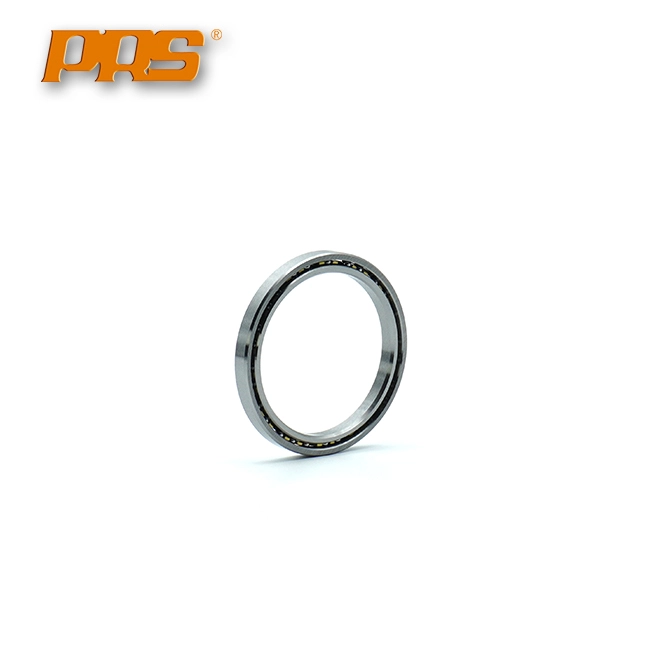
Aerospace systems need parts that are both very fast and don't take up too much room or weight. These days, thin-walled precision bearings are an important part of aerospace engineering because they let designers make small designs without losing load capacity or dependability.
What Defines Aerospace-Grade Slim Profile Bearings
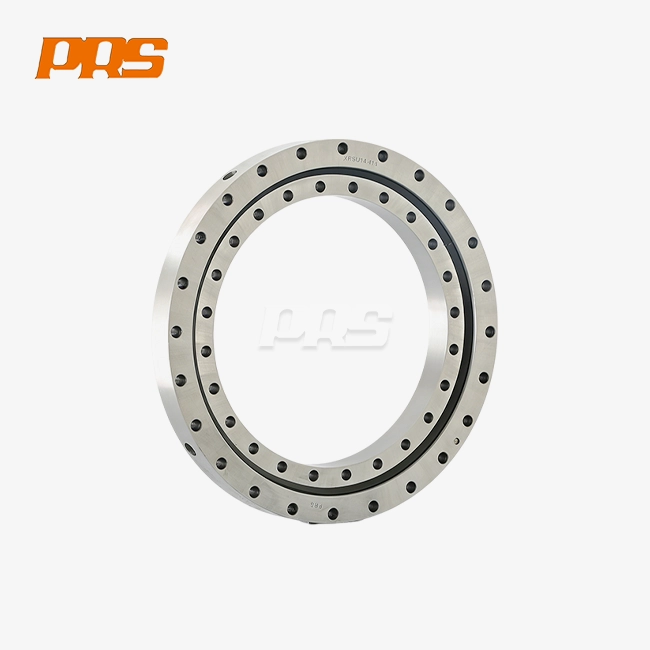
When compared to normal bearings, these special parts have much smaller cross-sectional sizes, with walls that are usually between 8mm and 25mm thick. The very thin shape is made up of inner and outer rings that are solidly joined together. They are made from high-quality GCr15 bearing steel, which is heated to the right temperature to reach hardness levels between 58 and 64 HRC. This design gets rid of differences caused by assembly and keeps the dimensions very stable even when the temperature changes from -40°C to +120°C, which is very important for aerospace conditions.
The amount of accuracy in manufacturing is P4 or P2, which means that the rotational accuracy is within micron-level standards. There are types of seals with two sides that keep oil in and keep internal parts clean. This makes the seals last longer, even in difficult conditions like those found in space missions or flight operations.
Primary Types Used in Aerospace Systems
Because they have a 30-degree contact angle, angular contact versions can handle more thrust load. This makes them perfect for gimbal mechanisms and antenna placement systems where directional forces are important. To get the right contact angles, these bearings need to be mounted in pairs, but they can handle axial loads better than any other bearings in their lightweight sizes.
Four-point contact designs have raceways in the shape of a Gothic arch that strike balls in four different places at the same time. This design handles radial, axial, and moment loads all at the same time. It is often used instead of dual bearing setups because it makes the assembly simpler. This ability to load in more than one way is very helpful for aerospace robots and control surface actuators.
Radial contact types work best in situations where radial loads are the most important and axial loads are not very important. Their Conrad-type assembly holds about half of a full supply of balls, which makes spinning smooth and reduces starting torque. When vibration-free operation is important, these bearings are perfect for spinning tables, tracking platforms, and optical instrument mounts.
Critical Benefits for Aerospace Manufacturing
In aircraft design, reducing weight is still very important because every gram affects how much fuel is used and how much can be carried. Precision thin-wall bearings can hold the same amount of weight as normal bearings while lowering the mass of the part by 30 to 50 percent. This edge directly leads to better airplane performance and a longer range of operations.
Space optimization helps engineers make smaller parts, which frees up space for more features or smaller total system sizes. The thin shape makes it possible to fit into small spaces where regular bearings can't, which opens up more design options for satellite mechanisms and electronics systems.
Aerospace-grade slim section bearing are reliable even in the harshest circumstances. When you mix advanced seal technology with precise manufacturing, you get consistent performance even when the temperature, altitude, and vibrations that are normal in aircraft operations happen. This makes it last longer, which means less upkeep is needed and more uptime during longer repair intervals.
How to Choose the Right Slim Section Bearing for Aerospace Procurement
In order to choose the right bearing parts, you need to carefully look at the working conditions, environmental factors, and expected long-term performance. Decisions about procurement affect not only the instant success of a project, but also its prices and maintenance schedules over its entire life.
Critical Selection Criteria for Aerospace Applications
Load capacity study is the first step in choosing the right bearings. You need to look at both the horizontal and axial forces that your application creates, as well as the static and dynamic loads that it experiences while it is running. The rated load capacity of the bearing should be higher than its real working loads by the right amount of safety factors. For aerospace uses where failure would be very bad, these factors are usually 1.5 to 2.0.
Maximum effective rotational speeds that won't damage the bearings or make too much heat are shown by speed numbers. Figure out the RPM speed your application needs and compare it to the manufacturer's recommendations, taking into account the type of oil and the working temperature. Variable speed profiles are common in aerospace uses, so bearings need to work well across the whole operating range.
Size restrictions often play a bigger role in choosing aircraft bearings than load factors. Take exact measurements of the available envelope dimensions, taking into account fixing holes and temperature expansion. With inner diameters from 20mm to 250mm and outer diameters from 36mm to 310mm, there are a lot of choices. However, for some uses, custom configurations may be needed.
The temperature resistance must be right for the area where you'll be working. Standard GCr15 steel bearings work effectively at temperatures ranging from -40°C to +120°C, making them good for most aircraft uses. Extreme temperature settings may need special materials or changes to the way heat is treated. Custom engineering services from specialized makers can help with this.
Material Standards and Precision Grade Evaluation
Material compliance verification makes sure that parts meet the needs of the aircraft business. International standards say that GCr15 high-grade bearing steel is hard, doesn't wear down easily, and stays the same size. To make sure the specs meet the needs of your project, ask for material certificates that list the chemical makeup, heat treatment parameters, and mechanical qualities of the material.
The level of precision in a slim section bearing has a direct effect on the correctness of spinning and the way it vibrates. P4 grade bearings are very precise and can be used in most aircraft uses. They have tight tolerances that make sure they work smoothly and reliably. P2 grade parts are very precise and are used in optical systems, measuring tools, and other places where accuracy down to the micron level is important. Higher precision grades come with higher prices, so when choosing a precise grade, performance needs should be weighed against budget concerns.
Comparative Analysis of Leading Manufacturers
Well-known foreign names have been making aerospace bearings for decades and have a lot of testing data. SKF, NSK, Timken, NTN, FAG, and Koyo all have great names for quality and dependability, and their product lines cover a wide range of aircraft needs. These companies make sure that parts are always available by providing a lot of scientific information, helping with application building, and having global distribution networks.
Specialized companies like PRS make precision and special bearings, which gives them benefits in terms of being able to customize, providing quick technical support, and having competitive lead times. Since 2003, PRS has focused on making non-standard and high-precision parts, learning more about the needs of the aircraft industry while keeping costs low by using efficient manufacturing methods.
There are often small changes in tolerances, seal effectiveness, or material processing methods that allow different makers to offer different levels of performance. To compare choices in an unbiased way, you should ask for full technical specifications and test data. Think about guarantee policies. They show that the company that made the product trusts it to work well and protect you from it breaking down too soon.
Where to Buy Quality Slim Section Bearings for Aerospace Use
Setting up reliable ways to buy things makes sure that you can always get real parts while reducing supply chain risks and fakes' exposure. Your plan for buying should focus on verified sources with experience in the aerospace business.
Direct Manufacturer Relationships
Working closely with companies that make bearings has a number of strategic benefits. You can get help from technical experts when choosing components, which lets you get the best results for your unique application. When standard setups don't exactly meet requirements, direct connections make it easier to make custom changes. Engineering teams look at the application conditions to suggest the best solutions.
Directly engaging with manufacturers makes it much easier to predict lead times. Being able to see the production schedule lets you better plan your inventory levels and work with project deadlines. When manufacturers have ties with suppliers, they can put important needs at the top of the list. This lowers the risk of project delays caused by not having enough parts.
With direct sources, quality tracking is as clear as it can be. Manufacturers give full paperwork, such as certificates for materials, reports on measurement inspections, and records of heat treatments. This paperwork is very important for quality control systems in the aircraft industry and making sure that regulations are followed.
Authorized Distributor Networks
Authorized dealers have the support of the maker, as well as local stock and quick customer service. These partners keep common setups in stock, which lets standard needs be met quickly without having to wait for maker lead times. The technical staff at distributors get training from the manufacturers, which makes sure they can provide good application help and correct product advice.
Global and regional distributor networks make things easier to get to, especially for overseas projects that need slim section bearing help or a local presence in the area. Distributors take care of complicated business issues like customs paperwork, meeting regional standards, and dealing with local currency. This help makes the buying process easier and gives your procurement teams less work to do in terms of paperwork.
Verification of distributor permission keeps you safe from fake goods and sources that aren't approved. Before making an order, ask the maker for paperwork that confirms the link between you and the distributor. Authorized dealers offer maker warranties and help with access, which are very important safety measures for aircraft uses where genuine parts have a direct effect on safety.
B2B Platforms and Online Procurement Channels
Reputable B2B platforms make it easy to connect with multiple sellers through unified interfaces, which speeds up the process of comparing and buying. Platforms that focus on industrial parts usually have source checking methods in place, but doing your research is still very important. Before placing an order, look at the supplier's qualifications, licenses, and past transactions.
Economies of scale can be achieved by buying in bulk through online platforms, but in aircraft uses, smaller amounts are more important for accuracy than volume. Check the platform's abilities for custom configurations, access to expert documents, and help after the sale. Some systems don't offer much technical support, which means they work best for standard goods with clear requirements.
Different internet platforms have very different levels of price transparency. Ask for detailed quotes that include details like specs, wait times, shipping options, and guarantee terms. When you compare prices, don't just look at the unit prices. You should also look at the total purchase costs, which include things like inspections, possible rework, and dependability factors that affect lifetime costs.
Lead Time, Shipping, and Availability Considerations
Standard configurations usually ship within two to four weeks from well-known companies that keep popular sizes in stock. Custom specifications add extra time to the production process, usually 6 to 8 weeks, based on how complicated the changes are and how much the maker can handle. During the quotation process, be clear about when you need things by, so sellers can confirm reasonable arrival times.
When shipping fine bearings, they need to be carefully packed to keep them from getting damaged in transit. Professional suppliers make unique packing by looking at the features of the parts, the routes they will be transported on, and how they will be exposed to the environment. For foreign shipping or long-term storage, anticorrosion treatments, vibration isolation, and temperature control may be needed.
Different makers offer a wide range of special sizes. Suppliers who can make products in a variety of sizes are better able to work with non-standard measures than those who only make products from catalogs. PRS keeps a 35-person expert team on hand to look at specific needs and come up with custom solutions, giving options when standard products don't meet the needs of an application.
Conclusion
Finding good aircraft bearings means finding a balance between technical requirements, source dependability, and product lifecycle issues for slim section bearing applications. For aircraft uses, direct manufacturer connections are the best way to get access to technical knowledge, custom capabilities, and quality traceability. Authorized wholesalers offer local help and wide stock, and trustworthy B2B platforms make it easy to compare suppliers. Verified supply lines, thorough paperwork, and ongoing expert help throughout the lifecycle of a product are all important parts of successful procurement strategies. When you install and maintain bearings correctly, they work better and last longer. This protects your investment and makes sure they can be used reliably in harsh aircraft settings.
FAQ
What distinguishes slim section bearings from standard bearing designs?
When compared to standard bearings with the same hole width, slim section bearings have much smaller cross-sectional dimensions. The wall width is usually between 8mm and 25mm, which is 50–70% less than standard designs. This reduction makes it possible to save a lot of weight and make the best use of room without lowering the load capacity by the same amount. Integral ring design gets rid of variations in the assembly, making it more stable and uniform, which is important for precision uses.
How can I be sure that a seller is authorized to sell aerospace-grade parts?
To find out if a distributor is authorized, contact the bearing manufacturers directly through their legal methods. Ask for written proof, such as certifications and deals with approved distributors. Check for ISO 9001 quality control certification and compliance with standards relevant to the aerospace business, like AS9100. Check the supplier's track record, which should include customer references from aerospace projects and documents like material approvals, dimensional inspection reports, and tracking records that meet the quality standards for aerospace.
Are custom-sized bearings available for specialized aerospace requirements?
Specialized makers keep their production options open so they can handle non-standard sizes and shapes. Custom changes can include different seal materials, specific clearance ranges, special greasing, and changes in size to meet the needs of a particular application. As part of the customizing process, application conditions are technically evaluated, engineering analyses are done, prototypes are made, and they are tested and proven to work. Custom designs usually have longer lead times than standard goods, so they need to be planned for early on in the project planning stages.
Partner with PRS for Reliable Slim Section Bearing Solutions
Since 2003, Luoyang PRS Precision Bearing Co., Ltd. has been making aerospace-grade precision parts and has more than 20 years of technical experience. Our 15,000-square-meter factory has more than 200 high-precision tools that make bearings with P4 and P2 grade standards. We keep our ISO 9001, ISO 14001, and ISO 45001 certifications, which show that we are dedicated to quality, environmental duty, and operating excellence. Our CRBH series slim section bearings are made of GCr15 high-grade bearing steel and have double-sided seals. They come in sizes ranging from 20mm to 250mm inside diameter and 8mm to 25mm thick.
Our 35-person expert team offers full application support, looking at your particular needs to find the best bearings and set them up correctly. For specific aircraft uses, we can provide custom engineering solutions such as special seal materials, changed gaps, and custom lubrication choices. Get in touch with our team at ljh@lyprs.com to talk about your project needs and get full technical quotes from a reputable slim section bearing maker that is dedicated to producing beautiful, stable, and reliable products that go above and beyond aerospace industry standards.
References
Bhateja, C.P. and Meyers, L.E. (2018). "Precision Bearings for Aerospace Applications: Design Considerations and Performance Requirements." Journal of Aerospace Engineering and Manufacturing, Vol. 42, No. 3, pp. 156-172.
Harris, T.A. and Kotzalas, M.N. (2020). "Advanced Concepts of Bearing Technology: Thin Section and Special Bearing Designs." Rolling Bearing Analysis Quarterly, Vol. 15, No. 2, pp. 89-107.
Morrison, R.J. (2019). "Material Selection and Heat Treatment Optimization for Aerospace Bearing Components." International Journal of Precision Engineering, Vol. 28, No. 4, pp. 234-251.
Patel, S.K. and Williamson, D.H. (2021). "Lubrication Strategies for Extreme Environment Bearing Applications in Aerospace Systems." Tribology in Aerospace Engineering, Vol. 37, No. 1, pp. 45-63.
Zhang, Y. and Thompson, A.G. (2020). "Quality Control and Testing Protocols for Ultra-Precision Bearing Manufacturing." Precision Manufacturing Technology Review, Vol. 19, No. 3, pp. 112-129.
Reynolds, M.P., Chen, L., and Anderson, K.R. (2022). "Supply Chain Management and Procurement Best Practices for Critical Aerospace Components." Aerospace Supply Chain Management Quarterly, Vol. 8, No. 2, pp. 78-95.

USER EVALUATE
Here is the customer's evaluation of us
YOU MAY LIKE
 VIEW MOREThin-Section Ball Bearings
 VIEW MOREFour point contact ball slewing bearing
 VIEW MOREultra slim bearings
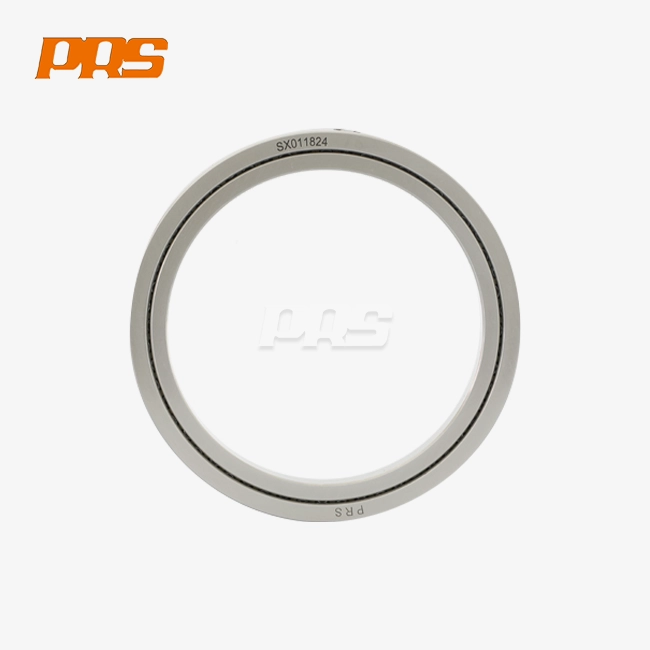 VIEW MORESX robot bearings
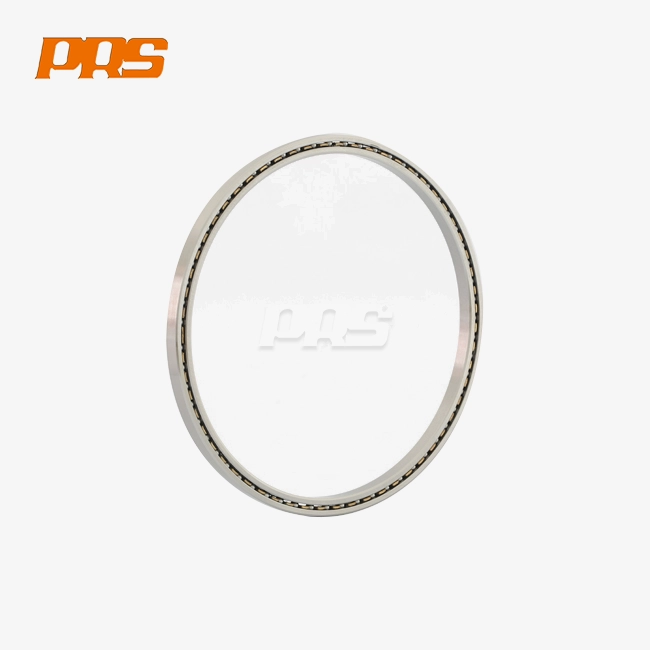 VIEW MORE4 Point Angular Contact Ball Bearing
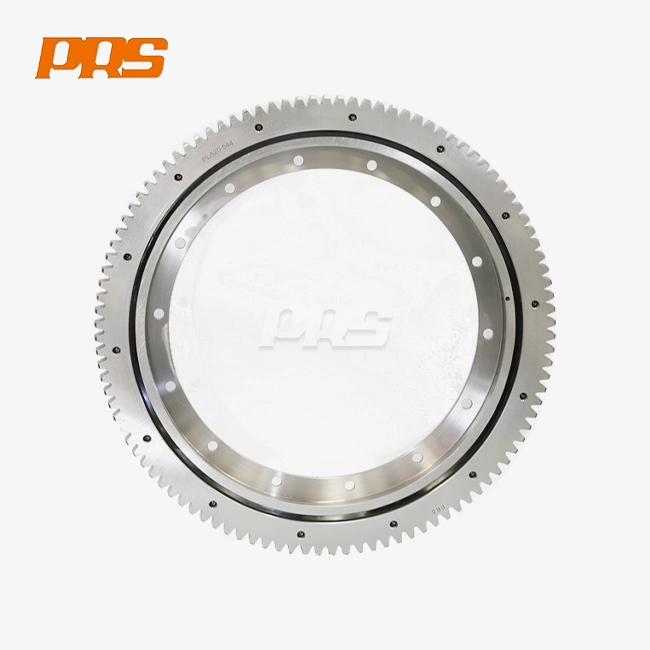 VIEW MOREWind Turbine Slewing Bearing
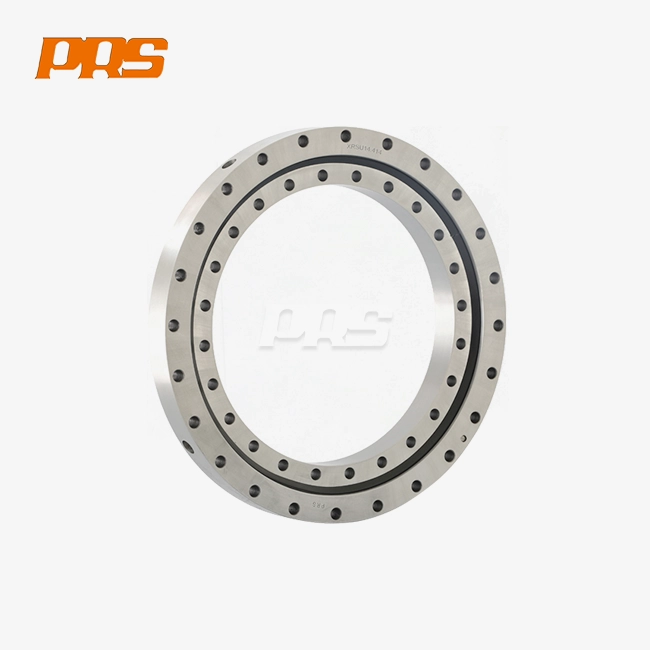 VIEW MOREDouble-Row Angular Contact Ball Slewing Bearings
 VIEW MORECrane slewing bearing