
RE vs RU Series: Comparing Robot Bearing Performance Metrics
Picking the correct bearing for your robotic application isn't just a technical choice; it's also a smart investment that has a direct effect on the accuracy, durability, and operating efficiency of your system. Understanding the subtle differences in performance between RE robot bearing solutions and RU series options is important for engineers and procurement managers navigating the world of precision automation. The integral outer ring and split inner ring form of the RE robot bearing series makes it stand out in uses that need very accurate outer ring rotation. The RU series, on the other hand, has unique features that make it useful in different working situations. This in-depth study looks at how each bearing family handles important performance factors, such as load capacity, dimensional efficiency, and suitability for a specific application. This information will help you make decisions that meet your technical needs and business goals in areas like industrial automation, CNC machining, semiconductor manufacturing, medical devices, aerospace systems, and precision instrumentation.
Understanding the Core Differences Between RE and RU Robot Bearings
Design Architecture and Structural Philosophy
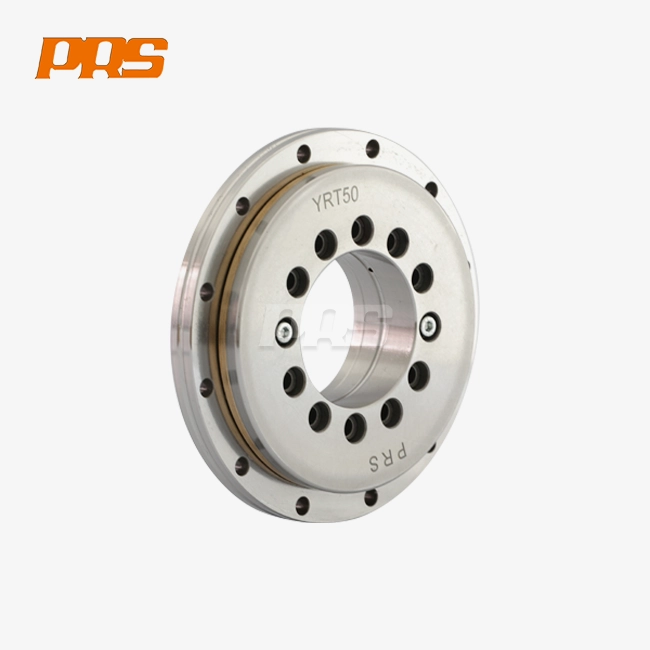
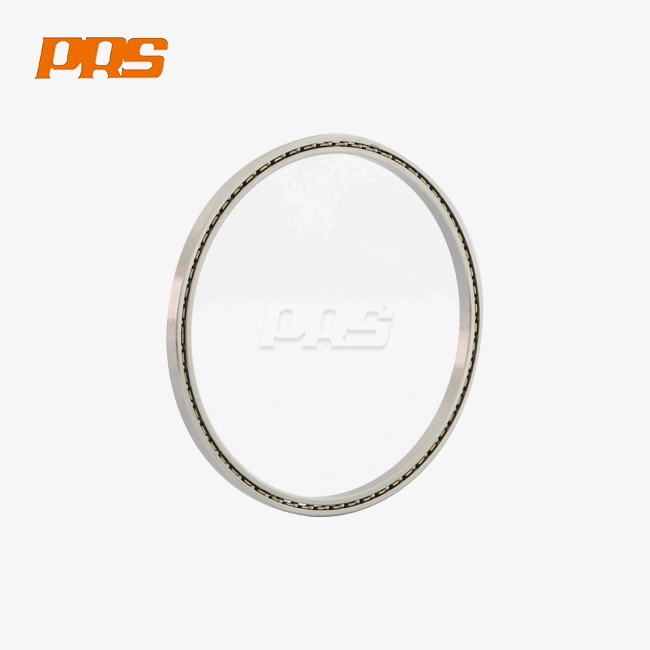
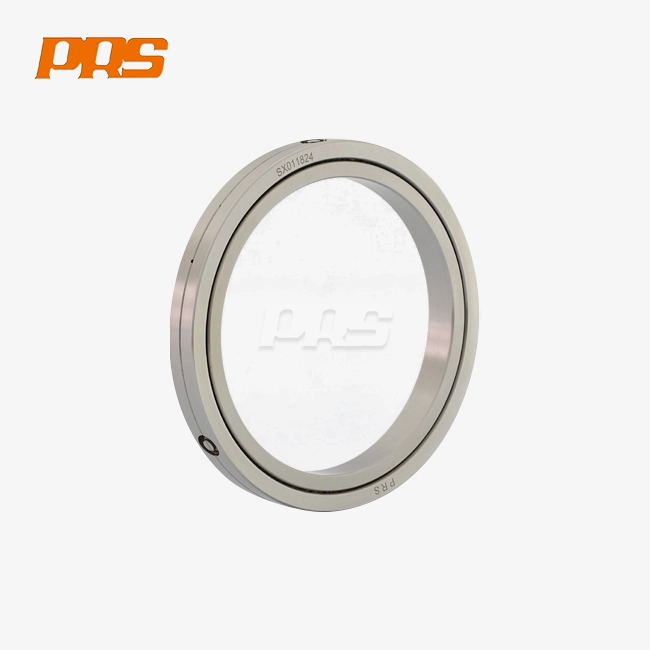
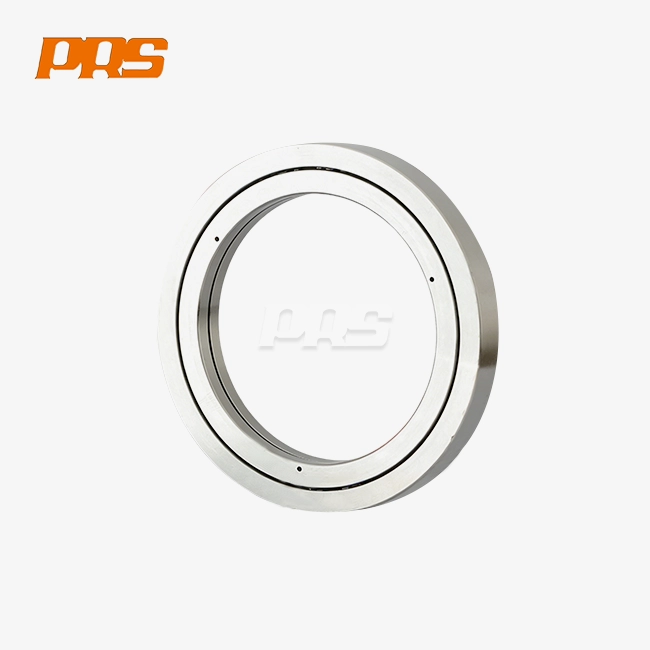
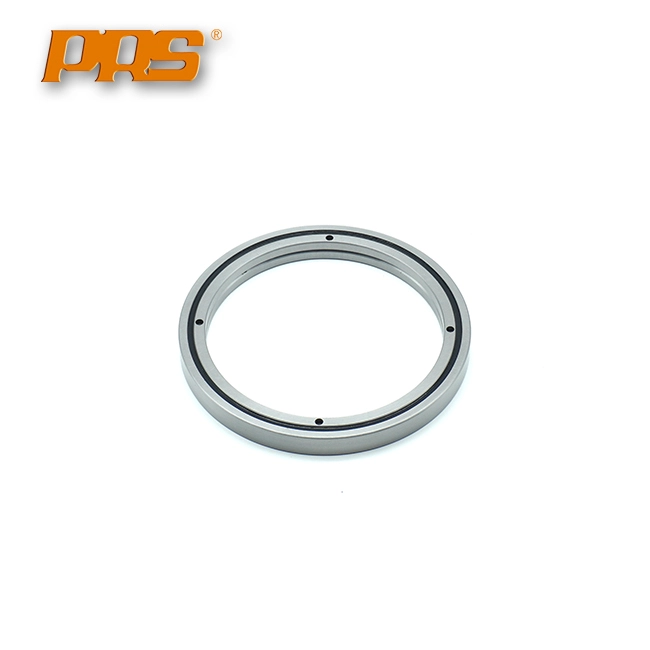
The most important difference between these bearing families is how their structures are built. The RE robot bearing line of cross roller bearings have an integral outer ring and a split inner ring design. This makes it easy to place them around shafts without having to take them apart. This way of building makes sure that the structure is as stiff as possible while still allowing for precise movement. The cylinder-shaped rollers move back and forth at right angles to each other in V-shaped raceways that have been carefully polished. Spacers between the rollers keep them from touching directly, which eliminates friction between the rolling elements.
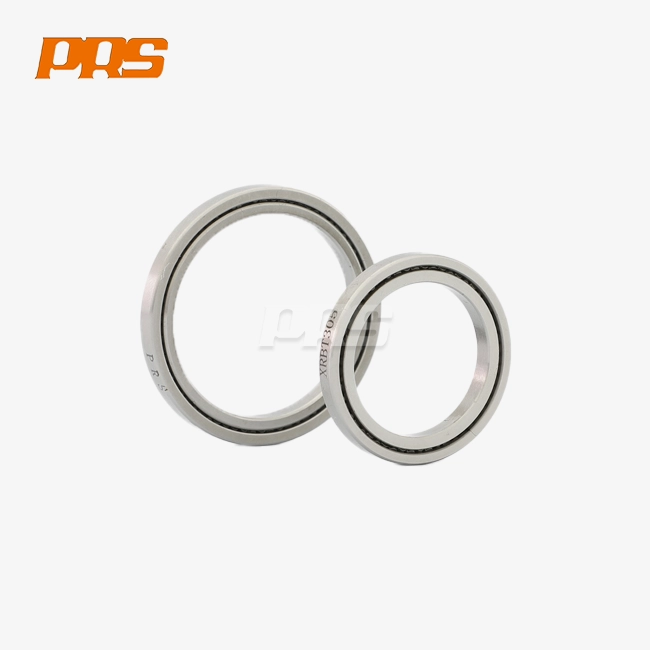
RU series bearings, on the other hand, have an inner ring that is merged and an outer ring that is split. This way of thinking about design puts an emphasis on the accuracy of the inner ring's spin, which makes them useful when shaft accuracy is more important than housing accuracy. The flipped structural approach changes how things are mounted and which part of the assembly—the shaft or the housing—does most of the turning work.
Material Composition and Tolerance Specifications
Both types of bearings are usually made of Gcr15 bearing steel, which has been shown to last in a wide range of industrial settings. PRS makes the RE robot bearing series, which has precision grades from P6 to P2. For uses that need repeatability at the micron level, P4 and P2 classes are also available. These tolerance classes have a direct effect on spinning accuracy. For example, P2-grade bearings have the tightest runout requirements, which are necessary for electronic equipment and medical imaging systems.
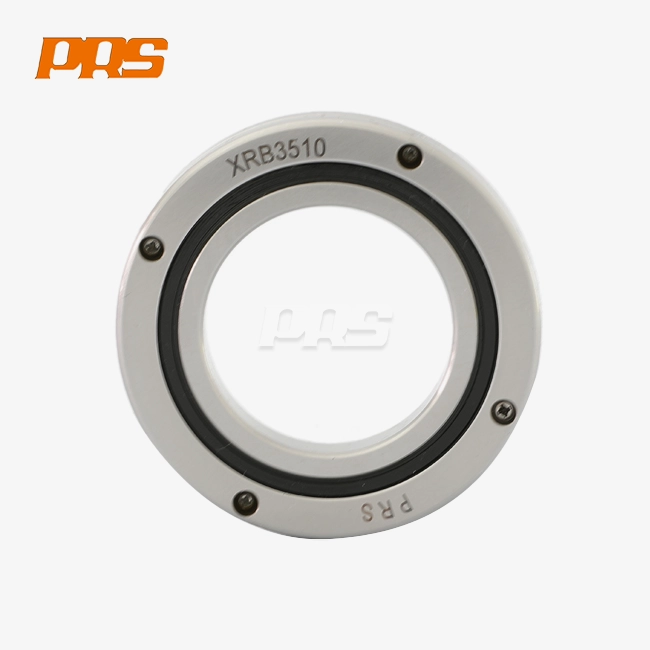
Material choice goes beyond the makeup of the base steel. Different performance traits can be found through surface treatments, heat treatment methods, and raceway finishing techniques. The two-sided seal design on RE robot bearings keeps out dirt and keeps the grease in, which is very important for cleanrooms used in electronics manufacturing. When you look at how long a material will last, you should remember that the wear patterns and operating lives will depend on how well the materials are matched between the rollers, raceways, and cages.
Industry Application Differentiation
Based on their structure benefits, these bearing types are very different in what they can be used for. The RE robot bearing works really well in industrial robot arms, especially in the shoulder and elbow joints, where the outer ring rotates a lot. The form of the continuous outer ring gives rotary tables in CNC machining centers the ability to handle very high moment loads and very little deflection. Collaborative robots depend on the accuracy of the RE robot bearing series to create safe areas where people and robots can engage without affecting the robot's position.
When the inner ring needs to rotate and the bearing is fixed on a frame, the RU series bearings work best. This method of putting things backwards works better for some tracking systems, swivel units, and special motors. Figuring out which ring moves in your application is what determines whether RE robot bearing or RU design works better. Along with pure performance specs, you should also look at how easy it is to maintain, how easy it is to place, and how much misalignment is acceptable.
Evaluating Performance Through Dimensional and Application Analysis
Load Capacity and Multi-Directional Force Management
To figure out load capacity, you have to look at how each bearing handles radial, axial, and moment loads at the same time. The orthogonal roller design in RE robot bearing series spreads forces evenly across all contact points. Radial forces act on rollers that are positioned horizontally, while axial loads act on rollers that are positioned vertically. This arrangement provides a very high moment load capacity, which is very important when robotic arms are working with heavy, long loads that put a lot of twisting force on the joints.
When you compare load rates to bearing cross-section, you can see dimensional economy. With inner sizes ranging from 20 mm to 600 mm, PRS's RE robot bearings can handle loads that would normally require more than one regular bearing. One RE robot bearing unit can be used instead of two angular contact bearing pairs or three or more complicated preloaded setups. This can cut the weight of the whole system by up to 40%. This decrease in weight directly leads to better robot arm dynamics, allowing faster acceleration rates and lower energy use during operating cycles.
Precision Characteristics and Positional Repeatability
When it comes to artificial bearings, precision includes rotational accuracy, axial play, radial runout, and the ability to repeatably place an angle. Because RE robot bearing series are rigid, they don't bend much when they're loaded. This means that your robot stays in the same place throughout its working area. This is especially helpful when putting things together and the limits for placement errors are measured in micrometers, when welding and the torch needs to be placed consistently, or when moving things around and need to be placed correctly.
Stability at constant temperatures affects accurate maintenance in all working circumstances. RE robot bearings work effectively in temperatures ranging from -40°C to +150°C. Their dimensions stay the same because the design shape accounts for thermal expansion. This temperature stability is what makes precision measuring tools and metrology equipment work correctly no matter what the outside conditions are like. When figuring out how precise something needs to be, you should look at more than just the steady accuracy standards. You should also look at how well it works when the thermal loads and operating speeds change.
Size Optimization and Weight Considerations
Crossed roller bearings are very small, which saves a lot of room in robotic joint systems. With a width range of 8mm to 40mm, the RE robot bearing series can handle a lot of weight while taking up very little space. This small size is very important in current robot design, where many joints have to fit into small spaces while still meeting standards for payload and reach.
Outer diameters that range from 36 mm to 700 mm can handle a wide range of robotic sizes, from small, precise desktop robots to large, heavy industrial manipulators. RE robot bearings with a bigger diameter offer more moment arm for load distribution, which makes base and shoulder joints more stable when heavy loads are being carried. When choosing a bearing size, you should weigh the load needs against the inertial factors. This is because bigger diameter parts have higher rotational inertia, which changes how the system responds to changes in speed.
Comparing RE and RU Series Against Market Alternatives
Functional Positioning Within Bearing Technology Landscape
When you look at the bigger picture of the bearing market, you can see that the RE and RU models have their own spot between regular ball bearings and linear motion systems. Standard deep groove ball bearings are good at handling rotational loads, but they aren't precise enough or strong enough to handle moment loads that are needed for artificial joints. Angular contact bearings can be put next to each other to handle combined loads, but this method is more complicated, heavier, and could cause alignment problems compared to designs that use integrated crossed rollers.
Linear bearing systems allow straight-line translation instead of circular movement, which is a completely different type of motion. The crossed roller method is the only way to get rotational capability, multi-directional load support, and high rigidity all in one. These properties make these bearings perfect for articulated robot joints, rotary tables, and swivel mechanisms where rotation around a fixed axis happens under complex loading conditions.
Material Technology: Steel Versus Ceramic Alternatives
The choice of material has a big effect on both performance factors and total cost issues. Standard Gcr15 chrome steel works well in most industrial robots tasks because it is durable, wears evenly, and is inexpensive. Heat treatment methods and surface strengthening techniques make things stronger, able to handle more weight, and last longer in harsh settings.
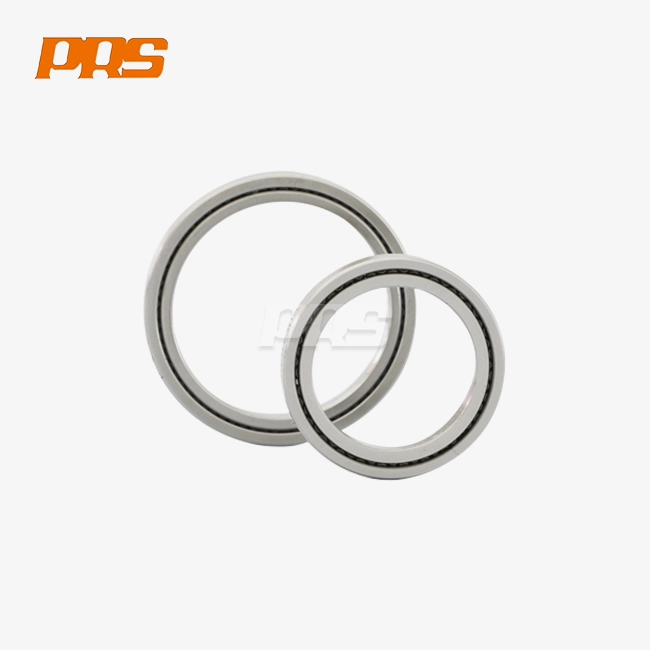
Ceramic bearing technology offers different performance traits that are worth looking into for specific uses. Compared to steel, ceramic materials are lighter, better at resisting heat, and have lower friction ratios. These features help high-speed artificial joints and uses where temperature stability is important. On the other hand, ceramic bearings are very expensive and need to be installed carefully. For most industrial automation tasks, steel bearings like the RE robot bearing series from PRS offer the best mix of performance and value. Ceramic alternatives, on the other hand, are only used in specific situations where their benefits support the higher cost.
Total Cost of Ownership Analysis
Real cost effectiveness can be seen in purchasing choices that go beyond the initial buy price. The overall cost of ownership includes the price of buying it, the cost of installing it, the cost of repairs, the effect on operating efficiency, and the length of time it will be used. Because their inner rings are split, RE robot bearing series are easier to install. This saves money on labor costs during assembly and in the future for upkeep.
The amount of oil and how often maintenance needs to be done affect ongoing operating costs. RE robot bearings have a double-sided seal that covers internal parts and keeps the oil in. This means that they don't need to be re-greased as often as open bearings do. In work settings, the costs of downtime caused by replacing bearings can be much higher than the prices of the parts. The longer service life that comes from spreading the load more evenly across more than one contact point means that replacements happen less often, which means that production doesn't stop. When figuring out the total cost of ownership, you should take into account changes in how much energy is used. This is because systems with lower friction coefficients are more efficient and use less power over longer service periods.
Making the Right Procurement Decision: RE vs RU Series
Matching Bearing Features to Application Requirements
Decision frameworks should put application-specific needs ahead of general speed standards. When outer ring rotation is important to your application architecture, like in robot arm joints and rotary table setups, the RE robot bearing series gives you the best performance thanks to its built-in outer ring design. However, the RU series has structural features that make it better for uses where the inner ring rotates while the housings stay in place.
Load study is the first step in choosing the right bearings. Find the real radial, axial, and moment loads during all operating cycles, including the highest loads during acceleration, steady-state operation, and braking. When figuring out safety factors, you should think about things like shock loads, shaking, and possible imbalance. Tolerance grades for RE robot bearings must match the level of precision needed. Tolerance grades P4 and P2 are only used in situations where micron-level accuracy is needed. Standard P5 or P6 grades are good for setting jobs that aren't too hard and save money without sacrificing reliability.
Supply Chain Considerations and Procurement Planning
Expected lead times depend on the size of the RE robot bearing, its exact grade, and any customizations that need to be made. Specialized designs need longer wait times for production, while standard catalog measurements from existing inventory usually ship faster. When you buy in bulk, you can get better prices and make sure that the parts you need are available for planning your production. When you're in charge of robotics supply chains, make sure that the arrival of RE robot bearings and other parts that go with them work together to get the best timing for assembly.
Authorized Distribution and Supplier Authentication
When you work with skilled makers, being able to make changes easily is a big plus. PRS can change the sizes of parts, increase their load ratings, make seals in unique ways, use different materials, and make custom precise grades that meet the needs of a particular application. This adaptability is useful for making robot designs work better or changing platforms that are already in use to fit new needs. Technical teamwork during the design process stops specification mistakes and makes sure that the RE robot bearings chosen are right for the job, not just based on guesses.
Buying from approved outlets makes sure that the product is real and gives you access to manufacturer help. Unfortunately, there are fake precise bearings on the market that look a lot like real ones but don't work as well or as safely. Authorized wholesalers keep close ties with manufacturers to make sure that RE robot bearings are handled and stored correctly and that technical information is shared so that the quality of the RE robot bearings is maintained from production to installation.
When evaluating a supplier, you should look at their manufacturing skills, quality control systems, technical help infrastructure, and how long they've been working with companies in the same industry. The 15,000-square-meter facilities with more than 200 precise tools run by skilled workers show how much can be made and how advanced the technology is. Engineering teams with 35 or more technical experts show a dedication to new ideas and customer service that goes beyond just delivering products. These operational indicators give you faith in the supplier's ability to keep working with you on multiple projects and efforts for continued growth.
Conclusion
To choose between the RE and RU types of bearings, you need to carefully look at your robotic systems' structural design, application needs, and performance goals. The RE robot bearing is very useful for tasks that need accurate spinning of the outer ring, the ability to carry loads in multiple directions, and a small installation footprint. Its features make it useful for industrial automation, CNC cutting, semiconductor equipment, and medical devices. A full study that includes the total cost of ownership, the need for upkeep, and the supplier's abilities makes sure that choices about procurement give long-term value that goes beyond the cost of the initial parts. Working with well-known companies that offer technical support, customization options, and quality control is a good way to build a base for developing robotic systems that work well and reliably.
FAQ
What precision grades are available for RE series bearings?
Precision grades for PRS's RE robot bearings range from P6 to P2. The P4 and P2 grades have the tightest limits for uses that need repeatability down to the micron level. P2-grade bearings have very low runout, which is important for semiconductor equipment, medical imaging systems, and precision metrology tools that need to be able to place things accurately because it affects the quality of the products and the accuracy of the measurements.
How do sealed bearings perform in cleanroom environments?
For what reasons do protected RE robot bearings work in cleanrooms? The two-sided seal design on RE robot bearings keeps the interior parts clean and stops the oil from moving around, which is very important for cleanroom uses in semiconductor and electronics manufacturing. Particulate matter that forms on uncovered bearing surfaces can't get into sealed designs. This keeps the cleanroom clean and increases service times by keeping lubricant in place better.
Can RE bearings replace multiple conventional bearing arrangements?
Can RE robot bearings be used instead of various standard bearing arrangements? Because crossed roller bearings are built in, a single RE robot bearing unit can be used instead of a bunch of different angular contact bearings or ball bearing types. This combination cuts the weight of the unit by up to 40%, makes installation easier, gets rid of the chance of misalignment between multiple bearing sets, and makes the system simpler overall while keeping or improving its load capacity and precision.
Partner with PRS for Superior Robot Bearing Solutions
The engineers at Luoyang PRS Precision Bearing Co., Ltd. provide high-quality RE robot bearing options based on their twenty years of experience in making specialized products. The advanced precise machinery in our 15,000-square-meter building is run by 300 skilled professionals. This ensures consistent quality, which is backed up by ISO 9001, ISO 14001, and ISO 45001 certifications. With factory pass rates of more than 99.9% and customization options that include changing dimensions and using special materials, we can help you with the development of your robotic system from the initial design advice all the way through installation direction. Contact our engineering team at ljh@lyprs.com to talk about your specific application needs and find out how working with a reputable RE robot bearing manufacturer can improve the performance, dependability, and competitive edge of your automation platform in harsh industrial settings.
References
Marsh, E.R. (2010). Precision Spindle Metrology. Lancaster: DEStech Publications, pp. 87-104.
Harris, T.A. & Kotzalas, M.N. (2006). Advanced Concepts of Bearing Technology: Rolling Bearing Analysis, 5th ed. Boca Raton: CRC Press, pp. 156-178.
Schreiber, R. & Grote, K.H. (2014). Springer Handbook of Mechanical Engineering: Machine Elements. Berlin: Springer-Verlag, pp. 634-651.
Bhushan, B. (2013). Principles and Applications of Tribology, 2nd ed. Chichester: Wiley, pp. 892-919.
Tlusty, J. (2000). Manufacturing Processes and Equipment. Upper Saddle River: Prentice Hall, pp. 445-467.
Weck, M. & Brecher, C. (2006). Werkzeugmaschinen 2: Konstruktion und Berechnung. Berlin: Springer, pp. 234-256.

USER EVALUATE
Here is the customer's evaluation of us