
How to Maintain the Crane Slewing Bearing?
To keep a crane slewing bearing in good shape, you need to keep an eye on when to lubricate it, check the bolt pressure, and keep it clean. In normal conditions, these large-diameter rotating parts need to be inspected every 100 hours. In dusty or humid settings, the time between checks needs to be cut to 50 hours. Using lithium-based oils that can work at temperatures between -30°C and +120°C to apply the grease correctly keeps the track and rolling elements from wearing out too quickly. Tightening bolts must be done in a star pattern to the torque values stated by the maker. This is usually done with measured hydraulic torque wrenches to make sure the load is spread out evenly.
Understanding Crane Slewing Bearings and Common Maintenance Challenges
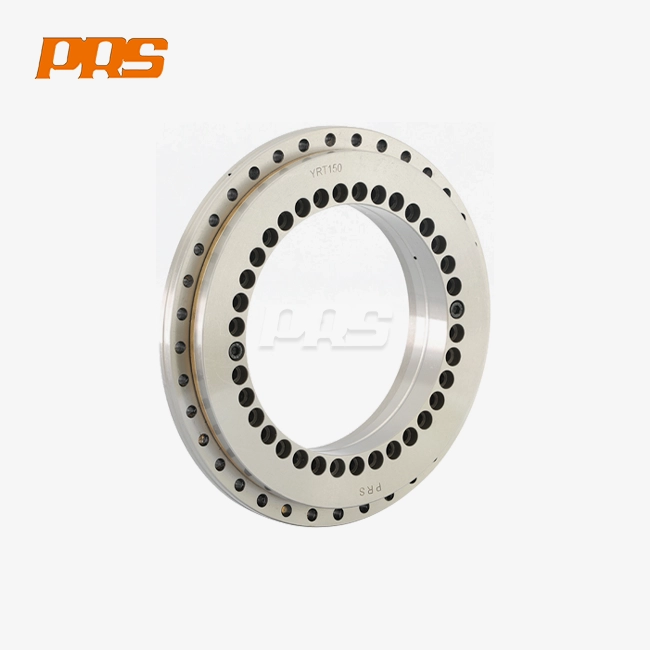
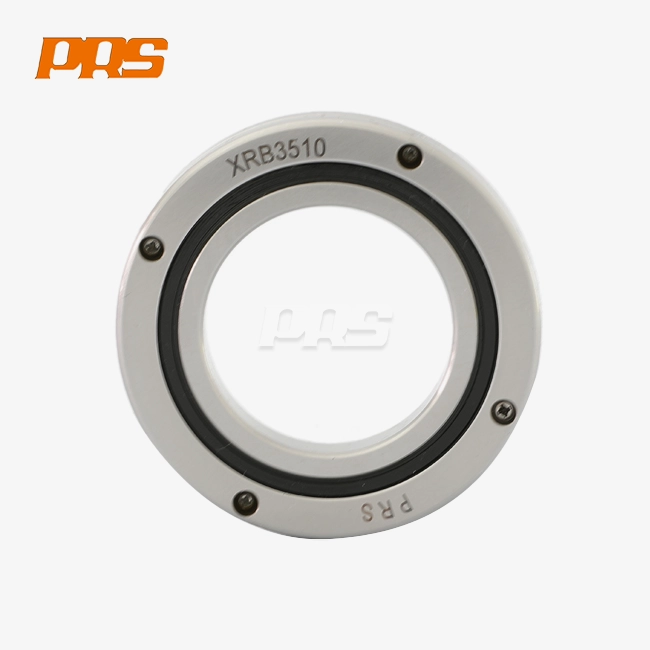
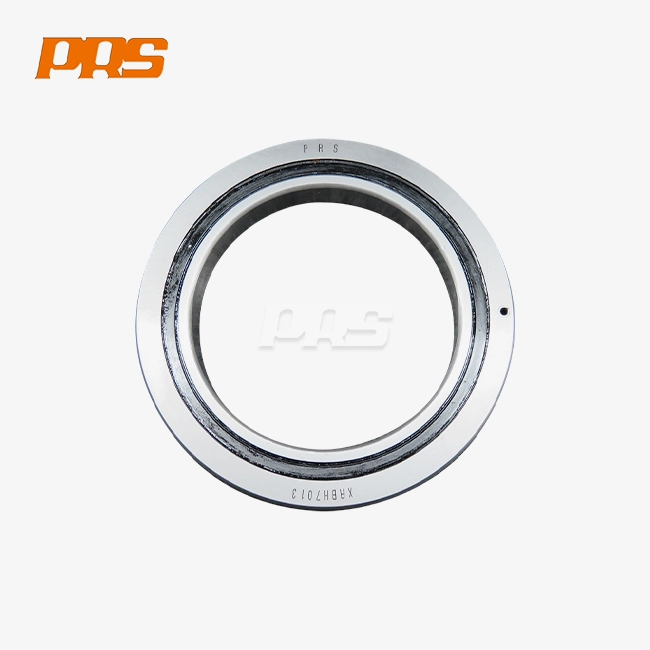
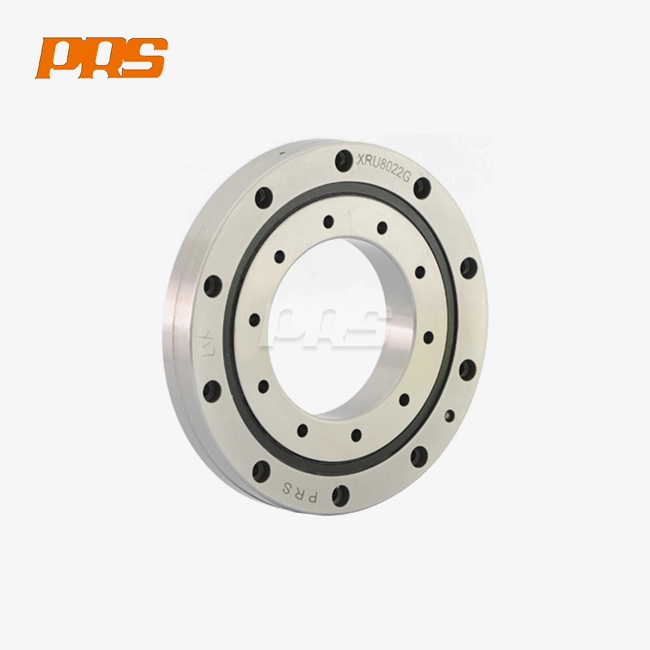
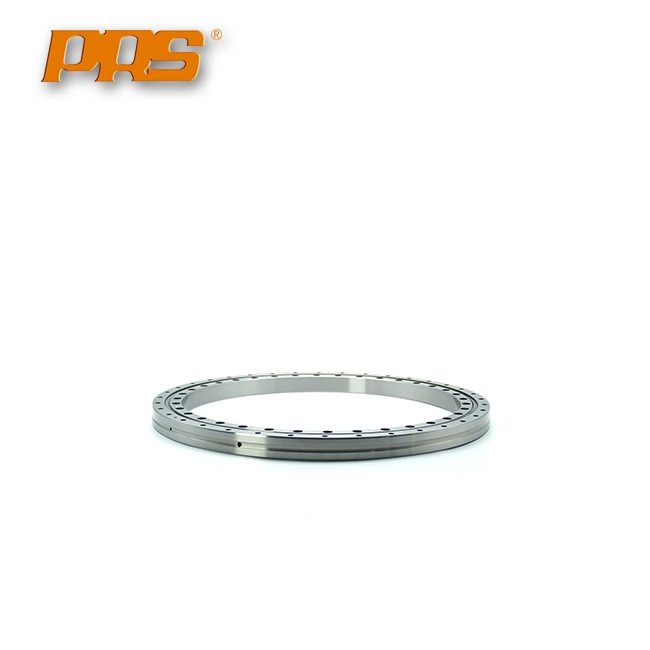
The crane slewing bearing connects the crane's fixed base to its moving upper part. This important part has an inner ring, an outer ring, and several rows of rolling elements placed between perfectly made raceways. At Luoyang PRS Precision Bearing Co., Ltd., we make these parts out of 42CrMo and 50Mn alloy steel, which we chose because they are better at resisting wear and can be quenched. At the same time, the bearing can handle axial loads of up to 5000kN, radial forces of up to 2000kN, and large tipping moments during lifting operations.
Structural Complexity and Failure Points
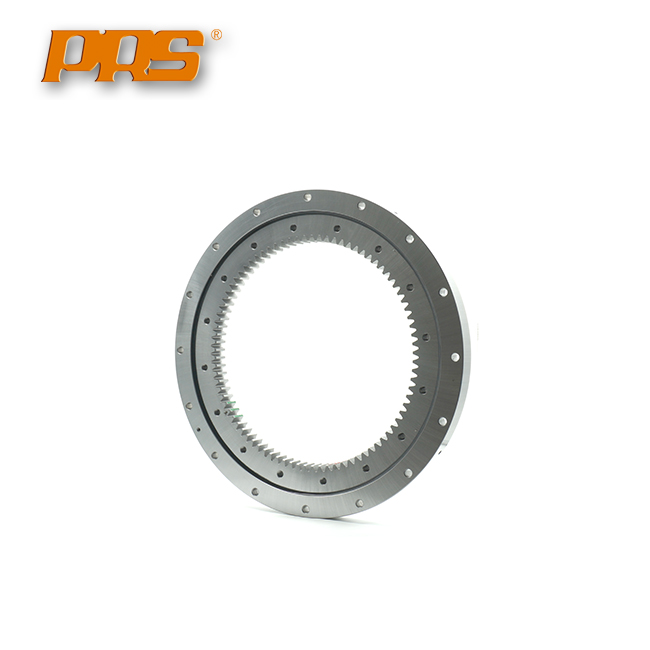
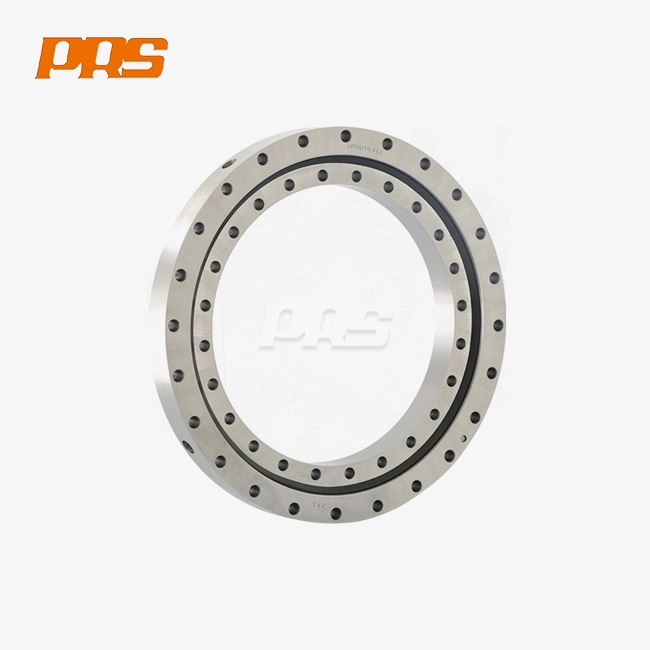
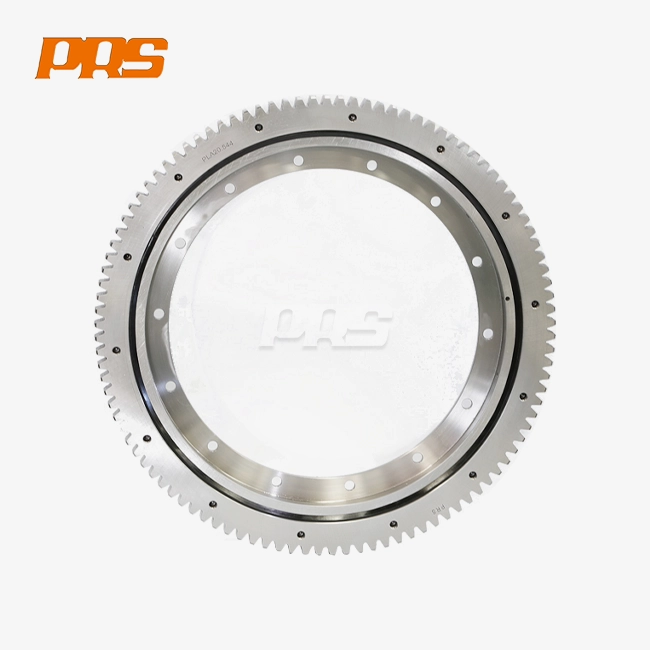
Modern spinning bearings have gear teeth built in, which can be exterior, internal, or toothless. Our triple-row roller designs spread loads across many touch points, so the structure stays strong even when it's under a lot of stress. The multi-row raceway design splits the load lines. The upper and lower raceways take care of axial forces, and the radial raceways handle tilting moments and horizontal loads. This complex design comes with its own upkeep issues that have a direct effect on how reliably it works.
Identifying Critical Maintenance Issues
There are three main types of decline that equipment workers often see. Corrosion happens when water gets into systems that keep things from leaking, which can happen in marine or chemical processing settings. Even though the labyrinth and contact seal choices we offer at PRS keep out contaminants, no closing system is completely impenetrable. Oxidation and heat degradation break down lubricants, weakening the surface and letting metals touch each other. Too much backlash, which is usually measured by more than 1.5 mm to 2.5 mm of axial space, means that the raceway shape or rolling element is wearing out. If procurement and engineering teams can spot these signs early, they can plan to fix things before they go wrong in a big way. This keeps building projects from having sudden stops in operations that cost thousands of dollars per hour.
Key Maintenance Principles and Best Practices for Crane Slewing Bearings
For crane slewing bearings to last a long time, you need to follow regular maintenance procedures that are made to fit your unique working conditions. During the equipment specification phase, procurement managers should set up thorough maintenance plans. This is because repair needs directly affect estimates of the total cost of ownership. The precision bearings that PRS engineers are accurate to the P4 and P2 levels. They need to be maintained in a way that keeps these tight limits throughout their service life.
Inspection Frequency and Detection Methods
During active deployment of a crane slewing bearing, there should be visual checks once a week to look for grease leaks, broken seals, and wear around the mounting bolt surfaces. Using vibration analysis tools to do technical tests can find bearing problems early on. Frequency spectrum analysis can show signs of roller damage before noise becomes noticeable. By measuring the sound waves made by friction, ultrasonic testing can find places that need more lubricant. With these technologies for predictive maintenance, engineering teams can plan repairs for planned downtime instead of having to fix things when they break down suddenly. Monitoring the temperature is another useful sign; working temperatures above 120°C indicate that the bearings are not properly oiled or are being overloaded.
Lubrication Selection and Application Strategy
In high-load rotational uses, choosing the right grease formulas is very important for reducing friction and wear. Extreme pressure ingredients in lithium complex greases work well for most tower crane and mobile crane uses and protect against temperatures from -30°C to +120°C. We suggest using synthetic base oils with stronger rust inhibitors on port cranes that are exposed to salt spray or on sites that are out at sea. Quantity of grease is just as important as quality. If you overfill, the lubricant will push past the seals and attract rough contaminants. If you underfill, border lubrication conditions will happen. At PRS, our expert team gives you specific regreasing volumes based on the size of the bearing. These volumes usually range from 200 to 800 grams, depending on how the raceways are set up. How it's applied also affects how well it works. For best results, use grease guns with pressure gauges and slowly shoot the lubricant until you feel a little resistance. This means that the lubricant is spread evenly throughout the raceway channels.
Storage and Handling Protocols
Bearings that are waiting to be installed need to be kept safe from damage from the surroundings. To keep machined surfaces from getting wet, storage places should keep the temperature between 5°C and 25°C and the relative humidity below 60%. Rust-preventive coats are used on the things we make at PRS, but these films wear off after 12 to 18 months. When you store our large-diameter rings, which can be up to 5000mm in diameter, horizontally, they don't get bent. During handling, lifting forces must be spread out over several places using the right rigging, since putting too much weight on one part of a ring can cause lasting deformation that affects the limits for roundness. These seemingly small details have a big effect on whether your bearing lasts the 20,000 hours of operation that it was meant to last.
Step-by-Step Maintenance Procedures for Optimal Bearing Performance
To set up thorough repair processes, crane operators, maintenance techs, and procurement teams need to work together. Safety rules need to cover the high work situations that are common in crane repair, including how to protect against falls and secure loads. Putting together the right tools, like torque wrenches, grease guns, cleaning solvents, and inspection screens, before starting work cuts down on delays that cause the crane to be down for longer.
Preparation and Safety Measures
Lockout-tagout processes make sure that the crane doesn't get powered up while repair work is being done. By setting the boom at the smallest possible radius and bringing all loads to the ground, stored energy dangers are removed. Support structures should keep the upper works stable so that they don't turn while the bolts are being removed. Technicians need access platforms that let them reach the crane slewing bearing contact without straining their bodies. Working in odd positions causes maintenance to be unfinished and poses safety risks. When choosing crane models, procurement managers should think about these entry needs because maintainability has a direct effect on lifecycle costs.
Cleaning and Inspection Process
Using lint-free cloths and approved solvents to get rid of old grease is the first step in the repair process for a crane slewing bearing. If you don't get rid of all the leftover grease and gritty bits, they will speed up wear. Technicians should look at the raceway surfaces for pitting, spalling, or darkening that could mean the motor is too hot while they are cleaning them. Induction hardening of our 42CrMo material to 55–62 HRC at a depth of 3–6 mm makes it very resistant to contact wear. However, even these high-tech materials can fail early if they are not properly maintained. Each rolling element needs to be inspected individually, and any that show flat spots or surface flaws should have their bearings replaced instead of continuing to work. The threads in the mounting hole need to be checked for galling or rust because damaged threads make it impossible to get the bolt preload that was stated.
Lubrication Application and Bolt Torque Verification
For applying fresh grease, follow the manufacturer's instructions for how much to use and where to put it. To make sure the whole raceway is covered, we suggest introducing grease at several ports one after the other while slowly turning the bearing. When clean grease shows up at nearby ports or seal surfaces, it means that the grease is being distributed correctly. After lubrication, measured equipment is used to check the bolt torque. This makes sure that the holding force is the same all the way around the mounting circle. The star pattern tightening process, which moves the bolts about 180 degrees apart, keeps the rings from being under too much stress in one place, which could bend them. We use Grade 10.9 or 12.9 high-tensile bolts in our PRS bearing setups. These bolts need specific torque values based on their width, which are usually between 800 and 2000 Newton-meters. Hydraulic torque tools with digital readouts are the most accurate way to get these values regularly across all mounting bolts. This keeps the alignment accuracy that is needed for smooth turning and long service life.
Evaluating Maintenance Solutions and Support from Suppliers
Choosing the right servicing partner affects both how well the crane slewing bearing works right away and how much they cost to run in the long run. Our 35 specialized workers at Luoyang PRS Precision Bearing Co., Ltd. have more than 20 years of experience and can help customers at any point in the lifecycle of a bearing. Because we have so much knowledge, we can give you maintenance advice that is relevant to your crane type, duty cycle, and working conditions. When making a procurement choice, you should look at more than just the original bearing costs. You should also look at the full support infrastructure that your supplier offers.
Comparing Service Models and Warranties
Some makers offer full maintenance plans that include regular checks, greasing services, and tracking of wear. These "turnkey" options make buying easier for companies that don't have specialized bearing knowledge, but they usually come at a higher cost. While third-party support companies may have reasonable prices, they might not have access to private technical data that could affect the accuracy of diagnostics. We see PRS as a middle ground because we offer thorough maintenance documentation, expert help, and legitimate replacement parts without needing exclusive service contracts. Our guarantee covers maintenance compliance and stays good as long as customers follow written lubrication plans and torque specs. This method gives purchasing managers options while making sure they can get help from manufacturers when problems get complicated.
Leveraging Technical Specifications for Predictive Maintenance
Detailed crane slewing bearing specs let you plan repair based on data. In our technical data sheets, we list the maximum load that they can hold, the temperature ranges where they can be used, and the types of wear that are normal for different job cycles. With this information, procurement teams can set personalized repair times that are based on real working conditions instead of general suggestions. A port crane that moves 40 containers an hour wears out differently than a building crane that is only used sometimes, so the frequency of inspections needs to be changed. We provide dimensional tolerance data that lets you precisely measure how wear is progressing. When axial clearance readings get close to the highest values that are acceptable, procurement can schedule replacements for planned downtimes instead of having to deal with failures that come up out of the blue. With this proactive method, maintenance goes from being a reactive cost center to a planned reliability program. This lowers the total cost of ownership while increasing downtime.
Case Studies: Successful Maintenance Implementation in Crane Operations
Disciplined repair programs have real-world benefits that can be seen and touched. These cases show what people have done with different kinds of cranes and in different kinds of working conditions. They can help buying and engineering teams come up with their own repair plans.
Tower Crane Lifespan Extension Through Proactive Protocols
A high-rise building company that ran six tower cranes did full crane slewing bearing maintenance, which included visual checks once a month and lubrication every 75 hours, which is 25% more often than what is normally suggested. This tight plan was in line with the dusty, urban building site where a lot of concrete dust was floating around. The contractor kept track of their fleet for 18 months and found that none of the bearings failed during that time. Using standard 100-hour intervals for comparison with past projects showed a 40% drop in unexpected downtime. The extra repair work, which took about two hours a month per crane, paid off in a big way by making schedules more reliable. This case shows that changing general maintenance suggestions to fit the needs of a specific place has real operational benefits.
Mobile Crane Cost Reduction Through Supplier Partnership
A heavy lifting provider took care of a group of mobile cranes that were used for projects to turn around oil refineries. In the past, bearings had to be replaced every 3,000 hours of use, which cost a lot in parts and work. Working with a bearing supplier allowed for a thorough study of worn-out parts, which showed that insufficient bolt torque led to early raceway damage instead of normal wear development. By using a hydraulic torque wrench and checking the tightness of the bolts every three months, the bearings' average life was increased to 5,200 hours, which is a 73% improvement. The buying manager figured that the 12-unit fleet could save more than $180,000 a year. This example shows how technical knowledge from a provider adds value beyond just providing parts by finding problems at their roots that in-house support teams might miss. Similar analytical methods are used by our team at PRS. We look at wear trends to suggest process changes that make bearings work better.
Conclusion
To keep crane slewing bearings in good shape, they need to be oiled, inspected, and the bolt strength needs to be managed. With their multi-row raceways, combined gear systems, and advanced sealing, these large-diameter rotational components are very complicated structurally. They need upkeep skills that are just as advanced as their engineering. At Luoyang PRS Precision Bearing Co., Ltd., we make bearings out of high-quality materials like 42CrMo alloy steel and precision grades up to P4. We then provide clients with thorough technical documentation and quick engineering help. Procurement strategies should judge providers on their full lifecycle support capabilities, not just the prices of individual parts. This is because the quality of upkeep directly affects how reliable an asset is and how much it costs to own in total.
FAQ
How often should crane slewing bearings undergo lubrication maintenance?
For normal job cycles, lithium complex grease with high pressure additives needs to be re-greased every 100 hours of operation. Shorter 50-hour gaps are needed in places with a lot of dust, like demolition sites or areas near the coast that are exposed to salt spray. Continuous operation cranes, like port container handlers, may benefit from condition-based tracking using temperature sensors and vibration analysis. This lets repair schedules be based on the real state of the crane slewing bearing instead of set times.
What indicators suggest bearing replacement rather than continued maintenance?
When there is too much metal debris in the removed grease, it means that the raceways are worn out and need to be replaced. Grinding sounds heard during spinning, even after the element has been oiled, mean it is damaged. Axial clearance measures that are higher than the manufacturer's recommendations—usually 2.5 mm for most designs—show wear that is beyond what is acceptable. Our PRS bearings have hardened raceways with a surface hardness of 55–62 HRC. Once this hardened layer breaks through, damage spreads quickly, so it's important to change them as soon as possible.
Does improper lubrication affect warranty coverage?
Most makers, including PRS, make it clear that following certain maintenance steps is required in order to keep the guarantee current. This means using accepted types of oil, keeping to the recommended times for re-greasing, and making sure the bolt torque is right. These needs should be made clear from the start in procurement contracts, along with clear paperwork rules that protect warranty rights and make sure support teams know what they need to do. Our technical support team can be reached at ljh@lyprs.com and can help you set up maintenance paperwork methods that are compliant.
Partner with PRS for Reliable Crane Slewing Bearing Solutions
If procurement managers and engineering teams want reliable turntable bearing performance, they should look to Luoyang PRS Precision Bearing Co., Ltd. as a provider for crane slewing bearing solutions. We can make wheels with diameters ranging from 400mm to 5000mm that have exterior gears, internal gears, or no teeth at all. We can also do custom building for special needs. We keep standard sizes in stock so that we can deliver quickly, and our 35-person expert team helps with everything from choosing the right size to installing it and keeping it in good shape. Our dedication to making the best products is shown by our quality certifications, such as ISO 9001 and CE compliance, and our plant acceptance rates are higher than 99.9%. You can email our applications engineering team at ljh@lyprs.com to talk about your unique needs, or you can go to prs-bearing.com to look at full technical specs and ask for a consultation. Our high-quality, stable, and reliable products are used by automation developers, machine tool builders, and heavy equipment manufacturers who need precise parts backed by quick expert support.
References
American Society of Mechanical Engineers. (2021). "Large Diameter Rolling Bearings: Design, Application, and Maintenance Standards." ASME Technical Publication Series, Volume 47.
International Organization for Standardization. (2020). "ISO 12240-1: Spherical Plain Bearings and Slewing Rings - Tolerances and Methods of Measurement." Geneva: ISO Standards Catalogue.
Machinery Lubrication Institute. (2019). "Predictive Maintenance Strategies for Industrial Rotating Equipment: A Comprehensive Field Guide." Tulsa: MLI Technical Press.
National Institute for Occupational Safety and Health. (2022). "Crane Safety: Maintenance Protocols for Critical Load-Bearing Components." NIOSH Publication No. 2022-145, Centers for Disease Control.
Society of Tribologists and Lubrication Engineers. (2020). "Grease Selection and Application for Heavy-Duty Rolling Element Bearings." STLE Special Publication SP-68.
Vogel, R., and Mitchell, K. (2018). "Failure Analysis and Service Life Extension of Large-Scale Slewing Ring Bearings in Mobile Crane Applications." Journal of Mechanical Engineering Practice, 43(2), 178-195.

USER EVALUATE
Here is the customer's evaluation of us