


Understanding Crane Slew Bearings Functionality Types and Importance
Crane slewing bearing technology is the essential technical answer when heavy lifting tasks require smooth rotational movement under extremely heavy loads. These special large-diameter rotational parts connect the crane's fixed base to its rotating upper structure. They allow the crane to rotate smoothly in all directions and handle huge axial, radial, and moment loads at the same time. Knowing how these bearings work and how to choose the right configuration has a direct effect on operational efficiency, safety margins, and the total cost of ownership over the lifecycle of your equipment, whether you're specifying parts for tower cranes in high-rise construction, mobile cranes at busy ports, or robotic arms in automated manufacturing.
What Is a Crane Slewing Bearing and How Does It Work?
There is a rotating joint between the base of a crane and its pivoting top construction. This is called a crane slewing bearing. These large-diameter systems are different from standard bearings because they are made to support mixed loading conditions while keeping precise angular positioning at slower rotational speeds.
Core Structural Components
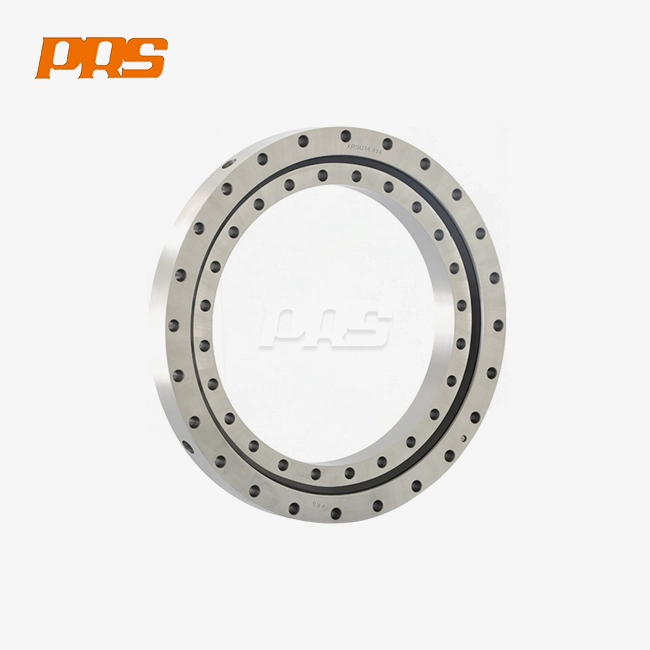
The bearing has an inner ring and an outer ring made of high-quality cast steel metals like 50Mn or 42CrMo. In between these rings are several rows of moving parts, which could be balls or rollers, that move along carefully machined raceways. This multi-row arrangement spreads forces over larger touch areas, which lowers stress concentration and increases service life. Each ring has mounting holes built right in that match the shapes on your crane's structural bolts. This means you don't need any extra adapters and the fitting process is easier.
Mechanical Operating Principles
The load is spread out by the carefully planned shape of the raceways. The axial forces that are created during lifting are handled by the upper and lower raceways. The horizontal loads and rolling moments that are created by extending the boom or moving the load are handled by the radial raceways. When compared to sliding systems, the rolling parts have less friction, which lets the machine rotate smoothly even when it's fully loaded while also cutting down on wear and power use. Modern sealing systems, like labyrinth designs and contact seals, keep building dust, wetness, and other things that could affect performance from getting into internal parts.
Material Selection and Treatment
PRS makes crane slewing bearings out of specialty steels that are chosen for their unique performance qualities. This 42CrMo metal is great for uses where there are high reversing moments or big changes in temperature because it can be quenched easily and doesn't wear down easily. Induction hardening of raceways to 55–62 HRC with entry depths of 3–6 mm is one type of heat treatment. This makes the surfaces hard and wear-resistant while keeping the core softened to keep it from breaking. This mix makes sure that the bearing can handle millions of rotations without losing its shape or ability to hold weight.
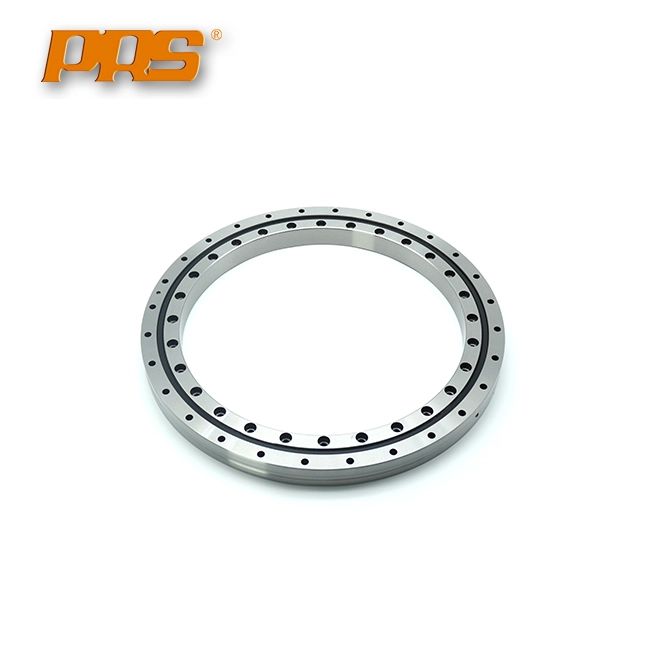
Types of Crane Slewing Bearings and How to Choose the Right One?
To choose the right bearing setup, you need to match the design features to the needs of your application. Different ways of arranging structures have different benefits when it comes to load capacity, accuracy, and upkeep needs.
Single-Row Four-Point Contact Ball Bearings
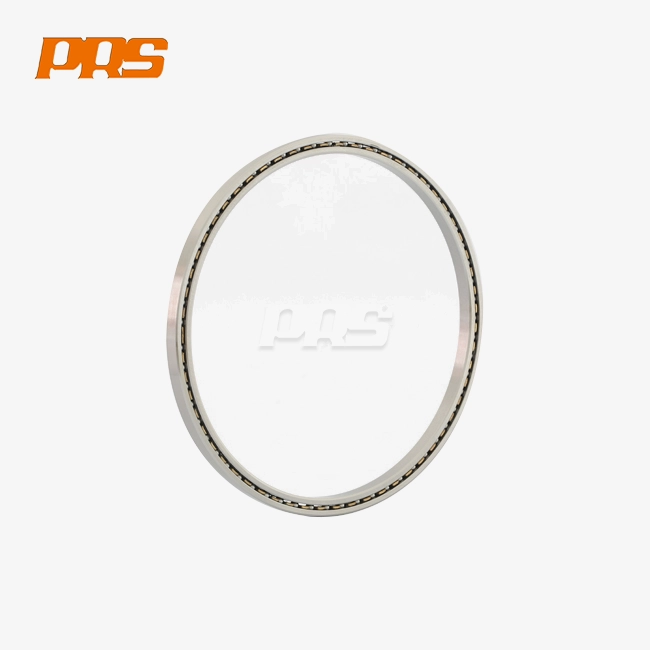
In this arrangement, there is only one row of balls that touch the raceways four times. The shape lets it handle axial loads in both directions, rotational loads, and tilting moments all at the same time in a small cross-section. Single-row bearings work well in places where installation height is limited by room but where a modest load capacity is enough. It is easier to make because the structure is simpler, and it usually costs less for smaller crane models or uses with lighter load cycles.
Double-Row Ball Bearings
When the load needs are higher than what a single-row configuration can handle, a double-row crane slewing bearing configuration can handle more by spreading the forces across two different rows of balls. This design raises the radial and axial load rates while keeping the overall size pretty small. The design works especially well in mobile crane situations where the layout of the boom changes the way it loads things during the operation cycle. Maintenance times are usually longer than for single-row systems because the load is spread out better and each rolling part is under less stress.
Triple-Row Roller Bearings
For heavy-duty crane uses, triple-row roller systems must have the highest load capacity possible. These bearings are made by PRS with different rows of rollers that can handle both horizontal and axial loads. The cylinder-shaped or tapered roller elements make line contact instead of point contact, which greatly increases the load capacity per unit of bearing width. This setup is used by tower cranes, port cranes, and heavy-lift mobility equipment to move loads that are close to or greater than 5000kN in axial capacity and 2000kN in rotational capacity. The strong design can handle shock loads and normal wear and tear that happens in tough building sites.
Gear Integration Options
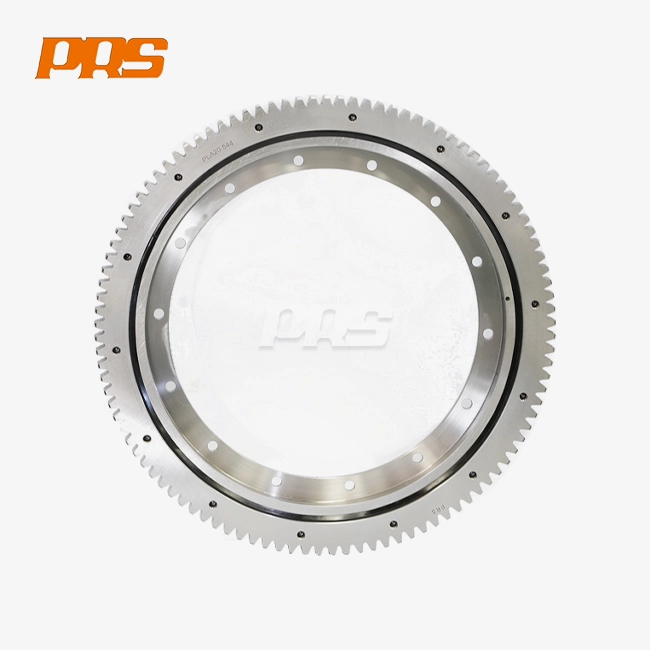
In addition to load-bearing capacity, you should also think about how to integrate the drive system. External gear setups put the teeth on the outside ring's edge, which makes mounting the motor easier and lets large-diameter bearings transfer a lot of power. When you use an internal gear design, the teeth are on the inner ring bore. This makes the fitting size smaller and keeps the drive components clean. Different types without teeth work as pure rotary bearings, so you can use different drive systems for different needs. PRS has all three setups available in diameters ranging from 400mm to 5000mm, and you can get unique gear ratios to fit the needs of your drive system.
Critical Selection Criteria
The right choice of bearings takes into account a number of technical factors as well as practical needs. Load analysis has to take into account the highest possible steady and dynamic loads, as well as the worst-case situations where the vehicle has to stop quickly or in an emergency. Material choice and sealing system design are affected by things like working temperature ranges, contact to corrosive elements, and amounts of contamination. Different types of applications have different precision needs. For example, robotic systems may need P4-grade accuracy to place themselves consistently, while general construction tools can work well with P5-grade tolerances. Decisions about bearing complexity and lubrication system needs should be based on how long the parts are expected to last and how easy they are to maintain.
Maintenance Tips and Signs to Detect Worn Crane Slewing Bearings
Proactive repair plans have a direct effect on the life of bearings and how reliably they work. By setting up regular check schedules and responding to early warning signs, you can stop catastrophic fails that could lead to extended downtime and safety incidents.
Essential Maintenance Practices
Managing lubrication is the most important upkeep task for making bearings last longer. Standard job cycles mean that lithium-based greases made for heavy-load uses need to be re-greased about every 100 hours of operation. Shorter gaps of about 50 hours are needed in places with a lot of dust or near the coast where salt is present. During the regreasing process, keep pumping lubricant until new grease shows at all seal surfaces. This will make sure that all the dirty material is pushed out. It is important to choose the right grease. Make sure it works with the temperature ranges that the machine will be used in and check the manufacturer's instructions for NLGI grade and base oil thickness.
Dimensional checks for a crane slewing bearing should be done every three months or after 500 hours of use, whichever comes first. Use dial indicators or laser measurement devices to find the axial clearance at several places around the bearing's circumference. Backlash and positional precision are both worsened by too much space, which is usually a sign of worn rolling elements or raceway surfaces. Mount nuts need to be checked for torque on a regular basis in a star pattern order to keep the load spread out evenly and stop stress from building up in one area. For large-diameter bolts, PRS suggests using calibrated hydraulic torque tools to regularly reach the preload values that have been set.
Identifying Wear Indicators
Strange noises during spinning are often a sign that problems are starting to show up. If you hear grinding sounds, it means that contamination has gotten into the closing systems and is wearing down precise surfaces. Making clicking or knocking sounds on a regular basis means that the rolling elements or track are broken. Increased spinning resistance that operators may notice could be caused by mounting structures that aren't properly greased, aren't aligned, or have deformed, putting abnormal loads on the bearing assembly.
During repair times, you should look at the seals and grease to see how they look. Damaged or cracked seals let dirt and oil leak in, which speeds up the wear process. Metallic bits that can be seen with the naked eye in grease samples are a sign of active wear processes that need to be looked into right away. Corrosion on bearing areas that are exposed to water or chemicals shows that the covering system isn't protecting well enough.
Predictive Maintenance Approaches
Problems with crane slewing bearings can be found early on with vibration research, before they get too bad. Setting up baseline data on new sites lets you do trend analysis, which finds patterns of gradual decline. Thermographic imaging can find places where the temperature is rising because of friction hot spots caused by poor greasing, misalignment, or damaged bearings. These state tracking methods let maintenance be planned for planned downtime instead of having to be done when something goes wrong without warning.
Estimating the length based on the manufacturer's fatigue life calculations is possible with the help of operating hours and load records. Crane slewing bearings may last longer than 20,000 hours in theory when they are loaded to their nominal capacity, but their real service life depends on how often they are used, how well they are maintained, and the surroundings. Writing down choices about replacements and how things break down helps the school learn more, which improves maintenance plans and shapes future buying requirements.
Procurement Guide: Selecting and Buying Crane Slewing Bearings
To get the best performance and efficiency from tools, strategic procurement choices take into account technical specs, supplier skills, and total cost.
Performance Specification Development
Start the buying process by writing down all the requirements for the application in detail. Load estimates need to take into account both the static capacity for the highest lifting situations and the dynamic capacity for normal operation cycles. Conditions in the environment, like temperature ranges, exposure to weather, and amounts of contamination, affect the needs for materials and sealing. The gear specs, mounting interface sizes, and bolt patterns must match current equipment or be able to adapt to changes in the design. The level of precision needed depends on the task at hand. For example, precision placement needs tighter tolerances than general building tools.
Supplier Evaluation Framework
The choice of manufacturer for a crane slewing bearing has a big effect on the quality of the product and its long-term support. Global bearing makers like SKF, NSK, and FAG have a lot of products that have been proven to work well, but they usually charge more and take longer to deliver. Chinese companies that make bearings, like PRS, offer reasonable prices, quick delivery times, and the ability to make complex products. PRS has been making precision bearings since 2003 and has become an expert at custom engineering solutions that solve problems that only one application can have. Our manufacturing services cover the whole production process, from checking the quality of the raw materials to testing the final assembly. This way, we can make sure that quality control is maintained at all stages of production.
When looking at possible providers, make sure they have quality certifications like ISO 9001 for quality management systems and that they follow industry standards. Request proof of certificates for materials, methods for heat treatment, and reports on dimensional inspections. Technical support is important. Suppliers should offer technical help during the selection process, fitting instructions, and help with fixing problems for as long as the bearing lasts.
Procurement Strategy Options
Standard catalog bearings are easy to get because they are kept in stock and can be sent out right away, which cuts down on project lead times. When it comes to specific uses, custom-engineered solutions work best, but they usually have minimum order numbers and longer production times. PRS keeps standard sizes of crane slewing bearings for tower cranes and mobile cranes in stock, and our team of 35 technical engineers has more than 20 years of experience making bearings. They can also do unique designs.
Lead time affects when to buy things and how to keep track of supplies. Standard items are shipped within days of an order being placed, but unique designs may take 8 to 12 weeks from the time the specifications are approved until they are delivered. Critical applications benefit from building relationships with providers that can do emergency production runs or fast production when they need to be replaced quickly for practical reasons.
Quality Assurance and Testing
Reliable providers of crane slewing bearings use strict quality control procedures to make sure the products work well before they are sent out. Through spectroscopic analysis, material verification makes sure that the alloy's makeup meets the standards of the specification. Heat treatment approval shows that the right amounts of hardness and metallurgical qualities were reached during thermal processing. Using coordinate measuring machines and special bearing measurement tools, dimensional inspection checks that the geometric accuracy is within certain limits. Performance testing makes sure that the load capacity and smoothness of spinning are correct under real-life working conditions. Factory pass rates for PRS are higher than 99.9% because of strict inspections at every stage of production. This gives customers proof that quality standards are being met.
Building Supplier Partnerships
Long-term ties with suppliers are valuable for more than just one purchase. Suppliers can learn about your tools, guess what you'll need in the future, and suggest changes based on their experience with similar tasks in the field when you have partnerships in place. When engineers work together on unique ideas, they can come up with better answers than what you can find in a catalog. Responding to customer service issues fast and keeps operations running even when problems come up out of the blue.
Conclusion
Crane slewing bearings are important parts that allow the rotational movement that is necessary for lifting tasks in building, marine, and industrial settings. Procurement pros and engineering teams can make better choices about equipment performance and reliability when they understand the mechanical principles, structure differences, and selection criteria. Good care habits and finding signs of wear early on can extend the life of something and keep it from breaking down, which can be very expensive. Strategic supply relationships with makers like PRS that combine technical know-how, quality control, and quick customer service offer long-term value that goes beyond individual product sales. As lifting equipment keeps getting bigger and more accurate, properly defined and well-kept rotating bearings will always be the most important thing.
FAQ
What is the typical lifespan of a crane slewing bearing?
As long as they are maintained properly and are used normally, crane slewing bearings can last between 20,000 and 30,000 hours. The actual service life depends on the type of load, the job cycle, the climate, and the level of upkeep. Heavy-duty installations that are used all the time may need to be replaced sooner, while lighter-duty installations that are well taken care of can last much longer than theoretical estimates.
How do I know when a bearing needs to be changed?
Some important signs are too much axial or radial space beyond what the maker recommends, damage that can be seen on the raceways or rolling elements, noise that won't go away even though the bearings are properly oiled, a lot of metal particles in the grease samples, and corrosion that weakens the structure. When more than one sign shows up at the same time or when safety standards are breached, replacement is needed to keep operations safe and equipment reliable.
Can PRS provide custom designs for specialized applications?
Our engineering team comes up with custom solutions for problems like unusual load conditions, limited space, or environmental issues that normal catalog goods can't solve. Custom options include changing the width ranges, creating unique gear ratios, improving sealing setups, and choosing materials that will work well in harsh temperatures or corrosive settings. We work directly with your expert team to make sure that the bearing specs are perfect for the needs of your equipment.
Partner with PRS for Reliable Crane Slewing Bearing Solutions
Luoyang PRS Precision Bearing Co., Ltd. has been making specialized parts for big equipment for more than 20 years and can help you with your problems. As a company that only makes crane slewing bearings, we offer solutions that work better than expected by combining advanced production skills with quick expert support. Our product line includes toothed, toothless, and toothed on the outside designs, with diameters ranging from 400mm to 5000mm. We also offer custom building for unique needs.
We know that when equipment breaks down, it costs money and causes problems with business. That's why PRS keeps popular sizes in stock so they can be shipped right away, and they also offer fast custom production if you need something quickly. Our strict quality control measures, backed by ISO 9001 and ISO 14001 certifications, make sure that every bearing we send out meets the highest standards before it leaves our building. Whether you need new bearings for old equipment or engineering help for new designs, our professional team is ready to use their decades of experience with bearings to help you.
Get in touch with us right away at ljh@lyprs.com or visit prs-bearing.com to talk to our engineering experts about your needs. You can ask for full technical specs, CAD drawings, or quotes that are specifically made for your needs. PRS makes high-quality, stable, and reliable goods and offers full support for the life of your bearing. Let us show you how working with a responsive crane slewing bearing provider can improve the performance of your equipment and your faith in its ability to do its job.
References
Gao, X., & Huang, M. (2019). Design and Analysis of Large-Scale Slewing Bearings for Heavy Machinery. Journal of Mechanical Engineering Science, 233(8), 2847-2861.
Krämer, E. (2020). Rolling Bearing Analysis: Advanced Concepts of Bearing Technology (6th ed.). CRC Press.
Zhou, W., Tang, J., & Shao, Y. (2021). Contact Mechanics and Load Distribution in Four-Point Contact Ball Slewing Bearings. Tribology International, 154, 106730.
American Bearing Manufacturers Association. (2022). Load Ratings and Fatigue Life for Ball Bearings: ANSI/ABMA Standard 9-1990 (R2022). ABMA Publications.
Chen, G. (2018). Finite Element Analysis of Structural Stiffness for Three-Row Roller Slewing Bearings. Engineering Failure Analysis, 92, 370-389.
Harris, T. A., & Kotzalas, M. N. (2023). Essential Concepts of Bearing Technology: Rolling Bearing Analysis (5th ed.). Taylor & Francis.

USER EVALUATE
Here is the customer's evaluation of us
YOU MAY LIKE
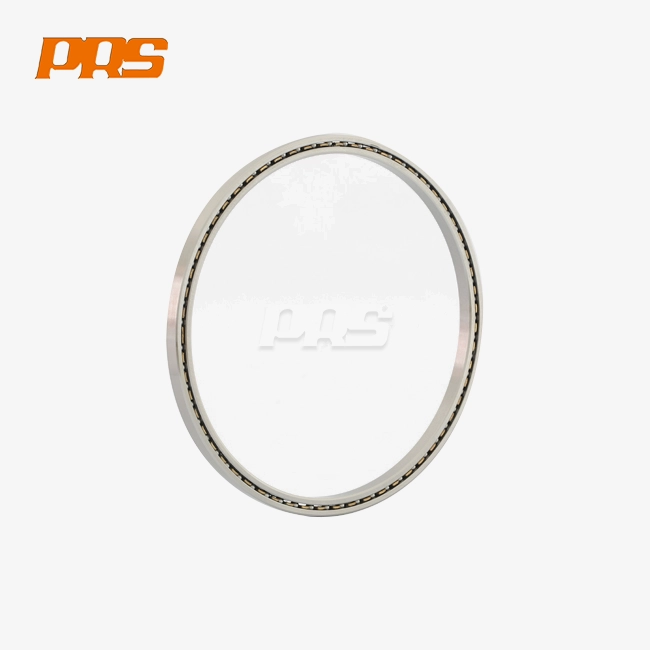 VIEW MOREThin-Section Ball Bearings
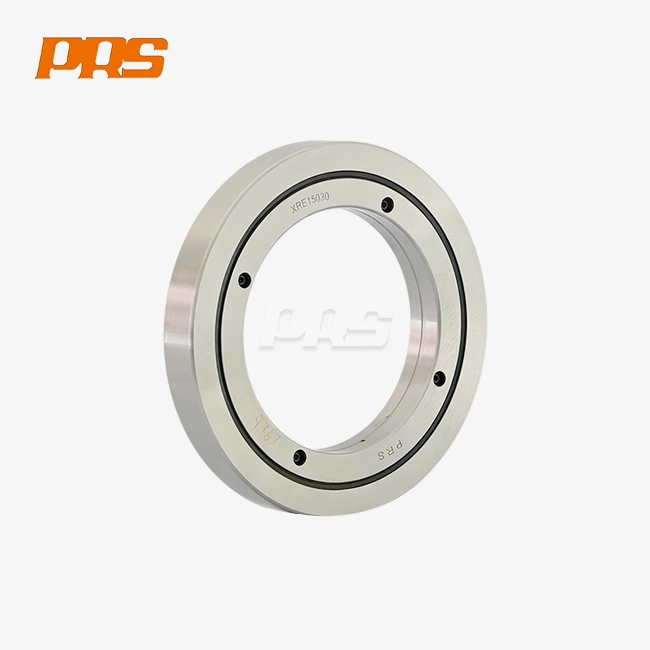 VIEW MOREBearings for Robotics
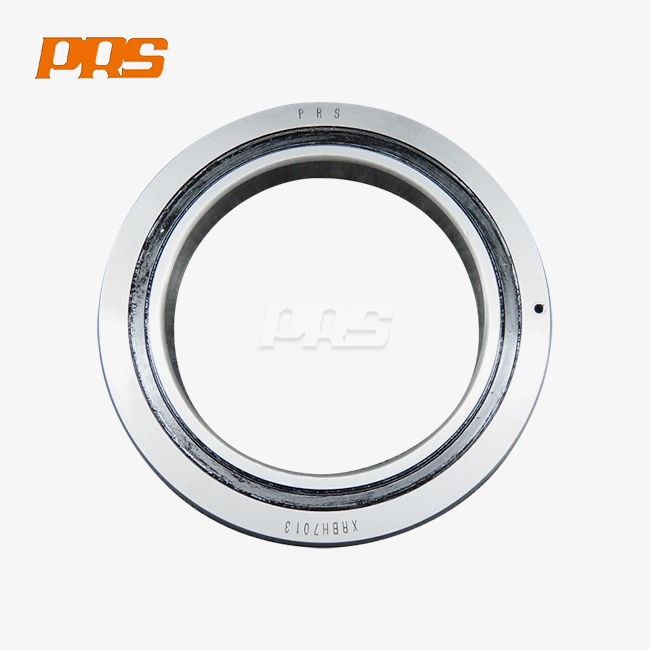 VIEW MOREthin section angular contact bearings
 VIEW MORE4 Point Angular Contact Ball Bearing
 VIEW MOREsingle row ball slewing bearing
 VIEW MOREmini excavator swing bearing
_1784080084231.jpg) VIEW MOREInternal Gear Slewing Bearing
VIEW MOREInternal Gear Slewing Bearing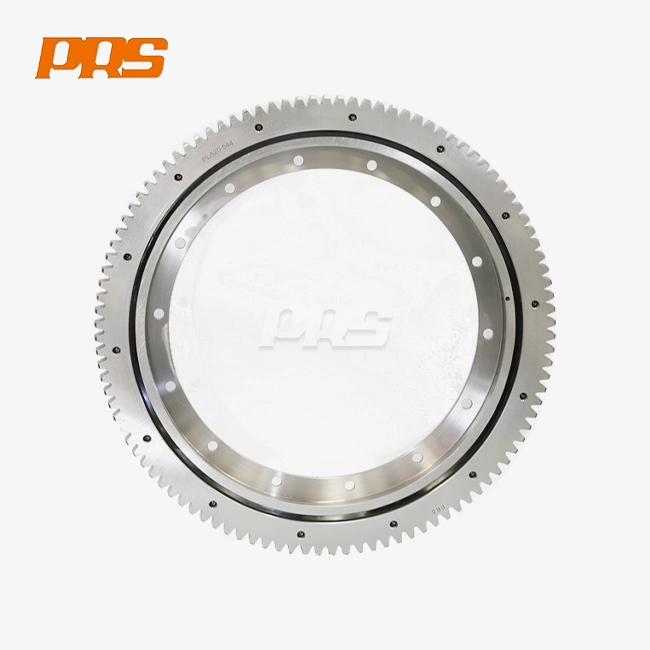 VIEW MOREWind Turbine Slewing Bearing