


RA Cross Roller Bearing from China Manufacturers
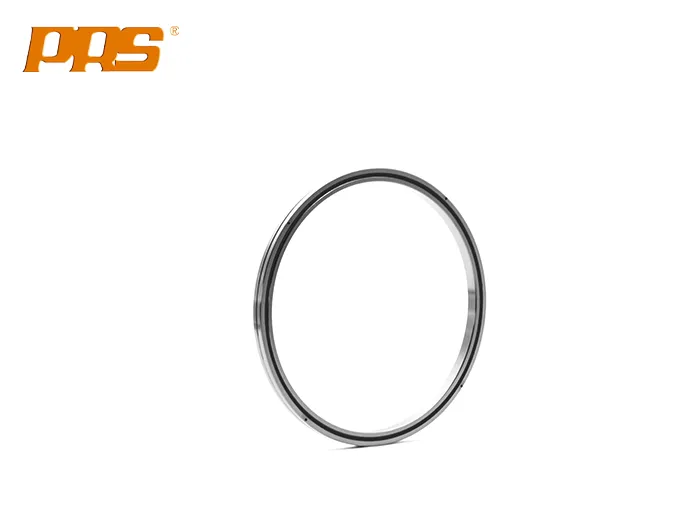
The RA cross roller bearing is an engineering answer that solves both problems at the same time when you need precise motion control and limited room in your industrial equipment. These ultra-thin precision bearings are made in China by experts like Luoyang PRS Precision Bearing Co., Ltd. They have a very high load capacity for their very small size. The RA series has cylinder-shaped wheels spaced out at right angles of 90 degrees within precise V-groove raceways. This lets a single bearing unit handle radial, axial, and moment loads at the same time. This way of thinking about design gets rid of the need for complicated bearing arrangements. It also lowers the weight of the equipment and makes it more accurate at placing, which are all very important for robot makers, CNC machine builders, and medical device OEMs that work in global markets that are very competitive.
Understanding RA Cross Roller Bearings
For decades, bearing engineers have worked to improve the technical design of these precision parts, making them fit situations where every millimeter counts. Knowing their basic benefits helps people who buy things make smart choices that have a direct effect on how well the equipment works.
Core Design Principles
The RA configuration uses a frame with a merged inner ring and an outer ring that can be separated. This design makes installation easier while keeping the structure strong when it's being used. Line contact across precision-machined raceways is made by cylindrical wheels that are placed perpendicular to each other. This method distributes forces better than point-contact options. Because the rollers are placed in an orthogonal way, one set handles radial loads and the set next to it handles axial forces. This ability to handle both types of loads at the same time is what makes these bearings unique compared to other designs. When compared to ball bearing systems of the same load grade, this engineering method gets higher rigidity coefficients within thinner cross-sections.
Technical Specifications That Matter
Chinese makers usually offer a range of sizes, with inner diameters ranging from 20mm to 350mm, outer diameters up to 540mm, and width patterns ranging from 12mm to 45mm. The main ingredients in the material are GCr15 and GCr15SiMn bearing steels, which were chosen because they have the best mix of hardness, toughness, and physical stability when heated and cooled. Standard P0 grade and ultra-precision P3 grade are the different levels of accuracy. P4 and P5 grades are used for most industrial automation tasks. One of the most important features of the RA series is its detachable outer ring design, which makes fitting easier. This is especially helpful when putting bearings into complicated robotic joint assemblies or rotary table mechanisms that are hard to get to using normal installation methods.
Load Capacity Characteristics
These bearings are great at handling complicated load combinations that would need more than one regular bearing to handle. A single RA unit can be used instead of two angular contact ball bearings or two radial-thrust bearings together. When rollers are crossed, moment loads are spread out over a bigger effective area. This makes the structure much more rigid against shifting forces. In cantilevered robotic arm applications, where moment loads dominate practical stress patterns, this feature is very important. Even though load rates change depending on the model, the main benefit stays the same: maximum load capacity within minimal envelope dimensions. This directly leads to smaller equipment designs and better payload-to-weight ratios in motion control systems.
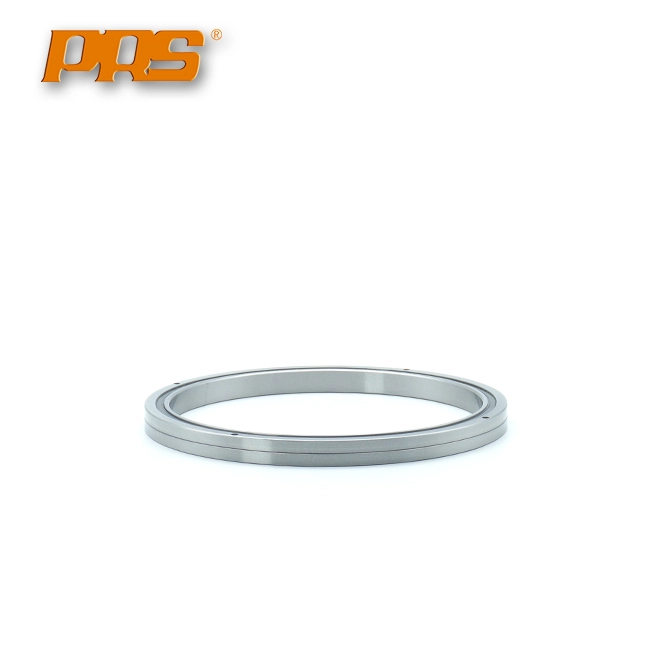
RA Cross Roller Bearing vs Other Bearing Types
To choose the best RA cross roller bearing option, you need to know how different designs work with certain working requirements. In this comparison, it's clear where these ultra-thin precise bearings are clearly better than other technologies.
Comparison With Ball Bearings
When compared to circular rollers, which use line contact geometry, ball bearings use point contact geometry, which naturally limits how load is distributed. Ball bearings are better for high-speed uses, but the RA design is better for stiffness and moment load capacity, which are more important in precision positioning systems. A normal pair of angular contact ball bearings takes up more axial room than a single RA unit with the same load values. When moment loads are applied, the rigidity difference is especially clear. The crossed roller design keeps positioning accuracy that ball bearings can't match without making preload changes that raise friction and shorten service life.
Differences From Standard Cross Roller Bearings
The bearing business makes a number of different cross roller configurations. The RB and RA models are two examples of different design approaches. The standard RB models have split inner rings and merged outer rings, which is the opposite of how the RA versions are set up. This difference in structure affects which uses are best: RB bearings work best for outer-ring rotation, while RA types work best for inner-ring rotation. The RA series has thinner cross-sections because its ring shape has been improved. This makes it the best choice when space limits are the most important factor in the design. Both types work well with loads that come from different directions, but the RA design is better for installations where the outer ring assembly comes after the inner ring has been placed.
Performance Against Slewing Bearings
Slewing ring bearings are used for rotating parts with a large diameter. They often have gear teeth built in for direct drive coupling. These huge groups are used for things like wind turbine yaw systems and turntables for building tools. In uses that need micron-level positioning accuracy rather than bulk load capacity across meter-scale diameters, the RA series works at smaller scales with better precision grades. RA types are better at positioning accuracy and small integration than slewing bearings, which measure performance in tons of load capacity. Since the operational areas don't overlap very often, this comparison is more useful for making clear the limits of a program than for directly competing on speed.
Procuring RA Cross Roller Bearings from China Manufacturers
To do good buying, you need to know both the technical needs and the supplier's skills. China's bearing production industry has changed a lot over the years. They now make precision parts that can fight directly with well-known global names in most specification areas.
Identifying Qualified Suppliers
The buying process starts with checking the RA cross roller bearing suppliers against a number of factors. Scale of the manufacturing facility is the first sign of how much it can produce. For example, companies with specific precision bearing production areas that are bigger than 10,000 square meters usually have the specialized tools they need to make sure their products are always of high quality. The size of a technical engineering team shows how much creativity and customization help they can provide. Luoyang PRS Precision Bearing Co., Ltd. is a good example of a qualified manufacturer. Their 15,000 m² building has more than 200 precise machines and a 35-person research team whose only job is to create precision and special bearings. Quality management standards like ISO 9001, ISO 14001, and ISO 45001 show that processes are controlled in a planned way, and CE and RoHS compliance shows that the product is ready for sale in other countries.
Certification and Quality Verification
In addition to building approvals, product-level verification makes sure that parts meet the needs of the application. Ask for detailed inspection records that include measures of important factors like raceway geometry, roller diameter tolerance, and finished bearing runout. For precision class verification, there should be proof of real achieved accuracy grades, not just claimed skills. Long-term dimensional stability can be guaranteed by material certificates that prove the steel's makeup and heat treatment methods. Through strict quality controls, many Chinese makers are now able to get factory pass rates above 99.9%. These levels of performance show that their production processes are mature rather than their new skills. When looking for important parts for medical equipment or spacecraft, you might want to ask for third-party testing confirmation to go along with the manufacturer's quality paperwork.
Customization and Lead Time Considerations
Standard catalog models are easy to get right away because most major makers keep them in stock for popular specs, so they can be shipped within 24 to 48 hours. Customization requests for non-standard sizes, special materials, or specific accuracy needs usually add two to four weeks to the lead time, but this depends on how complicated the changes are. When compared to foreign names, Chinese manufacturers are usually more flexible when it comes to minimum order numbers. They can accommodate smaller quantities for prototypes while offering better pricing for larger production runs. Clear tolerance standards and detailed sketches help people talk about technical specifications. Detailed specifications cut down on the number of revisions needed and speed up delivery times. The cost benefits of Chinese production are most noticeable when large orders are placed, but even small-batch custom solutions are often cheaper than those made in the West while still meeting the same quality standards.
Comparing RA Cross Roller Bearing Brands and Models
For global bearing procurement, well-known foreign names are compared to new Chinese makers. This study looks at how different providers fit into the market for precision bearings based on performance data instead of just how people think of the brand.
International Brand Standards
Over many years of growth, Japanese and European companies like IKO, NSK, THK, SKF, and INA set the technical standards for RA cross roller bearings. These names became well-known for consistently high quality, thorough technical documentation, and dependable help after the sale. Their catalog has a lot of options for a wide range of sizes, all of which come with clear load rates and precise specs. The higher prices for these names are due to the fact that they are more difficult to make, have longer delivery networks, and have a strong reputation as a brand. When it comes to performance, these companies consistently produce high-quality goods that meet or exceed the standards listed in their catalogs, with little difference between production runs.
Chinese Manufacturer Capabilities
In the last few decades, Chinese RA cross roller bearing makers have gone from making cheap copies to real technical skills. Leading Chinese manufacturers now use precision grinding equipment that is on par with their foreign rivals. They also use materials that are similar and get the same level of accuracy in most product categories. This change can be seen in Luoyang PRS, which has been dealing in non-standard and high-precision bearing development since 2003. They are especially good at making Chinese products that can be used instead of foreign ones. Working together technically with companies that make industrial robots and CNC machine tools has helped the Chinese learn more about application-specific needs than just matching dimensions. There isn't much of a difference between top Chinese brands and foreign ones when it comes to standard industrial uses. However, established names with longer performance histories may still be better for certain needs in harsh environments.
Performance Data and Client Feedback
Instead of depending on brand assumptions, objective measurement needs to look at performance factors that can be measured. Comparable data from different makers can be found through load capacity tests, lifecycle endurance trials, and precision measurement verification. Industrial automation engineers have told us that precision bearings made in China now work effectively in robotic joint applications, CNC rotary tables, and medical imaging equipment—applications that need consistent performance over long service periods. Failure rate studies from companies that make semiconductor equipment show that reliable Chinese suppliers are about the same as reliable foreign brands when they are put and described correctly. The value proposition favors Chinese manufacturers more and more for applications where performance requirements match their documented capabilities. This is especially true when lifecycle costs like initial procurement, inventory management, and replacement scheduling are carefully looked at.
Making the Right Choice: RA Cross Roller Bearing for Your Needs
Choosing the right RA cross roller bearing for your needs means weighing technical needs against economic factors. This decision process helps people who work in procurement make choices that meet both short-term application needs and long-term business goals.
Application Requirements Assessment
You should start the selection process with a full load study that looks at radial, axial, and moment loads in the normal working circumstances. Acceptable runout tolerances and positioning consistency are set by precision standards, which in turn set the right accuracy grades. Temperature ranges, contamination exposure, and shaking patterns are some of the environmental factors that affect the choice of material and seal designs. Space limitations are often the main reason why people choose one RA series over another, but it is still important to make sure that the load capacities meet or exceed practical standards and that the safety factors are correct. When using indexing tables or other tools that move only sometimes, you should think about the starting force and how setup affects friction levels.
Cost-Effectiveness Evaluation
It is important to carefully look at the link between the beginning costs of buying and the total costs of the lifecycle. Alternatives that are less expensive might have hidden costs like more failures, more downtime, or shorter service gaps. When it comes to the same specifications, Chinese makers usually offer 20–40% lower prices than foreign names. These saves add up over large production quantities. But cost-effectiveness is more than just unit price. It also includes things like managing supplies, how quickly suppliers respond, and the quality of technical support. If a maker lets you customize their products, you might not have to make design choices that hurt system performance or make assembly more difficult. Rapid shipping cuts down on the costs of keeping supplies and makes it easier to adapt to changes in production demand.
Supplier Support and Service
Your provider of bearings is more than just a business partner; you also work together on technical issues. Manufacturers that offer full application engineering support can help you choose the best bearings and may be able to find ways to improve performance or lower costs by using different specs. Technical support after the sale is very important for fixing working problems or planning maintenance processes. The length of the warranty shows how confident the maker is in the quality of the product. Full warranties that cover both material and manufacturing flaws are especially helpful when bringing in new sources for important projects. Chinese companies like PRS are putting more and more emphasis on customer service quality because they know that technical support skills set sellers apart even as product quality levels rise across the industry.
Conclusion
The RA cross roller bearing is an example of a well-developed, precise technology that is now easily accessible from reputable Chinese makers at prices that are fair and don't sacrifice performance for most industrial uses. People who work in procurement in robotics, machine tools, semiconductors, medical devices, aircraft, and precise instruments will find that carefully choosing suppliers leads to reliable and cost-effective solutions. For buying to work, there must be clear communication throughout the whole process, detailed technical specifications, and strict source verification. Chinese companies that make bearings have real technical skills, and their modern factories and quality control systems make sure that the results are the same every time they make a lot of them. When your application needs the most load capacity in the least amount of room, looking into choices from well-known Chinese suppliers is a smart business move that is supported by performance data that can be measured and growing industry adoption.
FAQ
What distinguishes RA series from RB series cross roller bearings?
The main difference in structure is the way the rings are set up. RA cross roller bearings have inner rings that are integrated and outer rings that can be separated, which is best for inner-ring rotation applications. RB models, on the other hand, have split inner rings with integrated outer rings, which is best for outer-ring rotation applications. The RA design gets thinner cross-sections, which makes it the best option when room limitations are the most important factor in equipment design.
How do I verify quality when sourcing from Chinese manufacturers?
Ask for a lot of paperwork, like reports on measurements, material licenses that say what kind of steel it is, records of heat treatment, and data on precision grade proof. Facility certifications (ISO 9001, ISO 14001) show that quality is managed in a planned way, and product certifications (CE, RoHS) show that the product meets international standards. Before agreeing to large sales, you might want to ask for sample units to be tested by a third party.
Can RA cross roller bearings handle high-speed applications?
Instead of speed, these bearings are designed to be rigid and accurate in their placing. Compared to ball bearings, the line contact geometry and usual preload settings limit the fastest speeds that can be turned. Always check speed rates (given as dmn values) against what you need them for—exceeding the limits causes too much heat to be produced and grease to break down too quickly, which shortens the service life.
What maintenance do these precision bearings require?
Lubrication is the most important part of upkeep. Lithium-based greases work well for lubrication in normal workplace settings, and they only need to be reapplied every 6 to 12 months, depending on job cycles. Low-outgassing fluorine greases are needed in specialized areas like electronics cleanrooms. Checking for strange noises, changes in temperature, or changes in vibrations on a regular basis lets you find problems early, before they break.
Partner With a Trusted RA Cross Roller Bearing Manufacturer
Luoyang PRS Precision Bearing Co., Ltd. specializes in making precision bearings that are exactly what you need. For more than twenty years, our research team has been making ultra-thin RA cross roller bearings that meet the strict needs of medical equipment, industrial automation, and precision machinery. We have a large stock of basic RA types that can be sent out quickly, and we can also make changes to them to meet specific performance or size needs. Our quality control systems make sure that all of our precision grades are the same, and our plant pass rates are higher than 99.9%. This is backed up by full ISO certifications that are recognized around the world. We offer quick technical help throughout the whole buying process, whether you need a few prototypes for a new product or a lot of them for a well-known line. You can email our team at ljh@lyprs.com to talk about your application needs, get full specifications, or get reasonable quotes for the RA cross roller bearings you need. We are a dependable provider that wants you to succeed.
References
Harris, T.A. & Kotzalas, M.N. (2006). Rolling Bearing Analysis: Essential Concepts of Bearing Technology. CRC Press, Boca Raton, Florida.
Schaeffler Technologies AG & Co. KG. (2019). Crossed Roller Bearings: Design, Application, and Selection Guidelines. Technical White Paper Series on Precision Bearings.
ISO 492:2014. Rolling Bearings – Radial Bearings – Geometrical Product Specifications (GPS) and Tolerance Values. International Organization for Standardization, Geneva.
Xu, L. & Wang, H. (2018). "Development of Ultra-Thin Cross Roller Bearings for Industrial Robot Applications." Journal of Mechanical Engineering Science, 232(4), 651-663.
THK Co., Ltd. (2021). Cross Roller Ring Technical Catalog: Engineering Reference for Precision Motion Systems. THK Technical Documentation, Tokyo, Japan.
Zhang, Y., Chen, G., & Liu, S. (2020). "Comparative Analysis of Load Distribution in Crossed Roller Bearings Under Combined Loading Conditions." Tribology International, 148, 106312.

USER EVALUATE
Here is the customer's evaluation of us
YOU MAY LIKE
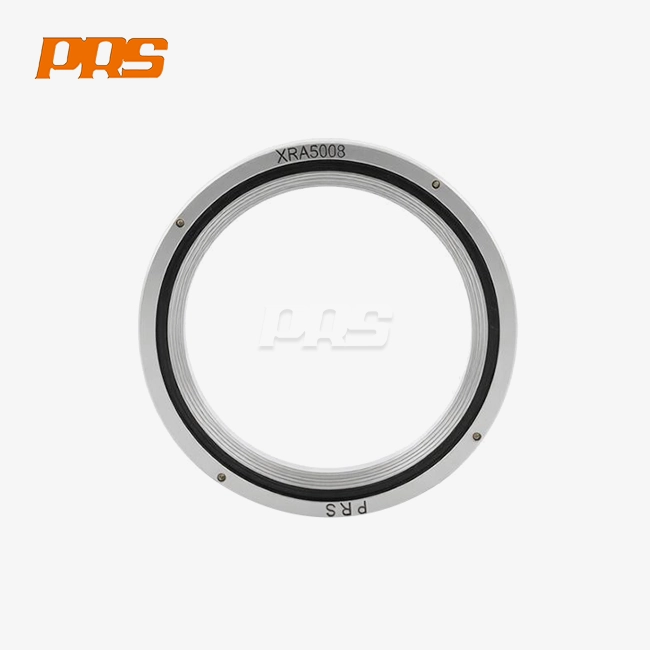 VIEW MORERA cross roller bearing
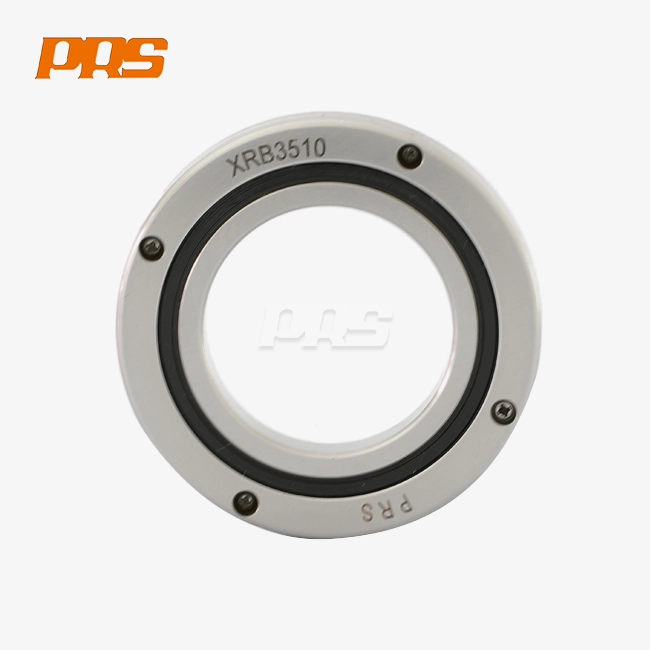 VIEW MORERB Cross Roller Bearings
 VIEW MORELathe Spindle Bearings
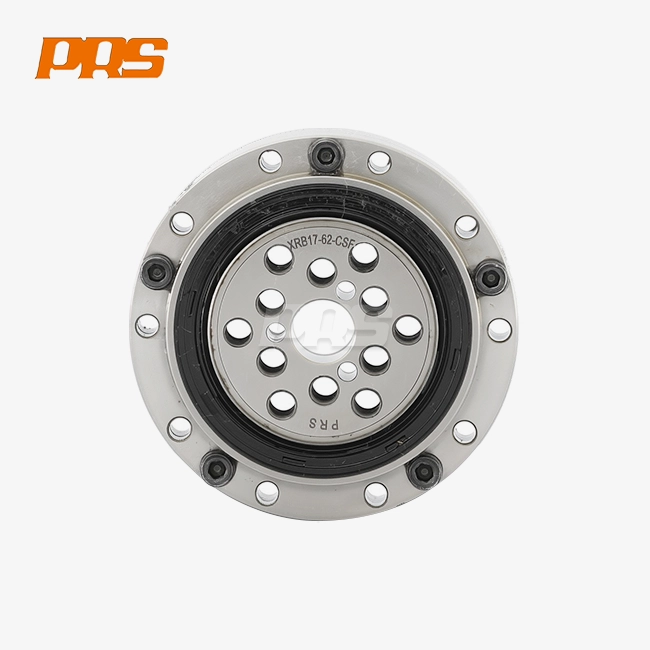 VIEW MOREHarmonic Drive Speed Reducer Bearings
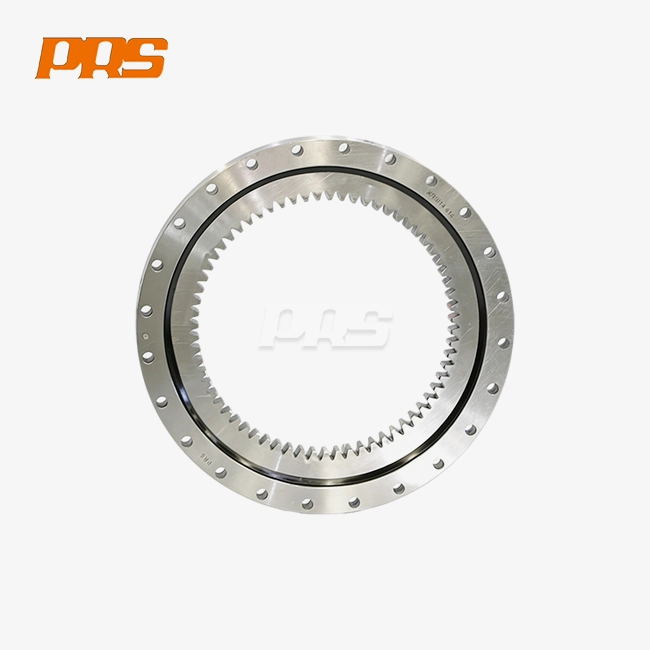 VIEW MORECross roller Slewing bearings
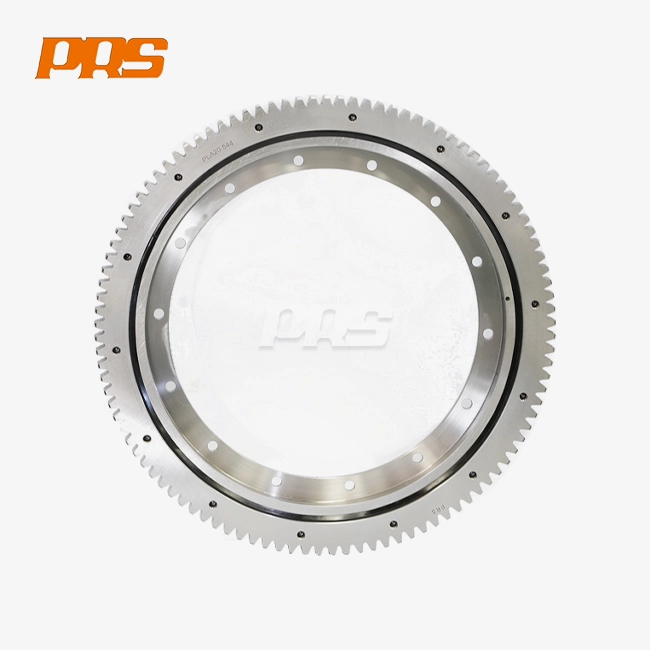 VIEW MOREsingle row ball slewing bearing
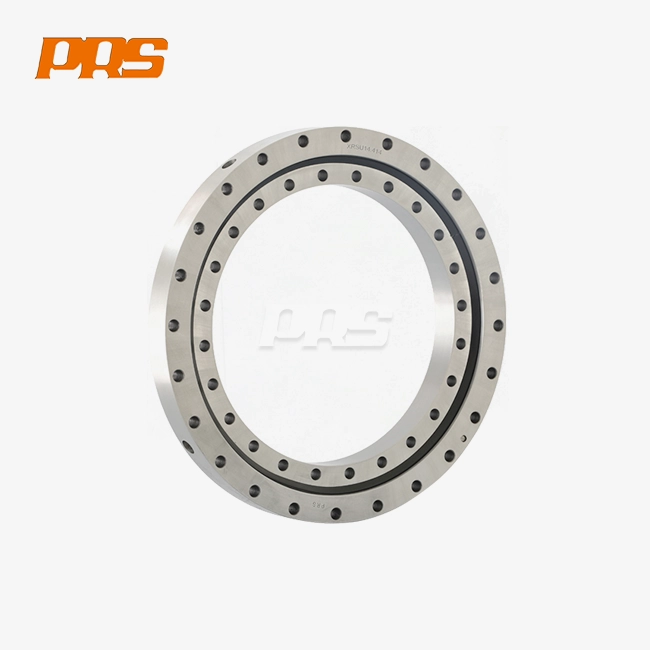 VIEW MOREDouble-Row Angular Contact Ball Slewing Bearings
 VIEW MORERA Crossed Roller Bearings