
What is the Sealing Method of a Slewing Bearing?
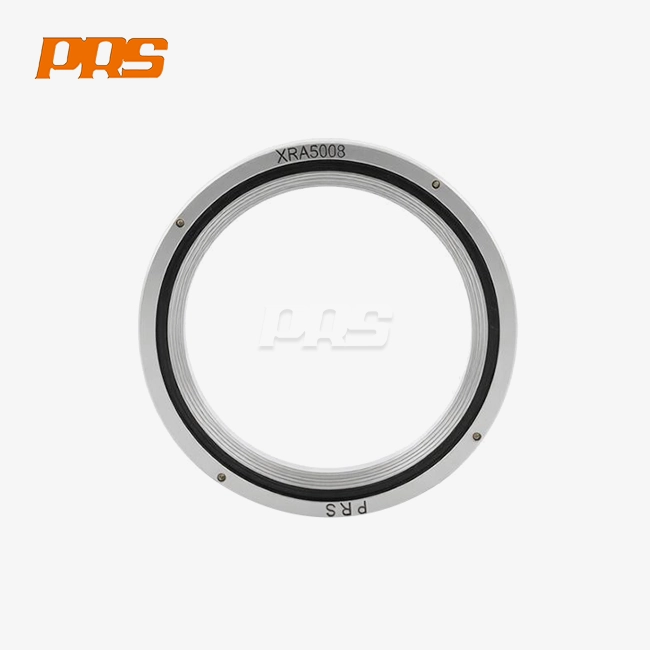
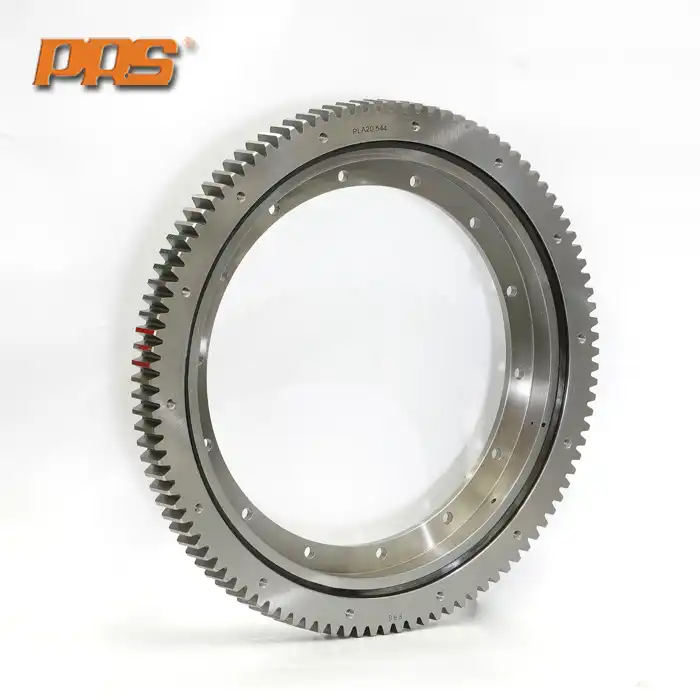
Slewing bearing sealing methods include a number of different technologies that work together to keep contaminants out of the bearing system and keep the oil flowing. The main types of sealing are labyrinth seals, which use complicated geometry to make winding paths that stop particles from getting in, contact seals with elastomeric lips that stay in contact with moving surfaces, and hybrid systems that use both for better protection. These ways of sealing keep dust, wetness, and other foreign objects from getting into the raceway and rolling elements. These things would otherwise speed up wear and make spinning less accurate in tough industrial settings.
Understanding the Basics of Slewing Bearing Sealing
The Critical Role of Sealing Systems
The main defense against external dangers is the seals that are built into slewing bearing ring assemblies. Without the right covering, even the most carefully made bearing will wear out quickly. Three-body wear happens between rolling elements and raceways because of contaminants like sharp dust particles, and moisture speeds up rust on precision-ground surfaces. Chemicals used in industrial processes can break down lubricants, removing the protected film that keeps metals from touching each other while they're turning.
In addition to keeping dirt out, sealing devices keep cleaning grease inside the bearing assembly. To do both of these jobs—keep dangerous substances out and lubricants in—carefully designed solutions are needed that balance how well they seal against friction losses and increases in rotational torque.
Technological Challenges in Harsh Environments
In a wide range of practical settings, sealing systems face huge problems. Extremes of temperature can be very problematic, as flexible cover materials can break easily in cold places or become too soft in high-heat situations. For example, a crane working in the Arctic needs seal materials that stay flexible at -40°C, and steel mill tracks need compounds that don't break down at temperatures above 80°C.
Heavy loads make these problems worse by bending bearing rings, which can change the shape of the seal contact geometry. Corrosive chemicals in marine settings or processing plants damage both seal materials and metal parts, so it's important to think about material suitability when designing.
Common Seal Types and Material Selection
There are three main types of seal design used in modern slewing bearing systems. Each has its own benefits. Labyrinth seals block physical access by using complicated shapes instead of direct touch. The non-contact seals have interlocking grooves carved into the bearing rings. These grooves make it so that contaminants have to go through winding paths, losing speed and falling away before they reach important areas. This design reduces friction as much as possible while still offering some safety. It works best in dry, lightly contaminated settings.
Contact seals have flexible lips that press continuously against spinning surfaces, stopping any unwanted entry. Nitrile rubber (NBR) works well for a lot of different things and is resistant to oil-based lubricants. It can also handle some temperature changes. Specialized fluoroelastomers (FKM) can handle harsh chemicals and high temperatures in demanding industrial processes, while polyurethane compounds are better at resisting wear and tear in situations where particles are present.
Hybrid sealing systems use both labyrinth and contact principles. They put rubber seals behind labyrinth walls that catch most of the contaminants. This multi-layered defense method increases seal life by decreasing wear on contact parts while also providing better general safety.
Core Sealing Methods and Their Design Principles
Traditional Sealing Approaches
For many years, standard contact seals have kept slewing bearing spinning machinery safe. They use simple lip shapes that press against bearing surfaces using radial spring force or material interference. These single-lip designs protect well in most situations, but they fall short when there is heavy contamination or when the working conditions are very high or low. The constant pressure that comes with contact sealing creates heat and wears down the seal lips over time, leaving holes that let contaminants in.
Non-contact labyrinth locks don't use friction to keep contaminants out; instead, they only use geometric walls. When there is high-pressure washdown, small particle clouds, or a situation where contaminants are still in the air and can get through the labyrinth gaps, they are less effective. Traditional maze designs also have trouble keeping lubricants in, which means they can't be used for important tasks that need to be relubricated often.
Advanced Multi-Stage Sealing Solutions
New engineering innovations use complex multi-stage designs to get around the problems that standard seals have. Multi-lip seal designs use primary and secondary sealing elements that are grouped in a chain. The outer lip stops large particles from reaching the inner sealing surfaces. This step-by-step method greatly increases the life of the seal by lowering the rate of wear on the important inner parts that protect the bearing's internals.
Dual sealing systems put separate seal assemblies on both bearing sides. This creates extra security that stops contamination events that could be very bad. The outside seal keeps out dirt and grime, and the inside seal keeps oil from leaking and acts as a backup in case the main seal gets broken. This setup is especially useful for equipment that works in unpredictable conditions where the integrity of the seal can't be checked without taking the whole thing apart.
Design Principles Balancing Protection and Performance
To do good seal engineering, you have to carefully balance different objectives. Increasing the seal lip contact pressure makes the sealing work better, but it also causes more friction losses, which raise the working torque and make heat that isn't needed. So, design engineers have to choose contact shapes and interference levels that keep things sealed well while also reducing the amount of energy used and the heat that could damage the lubricant's properties.
Material fit issues are just as important. Lubricants, cleaners, and chemicals found in the surroundings can break down seal materials, but they don't have to. When used in a wide range of temperatures, silicone-based greases can make some elastomers swell, which can change the shape of the bond. Synthetic hydrocarbon lubricants, on the other hand, need seal materials that are specially made to work with these modern fluids.
Another important design factor is thermal stability. This is especially true for precision equipment, where changes in size caused by thermal expansion could affect how well it works. Seal materials need to keep their properties the same across all operating temperature ranges. Metal seal carriers need to have thermal expansion coefficients that are compatible with the materials of the bearing rings so that gaps don't form or the rings don't get too compressed when the temperatures change.
How to Choose the Right Sealing Method for Your Slewing Bearing?
Environmental Condition Assessment
The application setting is the most important factor in choosing the right sealing techniques. Mining trucks and building equipment work in places with a lot of pollution, and the amount of dust in the air makes simple sealing methods useless. For these uses, strong sealing systems are needed, usually with multiple lip contact seals and maze pre-filters that catch large particles before they reach the main sealing elements. Because silica dust and mineral particles are rough, they need wear-resistant polyurethane materials that keep closing well even when particles keep hitting them.
On the other hand, medical imaging systems and tools used to make semiconductors work in controlled settings where contamination is not a problem for the slewing bearing. These systems must keep particles made by bearings from getting into cleanrooms. Low-friction labyrinth seals or minimal-contact designs work best because they keep surroundings clean while reducing the amount of particles created by seal wear.
When working in wet or dry conditions, you need to use different covering ideas. Marine cranes and marine equipment are always exposed to water, so the sealants they use need to be very resistant to breaking down, and the designs need to be able to move water away from the bearing surfaces. Drainage features built into seal shapes keep water from building up and breaking through sealing barriers due to hydraulic pressure.
Load, Speed, and Size Considerations
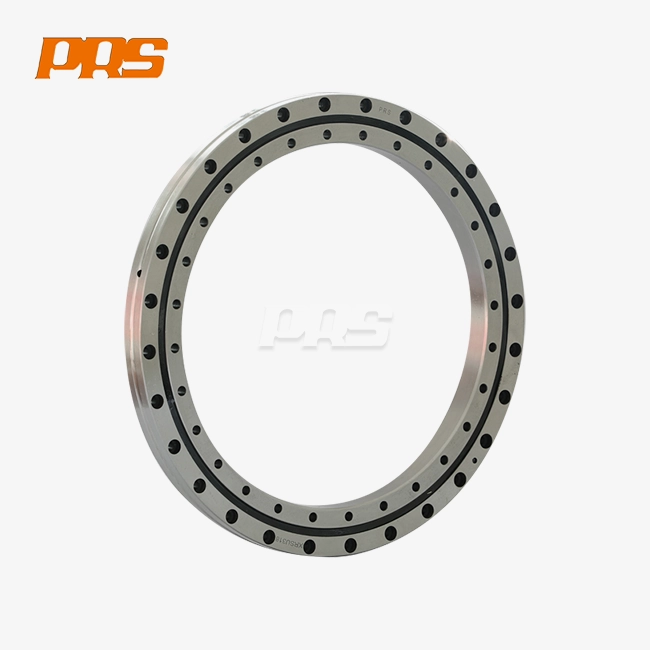
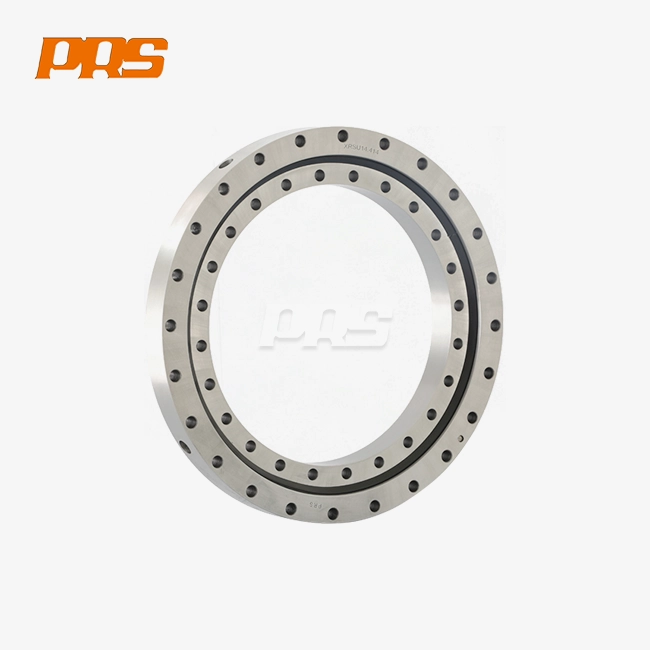
Operating conditions have a big effect on the choice of seal. High spinning speeds create centrifugal forces that can push contaminants over labyrinth barriers and raise the temperature of friction seals. For tasks that need to go faster than normal spinning speeds, low-friction seal designs or better cooling features that get rid of frictional heat are helpful. The slewing bearing assemblies that PRS makes have inner diameters starting at 434mm and thickness profiles of 56mm. They usually work at modest speeds, where tried-and-true contact seal technologies offer long-lasting safety.
When bearing rings are under a lot of stress, they can bend, which can change the shape of the seal contact. Large-diameter turntable bearings that are under a lot of moment loads may twist ovally during load cycles. This means that seal designs need to be flexible enough to keep touch across a wide range of deflections. When these conditions change, spring-energized seals or wide-contact-width shapes work better than rigid seal profiles.
Sealed Versus Open Bearing Configurations
More and more, choices about purchases compare sealed versus open bearing options. Factory-sealed bearings come with built-in sealing systems and initial oil charges, making them easy to install and ready to use right away. These designs work well in places where it's hard to get to the bearings after installation or where there aren't many people who know how to do upkeep. The benefits for lifetime costs include less work needed for installation and no chance of contamination during the first setup.
Open bearing designs give you the freedom to make your own sealing solutions that fit your specific operating needs. They let you use special seal materials that aren't available in regular sealed units, and you can change the seal in the field without taking the bearings off. This customization feature may be needed to get the best performance in situations where chemicals are exposed in odd ways or temperatures are very high or very low.
Maintenance issues are also taken into account in this choice. To service a sealed bearing's seal, the whole thing usually has to be taken apart. But with properly built open setups and bolt-on seal carriers, the seal can be replaced during regular maintenance. These differences in serviceability show up in long-term running costs, especially in remote sites where equipment downtime costs a lot.
Best Practices for Sealing Maintenance and Troubleshooting
Routine Inspection Protocols
Systematic checking of the seals stops small problems from getting worse and leading to catastrophic breakdowns. Visual inspection during regular maintenance times can find early warning signs like cracks in the seal lip, degrading elastomers, or pollution traces that can be seen near the seal surfaces. If you find these signs early, you can replace the seals during planned breaks instead of having to fix them right away after something goes wrong.
Operational tracking of the slewing bearing gives you more early warning options. Unexpected rises in spinning torque could be a sign of seal drag from swelling or contamination buildup, while lube use rates above normal levels could mean that the seal is leaking. Vibration analysis can help precise equipment find bearing roughness caused by contamination early on, before the damage gets too bad.
Proper Cleaning and Lubrication Practices
To keep the seal working well, it needs to be cleaned in a way that gets rid of built-up dirt and grime without hurting the sealing elements. High-pressure washdown can push water past sealing barriers or hurt rubber lips, so it's important to use controlled cleaning pressures and spray patterns that don't hit the seals directly. When choosing a solvent, it's important to think about how well it works with the seal material. For example, strong degreasers that clean metal surfaces well may damage elastomers and cause the seal to fail early.
Compatibility with lubricants is also very important. When you mix greases that don't work well together, chemical reactions can happen that damage seal materials and make the lube less effective. When swapping types of oils, it is important to completely flush out the old ones so that contamination doesn't build up and affect the performance of both the bearings and the seals. Manufacturers like PRS specify relubrication times and grease amounts based on the capabilities of the seals. Too much lubrication can cause internal pressure that blows out seals, while not enough lubrication starves bearing surfaces and renders seal protection useless.
Common Failure Modes and Prevention
Most seals fail because of contamination getting in. This can happen because the seal lip wears down, the fitting is damaged, or the design wasn't right for the area. Some ways to stop this from happening are to make sure that the seal specifications are right for the real-world working conditions and to use fitting methods that protect the sealing lips while the slewing bearing assembly is being put together. When installation clamps hold the seal lips in place while the bearings mate, the rolling and breaking that usually happen when seals have to stretch over the housing shoulders is avoided.
Installation mistakes are the main cause of major seal failures that show up as early leaks or contamination. Installing seal lips backwards doesn't offer much protection, and bent seals leave holes that allow contaminants to get in. These mistakes can be avoided by following detailed installation directions and using the right tools.
When chemicals don't work well together or materials get too hot, they break down. This can show up as seals getting harder, breaking, or too soft. These types of damage can be avoided by matching seal materials to real chemical reactions and temperature ranges. When working conditions change, like when cleaning chemicals are switched or temperature ranges are increased, seal materials need to be checked again to make sure they are still compatible.
Conclusion
How slewing bearings are sealed has a big impact on whether they last as long as they're supposed to or break down early due to practical demands. The change from basic contact seals to complex multi-stage systems is due to the need for tools to work in conditions that are getting harder and harder. If an engineer or procurement worker knows how seals work, they can suggest bearing options that meet the needs for protection while also meeting performance and cost standards. Choosing the right seal is just as important for long-term performance as load capacity ratings and measurement accuracy, whether you're working with precision robots that needs to work in a cleanroom or big loaders that have to deal with abrasive contamination.
FAQ
What is the most effective sealing method for contaminated environments?
In highly contaminated situations, multi-stage hybrid sealing systems that use both labyrinth pre-filters and multi-lip contact seals offer the best protection. The labyrinth barrier stops large particles, which means that the contact seal elements that provide the end defense wear less. It doesn't matter what material you use; polyurethane mixtures are better at resisting wear and tear than regular nitrile rubber in situations where mineral dust or other rough bits are present. The aggressive sealing designs are very helpful for uses like mining equipment and building machinery.
How often should slewing bearing seals be inspected?
How often you inspect relies on how the equipment is used and how important it is. Equipment that is used continuously or in a dirty setting should be inspected visually every three months to look for harm to the seals, lubricant leaks, or signs of contamination. In less demanding situations, the time between checks may be pushed back to every six months or once a year, in line with regular maintenance plans. More frequent monitoring, including tracking of operational parameters that can find seal degradation before it shows up, is needed for critical equipment where bearing failure poses a safety risk or causes a lot of downtime costs.
Can seals be replaced without removing the entire bearing?
The ability to change seals depends on the type of bearing. Many slewing bearings systems have bolt-on seal holders that let the seal be changed in the field without taking the bearings out. This cuts down on maintenance costs and downtime by a large amount. In some designs, seals are built right into the bearing rings, which means that the whole bearing has to be taken apart for seal work. When choosing bearings for uses where easy access to seal maintenance is important, making sure that the seals can be serviced during purchase avoids problems with maintenance in the future. Manufacturers like PRS can give you design details that make it easier to change the seals on certain bearing types.
Partner with PRS for Superior Slewing Bearing Solutions
Luoyang PRS Precision Bearing Co., Ltd. makes precision slewing bearing kits for tough industrial uses that include customized sealing solutions. Our scientific team has been making high-precision spinning bearings with sealing systems that work best in a wide range of settings, from heavy construction equipment to cleanroom automation, since 2003. We can make sealed bearing systems with internal gear, external gear, and gearless configurations. These can have precise grades up to P4 level and are good for robotic joints, CNC rotary tables, and medical imaging equipment.
As the only company that makes slewing bearings, we offer full application support by looking at your unique operating conditions, contamination problems, and weather conditions to suggest the best ways to seal your bearings. Get in touch with our engineering team at ljh@lyprs.com to talk about your precision bearing needs and learn how PRS sealing technology can help keep your important rotating systems safe.
References
American Bearing Manufacturers Association. (2021). "Slewing Ring Bearing Sealing Technology and Application Guidelines." ABMA Engineering Standards Publication.
Harris, T.A. & Kotzalas, M.N. (2020). "Advanced Concepts of Bearing Technology: Rolling Bearing Analysis, Fifth Edition." CRC Press, Chapter 12: Sealing Systems for Large Diameter Bearings.
Society of Tribologists and Lubrication Engineers. (2022). "Seal Material Selection for Rotating Equipment in Extreme Environments." STLE Technical Paper Series SP-67.
International Organization for Standardization. (2019). "Rolling Bearings - Sealing Solutions and Performance Testing Methods." ISO Technical Report 16281.
Machinery Lubrication Magazine. (2023). "Preventing Contamination in Large Slewing Ring Applications: A Field Study of Sealing Technologies." Industrial Equipment Maintenance Quarterly, Volume 38, Issue 2.
National Fluid Power Association. (2022). "Seal Technology Handbook: Material Properties and Application Selection Criteria for Industrial Rotating Equipment." NFPA Technical Reference T3.27.

USER EVALUATE
Here is the customer's evaluation of us