
The Ultimate Guide to Understanding Small Slewing Bearing Components
Precision machinery needs parts that work well in tight quarters, and small slewing bearings shine where tight quarters and strict operating requirements are required. These small rotational units have outer sizes that are usually between 200mm and 600mm and include raceway systems, rolling elements, sealing mechanisms, and possible gears all in one piece. Traditional bearing setups need different shaft and housing arrangements. These specialty parts, on the other hand, handle axial, radial, and moment loads all at the same time by optimizing the contact geometry. Procurement professionals can make better buying choices that affect the stability of tools and the speed of production when they understand their design principles, material specs, and application-specific needs.
What is a Small Slewing Bearing?
Structural Integration and Load Management
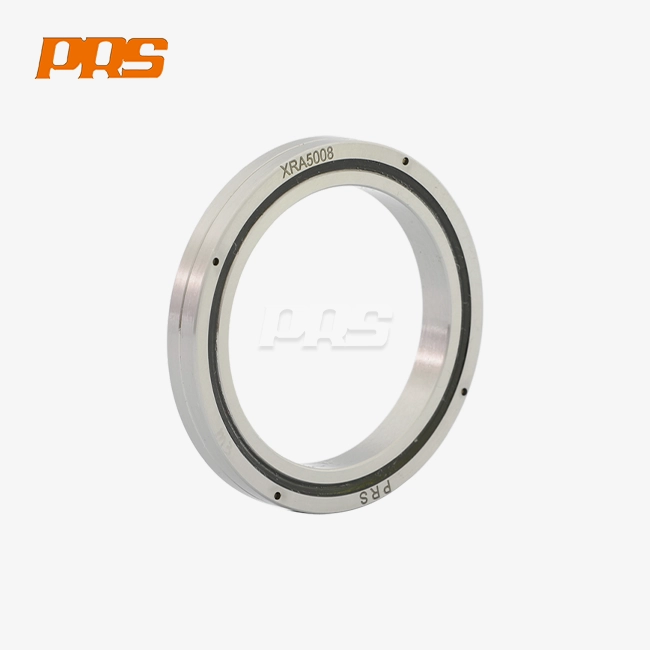
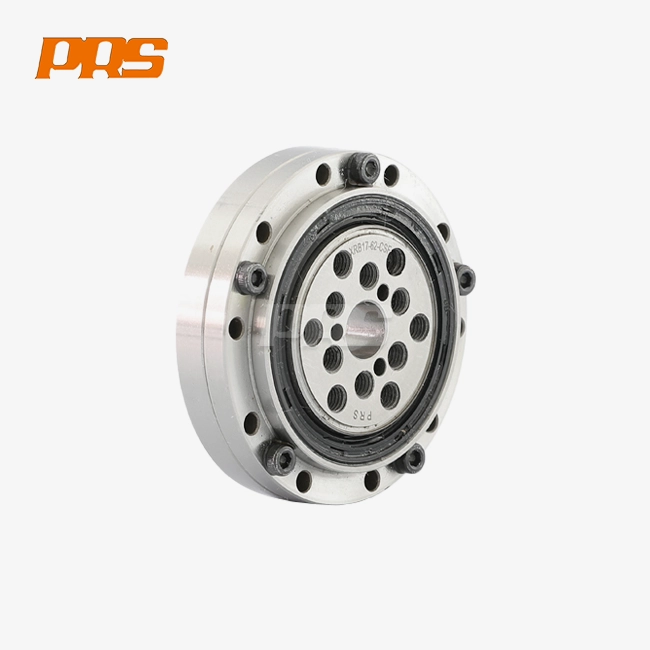
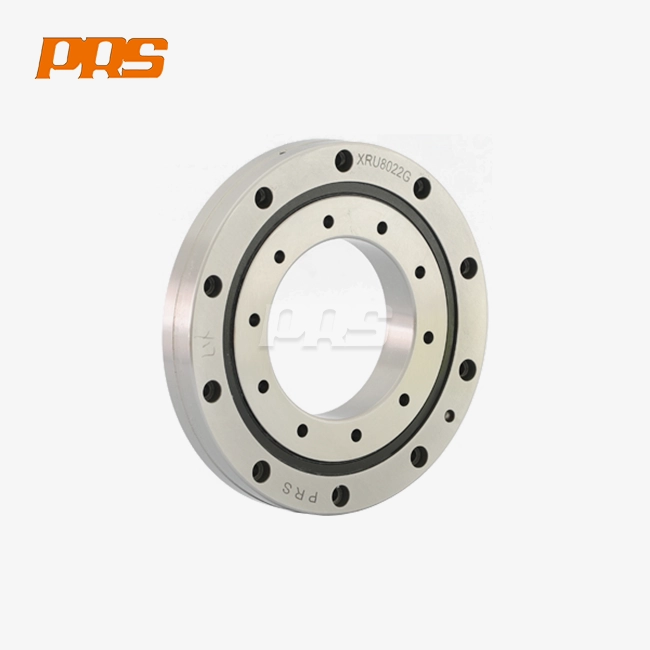
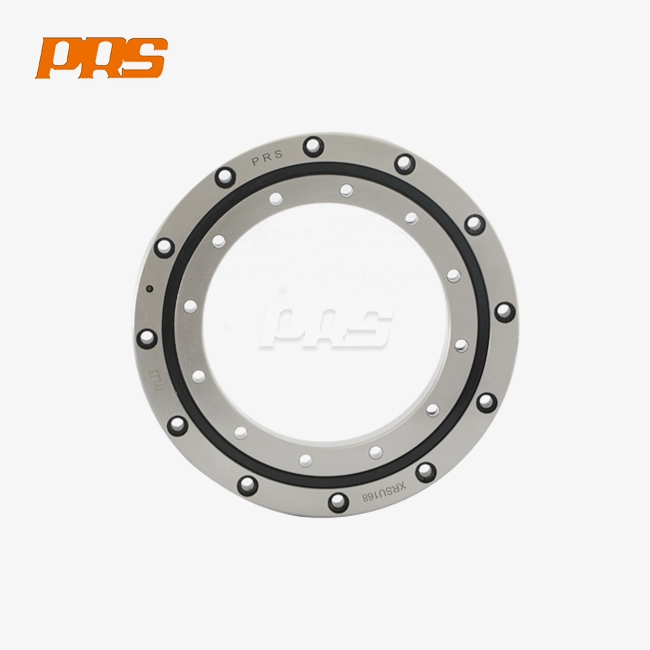
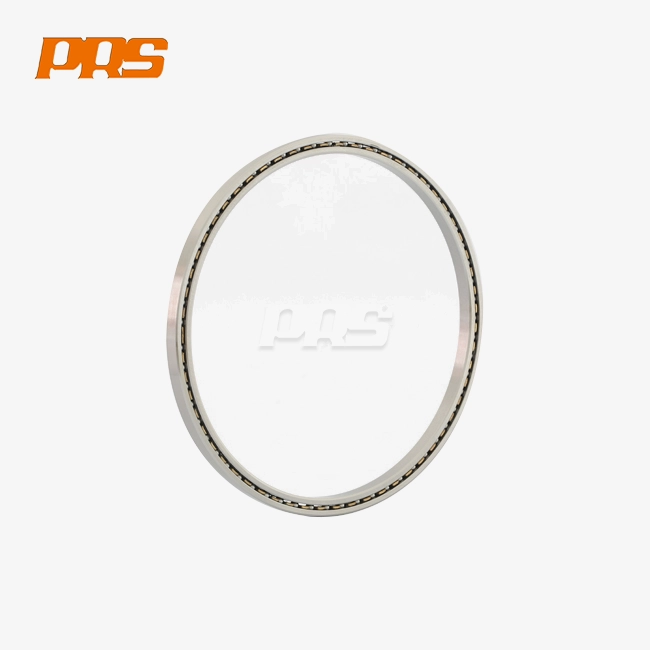
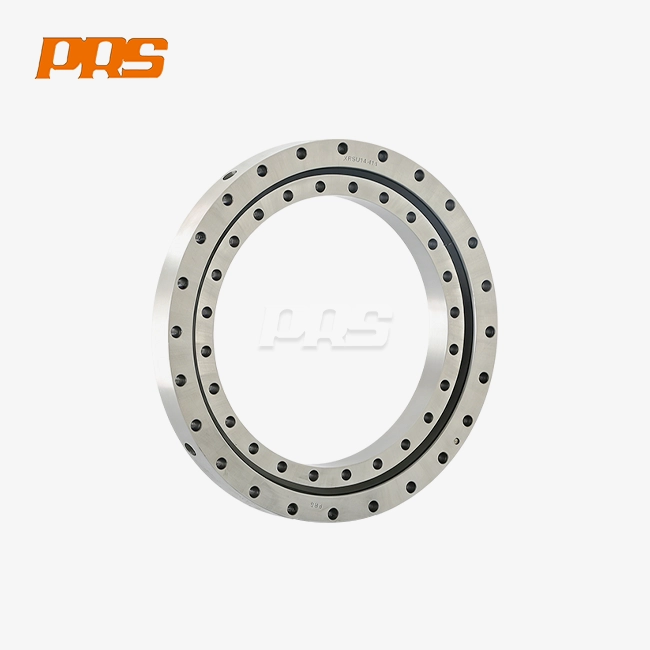
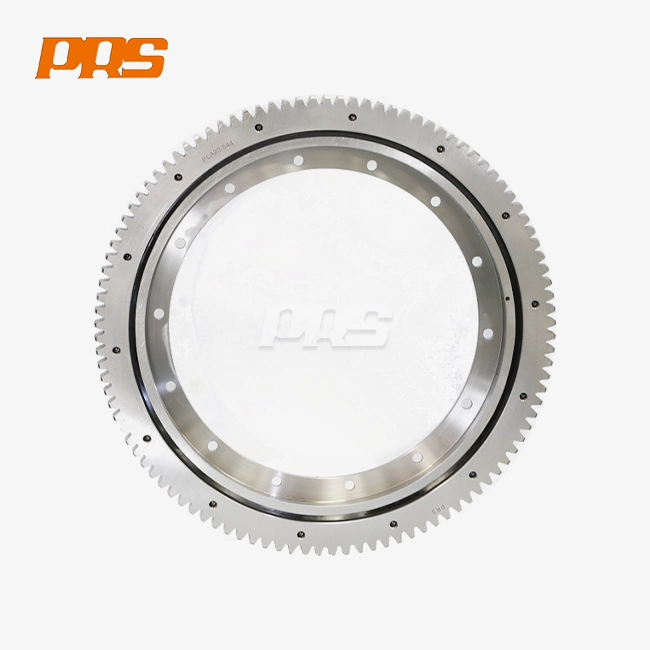
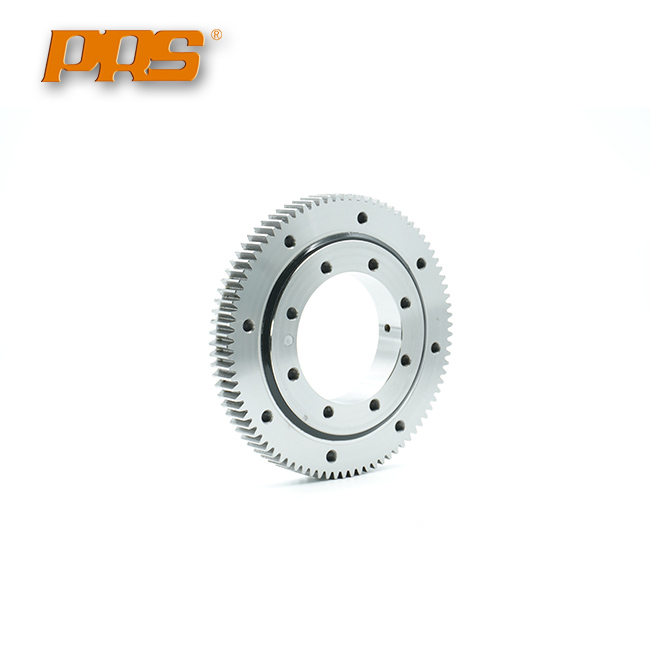
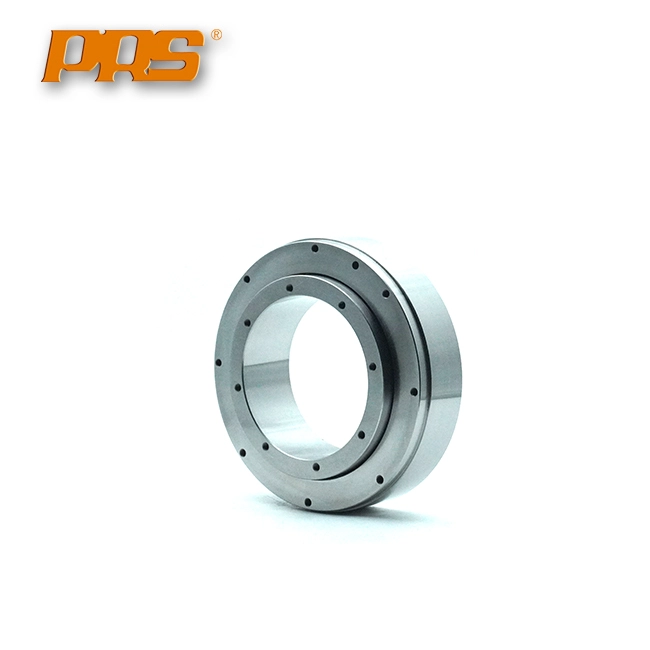
How do I find a small slewing bearing? These rotating parts are a special type of rolling-element bearings that are made for places where small sizes don't mean sacrificing load-bearing capacity. The combined design gets rid of the need for separate parts by combining pre-machined fastening holes, factory-installed seals, and either internal or external gear teeth into a single structure. In robotics, medical imaging equipment, and precision automation systems, this setup solves basic engineering problems where other bearing arrangements would add too much weight or take up too much installation room.
Rolling Element Configuration Types
Methods of manufacturing are very different depending on the type of load and the level of accuracy needed. Single-row ball designs work well for uses with modest combined loads and put an emphasis on smooth rotation, which makes them good for optical tracking systems. Cross-roller designs put two circular rollers perpendicular to each other in a shared raceway. This makes them very rigid, which is important for CNC rotary tables and robotic joints where movement under load affects the accuracy of placing down to the micron level. Double-row setups make it possible for small cranes and solar tracking platforms that are subject to moment loads caused by wind to carry more weight.
Material Science and Hardening Processes
PRS makes these parts from 42CrMo or 50Mn alloy steel. The raceway surfaces are selectively hardened with induction heating to reach a hardness of 55 to 62 HRC while the core stays tough. This heat treatment goes down 2.5–3 mm, stopping underground fatigue cracks from forming during the swaying motion cycles that are common in automation equipment. The controlled hardening process keeps the dimensions stable even when the temperature changes, which can happen in cleanrooms where semiconductors are made and outside on farm equipment.
Applications and Benefits of Small Slewing Bearings
Industry-Specific Performance Requirements
How small slewing bearings are used and their benefits: these bearings keep the positional accuracy of robotic welding cells within ±0.02mm even after millions of rotating cycles. Compared to stacked bearing setups, the combined design lowers assembly tolerances. This directly improves the accuracy of the end-effector. They are used for gantry movement in medical CT scanners, where vibration-free operation keeps images from showing up in the wrong place during diagnostic processes. The sealed design keeps the inside parts safe from the chemicals used to sterilize surgery robots while still allowing them to work normally in an autoclave.
Equipment used to handle semiconductor wafers with small slewing bearing needs to be kept very clean in ISO Class 3 settings. Specialized closing systems stop the formation of particles that could mess up photolithography processes. Thermal stability keeps positioning accuracy even as vacuum tanks go from room temperature to process temperature. Solar tracking systems are made to survive the weather, so they can be used outside. In seaside sites, corrosion-resistant coatings make the systems last longer than 20 years.
Quantifiable Performance Advantages
The unitized construction has clear advantages in all areas of operation:
- Space efficiency: lowering the vertical installation height by 40–50% compared to regular bearing-plus-housing assemblies makes it possible for robot arm shapes to be thinner and machine designs to be smaller.
- Weight reduction: Getting rid of different support structures lowers spinning mass by about 30%. This lowers inertia for faster acceleration in pick-and-place automation and lowers structural loads in lightweight crane applications.
- Maintenance intervals: Factory-filled lubrication with built-in seals stretches re-greasing cycles to 500–1000 working hours in protected settings, which means that regular maintenance doesn't have to stop production as often.
Due to less frame material being needed, less motor power being used, and fewer repair hours being needed over the 15–25-year lifecycles of the equipment, these performance traits save money.
Load Distribution and Service Life
Advanced raceway design spreads contact pressures across multiple rolling elements at the same time. This stops stress clusters that cause fatigue cracks in regular point-contact bearings. This method for sharing the load increases the estimated L10 bearing life—the amount of time that a bearing can be used before 10% of its population shows signs of fatigue damage—to more than 20,000 hours under rated loads. The performance benefit is stronger in situations where the motion is oscillating instead of continuous spinning. This is because proper load distribution stops false brinelling damage during dwell times.
Small Slewing Bearing Maintenance and Troubleshooting
Lubrication Management Protocols
How to maintain and fix a small slewing bearing: in precision uses, proper lube is still very important for getting the expected life span. NLGI Grade 2 greases that are based on lithium work well in most industrial automation settings and keep their performance stable from -20°C to +120°C. For example, food processing equipment needs oils that are NSF H1-certified, and high-temperature burner indexing tables need greases that are strengthened with polyurea and are rated to +180°C. The amount of time between re-lubrications depends on the job cycle and the surroundings. Robots that work inside usually need new grease every 100 hours, while building equipment that works outside needs purge lubrication every 40 to 50 hours to get rid of dirt and grime that builds up on seal surfaces.
Installation Best Practices
Preparing the mounting area for a small slewing bearing has a direct effect on how well and how long the bearing works. Flatness of mating surfaces must be within 0.15-0.20 mm per meter of diameter. Deviations beyond this range cause raceway warping, which makes tight spots during spinning and speeds up wear patterns. Tightening the bolts in a star design leads to three different torque steps. This keeps the clamping loads from being too different, which would change the shape of the raceway. Thread-locking solutions keep fasteners from coming loose when the machine shakes, and medium-strength versions make it possible to take the machine apart for maintenance in the future.
Common Failure Modes and Prevention
Corrosion damage usually starts at the seal contacts, where water seeps in and oxidizes the raceway surfaces, showing up as reddish-brown spots that eventually turn into pits. Early-stage corrosion can be caught by regular inspections during planned repair times, before it starts to affect the function of the system. When bolt pressure is too low, tiny movements can happen between mounting surfaces. This causes fretting wear, which shows up as black oxide powder around where the fasteners are. Getting rid of this problem requires taking everything apart, cleaning the surface, applying the right amount of force, and replacing the seal to keep it from happening again.
Comparing Small Slewing Bearings with Alternatives
Size and Capacity Differentiation
Looking at small slewing bearings against other options: excavators, wind turbines, and ship-loading cranes, which can carry loads of up to hundreds of tons, use large slewing bearings with sizes greater than 600 mm. The smaller versions are better for precision machines because they are easier to install, but these heavy-duty ones don't have those benefits. The change in size affects how things are made. For example, bigger widths usually use four-point contact ball designs or tapered roller designs that can't be made smaller because of physical limitations.
Cross-Roller Bearing Comparison
Dedicated cross-roller bearings without built-in mounting flanges offer the highest strength in the smallest amount of room along the axis. They can achieve stiffness levels two to three times higher than ball-type slewing rings of the same width. While they work better, they are more difficult to install because they need precisely made housings and careful alignment steps, which adds time and cost to the process. Slewing rings with mounting holes already made make installation easier, but they aren't as stiff as other options. This makes them better for situations where ease of upkeep is more important than ultimate rigidity.
Performance Benchmarking
Leading companies like SKF, NSK, and Timken make precision slewing rings with load rates and torque specs that can be used to compare them directly. PRS technical data shows that our P4 precision grade has axial runout below 0.025mm and radial runout below 0.020mm in the 200–600mm diameter range, which is better than the competition. These limits are the same as international standards, and the delivery times and freedom to make changes make them better for equipment makers who need to make changes that are specific to an application.
Procurement Guide: How to Choose and Buy Small Slewing Bearings?
Technical Selection Parameters
Figuring out the load is the first step in choosing the right small slewing bearings. When axial force, radial force, and tilting moment are all applied at the same time, this is called combined loading. Each part must be checked against its manufacturer's values using equivalent load methods that take into account how the loads interact. When it comes to speed, slewing bearings are different from regular rolling bearings because they are used for oscillating motion instead of steady spinning. The duty cycle standard should reflect how the machine is actually used. For example, a robotic welding cell that turns 180° every 45 seconds will have different greasing and wear needs than a solar tracker that moves slowly all day.
Sourcing Strategy Considerations
Environmental factors affect the choice of material and the closing needs. When it comes to cleanroom tools, outgassing and dust generation need extra attention. Coats that don't rust are needed for outdoor machinery. Zinc plating works well in mild environments, while phosphate conversion coats offer better protection in marine environments. Extreme temperatures affect the choice of lubricant and the suitability of seal materials. For working ranges outside of the normal -20°C to +80°C, engineers need to be consulted.
Direct connections with manufacturers give you access to engineering help during the whole process of making equipment, which lets you make the design better before you commit to making the tools. This method works well for OEMs making new machine platforms, where the specs for the bearings may change during the prototyping stages. Authorized wholesalers have faster lead times for standard setups, which makes them a good choice for people who need replacement parts or who are building low-volume custom machines.
Quality Verification Methods
Different providers offer a wide range of customization options. Standard stock items ship within two to three weeks. However, designed changes like custom gear tooth profiles, special seal materials, or non-standard bolt patterns can take up to eight weeks to deliver, based on how busy the production line is. When making purchases, these dates should be taken into account, especially for when equipment is launched and customers have to keep their promises.
Reliable makers provide material approvals that list the types of steel used and the conditions of the heat treatment. Dimensional inspection reports prove important standards, such as the depth of the raceway's roughness (confirmed by destructive tests on sample units), the measurement of gear runout, and the accuracy of the mounting hole position. While ISO 9001 approval shows that a quality management system is in place, bearing-specific standards like JB/T 2300-2011 are a better way to measure success.
Conclusion
To choose the right rotating parts for precision machinery, you need to know how the overall design, the materials used, and the manufacturing standards affect how well the machine works in the long run. These small slewing bearing sets solve basic problems with weight and space in robots, medical equipment, and automation systems. They also provide load capacity that used to require much bigger parts. For proper design, you need to look at the load conditions, environmental factors, and ease of upkeep, along with the size limitations. Working with manufacturers that offer full engineering help and tried-and-true quality systems makes sure that tools will work reliably in tough production settings. Investing in properly specified parts pays off in the form of less downtime, lower upkeep costs, and longer equipment service life, which saves your capital equipment investment.
FAQ
How do I determine if a small slewing bearing suits my application's precision requirements?
How can I tell if a small slewing bearing meets the accuracy needs of my application? Your needs for positioning accuracy and the conditions of your work will determine which precision grade to use. P5 grade bearings have an axial runout of less than 0.03 mm, which makes them good for basic robotics and solar tracking where positioning within 0.1 mm is enough to do the job. For tasks that need micron-level accuracy, like moving semiconductor wafers or placing optical instruments, the P4 or P2 types are better because they have tighter tolerances. The working environment also impacts the level of accuracy that can be reached; changes in temperature and vibrations hurt positioning performance, even if the bearings were initially very precise, so they need to be controlled or compensated for in critical situations.
What maintenance mistakes most commonly reduce bearing service life?
What kinds of care mistakes most often shorten the life of bearings? Most early fails are caused by not lubricating enough or not properly preparing the mounting area. Working with worn-out grease speeds up wear by a huge amount. When lubricant films break down, metal-on-metal contact starts fast surface damage that gets worse within hours of operation. When the mounting surface isn't flat by more than 0.20 mm, stress builds up and causes wear cracks to form in the raceways. This shortens the service life by 50 to 70 % compared to setups that were properly prepared. When these situations are found early during regular inspections, catastrophic failures that hurt nearby machine components are avoided.
Partner with PRS as Your Trusted Small Slewing Bearing Supplier
PRS is the company you can trust to provide you with small slewing bearings. At Luoyang PRS Precision Bearing Co., Ltd., we offer designed rotational solutions that are backed by 20 years of manufacturing quality and a focus on precision parts. Our factory has more than 200 CNC machining centers spread out over 15,000 m² and can make parts with sizes ranging from 10 mm to 5000 mm. We can make both standard configurations and designs that are completely unique to your needs. We make sure that the right parts are chosen for your machinery by having 35 specialized technical engineers provide full application support, from initial load estimates to installation help. Under ISO 9001-certified methods, every bearing goes through strict quality checks with pass rates of over 99.9%. This gives your production setting the dependability it needs. Contact our team at ljh@lyprs.com to talk about your project needs, get full technical specs, and find out how our adaptable manufacturing options and quick customer service set PRS apart in the competitive bearing market. We offer goods made in the United States that can be used instead of foreign ones without lowering the quality or durability that your important uses need.
References
Harris, T.A. & Kotzalas, M.N. (2006). Rolling Bearing Analysis: Essential Concepts of Bearing Technology, 5th Edition. CRC Press.
American Bearing Manufacturers Association (2019). Load Ratings and Fatigue Life for Ball Bearings. ABMA Standard 9-2019.
Eschmann, P., Hasbargen, L., & Weigand, K. (1985). Ball and Roller Bearings: Theory, Design and Application, 2nd Edition. John Wiley & Sons.
International Organization for Standardization (2007). Rolling Bearings — Slewing Bearings. ISO 12044:2007.
Budynas, R.G. & Nisbett, J.K. (2020). Shigley's Mechanical Engineering Design, 11th Edition. McGraw-Hill Education.
SKF Group (2018). Slewing Bearings: Technical Handbook for Application Design and Engineering. SKF Corporation Technical Publication.

USER EVALUATE
Here is the customer's evaluation of us