
SX Series Cross Roller Bearings for Industrial Innovation
The SX series cross roller bearing is a big step forward in precision engineering. It gives current industrial machinery the accuracy and longevity that give them a competitive edge. These bearings solve a problem that automation experts and equipment makers have been having for a long time: how to get very precise rotation while handling heavy loads in small areas. As manufacturing around the world moves toward smaller and more precise parts, procurement pros need to know more about the technical framework and buying strategies for these unique parts.
Understanding SX Series Cross Roller Bearings: Features, Design, and Working Principles
The Structural Innovation Behind Crossed Roller Technology
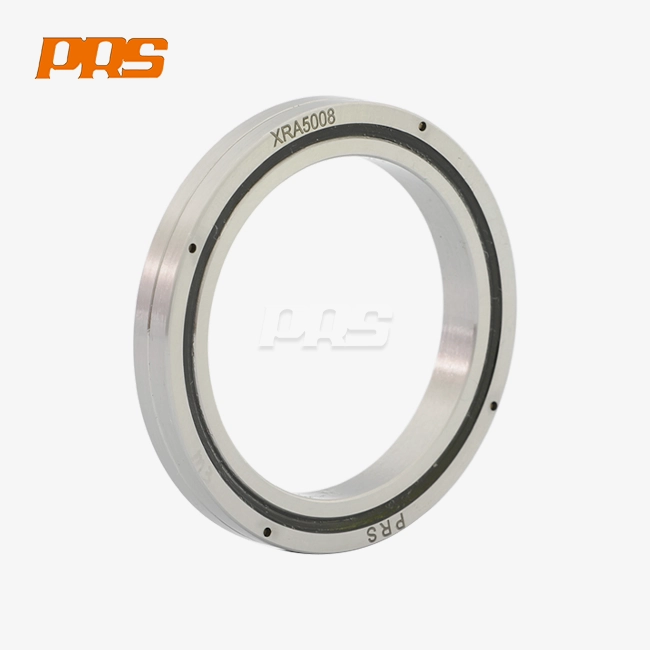
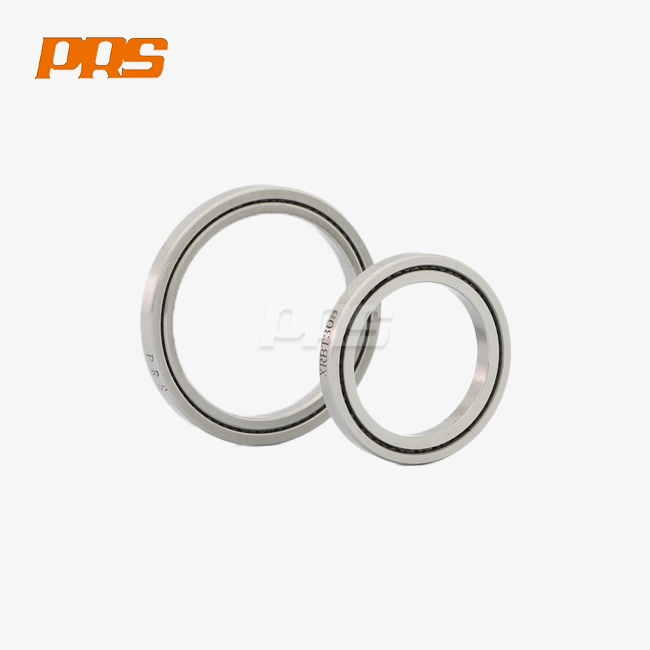
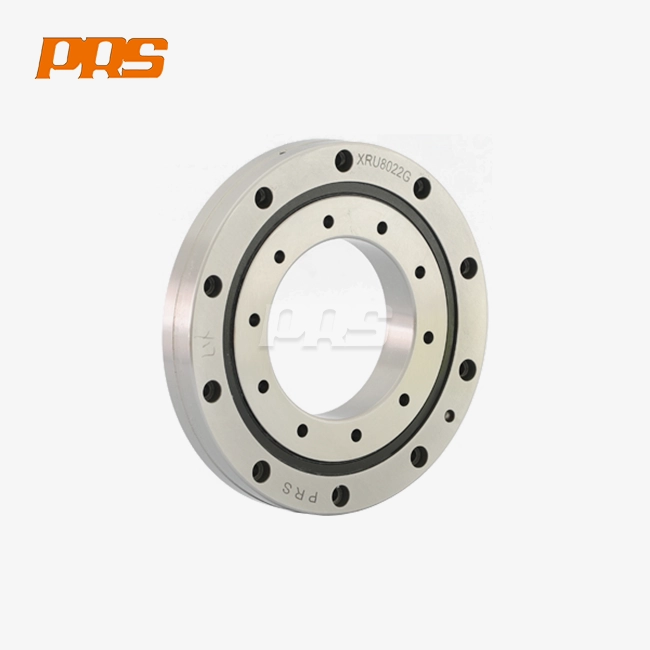
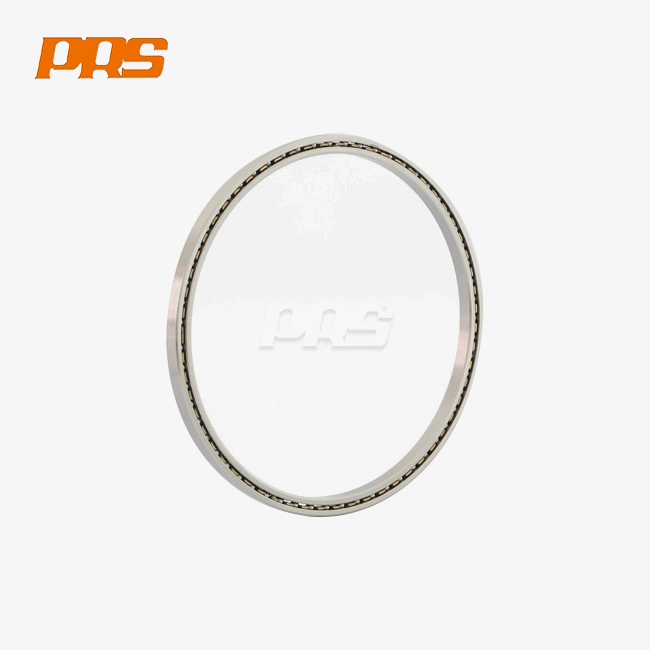
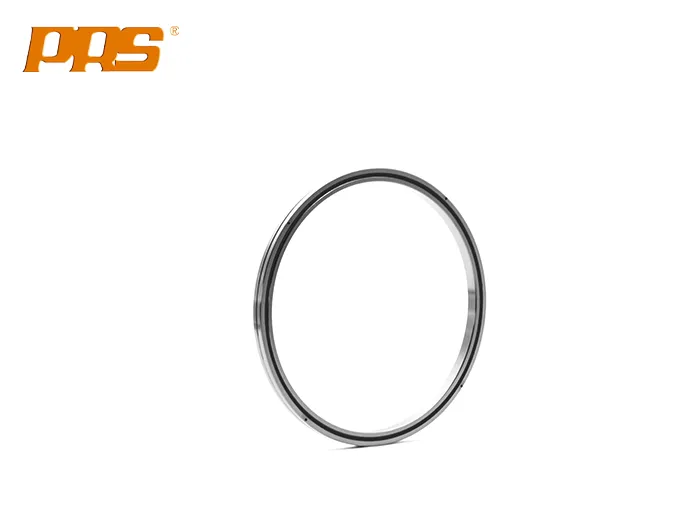
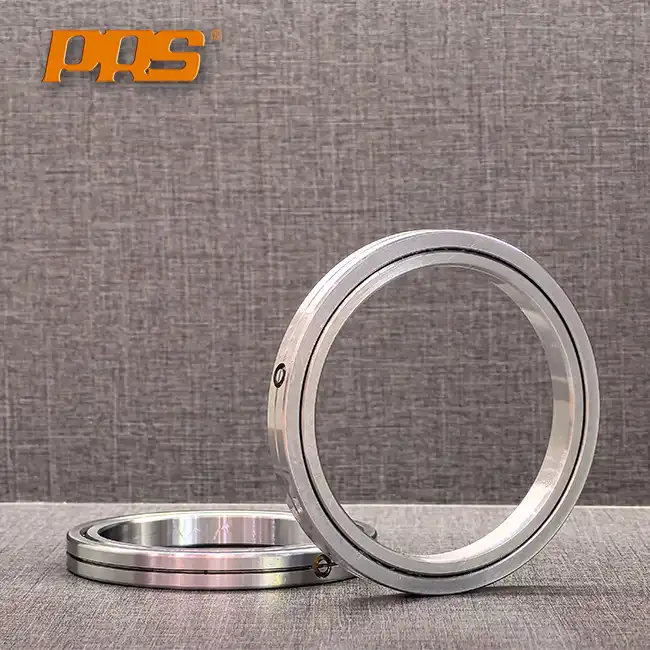
The SX series cross roller bearing has V-shaped raceways with circular rollers grouped in an orthogonal pattern. This design sets up alternate 90-degree contact angles between each roller, which makes line contact instead of the point contact found in most ball bearings. This makes a bearing that can handle radial loads, bidirectional axial loads, and moment loads all at the same time in a single, small unit. This gets rid of the need for standard paired bearing arrangements, which take up important installation room and make the system more complicated.
Design Elements That Define Performance
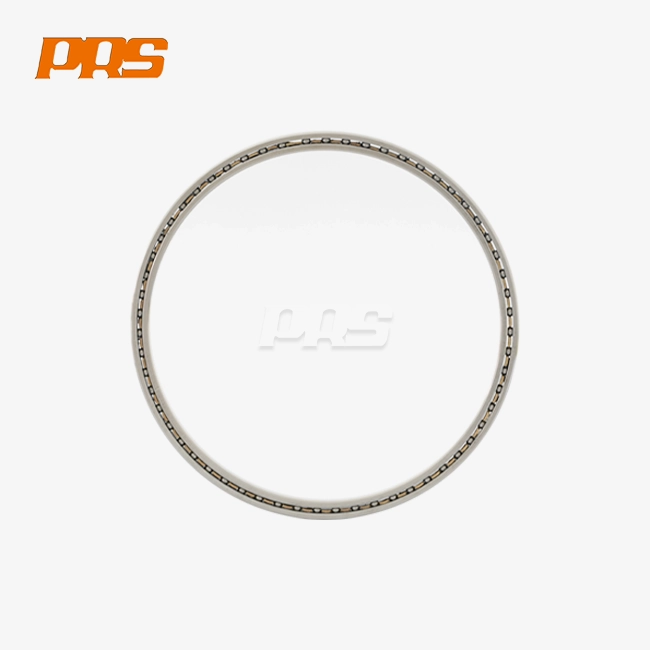
The complex architecture of these bearings is based on a few key design features that work together to make them very useful. The design of the complete inner ring ensures perfect rotational accuracy by getting rid of alignment problems that can happen with multi-piece builds. The split outer ring assembly, which is held together by three precision holding rings, makes fitting easier and keeps the structure strong while it's in use. High-precision gap guards placed between the rollers keep them from touching directly, which lowers friction and keeps the lubrication films in place while the machine is turning. This spacer holding method lets the bearings spin faster than with full-complement designs, and it also makes the bearings last longer by reducing wear.
Load Distribution Mechanics
When you know how these bearings spread loads, you can see why they work better than other options in tough situations. The crossed design makes a balanced load distribution structure where each roller handles forces coming from different directions. When there is horizontal load, the alternate rollers each carry the same amount of weight. Axial forces and tilting moments are spread out across the roller set at the same time, so no extra bearing units are needed. This ability to handle loads in more than one way gives it three to four times the stiffness of angular contact ball bearings of the same size. This means that it won't stretch as much under heavy loads and will stay accurate throughout its working range.
Material Selection and Manufacturing Precision
PRS makes the SX series cross roller bearings out of GCr15 and GCr15SiMn bearing steel, which is chosen for its high resistance to wear and ability to retain its strength. Precision heat treatment makes the raceways 58–64 HRC hard, which gives them the resilience they need to work well for a long time under cyclic loads. These bearings come in ISO precision grades from P6 to P2, and they have great runout accuracy, making them perfect for uses where positioning mistakes must be kept to less than a few micrometers. Our 15,000 m² factory has more than 200 high-precision machines that are run by skilled workers. These machines make sure that the dimensions and quality of the surface are always the same, which is important for robots, semiconductor equipment, and medical devices.
Comparing SX Series Cross Roller Bearings with Other Bearing Solutions
SX Series Versus Standard Roller Bearings
Traditional cylindrical roller bearings are great at handling rotational loads, but they need extra thrust bearings to handle axial forces. This limitation makes the design more difficult and takes up a lot of horizontal room. The SX series cross roller bearing gets rid of this problem by combining the ability to carry loads in multiple directions into a single very thin shape. In traditional methods, two or three bearing sets might be needed, taking up 80 to 100 mm of axial space. An SX series cross roller bearing, on the other hand, can handle the same amount of load within 20 to 30 mm of space, saving about 60 to 70% of that space and making equipment designs lighter and smaller.
Performance Comparison with Competitive Cross Roller Models
There are a few things that make cross roller bearings from different makers different from each other. The split outer ring design of PRS SX series cross roller bearings makes fitting easier in tight areas compared to fully integrated ring designs that need special mounting hardware. Our bearings' precision spacer retention system keeps the rollers evenly spaced, which lowers the variation in rotational torque. This is an important feature for uses that need smooth, regular motion patterns. On paper, some competing models have similar load ratings, but how well they work in real life varies a lot on how well they were manufactured and how smooth the track surface is. Our factory pass rate of more than 99.9% shows the steady quality that keeps things from breaking down early or needing to be shut down for no reason.
Cost-Efficiency Analysis for Procurement Decisions
The real economic value of bearing choice can be found by looking at the total cost of ownership instead of just the unit price. It may cost more to buy premium cross roller bearings at first than standard bearing pairs, but a thorough study shows that they have big benefits. Less complicated setup means less work costs for installation. Lessened system weight lowers the cost of materials used in supporting buildings. A longer service life reduces the number of replacements that need to be done and the costs that come with them. A robotics company that used SX series cross roller bearings in joint systems saw a 40% drop in warranty claims about positional accuracy. This is a real example of how quality affects running costs.
Procurement Guide: How to Source SX Series Cross Roller Bearings Efficiently?
Identifying Qualified Manufacturers and Suppliers
A successful buying process starts with evaluating suppliers based on their ability to make products, not their marketing promises. Make sure that any possible suppliers have an ISO 9001 quality control certificate and use measuring tools that can be accurate to within a micron. If you can, go to factories to see how things are made. For example, to make fine bearings, you need climate-controlled rooms, grinding tools that don't pick up vibrations, and strict testing procedures. PRS has 35 technical experts whose sole job is to ensure quality. Before a bearing is shipped, it goes through a full set of tests, such as checking the dimensions and surface finish, making sure the load capacity is correct, and measuring the spinning torque.
Understanding Pricing Structures and Order Considerations
When buying cross roller bearings, there are more than just the base unit cost that affect the price. Precision grades have a big effect on prices. For example, P2 grade bearings cost more than P5 or P6 grades because they are made with tighter standards. Cost depends on how the seal is configured. For example, double-sided seals offer better protection against pollution at only a small price premium. Customization requests, like changing the size, using different materials, or setting the setup settings so they work best for a certain application, usually come with extra costs and longer wait times, but they get the best performance for those specific needs.
Lead Times and Supply Chain Planning
Standard SX series cross roller bearing setups in widely requested sizes usually ship two to three weeks after the order is confirmed. Depending on how complicated they are, custom specs that need technical review and specialized manufacturing can take anywhere from six to eight weeks. Those in charge of handling project timelines should talk to sellers early on in the design phase and share information about the application's needs and the expected volume. With this joint approach, makers can suggest the best bearing specs and give reasonable delivery dates that are in line with project goals. Keeping in touch with reliable suppliers makes the supply chain strong, which is helpful when keeping up with work schedules and customer promises.
Installation, Maintenance, and Troubleshooting of SX Series Cross Roller Bearings
Installation Best Practices for Optimal Performance
Proper fitting sets the stage for long-lasting and effective bearings. Because the rings in the SX series cross roller bearing don't have fixing holes on them, they need to be mounted on a base. First, clean all of the contact surfaces very well to get rid of any dirt or dust that might affect how accurately they fit together. The split outer ring shape needs even support around the bearing's diameter. Make sure the housing has even contact all the way around, without any high spots that would cause stress to build up. Place the mounting bolts in a star design, gradually tightening each one in turn until the holding force is the same all the way through. Check the final fitting by comparing the rotational force and axial play measurements to the information given in the product datasheets.
Maintenance Protocols That Extend Service Life
Systematic care keeps bearings working well and stops them from breaking down too soon. The most important part of maintenance is lubrication. The double-sided seals on PRS SX series cross roller bearings keep the factory-applied grease that is made for longer service intervals. Relubrication needs to be done more often in high-temperature areas or when the machine is running all the time, than when it is only being used sometimes in controlled circumstances. Monitoring the environment helps you figure out when you need to do maintenance. Keep an eye out for temperature rises that could mean there isn't enough grease or too much loading. Vibration analysis can find problems before they break down, so fixes can be planned ahead of time instead of being done in an emergency.
Troubleshooting Common Performance Issues
By noticing early warning signs, problems can be fixed before they get worse and cost a lot to fix. If there is strange noise while the machine is turning, it's likely that there is dirt in the track or not enough oil. Take it apart and check for particle entry if the seals are damaged. If the rotational force goes up, it means that either the preload is too high because of thermal expansion or the lubricant is wearing down. Make sure that the working temperatures stay within the range of -20°C to +120°C and that the housing fits properly. If there isn't enough preload, positioning mistakes or lost motion could happen. Check the fastening steps and make sure that the screws keep the right torque specs. Keeping track of working conditions and maintenance tasks creates useful debugging information that helps find patterns and stop problems from happening again.
Industrial Applications and Future Trends of SX Series Cross Roller Bearings
Robotics and Automation Excellence
Industrial robots need bearings that can consistently place them accurately and handle the complex load patterns that come from moving. When the inner ring of an SX series cross roller bearing turns under radial, axial, and moment loads, it plays a key role in robot waist joints and articulated arm links. A company that makes six-axis robots used these bearings in the elbow and wrist joints to get positioning consistency within ±0.02mm over millions of cycles. This level of accuracy is directly related to industrial quality in uses like electronics production and putting together cars. The small profile lets robot arm designers make arms that are thinner, which increases reach and working freedom while lowering inertia to make cycle times faster.
Machine Tool Precision and Productivity
Precision rotary tables are used by CNC machining centers to place workpieces during multi-axis processes. The SX series cross roller bearings can handle cutting forces and keep the accuracy of their tracking within micrometers thanks to their moment load capacity. A company that makes machine tools said that using these bearings in their horizontal machining center rotating tables cut positional variation by 35% compared to their old bearing setup. This made it possible to make better tolerances on final parts and cut down on scrap rates. The rigid structure keeps the surface finish and numerical accuracy during the whole machining process by minimizing movement during heavy cuts.
Medical Equipment Reliability and Safety
For medical processes to go smoothly, CT machines and X-ray positioning systems need to be able to rotate without any vibrations. Because crossed roller designs have a low friction coefficient, they allow for smooth action without stick-slip issues that would lower picture quality. Manufacturers of medical equipment like the double-sided seals that keep germs out of hospital settings, and the small size allows for smaller gantry designs that make patients feel less anxious. When properly kept, SX series cross roller bearings have a track record of reliability that meets the needs of the healthcare business for uptime and patient safety.
Emerging Technologies and Industry 4.0 Integration
When precision mechanics and digital technologies come together, they create new ways to improve the performance of bearings. Bearings with sensors that check for temperature, pressure, and load conditions allow predicted maintenance plans that plan repairs based on how things wear down instead of just picking any old time. Researchers working on advanced materials are looking into bearing steels that are more resistant to wear and layers that make friction even lower. In the future, additive manufacturing could make bearing housings with built-in cooling lines or an optimized structure design that keeps stiffness while lowering weight. In terms of speed, accuracy, and how well it works, these new ideas will push the limits of what precise tools can do.
Conclusion
The SX series cross roller bearing has been used for a long time to solve problems with precision and space in current manufacturing equipment design. With its unique crossed roller design, integrated inner ring construction, and split outer ring assembly, this type of bearing can handle complex loads acting in multiple directions while maintaining very small dimensions. The performance benefits, such as higher stiffness, better rotational accuracy, and longer service life, give equipment makers and end users clear competitive advantages.
To do good procurement, you need to know more than just technical specs. You also need to know about industrial quality factors, supplier skills, and the total cost of ownership. Using the right tools and following the right repair procedures will make sure that these fine parts work at their best for a long time. As industrial automation keeps getting better at combining mechanical precision with digital intelligence, crossed roller bearings will continue to be necessary to achieve the level of accuracy and dependability that makes manufacturing great.
FAQ
What makes the SX series suitable for robot joint applications?
The design of the integral inner ring works for uses where the inner race needs to spin, like in robot waist joints and articulated arm links. Because the SX series cross roller bearing can handle radial, axial, and moment loads all at once in a small unit, robotic systems don't need as many bearing arrangements, which makes them lighter and easier to use. The high stiffness keeps the positioning accuracy throughout the robot's working area by reducing deflection during dynamic movements.
How do I select the appropriate precision grade for my application?
Your needs for placing accuracy and the conditions of operation will affect the precision grade you choose. The P5 grade is good for general precise tools with tolerances of tens of micrometers or less. P4 grade is used in places where consistency in the single digit micron range is needed, like in tools used to make semiconductors. The P2 grade is the most precise level for measuring tools and optical systems that need consistency of less than one micron. Talk to experts in bearings to make sure that the grade you choose fits your performance goals and your budget.
What factors influence bearing service life in practical applications?
Service life is mostly affected by the type of load, the quality of the lubrication, the working temperature, and the contamination in the surroundings. Bearings last a lot longer when they are used below their estimated load capacity. Lowering the load to 50% of the value can increase life by eight times or more. Keeping the oil level right stops metal from touching metal, which speeds up wear. Extreme temperatures change the qualities of lubricants and make them less stable in terms of their dimensions. When you seal well, particles that damage raceway surfaces can't get in. The best way to get the most out of your bearing investment is to place it correctly and keep it in good shape.
Partner with PRS for Precision Bearing Solutions
PRS is the best choice for companies that need reliable SX series cross roller bearing suppliers for tough industrial uses. We have been making precision bearings for 20 years, and our ISO 9001, ISO 14001, and ISO 45001 standards guarantee steady quality. Before it is shipped, every bearing goes through a strict dimensional check and performance evaluation. This gives you peace of mind that the specs will meet your needs.
Our engineering team can help you choose the best bearings for your machine designs by taking into account things like load conditions, room limitations, and performance goals. Large-scale production orders can have non-standard sizes and unique needs met by customizing the product. Competitive lead times and professional packaging make sure that your parts come on time and safely, helping you meet your customer promises and project deadlines.
Email our technical sales team at ljh@lyprs.com to talk about your bearing needs and get specific information that fits your situation. See what a difference precise manufacturing and quick expert help can make in achieving operational excellence. You can look at our whole line of products at prs-bearing.com and learn how PRS bearings improve the dependability of robots, machine tools, medical equipment, and precision automation systems around the world.
References
Harris, T. A., & Kotzalas, M. N. (2006). Advanced Concepts of Bearing Technology: Rolling Bearing Analysis. CRC Press.
Weck, M., & Brecher, C. (2006). Werkzeugmaschinen 5: Messtechnische Untersuchung und Beurteilung, dynamische Stabilität. Springer-Verlag.
Bhushan, B. (2013). Principles and Applications of Tribology. John Wiley & Sons.
ISO 492:2014. Rolling bearings — Radial bearings — Geometrical product specifications (GPS) and tolerance values. International Organization for Standardization.
Hamrock, B. J., Schmid, S. R., & Jacobson, B. O. (2004). Fundamentals of Fluid Film Lubrication. Marcel Dekker.
Zaretsky, E. V. (2013). Rolling Bearing Steels: A Technical and Historical Perspective. Materials Park: ASM International.

USER EVALUATE
Here is the customer's evaluation of us