


The Complete Guide to Crane Slewing Bearings
A crane slewing bearing is the rotating part of any heavy lifting system. It allows the system to move smoothly in all directions and handle huge axial, radial, and moment loads at the same time. This important part connects the crane's fixed base to its rotating upper part, which has a direct effect on safety, productivity, and the equipment's lifespan. Whether you're an industrial automation engineer looking for precise motion control, a procurement manager looking at different suppliers, or a maintenance professional trying to get the most out of your equipment, knowing the basics of slewing bearings will help you make decisions that save you money, reduce downtime, and increase your return on investment.
Understanding Crane Slewing Bearings: Basics and Design Principles
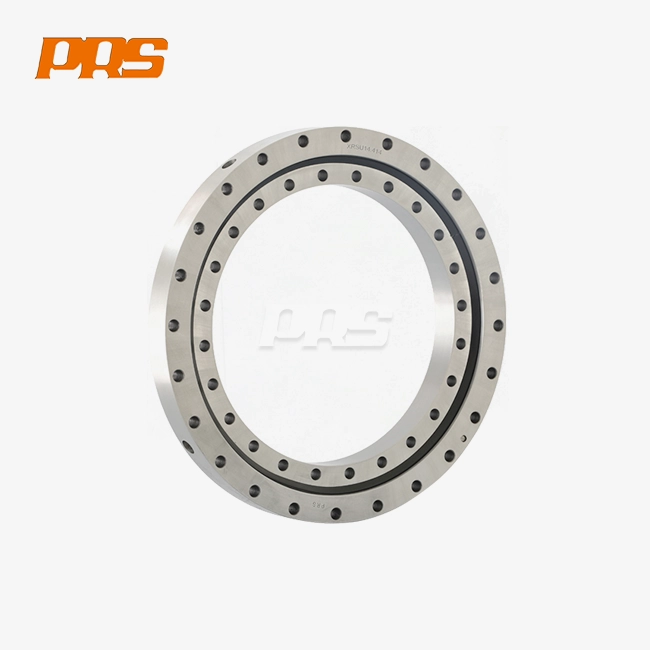
The crane slewing bearing is a large-diameter rolling element system that connects the fixed and moving parts of the crane so that they can turn. Standard bearings are only made to handle radial or thrust loads. These special parts, on the other hand, have to deal with all three types of loads: vertical forces from lifted goods, horizontal stresses during boom extension, and twisting moments from loads that aren't in the center.
Core Structural Components
The bearing system is made up of inner and outer rings made from high-quality steel metals like 42CrMo or 50Mn, which were chosen because they are strong for their weight and don't wear down easily. In between these rings are several rows of precisely machined rolling elements, which could be balls or cylinder-shaped rollers set in hardened raceways. This multi-row arrangement spreads contact stress over a larger surface area, which makes the device last longer than 20,000 hours at normal job cycles.
Because holes are cut directly into both rings, there is no need for separate adapter plates. This makes installation easier and less likely to cause problems with alignment. Modern sealing systems, like labyrinth designs and multi-lip contact seals, keep internal parts clean in harsh environments like construction and the sea. When a straight rotational drive is needed, the gear teeth are cut into either the inner hole or the outer diameter. This lets the pinion connect without the need for any extra gearbox parts.
Material Selection and Heat Treatment
The choice of material has a direct effect on how well the bearing works. The 42CrMo alloy is better at resisting quenchability and wear than standard 50Mn steel. This makes it perfect for mobile cranes that have to handle high toppling moments. Through-hardening, induction hardening, and other types of heat treatment make case depths that combine the hardness of the core with the resistance to wear on the surface. The right way to process metals makes sure that the raceway surface is between HRC 55 and 62 hard, and that the base is flexible enough to handle shock loads without breaking into brittle pieces.
Load Distribution Mechanics
The way it works depends on strategic geometry to separate the raceway paths. The axial forces from lifted loads are handled by the upper and lower raceways. During slewing operations, the horizontal forces are handled by special rotary raceways. The rolling parts move these loads through Hertzian contact stress distribution, which makes friction much lower than in slide systems. This design allows for precise angular positioning while under load, while using very little drive torque, which is an important factor for making battery-powered mobile equipment as energy-efficient as possible.
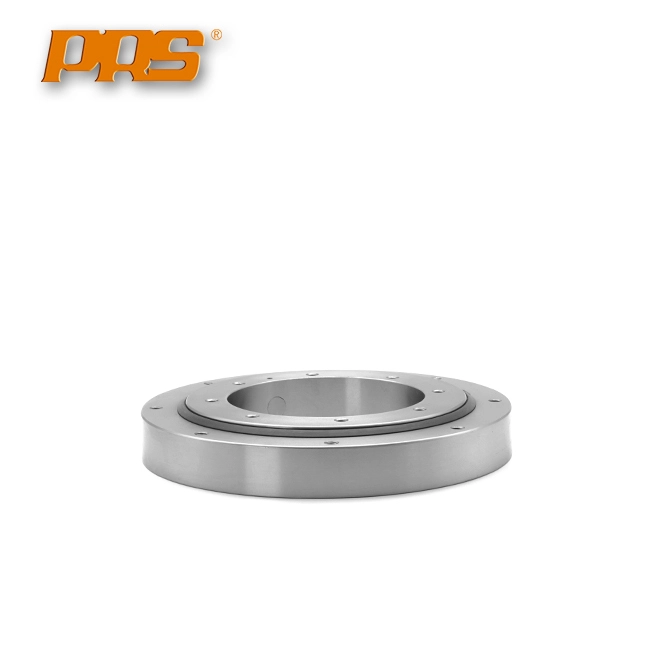
Types and Comparison of Crane Slewing Bearings
To choose the right bearing setup, you need to know how differences in design affect how well a crane slewing bearing works in different situations. When it comes to specific operational needs, different arrangements of rolling elements, gear configurations, and sealing strategies offer clear benefits.
Rolling Element Configurations
Triple-row roller bearings are the best type of bearings for heavy-duty cranes. This plan uses three separate raceway tracks with cylinder-shaped wheels placed in different places to handle axial and radial loads separately. This design has a high load capacity in a small cross-section. This makes it perfect for mobile cranes, where lowering the weight directly increases the lifting capacity and movement of the vehicle. Each row of rollers works on its own, so the bearing can handle a wide range of loading conditions without overloading any one contact point.
Four-point contact ball bearings are an option for situations where smooth movement is more important than maximum load capacity, and for a crane slewing bearing in lighter-duty tower cranes or material handlers, this design offers a compact, cost-effective solution with low friction torque and good rotational accuracy. Single-row construction lowers the axial height and makes manufacturing easier, which makes solutions for tower cranes and light-duty uses more cost-effective. There are four different points where the ball elements touch the raceways. This makes a load path that can handle axial, radial, and moment loads all at the same time through a single row of rolling elements. This design works great for tasks that need fine angular positioning with little starting force.
Gear Integration Options
External gear setups have teeth that are cut into the outside width of the bearing. This moves the drive pinion outside the bearing envelope. This setup works well for mobile cranes that need to transfer a lot of torque and mount motors easily. The location on the outside keeps debris from building up inside the rotating link, which extends the life of the gear in dusty work sites.
Internal gear designs put the teeth on the inner ring's bore width, which makes the fitting area smaller. Having this setup is helpful in situations where room is limited or where keeping the drive mechanism clean is very important. The gear that faces inward is protected by the outer ring structure. This keeps the gear from coming into contact with water and dirt in marine and port crane uses.
Toothless bearings only support spinning and don't have built-in drive capabilities. This means that engineers can make their own drive solutions based on the power and speed needs of the application. This adaptability is helpful for special situations where normal gear ratios don't work or where having different drive mechanisms is easier to maintain.
Sealing System Trade-offs
The safety walls in sealed bearing designs keep contaminants out while keeping the lubrication in the raceway hole. Labyrinth seals make winding tracks that block particulate matter through geometric obstruction instead of contact friction. This reduces rotating drag while still protecting well in mildly contaminated environments. Contact seals with elastomeric lips work better at keeping things out in tough conditions, but they add a little friction that changes how much power is needed for the drive.
Unsealed configurations get rid of sealing parts to increase load capacity and make manufacturing simpler. However, they need extra protection systems and need to be serviced more often. This method works well in controlled settings, like indoor factories, where the chance of pollution is low.
Maintenance, Inspection, and Common Problems
Preventative maintenance makes bearings last longer and stops major failures that cost a lot of money and could be dangerous. By combining regular maintenance with condition monitoring in a planned way, degradation can be found before it leads to component failure.
Lubrication Best Practices
The most important maintenance task for crane slewing bearing longevity is to grease them properly. Using lithium-based greases made for heavy-duty uses, regreasing should be done every 100 hours of normal operation. In places with a lot of dust or moisture, it's necessary to do it more often—usually every 50 hours—to get rid of contamination and keep the protective film thickness on the raceway surfaces.
In order to lubricate something, you have to pump new grease through special holes until you see a purge on the other side of the bearing. This makes sure that the whole track is covered. When you over-grease, the internal pressure rises, which can weaken the seal. When you under-grease, the boundary lubrication conditions speed up wear. While servicing, keeping an eye on the purge characteristics can help you spot early signs of seal degradation or internal damage.
Inspection Protocols
Every time the machine is oiled, it should be visually checked to see how tight the mounting bolts are, how good the seals are, and how the gear teeth are wearing. Checking the torque with measured tools makes sure that the preload is spread out evenly across the bolt pattern. This stops stress from building up in one place, which can cause fatigue cracks. To reach the required preload, the bolts must be tightened in a star design, making sure that the clamp force stays the same around the bearing's diameter.
To check the condition of a raceway, the axial and radial clearance must be measured regularly—usually every three months for heavy-duty uses. Progressive rise beyond the manufacturer's limits (usually 1.5mm to 2.5mm, based on the size of the bearing) shows wear that needs a new bearing. Unusual metal fragments found in cleared grease are a sign of advanced wear that needs to be looked into right away. Analysing noise and vibrations during spinning can help find problems before they get too bad for the geometry.
Common Failure Modes
As a raceway wears, the space increases over time, and surface damage can be seen when the track is inspected. This wear and tear is usually caused by not enough greasing, contamination, or using the machine above its designed load limits. Fixing the problems at their source, such as by improving seals or changing how things are done, stops new bearings from happening again.
Failures of seals let contaminants and lubricant leak in, which speeds up the wear process. External damage from impacts or chemical contact often starts the seal breaking down. This shows how important it is to protect bearing areas while repair work is going on nearby. More extensive bearing damage can be avoided by checking seals regularly and replacing them as soon as they start to break down.
When poor fitting torque or vibration slowly lowers the clamp force, the bolt loosens. When fixing nuts are loose, they let the bearing and structure move relative to each other. This causes fretting wear and could lead to a catastrophic link failure. If you check the torque regularly and use locking features correctly, you can avoid this possible failure mode.
Selecting and Procuring the Right Crane Slewing Bearing
To do a good job of procurement, you need to carefully look at the working needs, the surroundings, and the total cost of ownership. Performance and economic value are both improved when crane slewing bearing specifications are matched to the needs of the application.
Load Rating Analysis
Calculating the load correctly is the first step in choosing the right bearings. Engineers need to figure out the highest axial loads during full-capacity lifts, the highest radial forces during boom extension, and the moments of tipping caused by loading off-center. Using well-known bearing theory, dynamic load rates found in maker catalogues are used to figure out fatigue life. Depending on the job cycle and the effect of failure, safety factors are usually between 1.5 and 2.5.
Environmental factors have a big effect on the need for materials and seals. For marine and offshore uses, coatings that don't rust and provide better sealing are needed to handle saltwater. For work in the Arctic, you need materials that have been tested to be tough against impacts at temperatures as low as -40°C. Understanding these external stresses during the specification phase keeps things from breaking down too soon and requires expensive repairs.
Manufacturer Evaluation
In the world of business, there are a lot of choices, from well-known European companies to competitive Chinese companies. European names like SKF and Timken have built their reputations over many years by coming up with new ideas in materials science and precise manufacturing. They also offer full engineering support and service networks around the world. Their products are considered high-end, but they have been shown to work reliably in serious situations where failure would have serious consequences.
Chinese companies, like PRS, are quickly improving their technical skills to the point where they can now make bearings that meet international standards for precision at the P4 and P5 grades. Luoyang PRS Precision Bearing Co., Ltd. is a good example of this change because it has over 20 years of experience developing slewing bearings. The 35-person tech team at the company can customise basic designs to meet the needs of specific applications. Manufacturing integration, which includes processing raw materials all the way through final assembly, makes sure that quality control is done at every stage of production, which is why plant pass rates are higher than 99.9%.
Procurement Strategy Considerations
When placing an order, you should take into account the usual lead times, which range from stock items that can be sent out within days to special configurations that need 6 to 12 weeks for engineering and production. Building ties with providers who can offer both standard and custom solutions gives you the freedom to find the best solutions for your needs without affecting delivery times.
Sample review tools let you check a supplier's skills before placing a large order. By asking for sample bearings to be fitted and tested for performance, problems can be found earlier in the planning process, before they are installed. Full technical records, like material certifications, dimensional reports, and test data, help make sure that standards are met and allow for quality audits.
After-sales support includes help with installation, training in upkeep, and fixing problems. Suppliers who offer field service are very helpful for complicated setups or when problems happen during testing. This support system lowers the buying organization's engineering workload, which makes a big difference in the total cost of ownership.
Benefits and Future Trends in Crane Slewing Bearings
Buying high-quality crane slewing bearings that are properly specified has real practical benefits that go beyond the cost of the initial purchase. Knowing these benefits helps you make decisions about what specifications to use when you're buying something.
Operational Performance Improvements
Cranes can work at higher capacity factors without going over their bearing design limits when they can handle more weight. This space allows for rare overloading and increases the fatigue life when things are working normally. Better rotational smoothness makes operators less tired when they have to do precise placement tasks, which directly boosts productivity in pulling tasks that are done over and over again.
Better materials and more precise manufacturing lead to longer equipment lifespan. When compared to normal grades, bearings that meet P4 precise standards have tighter geometric limits that lower the rate of vibration and wear. Because of this difference in quality, the service life could be doubled compared to cheaper options. This would greatly improve lifetime economics, even though the original investment would be higher.
Emerging Technologies
Modern sealing systems that use multi-stage labyrinth designs and elastomeric contact elements now keep out contaminants better than traditional full-contact seals without the friction problems they cause. These hybrid methods work well in tough settings and keep parasitic power losses to a minimum, which shortens the battery life of electric mobile devices.
In some situations, composite cage materials are used instead of standard steel ones because they are lighter and better at keeping grease in. These engineered polymers can handle working temperatures and keep metals from touching each other, which can cause wear in conditions where there isn't much oil.
The cutting edge of bearing technology is smart tracking integration. In real time, embedded sensors record temperature, shaking patterns, and load distribution and send that information to systems that plan for preventative maintenance. Machine learning algorithms look at these streams of data to guess how much longer something will work and plan maintenance for planned breaks instead of having to fix problems as they happen. This condition-based approach makes the best use of maintenance resources and cuts down on unplanned outages as much as possible.
New ideas in thermal management deal with the problem of heat buildup in high-speed slewing situations. Modern lubricants that are more stable at high temperatures and bearing designs that include cooling channels keep working temperatures acceptable even during heavy task cycles. This stops thermal degradation that shortens the life of the bearing.
Conclusion
Crane slewing bearings are important mechanical interfaces that directly affect how reliable the crane is and how much it costs over its lifetime. Choose, maintain, and buy them in the right way to get the best results. Engineers can come up with solutions that meet the needs of a specific application by understanding basic design principles, such as how loads are distributed and what materials should be used. When you compare different configuration options, such as rolling element types, gear integration, and sealing methods, you can see the trade-offs between load capacity, installation limitations, and maintenance needs. By following regular maintenance plans that include the right amount of lubrication and inspections, you can extend the life of bearings and avoid costly, unexpected downtime. Value delivery is optimised throughout the bearing lifecycle by strategic procurement that takes both technical capabilities and supplier support structures into account.
FAQ
What inspection interval should I follow for heavy-duty crane bearings?
Under normal conditions, visual checks should be done every 100 hours, at the same time as lubrication cycles. Shorter 50-hour intervals are better for heavy-duty uses that need to run all the time or are in harsh settings. Geometric readings of axial and radial space every three months can find wear that is getting worse before it gets to a dangerous level.
How do I identify when bearing replacement becomes necessary?
Keep an eye out for too much metal in the purged grease during lubrication; this could mean that the raceways are already worn down a lot. Problems are starting to show up when there is a strange noise or vibration during spinning. Check the axial clearance. If it goes above the manufacturer's limits (usually 1.5mm to 2.5mm, based on the model), it means that the geometry is wearing out and needs to be replaced. If visible raceway pitting or spalling is seen during inspection, the bearing must be withdrawn right away.
Can bearings be customized for specialized applications?
Today's bearing makers, like PRS, offer a wide range of customisation options. Engineers can change standard designs by changing the diameter, load rates, gear ratios, and sealing arrangements to fit the needs of a particular application. This adaptability comes in handy when standard catalogue items don't fit with specific crane shapes or loading patterns. Custom engineering uses years of experience with different applications to make sure that performance is at its best for specific use cases.
Partner with PRS for Reliable Slewing Bearing Solutions
Luoyang PRS Precision Bearing Co., Ltd. has been making specialised products for 20 years and offers designed slewing bearing solutions. Our internal gear, external gear, and armless configurations come in diameters ranging from 400mm to 5000mm, so they can be used for a wide range of crane tasks, from heavy-duty port installations to mobile building equipment. Using premium 42CrMo and 50Mn steel alloys, all PRS bearings reach P4 or P5 precision grades. This ensures accuracy down to the micron level and longer operating life. Our 35-person technical team offers full engineering support, from the initial design phase to the best ways to install and maintain the system. As a company that makes crane slewing bearings and has ISO 9001 and ISO 14001 certifications, we keep an eye on quality throughout the whole production process, from checking the raw materials to testing their end performance. Email our engineering team at ljh@lyprs.com to talk about your unique crane bearing needs and get custom options with short lead times. You can look at all of our products and detailed information at prs-bearing.com.
References
1. Xu, J., & Wang, L. (2019). Design and Analysis of Large-Diameter Slewing Bearings for Heavy Machinery. Beijing: Mechanical Industry Press.
2. American Bearing Manufacturers Association. (2021). Load Rating and Fatigue Life Standards for Slewing Ring Bearings. Washington, DC: ABMA Publications.
3. Schmidt, H., & Mueller, K. (2020). "Material Selection and Heat Treatment Optimization for Crane Slewing Bearings." Journal of Mechanical Engineering Science, 234(8), 1542-1558.
4. ISO 76:2006. Rolling Bearings — Static Load Ratings. Geneva: International Organization for Standardization.
5. Thompson, R. D. (2018). Heavy Equipment Bearing Maintenance: Best Practices for Extended Service Life. New York: Industrial Press Inc.
6. Chen, Y., & Zhou, M. (2022). "Predictive Maintenance Technologies for Large-Scale Rotational Bearings in Construction Equipment." International Journal of Precision Engineering and Manufacturing, 23(4), 891-906.

USER EVALUATE
Here is the customer's evaluation of us
YOU MAY LIKE
 VIEW MOREDouble Row Angular Contact Ball Bearing
 VIEW MOREthin ball bearings
 VIEW MOREAutomation and robotic bearings
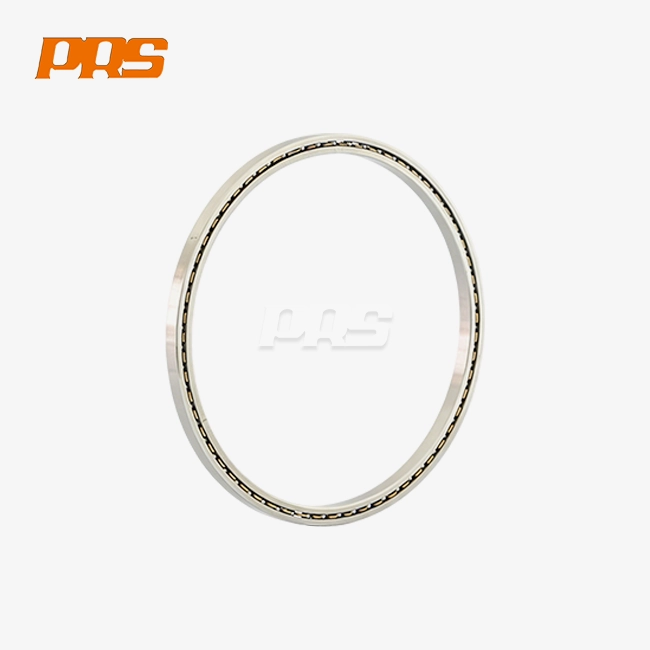 VIEW MOREprecision angular contact bearings
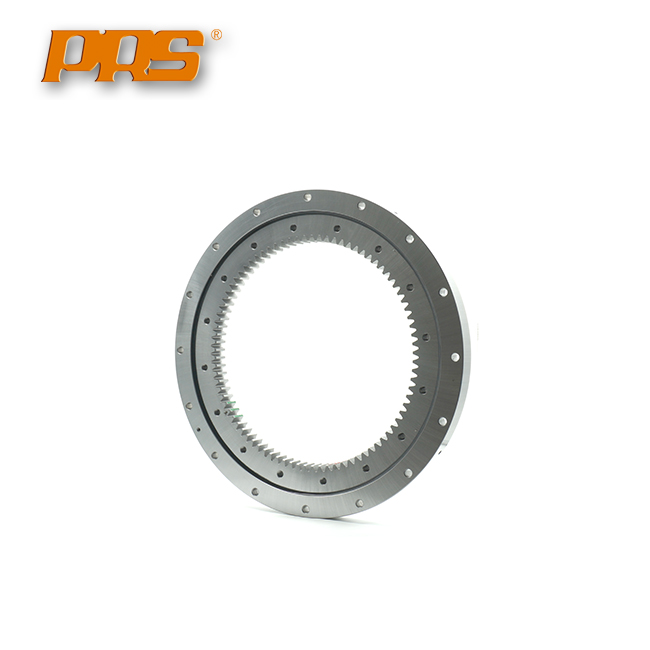 VIEW MOREInner tooth bearings
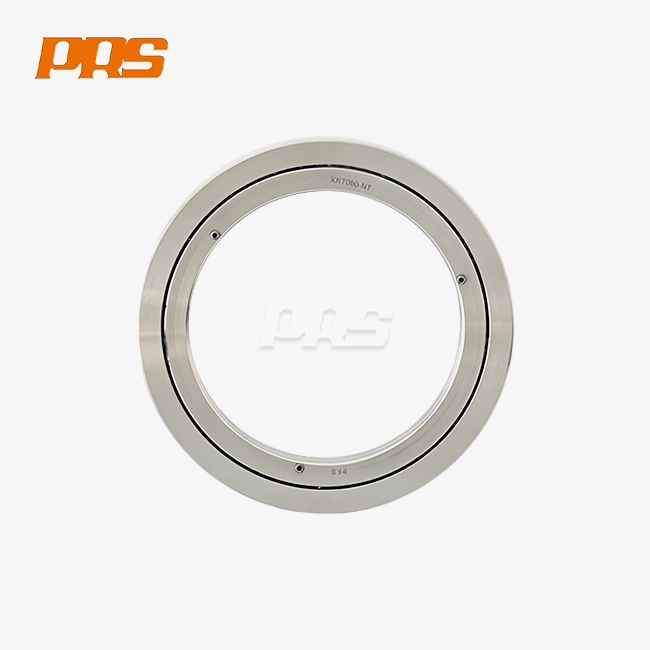 VIEW MOREmini lathe tapered bearings
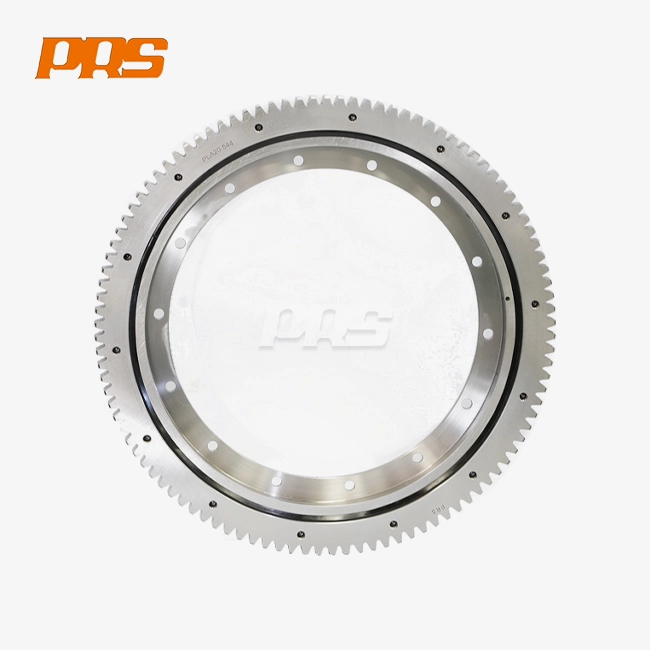 VIEW MOREsingle row ball slewing bearing
 VIEW MOREDouble-Row Angular Contact Ball Slewing Bearings