


The Application and Maintenance of Thin Section Bearings in Robot Arm
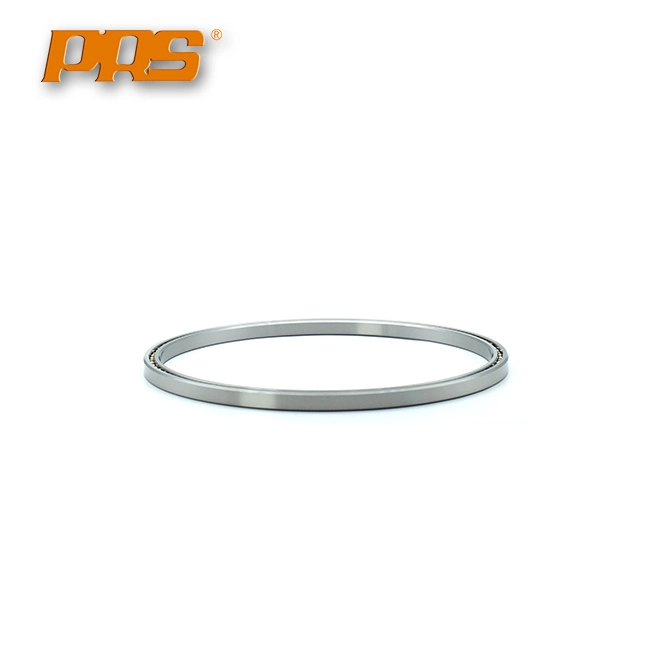
Precision rotation in very small areas is a big problem for current robotic systems. Thin section bearing technology solves this problem. These special parts have very thin cross-sections compared to their bore diameter. This lets engineers make robot arms that are lighter and more maneuverable without losing their ability to hold weight or stay in place. In today's industrial automation, every gram and millimeter counts, and these bearings are a must for finding the perfect mix between mechanical performance and small form factors that are needed for next-generation robots.
Understanding Thin Section Bearings in Robot Arms
What Makes These Bearings Unique?
The most important thing about them is their tailored shape, which means that their cross-section height is much lower than in other bearing designs. In traditional bearings, the wall thickness increases in proportion to the width. But in thin section bearings, the wall thickness stays the same across all sizes. This way of building has big benefits for robotic uses where room is limited and weight has a direct effect on how much energy is used and how much can be carried.
Core Benefits for Robotic Joints
Components for robot arms need to be able to do more than one thing at the same time. These special bearings are great in a number of important ways. Because they are made of light materials, the inertial mass of moving joints is lower, which lets them accelerate and decelerate more quickly. Engineers can add bigger motors or more sensors to the same joint area because of the small size. Precision-ground raceways made to P4 or P2 standards ensure rotational accuracy measured in micrometers, which is important for jobs that need to be placed repeatedly. In addition, their optimized internal shape evenly spreads loads, which means they last longer even when they are used continuously.
How They Function in Robotic Systems
These bearings are usually found at the shoulder, elbow, and wrist joints of a robot arm system, where they allow circular movement. Because the cross-section is so thin, it can be directly attached to structural elements without the need for big housings. Contact angles can be chosen based on the main direction of load at each joint. These can be circular, angular, or four-point designs. Because of this, a single type of bearing can handle complex load combinations that would normally need several regular bearings stacked on top of each other.
Application Considerations of Thin Section Bearings in Robot Arms
Selecting the Right Bearing Type
Knowing the different combinations helps match parts to specific needs in the workplace. Radial contact types work well when loads act mostly perpendicular to the axis of rotation. It is typical for articulated joints that have to support arm weight while turning to have angular contact designs that can handle both radial and axial forces. Four-point contact bearings are the most flexible choice because they can handle moment loads that try to tilt the bearing during complex movements. Slewing ring designs offer high stiffness for base rotation uses where the whole arm structure pivots.
Material Selection and Performance
In the real world, the choice of material for thin section bearing has a direct effect on how bearings behave. Chrome steel (AISI 52100) is very hard and doesn't break down easily in normal industrial settings. Stainless steel types (440C) protect against corrosion in places like food processing, pharmaceutical production, or seaside locations where moisture is present. Combining steel races with ceramic balls in hybrid designs lowers friction and extends the time between lubrication, which is especially helpful in sterile settings where servicing access is limited. PRS makes bearings from materials that have been thoroughly tested and remain dimension-stable across the working temperature range of -40°C to +120°C. This means that the bearings always work well, no matter what the weather is like.
Design Integration Challenges
Paying close attention to a number of technical factors is necessary for a successful application. Dimensional compatibility means making sure that the bearings' sizes fit the current or planned joint design. This includes taking into account the inner diameter needed for wire routing and the outer diameter limits set by the joint housings. The working environment must be taken into account when planning the lubrication strategy. Sealed bearings with double-sided seals protect internal components in dirty environments, while open designs make re-lubrication easier in easy-to-reach places. When figuring out load capacity, safety factors that take into account shock loads during emergency stops or collisions should be used. Because these bearings have a thin cross-section, engineers must also think about how flat and straight the mounting surface is. If there are any mistakes during installation, the bearings could wear out faster than expected.
Real-World Industrial Applications
These bearings are used in welding robots on auto assembly lines, where the quality of the weld depends on where the torch is placed exactly. Because it is so small, the design lets makers cut the weight of robot arms by about 40%. This means that cycle times are faster and less energy is used. They are used by aerospace companies in automatic drilling systems for putting together the body of an airplane. Positioning accuracy of less than 0.05 mm is needed to make sure the holes are lined up correctly. Pick-and-place robots used in electronics factories depend on them to handle fragile parts. The smooth, low-torque operation keeps fragile parts from getting damaged during high-speed transfer operations.
Maintenance Best Practices for Thin Section Bearings in Robot Arms
Common Failure Modes and Warning Signs
Figuring out patterns of wear and tear lets you act quickly before a major failure happens. Most of the time, premature wear is caused by flying particles that clog up raceways and finely ground materials that wear them down. Breakdown of lubrication causes the working temperature to rise and the noise level to change, typically from a smooth sound to a grinding sound. Too much loading from bad fitting causes stress to build up in certain areas, which speeds up the formation of fatigue cracks. When water gets in through broken seals, it causes rust, which quickly destroys the surface finish and the accuracy of the measurements.
Lubrication Strategies for Extended Life
Choosing the right lubricant relies on a number of practical factors. Low-viscosity synthetic greases work best in high-speed uses because they keep the film thickness at a good level while minimizing grinding losses. In heavy-load situations, extreme-pressure lubricants are needed to keep metals from touching each other when border lubrication is present. The operating temperature affects the choice of oil. Standard greases work well between -20°C and +100°C, but special formulas can handle temperatures even higher for harsh conditions. PRS bearings are filled at the plant with a high-quality lubricant chosen for general industrial use. We can help you with uses that need different formulas, though.
Maintenance times for thin section bearing depend on how hard the job cycle is. Re-lubrication is usually needed every 2,000 to 3,000 hours of continuous running at full load. Service that starts and stops often may make the gaps last up to 5,000 hours. As suggested, about 30% of the old grease should be purged out while new lube is added. Full filling should be avoided because it could cause too much internal pressure.
Inspection and Monitoring Techniques
Visual inspection during routine upkeep shows problems in their early stages. Inspectors should make sure that the seal is intact, that the fixing bolts stay tight, and that there is no buildup of external contamination. Using accelerometers for vibration analysis can find problems that are getting worse; measurements taken at the beginning of the process are used as a reference for later readings. Temperature tracking finds bearings that aren't working normally, which is often the first sign of a problem with the lubricant. Condition tracking systems that constantly track torque, temperature, and sound may be used in more advanced setups. This allows for forecast repair plans that reduce unplanned downtime.
Protective Measures for Harsh Environments
Active controls over the surroundings greatly increase the service life of bearings in tough circumstances. Labyrinth seals or contact seals keep dust out of places where robots are used for material handling or casting work. In semiconductor production, where particle counts must stay below certain limits, controlled atmospheres with filtered air flow keep bearings safe. Protective coats put on the outside of things keep chemicals from getting into them in pharmaceutical or chemical processing settings. Keeping extra bearings in climate-controlled, low-humidity areas with their original protective package intact is the best way to keep their precision until they are used.
Comparing Thin Section Bearings with Alternative Bearing Types in Robotics
Performance Characteristics Across Bearing Types
Different types of bearings have different performance traits. Knowing how the different bearing technologies stack up against each other helps buying teams make smart choices that meet the needs of the application. Standard deep-groove ball bearings are easier to find and cost less, but they need a lot more rotational room to hold the same amount of weight. Cross roller bearings are great for big industrial robots because they are very stiff and can handle a lot of moment loads. However, their larger cross-section and weight may make them less useful for smaller collaborative robots. Needle roller bearings have small radial dimensions, but they only handle radial loads and usually need separate thrust bearing setups to handle axial forces.
When to Choose Thin-Walled Configurations?
In some situations, slim-profile shapes are clearly better. Weight loss makes safety scores better and lets higher payload-to-robot-weight ratios work better for collaborative robots (cobots) that are made to work with people. For camera systems or laser positioning tools with multiple axes, stacked rotational stages are needed. Because of limited room, these stages must have thin cross-sections. Humanoid robots and prosthetics need bearings that are the same size and shape as organic joints. This can only be done with simple designs. Medical surgical robots that work in small body parts need to have the smallest joint covers possible so they can still do precise surgery.
Evaluating Supplier Capabilities
In addition to technical requirements, the criteria used to choose a thin section bearing provider should also include a number of business factors. The uniformity of manufacturing quality affects the difference in performance between bearings, which is very important when making many similar robot units. Technical support helps fix problems with installation or with making changes that are specific to an application. The dependability of lead times affects production schedules, especially for OEMs that build robots based on requests from customers. PRS keeps a large stock of standard series with inner diameters ranging from 20mm to 1250mm. This allows for quick fulfillment—often within 24 hours for stock configurations—while our engineering team helps with customization from the initial concept stage through production validation for unique needs.
Procurement Guide for Thin Section Bearings for Robot Arms
Establishing Sourcing Strategy
A good procurement process combines many different objectives. To start checking the quality, you should find out how precise the maker can be. For example, P5 grade precision is good for general industrial robots, but P4 or P2 precision is needed for high-accuracy tasks like handling semiconductors or measurement equipment. OEMs that need a lot of supplies on a regular basis care about production ability. Logistics prices and wait times are affected by location, but well-known producers have distribution networks that make up for location problems.
Developing Supplier Relationships
Building relationships with suppliers is more valuable than one-time deals. Having in-depth technical conversations during the planning phase can help find the best bearing setup, which could save a lot of money on redesigns later on. Sample evaluation tools let you try possible bearings in real-world situations before committing to large quantities for production. Framework agreements set prices, shipping goals, and quality standards that make it easier to place orders in the future. PRS works with robot makers from the initial design consultation stage through after-sales support. We offer our customers bearing experience that adds to their knowledge of mechatronic systems.
Total Cost of Ownership Analysis
Lifecycle costs include more than just the purchase price. Maintenance needs affect ongoing running costs. For example, protected bearings cost more at first but save money on labor costs for re-lubrication. Downtime costs are affected by reliability, which is especially important in automated production lines where robot failure stops whole manufacturing cells. In high-duty cycle uses, the energy savings from less friction may make quality bearings worth the extra cost. When reviewing supplier offers, procurement workers shouldn't just look at unit cost, but should also look at all of these other factors as well.
Conclusion
Thin section bearing technology has completely changed the way robot arms are made by making it possible for them to be smaller, more precise, and carry more weight than ever before. For execution to go well, you need to know how to choose the right bearings for the job and how to keep them in good shape. These parts are used in many fields, from medical robots to putting together cars. Their special features make them useful in situations where regular bearings can't. Purchasing teams that understand the technical details and build relationships with strong providers like PRS put their companies in a good position to use all the benefits of modern robotic automation. This can give them a competitive edge by making systems work better and be more reliable.
FAQ
What are the primary advantages of using thin section bearings in robot arms?
There are three great reasons why these special bearings are great for robotics. The weight loss compared to normal bearings, which is usually between 40 and 60%, lowers energy use and increases the loading capacity. Engineers can make joints that are smaller by using space efficiently, or they can use the extra space to add features like sensors or wire management. Precision production to P4 or P2 specs guarantees the positioning accuracy needed for high-quality jobs like surgery or putting together electronics.
How frequently should thin section bearings in robot arms undergo maintenance?
How often maintenance needs to be done depends on the working conditions and job cycles. Every 2,000 to 3,000 hours, industrial equipment that is used continuously at full load needs to be inspected and oiled again. Collaborative robots that are only used sometimes may be able to extend the time between uses to 5,000 hours. But places that are dirty, have extreme temperatures, or have to go through washdown processes need more frequent care. Using condition tracking tools lets you plan maintenance based on data, which extends the life of bearings and cuts down on work that isn't necessary.
Can thin section bearings handle the loads in large industrial robots?
The load capacity is not just based on the cross-section thickness, but also on the unique form of the bearing. These bearings can handle large radial, axial, and moment loads at the same time thanks to their four-point contact designs and improved internal shape. PRS makes bearings with inner diameters up to 1250 mm and cross-sections ranging from 8 mm to 25 mm. These bearings can handle loads that are suitable for industrial robots of all sizes. To make the right choice, you need to look at the real working loads, such as dynamic forces during acceleration, and use the right safety factors to make sure the system works well.
Partner with PRS for Your Robotic Bearing Solutions
In addition to 20 years of experience making precise bearings, PRS also offers full technical support for robotic uses. Our line of thin section bearings has inner diameters from 20mm to 1250mm and comes in P5, P4, and P2 precision grades. They are made in our 15,000 m² building with more than 200 precision tools. As a specialist provider of thin section bearings, we keep a large inventory that lets us deliver quickly—often within 24 hours for standard series—while our 35-person engineering team provides customization expertise from the initial design stage through production validation for unique needs. Factory pass rates are higher than 99.9% when quality management follows ISO 9001 standards and the 6S way of production. Our bearing solutions give your projects the performance, stability, and support they need, whether you're making collaborative robots, industrial automation systems, or precise positioning equipment. Email our team at ljh@lyprs.com to talk about your particular needs and find out how PRS precision bearings can improve your robotic systems with low prices, top-notch technology, and quick service.
References
Harris, T.A., & Kotzalas, M.N. (2006). Advanced Concepts of Bearing Technology: Rolling Bearing Analysis, Fifth Edition. CRC Press.
Neale, M.J. (Ed.). (1995). The Tribology Handbook, Second Edition. Butterworth-Heinemann.
Hamrock, B.J., Schmid, S.R., & Jacobson, B.O. (2004). Fundamentals of Fluid Film Lubrication, Second Edition. Marcel Dekker.
Budynas, R.G., & Nisbett, J.K. (2011). Shigley's Mechanical Engineering Design, Ninth Edition. McGraw-Hill.
Siciliano, B., & Khatib, O. (Eds.). (2016). Springer Handbook of Robotics, Second Edition. Springer International Publishing.
Eschmann, P., Hasbargen, L., & Weigand, K. (1985). Ball and Roller Bearings: Theory, Design and Application, Third Edition. John Wiley & Sons.

USER EVALUATE
Here is the customer's evaluation of us
YOU MAY LIKE
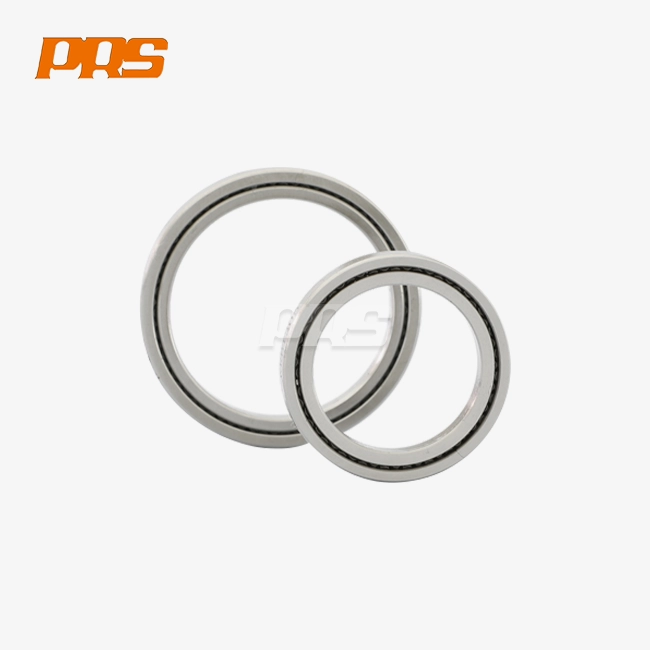 VIEW MOREthin section ball bearings
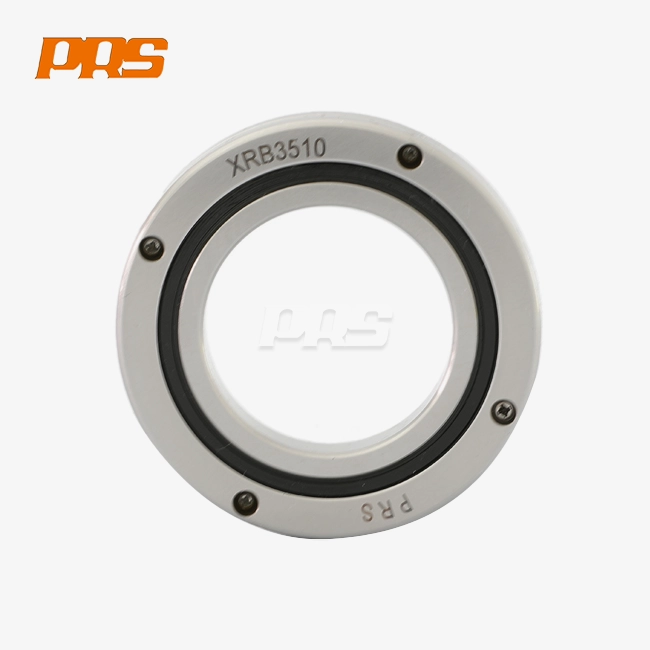 VIEW MORERB Series Crossed Roller Bearing
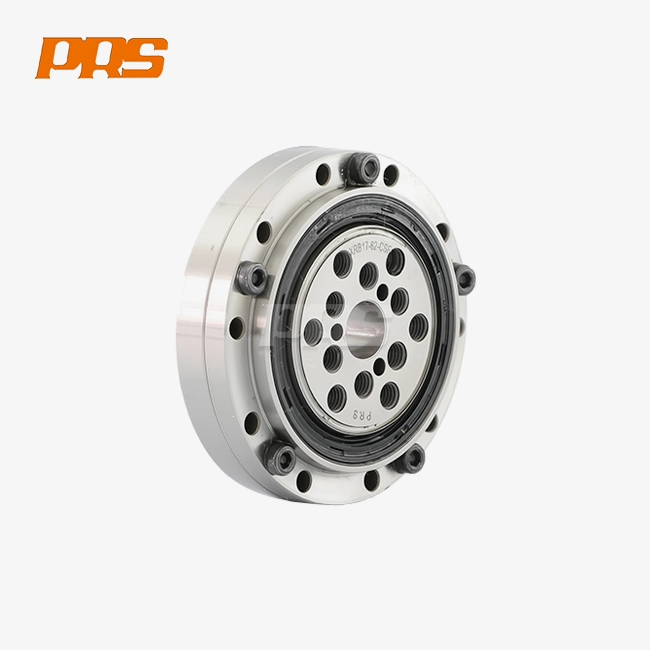 VIEW MOREHarmonic Reducer Robot Bearings
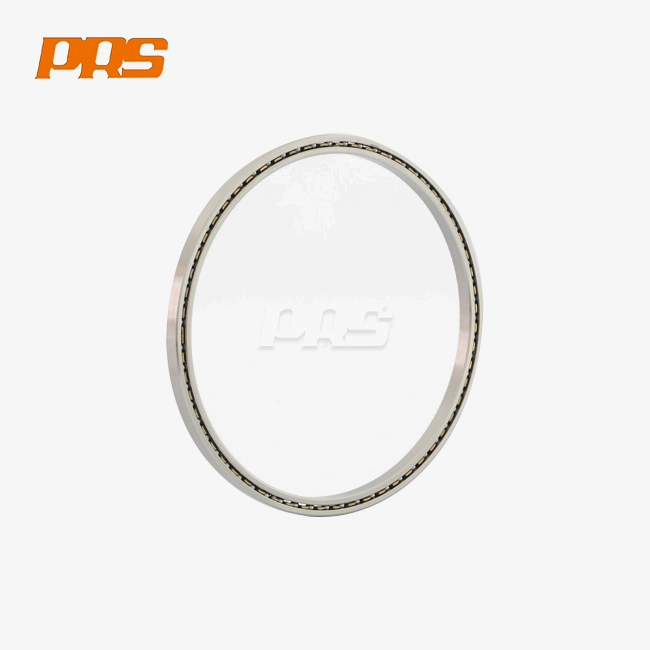 VIEW MOREThin Section Ball Bearing
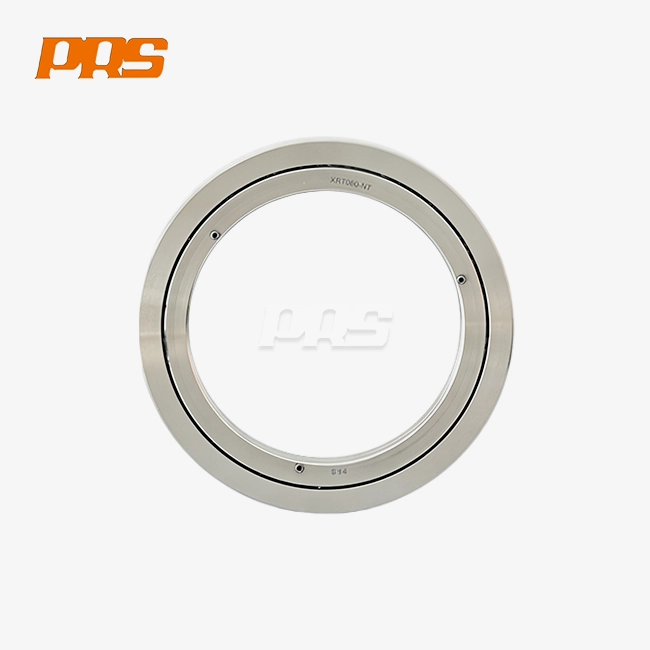 VIEW MOREmini lathe tapered roller bearings
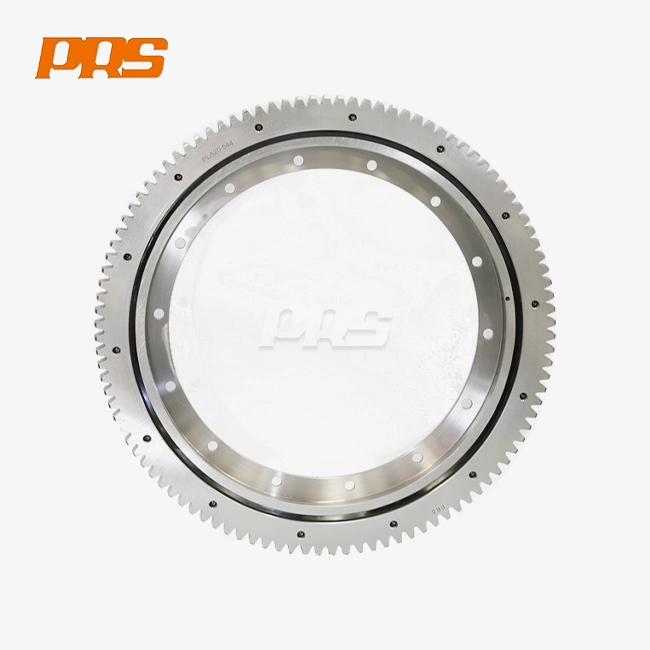 VIEW MOREWind Turbine Slewing Bearing
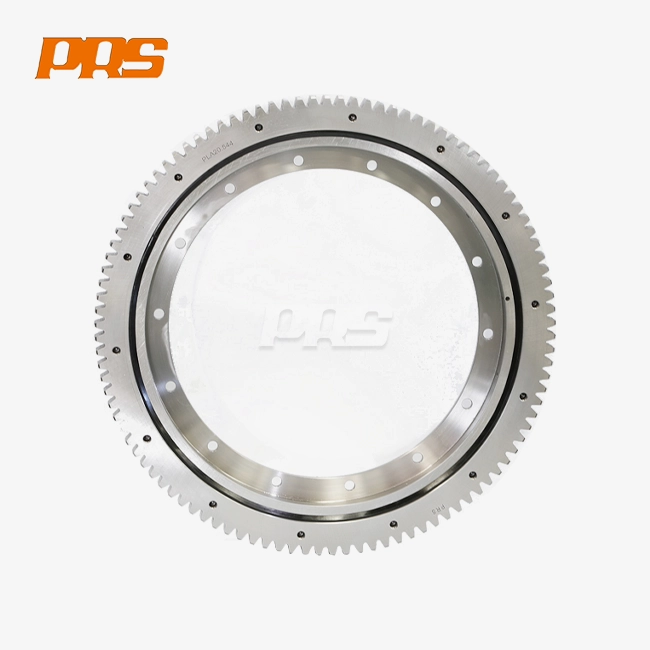 VIEW MOREThree Row Roller Slewing Bearings
 VIEW MORERoller Slewing Bearing