
What is Slewing Bearing -Lastest Guide to the slewing bearings
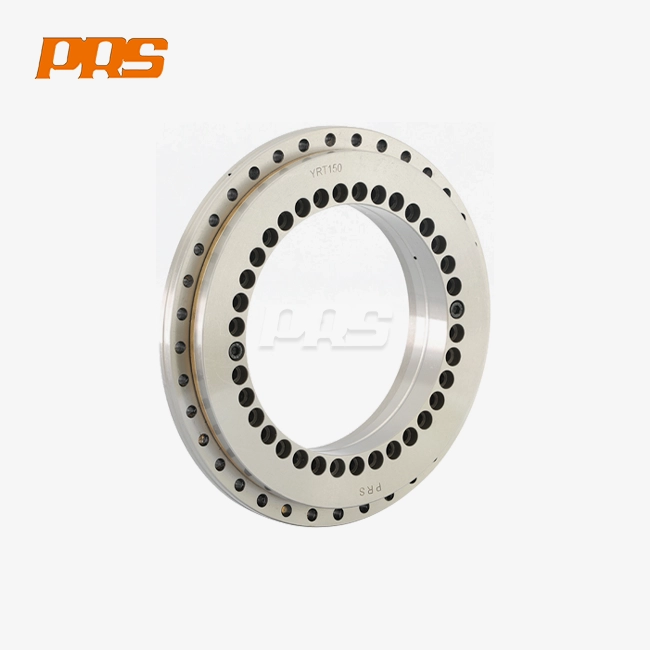
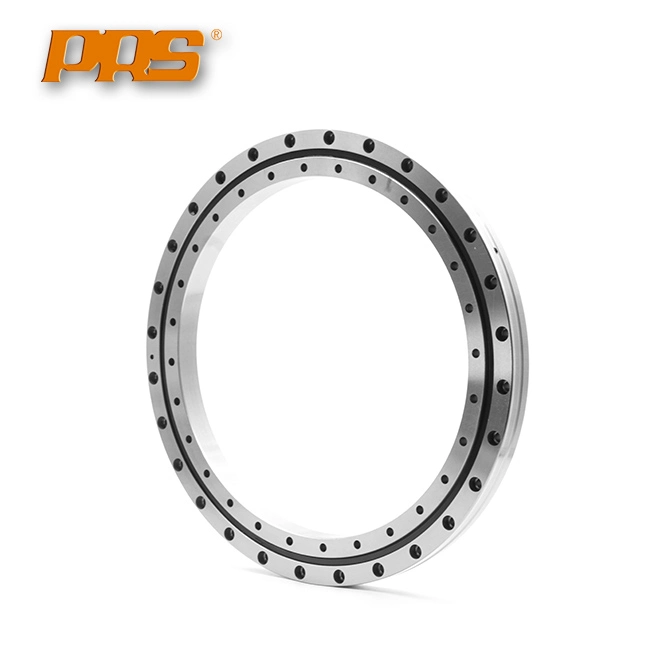
As well as being called a turntable bearing or slewing ring, a slewing bearing is a special large-diameter rotating part that is made to handle axial, radial, and moment loads all at the same time in a single unit. Unlike most bearing systems, which only deal with one way of pressure, these strong assemblies allow for smooth rotational movement even when there are a lot of working demands. In heavy-duty and precise applications, such as cranes, excavators, wind turbines, robotic joints, and precision positioning systems, where standard bearing setups can't meet the strict performance requirements, these bearings are the basic rotating parts.
Understanding Slewing Bearings: Definition and Working Principle
What Makes Slewing Bearings Different from Conventional Bearings?
What makes them different is how well they can handle mixed loading scenarios in small spaces. Traditional bearings are usually very good at either radial or thrust loads. However, slewing rings can handle all load types because their design is so flexible. This feature gets rid of complicated shaft systems and distributes loads very well around the whole bearing circle. This is especially useful in precision equipment that doesn't have a lot of room and big industrial machinery.
Core Structural Components
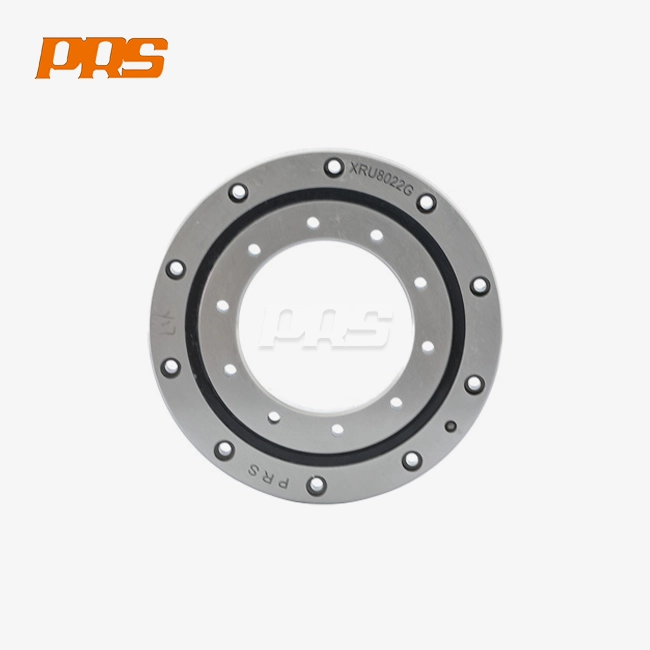
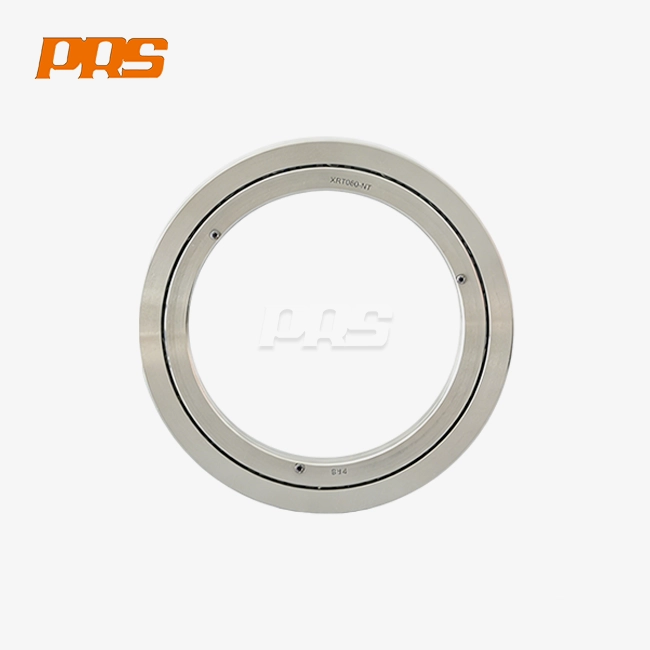
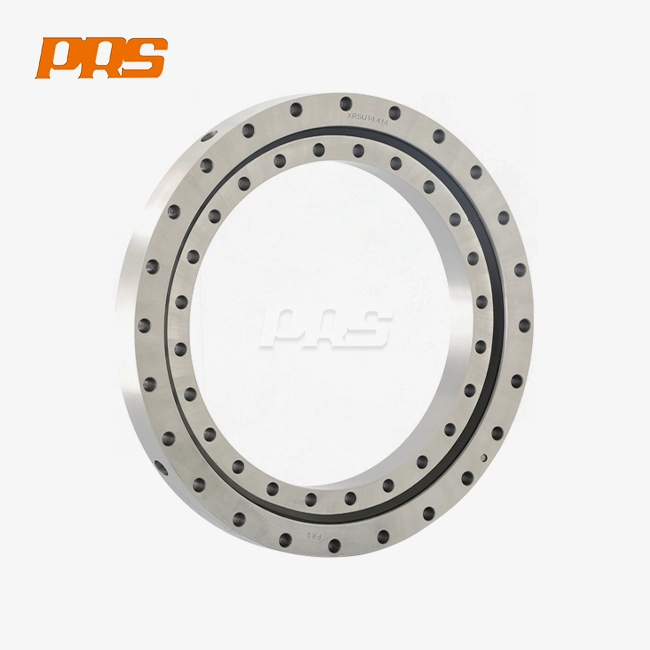
A slewing bearing is made up of an inner ring, an outer ring, and moving elements that are placed between carefully polished raceways. Several important parts must work together for the structure to be stable. The rings are made from high-quality bearing steels like 50Mn and 42CrMo, and they go through special heat treatment processes to make sure they have the right amount of stiffness all over and that the core stays tough so they can handle contact. The load capacity is based on the rolling parts, which can be balls or rollers. Ball-type designs work best in situations where smooth spinning is needed under modest loads and higher rotational speeds are needed. This makes them ideal for robotic joints and optical positioning tables. Roller setups are better for heavy-duty tasks like building tools and wind turbine yaw systems because they can hold more weight. Sealing systems keep grease in while keeping internal parts clean. This is especially important for businesses that make semiconductors and medical imaging equipment that needs to work in a lab.
Working Principle and Load Management Mechanics
Figuring out how these bearings handle forces shows how advanced their tech is. Axial load handling is done by horizontal raceway surfaces that spread vertical forces evenly across many contact points. This stops concentrated stress concentrations that cause precision applications like CT scanners and surgery robots to fail too soon. Radial load management depends on the vertical raceway shape making sure the best load transfer for horizontal forces. This keeps the bearing stable while it's working in CNC machine tool wheels and positioning systems. Moment load resistance comes from the large diameter and spread-out contact pattern. This gives great resistance to upsetting moments, which is very important for crane booms, digger arms, and radar tracking platforms where accurate placing affects system performance.
Types and Design Configurations
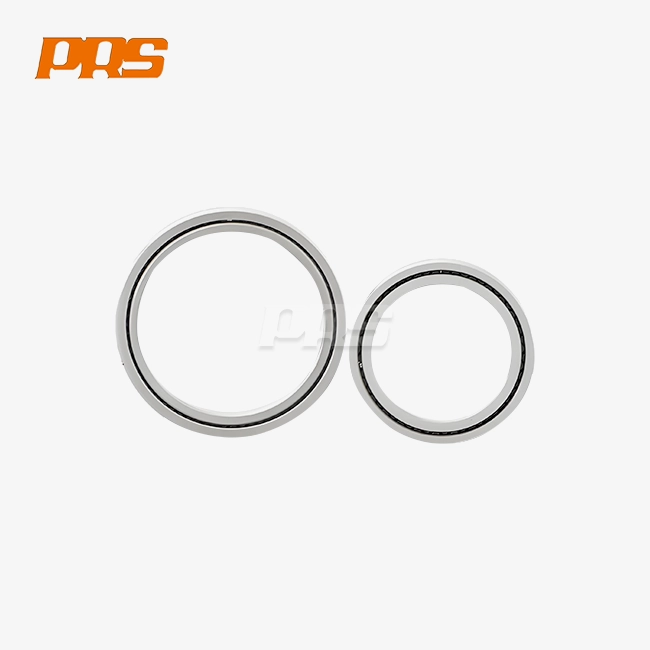
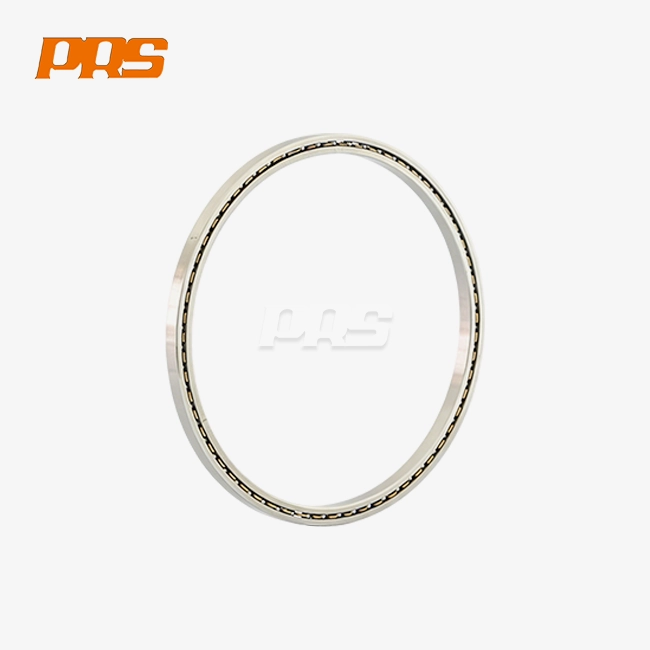
Single-row ball slewing bearing designs are small and can handle light to moderate loads. They can reach P4 levels of accuracy, making them perfect for small positioning tables and robotic base turns. These setups work well for automation system designers who need accuracy down to the micron level with small envelope sizes. Double-row designs can hold medium to heavy loads, and the contact angles are designed to work best under mixed pressure situations. This makes the structure more rigid. This balanced way of managing loads is good for mobile cranes and building tools. Triple-row roller systems can handle the most heavy-duty loads and have diameters ranging from 1000mm to 5000mm. They have different tracks for axial and radial loads. Heavy machinery like mining equipment and loaders depend on these strong designs that can't fail in harsh conditions.
Applications and Advantages of Slewing Bearings
Industrial Automation and Robotics Integration
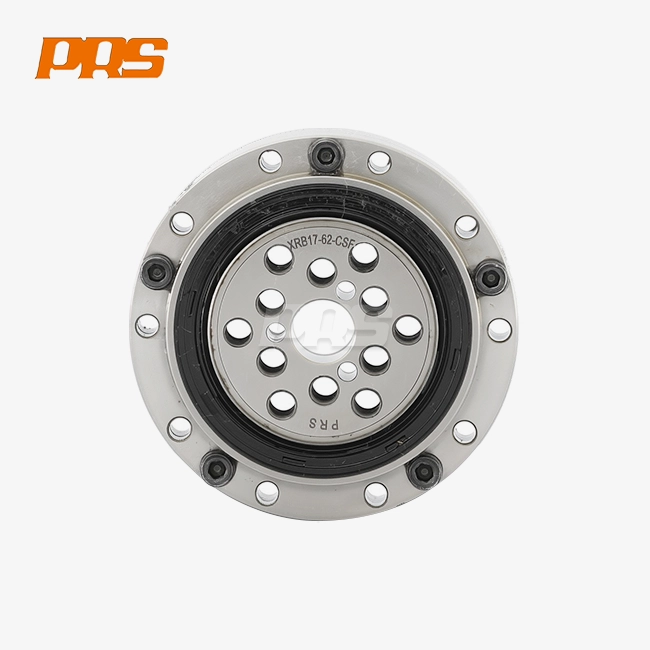
Modern robotic systems need precise parts that work accurately every time while they're running all the time. Slewing rings are important parts of robotic joint systems, especially when RV reducers need very rigid bases for rotating. Precision-ground raceways have low friction, which means they use less energy and last longer. This is important for robotic equipment makers who care about total cost of ownership. These bearings are used in semiconductor chip handling systems to make sure that the positioning accuracy is within a few micrometers. This is very important for photolithography and inspection processes, where controlling temperature and shaking has a direct effect on yield rates.
Machine Tools and Precision Equipment Applications
CNC machine builders use these rotating methods in spindle systems and rotary axes, which are used to make parts with micron-level accuracy. Precision bearings are important to makers of grinding machines because they reduce vibrations and allow for surface finishes that meet strict requirements. The repeatability of these parts' angle positioning is needed by indexing systems in multi-axis machining centers to make sure that all production runs have the same dimensions. The structure is stiff, so it doesn't bend when cutting forces are applied. This keeps the toolpath accurate even when cuts are stopped or a lot of material is removed.
Medical Devices and Imaging Equipment Requirements
Diagnostic imaging systems and CT scanners need small, effective rotating bases that can be placed very precisely. The smooth motion properties keep vibrations from getting to sensitive detector arrays, which makes the picture quality better and boosts diagnosis trust. For accurate tool control during treatments, surgical robots need bearings with predictable torque properties and no backlash. In hospital settings, safety certification support is very important because quality documentation and being able to track down parts are needed to make sure that technology is always in line with regulations.
Key Performance Advantages
There are operational perks for slewing bearing that go beyond simple rotating functions. When equipment has a high load capacity, the makers can make the buildings around it simpler, which lowers the system's weight and complexity. Modern material science and surface treatment technologies that make things less likely to wear down in tough situations are to blame for the longer service life. Accessible lubrication spots and simple inspection procedures make upkeep easier, which cuts down on working downtime. Regular lubrication with the right greases keeps things running at their best, and eye checks every so often find problems before they become catastrophic. These features make slewing bearings a cost-effective choice for makers who need to balance the original investment with the costs that come up over the course of the product's life.
Slewing Bearing Comparison and Selection Guide
Material and Sealing Options for Performance Optimization
Choosing the right materials means finding a balance between performance needs and the elements of the surroundings. Standard bearing steels like 50Mn are very resistant to wear in most industry settings, while 42CrMo alloys are tougher and better able to handle the impact loads that are typical in construction tools. In rough settings, raceways last longer with special surface processes like induction hardening and nitriding. Bearing life and upkeep needs are greatly affected by the design of the seals. Sealed designs keep out dirt and water in dirty or wet places, which lowers the need for upkeep but limits the fastest speeds that can be rotated. It's easier for heat to escape from open designs, which allow for faster speeds, but they need to be oiled more often. In order to make semiconductors, cleanroom uses need special seal materials that can work in particle-sensitive settings.
Single-Row versus Double-Row Design Considerations
Knowing the changes between configurations helps you make the right choice. Single-row designs have small envelopes that work well in places with limited room where loads stay mild and steady. Because they have a simple structure, they are easier to make, which makes them a good choice for high-volume production settings. Loads are spread across more contact points in double-row designs, which increases stiffness and capacity. This improvement to the structure is useful for things like mobile crane platforms and wind turbine pitch control systems that need to stay in place even when the loads change or when they need more stiffness to keep their position.
Gear Integration Strategies
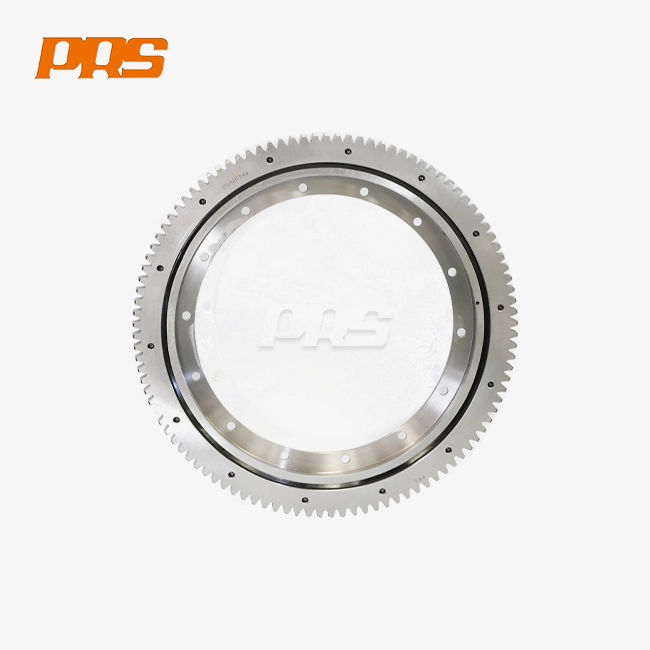
For rotational movement, many uses need combined drive systems. There are teeth machined on the outside ring perimeter of external gear designs, which work well with pinion drive systems that have high reduction ratios and are popular in digger swing mechanisms. When teeth are placed on the inner ring bore by internal gear setups, small drive configurations with external pinions are possible, which is great for installations with limited room. Gearless designs don't have teeth built in, so they can use different types of drives, like friction drives or separate gear coupling. This gives designers of precision optical tools and metrology systems more options for how to manage motion.
Brand Selection Considerations
Professionals in procurement judge slewing bearing producers based on how consistent their quality is, how well they can help with technical issues, and how reliable their delivery is. Well-known names like Kaydon and SKF have large application engineering teams and global distribution networks that make it easy to find what you need quickly and get full expert advice. Local makers often offer affordable options with shorter lead times and more ways to customize. Since 2003, PRS has been a technology-focused company that makes precise bearings. They specialize in high-precision crossed roller and special bearing systems that reach P4 and P2 precision grades. Our focus on non-standard and custom setups helps businesses that need performance specs that go beyond what's available in catalogs.
How to Procure Slewing Bearings: A Practical Buying Guide?
Identifying Reliable Suppliers and Distribution Channels
Qualifying suppliers is the first step to successful buying. Working directly with a maker lets you make changes and get expert help during the whole process of designing equipment, which is especially helpful when your needs are different from what's normally available. Authorized wholesalers can quickly fill orders for popular setups because they have established transportation networks that cut down on wait times. Online B2B platforms give buyers more choices for where to buy things, but they need to be very careful to check the qualifications and quality certifications of suppliers. It turns out that evaluating a supplier's technical knowledge is just as important as evaluating the specs of the parts. Partners who understand application needs add value beyond providing parts by making design optimization suggestions and helping with troubleshooting.
Pricing Factors and Value Assessment
Acquisition prices are affected by many factors, so they need to be carefully evaluated. Because physical measurements are closely related to material content and manufacturing difficulty, bigger diameters cost more. When it comes to price, precision grades have a big effect. For example, P4 and P2 tolerances require stricter quality control measures and more quality assurance steps than normal grades. The choice of material affects both the original cost and the value over time. For example, premium alloys and specialty treatments cost more up front but save money in the long run by extending service intervals and lowering downtime costs. A brand's image is based on its consistent quality and support infrastructure. This is why premium positioning is necessary for uses where dependability directly affects working continuity. Quantity considerations allow volume discounts for OEM production needs, and pilot and small-batch sales work with development schedules. The best way to make a choice is to weigh the initial investment against the total cost of ownership. This is especially important for long-lasting tools.
Customization and help with application engineering
Standard catalog items meet most needs, but custom solutions are often needed for unique tools. Custom bearing designs can work with special mounting connections, space limitations, and performance requirements that can't be met with standard parts. By involving makers with application engineering skills early on in the design process, you can avoid expensive redesigns and efficiency losses. A thorough operational analysis that looks at things like load amounts, directional changes, spinning speed profiles, duty cycles, weather conditions, and the integration of the lubrication system makes sure that the parts chosen are right for the job. This joint method cuts down on technical risk and speeds up the process of getting new equipment platforms on the market.
Logistics and Delivery Planning
International buying adds factors that affect project schedules. Manufacturing wait times depend on how complicated the setup is and how quickly the product needs to be made. Standard items may ship within weeks, but unique designs need longer fabrication times. Different types of transportation balance cost and urgency. For example, ocean freight is a cost-effective way to put things that need to be done soon, while expedited air shipment can meet urgent repair needs. Proper packing keeps precision parts safe while they're being shipped, but it needs to be customized to take into account the parts' dimensions, the routes they'll be taking, and their exposure to the environment. Pay close attention to regulations when filling out import paperwork and going through the customs clearance process. This is especially important for specialized businesses that have strict requirements for tracking goods.
Conclusion
Slewing bearings are complex engineering solutions that allow spinning usefulness in a wide range of industrial settings. Procurement pros and design engineers can make better selection choices when they know about their structure principles, load management capabilities, and setup options. These parts work reliably in a wide range of situations, from small, precise units that serve robotic joints and medical imaging systems to huge groups that hold up building equipment and wind turbines. For implementation to go well, technical requirements must be balanced with application needs. Material and sealing choices must also be looked at, and providers must be partnered with to provide full technical support. As industry technology improves and performance standards for equipment rise, precision slewing bearings play an increasingly important part in many areas that need precision, rigidity, and long-term use.
FAQ
What maintenance routines ensure optimal slewing bearing performance?
The most important part of upkeep is regular lubrication, with times based on working conditions and weather exposure. Visual checks find broken seals, contamination, and the stability of fastening bolts. Monitoring rotational force shows how wear is progressing, allowing replacement before a catastrophic failure. Lifecycle management sets performance baselines by keeping records of upkeep tasks.
How do I determine appropriate load capacity for my application?
To accurately estimate the load, you need to look at the axial forces, rotational loads, and toppling moments when the machine is running at full speed. Manufacturers provide load rating charts that show how bearing configurations relate to capacities. Dynamic loads, shock situations, and expected service life are all taken into account by safety factors. Consulting application engineers makes sure that choices are based on real-world working needs, not just theoretical formulas.
Should I specify standard or custom bearings for specialized equipment?
Standard versions are cheaper and take less time to make when the size and speed meet the needs of the application. When space limitations, special mounting connections, or performance requirements are higher than what a catalog can offer, custom designs are needed. This choice is based on looking at development timelines, production numbers, and how important performance is. Before investing in custom equipment, ideas can be tested by making a prototype with standard parts.
Partner with PRS for Precision Slewing Bearing Solutions
When you come to Luoyang PRS Precision Bearing Co., Ltd., we can make spinning solutions that are beautiful, reliable, and stable that fit your exact needs. Our research team has been specializing in high-precision crossed roller bearings and unique designs since 2003. These bearings are used in robotics, machine tools, semiconductor manufacturing, medical devices, aerospace systems, optical equipment, and industrial automation. Our slewing bearing product line includes precision grades up to P4 and P2 levels. It is designed for hard uses where accuracy, rigidity, and service life have a direct effect on operating success. Whether you need regular catalog items or fully personalized designs, our application engineering support will help you make the best choice from the first idea to the installation. We encourage procurement professionals and equipment makers to look through our full catalog of products and talk to us about your unique needs. To get full specs and prices, email our expert team at ljh@lyprs.com or go to prs-bearing.com. Find out why top makers trust PRS as their reliable source for slewing bearings that deliver parts that go above and beyond.
References
Harris, T.A. and Kotzalas, M.N. (2006). Advanced Concepts of Bearing Technology: Rolling Bearing Analysis. CRC Press, Boca Raton.
Wensing, J.A. (2011). On the Dynamics of Ball Bearings. PhD Dissertation, University of Twente, Netherlands.
Gupta, P.K. (2012). Advanced Dynamics of Rolling Elements. Springer Science & Business Media, New York.
ISO 12043:2007. Rolling Bearings - Single Row Cylindrical Roller Bearings - Chamfer Dimensions. International Organization for Standardization, Geneva.
Eschmann, P., Hasbargen, L., and Weigand, K. (1985). Ball and Roller Bearings: Theory, Design and Application. John Wiley & Sons, Chichester.
Zhou, R.S. and Hoeprich, M.R. (1995). "Torque of Tapered Roller Bearings." Journal of Tribology, Vol. 117, pp. 479-489.

USER EVALUATE
Here is the customer's evaluation of us