
Crane Slewing Bearings: Introduction, Replacement, and Maintenance
The crane slewing bearing makes it possible for industrial cranes to smoothly turn 360 degrees so that they can lift and place big loads. This special turntable bearing handles axial thrust, rotational forces, and overturning moments all at the same time. It is the crucial link between a crane's fixed base and its spinning top section. Knowing how these bearings work, recognizing when they need to be replaced, and following good care procedures can greatly increase the life of equipment and keep it from breaking down, which costs a lot of money. If you're in charge of tower cranes on building sites, mobile cranes in shipping yards, or precision positioning systems in factories, choosing the right crane slewing bearing and keeping it in good shape has a direct effect on operational safety and efficiency.
Introduction to Crane Slewing Bearings
What Makes Slewing Bearings Essential for Crane Operations?
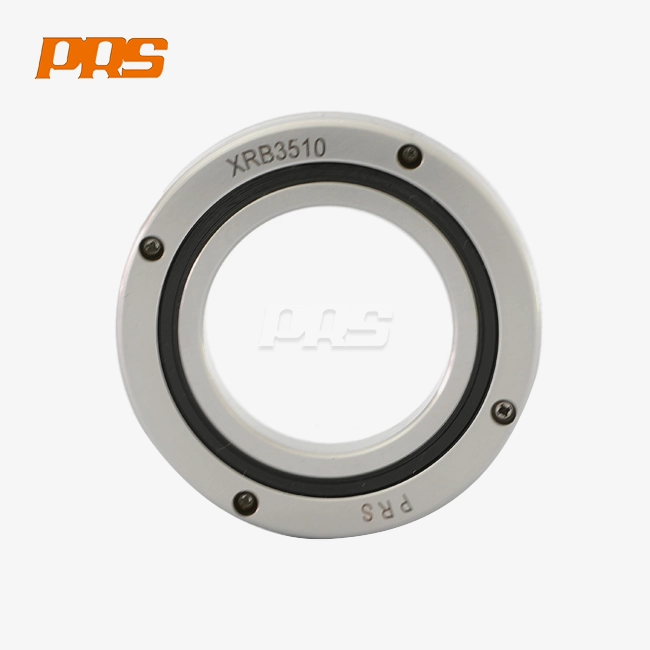
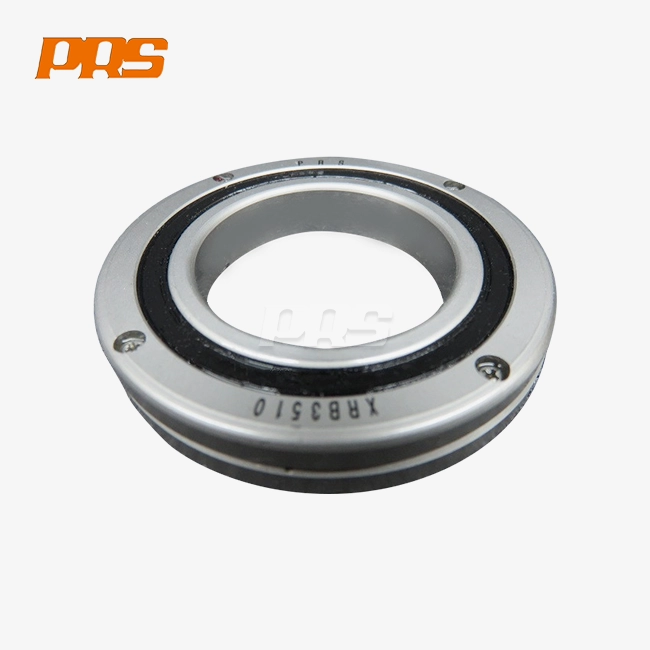
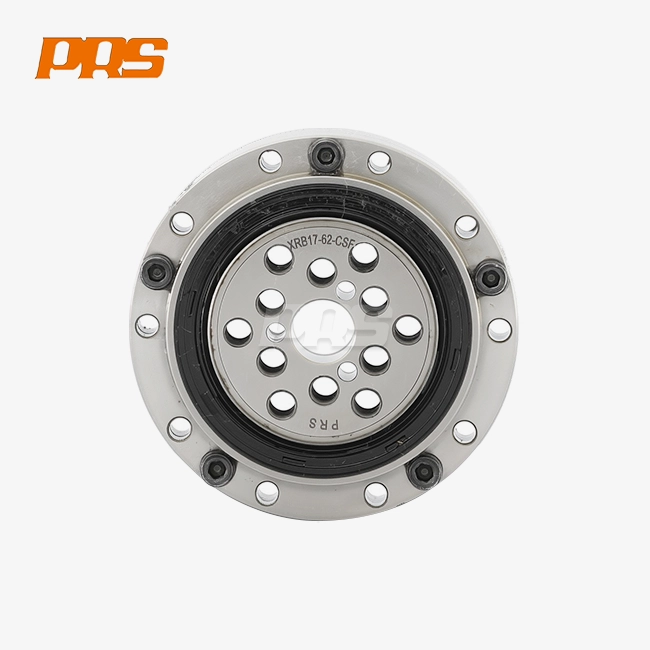
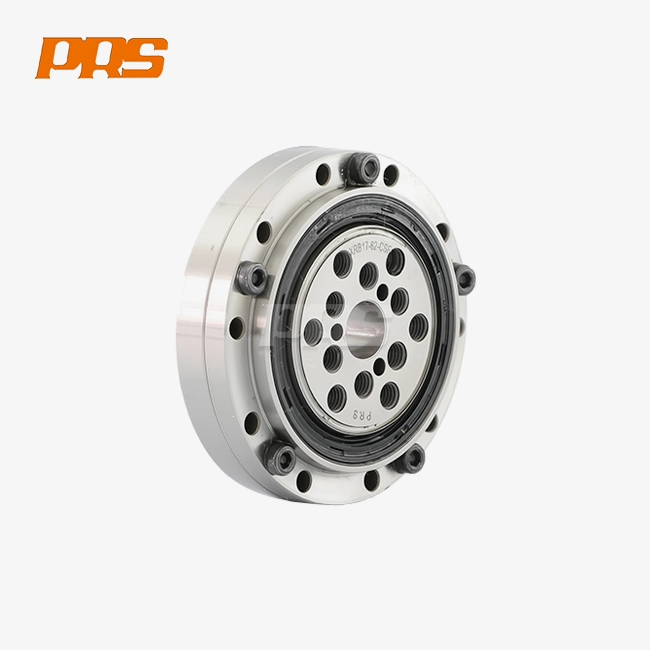
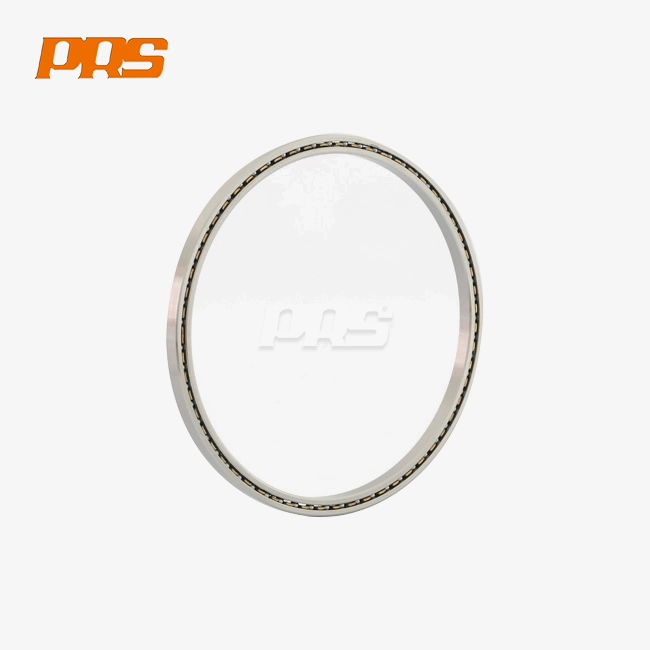
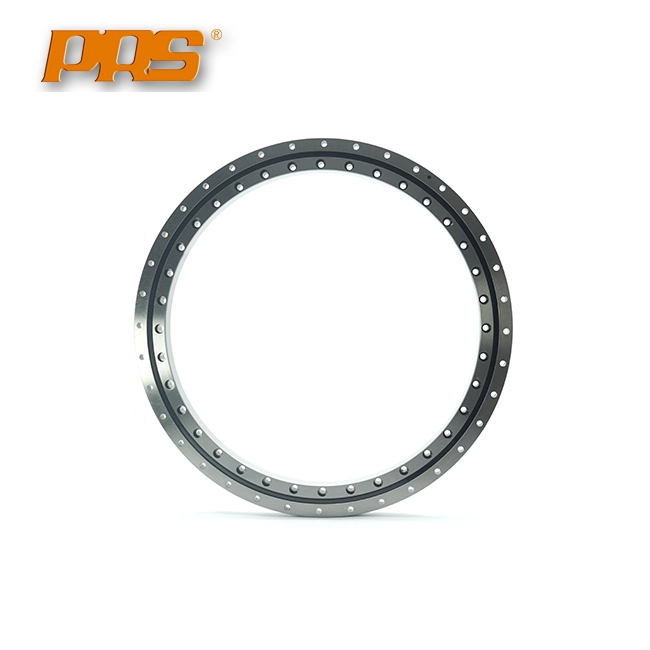
When it comes to structure, these large-diameter bearings are very different from regular rolling-element bearings. A normal crane slewing bearing has an inner ring, an outer ring, and several rows of rolling elements, which can be balls or rollers, that move along carefully cut raceways. This arrangement makes load distribution paths that can handle the complicated combinations of forces that happen during lifting operations. The inner ring usually links to the moving part of the crane, and the outer ring bolts straight to the base or undercarriage that stays in place.
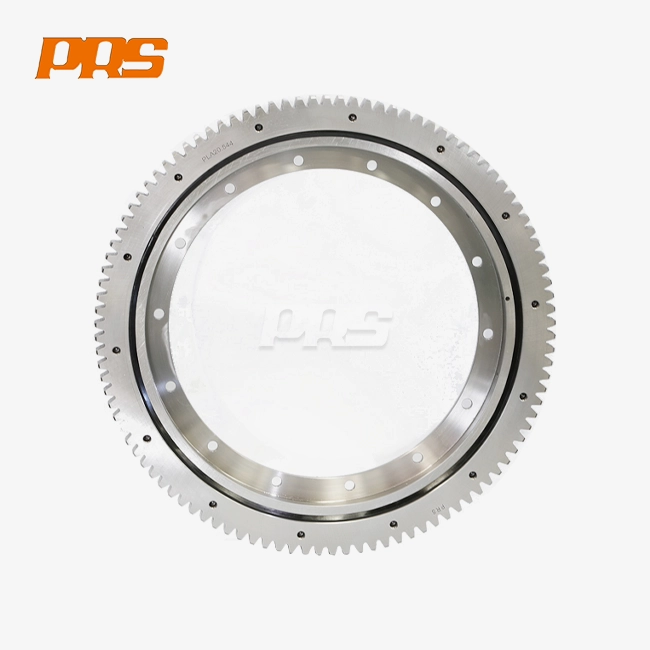
What makes these bearings unique is that they mount and transfer power in one step. With pre-drilled bolt holes, you don't need to buy separate mounting tools. This makes installation easier and less likely to cause problems with alignment. In a lot of setups, gear teeth are built right into one of the bearing rings. This lets the crane's slew drive motor work without any extra transmission parts.
Structural Components and Design Principles
The shape of the raceway affects how well it can handle loads. Four-point contact ball bearings use gothic-arch raceways to make four separate contact zones. This lets them handle loads from all directions at the same time in a small cross-section. Triple-row roller designs spread weight over larger contact areas, so they can be used in situations where there are heavy vertical or radial loads.
Sealing systems keep outside contaminants that speed up wear from getting into internal parts. Labyrinth seals make winding paths that keep dust and wetness out without causing friction. Contact seals, on the other hand, offer stronger protection for tough environments. The process of choosing a material strikes a balance between the need for strength and the ease of machinability. Some common metals are 42CrMo, which is used for toughness at low temperatures, and 50Mn, which is used for general systems. Heat treatment methods make the raceways harder, with a surface hardness of 55–62 HRC. They also keep the core tempered so it doesn't break easily when it's hit with shock loads.
Configuration Types and Application Matching
External gear designs put teeth around the outside of the outer ring, which makes mounting the motor easy and transmitting high power. This design works well for mobile cranes and other situations where the drive system needs to be easy to get to. Internal gear types have teeth on the inner ring's bore. This makes the fitting profile smaller and keeps the drive components from being exposed to the surroundings. This safe setup is good for port cranes and other uses in corrosive settings.
Toothless versions offer only spinning support and don't have built-in drive capabilities. When external drive systems are already in place or when spinning doesn't happen very often, these approaches work well. Since there is no gear cutting, the production tolerances in the raceways can be tighter, which could make the spinning smoother for precision uses.
Diagnosing and Replacing Crane Slewing Bearings
Identifying Common Failure Modes and Root Causes
By spotting early warning signs in a crane slewing bearing, you can stop catastrophic failures that put people in danger and require emergency fixes. Noise that doesn't make sense when the machine is turning is usually a sign that it needs to be oiled or that there are gritty particles between the rolling elements and the raceways. A grinding or clicking sound usually means that there is serious damage or wear that needs to be looked into right away.
Several problems could be happening if the rotating resistance goes up. When wetness gets into surfaces, it causes corrosion, which makes moving parts rub against each other. When a bolt loosens, it changes the internal gaps, which causes the bearing preload to change. This creates binding conditions. When a lube gets dirty or worn down, it loses its protection film strength, which lets metals touch each other. Problems at the surface level can be seen. Rust on the seals means that environmental safety has been weakened. When grease leaks, it means that the seal has failed or that there is too much grease, which creates too much internal pressure. If there are cracks in the mounting area or ring construction, the equipment needs to be turned off right away and a technical review done.
Vibration tracking gives a numerical picture of the state of the bearings. Reference values are set by taking baseline readings during normal functioning. Trending research finds slow wear and tear so that repair can be planned before it fails. Temperature rises above standard working ranges are a sign of too much friction, which could be caused by not enough lubrication or too much load.
Selection Criteria for Replacement Bearings
Calculations of load capacity are the basis for choosing which bearings to use. For each lift, you need to think about the crane's estimated highest lifting capacity as well as dynamic factors like wind forces, load acceleration, and operating shock. Not stating these requirements clearly enough causes things to fail early, and stating them too clearly raises costs without a reason.
Dimensional compatibility is more than just being able to measure width and height. Bolt hole shapes must perfectly line up with fastening structures that are already in place. Drive ratio and motor compatibility are affected by the gear module and tooth count. Even small differences in dimensions can cause alignment issues that speed up wear.
The material should meet or go beyond the standards set by the original tools. When working in temperatures below -20°C, 42CrMo alloy is more resistant to pressure than regular carbon steel. Marine settings need surfaces that are made of stainless steel or special treatments that make them less likely to rust. The choice of precision grade relies on the needs of the process. P5 grade bearings are good for normal building tasks, while P4 precision bearings are needed for automated systems that need accurate positioning over and over again.
Replacement Process and Installation Best Practices
Planning ahead is the first step to replacing bearings successfully. Write down the direction of the current crane slewing bearing, including where the gear mesh is located and any shimming that was done to get the right clearances. To make sure the right assembly, take pictures of the bolt designs and connection places. Get the fixing areas ready by getting rid of old sealant, corrosion, and other junk. Using precision straightedges to check the flatness of a surface stops it from warping when bolt force is applied.
When installing, use the recommended bolt torque values in a star design, slowly tightening each pass to spread the clamping force equally. This method stops the ring from warping, which causes the load to be spread out unevenly. To change the gear mesh, you have to carefully measure the backlash between the drive wheel and the bearing's gear teeth. Too little backlash leads to binding and faster wear, while too much clearance causes placement mistakes and hits that hurt tooth surfaces.
Before putting the crane back into action, the crane slewing bearing should be rotated without any weight on it to make sure it works smoothly across the whole 360-degree circle. See if there are any binding points, strange noises, or vibrations. To make sure the gear mesh is properly engaged across the width of the tooth face, use marking powder to measure the contact patterns on the mesh.
Maintenance of Crane Slewing Bearings
Establishing Effective Lubrication Programs
When greasing is done right, a protected film forms between the rolling elements and the raceways. This film lowers friction and stops corrosive attack. To choose the right oils, you need to make sure that the viscosity matches the temperature and load factors of the machine. Extreme-pressure (EP) ingredients in lithium-based greases make them good for most general uses because they don't melt in water and stay stable at room temperature.
How often you need to lubricate depends on how hard you use the machine and the weather. When used in clean areas with modest job cycles, equipment may need to be regreased every 100 hours. In dusty building sites or places where cranes are used a lot every day, they may need to be checked more often, up to every 50 hours. Automated lubrication systems give measured amounts of grease at set times, so no one has to do it by hand. These methods keep coverage consistent and lower the chance of mistakes or upkeep not being done.
When putting on grease, keep pushing until new oil shows up at the seals. This shows that all the old or dirty material has been pushed out. If there are too many, they put too much pressure on seals, which could cause them to fail early. Watch the color and consistency of the grease as it is being discharged. Dark spots on the surface mean it's been contaminated, and a rough texture means water has gotten in and needs more active care.
Inspection Protocols and Condition Monitoring
Visual exams done on a regular basis can find problems before they get worse. Using measured torque tools, check the mounting bolts for looseness and tighten them again as needed. When bolts are loose, they let parts move relative to each other, which causes fretting rust and faster hole wear.
Check seals for damage, movement, or stiffening that would make them less effective at protecting. When environmental toxins get into the bearing, they cause three-body grinding wear that breaks down raceways very quickly. Replace any broken seals right away, and look into what caused the problem to make sure it doesn't happen again.
Using portable instruments for vibration research, characteristic frequency patterns can be used to find problems with bearings. Defects in rolling elements have effects at certain times that depend on the speed of movement and the geometry of the parts. By looking at these measures over time, you can see that they are slowly getting worse, which supports making decisions about upkeep based on conditions rather than random schedules. Monitoring temperatures with infrared thermography or touch sensors shows that friction rises when there isn't enough oil or when there is damage inside the part. Set up standard thermal measurements for normal operation, then look into any areas where temperatures are rising significantly.
Addressing Common Maintenance Challenges
When crane parts aren't lined up right, the load is spread out unevenly across the crane slewing bearing, putting extra stress on certain parts of the track. This situation speeds up wear and can cause the part to fail before it should. These problems can be avoided by checking the alignment during installation and then checking it again from time to time. Managing contamination means keeping seals in good shape and using the right cleaning methods. Positive pressure sealing systems that use clean forced air to stop entry may be useful in places where there are a lot of airborne particles.
To protect against corrosion in maritime or chemical industry settings, you need to use specific methods. Putting coatings on outside objects that stop rust acts as a barrier to protect them. Using oils that are better at stopping rust is another layer of defense. Localized corrosion can be stopped by cleaning on a regular basis to get rid of salt crystals or chemical leftovers.
Buying Guide and Logistics for Crane Slewing Bearings
Navigating Procurement Channels and Pricing Structures
When you buy directly from the factory, you don't have to pay the markups that distributors charge. This cuts costs and helps you connect with expert tools. This method works well for original equipment manufacturers (OEMs) who buy in bulk or for end users who need crane slewing bearings all the time. Distributor networks make it possible to find nearby supplies and buy a lot of different types of parts at once. Their value comes from being easy to use and quick to bring replacements when you need them right away, but the prices are usually higher than from the plant.
Online sites make prices clear and make it easier to compare prices. Reliable B2B platforms put buyers in touch with verified makers and protect the transaction and ensure quality. Be wary of new providers whose prices are significantly lower than the market average; the savings is usually due to lower quality.
When you buy more, the price per unit goes down because of volume pricing. These savings can be taken advantage of by setting up blanket purchase orders or coordinating repair plans for multiple cranes. Even people who only need one unit right now can get a better deal if they commit to buying more in the future.
Understanding Lead Times and Custom Manufacturing
Catalog bearings that are standard and have popular sizes ship quickly from stock, usually within days of an order being placed. Availability depends on the size and design; popular models are stocked more often than specialty types. Depending on how complicated they are, custom-engineered crane slewing bearings can take anywhere from a few weeks to a few months to make. The steps in the process are reviewing the planning, getting the materials, cutting, heat treatment, and checking the quality. Setting realistic deadlines keeps projects from running late.
If you need something quickly, expedited manufacturing services can cut down on wait times, but they cost more. Figuring out the pros and cons of rush fees and longer machine downtime can help you make smart choices.
Logistics Considerations and Quality Assurance Upon Delivery
Because they are big and heavy, moving large crane slewing bearings can be tricky. Transport damage that affects precision-ground surfaces can be avoided with the right packing. When shipping goods across foreign borders, wooden boxes with padding inside keep the goods safe from damage and moisture. As soon as the packages arrive, check them over and write down any damage to the packaging that you can see before signing the delivery ticket. This paperwork backs up damage claims if later on there are problems inside the building.
Check for accurate measurements and agreement with specifications during the arriving inspection process. Measure important factors like width, height, and gear specs. Check the material approvals against what the purchase order says you need. This check finds mistakes before they are installed, saving you the cost of having to do more work. Most warranties cover problems with the way the product was made as long as they happen within a certain amount of time. If problems happen, it's easier to solve them if you know how to file a claim and what paperwork is needed. Manufacturers with a good reputation stand behind their products with helpful customer service and fair rules.
Conclusion
Learning how to choose, repair, and take care of these important rotating parts like crane slewing bearing has a direct effect on the reliability, safety, and overall cost of ownership of the crane. By using systematic tracking to find early signs of failure, putting in place proactive lubrication and inspection routines, and using strict purchase criteria when looking for replacements, maintenance teams can reduce unexpected downtime and increase the service life of crane slewing bearings. The difference between companies whose equipment works well and those whose equipment breaks down a lot is the technical knowledge needed to match bearing specs to application needs and a practical understanding of how to put things and keep them in good shape. Crane operators keep the precise, reliable movement needed for effective lifting tasks in construction, manufacturing, and material handling situations by paying close attention to these operating basics and working with makers who care about quality.
FAQ
How long do slewing bearings typically last in crane applications?
Service life depends a lot on how it is used, how well it is maintained, and how much it is loaded. Crane slewing bearings that are used for modest amounts of work and are well taken care of can usually last between 20,000 and 30,000 hours. Heavy-duty cranes that are used in harsh conditions may need to be replaced after 10,000 to 15,000 hours, but equipment that isn't used very often can last longer than 40,000 hours. Regular lubrication, proper filling, and protecting the surroundings all make bearings last a lot longer. Instead of depending only on replacement schedules based on time, condition tracking helps predict how much longer something will be useful.
What distinguishes crane slewing bearings from standard turntable bearings?
The terms are often used to refer to the same thing, but there are some small differences. When cranes are used, their crane slewing bearings usually have higher load rates and stronger gear teeth to handle the high forces and frequent spinning cycles that come with lifting. Standard turntable bearings could be used in places where the loads are low or the duty cycles are short, like on spinning platforms or scanning tables. Crane-specific bearings are made with materials, heat treatment methods, and seal designs that are suited to the rough conditions they work in.
When should I replace rather than attempt to repair a slewing bearing?
Damage to the surface, like pitting, spalling, or cracks in raceways, can't be fixed and needs to be replaced. Too much wear that causes measured changes in the dimensions of the raceway profiles makes load distribution worse and needs new parts. Gear teeth that are heavily worn, broken, or deformed need to be replaced. Repair costs that are close to 50–60% of the cost of a new crane slewing bearing, along with an unknown remaining service life, make replacement the better choice from an economic point of view. When replacing parts in safety-critical uses, it's best to be cautious because the effects of failure are much worse than the cost of the parts.
Partner with PRS for Reliable Crane Slewing Bearing Solutions
PRS brings over 20 years of precision bearing manufacturing expertise to your heavy equipment challenges. Our factory-direct crane slewing bearing offerings eliminate distributor markups while providing technical support throughout selection, installation, and service life. With in-house capabilities spanning material verification through final testing, we control quality at every production stage, maintaining factory pass rates exceeding 99.9%. Our engineering team customizes dimensions, load ratings, and configurations to match your exact requirements, whether you need internal toothed, external toothed, or toothless variants in diameters from 400mm to 5000mm. As an established slewing bearing manufacturer serving industrial automation, machine tools, and heavy equipment sectors, we understand the precision and reliability your operations demand. Contact our team at ljh@lyprs.com to discuss your specific application parameters and receive detailed technical recommendations with competitive quotations for both standard and custom-engineered solutions.
References
Stackhouse, T.R. (2019). Heavy Equipment Bearing Engineering: Design Principles and Application Guidelines. Industrial Press Inc., New York.
Zhang, Y., & Morrison, K.L. (2021). "Failure Analysis of Large-Diameter Slewing Bearings in Mobile Crane Applications," Journal of Tribology and Bearing Technology, Vol. 43, No. 2, pp. 187-203.
International Organization for Standardization (2018). ISO 12240-1: Spherical Plain Bearings and Slewing Bearings—Part 1: Radial Internal Clearance. Geneva, Switzerland.
Peterson, M.B., & Chang, L. (2020). Predictive Maintenance Strategies for Rotating Equipment: Condition Monitoring Techniques and Implementation. CRC Press, Boca Raton.
American Society of Mechanical Engineers (2022). ASME B16.5: Pipe Flanges and Flanged Fittings—Application to Large Diameter Slewing Ring Connections. New York.
Hoffmann, K.A. (2017). "Load Distribution Analysis in Multi-Row Roller Slewing Bearings Under Combined Loading Conditions," Proceedings of the International Conference on Motion and Power Transmissions, Kyoto, Japan, pp. 412-428.

USER EVALUATE
Here is the customer's evaluation of us