


SX Robot Bearings Improve Motion Accuracy in Automated Systems
Modern automation demands precision that leaves no room for error. SX robot bearings address this challenge by combining advanced engineering with robust materials to deliver exceptional motion accuracy across automated systems. These specialized components minimize positional errors while supporting complex movements in robotic joints, rotary platforms, and precision actuators. Through optimized load distribution and reduced friction coefficients, SX robot bearings enable manufacturers to achieve repeatable accuracy within microns, directly enhancing productivity and equipment reliability in demanding industrial environments.
Understanding SX Robot Bearings and Their Role in Automation
What Sets SX Robot Bearings Apart from Conventional Bearings
For precision automation to work, the parts must always do their job, even when the loads and speeds change. Unlike regular ball bearings that are made for general mechanical uses, SX robot bearings have been improved to meet the specific needs of automated motion control. The internal geometry has optimized contact angles and raceway shapes that spread loads more widely across the rolling elements. This lowers stress concentrations that usually cause parts to break before they're supposed to.
These bearings are made of hardened steel alloys that have been treated on the outside to make them more resistant to wear and keep their shape even when the temperature changes. The cage designs use materials and shapes that reduce friction during high-speed operations. This is especially helpful in places where even a small amount of resistance can affect how well a system works, like in CNC machine spindles and robotic arm joints.
Core Mechanics That Improve Motion Accuracy
In automated systems, getting rid of factors that cause errors is key to getting accurate motion. When a robotic arm moves a part within microns, the efficiency of the bearings is what limits it. This is possible with SX robot bearings because they have several mechanical benefits that work together to keep movement stable.
Because of how the preload is set up in these bearings, there are no interior gaps that would cause pushback when the direction changes. This is done by carefully controlling the assembly process so that the rolling elements are placed with little play. This makes sure that the bearings respond right away to control inputs without the "dead zones" that happen with bearings that aren't tightly put together.
One more important factor is rigidity. Cross-roller configurations, which are common in SX robot bearings designs, have cylindrical rollers that are stacked on top of each other at right angles. This setup is very good at resisting moment loads and twisting forces that would make the setting less accurate in other types of bearings. When a robot follows complicated paths, this rigidity keeps the physical relationship between parts, which keeps the moves that were set accurate.
Bearing Types for Diverse Industrial Applications
Different automation settings have very different working needs, which is why they need different types of bearings. Cross-roller bearings are great for uses that need both high rotational accuracy and small size. This group includes the Ru42 bearing type, which is often found in CNC turntables and robot joints. Because it has a thin profile and can handle combined radial, axial, and moment loads, it is perfect for space-constrained assemblies where the mounting envelope is important.
Slewing bearings are used for something different; they support large-diameter rotations with high loads. These can be found in radar antenna systems and heavy-duty manipulators where the moving part is very big. The internal ball or roller arrangement makes rotation smooth and can handle both axial and radial forces at the same time. This is very important when tracking movements need to stay precise for long periods of time.
Hybrid ceramic bearings are an advanced type that is being used more and more in cleanrooms and high-speed situations. These bearings replace steel balls with ceramic elements like silicon nitride. This lowers friction, makes less heat, and gets rid of worries about magnetic interference. These are all important factors in equipment used to make semiconductors, where controlling contamination and keeping temperatures stable have a direct effect on yield rates.
Thin-section bearings are used in situations where saving weight and space are the most important design goals. These small solutions are helpful for medical imaging equipment like CT scanners because they allow effective rotation in small areas while reducing the amount of mass that the drive system has to speed up and slow down during scanning cycles.

Performance Optimization of SX Robot Bearings in Automated Systems
Overcoming Common Motion Challenges
One of the main things that makes it hard to get regular motion accuracy is vibration. Even small changes at the bearing level can cause problems with where the tool or end-effector is positioned. This is taken care of by SX robot bearings, which have balanced internal parts and precise grinding processes that get rid of geometric flaws. This leads to a smoother spin with less runout, which directly leads to better surface finishes in manufacturing and more accurate part placement in automated assembly.
Backlash adds another problem, especially in reversing situations where the direction of flow changes a lot. Many SX robot bearings have an angular contact design that uses steady preload to keep the rolling elements and raceways in touch during the motion cycle. This gets rid of the small amount of "play" that would happen when the direction changes, making sure that the positions that are commanded and the positions that are actually there are very closely matched.
Early wear is usually caused by not enough lubrication or contamination. When you choose an SX robot bearings setup, the sealed designs keep oil in and keep the internal surfaces safe from particles. This is especially helpful in places like warehouse automation, where dust and other debris are bound to be present but bearing performance needs to stay the same over millions of rotations.
Advanced Materials and Coatings That Extend Service Life
Materials science is a key part of making things last a long time. Through-hardened steels are used in SX robot bearings to make the cross-section of the metal evenly hard, not just on the surface. This makes sure that the material always has the same properties and doesn't change shape when it's under load. This keeps the precise shapes that are needed for accurate motion control.
Coatings on the surface improve performance even more. Physical vapour deposition methods cover raceway surfaces with very thin layers of titanium nitride or diamond-like carbon. These coats lower friction ratios while making the surface much harder. This makes the equipment last longer in situations where regular lubrication isn't enough or isn't wanted.
When harsh chemicals are used to clean medical and food preparation automation equipment on a regular basis, corrosion resistance is very important. Stainless steel versions of SX robot bearings keep their shape and performance even after being exposed to cleaning agents many times, so they can be used reliably in places that need to be very clean.
Practical Maintenance Strategies for Long-Term Accuracy
To keep bearings working well, you need to pay attention to how often and what kind of lubricant you use. Synthetic greases with the right viscosity properties make sure that there is enough film thickness between the rolling elements and the raceways across the whole temperature range. In car applications, properly oiled wheel bearings usually last between 85,000 and 100,000 miles. However, different job cycles in industrial automation can make this range longer or shorter based on speed and load.
Monitoring vibration signatures can help you spot problems before they get too bad. Accelerometers placed near bearings pick up changes in frequency that show how wear is progressing. This allows predictive maintenance to replace parts before they break down completely and stop production. This method works especially well in industries that use continuous processes, where unplanned downtime can cost a lot of money.
Monitoring temperature goes along with vibration analysis. When bearings are used within their design parameters, they keep their temperatures stable so that they reflect normal friction losses. High numbers mean that there isn't enough lube, too much preload, or contamination. These are all problems that need to be looked into right away to keep accuracy from dropping or parts from breaking.
SX Robot Bearings Compared to Other Bearings: Making Informed Decisions
Key Performance Indicators That Matter
Precision is the most important thing to compare. General industrial bearings can be accurate to within tens of microns, but SX robot bearings can consistently repeat positions within single-digit micron ranges. This difference is very important in situations like handling semiconductor wafers, where even small mistakes in placement can lead to parts being refused and money being lost.
Premium bearing designs are different from cheaper ones because they last longer when they are used continuously. This benefit of the RB cross-roller bearing type is shown by its use in aerospace landing gear and medical imaging tools, places where dependability is very important. The strong construction and high quality of the materials used make these parts able to withstand harsh conditions while still meeting accuracy standards over long service intervals.
Cost-effectiveness is more than just thinking about the initial purchase. Even though quality bearings cost more per unit, their longer service life and lower upkeep needs often make their total cost of ownership lower. A bearing that lasts twice as long before it needs to be replaced saves money on both the parts and the time and labour needed to make the replacements.
Real-World Performance in Manufacturing Environments
Assembly automation shows how quality bearings can change output measures in the real world. SX robot bearings help a collaborative robot that is putting together electronics keep parts in place within 0.01mm of accuracy. This level of accuracy makes it possible to reliably place integrated circuits on circuit boards. Misalignment of even 0.05 mm leads to placement rejections and costs for rework.
Similar speed benefits can be seen in machine tool uses. Precision spindle bearings on a CNC grinding machine allow for surface finishes that are measured in nanometres. This is because good bearings keep the machine's movement smooth. Without runout, cutting tools are able to follow programmed paths very accurately, making parts that meet aerospace quality standards without the need for extra finishing steps.
Medical robotics has special requirements for how well bearings work. When surgical robots do procedures inside people, they leave no room for mistakes. The small, dependable bearings that hold these mechanisms together must allow them to move smoothly during the process and survive sterilisation cycles between uses. Case studies from major medical equipment makers show that SX robot bearings that are properly specified keep their accuracy specifications even after hundreds of autoclave cycles. This keeps patients safe and the device reliable.
Procurement and Supplier Insights for SX Robot Bearings
Identifying Trustworthy Supply Channels
Performance specs are more likely to be accurate if they use original parts from reputable makers. Authorized wholesalers make sure that SX robot bearings are stored and handled in the right way so that the quality stays high from the plant to the end user. Having ties with distributors that offer expert support during the specification process is helpful for procurement teams because it helps them match bearing traits to application needs.
Direct connections with manufacturers are helpful for people who buy a lot of products or need to make changes to them. Companies like Luoyang PRS Precision Bearing Co., Ltd. focus on developing and making precision bearings. They offer technical knowledge that helps choose the best parts for different robotic problems. Their focus on crossed roller bearings, thin-walled ball bearings, and other unique designs lets them come up with answers that standard parts can't.
Customization Options and Lead Time Considerations
Standard catalogue bearings work well for many uses, but automation often has special needs that can only be met by custom bearings. Standard designs can be changed to work in certain situations by adding special lubrication, changing the preload settings, or changing the way the seals are arranged. By knowing what customization options are out there, procurement professionals can get the most out of component performance without having to pay for and wait for fully custom engineering.
Lead times depend on the specifications and the amount that needs to be made. Standard configurations usually ship within a few weeks, but custom variations may take longer to make. When you plan the timing for purchases around the schedule for the project, bearing supply doesn't become the most important thing during equipment commissioning.
The terms of the warranty show how confident the maker is in the quality of the product. Comprehensive coverage that covers flaws and early failure is a sign of strict quality control, while restricted guarantees may show that manufacturing standards are not as strict. Making the warranty's scope clear during the buying process protects against unexpected replacement costs.
Technical Support and After-Sales Service Value
Continuous technical support is useful throughout the lifecycle of an item. After the initial purchase, questions arise about how to install, adjust the preload, or fix performance problems. Suppliers who offer easy access to technical support help users get the most out of their bearings and avoid premature failures caused by bad fitting or upkeep.
System builders who use bearings in complicated structures can benefit from integration help. Advice on mounting tolerances, housing design, and sealing arrangements makes sure that the performance capabilities of the bearings are translated into the accuracy of the system. This way of working together cuts down on the time it takes to make something and keeps you from having to pay a lot of money to redesign it when part interfaces don't work right during prototype testing.
Application-Specific Benefits of SX Robot Bearings
Precision Manufacturing and Assembly Automation
Pick-and-place robot arms used in electronics manufacturing need to be able to position themselves consistently, which SX robot bearings provide. The gripper is moved within microns of the set location during each turn of movement. This makes it possible to reliably place components on circuit boards with pad spacing that allows for little deviation. This consistency cuts down on defects and boosts output by getting rid of the need for repeated work that comes up when there are accuracy issues.
When it comes to warehouse automation, stability over millions of rounds is more important than pinpoint accuracy when it comes to positioning. Automatic systems for storing and retrieving things keep working all the time because bearings allow them to move back and forth across horizontal and vertical directions over and over again. Because SX robot bearings are made to last, they keep working well even after longer service intervals. This means that maintenance stops don't slow down the facility's throughput as much.
Emerging Applications Driving Innovation
Medical robotics keeps pushing bearing technology to make it smaller and better at what it does. Minimally invasive surgery systems need small joints that allow tools that are only a few millimetres across to move smoothly and precisely. Thanks to progress in making bearings smaller, these tools can do complicated processes with the accuracy needed for patient safety.
When it comes to additive manufacturing, the performance of the motion system has a direct effect on the quality of the part. Positioning accuracy that gets rid of layer misalignment is important for high-resolution 3D printers that make parts with features measured in microns. Because SX robot bearings allow for smooth motion and little slack, final parts are more accurate in size and have a smoother surface.
Optical and measurement tools may be the most difficult type of application. Measurement tools that check the accuracy of dimensions down to the nanometre level can't handle any motion errors. Precision-grade SX robot bearings are very smooth and accurate every time. This lets these instruments give accurate measurements that can be tracked and stay calibrated over thousands of measurement cycles.
Conclusion
Accurate motion in automated systems relies on the precise parts that allow movement to be managed. This level of accuracy is made possible by SX robot bearings, which are the result of advanced engineering that solves the mechanical problems that come with modern automation. These bearings are the building blocks for productive automation. They are used in robotic assembly tasks that need to be positioned to the micron level and in warehouse systems that need to work reliably over millions of cycles. Optimized internal geometry, high-quality materials, and setups that are tailored to each application make sure that equipment works as expected for longer periods of time without needing to be serviced. This lowers the total cost of ownership while keeping the accuracy that competitive manufacturing demands.
FAQ
How do SX robot bearings differ from standard ball bearings in automation applications?
Standard ball bearings are good for most mechanical tasks, but they don't have the precision engineering that automation needs. SX robot bearings have controlled loading and optimized internal shapes that get rid of backlash and keep the positional accuracy throughout the motion cycle. Because of the materials used and the manufacturing tolerances, precision grades are reached that regular bearings can't match. This provides the repeatability needed for robotic positioning and automated manufacturing processes.
What maintenance practices extend SX robot bearing service life?
Regularly applying greases that the maker suggests keeps the film thickness between the rolling elements and raceways at the right level. By keeping an eye on sound signatures, you can spot early signs of wear and repair parts before they stop working correctly. Proper covering keeps bearings from getting dirty, which greatly increases their operating life. Monitoring the temperature helps find strange operating conditions that need to be looked into. All of these steps make bearings last longer while still meeting motion accuracy requirements.
Which industries benefit most from SX robot bearing technology?
The main industries that will benefit are those that make electronics, semiconductors, medical devices, aircraft systems, and precise machine tools. In these areas, positioning accuracy within microns and dependability over long service intervals are necessary. The performance features built into SX robot bearings directly meet these needs, ensuring that equipment stays in line with specifications during rigorous production cycles where accuracy and uptime are key to making money.
Partner with PRS as Your SX Robot Bearing Supplier
Choosing the right precision bearing partner is important for making sure that your automatic systems work as well as they can. Luoyang PRS Precision Bearing Co., Ltd. has been making high-precision bearings that meet strict automation needs for more than twenty years. Our engineering team knows how hard it is for sourcing professionals to find the right parts for robotic systems, CNC equipment, and other types of specialized automation machinery.
We make crossed roller bearings, thin-walled ball bearings, and custom SX robot bearings configurations that can reach the P2 level of precision. Because we have these technical skills, we can be a reliable manufacturer for a wide range of uses, from medical imaging systems to equipment used to handle semiconductors. Our streamlined production methods allow us to offer shorter wait times than other suppliers while still meeting the high-quality standards needed for mission-critical applications.
Technical support is available for the whole lifetime of a product, from helping with the original specifications to helping with installation and ongoing problems. Because we're dedicated to making beautiful, stable, and reliable goods, your tools can achieve the motion accuracy that competitive manufacturing needs. Email our engineering team at ljh@lyprs.com to talk about your specific automation bearing needs and find out how PRS precision solutions can help your system work better.
References
1. Chen, W., & Zhang, L. (2021). Precision Bearing Technology for Industrial Robotics. International Journal of Advanced Manufacturing Technology, 115(7), 2341-2358.
2. Johnson, R. K. (2020). Motion Control Systems: Components and Applications. Manufacturing Engineering Press, Boston.
3. Liu, H., Tanaka, M., & Schmidt, P. (2022). Cross-Roller Bearing Design for High-Precision Automation. Journal of Mechanical Engineering Science, 236(14), 7892-7906.
4. Morrison, D. A. (2019). Bearing Selection and Application in Automated Manufacturing. Society of Manufacturing Engineers, Dearborn.
5. Park, S. J., & Williams, T. (2023). Advanced Materials in Precision Bearing Manufacturing. Tribology International, 178, 108-121.
6. Thompson, G. R. (2021). Automation Component Reliability: Engineering for Extended Service Life. Academic Press, London.

USER EVALUATE
Here is the customer's evaluation of us
YOU MAY LIKE
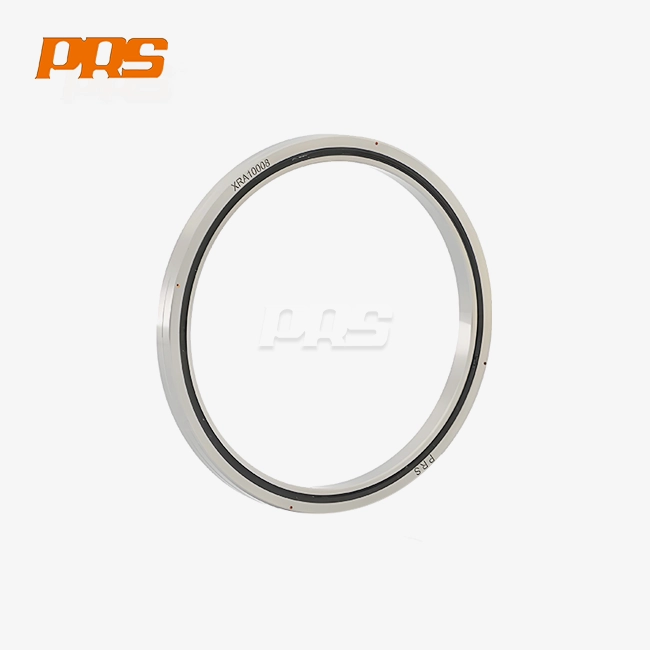 VIEW MORERA Ultra thin bearings
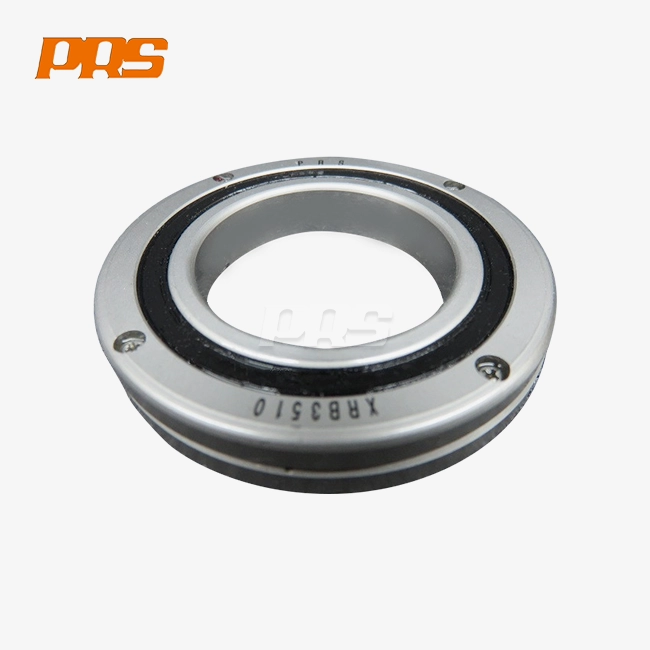 VIEW MORERB Ultra thin bearings
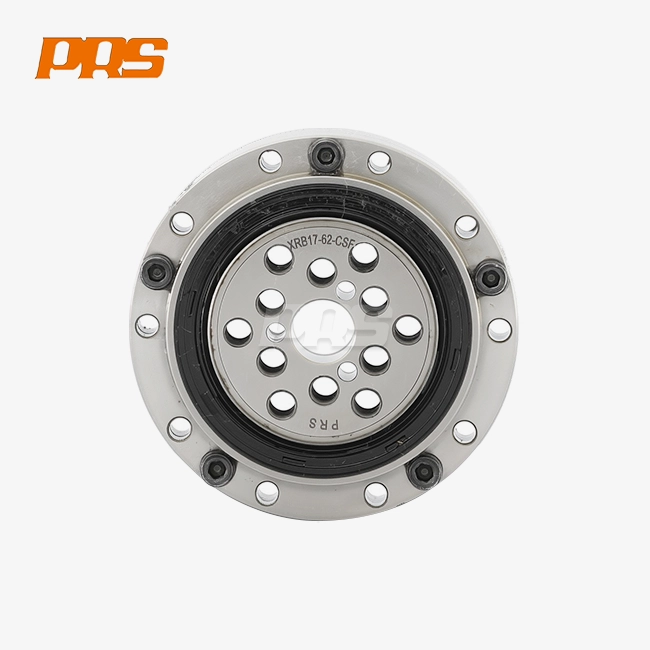 VIEW MOREBearing for harmonic drive
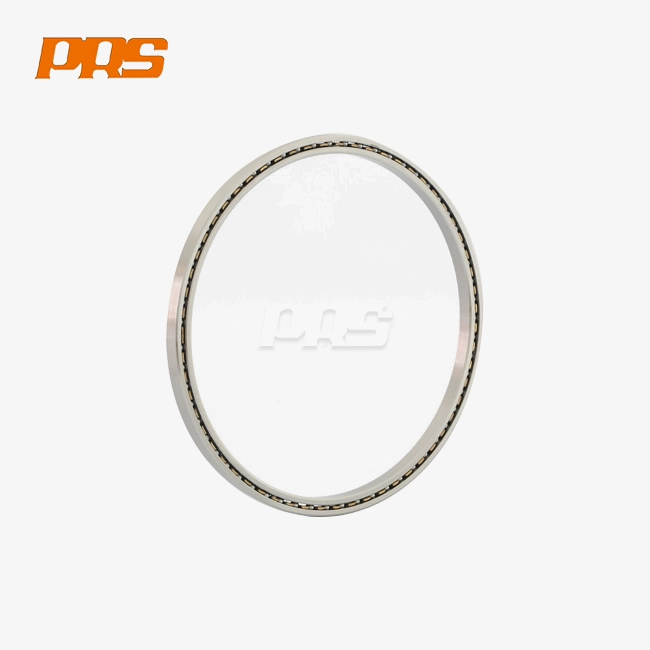 VIEW MOREAngular Contact Ball Bearings
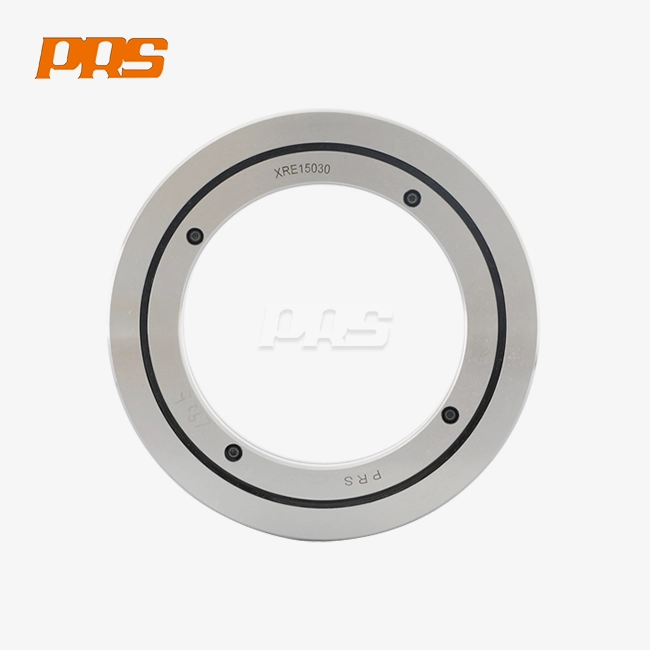 VIEW MORERE Crossed Roller Bearings
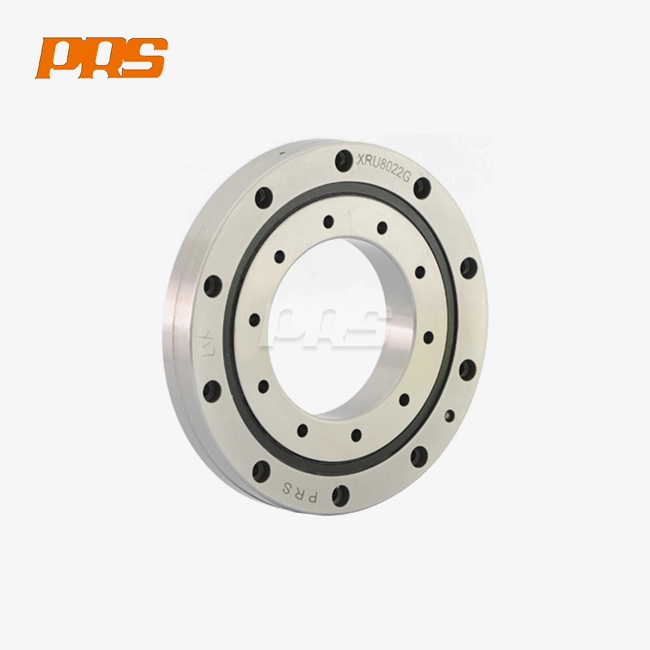 VIEW MORERU Series Cross Roller Bearing
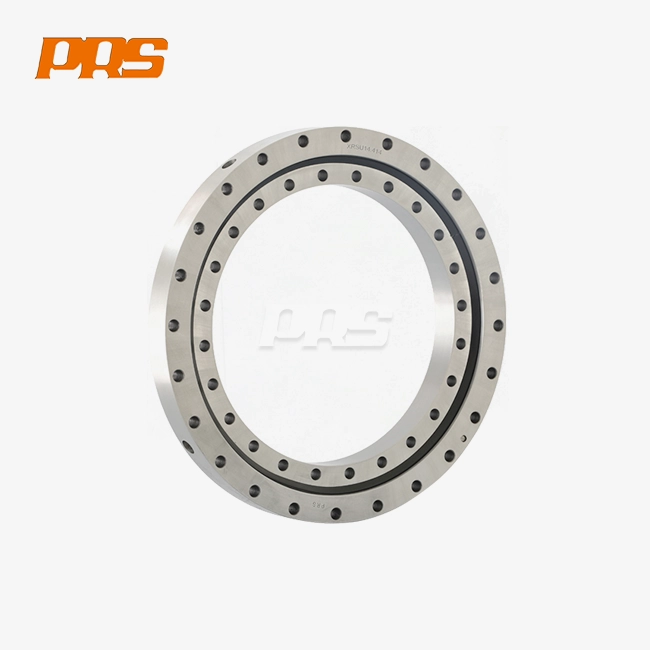 VIEW MOREDouble-Row Angular Contact Ball Slewing Bearings
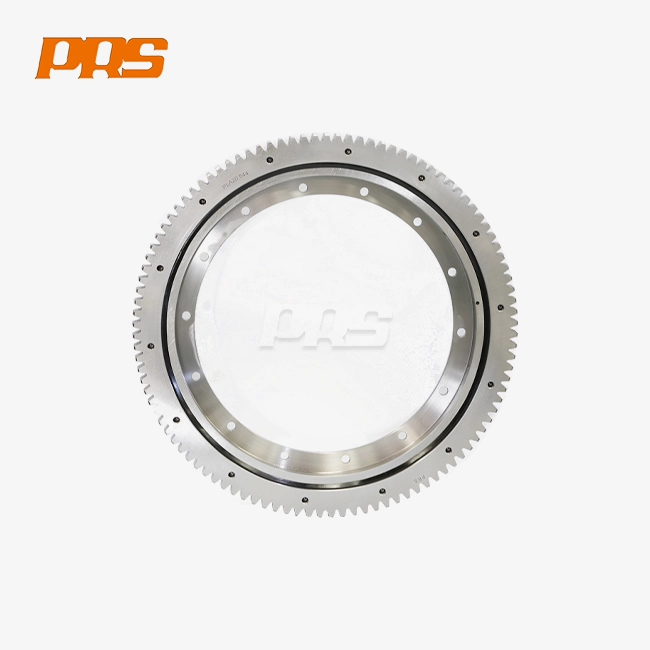 VIEW MOREHeavy-duty slewing bearing