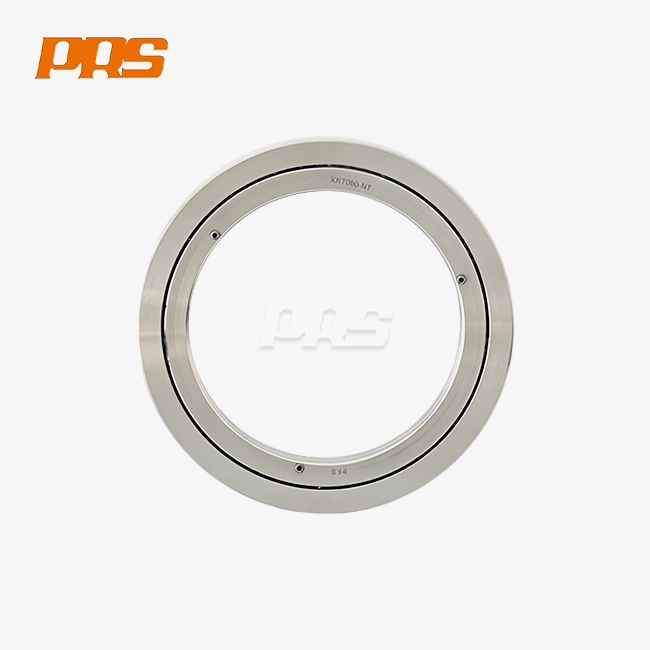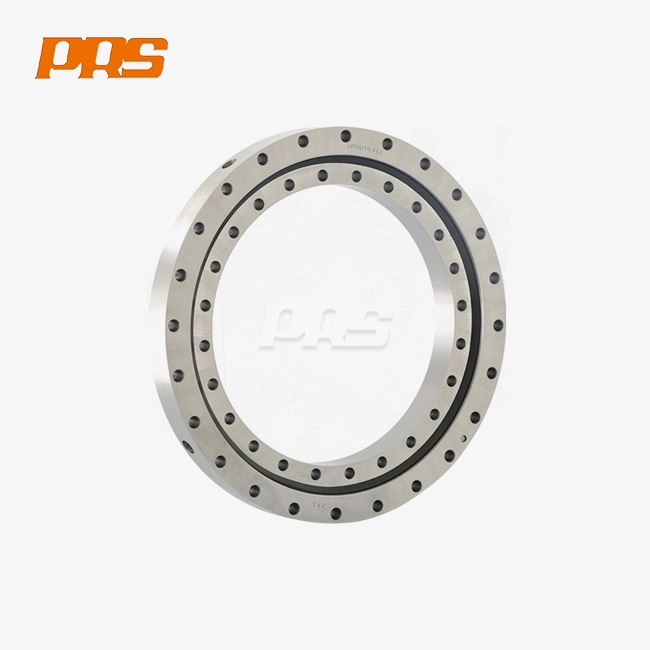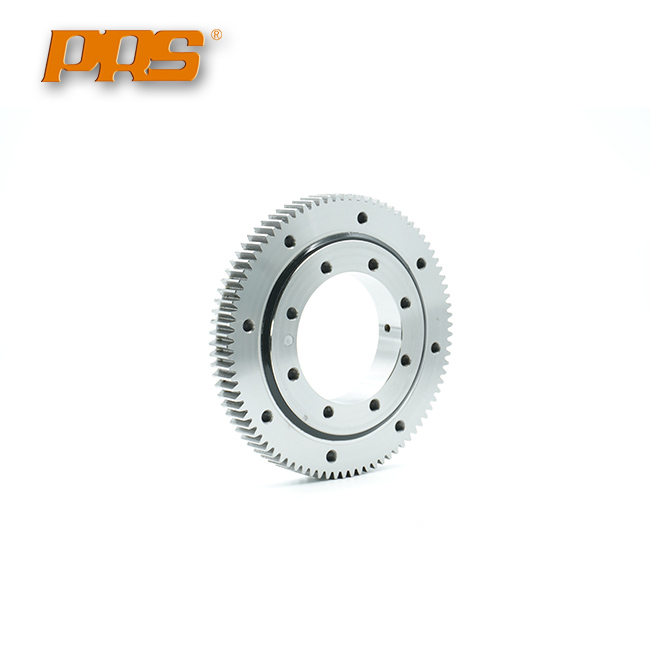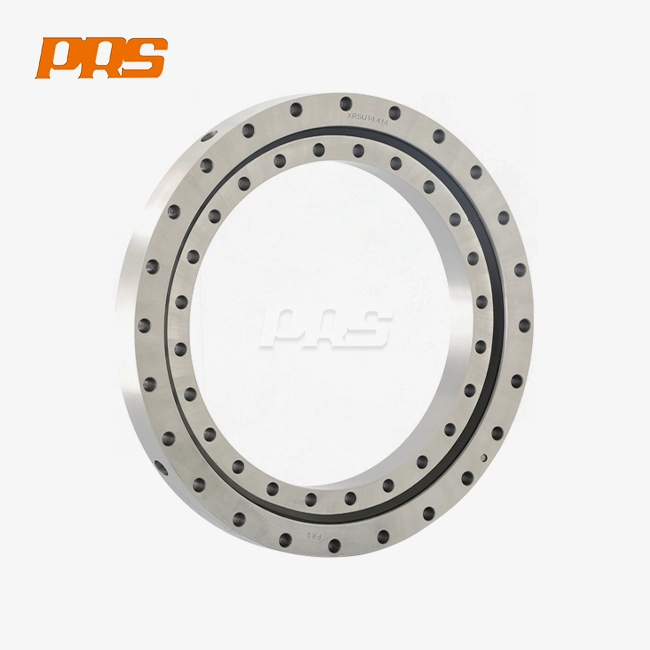

SX Robot Bearings Deliver High Precision for Industrial Robot Joints
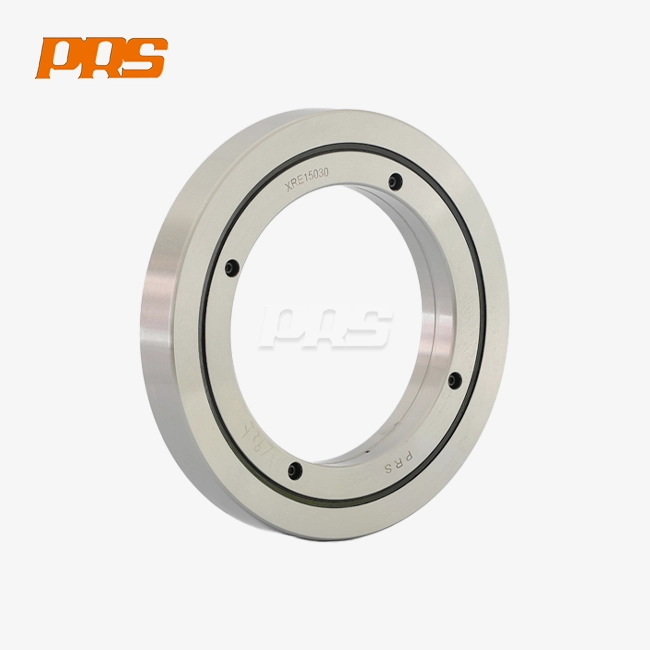
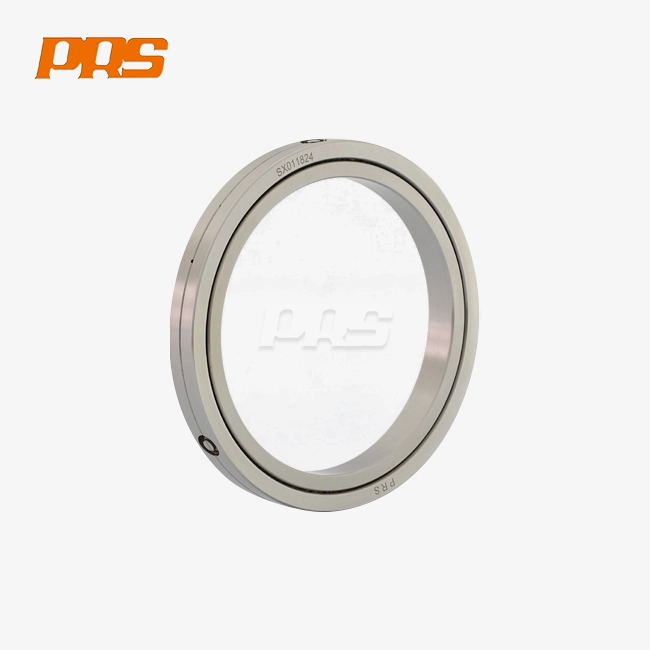
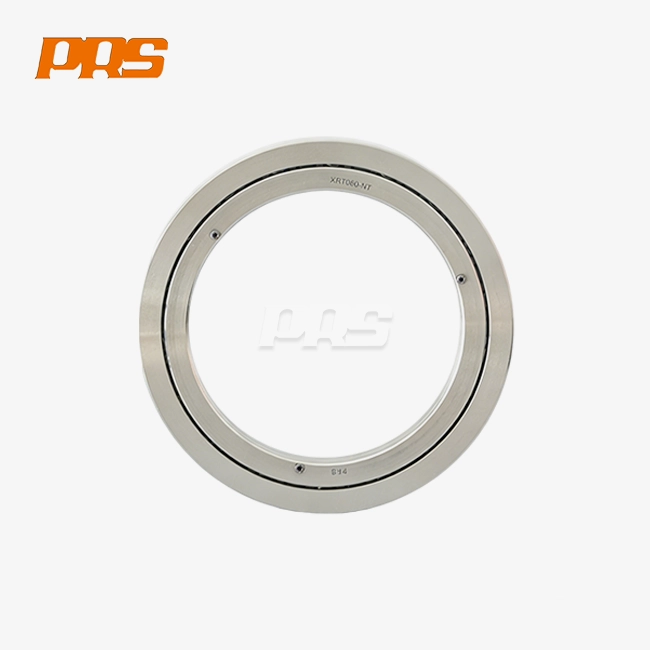
SX robot bearings represent a critical advancement in precision motion control technology, specifically engineered to address the exacting demands of industrial robot joints and rotary mechanisms. These specialized bearings combine high-grade steel construction with advanced manufacturing processes to deliver micron-level accuracy, minimal friction, and exceptional load capacity. In modern automation environments where positioning errors can cascade into production defects, SX robot bearings maintain tight tolerances even under continuous operational stress, ensuring reliable performance in robotic arms, CNC turntables, and precision positioning systems that form the backbone of today's smart factories.
Understanding SX Robot Bearings and Their High-Precision Functionality
Design Fundamentals and Material Engineering
Parts for industrial robots need to be able to handle millions of rounds without losing their effectiveness. The main idea behind precision robot bearings is to keep the structure rigid under both axial and radial loads while achieving zero-backlash operation. Engineers choose high-carbon chromium steel or special alloys that go through controlled heat treatment processes to make the microstructures inside strong and unable to bend. The manufacturing standards are usually in line with ISO 12044, which makes sure that all batches of products are the same size.
The contact shape is what makes modern cross-roller designs different from regular ball bearings. Cross-roller systems put cylinder-shaped parts at right angles to each other, spreading the weight over a bigger area. Moment rigidity goes up a lot with this design. Moment rigidity is important for robot wrist joints and rotary indexing tables where rotational deflection has to stay below 0.0001 degrees. Optimised preloading methods get rid of internal space without creating too much friction. This strikes a balance that keeps spinning smooth while stopping positional drift.
Performance Characteristics That Matter
Robot motion patterns are directly affected by how consistent the torque is. When a bearing has variable friction torque, it's hard for motion controllers to keep acceleration curves smooth. This causes vibrations that make positioning less accurate. Good robot bearings keep the change in friction torque to within ±20% across the temperature range they work in, which lets the servo respond in a reliable way. Lubrication engineering is also very important. Synthetic greases made with lithium complex thickeners and anti-wear additives make protective films that keep metals from touching each other without attracting dirt.
Repeatability tells us if a robot can get back to the same points within a few micrometres of where it started after moving thousands of times. This mechanical memory is based on how smooth the raceway surface is, which is usually ground to Ra 0.02 micrometres or higher. These surfaces that look like mirrors reduce changes in rolling resistance that would otherwise lead to positioning mistakes. Comparative tests show that precision cross-roller bearings work better than regular deep-groove ball bearings in rotational contact situations, especially when moment loads are the most important factor.
Material Innovations and Structural Advantages
New developments in bearing metallurgy have led to the creation of vacuum-degassed steels with fewer non-metallic inclusions. These steels have 30–50% longer fatigue life than standard grades. Surface treatments like ion nitriding make layers that are harder than 60 HRC. These layers don't get micro-pits when they're subjected to oscillating loads, which is common in robotics. In cleanrooms, where particle production must be kept to a minimum, these improvements are especially useful. For example, semiconductor handling robots that work in Class 10 cleanrooms benefit from sealed bearing designs that keep lubricant from moving around while keeping the robots running smoothly.
The cross-sectional shape of current robot bearings is the result of many years of improving them using finite element analysis. Manufacturers have improved the curvature radii of raceways to increase the size of the contact patch without limiting the freedom of rotation. Using reinforced plastics or polished brass in the internal cage keeps the rollers spaced out even during fast acceleration cycles. This stops skewing that would cause noise and wear before it's time.

Key Considerations When Choosing Precision Bearings for Industrial Applications
Evaluating Performance Specifications
Making purchasing decisions for SX robot bearings requires a clear understanding of how specification values translate into real-world performance. Static and dynamic load capacity ratings indicate the amount of force that SX robot bearings can support, but these figures must always be evaluated within the actual operating environment. For example, even a bearing rated for 50 kN of rotational load may experience premature failure if moment loads exceed the designed limits. When engineers select SX robot bearings for robotic joints, automation equipment, and precision motion systems, they must consider all force directions, including radial loads, axial loads, tilting moments, and operational duty cycles. Proper load analysis helps ensure that the bearing design matches application requirements and avoids unexpected downtime. For continuous industrial operation, safety factors between 2 and 3 are commonly recommended to improve reliability. Choosing high-quality SX robot bearings with suitable load ratings, precision manufacturing, low friction performance, and strong durability helps achieve stable robot movement, longer service life, and improved efficiency in demanding automation environments.
Tolerance bands for measurement and rotational correctness are set by precision classification systems. For shafts up to 80 mm in diameter, P4-grade bearings keep the inner ring runout below 2.5 micrometres, making them good for general automation. Tolerances are even tighter with P2-grade components, which provide the sub-micron runout needed for semiconductor lithography tools or medical imaging systems. Because of these stricter requirements, there are higher costs that need to be explained through lifecycle analysis.
Material Selection and Application Matching
Comparing bearing technologies shows which ones are better in different situations. Using silicon nitride rolling elements in ceramic hybrid bearings makes them 40% less dense than steel, which lowers centrifugal forces in high-speed situations. In servo motor uses where variable frequency drives can cause shaft voltages, their electrical insulation qualities stop bearing currents. But ceramics have different thermal expansion properties, and they need to be installed carefully so that the preload doesn't change when the temperature changes.
Standard steel bearings are still the most common type used in industrial robots because they are reliable and don't cost much. Chromium steel cross-roller bearings can easily last 20,000 hours in normal robot joint uses that work at moderate speeds and temperatures if they are properly specified and kept. Diamond-like carbon (DLC) and other advanced coating technologies make it possible to use these materials in border lubrication regimes where regular oils fail. This keeps bearing surfaces safe during the start-stop operations that are common in automation processes.
Total Cost Analysis Beyond Initial Purchase
Procurement managers with a lot of experience know that bearing costs are only a small part of total ownership costs. A broken bearing in a production robot can cause hours of downtime that cost thousands of dollars, which is a lot more than the cost of replacing the part. Looking at data on the mean time between failures (MTBF) from similar apps can help you set realistic standards for reliability. Bearings with better sealing or corrosion-resistant treatments may cost more, but they save money in the long run because they don't need to be serviced as often and don't need to be shut down for no reason as often.
Custom engineering services are more useful than catalogue goods. Manufacturers who can change mounting interfaces, preload specifications, or add sensor mounting features can make systems work better in ways that standard parts can't. This feature is especially useful for original equipment manufacturers (OEMs) who are making their own robot designs and need to set themselves apart from competitors by using motion performance factors.
Maintenance and Troubleshooting for SX Robot Bearings
Establishing Effective Lubrication Protocols
Managing lubrication is the most important thing for making bearings last longer in business settings. Cross-roller bearings usually need to be re-oiled every 5,000 to 10,000 hours of use, but this can change depending on the amount of load, weather, and dirt. NLGI Grade 2 synthetic hydrocarbon greases are the best mix between staying in place inside the bearing and spreading out across the moving surfaces while the machine is running.
How the oil is applied is very important. If you use too much oil, it causes grinding resistance that makes heat, and if you use too little oil, it speeds up wear. Precision dispensing systems that deliver measured amounts through specific lubrication ports make sure that the right amount of oil is added without too much. Temperature tracking lets you know early on when lubrication is failing; bearing temperatures above 70°C usually mean there isn't enough lubrication or there are contamination problems that need to be fixed right away.
Diagnostic Techniques and Early Failure Detection
Using accelerometers placed near bearing housings for vibration research can find problems months before they become catastrophic. Different types of faults can be identified by their unique frequency patterns. For example, outer race defects cause impacts at frequencies that depend on the geometry of the bearing and its speed of rotation, while roller wear causes noise levels to rise across a wide range of frequencies. By plotting these measurements against time over time, you can find the baseline conditions and any deviations that need to be looked into.
Finding ultrasonic sounds caused by cracks spreading or surface damage is another way that acoustic emission tracking can help with diagnosis. This method is very good at finding broken lubrication films before they cause temperature increases that can be measured. When you add condition tracking to predictive maintenance programs, unplanned failures become planned solutions. This keeps production going while making the best use of maintenance resources.
Case Study: Resolving Critical Bearing Issues
A company that manufactures automotive components experienced repeated failures in palletising robot wrist joints after only about 8,000 hours of operation, which was significantly shorter than the expected service life. A detailed investigation found that contamination from airborne coolant mist was entering through ineffective seals, reducing the performance and reliability of the bearing system. By upgrading to advanced SX robot bearings with improved contact seals, moisture-resistant lubrication, and enhanced protection against industrial contaminants, the company increased maintenance intervals to approximately 18,000 hours. These high-performance SX robot bearings provided better sealing performance, higher durability, and improved operational stability for robotic wrist joints used in automotive production lines. The upgrade reduced annual maintenance costs by 40% and prevented unexpected production interruptions caused by bearing failures. This case demonstrates how selecting reliable SX robot bearings with optimized sealing technology, precision manufacturing, and long service life can improve automation efficiency and reduce total operating costs in demanding industrial environments.
Procurement Strategies for High-Precision Robot Bearings
Navigating Supply Chain Channels
Building relationships with authorised distributors guarantees that the product is real and that you can get technical support. Counterfeit bearings are a constant problem in the industry. Low-quality goods look the same on the outside but haven't been properly heat-treated or ground. Reliable providers offer material approvals, dimensional inspection reports, and tracking documents that prove the products' production history. This is important for uses where failure could affect safety or cost a lot of money.
There are cost benefits to buying in bulk that go beyond simple number savings. Manufacturers can improve the scheduling of their production, which lowers the costs of setup and helps buyers by lowering prices. Blanket orders with scheduled releases are a good way for OEMs with predictable production volumes to balance the costs of keeping inventory with the benefits of buying things quickly. Custom packing choices, like protective individual cases vs. large packs, should match how the goods are handled to avoid damage during storage and installation.
Understanding Value Beyond Unit Cost
Warranty terms show that the company that made the product is confident in its reliability. Standard warranties that cover flaws in the manufacturing process are the most basic form of safety. Longer warranties or performance promises show that the quality control is better. Technical support, such as application engineering help, failure analysis services, and custom specification consultation, adds a lot of value and means that the partner should be chosen based on their skills instead of just having the lowest acquisition cost.
Considerations about lead times affect how resilient the supply chain is. Standard catalogue items usually ship within days, but custom configurations can take anywhere from 6 to 12 weeks, based on how complicated the specifications are. Keeping a strategic inventory of critical bearings balances the costs of carrying them against the operational risk they pose. This is especially important for older equipment where replacement parts may become hard to find as products become obsolete.
Digital Procurement Best Practices
These days, it's easier to choose a bearing because of parametric search tools that sort through thousands of options based on size limits, load ratings, and precision grades. Downloading CAD models lets you check how well they fit virtually before you buy, which cuts down on specification mistakes. Digital documentation repositories make installation directions, upkeep guidelines, and performance specs instantly available. These are tools that help with both the initial selection phase and the ongoing operational phase.
Why Choose SX Robot Bearings? Brand Trust and Future Prospects
Manufacturing Excellence and Quality Assurance
Special bearing development has been a speciality of Luoyang PRS Precision Bearing Co., Ltd. since 2003. The company specializes in precision crossed cylindrical roller and tapered roller bearing designs used in demanding automation applications, including high-performance SX robot bearings for industrial robots, robotic arms, and precision motion systems. PRS applies ISO-certified manufacturing processes to ensure consistent quality, dimensional accuracy, and reliable performance across every production batch. For applications requiring extreme positioning accuracy, precision grades can reach P2 levels, helping SX robot bearings achieve low friction, high rigidity, and stable operation under complex working conditions. This technical capability makes PRS a strong local alternative to imported bearing suppliers by providing comparable performance with advantages such as flexible logistics, shorter delivery cycles, and responsive engineering support. With advanced manufacturing technology, strict quality control, and customized solutions, SX robot bearings support the needs of automation equipment manufacturers seeking reliable components for robotics, CNC systems, and intelligent manufacturing applications.
Customer reviews from machine tool builders and automation integrators show that PRS can change the specifications of bearings to meet the needs of specific applications. When engineers work together on the development of a product, they can improve mounting interfaces, sealing arrangements, and lubrication systems that can't be done with standard catalogue parts. With this partnership method, suppliers become part of development teams and not just transactional vendors, which leads to long-term ties.
Innovation Aligned with Industry Evolution
As manufacturing becomes smarter, it needs parts that work with predictive maintenance architectures. PRS actively creates bearing designs with sensor integration points for monitoring temperature and vibration. This allows condition-based maintenance strategies that make the best use of components and avoid sudden failures. Early adopters of these innovations that are in line with Industry 4.0 will be able to take advantage of practical efficiency gains as connected workplace ideas become more common.
Sustainability issues are becoming more and more important in bearing design choices. Increasing the service life directly lowers the amount of materials used and trash that needs to be thrown away, and making robot ships more efficient lowers the amount of energy they use. PRS is dedicated to making long-lasting, high-performance bearings that don't need to be serviced as often. This is in line with the company's efforts to reduce its environmental impact throughout its manufacturing processes.
Conclusion
To choose the right precision bearings for industrial robot joints, you have to weigh a lot of technical factors against budget and operational needs. SX robot bearings provide the precision, rigidity, and dependability needed for tough robotic tasks in a wide range of fields, from making semiconductors to building flight systems. Understanding what the specifications mean, following the right maintenance procedures, and building relationships with reliable suppliers are all ways to make sure that bearings work well for the whole life of an item. As robotics technology keeps getting better, new bearings will be needed to keep up with the high standards for precision and uptime that are needed in competitive factory processes.
FAQ
What service life can I expect from SX robot bearings in continuous industrial operations?
The length of time something works relies on things like the load, speed, temperature, and how well it is maintained. Precision cross-roller bearings can usually last between 20,000 and 30,000 hours of use with normal industrial robot job cycles and the right amount of grease. Service life can be extended to 40,000 hours or more in situations with moderate loads, controlled environments, and regular maintenance. Standardised calculation methods set out in ISO 281 can be used to make more accurate life predictions when SX robot bearings experts are asked about specific application factors.
How do steel robot bearings compare with ceramic hybrid alternatives?
Heavy-duty steel bearings have been used for a long time and have been shown to be reliable and cost-effective in most industrial robot applications. Ceramic hybrid bearings are better for high-speed uses because they have lower centrifugal forces. They also offer electrical shielding that keeps bearing currents from flowing in servo motor settings. The choice depends on the needs of the application. Ceramic options are worth the extra cost when their special qualities solve problems that steel bearings can't perfectly handle.
Can robot bearings be customized for specialized automation applications?
Reliable makers, such as PRS, offer engineering services that can change the specs of bearings to meet specific needs. Some of the customisation options are different preload configurations, different mounting sizes, better sealing systems, special lubrication, and different materials. Custom development usually has lower minimum order quantities and longer lead times than catalogue products, but it provides better performance in situations where standard parts limit the system's abilities. Getting engineering advice early on in the process of designing equipment increases the value of customisation the most.
Partner with a Trusted SX Robot Bearings Manufacturer
We at Luoyang PRS Precision Bearing Co., Ltd. are experts at making robot bearings that are precisely built to meet the strict needs of industrial automation. PRS has been making things for more than 20 years and uses ISO-certified production standards. They offer high-accuracy solutions at reasonable prices that reach P4 and P2 precision grades. Our engineering team can help you choose the best bearings for your robotic applications, whether you need standard configurations or OEM solutions that are made just for you. We provide reliable supply chain help and full after-sales service to procurement managers and automation experts all over the United States. You can talk to our application experts about your SX robot bearings needs at ljh@lyprs.com. You can also ask for full product specifications or quotes for large orders from a qualified supplier that is dedicated to providing excellent, dependable, and stable performance.
References
1. Harris, T.A. and Kotzalas, M.N., "Advanced Concepts of Bearing Technology: Rolling Bearing Analysis," Fifth Edition, CRC Press, 2006.
2. International Organization for Standardization, "ISO 12044: Rolling Bearings - Single Row Angular Contact Ball Bearings - Dimensions and Tolerances," 2014.
3. Waumans, T., Peperstraete, J., and Renders, P., "Cross Roller Bearings for Industrial Robot Applications: Design Considerations and Performance Characteristics," Journal of Mechanical Engineering Science, Vol. 225, 2011.
4. Lynagh, N., Rahnejat, H., and Ebrahimi, M., "Bearing Induced Vibration in Precision High Speed Routing Spindles," International Journal of Machine Tools and Manufacture, Vol. 40, 2000.
5. American Bearing Manufacturers Association, "Load Ratings and Fatigue Life for Ball Bearings," ABMA Standard 9-1990 (R2006).
6. Zhou, R.S. and Hoeprich, M.R., "Torque of Tapered Roller Bearings," Journal of Tribology, Transactions of the ASME, Vol. 113, 1991.

USER EVALUATE
Here is the customer's evaluation of us