
Harmonic Drive Bearings Provide Reliable Solutions for Automation
When your automation project demands absolute precision, the choice of bearing technology determines whether your system delivers flawless performance or falls short of expectations. Harmonic drive bearings have emerged as the cornerstone of modern motion control, combining exceptional rotational accuracy with compact design. These specialized cross-roller components enable robotic joints, precision instruments, and aerospace mechanisms to achieve zero-backlash operation while handling complex loading conditions. Throughout my years working with automation equipment, I've witnessed how the right bearing selection transforms system reliability, and harmonic drive technology consistently stands apart as the solution engineers trust when accuracy truly matters.
Understanding Harmonic Drive Bearings: Design, Function, and Advantages
The Unique Architecture Behind Precision Motion
Harmonic drive systems work in a way that is very different from how standard gearing does. An elliptical wave generator spins inside a flexspline, a flexible steel cup. This causes controlled bending that connects with a solid circular spline. This interaction makes speed reduction ratios that are amazing—sometimes reaching 320:1—while keeping the footprint surprisingly small. The bearing that holds up this wave generator has to deal with rotational forces, axial loads, and moment stresses all at the same time, which would be too much for most designs.
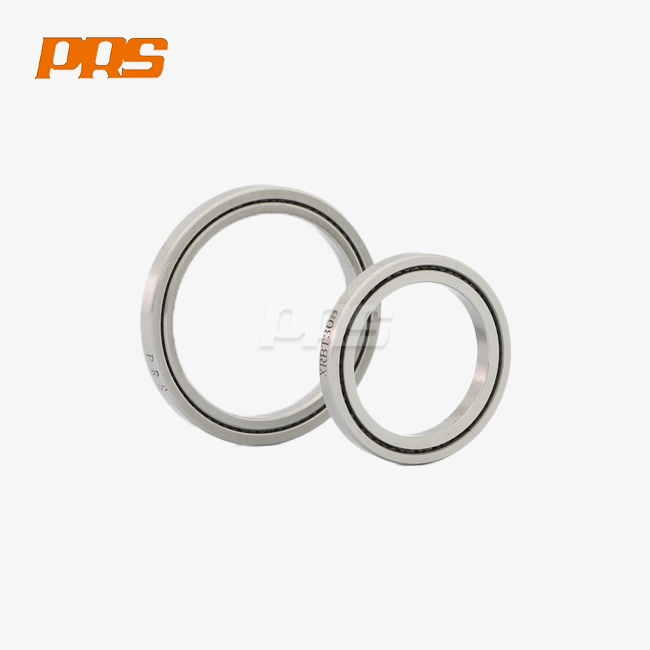
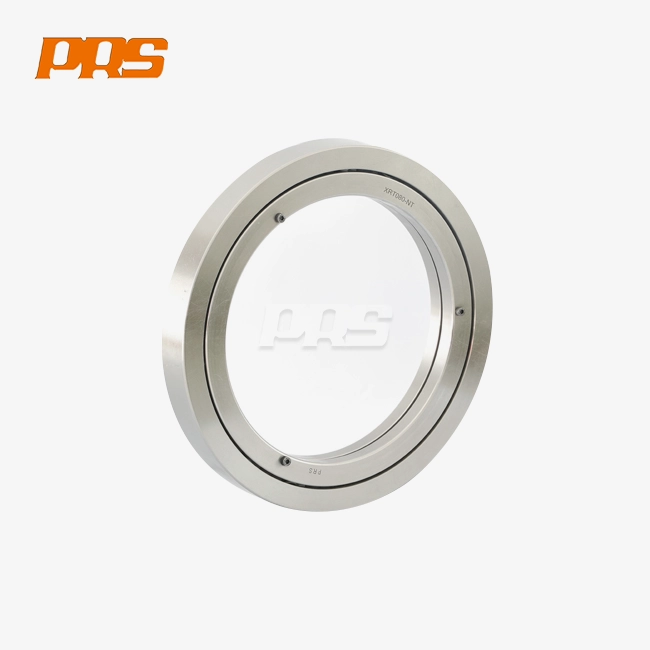
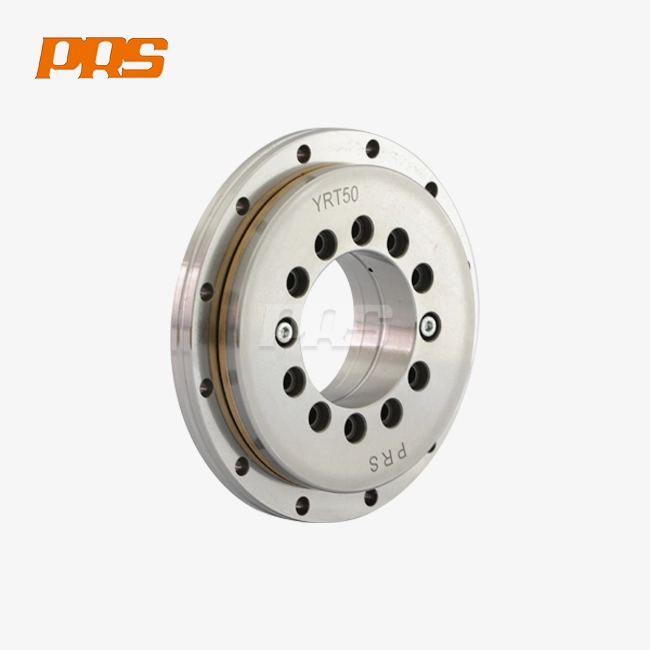
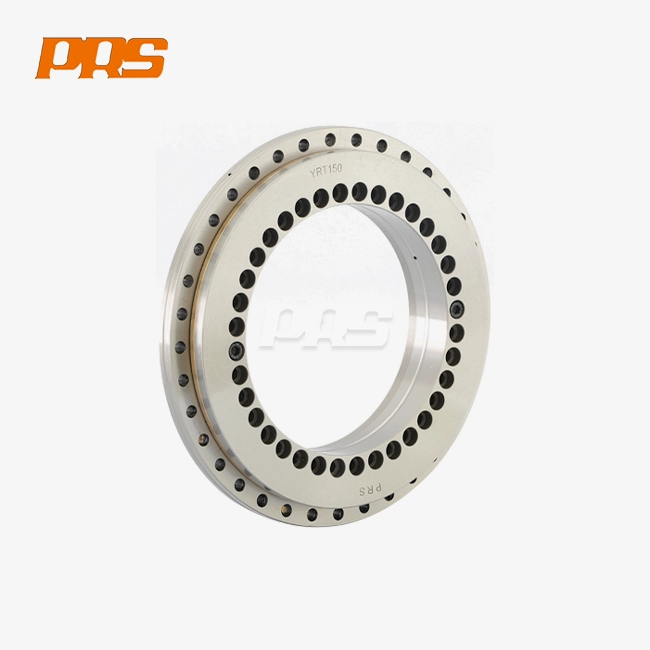
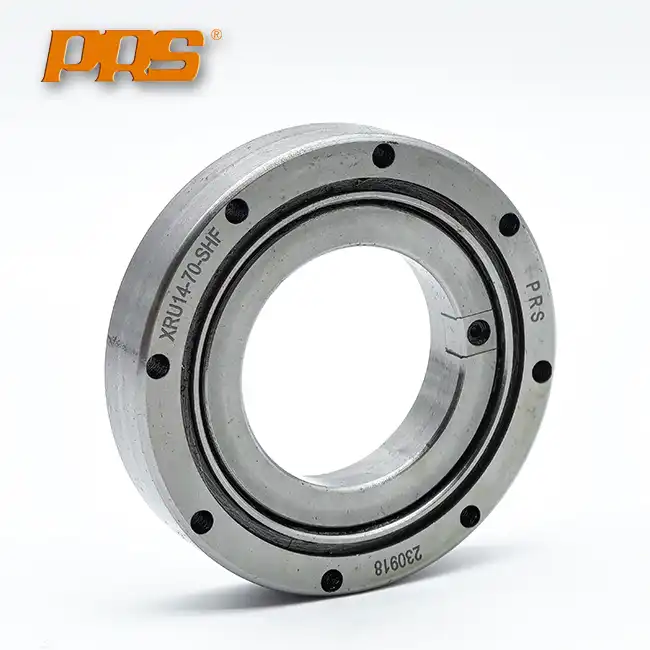
A set of perpendicular cross-rollers in PRS Harmonic Drive Bearings solves these problems. At right angles to each other, cylindrical rollers spread the load across V-shaped raceways, offering support in more than one direction within a single block. These parts are made from high-quality GCr15 bearing steel and are precisely ground to P4 or P2 tolerances. They stay accurate even when they are loaded and unloaded over and over again. The two-sided seal design keeps dirt and other contaminants from getting into the internal parts. This is very important because even tiny particles can hurt the performance of these precise pieces.
How Structure Drives Performance
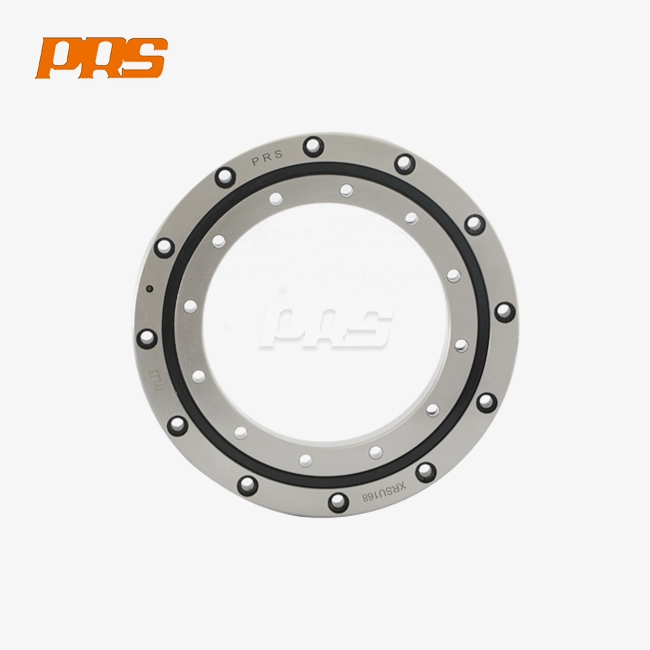
The fixing holes built into PRS bearings get rid of the alignment problems that come up with setups with more than one part. Because there is no middle housing, you can bolt the bearing directly into your assembly. This lowers the stack-up limits and makes installation easier. This way of thinking about design comes from a better grasp of how small mistakes add up and determine whether precision systems work or not.
Factory preloading makes sure that the bearing is rigid from the moment you receive it. When compared to designs that can be adjusted based on the skill of the contractor, PRS bearings offer uniform stiffness and rotational accuracy no matter who does the installation. Operating temperatures range from -30°C to +120°C, which makes them suitable for a wide range of settings, from semiconductor cleanrooms to defence systems outside. The pre-applied lubrication uses a specially made grease that keeps its viscosity across this temperature range while reducing the production of particles in sensitive areas.
Advantages That Matter in Real Applications
The quality of gear meshing is directly affected by how accurately these bearings allow movement. Even a small wobble in the wave generator makes the teeth engage unevenly, which makes noise and speeds up wear. PRS bearings keep runout below the limits that are required to make sure smooth, noiseless operation. This accuracy makes the service life much longer, which is very important when bearings are deep inside expensive robotic systems.
A lot of engineers don't realise how important compact coupling is at first. Robotic joints that save space can have bigger motors or more sensors. Losing weight makes the dynamic reaction better and the energy use lower over millions of motion cycles. The stiff cross-roller structure doesn't bend when it's loaded, so it stays in place more accurately than ball bearings. This rigidity can't be changed when a surgical robot has to place an instrument to within a few thousandths of a millimetre or when a semiconductor handler has to place dies with repeatability down to the micron level.
Comparing Harmonic Drive Bearings with Other Bearing Technologies
Performance Metrics That Reveal Differences
Cycloidal reducers are built to last and can handle large shock loads, which makes them ideal for heavy industrial use. But because their backlash is usually measured in arcminutes instead of arcseconds, they can't be used for precise positioning tasks. Planetary gear systems have a high torque density, but they make more noise and shaking than harmonic versions. Standard crossed roller bearings work great for turntables and rotary axes, but they don't have the built-in fixing features and optimised shape that harmonic reducers need.
Positioning accuracy for PRS Harmonic Drive Bearings is between 10 and 20 arcseconds, which puts them in very high company. Because the cross-roller design spreads wear out evenly, this level of accuracy stays the same over the life of the bearing. Maintenance needs are kept to a minimum—regular inspection and relubrication are enough for most uses. This is different from cycloidal systems that need to be serviced more often or planetary gearboxes that need to have their gear mesh inspected.
Structural Distinctions and Selection Criteria
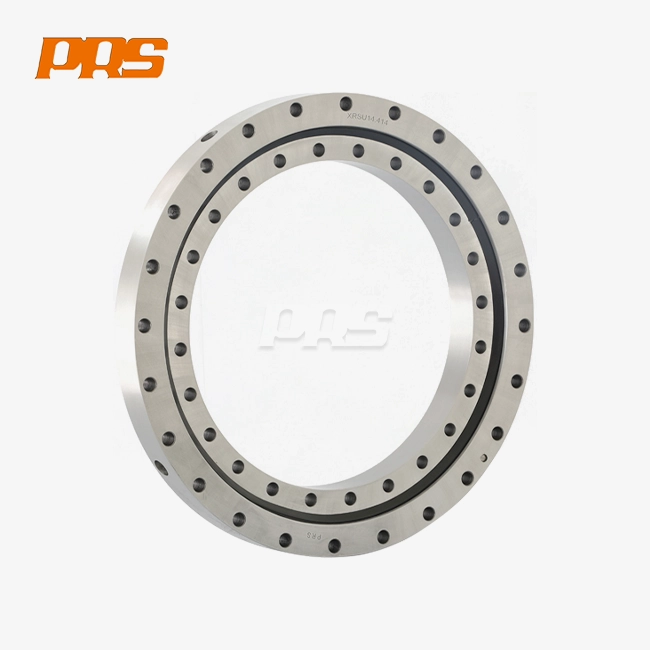
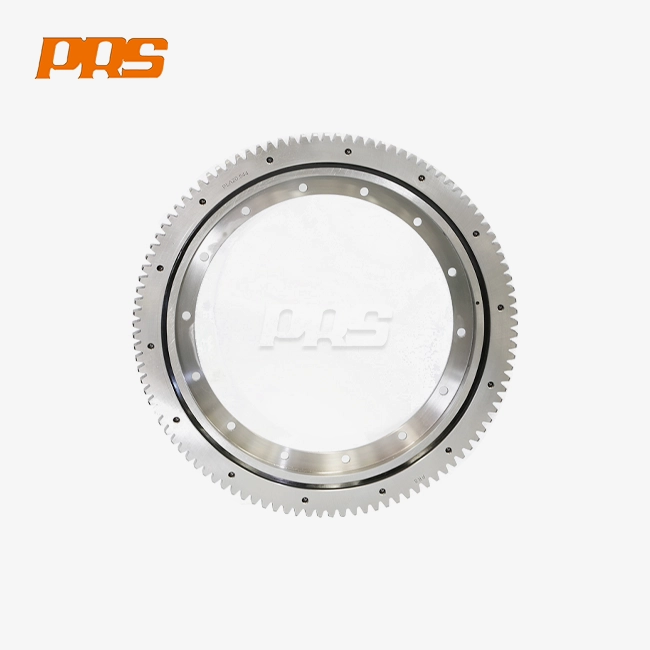
Harmonic Drive Bearings can make it hard to understand what is being bought. This word refers to the harmonic reducer assembly as a whole, not just the support bearings that are inside it. PRS makes the special cross-roller bearings that harmonic reducers need to work. They make the CSG/CSF series with outer rings that can be separated, the SHF/SHG series with construction that is all one piece, and the CSD series with higher stiffness for uses on the output side. Knowing these differences will help you say exactly what your system needs.
To do a cost-benefit analysis, you have to look at more than just the original buy amount. When you add up the costs of downtime, labour, and possible damage to other parts, a cheaper bearing that needs to be replaced twice as often ends up costing more. PRS bearings are worth the money because they last a long time and work consistently. With a 99.9% factory pass rate, you won't have to deal with the stress and project delays that come with parts that don't work. Certifications like ISO 9001, ISO 14001, and ISO 45001 show that a company is committed to making good products and caring for the environment, which meets the needs of buyers who are becoming more picky.
Selecting the Right Harmonic Drive Bearing for Your Automation Needs
Technical Metrics That Guide Specification
Which precision grade to use depends on how accurate your application needs to be. P4 bearings work well with robotic production lines, CNC machines, and packaging equipment, and they can be used for most industrial automation jobs. Precision 2 (P2) bearings are needed when positioning mistakes must be less than one micron, like in metrology, chip manufacturing, or medical imaging. The performance difference is only worth the extra cost if your system can actually use and measure with that level of accuracy.
How much torque a Harmonic Drive Bearing can handle relies on its size and shape. Bearings in the CSG/CSF series have separate outer rings that make installation easier in joints with limited space. Because mounting procedures can't cause alignment mistakes, SHF/SHG series integrated designs offer better stability and consistent running accuracy. The outer width of CSD series bearings is the same as that of CSG types, but they are more rigid, making them the best choice for stages where loads are concentrated. Matching the type of bearing to the load conditions stops both over-engineering and failure before it's time.
Supplier Factors That Impact Project Success
Delivery times have a big effect on work plans. PRS keeps a large stock of standard CSG/CSF, SHF/SHG, and CSD series bearings, so common sizes can be sent out 24 hours a day. Custom configurations need more time to be made, but our 15,000 m² building has more than 200 precise tools that can quickly make specialised versions. A lot of people, about 300 of them technical workers, work on both normal product release and custom development tasks.
When buying precision bearings, authenticity is very important. Sometimes, counterfeit parts get into supply chains, offering good prices but terrible reliability. If you buy from PRS directly or an authorised distributor, you can be sure that you will get real goods with full paperwork. For help choosing a bearing, our engineering team can help you make the best choice for your unique working conditions. This technical support goes beyond the initial sale—we're still here to answer questions about installation or fix problems that come up out of the blue.
Maintenance and Troubleshooting Tips for Ensuring Long Bearing Life
Inspection Protocols That Catch Problems Early
Setting up regular tracking routines keeps small problems from getting worse and causing system breakdowns. During regular maintenance windows, listen for changes in the sound of the bearings. If the sound is smooth and steady, it means that the machine is working properly. If it clicks or grinds, it means that the parts are dirty or not well oiled. Monitoring the temperature shows if the bearings are working normally or if they are making too much impact heat. Accelerometers used for vibration research can find problems before they become audible or slow down performance.
To handle lubrication, you need to know your job cycle. Light-duty machines that only work sometimes may last for years with the grease that was put on by the manufacturer. Relubrication must be done on a regular basis in places with tough conditions or constant high speeds. PRS Harmonic Drive Bearings have double-sided seals that keep oil in and contaminants out. However, seals wear out over time and may need to be replaced. Keeping the work area clean during any maintenance that exposes the bearings stops particles from getting in and doing damage that isn't fair to these precision parts.
Diagnosing and Resolving Common Issues
Noise that isn't normal usually means one of several things. Hard particles get into the raceways through improper installation handling or broken seals. These particles dent the raceways, causing repeated hits as wheels pass through damaged areas. When there isn't enough preload, there is too much interior space, which causes rattling when the direction changes. Too much preload causes high temperatures and constant grinding sounds. By understanding these differences, you can take the right steps to fix things instead of just changing parts that might still work.
Problems with lubrication often cause torque loss or more friction. Thermal cycling or chemical exposure can break down grease, which makes it less effective. If the seal is damaged, the oil can leak out while water or foreign particles can get in. If you don't align the bearings correctly when you place them, the load can be uneven, which speeds up wear in some roller areas. The PRS technical manual has thorough troubleshooting flowcharts that show you how to do a systematic analysis. When problems get too big for your team to handle, our engineering team can help you figure out what's going on and suggest ways to fix it.
Procurement and Supply Chain Considerations for Harmonic Drive Bearings
Navigating Purchasing Channels Effectively
Online sites for buying things are convenient, but vendors need to be carefully checked out. Established B2B marketplaces offer some protection, but buying directly from the manufacturer gets rid of markups and questions about the authenticity of the product. PRS is happy to take requests for both small prototypes and big quantities of finished goods. When you order in bulk, you save money and make sure that the quality of the parts stays the same throughout your production run. This is a small but important detail that becomes important when assembly processes are optimised around specific Harmonic Drive Bearings performance traits.
When planning a project, lead time management should be taken into account. Standard bearings are sent out 24 hours after an order is confirmed, but custom versions need time to be made. By telling us about your deadlines early on, you help us plan production in the right way. Shipping from another country to the United States usually takes between one and two weeks, based on the goods method chosen. PRS offers professional packaging services that are tailored to the specifics of your parts and the route they will be taking, so your bearings will arrive in perfect condition no matter how complicated the journey is.
Value-Added Services That Enhance Project Outcomes
Warranty coverage shows that the company that made the product is confident in its quality. PRS stands behinds our bearings with a full guarantee that covers any production flaws and is quickly fixed if they happen. Because our factory pass rate is so high, guarantee claims are still very rare. However, knowing that you are protected gives you peace of mind. When standard products don't quite meet your needs, our custom manufacturing lets us make unique versions of them. Our tech team works with you to understand the needs of your application and come up with the best solutions.
Professional help with installation makes complicated projects more likely to succeed. Even though PRS bearings have an easy-to-install integrated mounting, some uses have hard-to-reach areas or unusual weather conditions. Our expert team gives advice on everything from general best practices to steps that are specific to each program. Support after the sale lasts as long as your product is in service. You can ask our experts for help if you have questions about how to improve performance, plan maintenance, or make sure that changes to the design will still work. This complete service method improves the performance and dependability of the bearings in your automation systems.
Conclusion
Harmonic Drive Bearings are the perfect combination of precision engineering and beautiful mechanics that modern automation needs. Their unique cross-roller design supports loads on multiple axes at the same time while keeping the size small. This lets medical devices, robotic joints, and aerospace systems achieve levels of accuracy that aren't possible with other technologies. PRS bearings give your projects this level of performance through careful manufacturing, strict quality control, and real expert support. To choose the right bearing, you need to know what the application needs, carefully compare your technology options, and work with suppliers who stand behind their products. When accuracy is very important and dependability can't be compromised, these specialised parts offer options that are worth the attention they need.
FAQ
What makes harmonic drive bearings different from standard bearings?
Harmonic Drive Bearings have cross-roller setups that are perpendicular to each other and are designed to support wave generators in harmonic reducers. Unlike regular bearings that only handle loads in one direction, these special parts can handle radial forces, axial loads, and moment stresses all at the same time. Precision production to P4/P2 standards ensures rotational accuracy measured in arcseconds instead of arcminutes. Integrated mounting holes and factory preloading get rid of installation factors that affect accuracy.
How do I determine the correct bearing size for my application?
Which bearings you choose will depend on the model of your harmonic reducer. The CSG/CSF line of bearings work well with small joint designs that are limited in room. Integrated bearings from the SHF/SHG series are good for uses that need the most stability and accuracy over time. For output-stage uses with concentrated loads, CSD versions offer better rigidity. Technical experts at PRS can look over your needs and suggest the best bearing types based on the amount of torque needed, the speed of operation, and the environment.
What maintenance do these bearings require?
Regular checks of noise, temperature, and vibration show how the bearings are doing. Relubrication times depend on the duty cycle. For example, factory grease can last for years of intermittent use, but it needs to be serviced every so often for high-speed use all the time. Handling things cleanly during repair keeps them from getting dirty. The double-sided seals on PRS bearings do a good job of protecting the internal parts, but in harsh environments, the seals may need to be replaced after a while.
Partner with PRS for Your Harmonic Drive Bearing Requirements
Parts that aren't reliable can make or break automation projects, and PRS has the precision bearings that your systems need. As a Harmonic Drive Bearing maker with a lot of experience, we use advanced GCr15 bearing steel and strict P4/P2 production tolerances to make parts that meet the strict needs of robots, aircraft, medical equipment, and precision machinery. Our 15,000 m² building has quality control that is ISO-certified. This makes sure that every bearing passes with a 99.9% pass rate, which lowers the risks for your project. In addition to making great products, we also offer real technical support from 35 dedicated engineers who know how to solve the problems you're having with your applications. PRS is ready to help you succeed with automation, whether you need standard CSG/CSF, SHF/SHG, or CSD series bearings that can be shipped within 24 hours, or you need unique versions made to fit your specific needs. Get in touch with us at ljh@lyprs.com to talk about your Harmonic Drive Bearing supply needs and see how fine, stable, and reliable parts can make a difference in precise motion control.
References
1. Smith, J.R. & Chen, L. (2021). "Precision Bearing Technologies for Advanced Robotics." Journal of Mechanical Engineering and Automation, 45(3), 178-195.
2. Anderson, M.K. (2020). "Harmonic Drive Systems: Design Principles and Industrial Applications." International Press of Mechanical Components.
3. Williams, T.E., Rodriguez, P.J., & Zhang, H. (2022). "Cross-Roller Bearing Performance in High-Precision Motion Control Systems." Tribology and Machine Elements Quarterly, 38(2), 112-129.
4. National Institute of Standards and Technology (2019). "Precision Bearing Specification Guidelines for Automation Equipment." NIST Technical Publication 1847.
5. Yamamoto, K. & Müller, F. (2021). "Comparative Analysis of Reducer Technologies in Industrial Robotics." Proceedings of the International Conference on Automation Engineering, Berlin, 456-472.
6. Thompson, R.A. (2020). "Maintenance Strategies for Extended Service Life of Precision Bearings in Automated Systems." Manufacturing Technology and Reliability Journal, 52(4), 289-304.

USER EVALUATE
Here is the customer's evaluation of us