
Harmonic Drive Bearings Improve Repeatability in Industrial Robots
Repeatability defines success in industrial robotics. When your assembly line demands micron-level positioning across millions of cycles, the bearing supporting your robot's harmonic drive becomes the silent guardian of quality. A Harmonic Drive Bearing isn't just another component—it's the foundation that transforms theoretical precision into tangible production results. These specialized cross roller bearings deliver the zero-backlash performance and rotational accuracy that separate acceptable robotic performance from exceptional repeatability, directly impacting your yield rates and operational efficiency.
Understanding Harmonic Drive Bearings and Their Role in Industrial Robots
Positioning drift is the enemy of mechanical systems that engineers in manufacturing have to fight all the time. Harmonic drive systems solve this problem with beautiful simplicity, and the bearings that hold them up are very important.
What Makes These Bearings Different
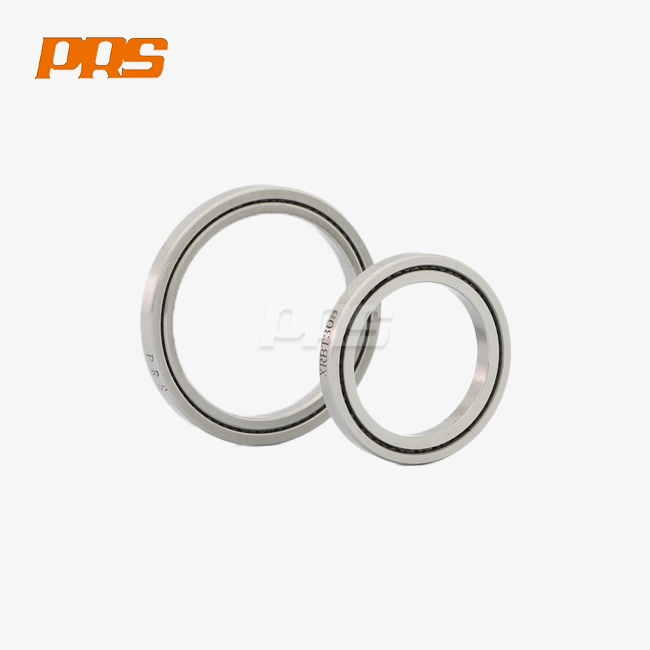
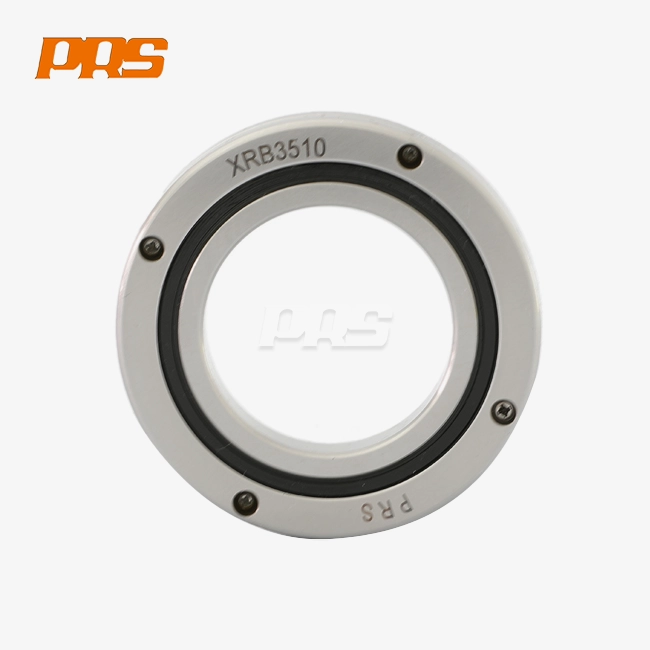
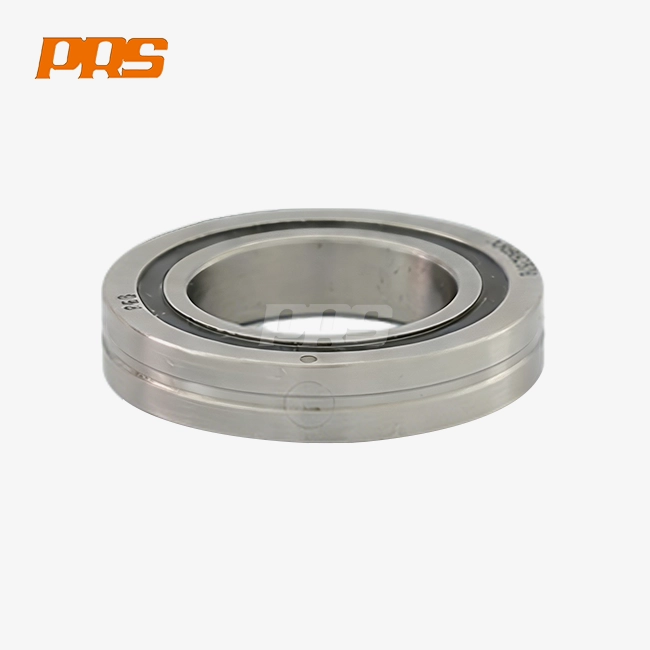
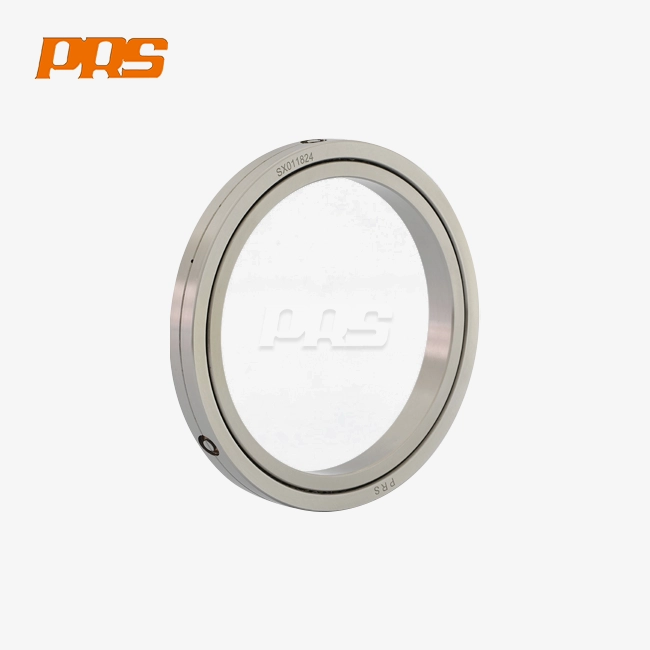
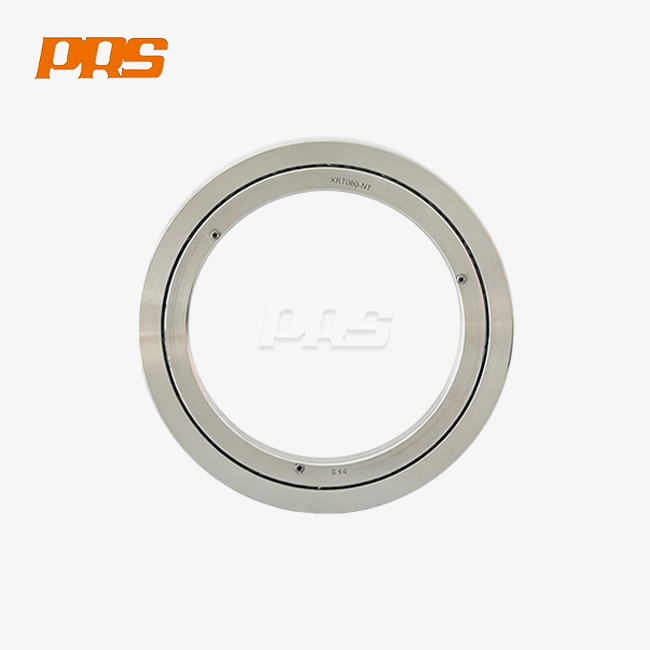
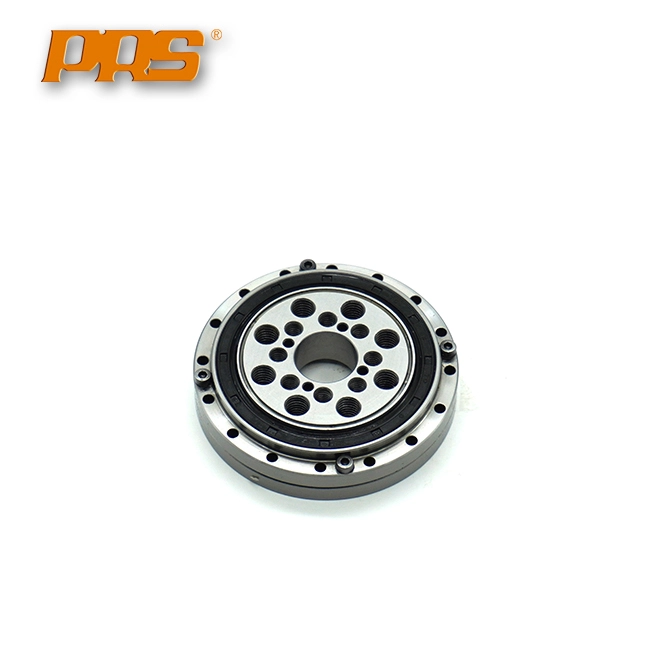
Harmonic reducer bearings have rollers that are arranged perpendicularly on precise V-shaped raceways. This setup can handle rotational loads, axial forces, and rotating moments all at the same time, and it does so in a small space. Cross roller designs spread forces across multiple contact points, keeping the bearings stable even when loads are changing. This is different from traditional ball bearings, which work best when only one load is applied.
In a harmonic drive, the wave generator spins inside a flexible spline, which makes controlled deformation of the elastic spline that fits into a stiff circle spline. With this method, reduction ratios can reach 1:320 while still being very accurate. This wave generator is supported by your bearing through continuous deformation cycles. It has to deal with stress patterns that would quickly wear out most bearing designs.
Cross Roller Configuration Advantages
High-quality GCr15 bearing steel that has been heat-treated to exacting standards is used by PRS to make these bearings. In terms of stiffness, the perpendicular roller design is better than ball bearing options. This stiffness is very important when robot joints have to stay in place while the payload changes without moving or bending.
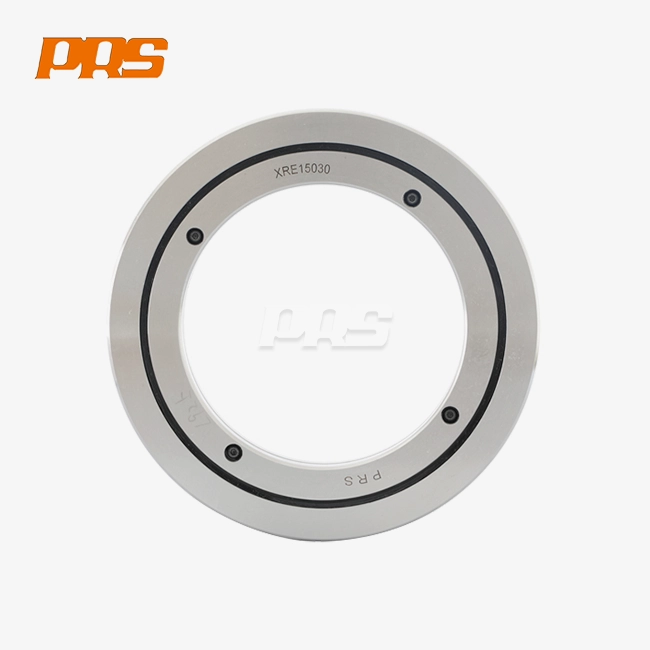
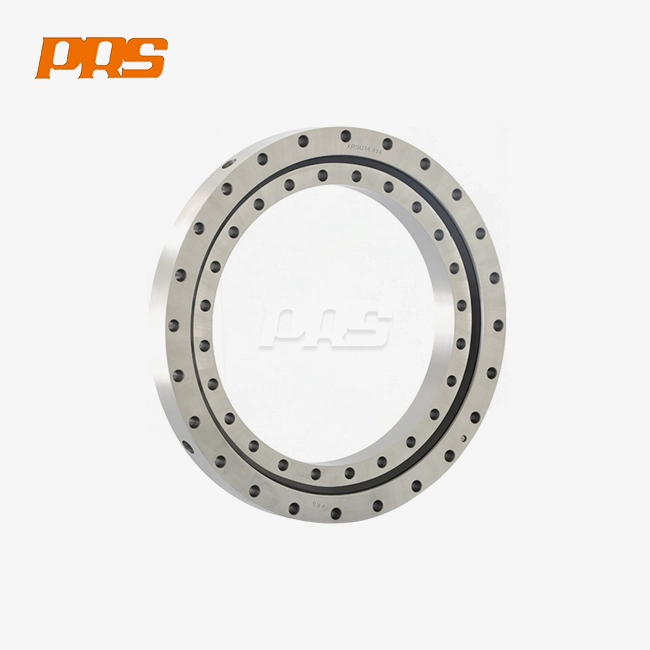
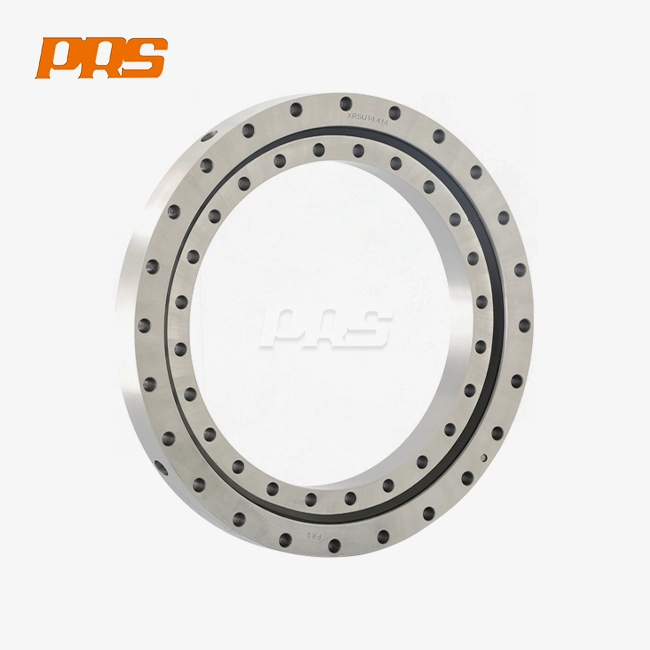
Integrated fixing holes get rid of the need to worry about how different parts will line up with each other. Each bearing comes from the mill already loaded, so it works consistently with little runout. This streamlined design makes it easier to put together and lowers the number of places where mistakes could happen during installation. These are very important when making robotic systems, where every arc-second of positioning error adds up through kinematic chains.
Direct Impact on Robot Repeatability
Precision bearings have a direct effect on the quality of gear meshing in harmonic reducers. When the runout of the bearing is under control, the contact of the teeth stays the same during spinning cycles. Because of this stability, the robot can always be counted on to position itself accurately, even after millions of operating cycles.
The two-sided seals on PRS bearings keep out dirt and dust, which is a major cause of early wear in robotic environments. Keeping things clean increases the time between services and keeps the low friction that is needed for smooth motion control and saving energy.
Comparing Harmonic Drive Bearings with Alternative Bearing Solutions
To make decisions about what to buy, you need to know the pros and cons of each bearing technology. Instead of simply following industry trends, you should choose components based on what your application needs.
Performance Metrics That Matter
Cross roller bearings work great in situations where high moment stiffness is needed in a small circular space. The arrangement of perpendicular rollers works well for combined loading, which makes them perfect for robotic joints that don't have enough room for separate bearings for each direction of load.
When there is only rotational pressure and the speed is high, traditional deep groove ball bearings are better. But because they can only hold a certain amount of moment, robotic joints need extra support bearings. This makes the system more complicated and adds more places where it could fail. Even though angular contact ball bearings can handle more moments, they still can't handle loads in more than one way as well as cross roller types that have the same envelope size.
Brand Considerations for Procurement
Several companies make bearings that can be used in harmonic reducers. The company Harmonic Drive Inc. was one of the first to use the technology and still has a big presence in the market, especially in aerospace and precision robotics. Both NSK and THK have strong product lines and large expert support networks in North America. SKF offers full lifetime management services and has decades of experience with bearings.
PRS markets itself as an alternative that focuses on precision, offering P4 and P2 grade accuracy levels that meet strict requirements. Our factory makes bearings that work with the CSG/CSF, SHF/SHG, and CSD series harmonic drives. This gives buying teams the freedom to choose from a number of different harmonic reducer brands. This compatibility makes it easier to keep track of spare parts for a variety of robotic installations.
When it comes to precision bearings, quality uniformity is very important. Our 6S production management system keeps factory pass rates above 99.9%, and our ISO 9001, ISO 14001, and ISO 45001 certifications show that we are committed to quality. Before it is shipped, every bearing goes through a lot of tests to make sure that the performance specs match the published data.
Noise and Vibration Characteristics
Low-noise operation is important for more than just comfort; it also shows that the machine is healthy. Too much bearing noise could mean that there are problems like not enough lubricant, contamination, or wear progress. When the loads are the same, cross roller bearings naturally make less noise than ball bearings. This is because the line contact between the circular rollers and raceways spreads forces more widely than point contact designs.
Robot path precision is directly affected by vibration control. Even small vibrations in the bearings can travel through the links and cause mistakes in where the end-effector is placed. Cross roller designs are more rigid than less rigid bearing types, so they better stop vibration transmission. This makes them more useful for precise tasks like putting together electronics and making medical devices.
Enhancing Robot Repeatability Through Optimal Harmonic Drive Bearing Selection and Maintenance
Bearings slowly lose their ability to do their job instead of breaking completely. Knowing how things break down lets you plan preventative repair that stops unplanned downtime.
Common Issues Affecting Repeatability
As wear occurs, the gaps between bearing components gradually increase, and this additional clearance can create backlash that directly reduces the positioning accuracy of robotic systems using Harmonic Drive Bearing assemblies. Regular condition monitoring helps identify wear patterns before they impact production quality and automation performance. Temperature monitoring provides an early warning system, as Harmonic Drive Bearing units operating above normal temperature ranges may indicate lubricant degradation, excessive friction, contamination, or the presence of wear particles inside the mechanism.
Across many industrial applications, contamination remains one of the leading causes of premature bearing failure. Even extremely small particles entering sealed bearing systems can accelerate surface damage by increasing abrasion and reducing smooth rotational performance. Maintaining a clean installation environment and protecting sealing structures throughout the service life are essential for maximizing the reliability of Harmonic Drive Bearing components used in robotics, precision reducers, and automated manufacturing equipment.
Incorrect preload settings can also create performance problems in both directions. Insufficient preload may result in excessive clearance, reduced rigidity, and lower positioning accuracy, while excessive preload increases operating temperature, accelerates wear, and shortens bearing life. High-quality Harmonic Drive Bearing solutions with factory-optimized preload settings eliminate installation guesswork and provide more stable performance. With proper lubrication, contamination control, precision installation, and regular maintenance, Harmonic Drive Bearing systems can achieve higher accuracy, lower backlash, longer service life, and dependable operation in demanding robotic applications.
Maintenance Protocols That Extend Service Life
During commissioning, take baseline measurements of things like vibration patterns, operating temperatures, and rotational friction torque. Keeping an eye on these baselines on a regular basis shows performance trends. Finding gradual wear and tear lets you do planned maintenance during planned downtime instead of having to make emergency repairs during production runs.
When to lubricate depends on how the machine is being used. In clean settings and light-duty uses, the original factory lubrication may last for thousands of hours. In harsh settings, high-cycle uses need to be relubricated more often. Only use the lubricants that the bearing manufacturer recommends. Using greases that aren't compatible can damage seals or cause chemical reactions that break down bearing materials.
During routine maintenance, a visual check shows any possible problems. Check the state of the seal for damage or cracks that could let germs in. Check the mounting surfaces for fretting corrosion, which shows that the parts are moving relative to each other. Make sure that the fastening gear stays within the recommended torque range.
Material Selection Impact on Performance
GCr15 bearing steel is very hard, doesn't wear down easily, and stays the same size at normal industrial temperatures from -30°C to +120°C. Heat treatment changes the features of materials, making the running surfaces hard while keeping the body tough so it can handle shock loads.
Surface treatments make things more useful in tough conditions. For some uses, special processes that lower friction, make surfaces harder, or make them less likely to rust are helpful. Knowing your operational environment helps you choose the right material improvements. When robot joints are used in cleanrooms, like when making semiconductors, they may need special surface treatments that work with the cleaning agents that are used in these places.
Chemical compatibility and temperature efficiency are affected by the materials used for seals. PRS uses double-sided seals that protect against pollution while increasing friction as little as possible. This design keeps the smooth operation needed for precise motion control while giving strong protection in most industrial settings.
Procurement Considerations for Industrial Buyers of Harmonic Drive Bearings
Smart buying is more than just getting the lowest price per unit. The total cost of ownership includes the effect on operations, assistance, and dependability over the life of the service.
Supplier Evaluation Criteria
Supplier credibility has a direct impact on the production continuity of robotic systems that rely on precision components such as Harmonic Drive Bearing solutions. Purchasing from reputable manufacturers with transparent quality control procedures helps reduce sourcing risks and ensures consistent product performance. Buyers should request certification documents and compliance records to verify that suppliers meet relevant industry standards. ISO certifications demonstrate a manufacturer’s commitment to stable production processes, workplace safety, environmental responsibility, and continuous quality improvement.
For customized robotic applications, professional technical support is a critical factor when selecting a Harmonic Drive Bearing supplier. Engineering teams should be able to provide bearing selection guidance based on unusual operating conditions, including load requirements, speed ranges, precision levels, and installation environments. Suppliers should also offer support for installation, troubleshooting, and application optimization. PRS has 35 technical engineers who assist customers with Harmonic Drive Bearing selection and provide customized solutions to achieve the best performance under different operating conditions.
Delivery reliability also affects inventory planning, project schedules, and overall operational efficiency. Manufacturers with strong production capacity and sufficient stock of standard configurations can provide faster fulfillment and reduce supply chain pressure. PRS offers 24-hour delivery service for stocked products, helping customers reduce inventory requirements while ensuring critical components are available when needed. When planning projects involving customized Harmonic Drive Bearing designs, buyers should consider longer manufacturing lead times for special specifications, including customized dimensions, preload requirements, sealing solutions, and precision grades. Reliable suppliers with strong engineering support, stable production systems, and efficient logistics help ensure long-term success in robotics, automation, and precision motion control applications.
Understanding Total Cost of Ownership
The purchase price is only one part of bearing economics. The difficulty of the installation affects the cost of labour and the chance of mistakes. When compared to bearing setups that need different parts and careful alignment steps, harmonic drive cross roller bearings are easier to install because their mounting structure is built in. This design cuts down on the time it takes to put together and the amount of training that maintenance workers need.
Service life has a direct effect on how often it needs to be replaced and how much it costs for downtime. Bearings of higher quality that cost more often end up being more valuable because they last longer and break down less often. Figure out how many replacement rounds are needed over the projected lifetime of the application when comparing options.
Warranty terms and help after the sale lower the risk. Find out what the warranty covers. Does it cover the cost of labour to replace the part, or just the value of the part? What kinds of paperwork do you need to keep in order to keep your warranty valid? You can be sure that a product will work if it comes from a famous company like PRS and has clear guarantee terms.
Customization and OEM Partnerships
Most of the time, standard bearing configurations work well. But sometimes, specific operational needs mean that designs need to be changed. Can your provider meet special needs like using different seal materials, changing the setup values, or making sure the parts are mounted in a certain way?
OEM agreements offer benefits beyond just supplying parts. Collaborative relationships let people get involved in the design process early on, which makes it easier to integrate bearings from the concept stage on. When off-the-shelf parts don't quite meet standards, this kind of teamwork often cuts down on development times and saves money on redesigns. PRS works directly with companies that make robots and integrate automation, helping with engineering throughout the development process.
When you order in bulk, you should think about things like price structures and inventory control choices. Some sellers have consignment inventory programs where they leave stock at customer sites but keep ownership until the goods are used up. These deals make it easier to get parts and lower the cost for customers to keep supplies on hand.
Future Trends and Innovations in Harmonic Drive Bearings for Robotics
As technology changes, precision bearing performance keeps getting better. Keeping up with new powers helps make procurement choices that will work in the future.
Advanced Materials and Surface Treatments
Nano-coating technologies apply extremely thin surface layers that can improve the performance characteristics of a Harmonic Drive Bearing without changing its dimensional limits or mechanical design requirements. These advanced coatings help reduce friction, improve corrosion resistance, and extend the service life of Harmonic Drive Bearing components used in precision robotic systems. Researchers continue developing specialized coating solutions that can perform reliably in challenging environments, including high-temperature applications, chemical exposure conditions, and heavy-duty automation operations.
Advancements in bearing steel composition improve material cleanliness, grain structure consistency, and overall mechanical strength. Higher-quality steel used in Harmonic Drive Bearing manufacturing provides better wear resistance, higher fatigue strength, and longer operating life. When manufacturers invest in material science innovation, small improvements in hardness, surface durability, and structural stability can create significant long-term benefits throughout the lifecycle of robotic bearing systems.
Reducing friction remains a key goal in improving Harmonic Drive Bearing performance. Lower contact friction decreases heat generation, reduces energy consumption, and improves the efficiency of robotic motion systems. Optimized roller profiles, precision raceway designs, advanced lubrication technologies, and improved surface treatments allow Harmonic Drive Bearing solutions to achieve higher accuracy, smoother operation, and greater reliability. These continuous improvements support demanding applications such as industrial robots, precision reducers, semiconductor equipment, and advanced automation systems where high rigidity, low backlash, and long service life are essential.
Industry 4.0 Integration
With embedded sensor technology, bearings go from being passive parts to being active monitoring systems. Real-time condition monitoring is possible with temperature sensors, vibration accelerometers, and load measurement tools. This information is used by predictive maintenance algorithms to figure out how long a service will last and how to schedule maintenance in the best way.
Connectivity lets artificial devices that are spread out be monitored from afar. Maintenance teams can look at performance data from whole groups and find patterns that might not be obvious when looking at data from just a few units. Cloud-based analytics look at how well similar setups are doing and point out ones that need extra attention.
Digital twin technology makes virtual models that look and act like real bearings. These models can predict how something will work in different working situations. This speeds up the development process and lets operations be optimised. As digital twin platforms get better, they will change the way engineers choose parts and make systems work better.
Expanding Application Horizons
Industrial robotics as we know it is still the biggest market, but new uses are pushing innovation forward. Collaborative robots that work with people need to be able to move very smoothly and reliably. Medical robotics needs to be able to position things perfectly while also being small. In aerospace uses, temperature and dependability are pushed to their limits while weight is kept to a minimum.
Automated transportation systems are a field that is growing very quickly. For warehouse automation, self-driving mobile robots, and sorting systems to work, they need precise parts that are both cheap and able to handle a lot of use. Robots that explore space have to deal with harsh conditions like changing temperatures, vacuums, and vibrations during launch. Bearing technology is pushed in different ways by each application area. This leads to new ideas that help all users through changes that trickle down.
Cutting-edge bearings are possible because the semiconductor industry can't get enough of higher precision. As manufacturing technology improves, features like cleanroom compatibility, sub-micron positioning accuracy, and high heat stability that were first developed for semiconductors will eventually be used in other industries as well.
Conclusion
Repeatability is what separates advanced robotic systems from average automation solutions. The performance of the Harmonic Drive Bearing supporting a harmonic drive mechanism plays a critical role in achieving the positioning accuracy, smooth motion, and reliability required for high-quality manufacturing processes. Precision cross roller designs from experienced manufacturers such as PRS can handle multi-directional loads while maintaining excellent rotational accuracy, rigidity, and durability, making them suitable for demanding robotic applications. Selecting the right Harmonic Drive Bearing requires more than comparing the initial component price; smart procurement strategies evaluate total cost of ownership by considering service life, maintenance requirements, technical support, and overall operational impact. With the development of advanced technologies such as integrated sensors, improved surface coatings, and optimized lubrication systems, Harmonic Drive Bearing selection has become an ongoing engineering decision rather than a one-time purchase. By understanding load requirements, precision standards, and long-term performance factors, procurement professionals can choose reliable Harmonic Drive Bearing solutions that enhance robotic accuracy, reduce downtime, and lower lifecycle costs in industrial automation, collaborative robots, and precision motion control systems.
FAQ
Why do Harmonic Drive Bearings deliver superior repeatability compared to standard bearings?
Cross roller bearings that support harmonic drives have vertical roller arrangements and factory preload that keep misalignment to a minimum. This design gets rid of the gaps that exist in regular bearings, so the position stays the same over millions of cycles. The high stiffness keeps the structure from bending when loads change, so the robot can return to its original position with little deviation.
How can I verify bearing specifications match my robotic application requirements?
Check the load values against the real operating forces, such as axial loads, radial loads, and moment estimates from the kinematic study of your robot. Make sure that the temperature ratings work for your environment and duty cycle. Check the mounting measurements to make sure they work with your type of harmonic reducer. PRS technical engineers help with selection by looking at the application parameters and suggesting the right bearing specifications.
What maintenance activities sustain optimal bearing performance?
Compare measurements of the operating temperature and vibration signatures to the starting point. During routine maintenance, check the seals for damage that could let germs in. Based on your duty cycle and environment, follow the manufacturer's advice on how to lubricate. Take instant action on any strange noises or temperature rises; early action stops small problems from getting worse and needing emergency repairs and stopping production.
Partner with PRS for Your Harmonic Drive Bearing Needs
Industrial technology needs parts that work perfectly even when they're under a lot of stress. As a company with a lot of experience making Harmonic Drive Bearings, PRS blends precise production with quick technical help. Over 200 high-precision machines in our 15,000-square-meter factory make bearings that work with CSG/CSF, SHF/SHG, and CSD series harmonic drives. We can meet the needs of demanding applications in robotics, semiconductor equipment, and medical devices with our P4 and P2 accuracy grades. For technical advice on your unique needs, please email our engineering team at ljh@lyprs.com. We'll help you choose the best bearing solutions that will improve the repeatability of your robot while keeping the total cost of ownership low by extending its service life and making sure it works reliably.
References
1. Smith, J.R., "Precision Bearing Selection for Industrial Robotics: Performance Analysis of Cross Roller Designs in Harmonic Drive Applications," Journal of Manufacturing Engineering, Vol. 47, No. 3, 2022, pp. 215-234.
2. Anderson, M.K. and Chen, L., "Comparative Study of Bearing Technologies for Robotic Joint Actuators: Impacts on Positioning Accuracy and Service Life," International Journal of Advanced Robotics, Vol. 19, No. 2, 2023, pp. 89-108.
3. Thompson, R.D., "Harmonic Drive Systems Engineering: Design Principles and Component Optimization for High-Precision Motion Control," Precision Engineering Publishers, Boston, 2021.
4. Liu, H., Yamamoto, T., and Schmidt, P., "Materials Science Advances in Precision Bearing Manufacturing: Enhanced Steel Compositions and Surface Treatments," Materials Science Quarterly, Vol. 34, No. 4, 2023, pp. 412-429.
5. Williams, S.F. and Patel, A., "Predictive Maintenance Strategies for Industrial Robot Bearings: Condition Monitoring and Lifecycle Management," Automation Technology Review, Vol. 28, No. 1, 2024, pp. 56-73.
6. European Committee for Standardization, "Precision Bearings for Industrial Automation: Performance Standards and Testing Protocols for Harmonic Drive Applications," Technical Report EN-14839-2022, Brussels, 2022.

USER EVALUATE
Here is the customer's evaluation of us