
Structural Design Principles for Heavy-Duty Slewing Rings
When engineers need to choose rotating parts for machinery that can move hundreds of tons, the structure design rules that govern choosing heavy-duty slewing bearings become very important. These big parts have to deal with axial forces from the weight of the equipment, radial loads from working stresses, and moment loads that stop them from moving. Instead of having separate housings and complicated shaft arrangements for standard bearings, well-designed slewing rings combine mounting interfaces, sealing systems, and optional gears into a single small unit. This integration makes the total equipment footprint smaller while keeping the structure strong under tough mechanical conditions. This is why design principles are the basis for solid performance in machine tools, industrial automation, and precision equipment.
Understanding Heavy-Duty Slewing Rings: Core Concepts and Structural Principles
Fundamental Structure and Component Architecture
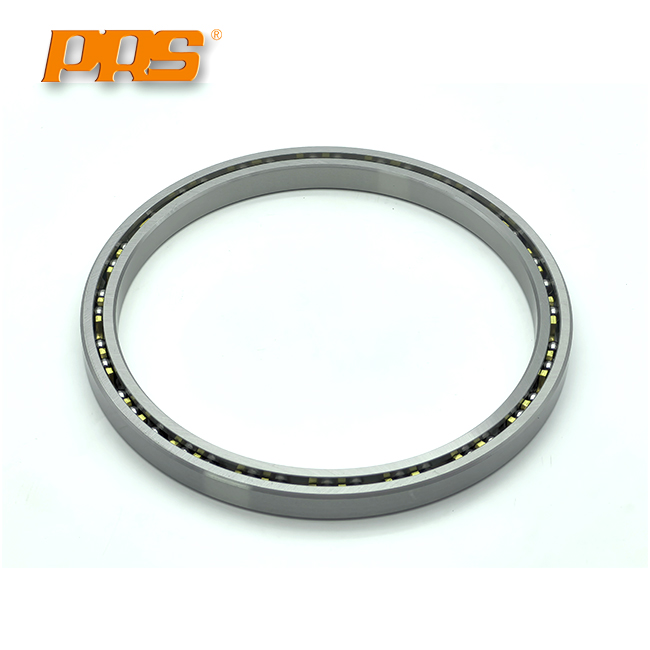
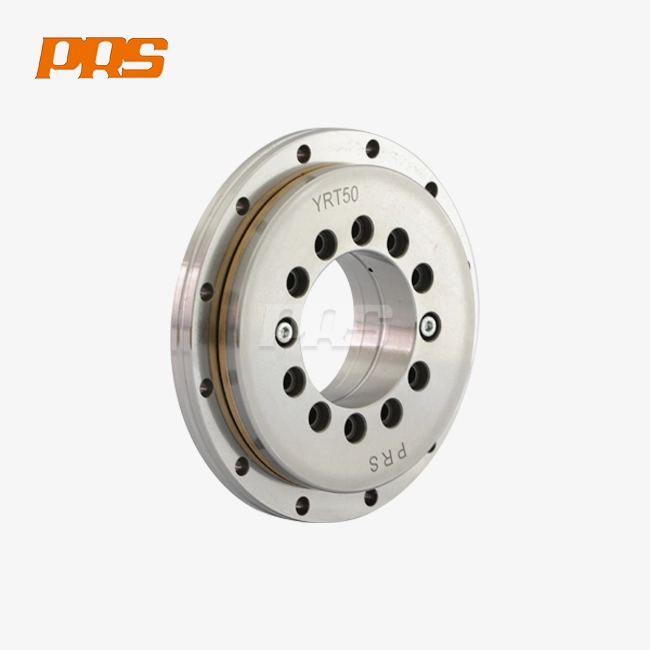
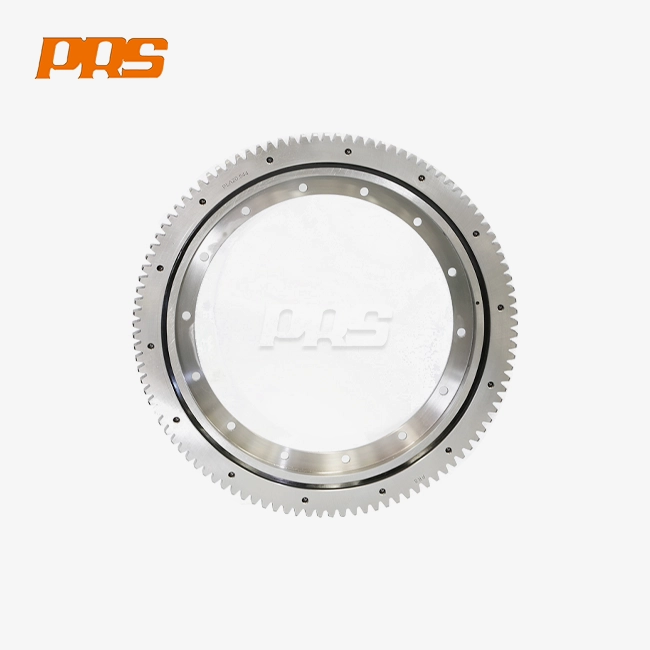
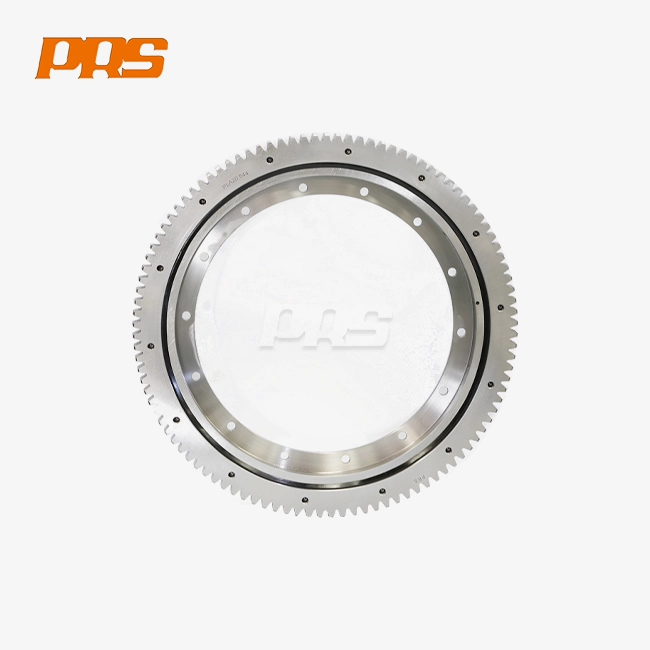
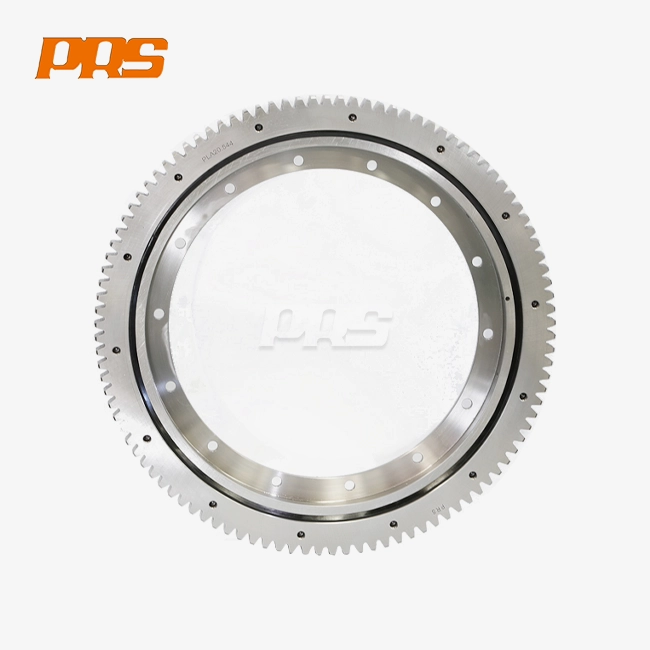
A heavy-duty slewing bearing has a very different structure base than a normal rolling element bearing. The system is made up of inner and outer rings made from high-strength alloy steels like 42CrMo or 50Mn, which were chosen because they are very strong and don't wear down easily. Multiple rows of rolling elements between these rings spread forces over large contact areas, which allows load capacities of up to 15,000kN in some setups.
Each ring has fixing holes built right in so it can be bolted directly to machinery parts, so there is no need for separate bearing housings. This way of designing makes links that are rigid while keeping the building process as simple as possible. The shape of the bearing allows for three separate load paths to work at the same time: the axial load path moves vertical forces, the radial load path moves horizontal stresses, and the moment load path resists shifting moments. Because they can work in three directions, slewing rings are different from regular bearings that can only handle rotational or axial loads.
Material Selection and Heat Treatment Processes
The quality of the material directly affects how long a bearing lasts and how reliable it is. Manufacturers ask for special steels that can be hardened. These steels go through deep carburizing and cooling processes, which make the raceways harder and the cores tough. At 55 HRC, the effective case depth usually exceeds 3 mm. This is a very important standard that procurement professionals should confirm by testing samples destructively or taking exact measurements without damaging the samples.
When through-hardening isn't possible for rings with a bigger diameter, induction hardening is an alternative way to treat them with heat. This process makes the surface harder while keeping the center flexible. This balances resistance to wear with shock absorption. Every induction-hardened ring has a "soft zone" where the hardening pattern comes back. This area needs to be clearly marked during production so workers can put it in a place that doesn't need to hold weight.
Precision Grades and Their Impact on Performance
Slewing rings are made to different levels of precision, usually P0, P6, and P5 according to ISO standards. Higher precision grades have tighter limits on the shape of the raceways, the flatness of the mounting surfaces, and the curves of the gear teeth. For robotic joint uses that need accuracy down to the micron level, P5 grade heavy-duty slewing bearing gives you the consistent dimensions you need for precise placement. In the same way, companies that make machine tools rely on these precision grades to keep vibrations and temperature changes to a minimum during high-speed operations.
The choice of precise grade has effects on the behavior of the bearings that go beyond simple accuracy in measurements. Tighter standards make sure that the load is spread out more evenly across the rolling elements, which lowers stress concentrations that speed up fatigue failure. This level of uniformity is especially important in situations where the spin is constant, because small geometry errors add up over millions of cycles.
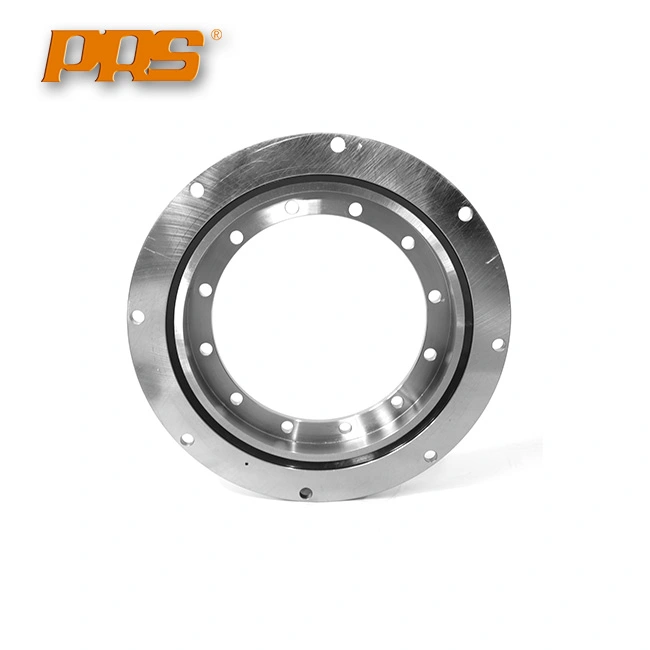
Key Structural Design Principles Driving Heavy-Duty Slewing Ring Performance
Ring Geometry and Dimensional Optimization
Ring thickness and circumference are related in a way that makes sense from an engineering point of view, combining rigidity with weight limits. The best thickness-to-diameter ratios keep the structure from deflecting too much under load and keep it from having too much mass, which would make it more resistant to spinning. Using finite element analysis, structural engineers look at how stress is distributed and find the shape that makes the structure as strong as possible without wasting any materials.
Cross-sectional images are different depending on the purpose. Four-point contact designs put moving parts at certain angles, making contact points that can handle combined loads well. Three-row roller designs put cylinder-shaped rollers in their own raceways, separating the axial and radial load lines to get the most capacity. These geometric decisions have a big impact on how well the bearing works, so they are the most important things to think about when making the design.
Rolling Element Configuration and Raceway Design
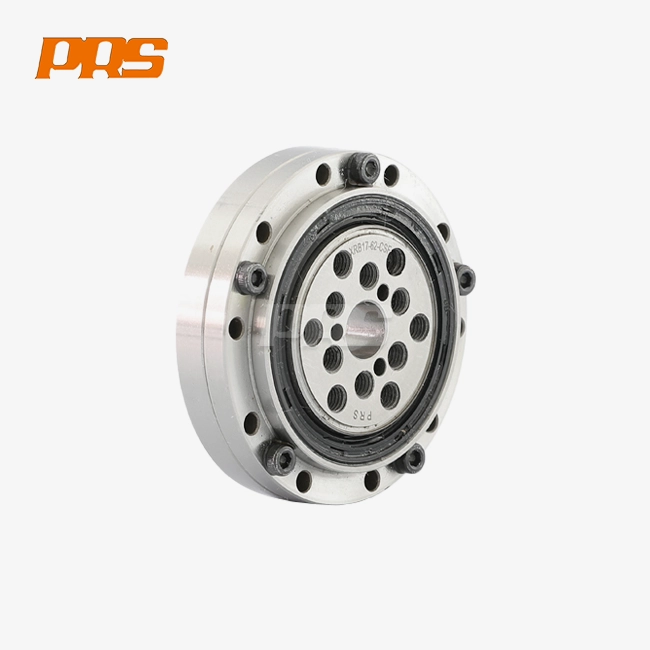
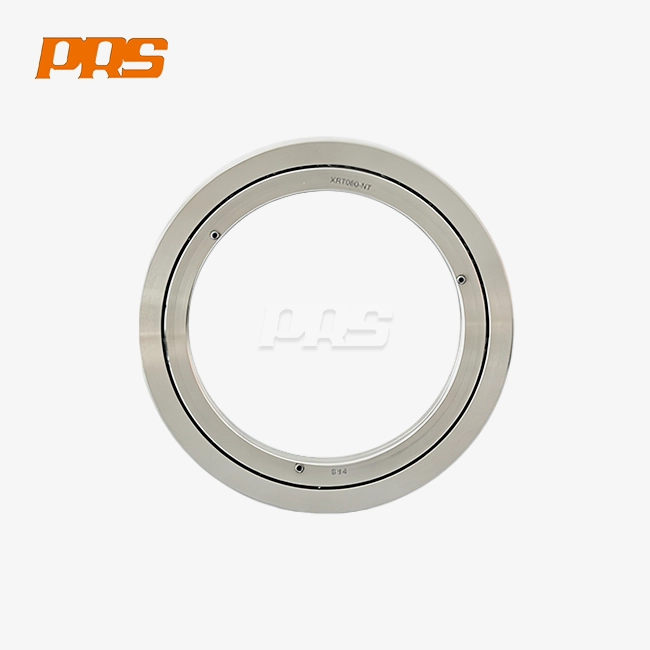
How the balls or wheels are arranged inside the bearing has a direct effect on how the load is distributed and how smoothly the bearing rotates. Cross-roller designs switch the orientation of the rollers at right angles, which lets load lines that are not parallel use the same raceway. This setup gets high rigidity in a small space, which is why it is commonly used in robotics where limited room limits design choices.
In a heavy-duty slewing bearing, the shapes of the raceways must perfectly match the shapes of the moving elements. Gothic arch shapes on ball bearings make two contact places on each ball, which balances the load capacity with low friction. Roller bearings have crowned or logarithmic shapes that stop edge loads that would wear them out too quickly. The surface finish of these raceways, which is usually ground to Ra 0.2 micrometers or better, reduces friction and helps the grease film form properly.
These design factors are especially important for equipment used to make semiconductors, since bearing roughness can cause vibrations that can affect the accuracy of placement on the nanometer scale. In the same way, companies that make optical instruments count on raceway smoothness to make sure their measurement systems can be used over and over again.
Sealing Systems and Environmental Protection
Effective sealing is an important part of structure design because it keeps grease in and keeps internal parts clean. Multiple sealing steps usually include elastomer lip seals to keep out small particles and labyrinth seals to protect against tough conditions. This multi-barrier method is very important for building equipment that has to deal with mud, dust, and water, as well as marine equipment that has to deal with saltwater spray.
The shape of a seal has to find a balance between defense and resistance to rotation. Too much seal interference raises the power needed and creates heat, which could damage lubrication. If the sealing isn't good enough, contaminants can get in and wear down the raceways and moving elements. More advanced models have pumping features that actively remove contaminants that try to get past the upper sealing steps. This increases the service life in harsh settings.
Integrated Lubrication Architecture
Design of the lubrication system makes sure that there is enough film thickness between the rolling elements and the raceways for the whole range of operations that the bearing can handle. Grease-lubricated designs have filling and draining ports that are exactly placed to make sure that all the grease gets spread out during repair. The inside of the bearing is made up of tubes and reservoirs that keep grease supplying vital contact areas even when the machine is running for a long time.
In some situations, constant oil movement is needed for lubrication systems, especially when the need to remove heat is greater than what grease can do. These methods build supply and return channels right into the structure of the bearing. The lubricant stays clean through exterior filtering, and frictional heat is removed. Temperature changes from -40°C to +120°C make it hard to choose the right lubricant. Synthetic formulas are needed to keep the right viscosity at all of these temperatures.
Practical Applications and Maintenance of Heavy-Duty Slewing Rings
Industry-Specific Structural Adaptations
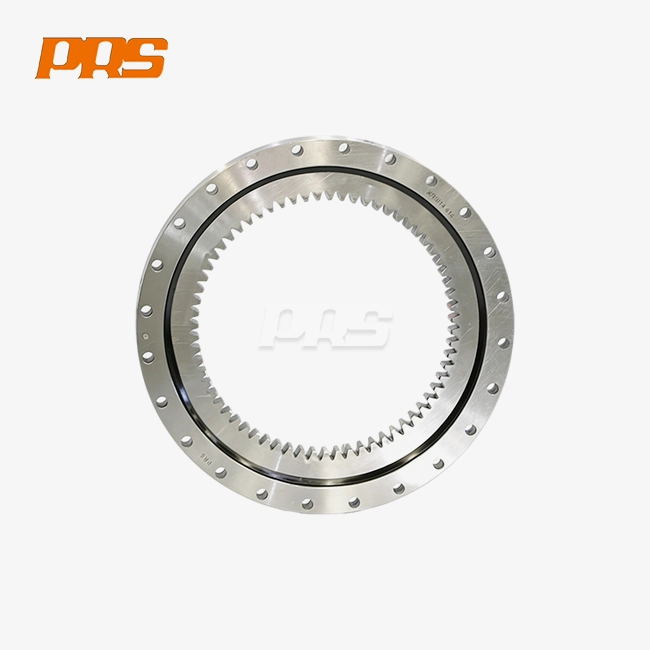
As loaders and cranes move over uneven ground, they put shock loads and out-of-alignment situations on the slewing rings. When designing for these uses, strong building is emphasized, with extra material added to areas that will be under a lot of stress and better sealing against dust and water. External gear setups let you put the gears in a small space and place the pinions so that the load is spread out evenly during the boom's rotation cycles.
Different structure problems come up with wind energy sources. For yaw positioning, turbine nacelles need large-diameter bearings that can work continuously in wind loads that change and temperatures that go up and down. The bearings have to stay accurate even when they are exposed to weather and have to be able to handle thermal growth across their large sizes. These needs are met by triple-row roller designs with advanced closing systems. If properly kept, these designs can last more than twenty years.
Slewing rings are built into bucket wheel loaders and draglines so that material can be removed continuously. Long job cycles in rough settings need bearings that can handle repeated loads without breaking down. Better raceway hardness levels and strong sealing designs make service intervals longer, which lowers the number of times that equipment needs to be maintained. This is important for machines where downtime directly affects production tonnage.
In marine uses, parts are put in salty conditions that are corrosive and are loaded and unloaded constantly as the ship moves. Marine-grade oils and stainless steel sealing parts keep the insides safe while keeping the rotational accuracy needed for moving goods. These natural measures help ship cranes and offshore platform equipment work reliably even when the conditions are rough.
Maintenance Best Practices Tied to Structural Features
The form of the structure has a direct effect on the upkeep needs and steps. Grease filling ports are placed at regular places around the bearing's diameter and need to be regularly checked and maintained to make sure that all of the lubricant is spread out evenly. When you grease the bearing, turning it all the way around makes sure that new oil gets to all the contact areas and replaces old grease and any contaminants that got into the sealing systems.
For a heavy-duty slewing bearing, checking the bolt tightness is an important part of maintaining slewing rings. During operation, the fixing bolts are loaded and unloaded many times, which could cause them to loosen over time even if they were installed correctly at first. Regular torque checks keep bolts from coming loose, which would let the bearing ring move and damage the mounting surface quickly, leading to catastrophic failure. Specifications for purchases should include suggested torque levels and check-up times based on job rotations.
Monitoring the state of gear teeth is useful for bearings that have gearing built in. Backlash readings show how wear is progressing, which lets maintenance be planned before too much space between teeth makes positioning less accurate or lets harmful impact loading happen. Visual inspection shows if the gear surfaces are properly lubricated, since not enough lubrication leads to fast wear even when the bearing raceways are properly oiled.
How to Choose the Right Heavy-Duty Slewing Ring for Your Business Needs
Load Analysis and Specification Development
A thorough load study is the first step in choosing the right bearings. Engineers have to figure out the total loads, which include the weight of the equipment itself, the working forces that move it, and the highest load that can be put on it at full capacity. Pay close attention to moments that involve turning because these values directly affect the moment scores that are needed. Shock loads, imbalance, and unknown load distribution are all taken into account by safety factors that are right for the job.
The way the bearing distributes load affects the choice that is made. Four-point contact bearings spread loads over small contact spots, which limits their capacity but reduces friction. With roller bearings, forces are spread out over many line contacts, which greatly increases capacity but also makes friction higher. The best balance between these speed characteristics is determined by the needs of the application.
Environmental Considerations and Protection Requirements
Operating temperature ranges affect the choice of materials and the design of the lubricant system. Applications that go through changes in temperature need materials that stay the same size and oils that keep their right viscosity properties. When compared to outdoor building equipment that has to deal with dust, moisture, and changing temperatures, semiconductor fabrication equipment works in controlled settings and can use easier sealing designs.
The amount of contamination determines the level of sealing complexity that is needed. Automation equipment for clean rooms can work with simple lip seals, but mining equipment needs multi-stage maze designs with positive sealing pressure to keep sharp particles out. The way these closing systems are built into the structure changes the size of the bearing area, which can make it harder for load-bearing elements to fit.
Supplier Evaluation and Partnership Criteria
Specifications for parts are only one part of a good buying process. The production skills of a supplier have a direct effect on the quality of the product and the dependability of delivery. Bearings that regularly meet published specs are made in facilities that use advanced quality control methods such as ultrasonic testing for internal flaws, magnetic particle inspection for surface cracks, and coordinate measurement verification to make sure the dimensions are correct.
For specific uses, the ability to customize is very important. Instead of pushing designs to fit standard goods, suppliers who offer non-standard sizes, modified gear specs, and unique sealing arrangements can provide solutions that are best for the needs of each piece of equipment. In addition to supplying parts, engineering teams that can look at specific application conditions and suggest the right structure changes add a lot of value.
Project plans and inventory needs are affected by production capability and lead time management. Manufacturers who keep enough raw materials on hand and have open production schedules can make prototypes for development projects and large amounts of products for series production. When there is clear information about when things will be made, procurement teams can plan the arrival of bearings with the assembly of larger pieces of equipment.
Conclusion
Material choice, geometric optimization, rolling element configuration, and environmental safety systems are some of the structure design concepts that determine how well a heavy-duty slewing bearing works. These basic engineering ideas decide the load capacity, accuracy of rotation, and service life in a wide range of systems, from industrial automation to aircraft. To do a good job of buying, you need to know how these design elements work together, check that the suppliers can do more than just provide component standards, and choose partners who can provide full engineering support. In the end, the dependability of equipment relies on bearings that are properly defined, built to high standards, and supported for their entire working life.
FAQ
What factors most significantly influence heavy-duty slewing bearing load capacity?
Grade of the material and depth of the heat treatment are the most important factors because raceway hardness directly affects wear life when loaded and unloaded many times. Contact stress distribution depends on the shape of the rolling element, such as whether it has balls, spherical rollers, or curved rollers. The shape of the ring, especially the ratio of thickness to width, affects how stiff the structure is and how much it bends when it is loaded. The number of rows of rolling elements doubles the number of load lines, which greatly increases capacity. Precision in manufacturing makes sure that the load is spread evenly across all the parts, rather than gathering forces on a few touch places because of irregular shapes.
How often should heavy-duty slewing rings be checked for maintenance?
How often you need to do maintenance depends on the job cycle intensity, the working conditions, and how important the application is. Continuous-operation equipment like wind generators usually needs to be inspected every three months to make sure the bolt torque is correct, the state of the seals is checked, and the right amount of oil is used. Equipment that only works sometimes, like mobile cranes, might make the breaks last up to every six months. Environmental factors speed up the need for upkeep. For example, sea or dusty areas need more frequent care than climate-controlled ones. Monitoring systems that pick up changes in temperature or vibration make condition-based maintenance possible. This means that repair times are optimized based on the real state of the bearings instead of random plans.
What are the benefits of having slewing rings that are specifically made for a job?
Standard catalog bearings are designed to be useful in a lot of different situations. They might list too many features or not enough features for some uses. Custom designs get rid of this problem by making sure that the load capacity, precision grade, level of sealing complexity, and envelope measurements are all exactly what the application needs. Most of the time, this improvement makes efficiency better while lowering weight and cost. Non-standard gear modules can be directly connected to current drive systems, so they don't need any extra reduction steps. Extreme temperatures or corrosive contact are two natural problems that can be solved with special materials or coats. When engineers work together on a custom design, they make sure that all application-specific details are taken into account.
Partner with PRS for Precision-Engineered Heavy-Duty Slewing Bearing Solutions
Luoyang PRS Precision Bearing Co., Ltd. combines two decades of specialized manufacturing expertise with comprehensive engineering support for demanding rotational applications. Our 15,000 m² production facility houses 200+ precision CNC machines capable of manufacturing slewing rings from 200mm to 5,000mm diameter, with custom configurations addressing unique operational requirements. The 35-member engineering team analyzes application-specific load conditions, environmental factors, and performance objectives to recommend optimal bearing specifications—whether standard catalog products or fully customized solutions. ISO 9001 and ISO 14001 certifications validate systematic quality management, while factory acceptance rates exceeding 99.9% demonstrate manufacturing consistency. Contact our technical specialists at ljh@lyprs.com to discuss your equipment requirements with an experienced heavy-duty slewing bearing manufacturer committed to delivering precision, reliability, and responsive partnership throughout your project lifecycle.
References
Harris, T.A. and Kotzalas, M.N. (2006). Advanced Concepts of Bearing Technology: Rolling Bearing Analysis, Fifth Edition. CRC Press, Boca Raton.
Schaeffler Technologies AG & Co. KG (2016). Large Size Rolling Bearings: Design Principles and Calculation Methods. Technical Publication, Herzogenaurach, Germany.
ISO 76:2006. Rolling Bearings – Static Load Ratings. International Organization for Standardization, Geneva.
Zhou, C., and Chen, X. (2018). "Structural Optimization of Large-Diameter Slewing Bearings for Wind Turbine Applications." Journal of Mechanical Engineering Science, Vol. 232, No. 14, pp. 2567-2581.
American Gear Manufacturers Association (2013). ANSI/AGMA 6123-B06: Design Manual for Enclosed Epicyclic Gear Drives. Alexandria, Virginia.
Glodež, S., Potočnik, R., and Flašker, J. (2012). "Computational Model for Determination of Dynamic Load Capacity of Large Three-Row Roller Slewing Bearings." Engineering Failure Analysis, Vol. 26, pp. 211-221.

USER EVALUATE
Here is the customer's evaluation of us