
Optimizing Mini Lathe Spindle Design for Vibration Reduction
Achieving precision in small-scale machining requires more than just quality materials and operator skill—it depends fundamentally on the rotational stability your spindle provides. Vibration in lathe wheels leads to inaccurate measurements, a rough surface, and early tool wear, all of which directly affect how efficiently things are made. Your choice of spindle bearings and the improvement of their design are the first steps in the answer. Mini lathe bearings are very important because they work as the link between moving and still parts, transferring cutting loads while keeping the shaft in the exact same place. When engineers optimize the bearing arrangement, preload settings, and material specifications, they greatly lower the vibrations that travel through the spindle assembly. This makes it possible for modern manufacturing applications in robotics, medical devices, and aerospace to be as precise as microns.
Understanding Mini Lathe Bearings and Their Role in Spindle Vibration Reduction
Your machining operations will either get stable measurement accuracy or have problems with chatter marks and tolerance drift depending on how well your spindle bearings work. These precise parts can handle both radial and axial loads at the same time, and they keep the spinning shaft in the exact centerline position even when cutting is happening quickly.
What Are Mini Lathe Bearings and How Do They Function
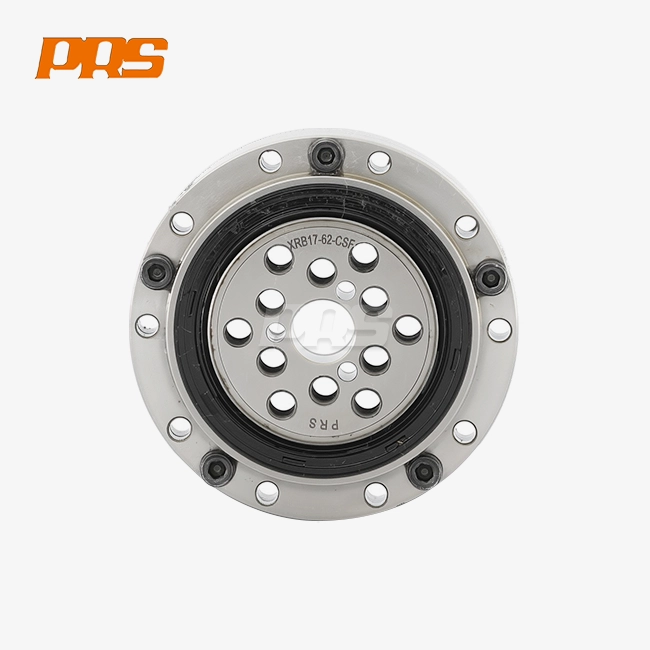
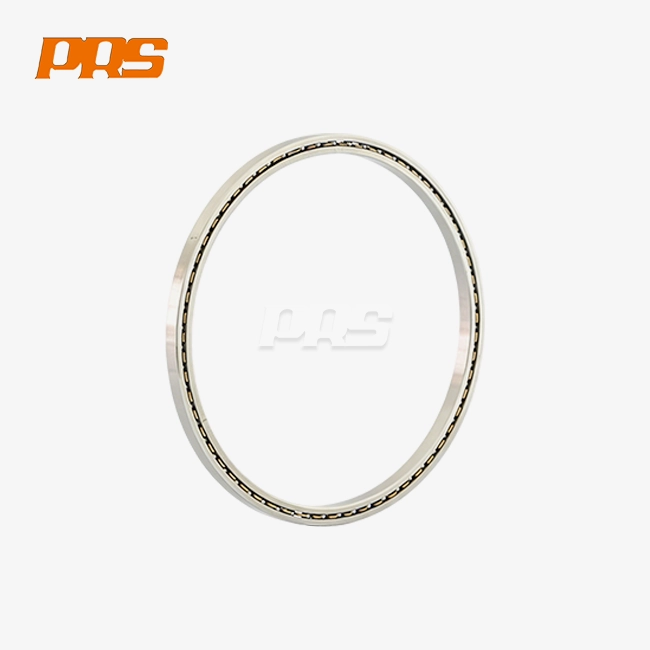
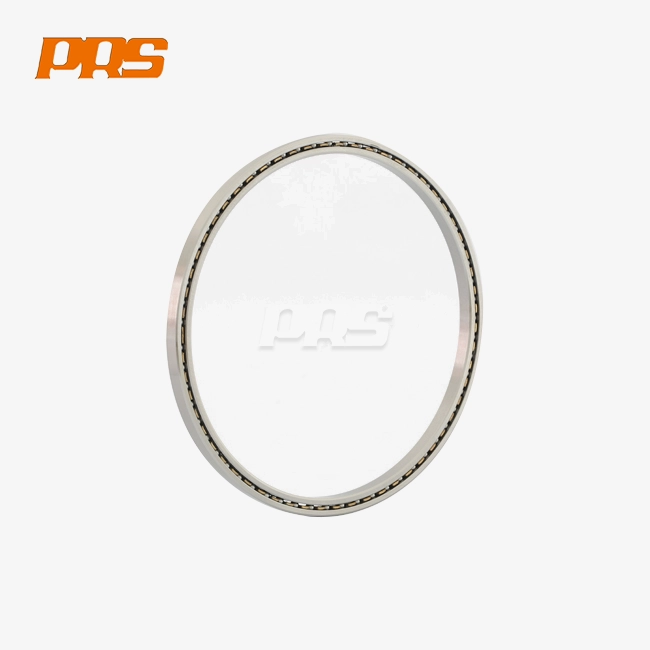
Within the spindle system, bearings form a controlled rolling interface that splits parts that are moving from parts that are not moving. The inside ring attaches directly to your spindle shaft and spins at cutting speeds. The outside ring fits precisely into the headstock case through interference fits. Rolling parts, usually balls or rollers, move forces between these rings while keeping them apart with carefully planned cage designs. This set-up makes it possible for the part to rotate smoothly with little friction, and it also gives it the rotational stiffness it needs to avoid displacement while cutting.
Bearing Types and Their Vibration Characteristics
Different types of bearings have different benefits when it comes to controlling vibrations. Deep groove ball bearings can handle high speeds well while having a reasonable level of radial stiffness. This makes them good for light-duty uses with low vibration. Angular contact ball bearings are stiffer than other types because their contact angles are designed to be between 15° and 25°. This makes them better at handling combined loads and limiting spindle movement. Tapered roller bearings have the highest rotational stiffness and load capacity, but they also have a little more friction because of how they are made. Thrust bearings are mostly used to handle axial forces. They support parts like tailstocks that need to be placed accurately when longitudinal pressure is applied.
The choice of material has a big effect on how vibrations behave. With a surface hardness of HRC 60 to 65, standard bearing steel (GCr15) works well and reliably. Ceramic hybrid bearings with silicon nitride rolling elements are 40% lighter than steel ones. This lowers rotational forces at high speeds and limits heat expansion, both of which cause changes in clearance and vibrations.
Common Vibration Causes Related to Bearing Degradation
Wear on a bearing happens in steps that can be predicted and show up as higher sound levels. Initial wear makes tiny surface flaws that make noise at high frequencies. As wear happens over time, the contact areas get bigger, which causes runout that directly affects the differences in the sizes of the parts. If the lubricant film isn't thick enough, metals can touch each other, and if the lubricant is dirty, sharp particles can get into the system and score the raceways. Metal chips getting through weak seals and contaminating the area is a common way for things to break in machine settings. This causes stress to build up in certain areas, which then causes cracks to spread through fatigue loading cycles.
Diagnosing and Addressing Vibration Issues in Mini Lathe Spindles
Effective repair systems find worn-out bearings before they break in a way that stops production. By using structured maintenance routines and understanding diagnostic signs, you can make equipment last longer while keeping its precision.
Recognizing Signs of Bearing Wear and Failure
The condition of a mini lathe bearing is shown by a number of different senses. Audible changes give you early signs. When something is running smoothly, it doesn't make much noise, but when bearings are worn, they make noises with different frequencies, such as high-pitched screaming that means they need more lubrication and low-pitched rumbling that means the raceways are damaged. When turning the spindle by hand perpendicular to its axis, tactile analysis shows that there is too much radial play. Thermal monitoring finds temperature rises that are too high for regular operation; bearings normally work between 80°C and 120°C, and temperatures above 140°C mean they are about to break.
Maintenance Best Practices for Vibration Prevention
Unexpected breakdowns can be avoided with structured maintenance periods. When something is used continuously in a clean environment, it may need to be oiled every 2,000 hours, but when it is used intermittently in a dirty environment, it needs to be oiled more often. It's very important to choose the right lubricant. For most uses, NLGI Grade 2 or 3 lithium-based greases work well because they have the right thickness across a range of temperatures and don't change consistency when shear forces are applied.
As part of inspection procedures, accelerometers should be used to measure vibrations and keep track of decline trends. Infrared thermography can be used to track temperatures and find patterns of localized warmth that can mean uneven load distribution or lubrication problems. During routine maintenance, a visual check shows that contamination has crept in, the seal is breaking down, or the fixing surface is wearing down and needs to be fixed.
Bearing Replacement Procedures and Quality Considerations
The function and life of a bearing are directly affected by how it was installed. There are tolerance ranges that the spindle shaft and housing hole must meet. Usually, a h6 shaft fit is needed for inner rings that rotate and a h7 housing fit is needed for outer rings that stay in place. When there isn't enough interference, relative motion happens, which leads to fretting rust. When there is too much interference, damaging preload is created that creates heat and lowers space.
Replacement bearings should meet or beat the specs of the original equipment. Quality differences between makers have a big effect on how long something lasts and how it vibrates. Premium bearings have better surface finish on the raceways (below Ra 0.1 μm), and their internal shape has been adjusted so that the contact patterns stay the same when the bearing is loaded. Installing low-quality bearings lowers the accuracy your application needs and shortens the time between replacements, which raises the total cost of ownership even though the initial purchase cost is lower.
Advanced Mini Lathe Spindle Design Strategies for Vibration Reduction
By carefully choosing which parts to use and how to set up the bearings, engineering optimization can lower shaking at its source. Because of these design factors, spindles can keep their shape even when cutting in tough circumstances.
Optimizing Bearing Arrangement and Preload Settings
The design of the bearings has a big impact on how rigid and resistant to shaking the spindle is. Back-to-back (DB) design sets up bearing contact lines to diverge toward the spindle ends. This gives the best rotational and moment stiffness, making it perfect for tasks that need precise measurements. Face-to-face (DF) arrangement brings contact lines together in the middle, making it possible for small forms to have high moment capacity. The tandem (DT) design puts bearings so that their contact lines are aligned. This doubles the load capacity in one direction while only offering some moment resistance.
When you apply preload, you get rid of the internal space. This creates contact stress, which makes the part stiffer and lowers the vibration magnitude. Light preload works well in high-speed situations where too much contact stress causes heat to build up, which is not good. For general cutting, medium preload strikes a mix between stiffness and thermal concerns. Heavy preload increases stiffness for delayed cuts and heavy stock removal, but it needs strong lubricant systems to handle the extra friction.
Impact of Bearing Clearance on Vibration Damping
Specifications for internal space have a direct effect on how vibrations are transmitted. Standard clearance (CN) is good for most uses and has a modest level of stiffness. The C3 clearance, which has slightly bigger interior gaps, allows for thermal expansion in high-temperature situations or interference fits that create pressure during installation. This extra space keeps things from sticking together when they grow, so they can keep turning smoothly without making vibrations from too much internal stress. But too much space makes the material less stiff, which means it bends more when it's cut, which leads to inaccurate measurements.
Applications that need to be as precise as possible benefit from managed preload or less space. Precision grinding wheels usually use C2 clearance or spring preload systems to keep the best contact shape even when the temperature changes. The technical challenge is to find the right balance between the need for stiffness and the need for thermal stability and friction that are specific to your working conditions.
Precision Bearing Selection and Material Advantages
Accurately choosing a grade sets the standard for success. Standard precision (P0/ABEC 1) is good for most industry uses that don't need to be very accurate. P6/ABEC 3 bearings offer better roundness and waviness control, making them ideal for industry that cares about quality. The P5/ABEC 5 grades have very accurate measurements and small runout errors that make them good for precise cutting. P4/ABEC 7 specifies very precise measurements that allow for the micron-level positioning accuracy needed in the production of medical devices, semiconductor equipment, and aircraft uses.
New materials raise the bar for efficiency in a mini lathe bearing. Ceramic hybrid bearings have better corrosion protection and electrical insulation qualities than metal bearings, and their lighter rolling parts lower centrifugal loads. Because they have a lower thermal expansion coefficient, their clearance relationships stay steady even when the temperature changes. This means that changes in shape don't cause as many vibrations. Steel bearings are still a good value for normal uses, and they have a history of being reliable when they are properly specified and kept. When making the selection choice, performance needs are weighed against price limits and factors that are unique to the application.
Procuring the Right Mini Lathe Bearings for OEM and Industrial Applications
Strategic sourcing makes sure that the parts you get for your spindle systems meet performance standards and keep the total cost of ownership as low as possible. Making good buying choices requires knowing the selection criteria and the supplier's skills.
Critical Selection Criteria for Industrial Bearings
The technical requirements must match the needs of the program. Load capacity estimates take into account the cutting forces, the weight of the workpiece, and the safety factors that are right for your job cycle. Dynamic load ratings show how much weight something can hold when it's spinning, while static load ratings control situations where it's not moving or is moving slowly. Speed rates show the fastest speeds that can be used before rotational forces change the shape of the inside or make the lubrication less effective.
Precision needs determine the grade that is used and the costs that come with it. Medical imaging technology needs P4 precision with runout tolerances of less than 1 micron, but general machining can work with P6 standards for a lot less money. Material compatibility with working conditions needs to be thought about. For example, corrosive coolants may require building out of stainless steel, and high-temperature processes benefit from heat-stabilized alloys that keep the hardness above normal tempering ranges.
Comparing Bearing Brands and Specifications
Well-known companies keep the quality of their products high by using well-honed production methods and strict testing procedures. Global brands like SKF, NSK, and Timken made their names by consistently meeting the needs of challenging uses. A lot of the time, regional makers can offer competitive options that are of good enough quality and cost less. When making a purchase choice, you should look at the overall value, not just the original price. For example, quality bearings made from better materials, with tighter tolerances and more advanced sealing systems, last longer, which means they don't need to be replaced as often and save money on downtime costs.
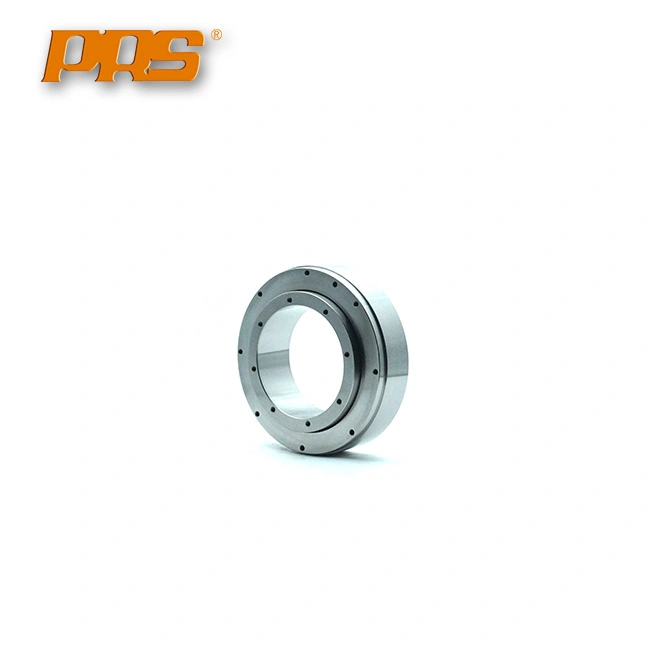
PRS precision bearings are made by a company that specializes in making things that are used in tough situations that need extreme accuracy and dependability. These parts meet strict standards for robots, medical equipment, and industrial automation where positioning accuracy has a direct effect on product quality. They come in precision grades up to P4 and P2 levels. The engineering team helps with applications by figuring out the best mini lathe bearings for different working situations and performance goals.
Strategic Procurement Considerations for B2B Applications
Bulk buying strategies use promises to buy in large quantities to get better terms and make sure that parts are always available. Buying from dependable sources lowers the risk of buying things because you can plan for deliveries and get expert help when you need it. When judging a provider, you should look at more than just the price per unit. You should also look at their engineering support, customization options for non-standard needs, quality consistency across production lots, and quick contact for technical questions or urgent needs.
Logistics for delivery affect production planning, especially for unique setups that need longer lead times. Keeping a strategic stockpile of important parts on hand protects against supply problems while weighing the costs of bringing them against the risks of downtime. Supplier quality certifications, such as ISO 9001 compliance, measurement system capability, and process control documents, give customers faith that the product will work the same way on all orders.
Conclusion
To make the spindle design less likely to vibrate in a mini lathe bearing, you need to know a lot about choosing bearings, installing them, and keeping them in good shape. Precision parts are the basis, but the real performance results depend on the right setup, which includes layout, loading, and clearance optimization. Diagnostic tools allow for early action, which stops small wear from turning into a fatal failure. Strategic buying looks at both technical needs and costs, and builds ties with suppliers that will help the company reach its long-term manufacturing goals. New technologies promise that performance will keep getting better with the help of smart tracking, improved materials, and environmentally friendly ways of making things. When companies follow these rules, their machines work more accurately, last longer, and give them a competitive edge in markets that need precision manufacturing.
FAQ
How Often Should Mini Lathe Bearings Be Inspected?
Mini lathe bearings: How frequently should they be checked? How often you inspect relies on how hard you're working and what the setting is like. Monitoring vibrations once a month and doing thorough checks every three months to look at temperature patterns, audible features, and lubricant state are helpful in continuous production settings. Intermittent operations may make the time between intervals to twice-yearly thorough exams longer. Metal chip-contaminated areas need more frequent attention—visual checks once a week make sure the seal is still intact and stops abrasive entry.
What Lubricants Provide Best Vibration Reduction Performance?
Most uses are good for NLGI Grade 2 lithium complex greases because they keep their viscosity stable at all temperatures and keep their film strength when they come into contact with metal. Synthetic hydrocarbon or PAO-based formulas offer longer periods of time between relubrication and better heat stability. The way you use it is important—the right amount stops both hunger and overfilling, which raises warmth and churning losses. The final choice is based on how well it works with the bearing materials, seals, and working temperatures.
Are Ceramic Bearings More Effective Than Steel for Reducing Vibration?
Ceramic hybrid bearings reduce vibrations by a significant amount because they have less mass and are more thermally stable. Their lighter rolling parts create less centrifugal forces at high speeds, and since they don't expand or contract much when the temperature changes, their internal shape stays the same. In challenging situations like precision grinding, high-speed machining, and thermal cycling, the better performance explains the higher costs. Standard machining processes usually get good results with quality steel bearings that are properly chosen and kept. This means that ceramic choices aren't needed for many uses.
Partner with PRS for Superior Mini Lathe Bearing Solutions
For your precise machining, you need parts that regularly offer submicron accuracy in tough production conditions. PRS is an expert at making high-precision bearings up to the P4 and P2 grades. These bearings are designed for uses where controlling shaking has a direct effect on the quality of the product. Our expert team offers application engineering support to help you choose the best bearing configurations for your specific working conditions and performance goals. With ISO 9001-certified manufacturing processes and thorough quality testing that guarantees 99.9% pass rates, we can meet the tight deadlines for your production. As a well-known mini lathe bearing manufacturer, we keep a large stock on hand so that we can deliver quickly. If you have special needs, we can also help you with unique engineering solutions. Contact our specialists at ljh@lyprs.com to talk about your spindle optimization needs and find out how our precision bearing solutions can help you improve the quality of your finished parts, cut down on downtime, and improve your manufacturing processes.
References
Harris, T.A. & Kotzalas, M.N. (2006). Advanced Concepts of Bearing Technology: Rolling Bearing Analysis, Fifth Edition. CRC Press, Taylor & Francis Group.
Weck, M. & Brecher, C. (2006). Machine Tools 3: Mechatronic Systems, Accuracy and Thermal Behavior. Springer-Verlag Berlin Heidelberg.
Tlusty, J. (2000). Manufacturing Processes and Equipment. Prentice Hall, Upper Saddle River, New Jersey.
ISO 492:2014. Rolling Bearings — Radial Bearings — Geometrical Product Specifications (GPS) and Tolerance Values. International Organization for Standardization.
Budynas, R.G. & Nisbett, J.K. (2015). Shigley's Mechanical Engineering Design, Tenth Edition. McGraw-Hill Education.
Schmitt, R. & Pfeifer, T. (2010). Quality Management: Strategies, Methods, Techniques. Carl Hanser Verlag, Munich.

USER EVALUATE
Here is the customer's evaluation of us