
Sourcing Heavy-Duty Slewing Bearings for Construction Giants
When a spinning part fails on your excavator in the middle of a job, you know how important it is to find the right heavy-duty slewing bearing. Specialized large-diameter bearings are the backbone of building equipment. They make it possible for cranes, excavators, and concrete pumps to turn easily while carrying heavy loads. Unlike regular bearings, slewing rings can handle axial, radial, and moment loads all at the same time. This is what makes reliable equipment different from expensive downtime. For procurement workers, this book tells you everything you need to know about finding turntable bearings for use in construction. We'll talk about basic designs, comparing different types of bearings, choosing a good provider, maintenance rules that make the product last longer, and useful ways to buy things. Our goal is to help you make smart choices that match the need for efficiency with the limitations of your budget while lowering the risks that come with buying heavy machinery.
Understanding Heavy-Duty Slewing Bearings: Fundamentals and Specifications
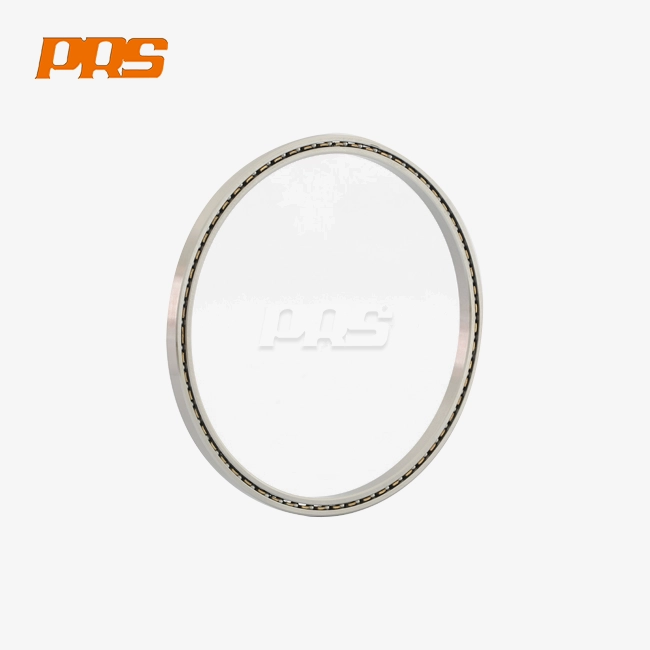
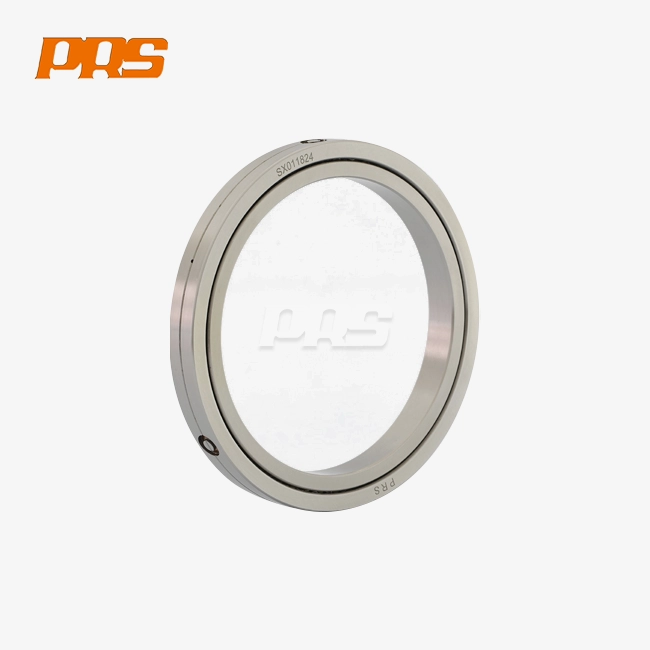
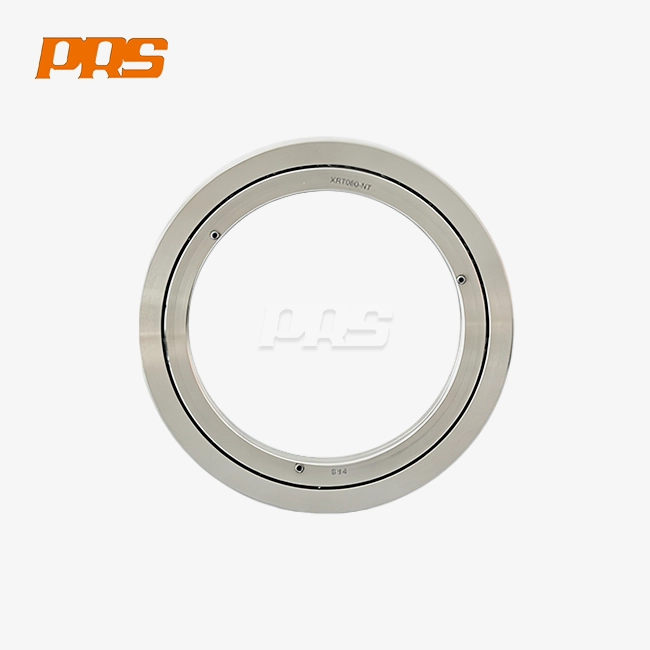
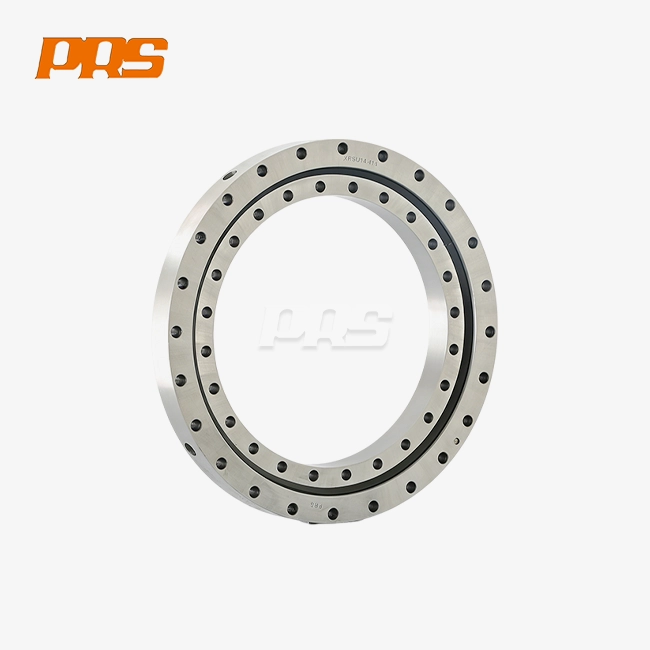
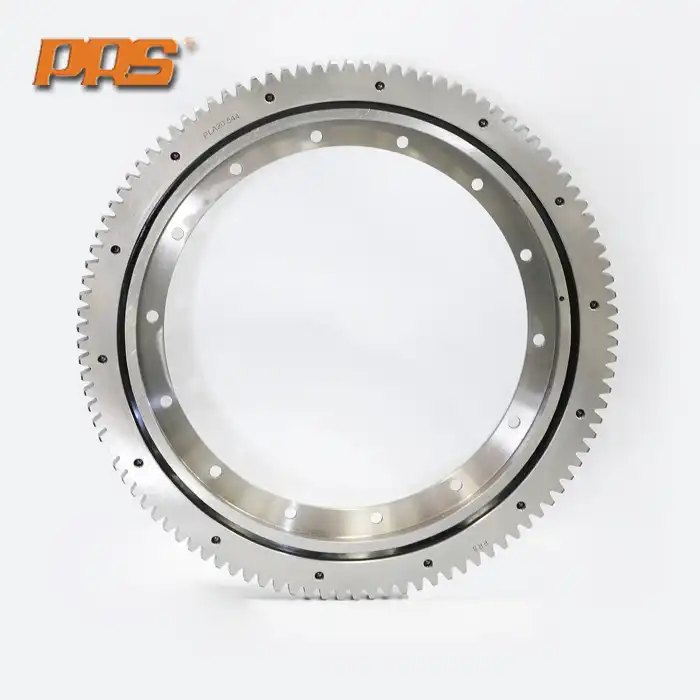
Before making decisions about where to get these spinning parts, you need to know what makes them special. As a combined unit, a heavy-duty slewing bearing has rolling elements, mounting holes, sealing systems, and possible gears all in one small structure. This design gets rid of the need for different shaft sections and lowers the overall size of the equipment while still keeping its structural integrity in tough situations.
Core Construction Elements That Define Performance
The structure has inner and outer rings with built-in fixing holes that allow them to be directly bolted to machine parts. There are many rows of moving elements between these rings that spread the load over a big contact area. With this set-up, three separate load paths are made that work together. The axial route manages the gravity loads that come with crane operations by taking care of vertical forces and the weight of the equipment. Radial paths handle the side loads and horizontal forces that come up when materials are being moved. Moment pathways stop toppling forces and tilting moments that happen when a boom is extended or loads are lifted off-center.
Material Selection and Manufacturing Standards
High-quality steel materials are what make bearings last a long time. PRS makes slewing rings out of 50Mn, 42CrMo, and other special steels that can handle a lot of working stress. Material choice has a direct effect on how well it resists rust and how much weight it can hold. The materials you buy should have certificates that match the conditions where they will be used. For example, coastal building sites need different corrosion protection than inland projects.
Technical Specifications for Informed Sourcing
Load ratings for a heavy-duty slewing bearing run from 50kN to 15,000kN, based on the size and shape of the bearing. Bore sizes range from 200 mm to 5,000 mm, so they can fit everything from small mobile cranes to huge mine machines. Temperature ranges for operation are usually between -40°C and +120°C, which covers most building sites. The different precision grades are P0 for everyday use, P6 for better accuracy, and P5 for very precise needs. By knowing these factors, you can match the bearing specifications to the needs of your machinery, instead of over-specifying parts that add to their cost without improving their performance.
Comparing Heavy-Duty Slewing Bearings: Making Informed Sourcing Decisions
To choose the best slewing rings, you need to know how the differences between setups affect speed and the overall cost of ownership. Manufacturers of construction tools have a number of choices, each of which is best for a different type of load and activity.
Heavy-Duty Versus Standard Bearing Configurations
With their single-row ball arrangements, standard slewing bearings can handle mild loads and work well enough for light to medium uses. Heavy-duty designs use many rows of bigger rolling elements, like double-row balls for more capacity or cross-roller designs for the most weight support. Because they spread forces across three different raceways, triple-row roller bearings are the best choice for harsh circumstances. A mobile crane that can lift 50 tons needs a very different bearing capacity than a small digger that can handle buckets that weigh 5 tons. By matching the setup to the real load profiles, you can keep parts from breaking down too soon and avoid spending too much money on over-engineered ones.
Internal Versus External Gear Integration
Gear arrangements have a big effect on how hard it is to build and create a drive system. When teeth are placed on the outer ring of an external gear arrangement, pinion drives can connect from outside the bearing. This setup works well for small installations with limited room inside. When you create an internal gear, the teeth are on the inner ring. This keeps the drive system clean, which is helpful on dusty construction sites. Options that don't have gears can be used for straight drive uses that use friction wheels or chain systems. Each method comes with its own set of costs. External gears usually lowers the cost of the original parts, but it may need extra safety measures. Internal gearing raises the cost of bearings while making environmental sealing easier.
Cross-Roller Designs for Combined Load Applications
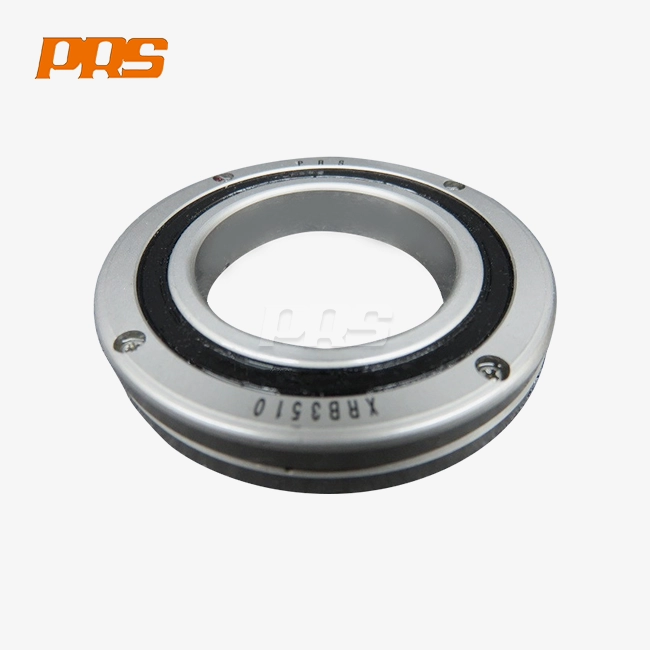
Cross-roller designs change the direction of the rolling elements, which makes the best shape for handling mixed loads. This setup is more stiff than ball bearing designs, which makes it perfect for machines that have to handle large moment loads. This shape helps excavators that rotate big booms and tower cranes that handle lifts that aren't in the middle of the frame. As a trade-off, the starting costs are a little higher, but the service life is longer and upkeep is done less often.
Optimizing Your Procurement Process: Finding the Best Heavy-Duty Slewing Bearing Suppliers
Strategic relationships with suppliers will determine whether your purchasing process gives you reliable parts or constant problems. Comparing quotes is only one part of successful buying. You also need to look at things like manufacturing skills, quality systems, and long-term support infrastructure.
Evaluating Manufacturing Capabilities and Quality Standards
Lead times and customizing choices are directly related to how much can be made. Luoyang PRS Precision Bearing Co., Ltd. has a 15,000 m² factory with more than 200 high-precision tools that can make bearings with a width of up to 5,000 mm. This scale is important if your project needs special sizes or faster delivery times. Certifications for manufacturing give clear proof of quality systems. ISO 9001 certification proves that you can control the process, and ISO 14001 certification shows that you care about environmental management. Getting a CE approval means that your product meets European safety standards, which is important if it will be used in other countries.
Assessing Technical Support and Customization Services
Partners who fix problems are different from suppliers who sell products because they need engineering help. A group of 35 experts looking at application needs and finding the best bearing designs for different pieces of equipment adds value beyond the part itself. Custom solutions can be made to fit non-standard sizes, special load needs, and unusual weather conditions. This skill is very important when changing equipment to fit specific projects or making new machinery designs. Suppliers who offer full help from the first design meeting through production and delivery lower the risks of buying and speed up the project schedule.
Procurement Parameters That Impact Project Success
Minimum order amounts change how inventory is managed and how much cash is needed for heavy-duty slewing bearing procurement. Knowing the MOQ rules helps you plan when to buy things so that you don't have to pay extra for rush orders and can keep enough backup parts on hand. Managing lead time keeps practical downtime to a minimum. Standard setups may be ready to ship in a few weeks, but special bearings take longer to make. Adding lead time gaps to project plans keeps equipment from sitting idle while waiting for parts. Logistics skills affect how much things cost to send and how good they are. Suppliers who have formed shipping agreements and know how to package goods properly lower the risk of damage in transit.
Maintenance and Longevity: Ensuring Peak Performance of Heavy-Duty Slewing Bearings
When making purchases, people should think about the total cost of ownership, not just the costs of the beginning parts. Proper care procedures greatly increase the service life of bearings, lowering the number of times they need to be replaced and the costs of downtime that comes with it.
Lubrication Practices That Extend Service Life
Slewing bearings need to be oiled on a regular basis to keep the movement smooth and protect the raceways from damage. The amount of time between lubrications depends on the working conditions. For example, equipment that is in a dusty area needs to be oiled more often than machinery that is in a controlled environment. Using oils that are recommended by the maker makes sure that they work with sealing materials and a range of temperatures. Not enough oil speeds up wear, while too much grease causes seals to fail. Setting up cleaning schedules based on the hours that the equipment is used instead of calendar dates makes care more in line with how it is actually used.
Inspection Protocols for Early Problem Detection
Visual checks done on a regular basis find problems before they become major problems. It doesn't take long to check for oil leaks, strange noises when the machine is turning, and loose mounting bolts, but doing so can avoid catastrophic failures. Baseline performance data is gathered by measuring rotational force at regular times. Gradual increases in torque are a sign of problems like contamination or wear that need to be looked into. Checking the preload on the bolts stops mounting connections from coming loose, which can lead to stressing damage and structure cracks.
Real-World Maintenance ROI
When compared to run-to-failure methods, construction companies that use structured maintenance plans find bearing replacement rates that are 40–60% lower. An owner of a large fleet of excavators saved $180,000 a year by setting up preventative repair plans for the slewing bearings on 50 machines. These results show that small investments in maintenance can pay off big by making parts last longer and lowering the cost of emergency repairs.
Practical Guidance: How to Source the Right Heavy-Duty Slewing Bearing for Your Construction Machinery
Clear evaluation of application-specific needs rather than generic specs is the first step in effective procurement. By knowing how your gear works, you can choose the right heavy-duty slewing bearing that meets both efficiency and cost requirements.
Defining Application Requirements
Load study is the first step in choosing the right bearings. Figure out the total loads that apply, including the weight of the equipment itself, the forces acting on it, and the highest load that can be lifted at once. When a crawler crane is fully extended and lifting 100 tons, it creates very different loads than when it is at its smallest radius and lifting 50 tons. Think about how the load is spread out around the bearing's diameter and what the highest points are during operating cycles. The environment affects the choice of material and the closing needs. Check the temperature ranges that the equipment can work in, how much it is exposed to water or corrosive materials, and the amount of contamination at normal job sites. When building along the coast, rust defense needs to be better than when building inland.
Evaluating Supplier Proposals
Look at how well different providers' bearings work by comparing things like load ratings, precision grades, and guarantee terms. Lower-cost choices often give up accuracy or load capacity, which raises the risk of failure. Instead of going with the cheapest option, make sure that the technical specs match your practical needs. Ask for proof of the quality control steps and review outcomes. When suppliers give you results on ultrasonic testing, magnetic particle inspection, and raceway hardness proof, it shows that they care about quality more than just what they say on the marketing.
Negotiation Strategies for Cost-Effective Procurement
With volume agreements, you can get better prices without lowering the quality. Buying more than one piece of equipment at once or making framework deals for ongoing projects are both good ways to use purchasing power successfully. Most of the time, long-term relationships with suppliers are more cost-effective than spot market deals. When capacity is limited, relationships that have already been built give importance and make it easier to make changes. For these partnerships to work, both sides need to communicate clearly and set fair goals.
Conclusion
To find reliable slewing rings for building tools, you need to know the technical specs, check the capabilities of heavy-duty slewing bearing suppliers, and use lifecycle management strategies. Differences in bearing setups, gear arrangements, and material choices have a direct effect on how well equipment works and how much it costs to own. Strategic relationships with suppliers give you access to technical know-how, the ability to make changes, and quality guarantee that you can't get from general suppliers. Maintenance procedures make bearings last a lot longer, which pays off in measured ways by cutting down on replacements and downtime. A good procurement process finds a balance between performance needs and budget limits by making decisions based on a study of the application rather than general requirements.
FAQ
What factors most significantly influence slewing bearing lifespan?
Service life is based on how well you handle loads, keep the oil consistent, and protect the environment. Running at the rated capacity keeps the raceways from wearing out too quickly, and regular oil keeps the protected films between the rolling elements and the raceways in place. A good sealing system keeps out the things that cause mechanical wear. Equipment that goes through overload cycles or repair that isn't done regularly usually only lasts 40 to 50 percent of its possible lifetime.
How do I select bearings for high-impact construction machinery?
Don't just look at the type of tools; look at the load distribution as well. Cross-roller designs are good for situations where there are a lot of moment loads, while triple-row roller designs can handle very high axial and radial forces. Choose the precision grades that meet your needs for placement accuracy. For example, the P6 grade works better than the normal P0 grade for tasks that need to be placed over and over again.
Can I order customized slewing bearings for specialized equipment?
Manufacturers with a good reputation will let you make a lot of changes to fit non-standard sizes, load rates, and environmental needs. For custom solutions to work, you need to know a lot about the application, like the load patterns, mounting restrictions, and working conditions. Working with providers who offer technical help makes sure that designs are optimized and meet specific performance goals.
Partner with PRS for Reliable Heavy-Duty Slewing Bearing Supply
Luoyang PRS Precision Bearing Co., Ltd. has been making specialized products for more than twenty years and can help you with your building equipment needs. We can make bearings with diameters ranging from 200 mm to 5,000 mm, so they can fit everything from small tractors to huge mining equipment. Our strict quality standards are backed by ISO 9001, ISO 14001, and CE certifications, which show that our plant pass rates are higher than 99.9%. Our expert team offers full engineering support, looking at the needs of your particular application to suggest the best bearing configurations. We can make options that are exactly what you need, whether you need internal gear, external gear, or non-geared designs. As a maker of heavy-duty slewing bearings, we know how important these parts are to the stability of your equipment. You can email our engineering team at ljh@lyprs.com to talk about your needs, get expert advice, or get full quotes. We'll help you find the exact bearings that your building equipment needs.
References
American Bearing Manufacturers Association. (2021). Slewing Ring Bearing Engineering Standards and Application Guidelines. ABMA Publication 14.
Chen, W., & Liu, H. (2020). Load Distribution Analysis in Large-Diameter Slewing Bearings for Construction Machinery. Journal of Mechanical Engineering Science, 234(8), 1542-1558.
ISO 14728-1:2017. Rolling bearings - Linear motion rolling bearings - Part 1: Dynamic load ratings and rating life.
Kragelsky, I. V., & Alisin, V. V. (2019). Friction and Wear in Heavy Machinery: Calculation Methods for Slewing Bearings. Mechanical Engineering Press.
SAE International. (2018). Design and Application of Slewing Bearings for Off-Highway Equipment. SAE Standard J1067.
Wensing, J. A. (2022). On the Dynamics of Ball Bearings in Construction Equipment Applications. Delft University of Technology Press.

USER EVALUATE
Here is the customer's evaluation of us