


Affordable vs Premium Mini Lathe Bearings: Procurement Tips
When you're looking for accurate rotating parts for your manufacturing processes, choosing between cheap and expensive mini lathe bearings is a smart choice that will affect both your short-term and long-term budgets. This problem with buying things affects everyone, from automation integrators who manage the specs for robotic joints to machine tool builders who create high-precision spindle systems. The difference goes beyond price; it includes things like efficiency, operating lifespan, and the total cost of ownership. By knowing these differences, procurement professionals can make sure that bearing specs match up with what the application actually needs. This keeps equipment reliable and costs low throughout production processes.
Understanding Mini Lathe Bearings: Affordable vs Premium
The spindle bearing parts you choose have a big impact on how accurately your machines work and how long they last in your working setting. These precisely designed parts support rotating shafts and keep their exact position under cutting loads, which is a key part of meeting your clients' requirements for tight tolerances and a high-quality surface finish.
Operating Environments and Load Conditions
Different kinds of mechanical stresses are put on bearing systems in manufacturing settings. When these parts are being machined, they are hit by rotational forces from the cutting pressure and axial loads from the belt tension systems. The temperature ranges are usually between 80°C and 120°C, and metal chips and water contact make the working conditions difficult. When you choose a bearing, you need to think about these environmental factors to make sure that it works the same way throughout the repair time. Applications in cleanrooms, like semiconductor equipment, need protected designs that stop particles from forming, while low friction is important for energy economy in industrial automation systems.
Main Bearing Types and Their Characteristics
Different types of bearings have different performance characteristics that are best for certain tasks. Deep groove ball bearings can handle both radial and axial loads equally, making them good for general cutting tasks. Angular contact bearings make high-precision positioning systems, like those used in robotic joints and optical tools, more stiff. Ceramic hybrid bearings, which have steel bands and ceramic balls inside, are more thermally stable and last longer in high-speed uses, but they are more expensive.
Sealed bearing designs have touch or non-contact covers that keep lubrication in and keep out contaminants. This lowers the frequency of upkeep but might limit the fastest spinning speeds. Higher working speeds and easier inspections are possible with open bearing designs, but they need to be oiled and checked for contamination more often.
Differentiating Affordable and Premium Options
Standard tolerance grades (P6/ABEC-3) and surface finishes of around Ra 0.2 μm are common in affordable mini lathe bearings. These are good for general machining tasks where micron-level placing isn't important. These parts work reliably in moderate-duty cycles, and they only need to be serviced every 5,000 to 8,000 hours in a normal workshop.
The vibration levels are still good enough for most uses, but the quality of the surface finish on the workpieces may suffer during precise operations. It is possible for premium bearing kits to have surface roughness below 0.1 μm and tighter tolerance standards (P4/P2 grades). This lets your CT scanner mechanisms and semiconductor equipment have the repeatable positioning accuracy they need.
Better mechanical processes and precise grinding operations lead to better load distribution, lower friction coefficients, and longer useful lives of over 10,000 hours. When used in high-precision cutting, the better concentricity and minimum runout directly lead to better part quality and lower scrap rates. Another important difference is load ability. The best designs have improved internal shapes that better spread cutting forces across rolling elements. This lets them handle higher radial loads without breaking too soon. This trait is very important for aircraft tracking systems and medical imaging equipment that needs to be very reliable.
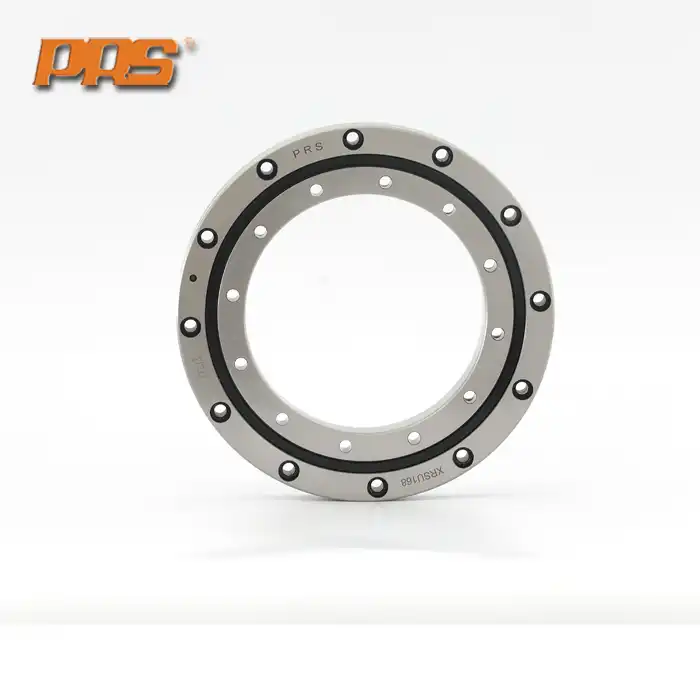
Criteria for Choosing Between Affordable and Premium Mini Lathe Bearings
Systematic review systems make it easier for procurement workers to find the best balance between cost and performance. To make the choice, you have to weigh a lot of practical factors against both short-term spending limits and long-term investment return predictions.
Usage Intensity and Environmental Assessment
The production rate and operating duty cycles have a big impact on the best bearing choice. Premium parts help high-volume factories that work nonstop shifts by lasting longer between replacements and lowering the costs of downtime. This makes the higher initial investment worth it. Instead, prototype shops and low-volume businesses often find that inexpensive choices give them good enough performance without adding extra features that they don't need.
Conditions in the environment should be carefully thought through. When making semiconductors in a cleanroom, sealed premium bearings are needed to keep particles out. In normal industrial settings, open, cheaper designs may work as long as the right upkeep procedures are followed. Extreme temperatures, cutting fluid contact, and vibrations from nearby equipment can all shorten the life of bearings, and you should think about these things when you buy them.
Key Performance Metrics Evaluation
Expectations for durability change a lot depending on the purpose. Robotic joint systems that go through millions of turns a year need high-quality bearings that are made to last a long time, but inexpensive parts can work well with indexing tables that only work sometimes. Similar reasoning applies to precision requirements: measuring systems that need to be accurate within micron tolerances every time support high standards, but standard grades work well with most manufacturing equipment.
The type of noise affects both the comfort of the user and the functionality of some technical apps. Medical and optical tools often need low-noise luxury bearings to stop vibrations that could affect the accuracy of measurements or the quality of images. Frequency of maintenance is another cost factor to think about. Cheap bearings usually need to be oiled and inspected more often, which adds work costs that may cancel out any savings from the initial purchase over the course of several years of use.
Buyer Segment Considerations
When OEM makers add bearings to the goods they sell, they have to follow different optimization rules than when maintenance workers buy new parts. To keep up with production plans and warranty responsibilities, equipment builders put a high value on consistent quality and supply chain stability. They often choose well-known premium providers even though they charge more. Distributors who want to balance the cost of goods with the price-sensitivity of their customers may keep both levels in stock and use application analysis to help clients choose the right specs.
When engineering teams look at bearing specs, they focus on technical performance data like load ratings, speed limits, and accuracy grades to make sure that the bearings' abilities match the real-world needs. This way of looking at things often shows places where cheap parts can meet real performance needs, so you don't have to spend extra money on quality parts that aren't needed.
Strategic Procurement Recommendations
For tasks that don't need to be very precise, are operated in normal conditions, and don't cost a lot of money, inexpensive bearings work fine as long as they meet the written operational specs. In these cases, general fabrication equipment, prototype machinery, and conditions where replacements happen often are all in line with planned repair processes.
When an application needs micron-level positioning accuracy, long service intervals of more than 10,000 hours, harsh weather conditions, or when bearing failure causes a lot of downtime or safety worries, premium choices offer measured value. Premium standards are always good for industries like aircraft, medical products, and semiconductor production.
Hybrid sourcing strategies reduce overall costs by using more expensive bearings in critical path uses and less expensive parts in non-critical places. This segmented method puts budget resources where they will have the most impact on operations. This works especially well for complicated machines with many bearing points that need to perform at different levels.
Procurement Tips for Securing Quality Mini Lathe Bearings
Finding your way around the world's suppliers and their price systems takes well-thought-out plans that strike a balance between quality control and saving money. The mini lathe bearing market is made up of many outlets, and each one has its own pros and cons that B2B procurement workers need to think about.
Supplier Channels and Verification
Online sites provide a wide range of options and clear prices, but they need careful source verification. Wholesalers that have been around for a while offer expert help and consistent quality, but their prices may be higher because of how they run their business. Direct ties with manufacturers, like working with companies that make precise bearings, often lead to the best prices for large orders while also making sure that specifications are met and quality is consistent.
When a supplier is checked, manufacturing certifications, especially ISO 9001 quality methods and standards related to the business, should be looked at. Ask for proof of the ability to measure accurately and the checking methods used. Reputable makers use thorough testing procedures and quality control methods to make sure that pass rates for important size factors are higher than 99%. It's also important to have access to technical support. Being able to get help from engineers when choosing specifications keeps expensive mistakes from happening and improves bearing performance.
Pricing Trends and Bulk Purchasing
Prices for normal bearings have stayed the same over the past few years, while prices for top precision grades have gone up because of higher costs for raw materials and better ways to make them. When compared to small orders, buying in bulk usually results in 15–30% cost savings. However, procurement teams have to weigh the benefits of volume prices against the costs of keeping supplies and the chance that specifications will become outdated.
Long-term relationship talks that focus on consistent volume promises and working together on technology development help OEMs negotiate better prices. Manufacturers like PRS often offer better prices to customers who can accurately predict demand and be open with delivery times. They do this because they know that stable production planning makes everyone more efficient.
Quality Benchmarks and Brand Considerations
Bearing makers around the world, like SKF, NSK, FAG, and Timken, set performance standards through decades of metal research and development in precise manufacturing. Their goods always meet the written requirements and come with full technical help and documentation available all over the world. This level of dependability supports higher prices in critical situations where predictable performance is more important than low cost.
Specialized makers that focus on precise bearing parts offer similar technical skills at prices that are competitive. PRS is a good example of this group because it has spent over 20 years focusing on high-precision uses. Their building has more than 200 precise machines that are run by 35 technical engineers. These machines make parts with precision grades up to P4 and P2 levels. This specialized knowledge makes sure that the specifications are exactly the same as those of foreign names. It also makes customization easier and cuts down on lead times for non-standard configurations.
Warranty and After-Sales Considerations
Full guarantee protection keeps you financially safe against early failure and quality problems. Premium sellers usually offer 12 to 24 month guarantees that cover problems with the way the product was made, but abuse in use is not covered. After-sales support, such as help with technology problems, availability of replacement parts, and application engineering advice, adds a lot of value after the initial buy.
Logistics of shipping have a big effect on total landing costs and project timelines. Reliable sellers keep a deep stock, which lets orders be filled quickly, and long-term foreign shipping partnerships make sure that goods are handled properly and that customs clearance is completed. Professional packing that takes into account the features of the goods, the routes they will be transported on, and the surroundings they will be in stops damage during transit that could affect the accuracy of the bearings.
Maintenance and Troubleshooting Tips for Mini Lathe Bearings
Proactive repair plans make operations last longer and stop sudden breakdowns that mess up production schedules. Your equipment's implementation methods should match the levels of mini lathe bearing quality and the needs of each application.
Routine Maintenance Guidelines
Cleaning methods get rid of built-up dirt and grime that speeds up wear and ruins performance. A cheap type of bearing needs to be checked every 500 to 1,000 hours of use, and cleaning instructions include solvent rinses to get rid of old oil and metal bits. Premium sealed bearings increase these times to 2,000 to 3,000 hours because they keep out contaminants better, which cuts down on work needs while keeping reliability high.
How you lubricate things has a big effect on how long bearings last. For normal uses, grease-lubricated assemblies need to be refilled every 1,000 to 2,000 hours, but this depends on the temperature, speed, and load. Premium synthetic oils make these cycles last longer and keep the temperature stable in harsh settings.
At regular times, working temperature, noise levels, and vibration levels should be written down. Temperature rises of more than 10 to 15°C above the baseline are a sign of problems that need to be looked into. Grinding sounds or patterns that don't make sense can be a sign of contamination, poor lubricant, or a part that is about to break. Changes in vibration amplitude found with handheld testers or machine tracking systems let you know early on when a bearing's health is getting worse.
Troubleshooting Common Issues
Noise problems have many reasons that need to be systematically identified. High-frequency sounds usually mean that the bearings aren't well oiled or that there are dirt particles in the raceway contacts. Low-frequency rumble is a sign of an uneven load distribution caused by construction mistakes like being out of line or having too much preload.
Problems with vibration are often caused by mistakes in the installation, such as issues with the size of the shaft or housing hole, bad interference fits, or misaligned couplings. Mismatches in thermal growth between bearing parts and housings cause changes in space that affect how smoothly they work. By measuring the shaft and housing measures in a planned way and comparing them to certain limits, you can find the root causes and fix them.
Early failure analysis looks at broken parts to see if the issue was caused by operating factors or quality problems. Spalling patterns in a raceway show that there are too many loads or pollution problems. Cage cracks are a sign of poor lubrication or too much speed. Corrosion damage is caused by being exposed to water or not storing something properly. This forensic method helps improve upkeep protocols, which stops problems from happening again.
Replacement Indicators and Procedures
Temperature monitoring gives you a measurable way to decide when to replace something. If it keeps running above usual temperatures by 20°C or more, it means that it's likely to break soon, so you should replace it right away. Noise increases that can be seen without instruments show advanced degradation that needs immediate attention.
If you see contamination or oil degradation during a check, it means the part needs to be replaced before it does more damage. Replacement methods require close attention to fitting details that affect how well the replacement works in the future. Before putting in new bearings, the measures of the shaft and case are carefully measured to make sure they are within the allowed ranges.
When you heat or cool something the right way, the interference fits are correct and the bearing parts are not damaged. Controlled placement of preload according to maker instructions guarantees the best rigidity and load distribution. These organized steps make new bearings last longer while keeping equipment performance standards.
Conclusion
When making choices about what to buy for spindle bearing parts like a mini lathe bearing, you need to carefully weigh the current cost against the long-term performance and total ownership costs. When you don't need very precise results and the working conditions are normal, cheaper choices work fine. On the other hand, superior specs offer measurable value when micron-level accuracy, long service intervals, or harsh settings support a higher investment. Strategic buying includes both an in-depth analysis of the real application needs and a well-informed choice of suppliers, with a focus on quality assurance, technical support access, and building relationships. The best way to do things is to divide bearing specifications across equipment portfolios, using high-quality parts where performance is very important and dependability is needed the most, and low-cost choices when they make sense, all while staying within budget and maximizing operating efficiency.
FAQ
What precision grades should I specify for robotic joint applications?
To get the positioning accuracy and consistency needed for automated manufacturing, robotic joint systems usually need P5 or P4 precision grades. These tolerances make sure that there is little to no runout and shaking, which lets you control motion precisely over millions of operating cycles. P2 specifications may be needed for jobs that need to be done very precisely or with heavy loads, but most industrial robots work consistently with P4 components, which offer the best cost-performance balance.
How do sealed bearings compare to open designs for machine tool applications?
Sealed bearing designs protect against contamination, which lowers the frequency of upkeep. This is especially helpful in places where cutting fluids are present and metal chips are made. When compared to open designs, the sealing parts add a little extra friction, which lowers the highest speed rates by about 15 to 20 percent. Higher spinning speeds and easier inspections are possible with open bearings, but they need to be oiled more often and carefully watched for contamination. The way you choose should depend on the operating conditions. For example, sealed designs work best in harsh settings, while open configurations work best in cleanrooms or for high-speed uses.
What warranty coverage should I expect from premium bearing suppliers?
Reputable companies that make high-quality bearings usually offer 12 to 24 month guarantees that cover problems with the quality of the materials or the way the bearings were made. In most cases, operational abuse, improper installation, and uses that go over the stated load or speed rates are not covered by the warranty. Comprehensive providers offer expert support during the warranty time to help with application research and troubleshooting. Installation records and maintenance logs that show the right way to do things are common examples of documentation standards. It is very important to follow the manufacturer's instructions during the repair interval.
Partner with PRS for Precision Bearing Solutions
When purchasing professionals are looking for dependable mini lathe bearing providers, they should work with companies that offer both technical know-how and quick customer service. With production skills that reach P4 and P2 tolerance grades, Luoyang PRS Precision Bearing Co., Ltd. has more than 20 years of experience in developing precise bearings. Over 200 precise machines are run by 35 technical engineers in our 15,000 m² building. These engineers know exactly what is needed for robots, machine tools, semiconductor equipment, and medical devices. We have a large collection that allows us to produce quickly, and we can also offer unique engineering solutions for requirements that aren't standard. Our quality system, which is ISO 9001 approved, makes sure that 99.9% of all orders are passed. Get in touch with our expert team at ljh@lyprs.com to talk about your unique application needs and find out how PRS can provide precision bearing solutions that are tailored to your needs and your budget.
References
Harris, T.A. & Kotzalas, M.N. (2006). Rolling Bearing Analysis: Essential Concepts of Bearing Technology. CRC Press, Boca Raton.
Shigley, J.E. & Mischke, C.R. (2001). Mechanical Engineering Design: Bearing Selection and Application. McGraw-Hill, New York.
ISO 492:2014. Rolling bearings — Radial bearings — Geometrical product specifications (GPS) and tolerance values. International Organization for Standardization.
Budynas, R.G. & Nisbett, J.K. (2015). Shigley's Mechanical Engineering Design: Precision Bearing Applications in Manufacturing Equipment. McGraw-Hill Education, New York.
Hamrock, B.J., Schmid, S.R. & Jacobson, B.O. (2004). Fundamentals of Fluid Film Lubrication: Bearing Performance and Maintenance. Marcel Dekker, New York.
ANSI/ABMA Standard 20-1996. Radial Bearings of Ball, Cylindrical Roller and Spherical Roller Types — Metric Design. American Bearing Manufacturers Association, Washington D.C.

USER EVALUATE
Here is the customer's evaluation of us
YOU MAY LIKE
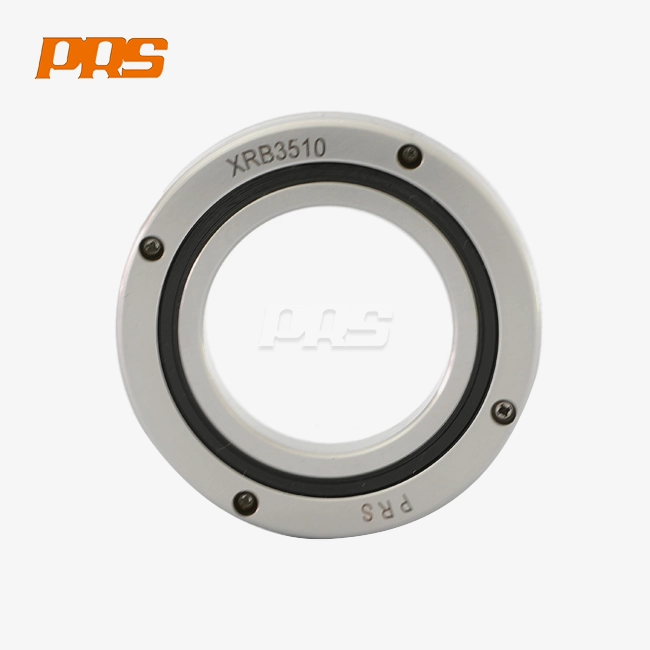 VIEW MORERB Crossed Roller Bearings
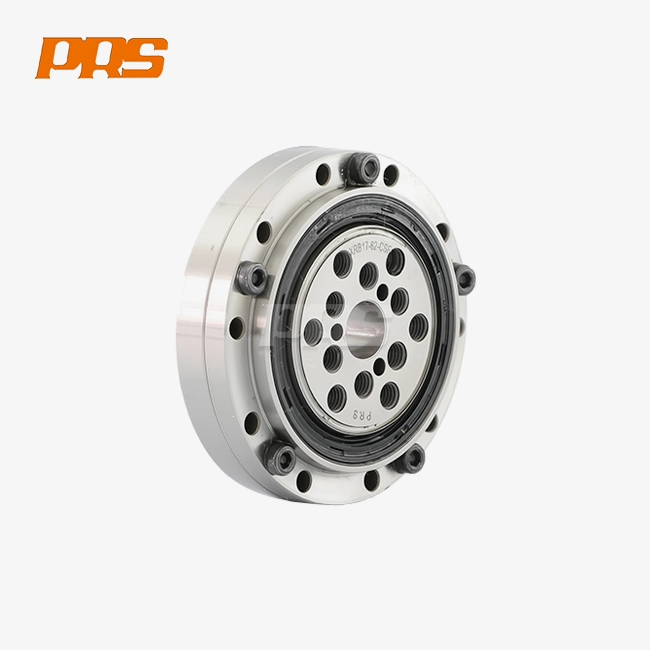 VIEW MOREHarmonic Reducer Robot Bearings
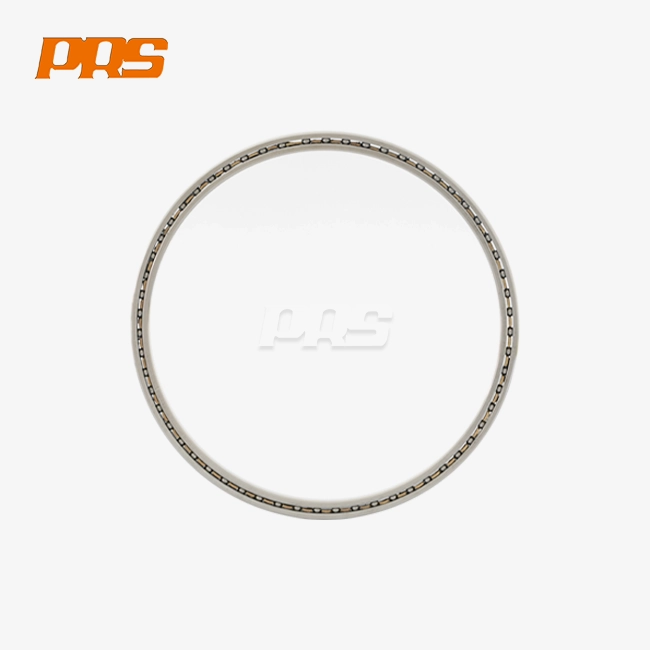 VIEW MOREultra thin section bearings
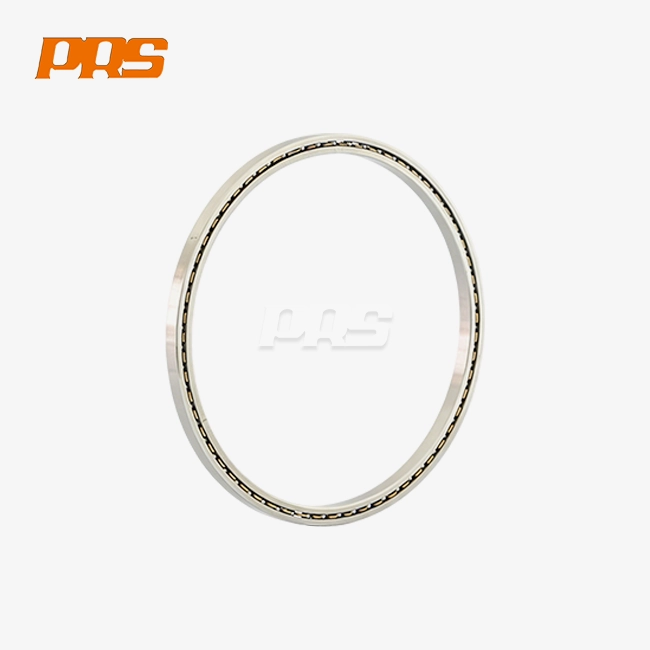 VIEW MOREprecision angular contact bearings
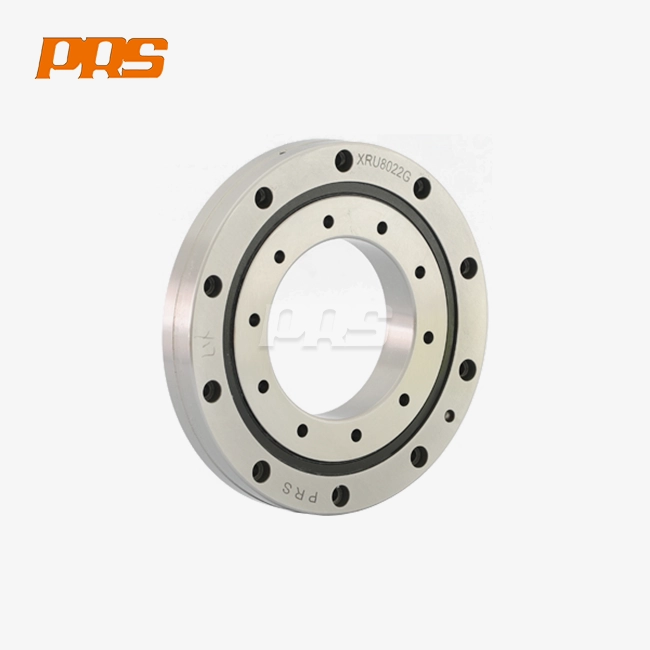 VIEW MORERU Face Mount Crossed Roller Bearing
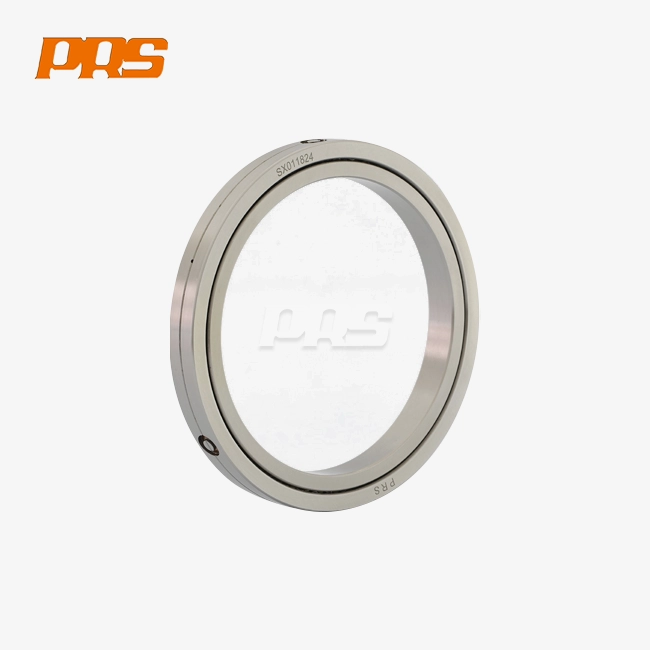 VIEW MORESX Cross Roller Bearing
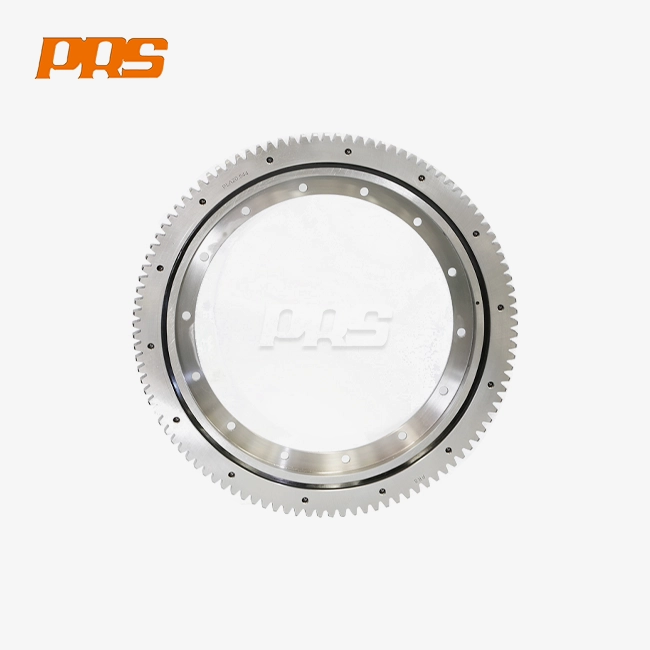 VIEW MORELarge Diameter Slewing Bearing
 VIEW MOREHeavy-duty slewing bearing