
Slim Section Bearings in Modern Satellite & Radar Technology
When aircraft engineers build radar tracking platforms or satellite antenna systems, they always have to deal with the problem of how to make the platforms very precise in terms of movement while working within very limited space limits. Through narrower cross-sectional shapes while maintaining high load capacity and accuracy, the slim section bearing addresses this challenge. These special parts are made to be very thin, so they can be put together in small spaces in weight-sensitive situations where every gram counts and system performance is directly affected by size limits. Because of how they are built, these bearings are essential for satellite tracking systems and radar gimbal systems that need to be accurate to the micron level in harsh settings.
Understanding Slim Section Bearings in High-Tech Applications
Defining Slim Section Bearing Technology
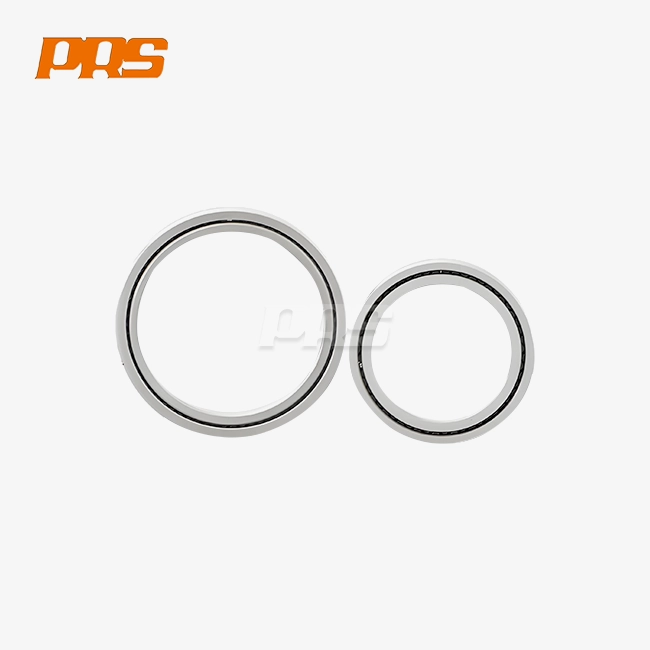
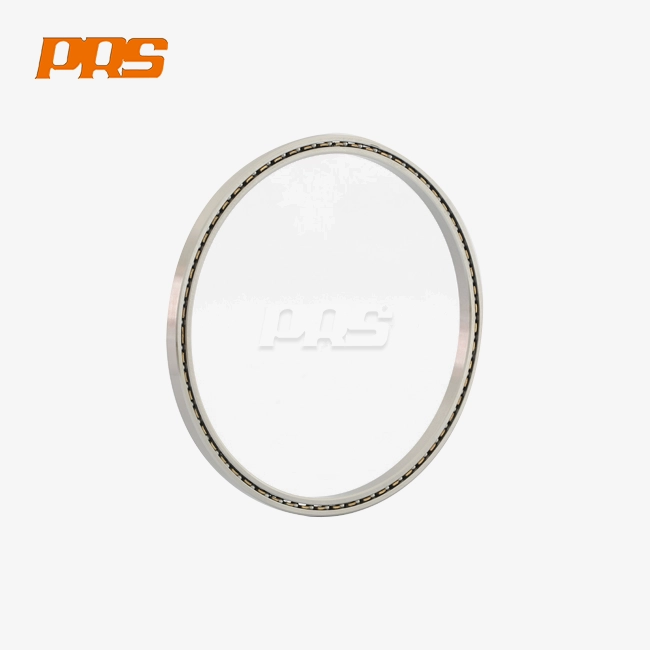
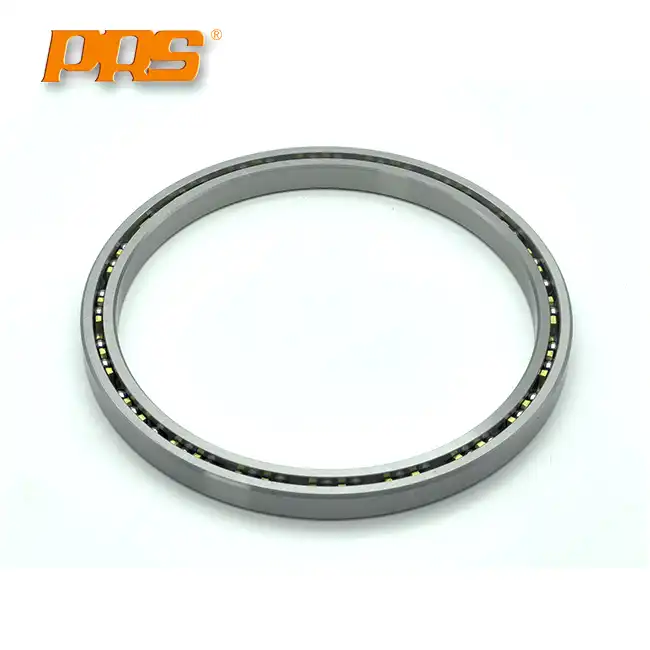
The radial cross-section of slim-section bearings is significantly smaller than the bore width of the bearing, making them a unique class of precise component. These parts can have cross-sections ranging from 8mm to 25mm and inner sizes ranging from 20mm to 250mm, while traditional bearings stick to standard measurement ratios. This geometric improvement makes it possible to put bearings into parts that regular ones can't physically fit, like in radar azimuth positioning systems and satellite dish rotating joints.
Structural Characteristics and Design Principles
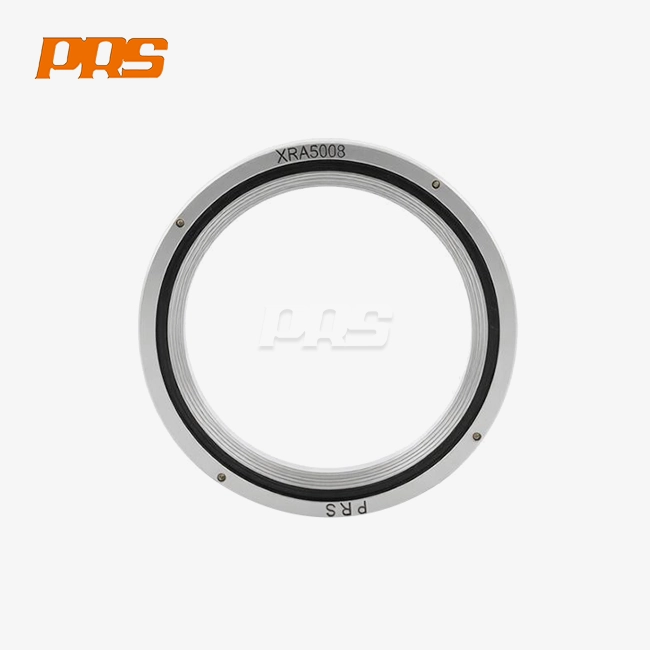
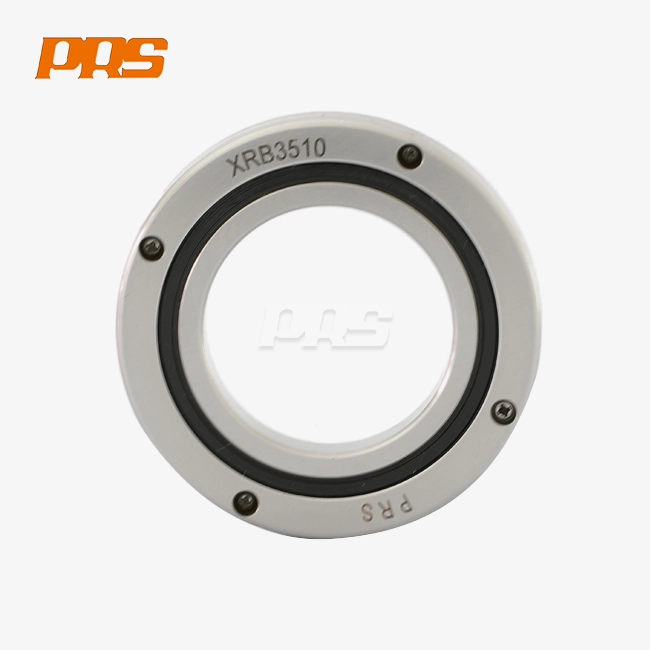
The CRBH design used in aircraft has inner and outer rings that are one piece and don't have any mounting holes. This means that there are no assembly-related changes that could affect the performance of the bearing. Because there are no fitting holes in the rings, they need to be mounted on a shaft and housing seat. This improves concentricity and decreases runout. The main idea behind how it works is that the load is spread out optimally across the contact zones of the raceways. Carefully designed gaps keep the ball elements in the right place. This design makes sure that the torque and rotary accuracy stay the same throughout the operating cycle. This is very important for keeping the accuracy of the radar beam during target tracking sequences.
Types and Material Innovations
Materials that can handle high temperature changes, radiation, and vacuum conditions are needed in aerospace uses. After being heat treated to make it harder, GCr15 high-grade bearing steel is the base material for most satellite and radar uses. Its hardness ranges from 58 to 64 HRC. The double-sided seal system keeps grease in and keeps internal parts clean, which extends their useful life in harsh conditions. Precision grades up to P4 and P2 levels allow circular accuracy measured in arc-seconds, which is necessary to keep communication satellites' signals locked on and to keep tracking radar accuracy high while acquiring targets quickly.
Advantages of Using Slim Section Bearings in Satellite & Radar Technology
The benefits of using slim-section bearings in satellite and radar technology are numerous. Designers of satellites and radar systems have to constantly balance three different needs: lowering the launch weight, increasing the payload capacity, and making sure that the systems will work reliably for ten years. These needs can be met by thin-profile bearing technology, which has a number of benefits that work together to improve system performance.
Space and Weight Optimization
Because the slim section bearing is so thin, it can be built into small structures that regular bearings can't reach. Antenna positioning systems save a lot of space without lowering their load capacity. This lets engineers give more room to power systems, amps, or receivers. Overall system mass drops by 30–40% in rotary units with lighter bearings compared to normal bearings. This directly lowers launch costs in satellite uses. This benefit is very important in aircraft and portable tools, where every kilogram affects how much fuel is used or how much can be carried.
Enhanced Rigidity and Signal Stability
The integral ring design gets rid of performance changes caused by assembly, so the spinning accuracy and torque qualities stay the same from installation to the end of the product's life. Optimized contact shape evenly spreads loads across the raceway surface, which increases bearing life and keeps accuracy even when loads change. During moves to keep a satellite in place or radar tracking of hypersonic targets, where vibrations cause signal degradation that directly affects mission success, this design trait becomes very important. The small amount of runout makes sure that the alignment of the antenna boresight stays stable through heat cycles and mechanical stress events.
Longevity and Maintenance Considerations
Double-sided seals keep particles out while keeping the right amount of grease in the system. This lets equipment work reliably in places where there is a lot of dust or waste. When used in satellite uses that are out of reach of humans, sealed bearing types don't need to be oiled again for 15 years. Extended maintenance intervals are good for ground-based radar sites because they lower running costs and make the system more available. Testing results show that the average time between failures is more than 50,000 hours in properly defined applications, given that the preload settings and thermal management are right.
Real-World Performance Improvements
A company that makes satellite antennas added precision thin-profile bearings to their X-band tracking system. This increased the accuracy of the system's direction from 0.05 degrees to 0.01 degrees and cut the weight of the antenna unit by 12 kilograms. Because of the higher accuracy, smaller antenna apertures were needed to get the same amount of gain. This made the whole spaceship base lighter. In the same way, a radar system used for air traffic control on the ground was updated to sealed slim-section bearings. This pushed maintenance gaps from 18 months to 36 months and increased the accuracy of azimuth positioning by 40%, which directly improved target separation in cluttered areas.
Comparing Slim Section Bearings: Making the Right Choice for Your Needs
To choose the best bearing options, you need to know how to balance performance across a number of different factors. To make sure that system integration goes smoothly, engineers have to look at things like load capacity, speed, weather resistance, and buying issues.
Performance Against Traditional Bearing Types
Traditional deep-groove ball bearings can handle more radial load at the same hole size, but they need 50–70% more radial room, which means they can't be used in satellite gimbals. Tapered roller bearings have a higher power capacity, but they need complicated preload adjustments that can't be done with sealed satellite systems. Four-point contact slim section bearing uses gothic-arch raceways that touch balls in four places. This lets it handle radial, axial, and moment loads at the same time. Most of the time, one four-point contact bearing can be used instead of two standard bearings. This makes designs easier and reduces the number of possible failure spots and assembly complexity.
Material and Design Considerations
GCr15 steel design has been shown to be reliable at temperatures ranging from -40°C to +120°C, making it ideal for most satellite and radar uses. During the production process, the heat treatment is improved, the raceways are ground to a microfinish level, and the balls are sorted for the best clearance control. Advanced sealing technologies that use fluoroelastomer materials keep the seal's stability for more than 100,000 spin cycles, even when exposed to UV light and ozone in the upper atmosphere. Coatings like titanium nitride or diamond-like carbon can make things last longer in harsh settings like deserts with lots of dust or corrosive maritime radar sites.
Procurement Factors and Sourcing Strategies
Engineers should compare the size requirements to the system needs, giving special attention to how flat the mounting surface is and how close the shaft and case are to each other, as these can directly affect the installed runout. Custom sizes are available to fit different spaces, and lead times for non-standard designs are usually between 8 and 12 weeks. When production needs dozens of similar units, buying in bulk can save you a lot of money, but the minimum order quantity varies from manufacturer to maker. Quality certifications, such as ISO 9001 compliance and material test records, make it possible to track products, which is very important for aircraft qualification programs. Most warranties cover problems with the way the product was made for 12 to 24 months, and professional support after the sale is very helpful when problems arise during integration.
Procurement Guide: How to Source Slim Section Bearings for Satellite & Radar Applications
To make sure that parts come on time and in good quality, suppliers must be carefully evaluated, specifications must be checked, and transportation must be carefully planned.
Identifying Trusted Suppliers
Major global wholesalers like SKF, Timken, NSK, FAG, Koyo, and NTN have large inventories of aerospace-grade bearings, but prototype projects may run into problems with lead times and minimum orders. When you work with makers that specialize in precision bearing applications, you can often get more unique configuration options and quick expert help. Checking manufacturing licenses, such as AS9100 aircraft quality standards, makes sure that suppliers keep up processes that are safe for use in flight-critical situations. Traceability is set up by asking for measurement inspection reports and material certificates, which is needed by quality assurance rules for the satellite program.
Best Practices for Order Placement
The first step in verifying specifications is to make sure that the hole diameter, outer diameter, and width measurements match the available mounting covers. Tolerance stackup in surrounding components must also be taken into account. It is important to be clear about the preload needs because the wrong preload can lead to premature wear or too much starting power, which overworks positioning motors. The working climate determines the type of seal material that should be used. Standard nitrile seals work well in mild conditions, while fluoroelastomers can handle high and low temperatures and chemical exposure. Standard greases can be used for ground uses, or vacuum-rated lubricants can be used for space-qualified components. Clear specs keep compatibility issues from happening during assembly.
Logistics and Handling Protocols
Protective packaging keeps Brinell harm from happening during shipping. slim section bearing components are usually sent in separate plastic cases inside of cushioned boxes. There are choices for faster shipping to meet urgent program needs, but if you plan ahead, you can avoid paying more for freight by using normal lead times of 10 to 14 weeks. Handling standards stress cleanliness by requiring the use of gloves and building methods that are done in a clean room to keep particles from getting into precision raceways. When storing something, the relative humidity should stay between 40 and 60%, and the temperature should not go too high or too low, as this can cause condensation or grease breakdown before installation.
Future Trends and Performance Optimization of Slim Section Bearings in Modern Technology
Aerospace bearing technology keeps getting better thanks to new discoveries in materials science, better ways of making things, and the ability to connect to digital tracking systems that make things more reliable and lower their lifetime costs.
Emerging Material and Lubrication Innovations
New types of materials are making strength-to-weight ratios better than what GCr15 can do. For example, nitrogen-strengthened stainless steels are 15% harder while still being resistant to corrosion, making them perfect for marine radar uses. Solid lubricant impregnation in advanced lubrication systems makes relubrication periods infinite, which is very important for satellite mechanisms that work in places that humans can't reach. When the spinning speed is very high, hybrid ceramic ball elements lower centrifugal loading and improve electrical separation in radio systems that are sensitive to ground loop interference.
IoT Integration and Predictive Maintenance
Integration with Internet of Things (IoT)-enabled condition tracking tools makes it easier to use predictive maintenance strategies that keep ground-based radar sites from breaking down without warning. Vibration sensors built into bearing housings find early signs of damage, like outer race spalling or ball wear patterns, and send maintenance alerts months before the bearing stops working. Temperature monitoring finds deteriorating grease or failed seals by detecting unusual heat production. This stops catastrophic bearing seizure during important tracking operations. Data analytics platforms collect performance data from all radar site networks. This helps find problems with the whole system and makes the best use of repair schedules to keep the system running as much as possible.
Evolving Market Demands and Regulatory Considerations
As satellite equipment gets smaller, people want bearing cross-sections that are even thinner without lowering their load capacity. This is pushing the manufacturing industry toward sub-5mm profiles at 100mm hole sizes. As the number of communication satellites grows, so do the requirements for precision improvement. Thousands of antenna placement systems must keep their arc-second accuracy over ten years of operation. Environmental laws are having a bigger impact on the choices that are made when designing bearings. For example, limits on some lubricant ingredients mean that the bearings have to be reformulated in order to keep performing the same in vacuum and radiation conditions.
Performance Optimization Strategies
When choosing bearings, procurement and engineering teams should use application analysis papers to keep track of load patterns, speed ranges, temperature extremes, and levels of contamination exposure. Working together with bearing makers during the design process lets you get the best mounting setups, preload specs, and seal settings before making the prototype. When applied to maintenance processes, continuous improvement methods use operating data to finetune inspection intervals, lubrication methods, and replacement criteria based on real performance rather than guesses. These methods improve operating efficiency and make parts last longer in aerospace settings that are very hard on them and where replacement costs are much higher than the prices of the parts themselves.
Conclusion
Modern satellite and radar technology can't function without slim section bearing, which offer the perfect mix of small size, high precision, and long-lasting sturdiness needed in aircraft applications. Their very thin shapes allow for weight-optimized designs that don't lose any rotational accuracy or load capacity. This directly helps communication satellites, Earth observation platforms, and radar sites on the ground complete their missions. As technology moves toward smaller satellites, higher precision needs, and longer mission durations, these specialized bearing solutions will continue to change through new materials, better sealing systems, and integration with technologies that check on their condition to make them more reliable over decades of use.
FAQ
What precision grades are available for aerospace applications?
In satellite and radar systems, precision grades P4 and P2 are often given, with P2 being the best level of accuracy. These grades guarantee rotating runout within micrometers and allow positioning accuracy measured in arc-seconds, which is important for keeping signal lock and tracking accuracy throughout the life of a mission.
How do double-sided seals impact service life?
Two-sided seals greatly increase operating life by keeping out contaminants and keeping the oil inside the bearing. In dusty environments, testing shows that sealed bearings last 3–5 times longer between service intervals than open setups. This lowers maintenance costs and raises system performance across radar site networks.
Can specifications be customized for unique applications?
Specialized makers can easily make custom changes, such as using different seal materials, different lubrication choices, or different clearance requirements. Technical teams look at the conditions of the application to find the best bearings and how they should be set up. They help with projects from making prototypes to mass production for aircraft programs that have specific size or performance needs.
Partner With PRS for Your Precision Bearing Requirements
Luoyang PRS Precision Bearing Co., Ltd. makes high-precision slim-section bearing solutions for aircraft and defense uses that need to be very precise. Our CRBH series components give your satellite dish systems and radar platforms the high accuracy, small size, and long-lasting performance they need. Since 2003, our main goal has been to create non-standard and high-precision special bearings that meet foreign quality standards and are trusted in the United States. Our 35-person engineering team is ready to look at your unique needs and suggest the best bearing setups from our huge product line, which includes bearings with inner diameters ranging from 20mm to 250mm and precision grades up to P2 levels. As a recognized producer of slim-section bearings with ISO 9001, ISO 14001, and ISO 45001 certifications, we make sure that the quality is always the same by using strict testing procedures that get over 99.9% of the time. Simply email our technical experts at ljh@lyprs.com with your application needs to talk about PRS precision bearings and how they can help your aircraft projects by improving system-level performance.
References
Bhushan, B. (2013). "Principles and Applications of Tribology: Thin Section Bearing Design for Aerospace Systems." John Wiley & Sons, Second Edition.
Harris, T. A. & Kotzalas, M. N. (2006). "Advanced Concepts of Bearing Technology: Rolling Bearing Analysis, Fifth Edition." CRC Press, Taylor & Francis Group.
Hamrock, B. J., Schmid, S. R. & Jacobson, B. O. (2004). "Fundamentals of Fluid Film Lubrication: Applications in Satellite Mechanism Design." Marcel Dekker Publishing.
ISO 12044:2014. "Rolling bearings - Single-row angular contact ball bearings - Chamfer dimensions for outer ring non-thrust side." International Organization for Standardization.
Krantz, T. L. (2012). "Mechanical Components for Spacecraft Antenna Pointing Systems: Performance Requirements and Bearing Selection Criteria." NASA Technical Memorandum Series, Glenn Research Center.
Zaretsky, E. V. (2010). "Rolling Bearing Steelmaking Technology: Material Advancements for Aerospace Applications." NASA Reference Publication, Lewis Research Center Advanced Materials Division.

USER EVALUATE
Here is the customer's evaluation of us