


Extending RE Robot Bearing Life: Lubrication & Inspection Guide
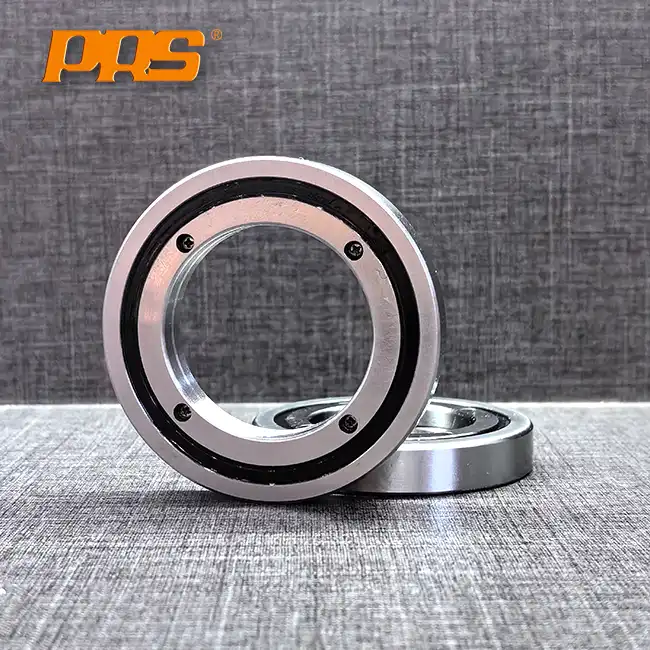
When you buy precision robotic systems, the working uptime and earnings are directly affected by how long the RE robot bearing lasts. These special cross roller bearings have an outer ring that is one piece and an inner ring that is split. They can handle radial, axial, and moment loads at the same time and are small. Using the right lubricants and doing regular inspections can increase the service life by up to 60%. This keeps parts from breaking down too soon, which can mess up production plans and make repair costs go up. Automation engineers, procurement managers, and OEM clients who need their robotic equipment to work reliably will find practical repair strategies in this complete guide.
Understanding the Importance of Lubrication in RE Robot Bearings
It is important to keep precision bearings oiled when they are used in robotics. Without enough oil, metal-to-metal contact causes too much friction, which speeds up the wear on the V-groove raceways and circular rollers that define the performance of the RE robot bearing series.
Why Lubrication Matters for Cross Roller Bearings
Cross roller bearings work in a way that is different from how normal moving parts do. These bearings' orthogonal roller design handles loads coming from different directions at the same time, making contact stress patterns that are very complicated. As it moves through the load zone, each roller goes through alternate tension. Cycling like this makes heat and tiny wear and tear on the surface. Good lubrication makes a protecting coat that splits metal surfaces, which lowers the coefficients of friction and effectively gets rid of heat.
Selecting the Right Lubricant Type
Whether you use grease or oil to lubricate something depends on the specifics of your application. Grease lubrication is easy to use for most robotic joint uses and protects them for a long time with little upkeep. Lithium-based greases with an NLGI Grade 2 consistency work well for moderate-speed tasks, while synthetic greases with PTFE additives work best for high-precision tasks that need smooth motion with little drag. For high-speed rotating tables or situations where heat needs to be removed, oil greasing is better. Circulating oil systems keep the film layer the same across a wide range of working temperatures, but they need more complex sealing arrangements.
PRS RE robot bearings have a double-sided seal design that works well with both types of lubricant. Lubricants need to have the right viscosity properties across a range of temperatures, from -40°C to +150°C, where they are used. Mineral-based oils don't keep their film strength as well at high and low temperatures as synthetic oils do. This is why they are chosen for demanding aircraft and semiconductor uses.
Lubrication Intervals and Application Methods
Setting up the right relubrication plans stops problems caused by both too little and too much oil. Keeping an eye on these things helps figure out the best intervals:
- Load intensity: Bearings that are constantly under heavy loads need to be oiled more often than bearings that are occasionally under light loads. When robot joints have high moment loads, the bearing raceways are put under a lot of stress.
- Operating speed: Higher spinning speeds make more frictional heat, which breaks down lubricants faster. Pick-and-place robots that move quickly need their bearings serviced less often than systems that move things more slowly.
- Environmental conditions: To make semiconductors in a cleanroom, you need special lubricants that won't create particle contamination. In industrial areas where temperatures change often, you need strong formulas.
When adding grease, completely remove any old lubricant during service intervals so that you don't mix formulas that don't work well together. Slowly add new grease while turning the bearing to make sure it covers all the roller contact points evenly. When there is too much grease, it causes churning resistance, which leads to heat and power waste that are not needed.
Inspection Techniques to Detect Early Signs of Wear and Damage
Protocols for systematic inspection find problems as they start to form before they become major fails. When compared to emergency repairs and unexpected downtime, early discovery saves a lot of money.
Visual and Physical Inspection Methods
Regular eye inspection can tell you a lot about the state of the bearings. Discoloration on the surface means that the heat is causing problems, and oil leaking around the seals means that the seals are not as strong as they should be. During routine maintenance, slowly turn the bearing by hand and feel for roughness or resistance that could mean that it is getting dirty or worn down.
During operation, strange noise often comes before a drop in performance that can be measured. A skilled expert can tell the difference between normal machine sounds and annoying ones, like grinding, squeaking, or clicking, which can mean that rollers are damaged or not well oiled.
Advanced Diagnostic Technologies
Vibration analysis has become a strong tool for precision bearings that can be used to plan preventative maintenance. Putting accelerometers on robot parts lets vibration patterns be tracked all the time. Frequency patterns caused by defective bearings can be picked up by advanced analysis tools weeks before the performance starts to get worse. This method works especially well for important tasks where failures caused by outside factors cause big losses in production.
Thermal imaging shows temperature changes that aren't normal and works with shaking tracking. Infrared cameras quickly look at a number of robotic joints to find bearings that are working at temperatures above normal. High temperatures usually mean that the grease is breaking down, there is too much pressure, or contamination is getting in and needs to be fixed right away.
Common Bearing Problems and Detection Methods
Precision cross roller bearings are often broken in robotics applications in a number of ways. Understanding these trends makes inspections more useful and helps decide when to step in.
One of the most common reasons for failure is contamination. Particulate matter that gets in through broken seals makes holes in the bearing surfaces, which causes vibrations and speeds up wear. During the checkup, carefully look at the quality of the seal and look for signs of moisture getting in and causing corrosion.
Installing something wrong leads to problems that show up slowly over time. When the mounting surfaces of two bearings are not lined up correctly, edge loading happens on the rollers, which leads to early wear patterns. Too much installation force can damage the split inner ring or warp the raceways, which can make the measurements less accurate.
Lubrication and hunger leave clear signs. When bearings are used without the right film protection, the raceway surfaces get frosted as material moves microscopically. If this problem is found early on through regular checking, it can be fixed before it causes big changes in the dimensions.
Systematic Approach to Extending RE Robot Bearing Life
To get the most out of a bearing's service life, you need to know how it fails and use prevention methods that target the reasons, not just the signs.
Root Causes of Premature Bearing Failures
By looking at failed bearings from robotic uses, trends can be found that can help with prevention. About 40% of premature bearing problems are caused by problems with lubrication. Insufficient lubrication and dirty lube conditions are both in this group. The rest of the failures are caused by mistakes during installation, contamination getting in, and overload conditions that are too high compared to the design limits.
Knowing the features of the load helps keep overload fails from happening. The inner width of RE robot bearings ranges from 20 mm to 600 mm, and their load capacities change with size. By choosing bearings based on the real loads they will be used for and leaving enough room for error, you can keep them from wearing out too quickly. The crossed roller structure does a good job of spreading out loads, but designers need to think about all kinds of loading situations, such as shock loads during fast acceleration.
Core Principles for Durability
If you follow these basic steps, your robotic setups will have a stable base for longer bearing life.
- Optimal lubrication regimes: Make lubrication plans for each application that are based on real-world working conditions instead of general time frames. Write down the types and amounts of lubricant used to make sure they are always the same between repair rounds.
- Scheduled inspections: Set regular inspection rates that are proportional to the criticality of the bearing and the working energy. Robots that are important for production should be checked more often than backup systems.
- Proper component handling: Teach repair staff the right way to handle bearings. Problems show up months later because of contamination during installation. Bearings should be kept in a controlled setting, and all service processes should be done with clean tools.
Case Studies Demonstrating Lifespan Extension
A company that puts together cars made changes to the way their automatic welding line, which had precision cross roller bearings, was oiled. In the past, mineral-based solutions were used to change the grease once a year. Bearing life went up by 45% after moving to synthetic grease with service intervals of 6,000 working hours. Monitoring vibrations proved stable operation over longer service intervals, and fewer bearing replacements cut yearly maintenance costs by a large amount.
A company that makes semiconductor equipment fixed early bearing problems in robots that handle wafers. A study showed that dirt from the cleanroom was getting into the bearings through holes in the protective covers. Bearing failures were cut by 70% when better sealing arrangements and low-outgassing synthetic lubricants were put in place. This increased production uptime in their high-value industrial setting.
Choosing the Right Lubrication and Inspection Solutions
To choose the right repair goods and methods, you need to look at a lot of things that affect how well they work and how much they cost.
Comparing Lubrication Options
There are many different kinds of lubricants on the market, and each one is made for a different set of situations. The best choice is made by comparing these options to the needs of your program.
Standard industrial robots that work in mild conditions can be protected at a low cost with mineral-based greases. With decent service intervals and reliable performance at room temperature, these items are good for material handling and assembly tasks that don't put too much stress on them.
The higher starting cost of synthetic oils is justified by their longer service life and better performance. Polyalphaolefin (PAO)-based greases keep their thickness over a wide range of temperatures, which is useful for robots that work in places where the temperature changes. Lubricants called perfluoropolyether (PFPE) are the best for cleanroom robots and high-temperature uses because they are very resistant to chemicals and don't change much when heated or cooled.
The main selection factors are load capacity, rotational speed, and working temperature. Extreme pressure chemicals help RE robot bearings in high-moment joints by keeping the grease film from breaking down when stress builds up. For high-speed uses, you need low-viscosity mixtures that have low spinning resistance while still having enough film strength.
Partnering with Certified Suppliers
Working with well-known bearing makers guarantees the quality of the product and provides expert help for the whole life of the equipment. Reputable sellers give detailed instructions on how to fit the parts and how to make sure they work with the lube. Their expert teams help with application research and help customers choose the best bearing configurations and ways to maintain them for their needs.
In addition to the bearing itself, providers who offer integrated solutions add value by creating unique lubrication plans and teaching people how to do inspections. Bulk buying deals for both bearings and approved lubricants make it easier to get what you need and make sure that all of your robotic systems work together.
Maintenance Tips to Maximize Performance and Lifespan
How well the theoretical bearing life is translated into real-world operating longevity is determined by how well the repair is carried out. These detailed steps will help make execution work well.
Step-by-Step Lubrication Application
Using the right method to apply grease makes sure that it covers everything without being too dense. Before you start, make sure you have the right tools, an approved lube, and clean, lint-free cloths. Place the robot joint so that gravity can help the grease spread. Take off the cap on the grease fitting and wipe it clean to stop dirt from getting in. Put the grease gun on and slowly pump while turning the bearing. This will let the new grease slowly replace the old grease. Watch for new grease to come out of the seal on the other side. This means that the grease has been evenly spread. Wipe off the extra, and then let the bearing spin freely to get rid of any extra oil during the first use.
Inspection Checklists for Maintenance Teams
By making standard inspection forms, you can be sure that all of your repair staff and robotic systems will be evaluated the same way. Your checklist should include recognition of the bearing, the date of the inspection, the number of hours it has been in use since the last service, and specific notes in the following areas:
- Visual state: seal integrity, lubricant leaks, surface corrosion, and condition of attachment parts
- Operational characteristics: how smooth it is when turning by hand, any unusual noises or vibrations, and the working temperature
- Data from measurements: include vibration magnitude and frequency range, thermal imaging results, and preload confirmation.
Storage and Handling Protocols
When bearings are not yet installed, they need to be stored in a safe way. Keep the temperature and humidity under control to stop rust and condensation. To keep the factory clean, keep bearings in their original packaging until they are time to put them. Wear clean gloves when handling bearings and never touch accurate surfaces directly. Because RE robot bearings have a split inner ring, they need to be carefully installed so that the two halves of the ring stay in the right place.
Replacement Decision Criteria
Finding the best time to change bearings is a mix between managing risk and keeping up with maintenance costs. If vibration research shows that bearings are getting worse, you should replace them even if the working performance is still good. If you look at the surface and see cracking, flaking, or a lot of wear, you should replace it right away. If the operating temperature goes up by 10°C or more above the baseline, it means that there are problems inside the bearing that need to be replaced. If you want to keep unplanned downtime to a minimum in important business applications, you might want to replace things based on how long they last before they need to be replaced.
Conclusion
To get the most out of the life of RE robot bearings, you need to stick to routine cleaning and check schedules. The unique cross roller design provides high accuracy and load capacity, but the full service life potential relies on how well it is maintained. Choosing the right lubricants for the job, applying them at the same time every time, and putting in place thorough testing programs all lead to measured performance gains. The most uptime and the lowest lifecycle costs are achieved by companies that keep records of repair tasks and look at performance trends. When you work with experienced suppliers, you can get access to technical know-how and high-quality goods that help you do your job well in robotic uses that are very specific.
FAQ
What are the recommended lubrication intervals for precision cross roller bearings in typical industrial robot applications?
How often you lubricate relies on how hard you're working and the weather outside. Continuous-duty robots that work two jobs a day usually need to be relubricated every 3,000 to 6,000 hours of use with good synthetic greases. For intermittent-duty jobs, the breaks can be up to 8,000 hours. Applications with a lot of speed or load need to be serviced more often, maybe every 2,000 hours. Setting up condition tracking lets you use data to optimize intervals instead of just using time-based plans.
Why do bearings fail prematurely even when standard lubrication practices are followed?
Failures in bearings are caused by more than just a lack of grease. When seals get broken and let contamination in, abrasive particles get in and speed up wear even when there is enough oil. Edge pressure that goes over local stress limits is caused by improper fitting that causes misalignment. During quiet times, vibrations from nearby equipment can cause damage that isn't really there. No matter how well the bearings are maintained, they will fail if they are loaded beyond their original limits. A thorough failure analysis finds the exact reasons why something went wrong and what needs to be done to fix it.
Can using alternative lubricants from third-party suppliers affect warranty coverage?
Most bearing makers list the types and properties of lubricants that are allowed to make sure the best performance and guarantee compliance. Using lubricants that aren't allowed could void your guarantee if the problems are caused by lubricants that don't work with your equipment. The risk goes beyond warranty issues because oils that don't work well together can damage seals, make friction worse, or cause the parts to separate while they're running. Before using a different oil, you should always check with your bearing provider to see if it is approved, even if the technical specs look the same.
Partner with PRS for Superior RE Robot Bearing Solutions
Luoyang PRS Precision Bearing Co., Ltd. makes high-quality cross roller bearings that are designed to work perfectly in robotic uses that need to be very accurate and reliable. Our RE robot bearing line has precision grades up to P2, double-sided seals, and a wide range of sizes from 20 mm to 600 mm inside diameter. They are made using quality methods that are ISO 9001, ISO 14001, and ISO 45001 certified. Our expert team offers full application support, including advice on which lubricants will work best with your equipment, detailed installation instructions, and predictive maintenance plans that are made to fit your unique needs. We are a renowned producer of RE robot bearings that is dedicated to operational excellence. Our factory pass rates are higher than 99.9%, and we can make adjustments for unique uses. Get in touch with our experts at ljh@lyprs.com to talk about your precision bearing needs, ask for technical paperwork, or look into bulk buying options that will help your supply chain work better while making sure your robotic systems use genuine, approved parts.
References
Harris, T. A. & Kotzalas, M. N. (2006). Advanced Concepts of Bearing Technology: Rolling Bearing Analysis, Fifth Edition. CRC Press.
Budynas, R. G. & Nisbett, J. K. (2015). Shigley's Mechanical Engineering Design, Tenth Edition. McGraw-Hill Education.
Khonsari, M. M. & Booser, E. R. (2017). Applied Tribology: Bearing Design and Lubrication, Third Edition. John Wiley & Sons.
ISO 281:2007. Rolling bearings — Dynamic load ratings and rating life. International Organization for Standardization.
Neale, M. J. (2001). The Tribology Handbook, Second Edition. Butterworth-Heinemann.
Hamrock, B. J., Schmid, S. R. & Jacobson, B. O. (2004). Fundamentals of Fluid Film Lubrication, Second Edition. Marcel Dekker.

USER EVALUATE
Here is the customer's evaluation of us
YOU MAY LIKE
 VIEW MOREAutomation and robotic bearings
 VIEW MOREceramic angular contact bearings
 VIEW MOREthin section angular contact bearings
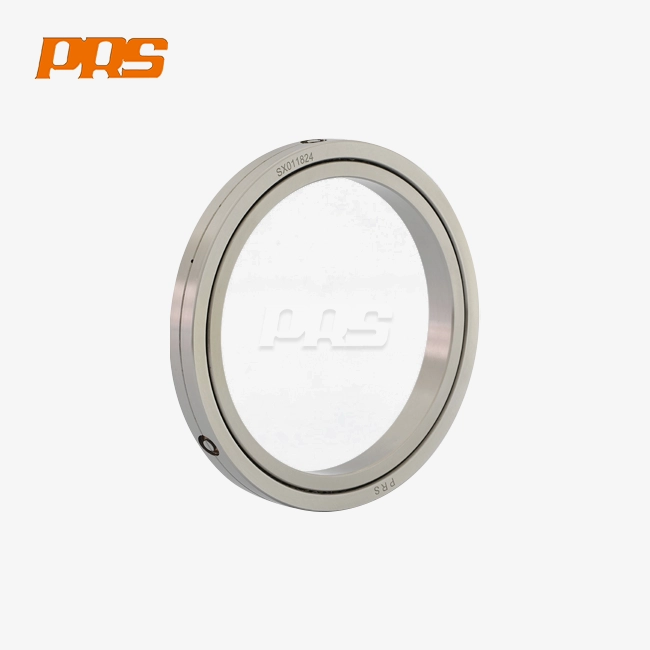 VIEW MORESX Series Cross Roller Bearing
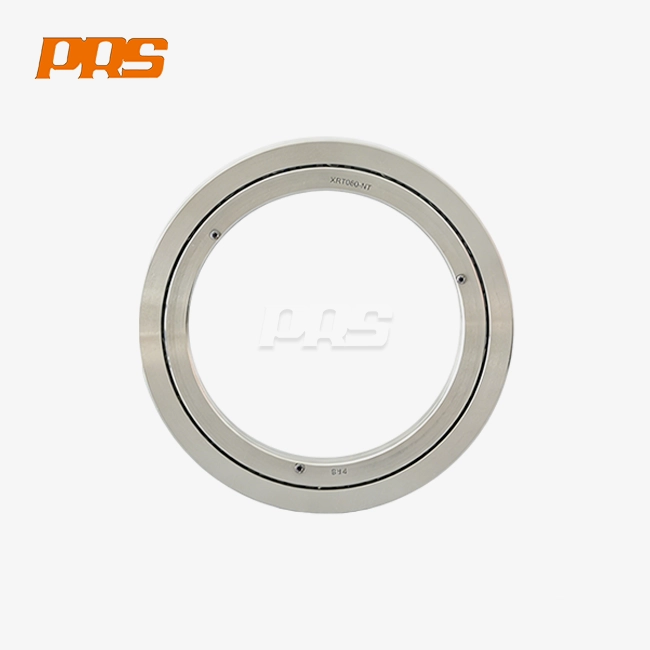 VIEW MORElathe steady rest bearings
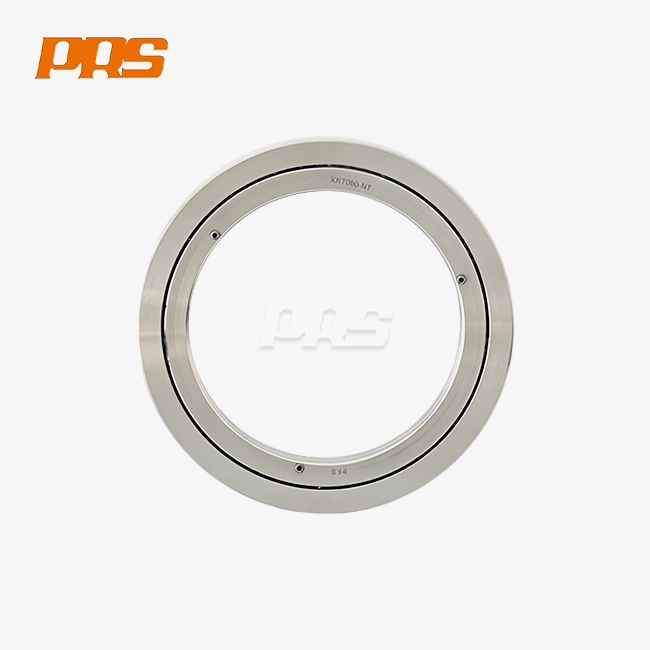 VIEW MOREmini lathe tapered bearings
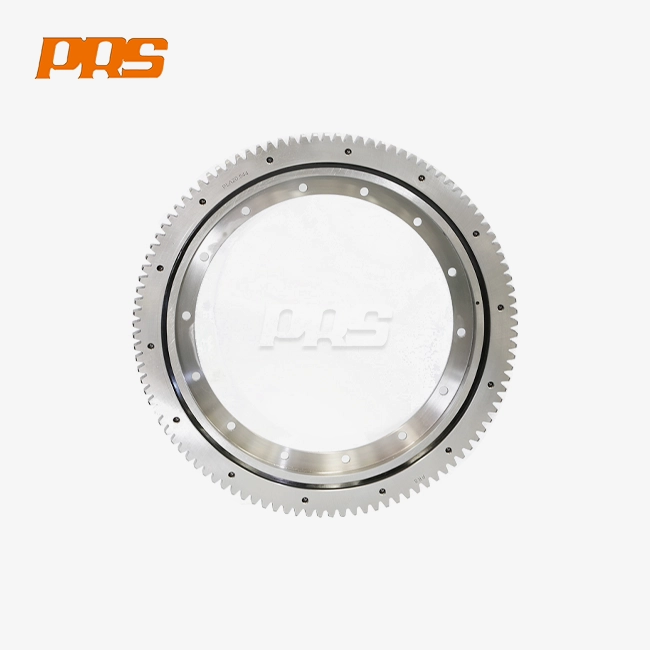 VIEW MOREExternal Gear Slewing Bearing
 VIEW MORERoller Slewing Bearing