
Robot Arm Bearings How High Precision Boosts Robot Accuracy
Specialized robot arm bearing parts are what make high-precision robotic joints work. They directly affect how accurately they place and how reliably they work. These mechanical parts keep things from rubbing against each other and support complex loads that are pulled in different directions in industrial automation settings. When procurement managers choose bearing options, they have to make important choices that can affect how well the system works, how often it can be used, and how much it costs to maintain in the long run. These days, robotic apps need parts that work the same way even when the loads, speeds, and surroundings change. Automation experts can get the most out of their equipment purchases and work more efficiently by understanding how bearing precision affects robot accuracy.
Understanding Robot Arm Bearings and Their Role in Precision
Accurate robotic motion control systems are built on specially designed robot arm bearing parts. In contrast to other industry choices, these precision elements can handle complicated load combinations while keeping deflection and backlash to a minimum throughout the operating cycle.
How Bearings Influence Positioning Accuracy?
The accuracy of the position depends on how well the bearing shape and manufacturing errors work together. Rolling parts between the inner and outer rings spread out the forces evenly and make the spinning smooth. Compared to sliding contact systems, this mechanical design has less friction, which lets robots position themselves within micrometers every time. When individual parts aren't precise, the mistakes that build up across multi-joint systems get worse. This is why choosing the right bearings is so important for the accuracy of the whole system.
Core Bearing Types for Robotic Applications
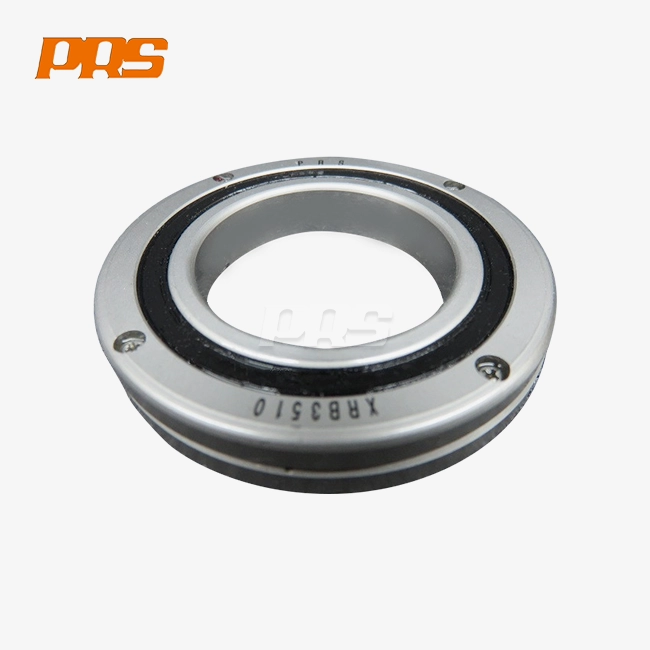
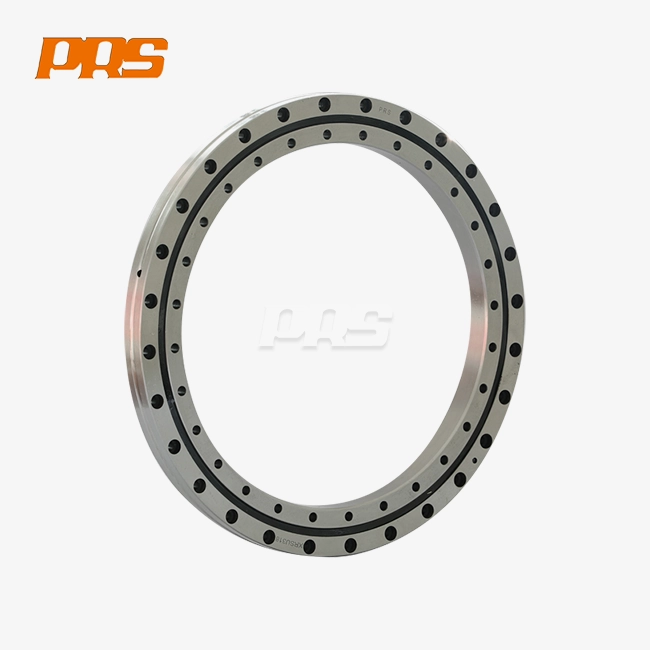
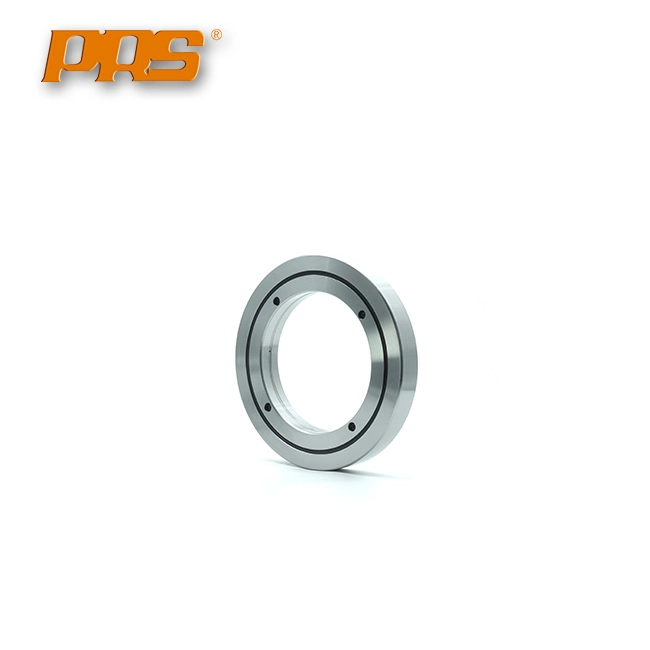
Crossed roller designs set up circular elements so that they are perpendicular to each other. This lets both radial and axial loads be supported at the same time. This system has very high stiffness and very little deflection when the force changes. Wrist joints and precision positioning systems are two examples of uses where limited room calls for small solutions that can hold a lot of weight.
Angular contact ball bearings have contact angles that are designed to spread loads evenly. This setup lowers the internal space and raises the accuracy of positioning across elbow joints and rotary motors that need precise angular positioning with little play.
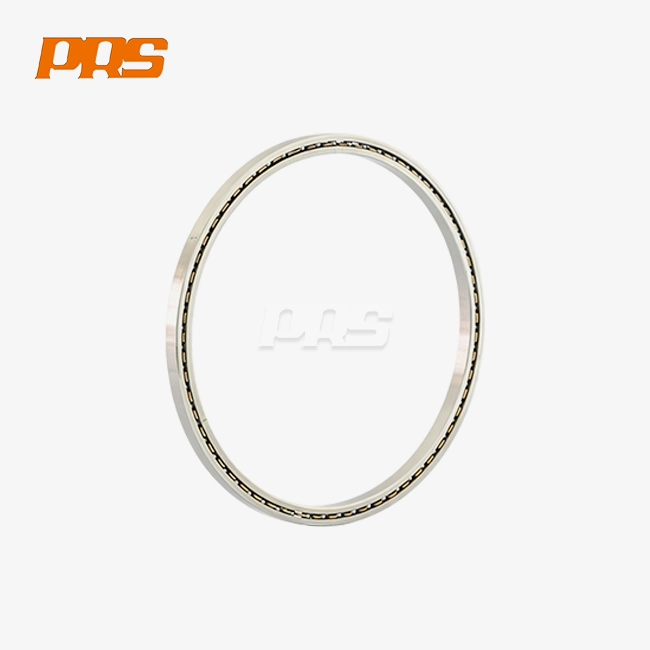
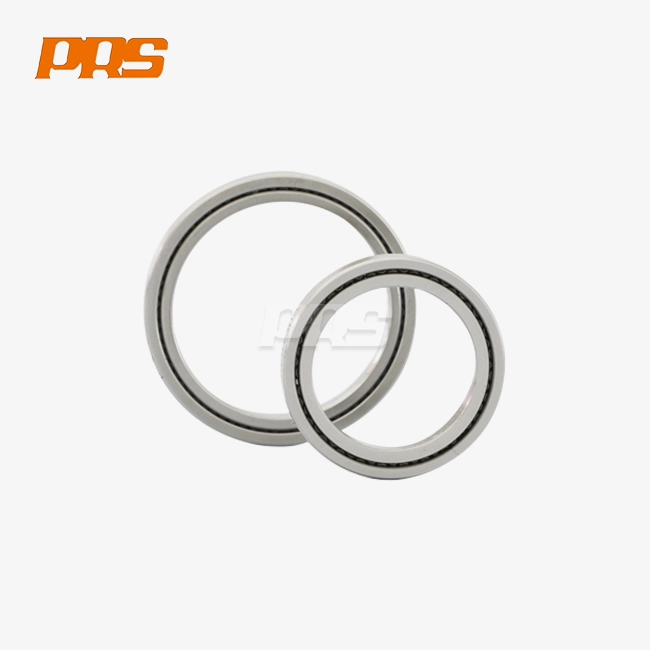
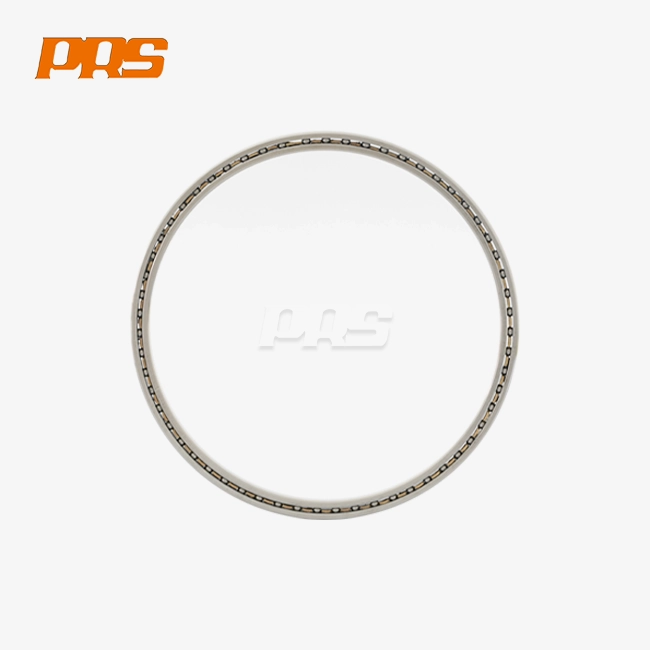
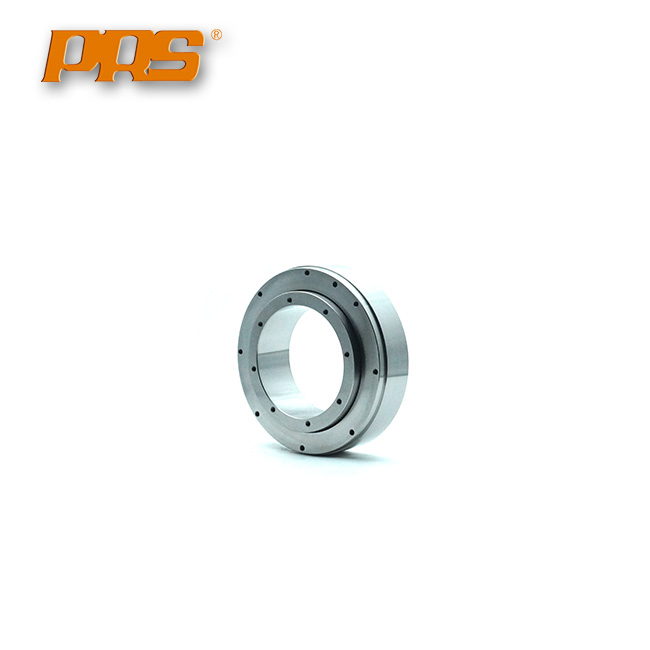
Thin-section shapes have smaller cross-sectional sizes but can still hold the same amount of weight. This arrangement reduces the size and weight of small robotic systems, especially when performance needs to be maintained while size and weight reduction are goals.
Load Requirements Across Joint Configurations
Most of the time, upper arm assemblies and packages put greater radial loads on base joints. Roller bearings are useful in these places because they can handle large forces without movement. Crossed roller designs work well for wrist systems because they can handle forces acting in multiple directions with little pushback. Knowing how the load is distributed across each joint helps buying teams match the requirements for bearings to the needs of the process.
Key Design Principles and Material Considerations for High-Precision Bearings
Precision in manufacturing and choice of material have a direct effect on how well robot arm bearings work in difficult automation settings. These things affect how friction works, how stable something is at high temperatures, and how long it will last in industrial settings.
Manufacturing Tolerances and Geometry Optimization
PRS makes precise bearings with tolerances of P4 and P2, which keeps the accuracy of placement to within micrometers. Tight manufacturing limits cut down on mistakes that add up over time in systems with many joints, where small differences add up through kinematic chains. Optimized internal design spreads loads evenly across rolling elements, which increases the life of the component and keeps its performance stable even when the loads change. Our building has more than 200 high-precision tools that can make bearings with diameters ranging from 10 mm to 5000 mm. This makes sure that the sizes meet all of your needs accurately.
Sealed Versus Unsealed Configurations
In factory settings where dust and other particles could affect bearing function, double-sided seals keep them out. Sealed setups keep the oil working properly and stop particles from getting in, which speeds up wear. Unsealed versions have less friction resistance, but they need to be kept in a controlled climate and need to be serviced regularly. PRS bearings have double-sided seals that protect important areas and can work in temperatures from -20°C to +120°C.
Material Properties and Performance Characteristics
Chrome steel is a good choice for normal industrial automation uses because it is both strong and durable. The material does what it's supposed to do in normal working situations and doesn't cost too much. Stainless steel types don't rust in cleanrooms, which are needed to make semiconductors and put together medical devices. When it's hot outside, these materials stay the same size even though regular steel would break down.
Ceramic bearing elements work better in high-speed situations that need very little friction and great temperature stability. The lightweight design lowers centrifugal forces at high spinning speeds while keeping the accuracy of the position. Ceramics work best in high-torque situations where heat buildup could affect the stability of the dimensions, but they cost more to buy at first than steel options. Advanced surface processes lower the coefficients of friction for all types of materials. This means that less heat is produced during operation and more energy is saved.
Maintenance Tips and Signs of Wear to Ensure Long-Term Precision
In robotic systems, systemic repair procedures keep them accurate and make them last longer. Monitoring that is done proactively finds degradation before it causes problems that delay production. Monitoring robot arm bearing health is essential for sustained performance.
Lubrication Schedules and Inspection Intervals
Proper lubrication of robot arm bearing increases the life of bearings and keeps them running smoothly for longer periods of time. Follow the manufacturer's instructions for how often to apply grease or oil based on the speed of the machine and the weather. Too much lubrication makes friction and heat worse, and not enough oil speeds up wear on moving surfaces. Set up regular checkups to check the state of the lubrication and look for signs of early wear. Accessible mounting designs cut down on service costs and repair downtime for multi-joint systems.
Early Warning Signs of Bearing Degradation
When working noise goes up, it means that surfaces on moving elements or raceways are becoming less smooth. Vibration tracking tools find changes in intensity that indicate misalignment or worn parts before they break. When temperatures rise above their usual ranges, it means that there is too much friction because of poor lubrication or damage inside the part. Infrared thermography finds hot spots that show areas of high stress that need instant care. These ways of diagnosing make it possible to use forecast maintenance plans to avoid unplanned downtime.
OEM Parts and Replacement Standards
By getting new parts from the original equipment maker, you can be sure that they will meet design specs and precise tolerances. Generic alternatives might save you money, but they often hurt the accuracy of your position and the life of your equipment. Understanding the terms of the guarantee saves the money you spend on purchases and makes sure that the seller will support you for the life of the bearing. PRS has a lot of quality control measures in place, such as checking the materials, checking the sizes, and trying the performance. Our factory pass rates are higher than 99.9% because each bearing is tested for sound, clearance, and torque before it is shipped. Consistent material qualities make sure that performance is consistent across production batches, which helps with accurate planning for replacements.
Comparing Leading Robot Arm Bearing Solutions for Informed Buying Decisions
When choosing accurate parts for robotic systems, people who work in procurement look at a number of factors. Investment choices are based on knowing how the success of different configurations differs. Understanding the specifics of a robot arm bearing application ensures the right choice between specialized and standard options.
Robotic-Specific Versus Standard Industrial Options
Purpose-engineered bearings for robotic systems have different shapes and tighter tolerances than general industrial components. Standard bearings don't have the precision grades needed for precise placement in systems with more than one axis, where mistakes add up and make the system less effective. By adjusting the preload and making the best use of clearances, robotic systems reduce backlash in ways that aren't possible with traditional designs. The extra money spent on specialty parts pays off in the end because they improve accuracy and lower the number of times they need to be serviced.
Steel Versus Ceramic Performance Profiles
Steel bearings last a long time under normal working conditions and don't cost a lot of money. Different types made of chrome and stainless steel can hold heavy loads and keep their shape at normal industry temperatures. Ceramic parts work really well in fast situations where less mass means less rotational forces and heat expansion. The qualities of the material allow it to be used in high-temperature settings where steel performance decreases. Cost comparisons show that steel is better for most uses, while ceramic is worth the extra money in high-performance situations that need better heating properties.
Evaluating Manufacturer Specifications and Support
Leading providers of robot arm bearing give precise grades, torque rates, and load limits that let you directly compare performance. The length of the warranty shows how confident the maker is in the stability of the parts and the quality of the production. Delivery times and the supply of spare parts in all operating areas are affected by distribution networks. During the service life of a bearing, technical support can help with application engineering and fixing. PRS has a team of 35 engineers who can help with program support for specific needs and make custom setups to meet those needs. Our wide range of products includes angular contact, thin-section ball, crossed roller, and more. We keep a lot of these designs in stock, which cuts down on project lead times.
Procurement Guide: Finding the Best Robot Arm Bearings for Your Business
Strategic buying choices take into account technical requirements, how to deliver the goods, and the ties between vendors. Total cost of ownership is minimized over the span of an item when buying is done well. Finding a high-quality robot arm bearing supplier is the first step in this optimization process.
Supplier Evaluation and Quality Certifications
Reputable makers keep their ISO 9001, ISO 14001, and ISO 45001 certifications, which show they are dedicated to quality management, protecting the environment, and meeting safety standards at work. These qualifications show that the production process is well-organized and that the quality of the result is the same from batch to batch. Material testing and dimensional checking are examples of verification methods that keep low-quality parts from lowering the performance of the system. PRS chooses its raw materials based on strict rules about the type of steel used and how it should be heated. This makes sure that the properties stay the same and that the operating features can be predicted. When normal setups can't meet the needs of an application, customization lets you meet those needs.
Volume Ordering and Custom Manufacturing Options
When you buy in bulk, you save money on each item and protect your supply lines from problems with inventory. When suppliers make volume promises, they can better plan their production and keep track of their inventory, which leads to better price systems. Specialized robotic uses that need non-standard sizes or performance traits benefit from custom bearing development. It is possible to make custom designs at PRS's 15,000 m² plant, which can handle inner diameters from 20mm to 600mm, outer diameters from 36mm to 700mm, and thicknesses from 8mm to 40mm. Short shipping processes help projects stay on schedule without having to pay too much for inventory.
Lead Times and Delivery Logistics
Knowing when things are supposed to be made and shipped keeps projects from being held up by problems with getting parts. Express manufacturing lets you meet pressing needs when standard lead times could mess up plans for launching. International shipments that need special treatment are affected by export compliance and paperwork standards. Reliable shipping partners make sure that parts arrive in the right state and are not damaged during transport. Our large stock collection lets us send quickly for common configurations, and custom orders are given priority scheduling to keep wait times to a minimum. Professional packing services keep delicate parts safe while they're being shipped, with customized solutions that meet the specific handling needs of the goods and the conditions of the surroundings during transport.
Conclusion
Choosing the right precision bearings is a key part of making sure that industrial control systems are accurate and reliable over time. Procurement experts can improve the performance of tools while keeping total ownership costs low by understanding design principles, material properties, and maintenance needs. Systematic review of the manufacturer's skills, quality certifications, and expert help makes sure that the specs of the parts meet the needs of operations. Strategic sourcing weighs the immediate investment against the long-term value of the product. High-quality robot arm bearing components offer measured returns by making the product more accurate and reducing the number of times it needs upkeep.
FAQ
What precision grade should I specify for robotic wrist assemblies?
Most industrial robotic systems that need positioning accuracy within 10 micrometers can use P4 grade bearings. P2 grade parts are used in very precise situations, like making semiconductors, where margins of less than 5 micrometers are necessary. P2 standards help wrist systems that do complicated manipulation jobs by reducing the total number of positioning mistakes.
How do I determine appropriate bearing replacement intervals?
Manufacturers give estimated service lives that depend on the load and the speed of operation. Keep an eye on the noise level, vibrations, and working temperature to spot problems before they happen. Set up inspections to happen every 2,000 hours at first, and then change how often they happen based on wear trends and operating needs.
Can standard industrial bearings substitute for robotic-specific designs?
Standard parts don't have the tight specs and low backlash that are needed for multi-axis systems to work correctly. Using regular industrial bearings instead of precision ones lowers repeatability and adds positioning errors that build up across joint assemblies, lowering the total performance and accuracy of the system.
Partner with PRS for Superior Robot Arm Bearing Solutions
Luoyang PRS Precision Bearing Co., Ltd. sells designed parts that help make industrial technology better all over the world. With 20 years of experience making things, we can make crossed roller, angular contact, and thin-section bearings that meet the strict needs of robots, semiconductor equipment, and precision machinery. Our parts are made with P4 and P2 precision grades that are certified by ISO 9001, ISO 14001, and ISO 45001, so they can be placed accurately to within micrometers and can handle a wide range of loads. Email our engineering team at ljh@lyprs.com to talk about custom specs, volume prices, and delivery times that are fit for your project. As a reliable robot arm bearing manufacturer, we offer expert help during the entire procurement and application process, making sure that your robotic systems work as accurately and reliably as possible.
References
International Organization for Standardization. "Rolling Bearings - Dynamic Load Ratings and Rating Life." ISO 281:2007 Standard, 2007.
Harris, Tedric A. and Kotzalas, Michael N. "Advanced Concepts of Bearing Technology: Rolling Bearing Analysis, Fifth Edition." CRC Press, 2006.
Wensing, Joseph A. "On the Dynamics of Ball Bearings." Ph.D. Dissertation, University of Twente, Netherlands, 1998.
American Bearing Manufacturers Association. "Load Ratings and Fatigue Life for Ball Bearings." ABMA Standard 9-1990, Revised 2016.
Budynas, Richard G. and Nisbett, J. Keith. "Shigley's Mechanical Engineering Design, Tenth Edition." McGraw-Hill Education, 2015.
Japanese Industrial Standards Committee. "Rolling Bearings - Geometrical Product Specifications and Tolerances for Rolling Bearings." JIS B 1514:2018, 2018.

USER EVALUATE
Here is the customer's evaluation of us