


Slewing Bearing Design & Applications
Many pieces of industrial equipment move around by rotating on slewing bearings, which can support axial, radial, and moment loads all in one small unit. These precision parts with big diameters make it possible for machines like building cranes and robotic automation systems to rotate smoothly. Understanding how slewing ring assemblies work and choosing the right configuration has a direct effect on the dependability, working efficiency, and long-term upkeep costs of industrial processes in a wide range of industries.
Understanding Slewing Bearings: Design Principles and Types
These spinning parts are different from traditional bearing options because of how they are built. Engineers at PRS have made these designs better to meet the needs of automation and manufacturing areas that need more and more precision.
Core Structural Elements
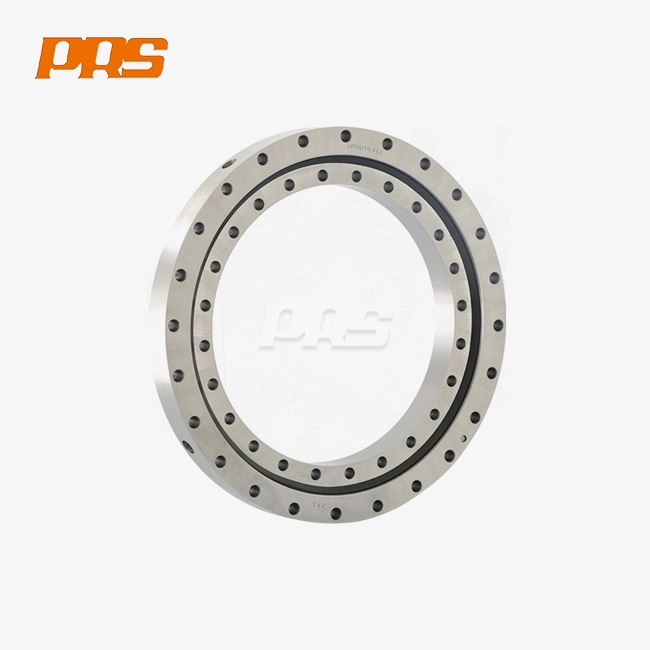
On the inside, there are inner and outer rings with perfectly polished raceways set up between them. Rolling elements, like balls or rollers, spread loads evenly across touch surfaces. This gets rid of the need for complicated gear systems while still keeping the structure strong. This unified method provides excellent load distribution around the whole circle, which is very important when machinery is working and forces are acting from different directions at the same time.
Ball-type designs work best in situations where smooth spinning is needed under mild loading. They are quiet and have less friction. Roller setups can hold more weight, which makes them perfect for heavy-duty tasks where equipment is subjected to strong forces on a frequent basis.
Load Management Capabilities
The main benefit is that it can handle mixed loads that would be too much for regular bearing systems. Usually, traditional parts can handle either radial or axial forces well. But these specific units can handle all load types because their shape is built in.
Vertical forces are spread out evenly across many contact points on horizontal raceway surfaces. This keeps stress from building up in one area, which speeds up wear. The vertical raceway design makes sure that horizontal forces are transferred optimally, keeping the structure stable during operation. The big diameter and spread-out contact patterns make it very resistant to overturning moments. This is very important in situations where leverage causes strong rotational forces, like on crane booms and excavator arms.
Configuration Categories
Single-row ball designs are small enough for light to middling loads and have accuracy grades that reach P4 levels. Higher rotational speeds can be reached with these designs, which makes them good for positioning tables and smaller crane systems where smooth motion is more important than carrying the most weight.
Double-row designs meet the needs of medium to heavy loads while making the structure more stable. Optimized contact angles evenly spread combined loads, giving mobile cranes and building equipment the stiffness they need during operation cycles.
Triple-row roller slewing bearing systems can handle the most heavy-duty work and have diameters ranging from 1000mm to 5000mm. These units can handle the huge forces that mining tools and big excavators create when they dig and move materials. They do this by having separate axial and radial load lines.
Gear Integration Options
When you need to drive something rotating, you often need combined gear sets. PRS makes three main configurations that can fit a variety of drive arrangements:
External Gear: Teeth machined into the outside ring circumference work well with pinion drive systems that need high reduction ratios. These are popular in mobile equipment where small drive packages need to multiply power by a lot.
Internal Gear: Teeth on the inner ring bore allow for small drive setups with external pinions, which saves installation room while keeping drive efficiency high in tight spaces.
Gearless Design: Units that don't have teeth built in can be driven by friction drives or different gear coupling setups. This gives you options when standard gear configurations don't work with your machinery.
These choices make it possible for buying teams to choose solutions that perfectly match the mechanical drive systems of their equipment without affecting performance or needing major changes to the designs of current machines.
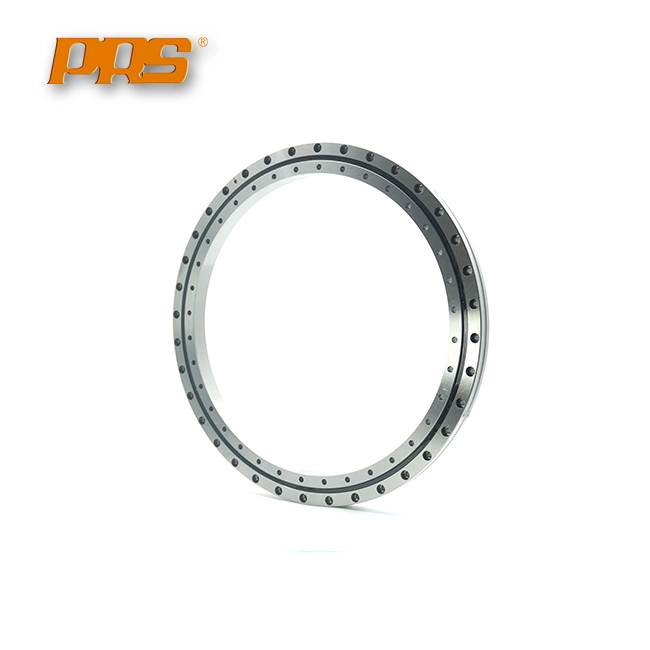
Applications of Slewing Bearings in Industry
These rotating parts can be used in many different areas where dependability under difficult loading conditions is key to working success. Implementations in the real world show how useful they are in tough settings.
Construction and Material Handling
Mobile cranes use spinning bearings to hold up the boom sections and allow them to rotate 360 degrees while handling large moment loads. The small, integrated design makes the crane lighter while keeping the load rates that are needed for safe handling. Excavators use these parts in their swing drives, which make the machine keep turning even when the load changes during the day.
Cranes in harbors that move shipping containers have to deal with loads from the weight of the boom, the weight of the goods being moved, and wind forces. Because they can handle all of these forces at once without needing a lot of care, these bearing assemblies are essential for port operations, where downtime has a direct effect on logistics plans.
Renewable Energy Systems
Precision movement is needed for solar tracking systems to keep the panels oriented correctly in relation to the sun's position throughout the day. The smooth, low-friction features reduce the need for a drive motor while keeping positioning accuracy, which increases the efficiency of energy output. Wind turbine yaw systems use big slewing rings to turn nacelles so that they face the direction of the wind. They work all the time in difficult conditions so that reliability is not affected.
Industrial Automation and Robotics
Rotary tables in CNC machining centers need to be able to place precisely to the micron level and have very little angular play. PRS precision-grade slewing rings give automation systems the stiffness and smoothness they need, allowing for fast indexing cycles without affecting the accuracy of pointing. These parts are used in robotic welding stations to make turntable systems that allow for multi-axis movement. This makes the workspace bigger without needing more floor room.
Compact slewing bearing are used in transfer stations on automated assembly lines so that workpieces can move from one processing stage to the next. The combined design makes mechanical plans easier while giving modern manufacturing the positioning accuracy it needs to make sure consistent quality output.
Medical Imaging Equipment
Ultra-smooth rotation is needed for CT machines to keep the quality of their images while they do diagnostic treatments. Specialized small-diameter slewing rings make sure that image performance stays the same because they are very stable and precise in their positioning. Small sizes make it possible to put them into equipment where space limitations make traditional bearing setups difficult. Materials and closing systems that can work in cleanrooms meet strict standards for medical equipment.
These different uses show how choosing the right parts has a direct effect on how well equipment works in many different fields, where operating efficiency is key to staying ahead of the competition and keeping customers happy.
How to Choose the Best Slewing Bearing for Your Needs?
To choose the best rotating part, you need to carefully look at the working conditions, environmental factors, and expected long-term performance. Buying choices made during the planning stages of equipment affect its reliability and upkeep costs for years after it is installed.
Load Rating Analysis
Figuring out the real load conditions is the first step in making the right choice. When engineers design something, they have to think about three types of loads: static, dynamic, and shock. Static loads happen when the thing is not moving, and dynamic loads happen when it is. Which design gives enough safety gaps without over-specifying parts that make costs go up for no reason depends on how axial, radial, and moment loads relate to each other.
The expert teams at PRS help customers figure out how much load they need to carry by taking into account working job cycles, environmental factors, and the right safety margins for each application. This study makes sure that certain parts work reliably for the whole time they are supposed to.
Environmental Considerations
Operating factors have a big effect on how long parts last and how often they need to be maintained. Extreme temperatures change the viscosity of lubricants and the qualities of materials, so they need special greases or closing systems. When elements like dust, wetness, or corrosive chemicals are present, better closing arrangements are needed to keep them out without creating too much friction.
Pay extra attention to outgassing, particle production, and material suitability in cleanrooms. When installed outside, equipment has to be able to handle UV light, changes in temperature, and water getting in. Knowing about these natural problems during the design process makes sure that the chosen parts have the right safety features.
Maintenance Accessibility
Inspection and cleaning tasks should be able to be done on equipment without having to take it apart a lot. Regular maintenance that increases the life of slewing ring assemblies with lubrication ports that are easy to reach is possible, while sealed designs lower the frequency of maintenance in situations where entry is still hard to achieve after installation. Finding the best balance between the cost of the original parts and the cost of repairs over time can help you get the best total purchase costs.
Supplier Evaluation Criteria
Working with makers of slewing bearing who have a history of doing good work guarantees that you can get expert help if you run into problems during installation or operation. When judging a supplier's skills, you should look at how precisely they make things, how they control quality, how readily they offer technical help, and how reliable their delivery is. Precision bearing manufacturers, like PRS, offer technical help during the selection process. This helps customers avoid making mistakes in the specifications that hurt performance.
Warranty coverage and assistance after the sale are especially important for custom setups or uses in critical equipment where breakdowns cause big problems with how things work. Looking at a supplier's quality certifications and customer references can help you figure out how well they can regularly deliver parts that meet standards.
Knowing the difference between slewing rings and regular spinning bearings makes it easier to decide which one is best for a given purpose. Both slewing assemblies and turntable bearings can support rotational motion, but turntable bearings may need different thrust and radial bearing setups while slewing assemblies combine load-bearing and rotational functions into small spaces. This integration makes mechanical systems easier to understand while also making installation and upkeep easier.
Procurement and Maintenance Tips for Slewing Bearings
Acquisition methods that work well balance the quality of the parts, the time it takes to give them, and the total cost of ownership. Building ties with dependable suppliers makes future purchases easier and makes sure you have access to technical help when you need to clarify specs.
Sourcing Strategies
When you buy directly from manufacturers like PRS, you skip the markups that come from middlemen and get access to engineering knowledge during the development of specifications. When you work directly with production centers that can change standard designs to fit your specific needs, you can make custom setups. When you buy a lot of equipment for maintenance or series production, you get bulk discounts that lower the cost per unit and make sure that parts are available for planned maintenance.
Project delays can be avoided by checking wait times during the quote process. Most of the time, standard configurations ship faster than custom designs, which need more production rounds. By planning your purchases around these lead times, you can be sure that the parts will come on time for the fitting.
Installation Best Practices
The right way to place a slewing bearing has a direct effect on how well it works and how long it lasts. To keep mounting surfaces from warping and causing uneven load distribution, they must meet certain flatness requirements. Bolt preload specs make sure that the connection is safe without putting too much stress on the mounting flanges. If you follow the manufacturer's installation instructions, which include pressure sequences and assembly steps, you can avoid problems that happen too soon because of bad installation methods.
Verification of alignment after installation makes sure that spinning is smooth before the equipment is put into service. Fixing alignment problems during launching stops fast wear that shortens the life of parts.
Maintenance Procedures
Setting up regular lubrication plans based on operating job cycles keeps protective lubricant films in place that keep metals from touching each other. Monitoring spin torque lets you know early on when pollution or wear is happening, so you can fix the problem before it gets too bad. Periodic checking of seals finds wear and tear that could let contaminants in, so the seals can be replaced before they cause damage inside the system.
Keeping maintenance logs records the past of service, which helps predictive maintenance methods that replace parts based on their real state instead of random intervals. This method lowers upkeep costs and stops problems from happening out of the blue.
Technical Support Access
Building ties with manufacturers that offer full expert support makes sure that help is always available when operational problems appear. PRS gives application engineering consulting to help customers fix performance problems and get the most out of their equipment setups. Access to technical documentation, installation instructions, and care suggestions helps keep equipment reliable over its entire operating lifetime.
Knowing the warranty's terms and limits on coverage makes it clear what the maker is responsible for when something breaks down too soon. Comprehensive guarantees that show the maker trusts the quality of the part add extra security for important uses where mistakes cause big problems with operations.
Conclusion
In many industrial settings, the choice of slewing bearing has a big effect on how reliable equipment is, how efficiently it works, and how much it costs to maintain. Knowing about design principles, load control features, and configuration choices helps procurement workers choose parts that exactly meet operational needs. Access to parts that meet strict performance standards is ensured by judging suppliers based on their ability to manufacture, their willingness to provide expert help, and their track records of quality. Using the right installation and upkeep methods will make parts last longer and keep them from breaking down too soon. Working with makers who have a lot of experience makes the specification process easier and gives you faith that the solutions you choose will work well for as long as they are supposed to.
FAQ
What distinguishes slewing rings from standard bearing assemblies?
Standard bearings can usually take either horizontal or axial loads well. For mixed loading conditions, you need more than one type of bearing. Slewing assemblies combine the ability to support axial, radial, and moment loads into a single, compact block. This makes mechanical designs easier and fitting easier. Moment resistance that normal bearings can't match without making a lot of complicated setups is provided by the big diameter and spread-out load paths.
How does load capacity influence equipment performance?
Not enough load values speed up wear, shortening the life of parts and making servicing more often necessary. Over-specified parts add extra weight and cost without adding any useful functionality. With the right load analysis, you can be sure that the parts you choose provide enough safety gaps while also being the most cost-effective for your needs.
Can manufacturers provide custom-designed components for unique applications?
Manufacturers like PRS are experts at making personalized setups that meet the specific needs of each business. Standard designs are changed to fit different mounting systems, load situations, or size limitations. Getting manufacturers involved early in the planning process of equipment makes it easier to create custom solutions that work best for each purpose.
Partner with PRS: Your Trusted Slewing Bearing Manufacturer
Luoyang PRS Precision Bearing Co., Ltd. brings over two decades of specialized experience manufacturing precision rotational components for demanding industrial applications. Our engineering team collaborates with customers throughout specification development, ensuring selected configurations precisely match operational requirements. Manufacturing capabilities spanning internal gear, external gear, and gearless designs provide flexibility for diverse machinery needs, while precision grades reaching P2 levels support the most demanding automation applications.
We maintain rigorous quality standards following ISO 9001 protocols, delivering components that meet international bearing specifications consistently. Short lead times and competitive pricing make PRS an attractive partner for OEMs, system integrators, and maintenance organizations seeking reliable slewing bearing suppliers. Our technical support extends beyond component delivery, providing installation guidance and maintenance recommendations that maximize component longevity.
Contact our team at ljh@lyprs.com to discuss your specific application requirements. We welcome the opportunity to demonstrate how PRS precision components can enhance your equipment reliability while optimizing operational costs. Visit prs-bearing.com to explore our complete product catalog and discover solutions tailored to your industrial automation, robotics, and precision equipment needs.
References
Harris, T.A. and Kotzalas, M.N., "Advanced Concepts of Bearing Technology: Rolling Bearing Analysis," CRC Press, 2006.
Budynas, R.G. and Nisbett, J.K., "Shigley's Mechanical Engineering Design," McGraw-Hill Education, 2015.
Glaeser, W.A., "Tribology in Machine Design," Butterworth-Heinemann, 1990.
Machinery's Handbook Editorial Staff, "Machinery's Handbook: Toolbox Edition," Industrial Press, 2020.
Hamrock, B.J., Schmid, S.R., and Jacobson, B.O., "Fundamentals of Fluid Film Lubrication," Marcel Dekker, 2004.
Khonsari, M.M. and Booser, E.R., "Applied Tribology: Bearing Design and Lubrication," John Wiley & Sons, 2017.

USER EVALUATE
Here is the customer's evaluation of us
YOU MAY LIKE
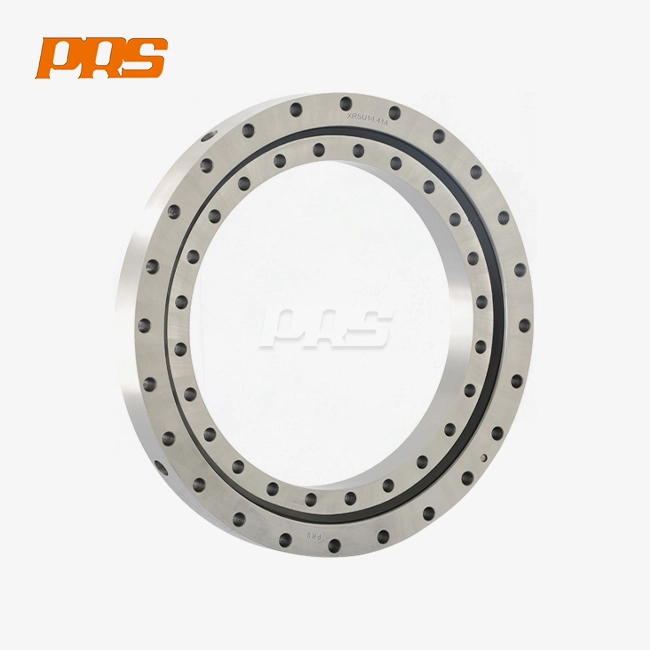 VIEW MORETower Crane Slewing Bearing
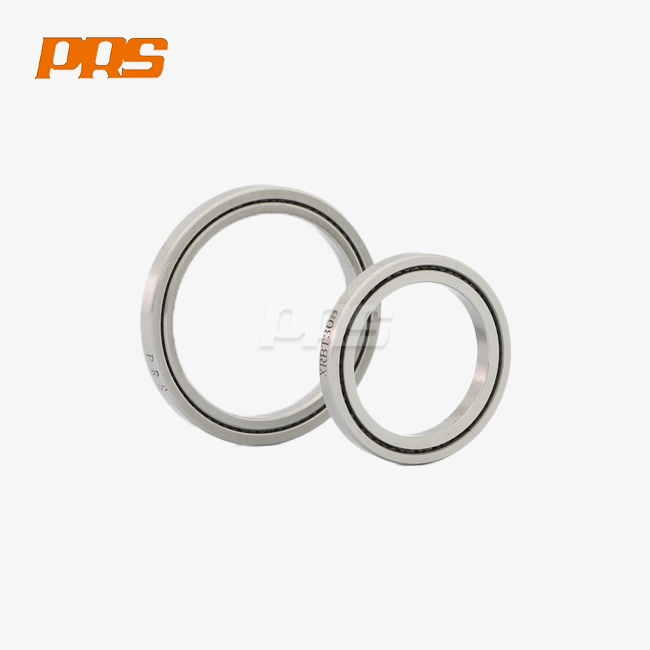 VIEW MORERAU Cross Roller Bearings
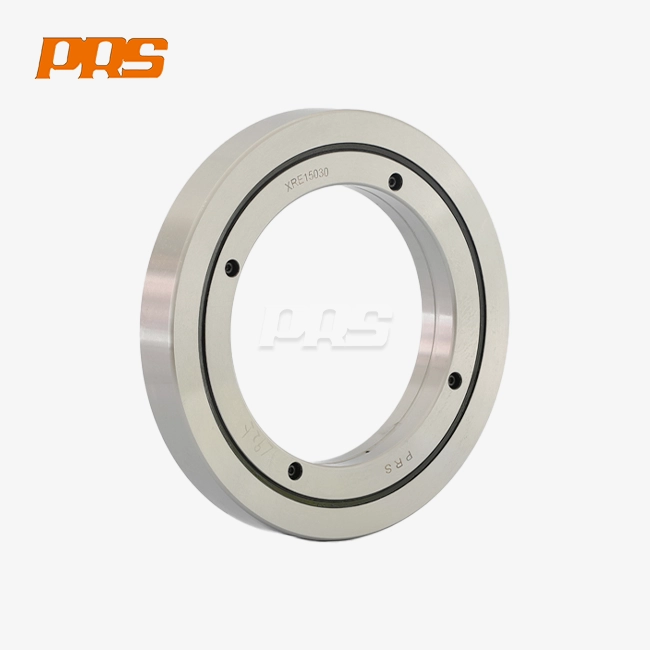 VIEW MORERobotics Bearings
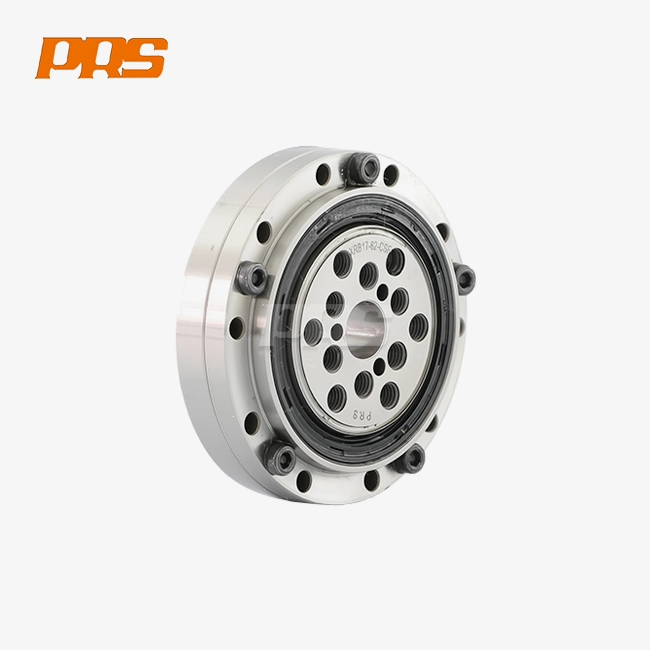 VIEW MOREHarmonic Reducer Robot Bearings
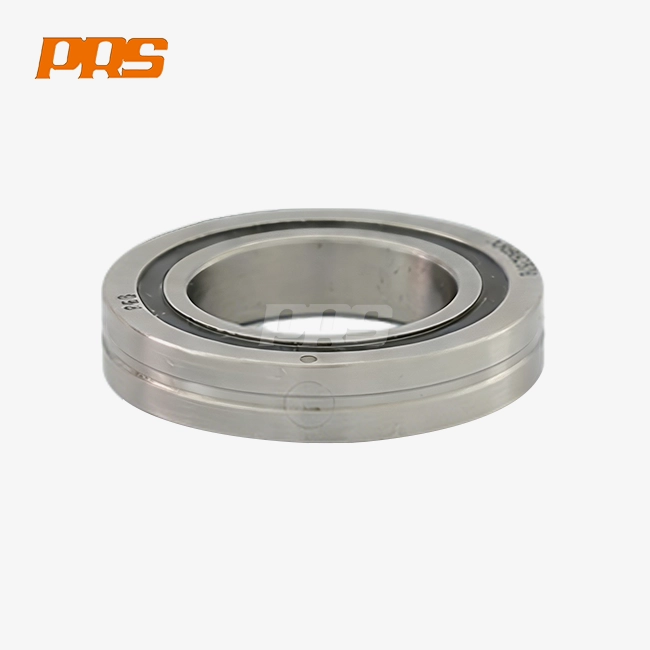 VIEW MORECRBH robot bearings
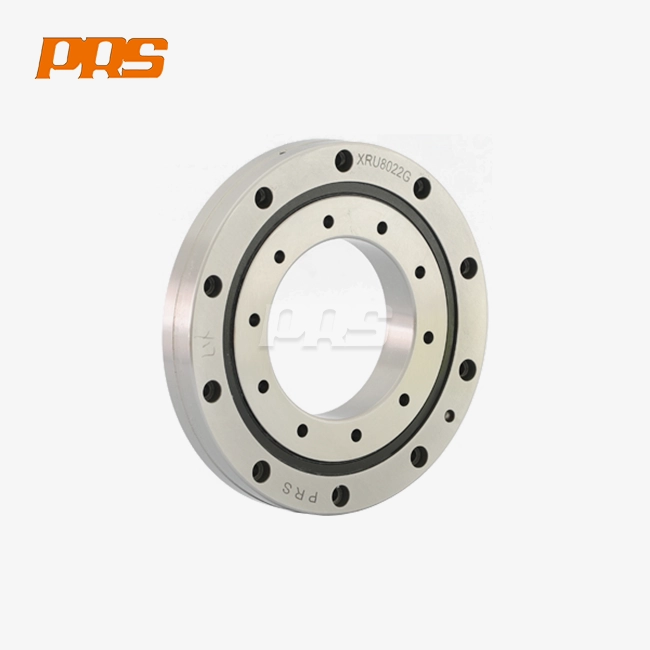 VIEW MORERU Face Mount Crossed Roller Bearing
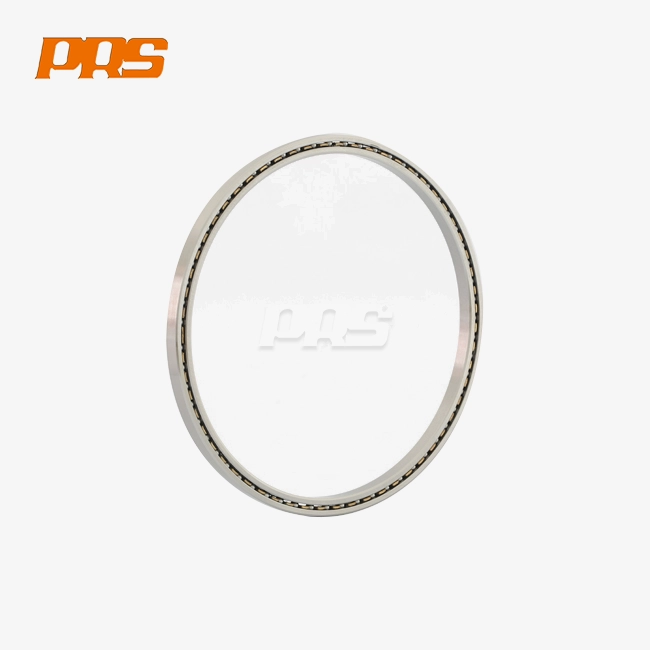 VIEW MORE4 Point Angular Contact Ball Bearing
 VIEW MOREFour-Point Contact Ball Slewing Bearings