
Selecting Inner Tooth Bearings for Integrated Drive Systems
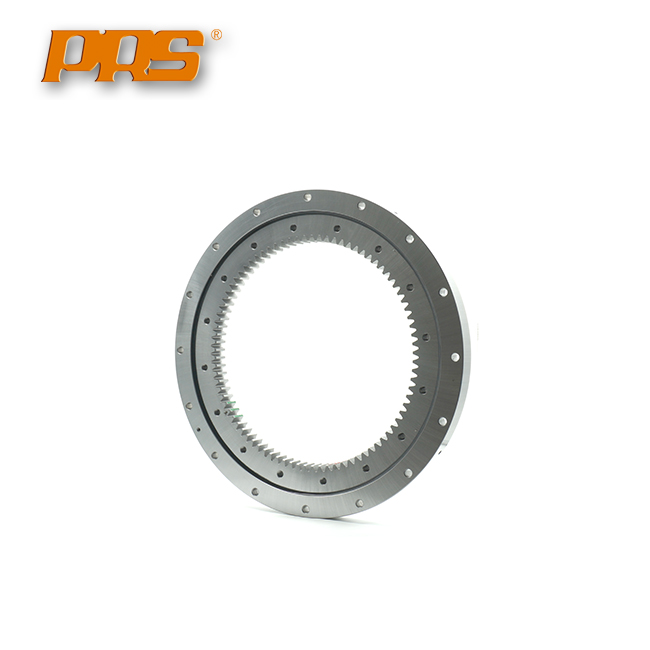
When choosing parts for integrated drive systems, picking the right internal gear bearing can have a big effect on how well the equipment works, how often it needs to be serviced, and how much it costs to run overall. Internal gear bearings, which are also called "inner tooth bearings," have gear teeth on the inside of the outer ring. This makes a small transmission system that can handle axial, radial, and moment loads while transferring power directly through the gears. Because it can do two things at once, it gets rid of the need for two separate transmission parts in robotic joints, rotary tables, equipment for handling semiconductors, and high-precision medical devices. These are all places where design engineers and procurement specialists are still very concerned about space and positioning accuracy.
Understanding Inner Tooth Bearings: Basics and Applications
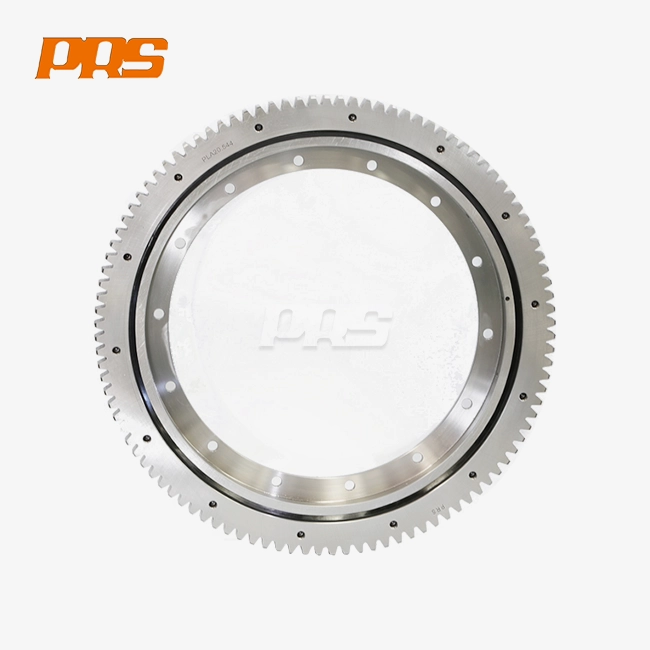
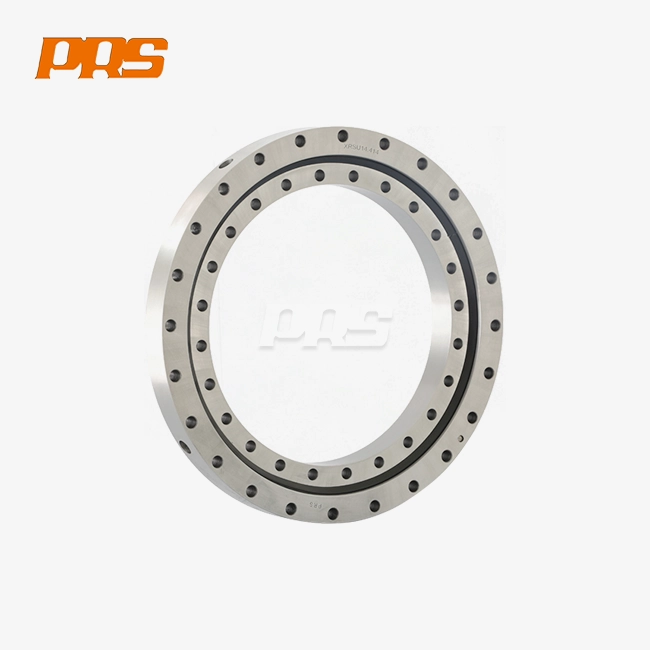
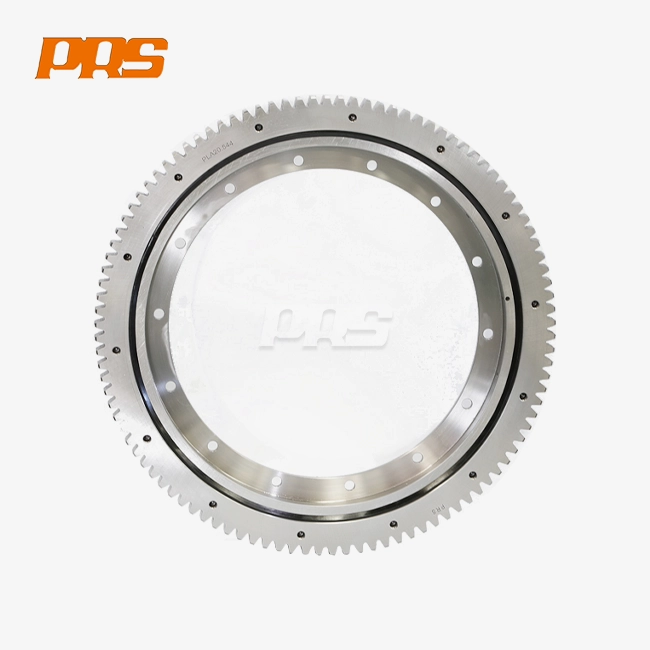
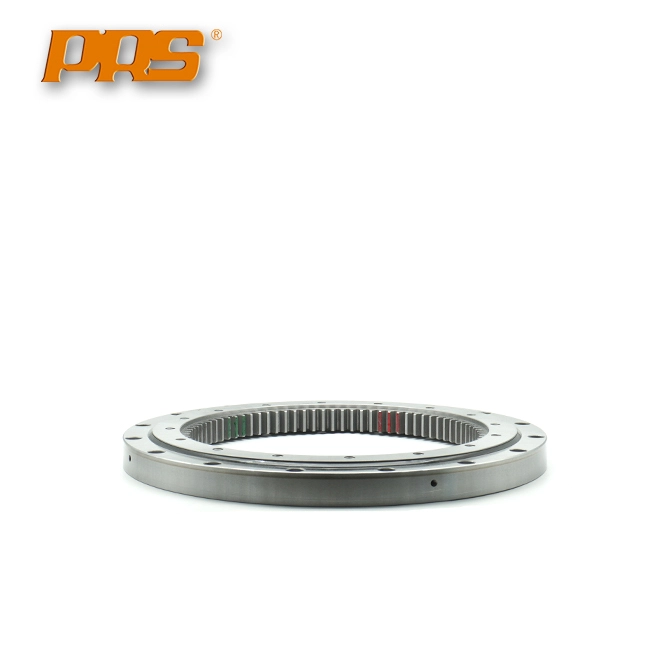
Internal gear bearings are a special kind of precision motion control part that combines the functions of a normal bearing with those of an integrated gear transmission. In contrast to normal bearings, which only help with spinning, these parts have machined gear teeth on the inside diameter of the outer bearing ring. This allows direct mechanical power transfer while carrying loads that are moving in more than one direction.
Structural Design and Operational Principles
The structure of internal gear bearings is made up of several important parts that work together. The inside of the outer ring has precisely polished gear teeth, and the inside of the inner ring is a smooth track for rolling elements, which are usually hardened steel balls or cylinder-shaped rollers. The rolling parts between these rings spread out the work loads and keep the spinning smooth. Precision-ground raceways make sure that the load is spread evenly across all rolling elements. This keeps the accuracy at the micron level throughout the service life and stops premature wear.
The main idea behind how it works is that load control and torque transfer happen at the same time. When the external pinion gears engage with the internal teeth, rotational force moves through the gear interface. At the same time, the bearing parts support radial forces that are perpendicular to the rotation axis, axial thrust that runs along the shaft direction, and overturning moments that would make the bearing less stable in a normal configuration. By separating functions, engineers can make sure that each part of the system works best for its own purpose, instead of sacrificing speed for mixed designs.
Industrial Applications and System Integration
Robotics companies use internal gear bearings in shared robot joints so that the arms look better without losing their ability to carry things. The combined gear-bearing design makes assembly easier and gets rid of alignment problems that come up with systems that use different gears and bearing supports. In CNC machines, these parts are used in rotary indexing tables where the accuracy of placing has a direct effect on the quality of the parts. The precision levels go up to P4 for tasks that need repeated accuracy within a few microns.
These inner tooth bearings are used in chip handling robots that work in cleanrooms and are used in semiconductor manufacturing equipment. The internal placement of the gears protects against pollution by keeping the gear teeth inside the bearing assembly, away from airborne particles. Medical imaging machines like CT scanners use internal gear bearings in gantry rotation systems to make sure the motion is smooth and vibration-free. This ensures high-quality diagnostic images, and the small installation dimensions allow for tight equipment packing.
Key Factors to Consider When Selecting Inner Tooth Bearings
For procurement choices to be effective, application-specific factors that directly affect bearing performance and longevity need to be carefully considered. For engineers to find the best solutions, they have to find a balance between different goals, such as load capacity, accuracy needs, environmental conditions, and budget limits.
Load Capacity and Dynamic Performance
Figuring out the exact load needs is the first step in choosing the right bearings. Internal gear bearings work best in situations where axial, radial, and moment forces are all acting at the same time. When writing specs for purchases, it's important to think about peak dynamic loads instead of average working conditions. Safety factors should also be included that are proper for how important the application is. PRS makes internal gear bearings that can hold up to 2000kN of weight. These bearings are used in a wide range of uses, from high-precision lab equipment to heavy mining equipment.
Dynamic load rates show how much stress a bearing can handle for a certain amount of time, which is usually measured as one million turns. Accurate service life predictions can be made by knowing your equipment's job cycle, which includes its rotation speed, load changes, and operating hours. For uses that involve shock loads or rapid acceleration cycles, bearings need to have higher dynamic capacity and strong cage designs that keep the rolling element spacing even when conditions change.
Precision Requirements and Rotational Accuracy
For motion control uses, there are specific accuracy standards that affect the manufacturing limits for bearings. According to ISO standards, the precision grade number (P5, P4, or P2) tells you what kinds of changes are allowed in the raceway shape, the accuracy of the dimensions, and the moving precision. Robotic systems that need to place things over and over again usually need P4 grade bearings with radial runout limited to 2.5 microns. On the other hand, P5 grade components may work fine in less demanding material handling equipment and be cheaper.
Axial and radial runout, raceway waviness, and rolling element physical stability are some of the things that can be measured to determine rotational accuracy. Bearings made to P2 precision grades are good for optical tracking systems and semiconductor equipment because they are very smooth and don't let vibrations through that could affect the quality of the product or the accuracy of the measurement. Procurement teams should check the manufacturer's skills by looking at certifications and quality control methods that back up promises of accuracy.
Material Properties and Environmental Resistance
Choice of bearing material has a big effect on how well it resists rust, how stable it is at high temperatures, and what temperatures it can work at. Standard bearing steel is very hard and doesn't wear down easily in controlled settings. However, different materials may be needed for situations with chemicals, high humidity, or extreme temperatures. Different types of stainless steel are better at resisting rust in naval or food processing equipment, but they can't hold as much weight as through-hardened bearing steel.
Choosing the right seal and greasing method is just as important for protecting the environment. Contact seals keep dust, wetness, and process fluids from getting into inner tooth bearings that are used in dirty settings. Applications that need to be kept clean may call for non-contact labyrinth plugs that keep particles from forming while still blocking enough contamination. Choosing a lube depends on the temperature. Grease systems are easier to maintain, while oil transmission systems are better at getting rid of heat in high-speed situations.
Cost-Efficiency and Total Ownership Analysis
Total cost of ownership gives a more true picture of a company's finances, while initial component prices are often the focus of procurement choices. Internal gear bearings usually cost more at first than regular bearing and gearbox pairs, but they save money in the long run because they are easier to install, don't need to be aligned, and come in smaller packages that need less structural support. When gear teeth stay safe inside the bearing system, maintenance times get longer, and less lubricant and inspection work is needed.
Strategies for buying in bulk and ties with suppliers have a big effect on the economics of a project. When a manufacturer offers custom design services, the measurements and specs of the bearing can be optimized to meet the needs of the application. This could lower the cost of materials and the weight penalty. By working together with suppliers to keep enough inventory on hand and regional delivery networks in place, project delays and logistics costs that are often higher than the differences in the prices of parts from different vendors can be kept to a minimum.
Advantages and Maintenance of Inner Tooth Bearings
When you choose internal gear bearings, you get specific performance benefits that help you deal with common problems in designing an integrated drive system. Knowing these perks and following the right maintenance steps will help you get the most out of your equipment purchase.
Performance Advantages in Demanding Applications
When compared to designs that use separate bearing supports and external gearboxes, internal gear bearings take up a lot less room because they are based on an integrated design theory. In many cases, equipment designers can cut the overall system size by 30 to 40 percent. This lets machines have smaller profiles or gives extra functions more room. When dimensions are cut, weight goes down too. This is especially helpful in aircraft and mobile equipment where mass directly affects how well the equipment works.
Positioning internal gears in a way that prevents contamination naturally extends the service life of parts. The gear mesh stays inside the protected bearing assembly and isn't exposed to dirt or other harmful things in the environment. This keeps the transmission working well for a long time. This protection is especially useful for building and mining equipment, as well as outdoor sites where dust, moisture, and changes in temperature can quickly break down mechanical parts that are exposed to them.
Other important benefits include the way the load is distributed. The gear teeth are arranged in a circle around the bearing's edge. This spreads the torque transfer loads over a larger engagement area than normal pinion-gear connections. This shape lowers contact pressures, keeps tooth deflection to a minimum, and lets more force be transmitted in the same amount of space. Combined load handling, which supports radial, axial, and moment forces at the same time, gets rid of the need for complicated bearing setups with many types of parts.
Maintenance Protocols and Service Life Optimization
Setting up structured repair plans increases the system's reliability and the life of its bearings. Managing lubrication is an important part of running good repair programs. Bearings that use grease usually need to be oiled again at times that depend on the speed, temperature, and load. In places with high temperatures or high speeds, oil circulation systems with filtering may be needed to get rid of wear particles and keep the lube clean.
As part of routine inspections, vibration tracking should be used to spot wear patterns before they become too big to fix. Accelerometer sensors can find the frequency fingerprints of gear tooth wear, rolling element damage, or raceway spalling. This lets maintenance be based on conditions instead of just random time frames. Temperature tracking gives more diagnostic information; slow rises show that the lubrication is wearing out or that the bearing preload has changed and needs care.
Following the right installation steps is very important for getting the expected service life. To keep the preload at the right level and make sure the load is evenly spread across the rolling elements, inner tooth bearings need to be mounted precisely. Moisture, dust, or assembly leftovers that get on things during installation are a main reason why things fail before they should. Using the right installation tools, working in a clean assembly area, and following the right handling steps are all ways to keep bearing surfaces safe and up to factory standards for cleaning during commissioning.
Procuring Inner Tooth Bearings: Trusted Suppliers and Market Overview
Finding suppliers with the right professional skills, quality standards, and business terms that match the needs of the project is key to successful buying. There are both multinational companies that make bearings and specialized makers that serve certain industry groups in the global market.
Supplier Evaluation and Quality Assurance
SKF, Timken, NSK, FAG, and INA are some of the biggest international bearing companies. They make a wide range of internal gear bearings and have global delivery networks and a lot of technical resources to back them up. These suppliers have standard product lines, known wait times, and quality control systems that are certified to ISO 9001 standards. Their engineering teams help with bearing selection, application analysis, and integration, which is very helpful for complicated projects or new uses.
Specialized precision bearing makers, like Luoyang PRS Precision Bearing Co., Ltd., make high-precision motion control parts like crossed roller bearings, internal gear bearings, and custom special bearings. Since 2003, PRS has focused on creating non-standard and ultra-precision bearing solutions that can be used in the United States instead of foreign ones. This specialized knowledge gives them more technical know-how in certain application areas and often gives them more freedom for custom specs and non-standard measurements.
Quality standards are concrete proof of the ability to make things and keep an eye on the whole process. The ISO 9001 quality management certification sets the standard for paperwork and process consistency. The ISO 14001 environmental management certification and the ISO 45001 workplace health and safety certification show that the business has fully matured. Data from supplier factory audits, such as first-pass yield rates and physical inspection results, gives more trust in the ability to make things. PRS keeps plant pass rates above 99.9%, which shows that they consistently control the quality of their products.
Custom Manufacturing and Volume Procurement
Standard bearing lists cover the most common sizes and requirements, but for many integrated drive uses, unique solutions that work best with the tools in question are needed. Companies that offer engineering design services can change gear modules, tooth profiles, bearing precision grades, seal setups, and physical factors to perfectly fit the needs of an application. Manufacturers of original equipment (OEM) equipment who want to improve performance or cut costs by using purpose-designed parts instead of designing around store items find this customization feature very useful.
Cost savings are possible with volume buying methods because of economies of scale and negotiated business terms. Getting in touch with bearing providers on a regular basis can help with production planning, ensure there is enough capacity in case of market gaps, and often lead to lower prices than making spot purchases. Multi-year contracts with planned delivery releases balance the costs of keeping inventory with the security of component prices and the assurance of a steady supply chain.
Managing lead times is an important part of buying things, especially when you need to make custom bearings that need special manufacturing methods. Catalog items from major makers usually ship within a few weeks from regional distribution centers. Custom designs, on the other hand, may take 8 to 12 weeks for engineering validation, tooling preparation, production, and quality checking. Early involvement of suppliers during the design steps of equipment allows parallel bearing development and shortens the overall project timeline.
Conclusion
When choosing the right inner tooth bearings for combined drive systems, you have to balance the need for high technical performance with the need to save money. These specialized parts are very helpful in situations where small installation spaces, handling of combined loads, and safe gear transfer connections are needed. The success of the procurement relies on a correct load analysis, the right precision grade specification, an evaluation of the quality of the seller, and a full total cost assessment that goes beyond the original pricing of the components. On the global bearing market, you can find everything from standard goods made by international companies to custom designs made by precision makers. When you involve manufacturers early on in the development of equipment, you can get better bearing specs, more accurate lead time planning, and partnerships that help your business succeed in the long run.
FAQ
What advantages do internal gear bearings offer compared to external gear configurations?
Internal gear bearings are better at keeping out contaminants because the gear teeth stay inside the protected bearing system and aren't exposed to dust, water, and process fluids. This positioning increases the service life and lowers the number of times that repair needs to be done in harsh conditions. The small size gets rid of the need for separate gearbox housings, which cuts the system's weight and installation room by 30–40% in most cases. It also makes assembly easier and gets rid of the need to match separate transmission and bearing parts.
How do I accurately specify dimensional requirements for custom applications?
The inner diameter, outer diameter, and bearing height should all be listed in the dimensional specs. The module, pressure angle, and tooth count should also be listed as gear parameters. For load capacity standards, you need to show the highest radial, axial, and moment loads along with the right safety factors. Operating factors, such as ranges of speeds, changes of temperature, and contamination exposure, affect the choice of seals and the design of the lubrication system. By working with bearing makers during the early stages of creation, specifications can be improved before the final shape of the equipment is set.
What maintenance practices maximize bearing service life?
Vibration monitoring and temperature tracking are examples of condition-based maintenance that can be used to take preventative action before wear patterns lead to catastrophic breakdowns. Managing lubrication is very important. Bearings that are oiled with grease need to be re-oiled at times set by the working conditions. Systems that are oiled with oil need to have their filters maintained and the lubricant analyzed on a regular basis. Correct installation methods, such as keeping the area clean, using the right mounting tools, and making sure the preload settings are correct, avoid problems before they happen and guarantee the design service life.
Partner with PRS for Precision Internal Gear Bearing Solutions
Luoyang PRS Precision Bearing Co., Ltd. makes custom internal gear bearings that work best in demanding integrated drive uses in robots, medical devices, semiconductor manufacturing, and precision automation equipment. Our manufacturing center is 15,000 m² and has more than 200 precise machining and testing systems. It is staffed by 35 specialized engineers who help with all aspects of applications, from the initial idea to the final production run. Our internal gear bearings are made to meet the demanding needs of businesses where micron-level accuracy has a direct effect on product quality. They come in precision grades up to P4 and P2 levels. We have been making inner tooth bearings for a long time and have ISO 9001, ISO 14001, and ISO 45001 certifications. Our plant pass rates are above 99.9%, so you can be sure that they will work well in your important uses. Email our engineering team at ljh@lyprs.com to talk about your unique needs and get full technical specs that are made to fit your integrated drive system needs.
References
Harris, T. A., & Kotzalas, M. N. (2006). Essential Concepts of Bearing Technology: Rolling Bearing Analysis (5th ed.). CRC Press.
Budynas, R. G., & Nisbett, J. K. (2015). Shigley's Mechanical Engineering Design (10th ed.). McGraw-Hill Education.
ISO 492:2014. Rolling bearings — Radial bearings — Geometrical product specifications (GPS) and tolerance values. International Organization for Standardization.
Weck, M., & Brecher, C. (2006). Machine Tools 4: Metrological Analysis and Performance Tests. Springer-Verlag Berlin Heidelberg.
Khonsari, M. M., & Booser, E. R. (2017). Applied Tribology: Bearing Design and Lubrication (3rd ed.). John Wiley & Sons.
Eschmann, P., Hasbargen, L., & Weigand, K. (1985). Ball and Roller Bearings: Theory, Design and Application (2nd ed.). John Wiley & Sons.

USER EVALUATE
Here is the customer's evaluation of us