


Best Mini Lathe Bearings for Smooth Wood & Metal Turning
When looking for the best mini lathe bearings for turning metal and wood smoothly, accuracy and dependability are the most important things to think about. Quality spindle bearings directly affect how accurately you machine, how consistent your surface finish is, and how long your equipment lasts for all of your turning activities. Whether you're looking for parts for CNC machines, robotic positioning systems, or precision workshop lathes, knowing the specifications, performance characteristics, and supplier capabilities of bearings lets you make smart decisions that improve operational efficiency while lowering the total cost of ownership. This detailed guide talks about the important things that purchasing managers, engineers, and OEM clients need to think about when choosing bearings that work accurately to the micron level and last a long time in harsh industrial settings.
Understanding Mini Lathe Bearings and Their Role in Precision Turning
Lathe spindle bearings are the basic rotating parts that support cutting operations and keep the shaft in the exact same place even when the load changes. When compared to regular industrial bearings, these special parts are very different because they have better radial stiffness, less runout tolerance, and contact shape that is ideal for machining uses.
Core Function in Turning Operations
When you turn metal or wood, the cutting forces put radial loads on the spindle bearings, the workpiece pressure puts axial loads on them, and the constant action causes them to expand and contract. To keep the spindle centerline position within tight limits (usually ±0.005mm), the bearing system must keep it there throughout the machining operation. This need for precision is especially important when making parts for medical devices, optical instruments, or aircraft mechanisms, where micron-level accuracy is needed to make sure the result is acceptable.
Common Bearing Types for Lathe Applications
When it comes to light to medium-duty lathes, deep groove ball bearings are the most common type. Their simple design lets them handle both horizontal and axial loads equally, and they have very little friction, so they can work at speeds of up to 25,000 RPM. Angular contact ball bearings have better stiffness and can hold more weight because their contact angles are best between 15° and 25°. This makes them perfect for metal turning tasks that need more cutting force resistance.
When compared to all-steel designs, ceramic hybrid bearings have less weight, less heat expansion, and longer service lives because they use silicon nitride rolling elements and steel races. These high-tech parts are especially useful in cleanrooms and high-speed precision uses where keeping things clean and stable at high temperatures have a big effect on the quality of the work.
Material Considerations and Performance Impact
The makeup of bearing steel directly impacts how long a part lasts and how well it works. For normal industrial uses, high-grade GCr15 steel has great resistance to wear and can hold a lot of weight. Using heat treatment on advanced bearing materials makes the surface harder than 60 HRC while keeping the core tough enough to handle shock loads when cutting activities are halted.
There are touch or non-contact seals in sealed bearing designs that keep metal chips, coolant, and airborne particles from getting into the bearing track. This safety makes the bearings last longer in harsh workplace conditions, but it causes a little more friction than open bearings. While open bearings have less friction and better high-speed performance, they need exterior sealing solutions and more frequent upkeep to keep working well.
Identifying Bearing Wear and Failure Indicators
Operational tracking lets you find signs of bearing wear early, before they cause a catastrophic failure. Strange noise patterns, like grinding, clicking, or popping sounds, mean that there isn't enough lube, that there is contamination, or that the race is damaged and needs instant attention. When shaking levels rise at the headstock housing, it means that the balls are wearing unevenly, the cage is damaged, or the bearing surface is wearing down, which lowers the accuracy of the work.
Monitoring the temperature gives you useful information about the state of the bearings. When operating temperatures go above 120°C, it usually means that there is too much pressure, not enough grease, or friction problems with the seal that need to be fixed. During maintenance intervals, a visual check should reveal any discoloration caused by grease, metal particles, or excessive grease leaks that could mean the seal has failed or internal wear is progressing.
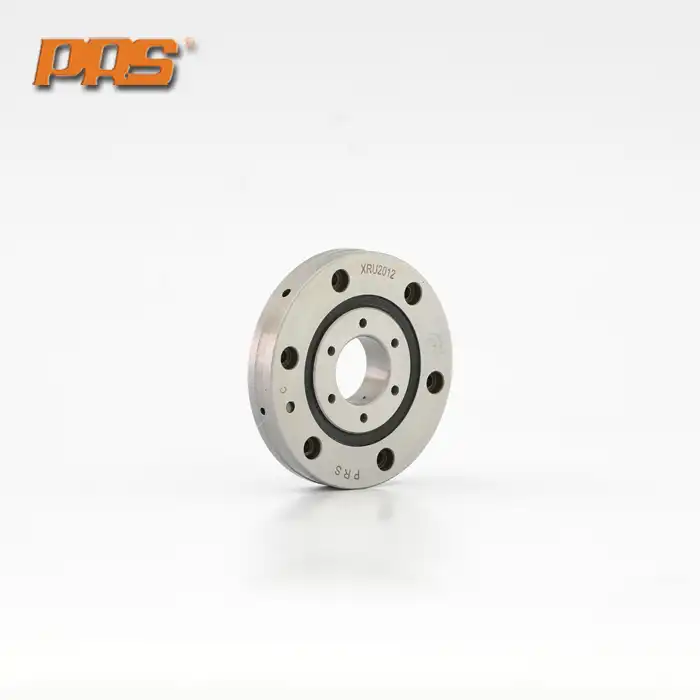
How to Choose the Best Mini Lathe Bearing for Your Application
To choose the best mini lathe bearings for your turning tasks, you need to carefully compare your performance needs to the specs of each component. This organized method makes sure you get bearings that meet operating needs and have a long, cost-effective service life.
Precision Tolerance Requirements
The level of precision in a bearing is directly related to the level of accuracy and quality of the surface finish that can be achieved. P6 grade bearings, which are the same as ABEC-3 standards, work well with general-purpose workplace lathes that turn wood and light metal in ways that require tolerances greater than 0.01mm. P5 grade components (ABEC-5) offer better accuracy for industrial machining that needs to keep dimensions constant within 0.005mm tolerance bands.
Precision bearings of the P4 grade (ABEC-7) offer the tight geometric limits needed for making medical devices, optical components, and aircraft mechanisms. These very precise parts keep the spindle position within 0.002mm while reducing vibrations that could damage the surface finish on important parts. Your application's precision needs should guide the grade of bearing you choose, keeping performance goals and price limits in mind.
Load Capacity Analysis
Figuring out the real working loads makes sure that the choice of bearings gives you enough capacity with enough safety gaps. Cutting forces change depending on the strength of the material, the depth of the cut, and the shape of the tool. When turning metal, the cutting forces are usually higher than when working with wood. This means that bearings need to have higher dynamic load values to meet service life goals.
When facing or taper turning creates strong push forces that travel through the spindle, it's especially important to think about the axial load. Combined load possibilities need to be carefully looked at to make sure that bearings don't fail too soon or that too much movement doesn't hurt the quality of the part. Your bearing provider should offer engineering help in figuring out similar loads and making sure the bearing is right for the job.
Speed Rating and Friction Characteristics
The required spindle speed has a direct effect on the choice of bearing type and the way it is oiled. Standard grease-lubricated bearings work consistently up to a certain speed, after which rotational forces start to affect the spread of the grease and make the bearings too hot. For tasks going faster than 15,000 RPM, you usually need oil-mist lubrication or ceramic hybrid bearings that can keep working smoothly at high speeds while producing as little heat as possible.
Friction factors affect both how much power is used and how much heat is made during action. Lower friction designs increase the time between oil repair visits and decrease the need for a spindle drive motor. The bearings you choose should be based on your unique speed profile and duty cycle. This will make sure that the parts work within their temperature and lubrication limits during production runs.
Comparing Material Options
For normal commercial uses, steel bearings have been shown to work well and be cost-effective. Most wood and metal turning jobs can use them because they can hold a lot of weight, don't wear down easily, and stay the same size. Some of the performance benefits of ceramic hybrid bearings are that they have 60% less density, which lowers centrifugal loading, 50% less thermal expansion coefficient, which improves dimensional stability, and electrical insulation properties that keep mini lathe bearings from getting damaged by stray electrical currents in some machine configurations.
When choosing materials, you should think about where they will be used, how well they need to work, and how much they will cost you in total. Ceramic hybrids are more expensive, but their longer service life and better high-speed performance often make them worth the extra money in challenging production environments where downtime costs have a big effect on the business's ability to make money.
Wood Versus Metal Turning Considerations
When turning wood, the cutting forces are usually smaller because the workpieces aren't always balanced and cuts have to be stopped. Bearings for wood lathes are designed to work smoothly, have enough radial stiffness, and not get clogged with dust, which is common in woodworking settings. Sealed bearing designs are especially useful because they keep fine wood dust out, which speeds up wear.
When metal is turned, cutting forces stay constant and working temps rise because chips are constantly being removed. For metal lathes, bearings need to be able to hold more weight, be more stable at high temperatures, and be more stiff so that they can keep their shape under cutting loads. To get the surface finishes and standards needed for making metal parts, precise grades and preload sets become more important.
Procurement Guide: Where and How to Buy Mini Lathe Bearings
To find good bearings, you need to know about the different ways you can buy them and judge sellers based on certain factors that will ensure you get genuine parts.
Industrial Distribution Channels
Authorized bearing wholesalers give customers access to the product lines of major manufacturers through well-established supply chains that work with a variety of buying models. National distributors keep large stocks that let them quickly fill orders for popular sizes and combinations. Their expert sales teams help with choosing bearings, fixing problems in applications, and finding cross-references, which makes the buying process easier.
For unexpected needs, local bearing providers offer personalized service and faster delivery times. Their presence in the region allows them to respond quickly when production equipment breaks down and needs new bearings right away, which keeps downtime costs to a minimum. Having good ties with local distributors can help you in more ways than just getting parts. For example, they can offer expert advice and help you find specific parts that you need.
Online industrial platforms give buyers more ways to find providers and connect them with buyers around the world. These sites make it easy to compare prices and look up specifications, which helps people make smart buying choices. When you buy something online, you have to do more work to make sure the seller is legitimate and the parts are real, so you don't end up with fake goods.
Custom Bearing Solutions
In some cases, non-standard uses need special mini lathe bearing designs that take into account things like load conditions, environmental factors, or size restrictions. Companies like PRS are experts at custom building, which means they can make solutions that fit the needs of specific machines. Usually, joint engineering is used to come up with specs for custom bearings, and then the prototypes are tested and put into production to make sure they work well in the intended application.
Custom bearings have longer lead times than catalog items, so they need to be planned for ahead of time by combining development plans with plant starting dates. When standard parts hurt machine performance or raise dependability issues that limit production, the money spent on custom solutions is well spent.
Bulk Purchasing Considerations
By buying in bulk, you can get better prices, be sure that your goods will always be available, and build stronger relationships with your suppliers. Negotiating yearly deals with providers of bearings ensures low prices and a steady supply of bearings for production operations. Blanket purchase orders with planned releases are the best way to get the most out of your inventory investment while keeping parts available on time for production.
The real value of a purchase is found by looking at the total cost of ownership instead of just the unit price. Premium bearings with longer service lives may be worth the extra money because they require less upkeep, have less downtime, and make production better. A full cost analysis that includes installation labor, product holding costs, and failure effects helps people make smart buying choices.
Supplier Evaluation Criteria
When looking for trusted bearing providers, you need to look at more than just the price of the products. Quality standards, like ISO 9001, show that you are dedicated to managing quality in a structured way and always making things better. Industry-specific certifications for the medical devices, aircraft, or car industries show that the company can meet strict legal requirements.
Case studies and examples from customers can help you figure out how reliable a company is, how skilled they are technically, and how good their service is. When you compare a supplier's performance to that of other companies that use similar applications, you can find useful real-world experience that fits your needs. After-sales support, such as managing warranties, helping with failure analysis, and expert advice, is very helpful for as long as the equipment is in use.
Stability in the supply chain and the quality of deliveries have a direct effect on the continuation of production. Checking the supplier's inventory levels, production capacity, and transportation skills makes sure that you can always get the parts you need for your operations. Having a variety of sources for important parts lowers the chance of disruptions and keeps prices low, which helps negotiate good business terms.
PRS sells precision bearings that are made using ISO 9001-certified methods that make sure the quality is the same in every production lot. Our engineering team helps procurement workers get the best bearing performance for each turning task, from the initial decision process to installation and maintenance. Our large inventory allows for quick delivery, and our custom production skills allow us to meet specific needs. This makes us a one-stop shop for industrial clients who need reliable component supply.
Conclusion
When choosing the best mini lathe bearings, you have to weigh the technical specs against the budget and working needs. The accuracy, service life, and total cost of ownership of a machine are all affected by its precision grade, load capacity, speed rate, and the type of material it is made of. By learning about the basics of bearings, choosing reliable makers, and following a set of care procedures, you can make sure that your turning equipment keeps working perfectly for long periods of time. Working with experienced bearing suppliers who offer expert help and original parts makes buying easier and lowers the risks of getting fake goods or bad application engineering.
FAQ
What replacement interval prevents unexpected bearing failure?
How often mini lathe bearings need to be replaced depends on things like the duty cycle, the load strength, and the climate. For precise performance, production lathes that work nonstop shifts usually need to have their bearings replaced every 5,000 to 10,000 hours of use. Monitoring vibrations and temperatures on a regular basis allows condition-based replacement methods to be used, which stop catastrophic breakdowns and extend the service life of components. The way you use your application should help you plan your upkeep, making sure that the costs of new parts before they break are balanced against the risk of downtime from unexpected failures.
How do ceramic bearings compare to steel for lathe applications?
Compared to all-steel designs, ceramic hybrid bearings have better performance features such as less weight, less heat expansion, and longer high-speed capabilities. Their higher price usually makes them worth it in difficult situations where accuracy is important, speeds need to be increased, or upkeep needs to be put off for longer periods of time. Standard steel bearings have been shown to be reliable and cost-effectiveness for most workshop lathes, where ceramic improvements don't provide much of a practical benefit compared to the extra cost.
Do sealed bearings require additional lubrication?
Quality sealed bearings come from the factory already oiled, with enough grease for a normal working life. Extra lubrication is not needed and could be dangerous by putting too much pressure on bearing spaces or breaking seal parts. Sealed designs give up the ability to add more lubricant in exchange for better protection against contamination, which means that maintenance times are longer in harsh working conditions.
Partner with PRS for Precision Mini Lathe Bearing Solutions
Luoyang PRS Bearing Co., Ltd. has been making precise bearings for 20 years, and their products are used in industrial robotics, machine tools, and precision equipment. Deep groove ball bearings, angular contact bearings, and special designs made to P4 precision standards to meet strict accuracy requirements are all in our large product line. As a maker that only makes mini lathe bearings, we keep a large inventory to support fast shipping and offer engineering services to make solutions that fit specific needs. Our expert team helps you choose the right bearings, install them correctly, and fix problems so that your parts work at their best for the whole life of the product. Email us at ljh@lyprs.com to talk about your precision bearing needs and get full quotes for real PRS parts that are made in ISO 9001-certified facilities.
References
Harris, T.A. & Kotzalas, M.N. (2006). Advanced Concepts of Bearing Technology: Rolling Bearing Analysis, Fifth Edition. CRC Press, Boca Raton.
Eschmann, P., Hasbargen, L., & Weigand, K. (1985). Ball and Roller Bearings: Theory, Design and Application. John Wiley & Sons, Chichester.
Hamrock, B.J., Schmid, S.R., & Jacobson, B.O. (2004). Fundamentals of Fluid Film Lubrication, Second Edition. Marcel Dekker, New York.
Bhushan, B. (2013). Principles and Applications of Tribology, Second Edition. John Wiley & Sons, Chichester.
Neale, M.J. (1993). The Tribology Handbook, Second Edition. Butterworth-Heinemann, Oxford.
Budynas, R.G. & Nisbett, J.K. (2011). Shigley's Mechanical Engineering Design, Ninth Edition. McGraw-Hill, New York.

USER EVALUATE
Here is the customer's evaluation of us
YOU MAY LIKE
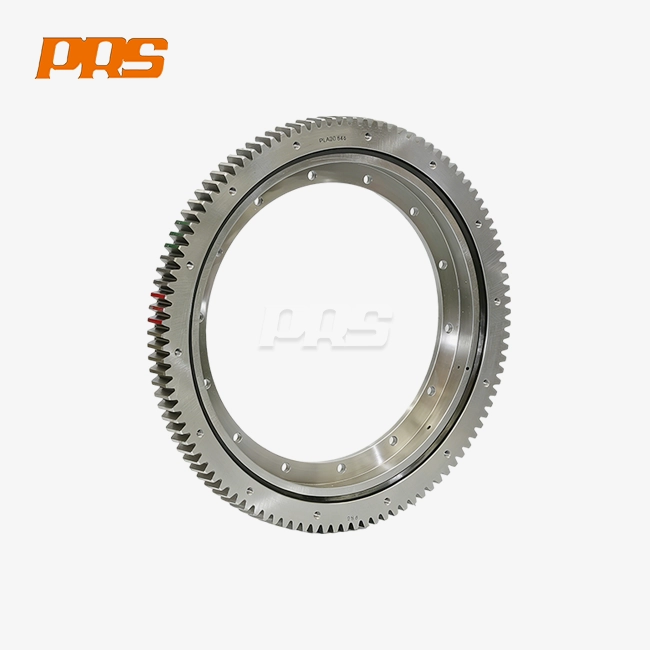 VIEW MOREFour point contact ball slewing bearing
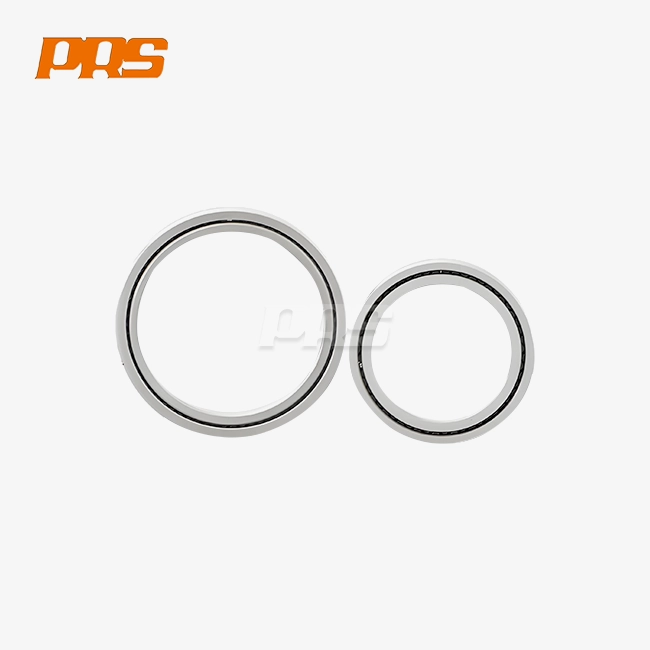 VIEW MORERAU bot bearing
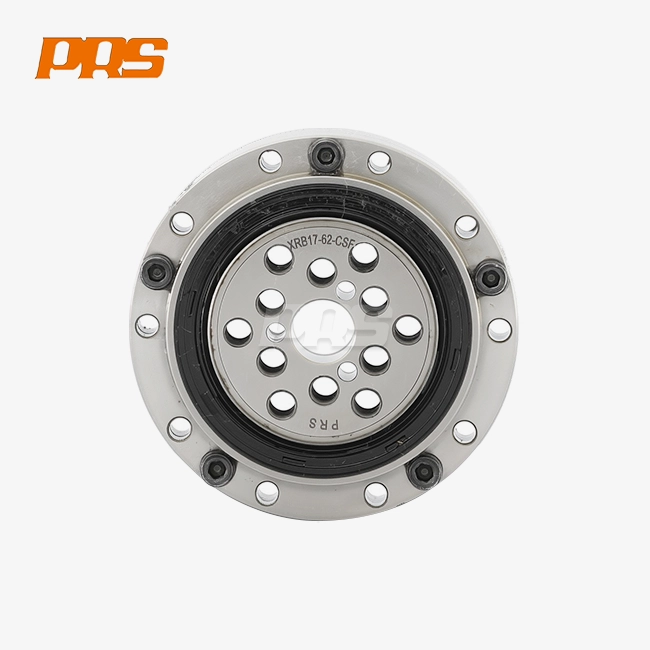 VIEW MOREBearing for harmonic drive
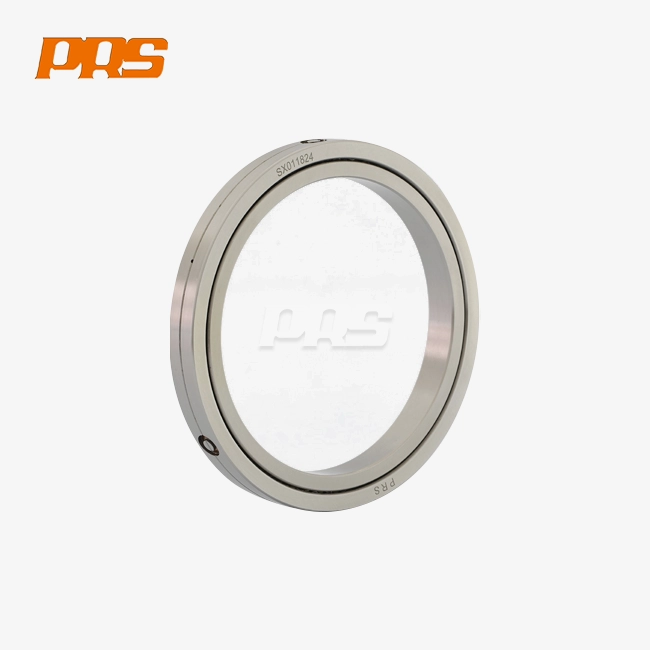 VIEW MORESX Cross Roller Bearing
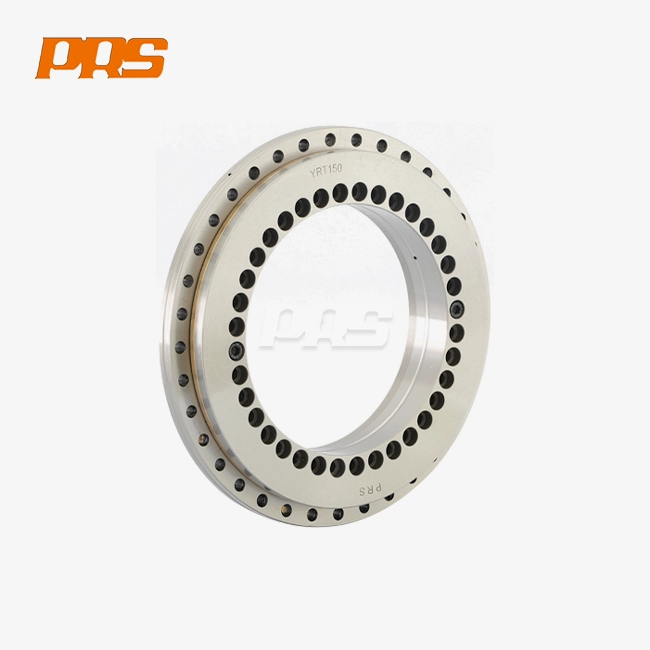 VIEW MORERotary Table Bearings
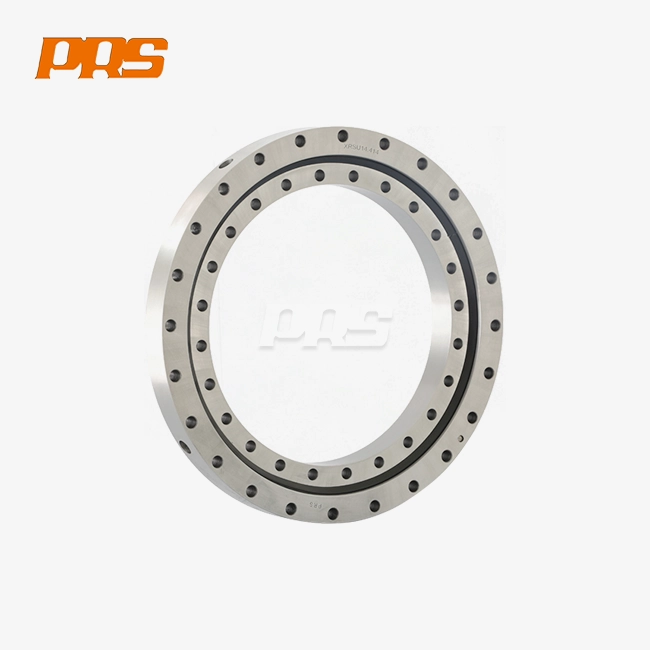 VIEW MOREdouble row ball slewing bearing
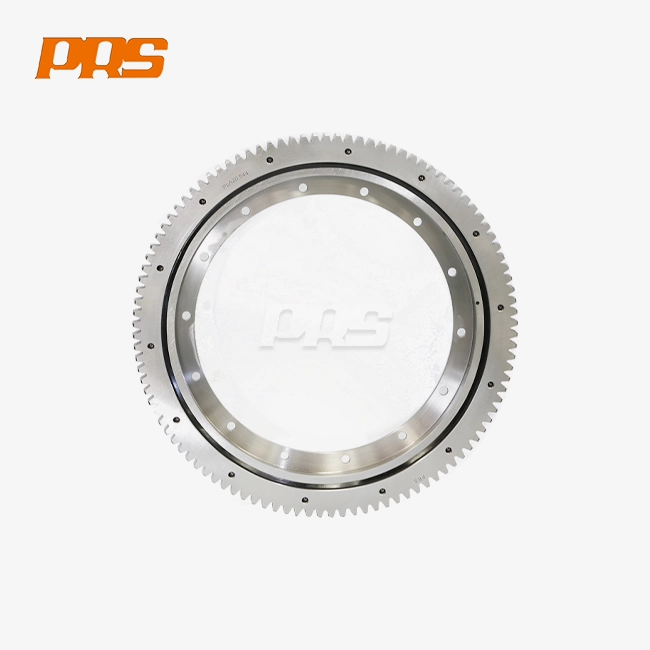 VIEW MORECrossed Roller Slewing Bearing
 VIEW MOREThree-Row Cylindrical Roller Slewing Bearing