
Selecting the Right Cross Roller Turntable Bearing for Machine Tools
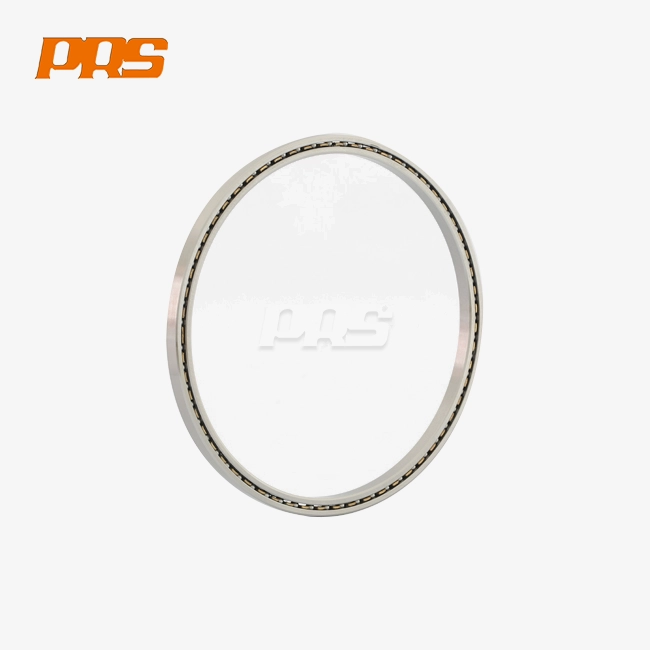
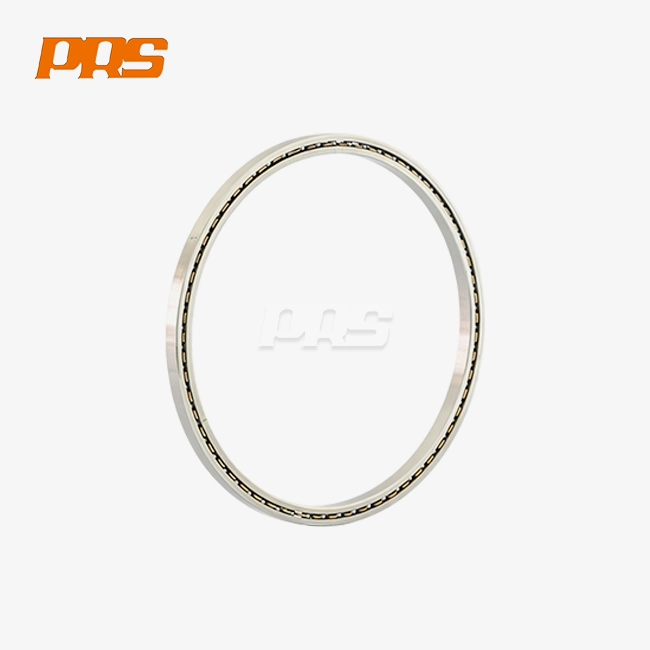
When accuracy is important in machine tool applications, picking the right cross roller turntable bearing can make the difference between getting micron-level accuracy or having trouble with movement under load. These special bearings have V-groove raceways with circular rollers organized at 90-degree angles. This lets them handle radial, axial, and moment loads all at the same time in a small space. Traditional ball bearings rely on point contact, but crossed roller designs use line contact along the whole length of the roller. This spreads stress equally and makes the bearing three to four times more stiff. They are necessary for CNC rotating tables, indexing systems, and precise positioning tools because the accuracy of the spin has a direct effect on the quality of the product and the speed of the machining process.
Understanding Cross Roller Turntable Bearings and Their Design Principles
To understand how load distribution affects performance is the first step in the engineering behind precise rotating motion. When machine tools work with joint forces, it's hard to get tight tolerances because the cross roller turntable bearing move.
The Crossed Roller Configuration Advantage
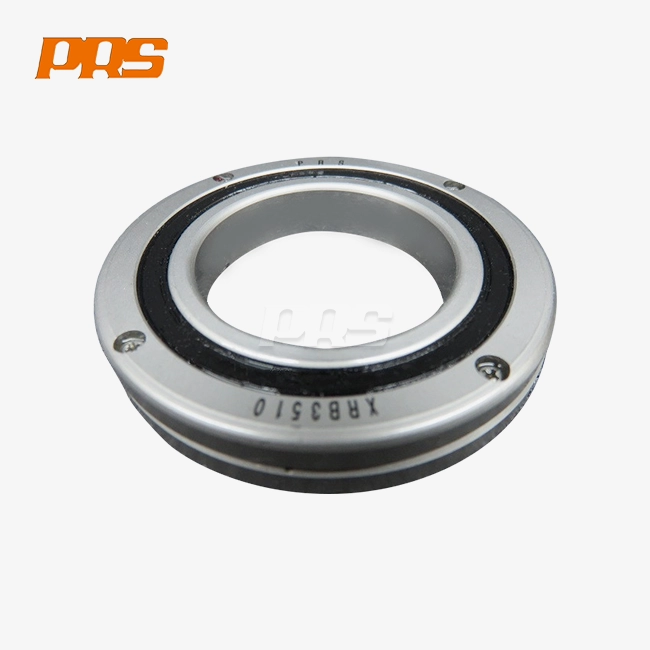
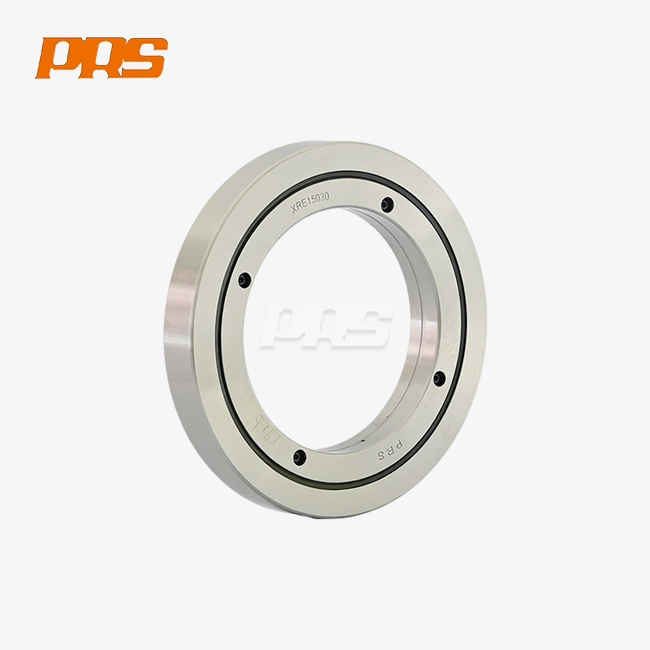
The design of the orthogonal rollers makes more than one load line inside a single bearing unit. Line contact geometry is what engineers call the shape of the contact between each cylinder roller and the inner and outer ring raceways along its whole length. This design concept changes how stress is handled in bearings. When moment loads, like the twisting forces that happen in rotating tables, are applied, the crossed design stops tilting motion much better than point-contact options. Both rings have V-groove raceways that exactly guide the rollers. Spacer guards keep the rollers from rubbing against each other, so the spacing stays the same.
Material Science and Manufacturing Precision
High-carbon chromium bearing steel is heated until it reaches a hardness of 58 to 62 HRC. This gives the surface the toughness needed for long-term use under heavy loads. The process of grinding that forms raceways gets the surface hardness to less than 0.2 Ra, which lowers friction and increases the life of the machine. PRS makes these parts with precise CNC cutting equipment in climate-controlled factories that keep the temperature stable so that the dimensions are accurate to within 5 microns. Tighter standards mean less runout, which is measured in arc-seconds instead of degrees by machine tool builders. This means that the bearings work better.
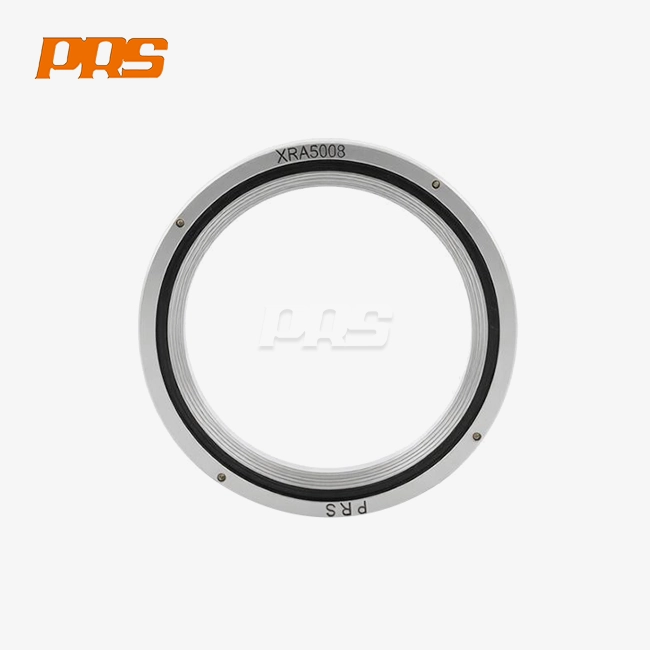
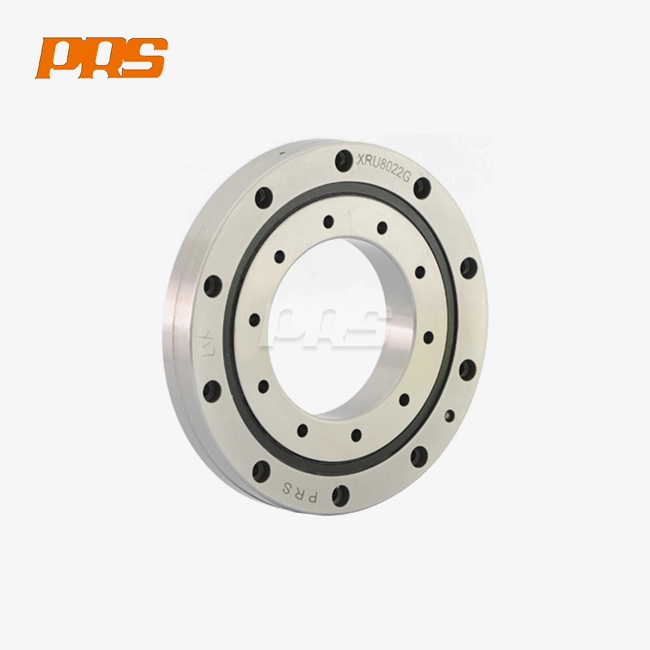
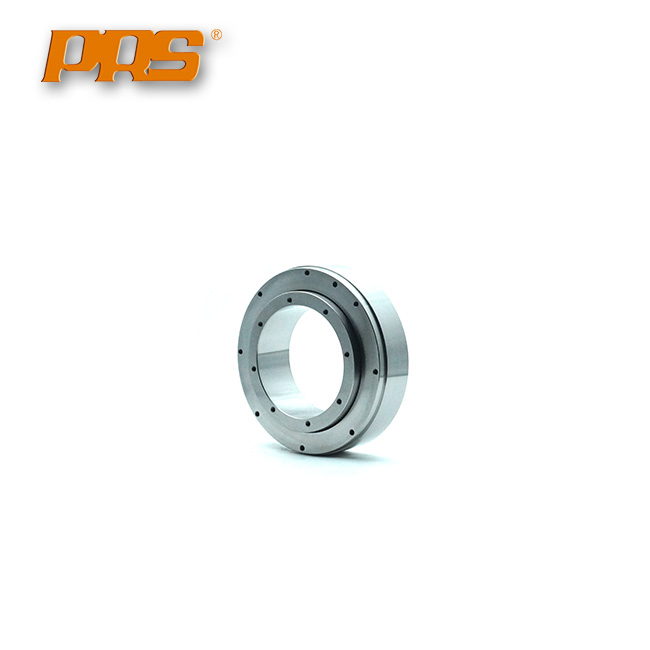
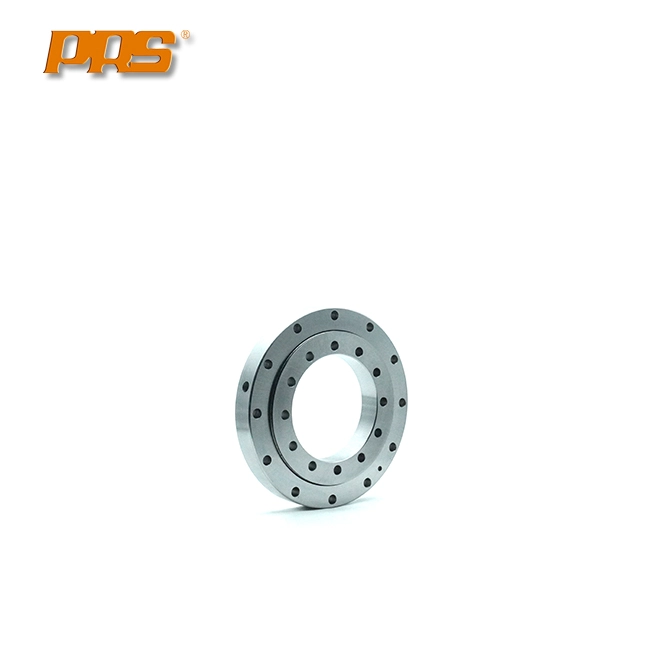
Pay attention to the combined mounting setup. RU-type bearings have through-holes in the outer ring that let them be attached directly to machine frames without the need for extra housing parts. This design makes fitting easier while keeping the bearing and mounting area in the same plane. Getting rid of extra housing parts also cuts down on the radial envelope, which is especially helpful for small machine tool designs where every millimeter counts.
How to Select the Right Cross Roller Turntable Bearing for Your Machine Tool?
Systematic selection of bearings keeps expensive gaps between the powers of parts and the needs of the application. The method strikes a mix between technical needs and real buying issues.
Load Analysis and Capacity Requirements
Calculating the load correctly is the first step in choosing the right cross roller turntable bearing. Bearings in machine tools are put under three types of loads at the same time: radial forces from the weight of the workpiece, axial forces from the processes, and moment loads from cutting points that are offset. Engineers use ISO 281 standards to figure out the equivalent dynamic load. These standards combine these forces into a single number that can be compared to bearing rates. A rotating table holding a 500-kilogram object 300 mm from the bearing axis creates moment loads that are greater than radial loads. If you don't do this math, the bearings could fail before they should.
Operational variables for crossed roller turntable bearings are based on safety factors. For continuous-duty uses, safety factors should be 3–4 times the estimated load. For intermittent activities, factors should be 2–3. These margins account for dynamic effects, shock loads during starting, and wear that happens over the life of the bearing.
Speed and Thermal Considerations
Roller friction and grease tearing cause heat to be made by rotational speed. Crossed roller bearings have a maximum speed that is based on their width, how they are oiled, and how they are cooled. It is possible for speeds to be higher when oil is used instead of grease. For example, a 150mm bearing might run constantly at 300 RPM when grease is used, but it can hit 500 RPM when oil is used. Machine tool makers have to use thermal models that take into account how heat is generated and lost to figure out what temperature the bearing should be running at. When temperatures go above 80°C, lubricants break down faster and dimensions change faster, which increases interior space and lowers precision.
Size Constraints and Envelope Optimization
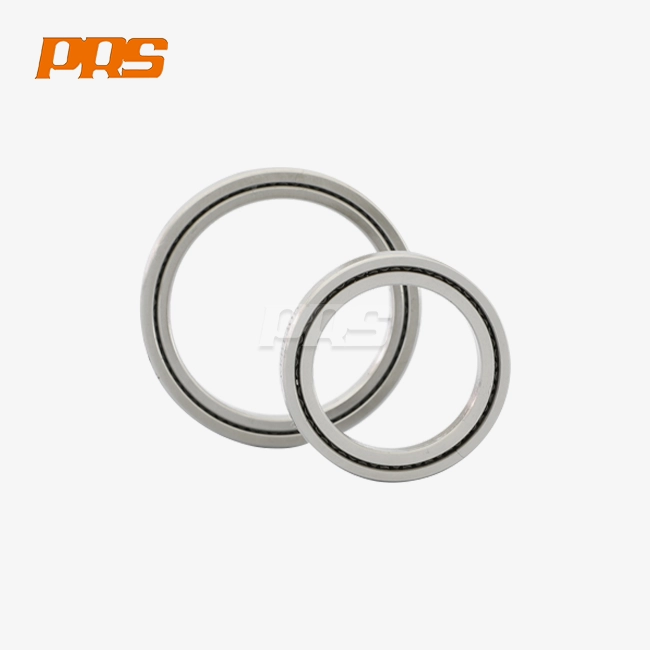
Most of the time, installation room is more important than load needs when choosing bearings. Crossed roller turntable bearings are beautiful because they can handle loads in multiple directions while still taking up little space. PRS makes units with inner sizes ranging from 10mm to 350mm and outer diameters ranging from 52mm to 540mm. These units can be used in a wide range of situations, from small indexing tables to big CNC machining centers. The fixing hole pattern and bolt circle width must match the designs of machines that are already in use. This is especially important for retrofitting situations where bearings need to be replaced without the machine being completely redesigned.
To fit, the shaft and frame must be perfectly matched. The recommended fits range from h7 for inner ring mounting surfaces to H7 for outer ring housings. These are the limits that keep the bearings centered while letting them expand due to heat. When machine makers forget to check the fit specs, the bearing loses its precision because of runout caused by improper fit tolerances. This is a problem we see a lot in field installations.
Evaluating Manufacturers and Supply Chain Reliability
How well a bearing works depends a lot on how well it was made. PRS uses ISO 9001 quality management systems, and their recorded pass rates are higher than 99.9%. This shows that they have good process control, which keeps faulty units from getting to customers. Our building has 35 expert workers who help with applications at all stages of a bearing's life, from helping with selection to installation and troubleshooting during operation. This engineering ease comes in handy when apps need to make custom changes or push the limits of performance.
Project timelines are affected by how well the supply chain works. We keep a large stock of standard bearing sizes, which lets us ship normal orders 24 hours a day, seven days a week, and keep machine builds on schedule. Depending on how complicated they are, custom bearing setups take between 4 and 6 weeks to make. This is something that procurement managers need to think about when planning the project.
Applications and Maintenance Tips for Cross Roller Turntable Bearings in Machine Tools
Figuring out what the real-world application needs helps match the powers of a cross roller turntable bearing to its practical needs and set up maintenance procedures that extend its useful life.
CNC Machining Centers and Rotary Tables
Five-axis machining centers depend on the accuracy of the rotating table to keep the tool path precise during complicated shaping tasks. For accurate placement, the rotating axis bearing must be able to withstand cutting forces without deflection and repeat within 5 arc-seconds. A machine shop that makes parts for spacecraft might move the rotary table hundreds of times every day, adding up to millions of circular movements every year. This job cycle calls for bearings that are made to last a long time when they are used all the time.
Vertical cutting centers have their own problems to solve with cross roller turntable bearing. The bearing handles axial loads like the weight of the workpiece and rotational cutting forces and moment loads from places where the workpiece is not straight. We have seen good uses of crossed roller bearings with a width of 250 to 350 mm. These bearings give the rigidity needed for heavy cutting while still keeping the accuracy needed for finishing operations on the same setup.
Indexing Systems and Angular Positioning
Precision indexing heads break up circle movement into exact angular steps, and they can usually place things with a resolution of 1 degree or better. Runout control is very important because the bearing supports movement and is used as a precise guide. Gear hobbing machines, circular grinding processes, and automatic inspection systems are all examples of uses where the indexed position has to stay the same within microns over thousands of rounds. For these tough jobs, P2 precision bearings are needed because they provide the rotary accuracy that systems for inspection and measurement need.
Essential Maintenance Practices
With regular care, bearings can last up to 30,000 hours or more, which is longer than the normal 20,000 hours. The upkeep plan starts with putting on the right amount of oil at the beginning. For general machine tool use, we suggest using lithium-based grease with an ISO VG 68–100 viscosity that is spread over all touch areas during installation. Too much grease leads to spinning losses and higher temperatures, while not enough grease causes border contact, which speeds up wear.
When to re-grease depends on how the machine is being used. When running at low speeds all the time, grease needs to be replaced every 6 to 12 months. When the job cycle changes, the time between replacements goes up to 18 to 24 months. The design of the bearing includes seal systems that keep the oil in and keep out dirt and other contaminants. This is an important feature for machine tool settings where water and metal chips can damage the bearing. As part of regular maintenance, temperature rise, strange noises, and too much play are all checked for that can mean problems are starting to form before they become catastrophic.
Controlling contamination turns out to be just as important. Even very small bits cause stress to build up between the wheels and the raceways, which leads to fatigue cracks. Builders of machine tools should come up with good closing systems that keep process fluids away from bearings while still letting them expand and contract with heat. We tell you how to choose the right seals and how to place them in a way that keeps the working area clean, which is what precision bearings need.
Procuring Cross Roller Turntable Bearings: Practical Tips and Industry Insights
Strategic procurement takes into account technical needs, the logistics of the supply chain, and the connections between suppliers in order to find parts that meet performance standards while staying within project budgets and plans for the cross roller turntable bearing.
Sourcing Strategies and Supplier Evaluation
When buying precision crossed roller turntable bearings, dealing directly with the maker is better than going through a middleman. Working directly with PRS gives you access to technical knowledge during the design phase, which makes sure that the bearing you choose meets the needs of your application. Before suggesting specific models, our technical team looks at load estimates, working conditions, and installation limitations. This consultative method stops specification mistakes that happen a lot when procurement staff order parts without technical advice.
When uses need to change standard designs, manufacturing capability is important. Our factory makes bearings with diameters ranging from 10 mm to 5000 mm. We can make both regular catalog items and custom designs. This allows for custom machine tool designs to work without having to make sacrifices to fit standard parts.
Lead Times and Inventory Management
Standard bearing types can be shipped within 24 hours from our center, which helps with quick machine builds and replacements that need to be made right away. Manufacturing wait times for custom configurations range from 4 to 6 weeks, based on the size and complexity of the specifications. Early communication of project timelines by procurement managers will help factory plans match up with deadlines for machine assembly. We work with customers to speed up important orders when production conditions allow it, and we keep a level of freedom that strict production plans can't match.
The minimum order quantity changes based on the type and size of bearing. Standard catalog items are only shipped in one piece, but unique designs may need at least five to ten pieces to warrant setting up the tools. These factors affect the purchasing strategy. For example, companies that make a lot of machines can save money by placing blanket orders that get better prices and keep enough inventory to meet output plans.
Warranty Coverage and Technical Support
Full guarantee plans protect against problems with the way the bearing was made and make it clear what is expected of it in terms of performance. PRS offers a basic warranty that promises bearings meet the stated standards for accuracy, load capacity, and material quality. The warranty terms spell out the right way to install, lubricate, and use the bearings so that the guarantee coverage stays in effect. These are important protections when the performance of bearings affects expensive machine tool processes.
Technical help lasts after the initial buy. During the bearing's service life, our engineering team helps with fitting problems, operating issues, and making the bearing work better. This long-term connection is especially helpful when applications or working conditions change and the bearings need to be re-evaluated or the specifications need to be changed. We keep full records of all the applications that help us buy things in the future and make sure that our bearing selection methods are always getting better.
Conclusion
Choosing the right bearings can completely change the capabilities of a machine tool, allowing for precise operations that give manufacturers a competitive edge in the market. A cross roller turntable bearing provides the stiffness, accuracy, and load capacity that precision machining needs. They combine support for loads moving in multiple directions into small packages that make machine design easier. Knowing the technical rules that drive bearing performance, such as roller geometry and contact mechanics, as well as material qualities and thermal behavior, helps engineers and procurement professionals make choices that improve both the bearing's original performance and its performance over its entire life. Systematic selection methodology compares manufacturing capabilities and supply chain operations to load analysis, speed needs, and dimensional limits. This makes sure that components meet application needs while staying within project plans and budgets.
FAQ
What distinguishes cross roller turntable bearings from standard slewing rings?
Turntable bearings are used in machine tools and other precise equipment that needs to be small and accurate. They usually have a width of 10–540 mm and a precision grade of P4 or P2. For building tools and cranes, slewing rings can be made with bigger diameters and often have gear teeth and heavy-duty structures built into them. The main use differences are that a cross roller turntable bearing focuses on accuracy and stiffness, while slewing rings focus on load capacity and shock resistance.
How do I calculate the required bearing size for my application?
Using the ISO 281 method, figure out the combined loads by combining radial forces, axial loads, and moment loads into dynamic load numbers that are the same. Use safety factors of 3–4 for constant duty and compare the loads you determined to the bearing ratings that have been made public. The engineering staff at PRS helps with load calculations for complicated uses, making sure that the right bearing specifications are used to meet working needs.
What maintenance schedule should I establish for optimal bearing life?
Every 500 hours of use, check the bearings for noise, play, and temperature rise. Use ISO VG 68-100 lithium grease to re-grease every 6 to 12 months for constant duty or every 18 to 24 months for occasional duty. Keep an eye on the contamination seals and make sure there is enough grease to keep the bearing's precision and stop it from wearing out too quickly.
Partner with PRS for Precision-Engineered Cross Roller Turntable Bearing Solutions
Because we are experts at making accurate bearings, we can be your strategic partner for tough machine tool uses. Luoyang PRS Precision Bearing Co., Ltd. has a factory that covers 15,000 m² and has more than 200 high-precision tools. They make a cross roller turntable bearing with P4 and P2 precise ratings that range in diameter from 10 mm to 5000 mm. Our engineering team brings more than 20 years of specialized knowledge to every project. They offer technical advice from the initial design stage through installation support and optimizing operations. We keep a large stock of standard cross roller turntable bearing types that can be shipped right away, and we also offer flexible custom making for special needs. As a reliable company that makes cross roller turntable bearings, we offer steady quality that is backed by ISO 9001 approval and 99.9% factory pass rates. Email our technical sales team at ljh@lyprs.com to talk about your unique application needs and get full technical advice based on years of engineering experience.
References
Harris, T.A. & Kotzalas, M.N. (2006). Advanced Concepts of Bearing Technology: Rolling Bearing Analysis, Fifth Edition. CRC Press, Taylor & Francis Group.
ISO 199:2014. Rolling bearings — Thrust bearings — Geometrical product specifications (GPS) and tolerance values. International Organization for Standardization.
Weck, M. & Brecher, C. (2006). Machine Tools 4: Metrological Analysis and Performance Tests. Springer-Verlag Berlin Heidelberg.
SKF Group. (2018). Rolling Bearings Catalogue: Technical Guidelines for Bearing Selection and Application. SKF USA Inc.
American National Standards Institute. (2010). ANSI/ABMA Standard 12.1: Instrument Ball Bearings — Metric Design. American Bearing Manufacturers Association.
Eschmann, P., Hasbargen, L. & Weigand, K. (1985). Ball and Roller Bearings: Theory, Design and Application, Second Edition. John Wiley & Sons Limited.

USER EVALUATE
Here is the customer's evaluation of us